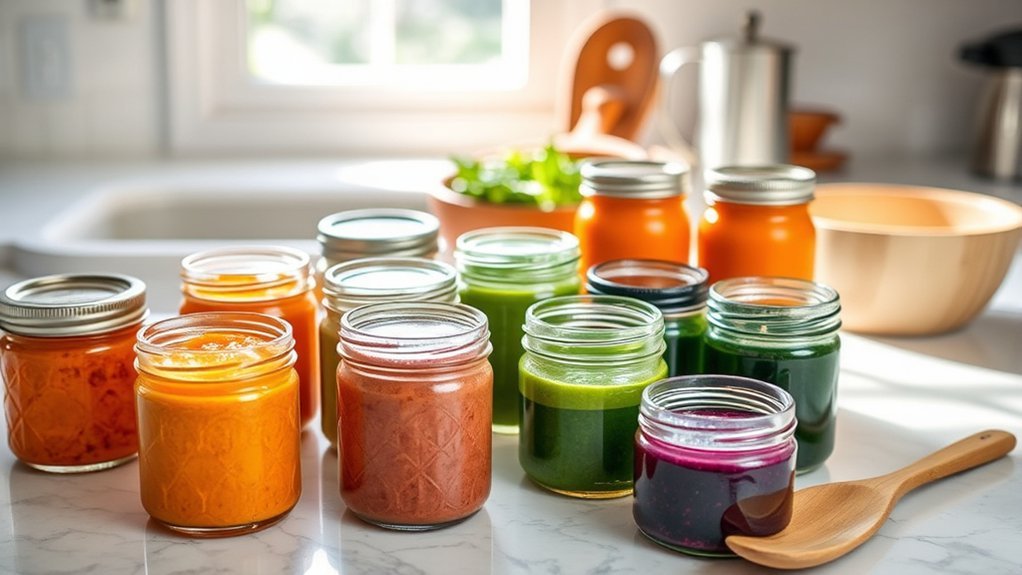
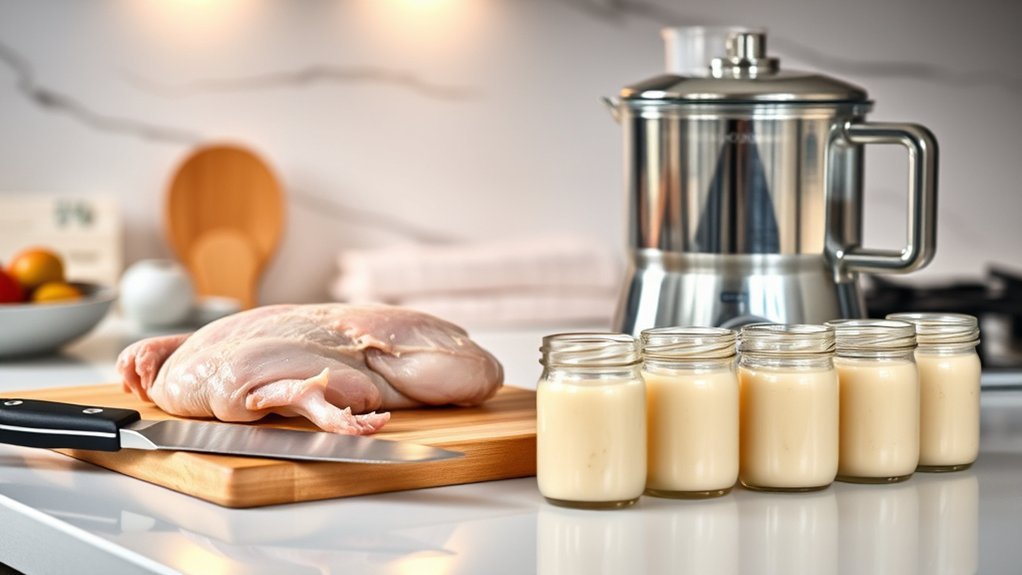
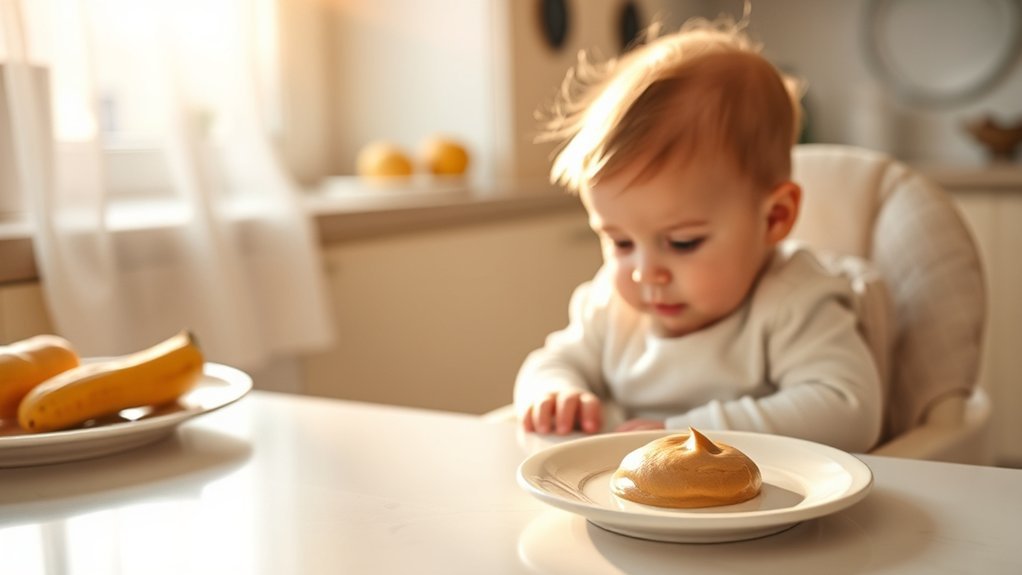
Pairing an iron-rich food with a vitamin C-rich fruit or vegetable is a simple way to help your baby get more value from meals. The pairing is especially helpful for nonheme iron from beans, lentils, tofu, leafy greens, and iron-fortified cereals. Food texture, developmental readiness, and feeding method are just as important as the ingredients you choose.
Quick Answer
Combine one age-appropriate iron source, such as pureed meat, lentils, beans, tofu, or iron-fortified infant cereal, with mashed vitamin C-rich food such as strawberries, kiwi, tomato, broccoli, mango, or sweet potato. Vitamin C is most helpful for absorbing nonheme iron. Avoid juice before 12 months and prepare every food in a safe texture.
Key Takeaways
- Most babies can begin complementary foods at about six months when they show signs of developmental readiness.
- Heme iron from meat, poultry, and seafood is generally absorbed more easily than nonheme iron from plants and fortified foods.
- Vitamin C is especially useful when served with beans, lentils, tofu, leafy greens, and iron-fortified infant cereal.
- Infants 7–12 months have a recommended iron intake of 11 mg per day, but breast milk, formula, complementary foods, supplements, and birth history all affect individual needs.
- Do not give fruit or vegetable juice before 12 months. Use mashed or pureed whole fruit instead.
- Serve food in a texture that matches your baby’s skills, keep your baby seated upright, and supervise every meal.
- Do not start or change an iron supplement without guidance from your baby’s pediatrician.
At a Glance
| Time Required | About 5–15 minutes for a simple meal using prepared ingredients |
| Difficulty | Easy |
| Tools Needed | Bowl, spoon, fork, and an optional blender or food processor |
| Cost | Low to moderate; beans, lentils, tofu, and fortified cereal are often lower-cost choices |
Why Iron-Rich Foods Matter for Babies

Iron helps the body make hemoglobin, which carries oxygen in the blood. It also supports growth and normal development. Babies are born with stored iron, but those stores decline during infancy as growth speeds up.
According to the National Institutes of Health Office of Dietary Supplements, infants 7–12 months have a recommended iron intake of 11 mg per day. That amount includes iron from breast milk, iron-fortified formula, complementary foods, and any supplement recommended by a health professional.
Infants 7–12 months have a recommended dietary iron intake of 11 mg per day.
Iron deficiency in infancy can be difficult to recognize without testing. The American Academy of Pediatrics reports that iron deficiency during infancy and early childhood is associated with negative neurodevelopmental effects, especially when it becomes severe or prolonged.

Power your essentials anywhere with a 999Wh pure sine wave power station delivering up to 1000W continuous with 2000W surge. It supports fast charging via USB-C PD 60W and USB-A QC 18W, plus simultaneous output for multiple devices through AC, USB, wireless, and car/DC ports. Recharge using AC, car, or solar with a built-in MPPT controller and dual cooling fans, while the upgraded battery management system protects against surges, short circuits, and overheating.

ON THE GO BABY FOOD: Gerber Stage 1 Baby Food, Puree Tubs are designed for ease and convenience. Our baby food peas are the perfect on the go baby food, made in a portable and easy-to-store format for busy parents

BEYOND SWEET: SAVORY FLAVORS FOR LITTLE TASTE BUDS These beef baby food pouches introduce little ones to protein-packed, wholesome flavors during the early flavor window — a key stage when babies are learning what foods taste like and building familiarity with new ingredients. This Roast Beef baby food puree features grass-fed beef, organic vegetables, carrots, green beans, red lentils, and white potatoes in ready-to-eat toddler pouches, crafted with smooth textures and nutrient-packed ingredients to help encourage a lifelong love of food before picky habits take hold.
When Can Babies Start Iron-Rich Foods?
Most babies can begin complementary foods at about six months, but readiness matters more than an exact birthday. The CDC recommends looking for developmental signs such as:
- Sitting upright alone or with support
- Controlling the head and neck
- Opening the mouth when food is offered
- Swallowing food instead of pushing it back out
- Bringing objects toward the mouth
- Reaching for or grasping food
Babies born prematurely or those with swallowing, growth, or developmental concerns may need individualized timing and feeding support.
Note: Introduce one new single-ingredient food at a time when your baby is beginning solids. The CDC suggests waiting three to five days before another new food so you can watch for a possible reaction. Once the ingredients have been tolerated separately, you can combine them into meals.
Heme Iron vs. Nonheme Iron for Babies
Food contains two main forms of iron. Both can be part of a healthy infant diet, but the body does not absorb them in the same way.
Heme Iron Sources
Heme iron is found mainly in animal foods and is generally absorbed more easily. Developmentally appropriate options include:
- Soft, finely minced, mashed, or pureed beef
- Chicken or turkey cooked until tender and blended or finely shredded
- Low-mercury fish that is fully cooked, boneless, and mashed
Nonheme Iron Sources
Nonheme iron is found in plant foods and iron-fortified products. Options include:
- Iron-fortified infant cereals
- Beans and lentils
- Tofu
- Cooked dark-green vegetables
- Fortified grain products suitable for the baby’s age
The CDC advises pairing nonheme iron with vitamin C-rich foods because vitamin C can improve its absorption.
Pro Tip: Keep several easy pairings available, such as fortified oat cereal with strawberry puree, lentils with sweet potato, beans with tomato, or tofu with broccoli. The two foods do not need to be blended together as long as they are served during the same meal.
Vitamin C Foods That Help Iron Absorption

Vitamin C-rich produce can be mashed, pureed, finely chopped, or cooked until soft, depending on your baby’s skills. Useful choices include:
- Strawberries
- Kiwi
- Mango
- Oranges or other citrus fruit with seeds and tough membranes removed
- Tomatoes
- Sweet peppers cooked until soft
- Broccoli
- Cabbage
- Sweet potatoes
- Papaya
Use whole fruit rather than juice. Babies younger than 12 months should not drink fruit or vegetable juice under current CDC infant-feeding guidance.
How to Build an Iron and Vitamin C Meal
1. Choose One Iron Source
Start with a small serving of meat, poultry, fish, beans, lentils, tofu, cooked greens, or iron-fortified infant cereal. Use a familiar food when possible.
2. Add a Vitamin C Food
Choose one fruit or vegetable from the list above. Serve it beside the iron food or mix the two after your baby has tolerated each ingredient separately.
3. Adjust the Texture
Early eaters may need a smooth puree or soft mash. As chewing and swallowing skills develop, gradually offer thicker mashed foods, soft lumps, and safe finger-food shapes.
4. Serve Responsively
Seat your baby upright, offer a small amount, and let your baby decide how much to eat. Stop when your baby turns away, closes the mouth, pushes food away, or loses interest.
Iron and Vitamin C Meal Ideas
| Iron-Rich Food | Vitamin C Pairing | Baby-Safe Preparation |
|---|---|---|
| Iron-fortified oat cereal | Strawberry or kiwi | Mix with mashed or pureed fruit. Thin with breast milk, prepared formula, or a little water if needed. |
| Lentils | Sweet potato | Cook until very soft, then mash or puree together. |
| White beans or black beans | Tomato or soft-cooked pepper | Mash beans thoroughly and mix with peeled, cooked tomato or finely pureed pepper. |
| Tofu | Broccoli or mango | Mash soft tofu with cooked broccoli or smooth mango puree. |
| Beef | Tomato or broccoli | Cook fully, remove tough pieces, and puree or crumble very finely into a soft tomato sauce. |
| Chicken or turkey | Sweet potato or mango | Cook until tender and blend, mash, or shred finely to match your baby’s skills. |
| Cooked spinach | Strawberry, tomato, or broccoli | Puree cooked spinach with a tolerated vitamin C food and serve by spoon. |
| Fully cooked egg | Tomato or broccoli | Mash or finely chop the egg. Introduce egg separately first because it is a common allergen. |
When serving infant cereal, rotate among fortified oat, barley, and multigrain cereals instead of relying only on rice cereal. This provides variety and reduces repeated exposure to arsenic that may be present in rice.
Food Allergy and Choking Safety
Egg, fish, dairy, wheat, soy, and other common allergens can be introduced when a baby begins complementary foods. Offer a new allergen in a small, age-appropriate amount when your baby is healthy and you can watch for a reaction. A baby with severe eczema, an existing food allergy, or a previous reaction should receive individualized advice before certain allergenic foods are introduced.
Warning: Always seat your baby upright and supervise the entire meal. Do not offer hard raw vegetables, whole nuts, whole grapes, thick spoonfuls of nut butter, chunks of meat or cheese, firm fruit chunks, or round coin-shaped foods. Follow current American Academy of Pediatrics choking-prevention guidance.
Gagging can happen as babies learn new textures, but choking is silent or may prevent a child from breathing, crying, or making noise. Caregivers should learn infant first aid and CPR from a qualified provider.
Breast Milk, Formula, and Iron Supplements
A baby’s need for supplemental iron depends on the primary milk source, birth history, and amount of iron obtained from complementary foods.
- Iron-fortified formula: Standard iron-fortified infant formula can meet iron needs during the first 12 months when it is the baby’s primary milk source.
- Human milk: Human milk remains valuable but may not provide enough iron by itself as an infant grows.
- Mixed feeding: Babies receiving both breast milk and formula may need an individualized assessment.
- Preterm infants: Babies born before 37 weeks often need earlier iron supplementation because they begin life with lower iron stores.
The American Academy of Pediatrics’ July 2026 clinical report recommends that exclusively breastfed term infants receive 1 mg/kg per day of supplemental iron by four months. It notes that some caregivers may instead begin iron-rich complementary foods at six months. Preterm infants may need supplementation much earlier.
Warning: Do not calculate, start, stop, or change an infant’s iron dose without the baby’s pediatrician. Iron overdose can be dangerous or fatal. Keep iron drops, vitamins, and adult supplements locked away and out of sight and reach.
Vitamin C supplements are usually unnecessary when a baby eats a varied diet that includes fruits and vegetables. A clinician may recommend a supplement for a specific medical reason, but supplements should not replace age-appropriate foods.
Does Dairy Block Iron Absorption?
You do not need to remove yogurt or other age-appropriate dairy foods from every iron-rich meal. Calcium may temporarily affect iron absorption, but the effect in an ordinary mixed diet is not clear enough to justify avoiding nutritious dairy foods.
The most practical approach is to serve vitamin C with plant and fortified iron sources, provide a varied diet, and follow the pediatrician’s timing instructions if your baby is taking prescribed iron medicine.
Cow’s milk or a plant-based milk alternative should not replace breast milk or infant formula as a drink before 12 months. Yogurt and cheese can be introduced earlier in appropriate textures if tolerated.
Tips for Encouraging Your Baby to Enjoy Iron-Rich Meals

Babies often need repeated, low-pressure exposure before they accept a new flavor or texture. Refusal at one meal does not mean the food must be removed from the menu.
- Begin with one or two teaspoons and offer more when your baby shows interest.
- Pair a new iron-rich food with a familiar fruit or vegetable.
- Change one feature at a time, such as texture, temperature, or pairing.
- Let your baby touch and explore safe foods.
- Avoid forcing bites or distracting your baby into eating.
- Continue offering breast milk or iron-fortified formula as the main milk source through the first year.
- Use unsalted family foods when the ingredients and texture are safe for your baby.
A spoonable puree made with cooked spinach and strawberries can replace a juice-based smoothie. A soft beef-and-tomato sauce can also work when the meat is fully cooked and crumbled or blended finely enough for the baby’s feeding skills.
When to Talk to Your Baby’s Pediatrician
Contact your baby’s health professional if your baby was born prematurely, eats very few iron-rich foods, has feeding or swallowing problems, follows a highly restricted diet, or has symptoms such as unusual paleness, low energy, poor growth, persistent irritability, or reduced appetite. These signs have many possible causes and cannot diagnose iron deficiency on their own.
The 2026 AAP report recommends iron-deficiency and anemia screening at the age when a child is most at risk:
- Primarily human-milk-fed infants: Screening at 9–12 months
- Primarily iron-fortified-formula-fed infants: Screening at 15–18 months, usually after the transition away from formula
A clinician may recommend different timing based on symptoms, diet, growth, prematurity, medical history, or local practice.
Note: Food pairings can support adequate iron intake, but they do not diagnose or treat iron deficiency anemia. A baby with suspected or confirmed deficiency needs medical evaluation and an individualized treatment plan.
Frequently Asked Questions
At what age can babies start eating iron-rich foods?
Most babies can begin iron-rich complementary foods at about six months when they can control their head, sit upright with support, reach for food, and swallow food instead of pushing it out. Premature babies and babies with feeding difficulties may need individualized timing.
How much iron do babies need each day?
The recommended dietary allowance is 11 mg per day for infants 7–12 months. This total can come from breast milk, iron-fortified formula, complementary foods, and any supplement prescribed or recommended by the baby’s health professional.
Which food pairings are best for iron absorption?
Useful combinations include fortified oat cereal with strawberry puree, lentils with sweet potato, beans with tomato, tofu with broccoli, and cooked spinach with mashed kiwi. Vitamin C is particularly helpful with nonheme iron from plants and fortified foods.
Can I give my baby orange juice to improve iron absorption?
No. Babies younger than 12 months should not drink fruit or vegetable juice. Use mashed orange pulp with seeds and tough membranes removed, or choose another whole-food source such as strawberries, kiwi, tomato, broccoli, mango, or sweet potato.
Does my baby need an iron supplement?
It depends on feeding method, birth history, diet, and medical needs. Current AAP guidance recommends supplemental iron for exclusively breastfed term infants by four months, with an alternative of beginning iron-rich complementary foods at six months. Preterm infants may need iron earlier. Ask your pediatrician for the correct plan and dose.
What if my baby refuses iron-rich foods?
Offer a small amount without pressure and try again on another day. Pair the food with a familiar flavor, adjust the texture, and rotate among meat, lentils, beans, tofu, eggs, and fortified cereals. Contact your pediatrician if your baby consistently eats very few iron-rich foods or has growth concerns.
Should I avoid yogurt or dairy in an iron-rich meal?
You generally do not need to avoid age-appropriate dairy foods. Calcium may temporarily affect iron absorption, but a varied diet is more important than separating every food. Follow your clinician’s instructions if your baby takes prescribed iron medicine.
How can I prevent choking when serving these foods?
Cook foods until soft and prepare them in a texture that matches your baby’s skills. Mash firm fruit, puree early foods, remove bones and tough membranes, and finely crumble meat. Keep your baby seated upright and supervise every bite.
Conclusion
Combining iron-rich foods with vitamin C can make plant-based and fortified iron easier for your baby to absorb. Start with simple pairings, introduce new ingredients separately, and prepare each food in a texture that matches your baby’s feeding skills. Whole fruits and vegetables are better choices than juice, and supplements should only be used under professional guidance. A varied diet, continued breast milk or iron-fortified formula, and regular pediatric care provide the strongest foundation for meeting your baby’s iron needs.
Sources
- Centers for Disease Control and Prevention: Iron — iron sources, feeding methods, and vitamin C pairings
- NIH Office of Dietary Supplements: Iron Fact Sheet for Consumers — recommended iron intake, food sources, absorption, and supplement safety
- American Academy of Pediatrics: Prevention, Screening, Diagnosis, and Treatment of Iron Deficiency — 2026 supplementation and screening guidance
- Centers for Disease Control and Prevention: Introducing Solid Foods — readiness, allergens, textures, and cereal variety
- Centers for Disease Control and Prevention: Foods and Drinks to Avoid or Limit — juice, cow’s milk, added sugar, and food-safety guidance
- American Academy of Pediatrics: Choking Prevention — food shapes, textures, supervision, and choking hazards