Baby food can stay safe in the refrigerator only for a limited time, and the correct storage window depends on what the food contains. Strained fruits and vegetables generally keep longer than meats, eggs, or combination meals. Just as important, food that has touched your baby’s spoon or mouth should not go back into storage.
Quick Answer
Keep opened or freshly made baby food at 40°F (4°C) or below. FDA guidance allows 2–3 days for strained fruits and vegetables, 1 day for strained meats and eggs, 1–2 days for meat-and-vegetable combinations, and 1–2 days for homemade baby food. Discard food contaminated by a used feeding spoon.
Key Takeaways
- Keep your refrigerator at or below 40°F (4°C) and your freezer at 0°F (-18°C).
- Refrigerate strained fruits and vegetables for 2–3 days, strained meats and eggs for 1 day, and meat-and-vegetable combinations for 1–2 days.
- Homemade baby food should generally be used within 1–2 days in the refrigerator.
- Never return food to the refrigerator after a spoon that has been in your baby’s mouth has touched it.
- Refrigerate perishable baby food within 2 hours, or within 1 hour when temperatures are above 90°F (32°C).
At a Glance
| Time Required | About 2–5 minutes to portion, label, and refrigerate; refrigerator thawing may take overnight. |
| Difficulty | Easy |
| Tools Needed | Clean spoon, airtight food-safe containers, labels or marker, and ideally a refrigerator thermometer. |
| Cost | Usually no extra cost if you already have suitable containers; otherwise only the cost of storage containers, labels, or a refrigerator thermometer. |
Note: This guide covers general food-safety practices for baby food. Follow the storage directions on the product label and any specific instructions from your child’s pediatrician or healthcare professional.
How Long Can Baby Food Be Refrigerated?
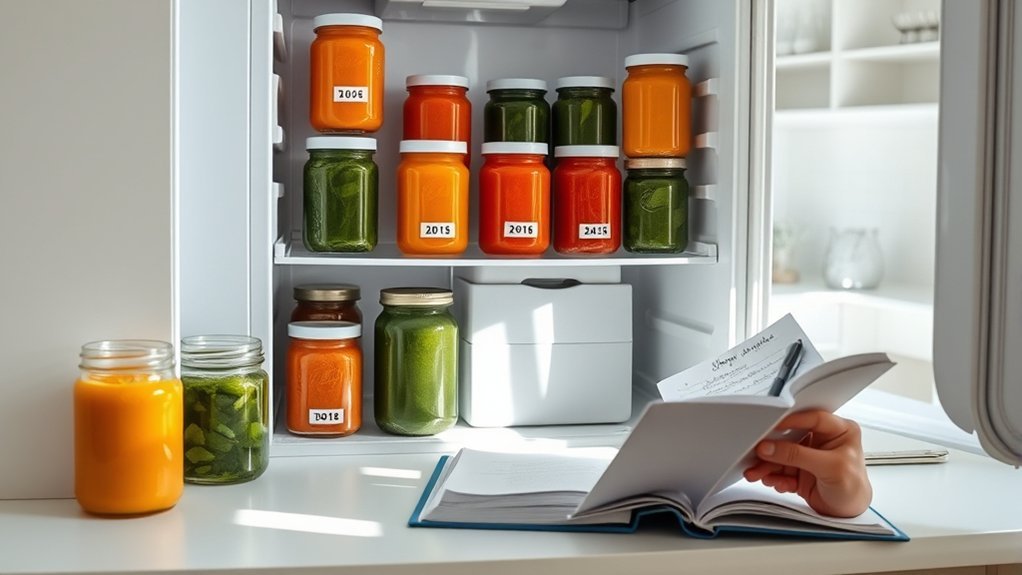
The safest answer depends on the ingredients. The U.S. Food and Drug Administration gives different refrigerator limits for different types of opened or freshly made baby food.
| Food Type | Refrigerator at 40°F (4°C) or Below |
|---|---|
| Strained fruits and vegetables | 2–3 days |
| Strained meats and eggs | 1 day |
| Meat-and-vegetable combinations | 1–2 days |
| Homemade baby food | 1–2 days |
Storage time depends more on the type of food than on whether it came from a store or your kitchen.
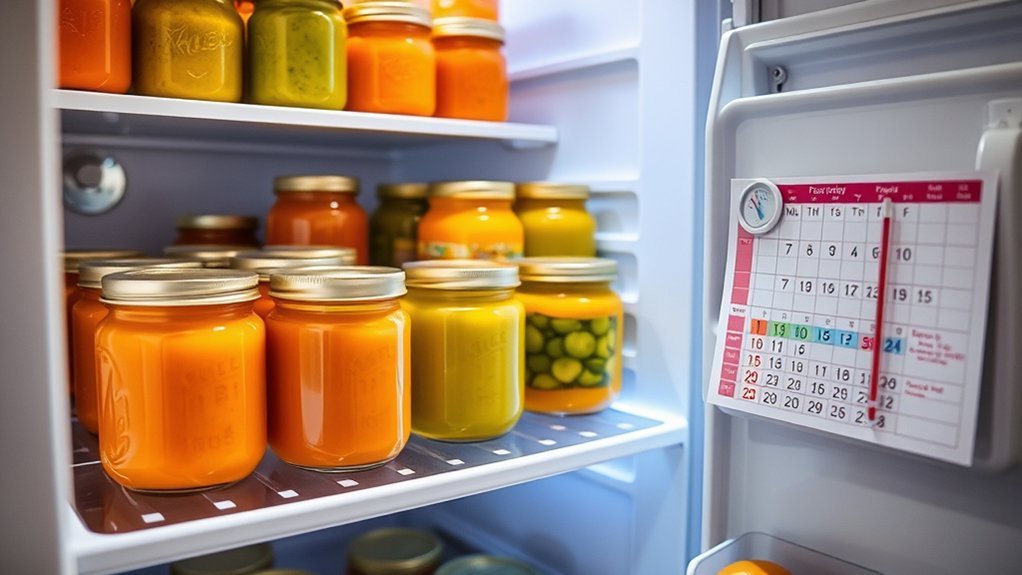
Refrigerate freshly prepared or opened perishable baby food promptly. The FDA recommends keeping refrigerators at 40°F (4°C) or below.
Warning: Do not feed your baby directly from a jar or storage container and then refrigerate the remaining food. Saliva carried back by the spoon can contaminate it. Instead, transfer one serving to a separate dish with a clean spoon and refrigerate only the untouched food left in the original container.
Any food left in your baby’s serving dish after the meal should be discarded rather than saved for another feeding.
Power your essentials anywhere with a 999Wh pure sine wave power station delivering up to 1000W continuous with 2000W surge. It supports fast charging via USB-C PD 60W and USB-A QC 18W, plus simultaneous output for multiple devices through AC, USB, wireless, and car/DC ports. Recharge using AC, car, or solar with a built-in MPPT controller and dual cooling fans, while the upgraded battery management system protects against surges, short circuits, and overheating.

Premium Baby Food Storage Containers: The set has 8 food storage containers, 4 oz each. 8 colors, 1 of each color. There are many colors for easy differentiation of use and a large number to meet the daily needs of baby use. A pen can be used to write the name, date or other information on the lid to remind you what is inside the jar. Perfect for storing homemade baby food, solid baby food, fruit and vegetable purees, jams, etc

2oz x 10 Baby Food Storage Cubes - Prepare, apportion and freeze exact food portions for your baby in advance. To use, simply pop the frozen food cube out from the KeaBabies Prep Silicone Baby Food Freezer Tray in seconds.
Essential Tips for Storing Baby Food Safely
Safe baby food storage is about more than watching the clock. Temperature, clean utensils, food-contact contamination, thawing method, and the condition of commercial packaging all matter.
Proper Refrigeration Duration
Use the shortest applicable storage time whenever a meal contains several ingredients. For example, a fruit-and-meat combination should follow the shorter storage window that applies to meat combinations rather than the longer fruit-only limit.
| Food Type | Recommended Refrigerator Time | Practical Rule |
|---|---|---|
| Homemade baby food | 1–2 days | Freeze extra portions rather than stretching the refrigerator window. |
| Strained fruits and vegetables | 2–3 days | Keep covered and cold. |
| Strained meats and eggs | 1 day | Use promptly after opening or preparation. |
| Meat-and-vegetable combinations | 1–2 days | Do not use the longer vegetable-only limit. |
Perishable food should not sit at room temperature for more than 2 hours. When the surrounding temperature is above 90°F (32°C), refrigerate it within 1 hour, following general FDA food-safety guidance.
Pro Tip: Label containers with both the preparation or opening date and a discard-by date. That is easier and safer than trying to remember when each batch was made.
Safe Thawing Methods
The refrigerator is the simplest way to thaw frozen baby food because the food remains cold while it defrosts. Move only the portion you expect to use from the freezer to the refrigerator and let it thaw in a covered container.
For faster thawing, general USDA guidance allows food to be thawed in cold water when it is sealed in a leak-proof package. Keep the water cold and use the food promptly after thawing.
A microwave can also thaw food quickly, but some areas may begin heating before others. If you microwave-thaw baby food, transfer it to a microwave-safe dish, stir thoroughly, and use it immediately rather than returning it to long-term storage.
Warning: Do not thaw perishable baby food on the counter or in hot water. The outside of the food can warm into a temperature range where bacteria multiply while the center is still frozen.
Ideal Storage Containers
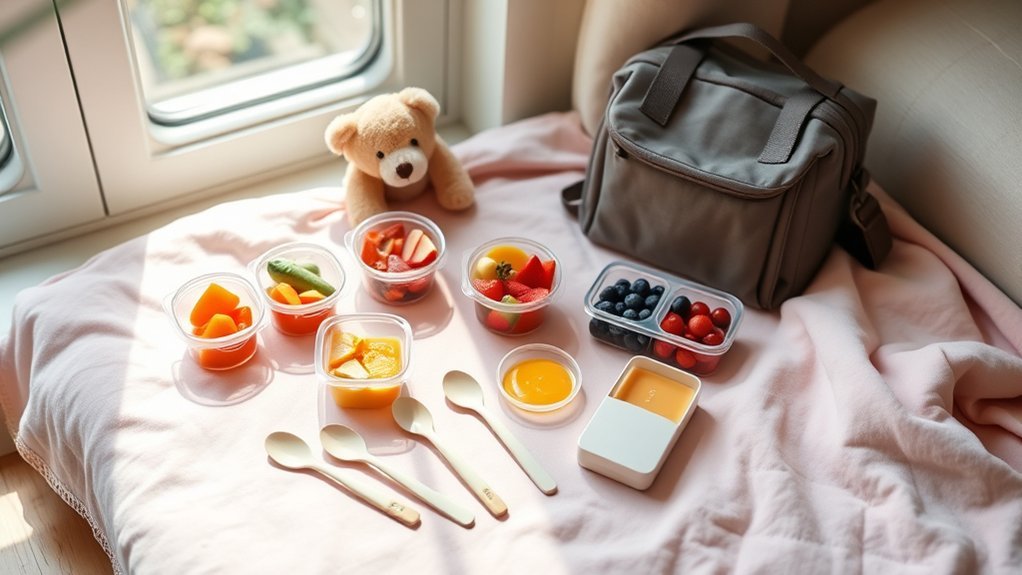
Use clean, food-safe containers with tight-fitting lids. Small containers make it easier to portion one meal at a time and reduce the chance of contaminating an entire batch.
| Container Type | Material | Best Use |
|---|---|---|
| Small jars or containers | Food-safe glass | Refrigerated single portions; use freezer-rated glass if freezing. |
| Small food-storage cups | Food-safe plastic | Lightweight refrigerated portions; check whether the container is freezer- or microwave-safe before using it that way. |
| Portion trays | Food-safe silicone or freezer-safe material | Freezing homemade food in small portions. |
Wash containers, blenders, food processors, spoons, and other utensils thoroughly with hot, soapy water before they contact baby food.
For commercial jars, the FDA also recommends checking that the safety button on the lid is down before opening. A properly sealed jar should make the expected opening pop. Do not use jars with chipped glass, rusty lids, broken seals, leaks, bulging packaging, or other obvious damage.
Signs That Baby Food May Be Spoiled
Obvious spoilage signs include mold, unusual odors, unexpected discoloration, leaking or swollen packaging, and major changes in texture.
However, appearance and smell cannot prove that baby food is safe. Disease-causing bacteria may be present even when food looks, smells, and tastes normal. That is why storage time and temperature are more reliable safety controls than a smell test.
Discard baby food that has exceeded its recommended refrigerator time, has been left unrefrigerated too long, has an uncertain storage history, or may have been contaminated by saliva.
Note: If a baby develops concerning symptoms such as persistent vomiting, inability to keep fluids down, blood in diarrhea, or a prolonged high fever, contact a healthcare professional promptly.
Safe Reheating Methods for Baby Food
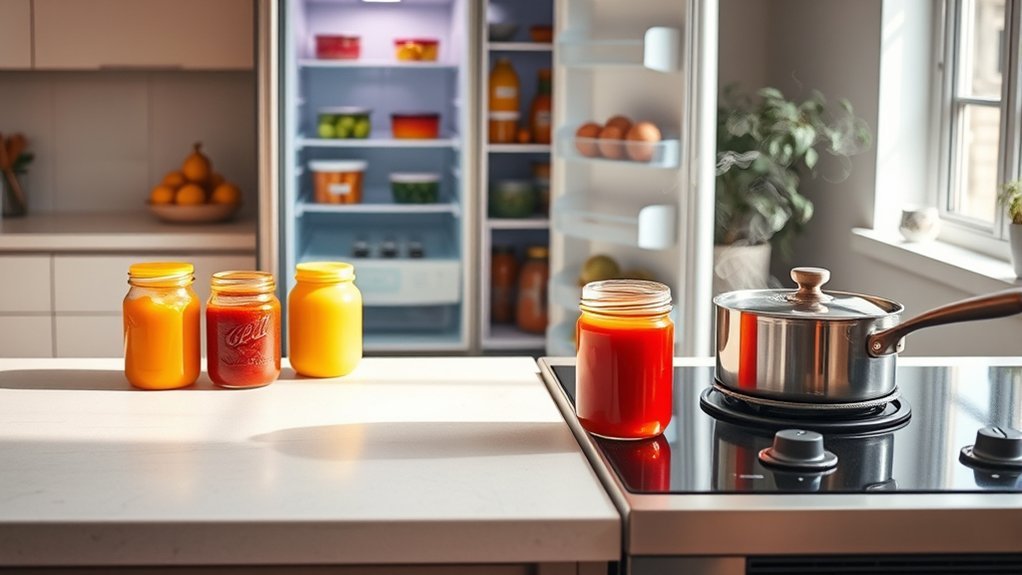
When you choose to warm baby food, the goal is even heating without creating hot spots that could burn your baby’s mouth.
There is an important difference between warming food for serving and safely reheating previously cooked leftovers. USDA guidance says cooked leftovers should be reheated to 165°F (74°C). After that, baby food must be stirred and allowed to cool before feeding so it is comfortably lukewarm rather than hot.
Microwave Heating Techniques
Never microwave baby food in its original glass jar. Transfer the portion to a microwave-safe dish so you can stir it thoroughly and check the temperature throughout.
Heat small portions briefly, stir well, and allow the food to stand for about 30 seconds so heat can spread more evenly. Test the food before feeding.
The FDA advises against microwaving baby-food meats, meat sticks, or eggs because their higher fat content can lead to uneven heating, overheating, and splattering. Use the stovetop for these foods instead.
Only heat the amount you expect your baby to eat. Once a feeding spoon has been in your baby’s mouth and returned to the dish, discard the leftover food from that serving.
Stovetop Warming Methods
Place the portion in a small saucepan over low heat and stir frequently. Stirring helps eliminate hot spots and gives you more control over the final temperature.
If the food is a previously cooked leftover that requires reheating for safety, heat it thoroughly to 165°F (74°C). Then remove it from the heat, stir again, and let it cool before serving.
The FDA describes baby-ready warmed food as lukewarm. Always test the temperature before offering it to your baby.
Which Baby Foods Stay Fresh the Longest?
In the refrigerator, strained fruits and vegetables have one of the longer FDA storage windows at 2–3 days. Strained meats and eggs have the shortest listed window at 1 day, while meat-and-vegetable combinations and homemade baby foods generally fall between 1 and 2 days.
Unopened commercial baby food does not have one universal shelf life. Keep it according to the manufacturer’s directions and follow the date printed on the package rather than assuming every jar or pouch will last the same number of years.
For frozen homemade baby food, the FDA recommends freezing small portions and using them within about 3 months as a practical home-storage target.
Freezing slows bacterial growth but does not make poor handling safe. Freeze food while it is still within its safe refrigerator window, use clean freezer-safe containers, and label each portion with the food and date.
How to Make Homemade Baby Food Last Longer
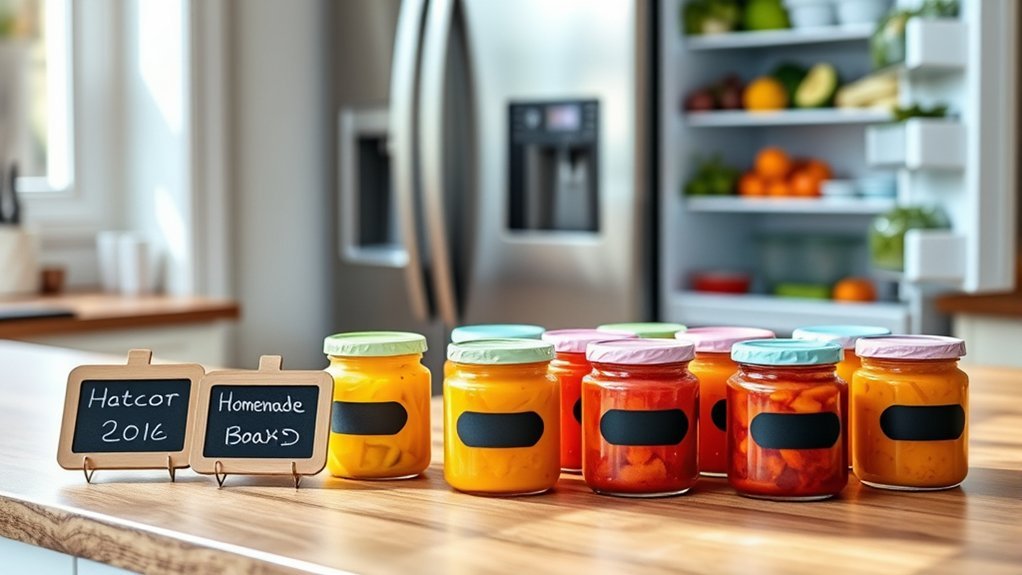
If you make more homemade baby food than your child can eat within 1–2 days, freezing individual portions is usually a better option than keeping the entire batch in the refrigerator.
After preparing the food, divide it into clean freezer-safe portion trays or individual containers. Freeze it promptly, then transfer frozen portions to an airtight freezer container or bag when appropriate.
Freezing small portions makes it easier to thaw only what your baby needs while keeping the rest of the batch untouched.
Label every portion with the food name and preparation date. For straightforward home storage, plan to use frozen homemade baby food within about three months.
If you use glass containers in the freezer, make sure they are specifically designed for freezing and leave enough headspace for the food to expand.
Baby Food Storage Rules to Remember
Safe storage becomes much easier when you follow the same routine every time: keep the refrigerator at 40°F (4°C) or below, portion food with a clean utensil before feeding, refrigerate untouched food promptly, and discard anything from the baby’s serving dish after the meal.
Do not leave perishable baby food at room temperature for more than two hours, or more than one hour in temperatures above 90°F (32°C). If you cannot verify how long the food has been warm, discarding it is safer than guessing.
When freezing homemade baby food, portion and date it before storage. Thaw it in the refrigerator whenever possible rather than on the counter or in hot water.
Frequently Asked Questions
Can I Freeze Leftover Baby Food for Later Use?
Yes, provided the food has not been contaminated by your baby’s saliva and is still within its safe storage window. Freeze untouched homemade food in clean, airtight, freezer-safe portions and label them with the date. The FDA recommends using frozen homemade baby food within about three months.
How Can I Tell if Homemade Baby Food Is Safe?
Check how long it has been stored and whether it stayed at 40°F (4°C) or below. Mold, bad odors, leaking containers, or major texture changes mean it should be discarded, but food can also contain harmful bacteria without looking or smelling spoiled. When the storage history is uncertain, throw it out.
Is It Safe to Mix Different Baby Foods Together?
Yes, once the individual ingredients are appropriate for your baby’s development and have been introduced safely. When your baby is first starting solids, the CDC recommends offering one new single-ingredient food at a time and waiting 3–5 days before introducing another so reactions are easier to identify. After familiar foods have been tolerated, combining them can add variety.
What Should I Do With Expired Baby Food?
Follow the wording and instructions on the package. Do not use a product past a required Use By date, and discard any package with a broken seal, leakage, swelling, rust, chipped glass, or other damage. For opened food, the refrigerator storage clock still applies even when the printed package date is later.
Can I Use Baby Food After the Best By Date?
A Best By or Best if Used By date generally describes expected quality rather than acting as a universal safety expiration date. However, some baby foods have specific Use By requirements. Read the exact wording on the package, follow the manufacturer’s instructions, and do not use a product when its seal, packaging, or storage history is questionable.
Conclusion
Safe baby food storage comes down to a few dependable habits: keep the refrigerator at 40°F (4°C) or below, follow the correct storage time for the type of food, portion meals before feeding, and discard anything that has been contaminated by your baby’s saliva. Freeze extra homemade portions early rather than stretching refrigerator limits, thaw them safely, and always check warmed food before serving.
Sources
- U.S. Food and Drug Administration — Once Baby Arrives — baby food refrigerator/freezer times, saliva contamination, packaging checks, freezing, and microwave safety.
- U.S. Food and Drug Administration — Are You Storing Food Safely? — refrigerator/freezer temperatures, room-temperature limits, spoilage, and date-label guidance.
- USDA Food Safety and Inspection Service — Safe Defrosting Methods — refrigerator, cold-water, and microwave thawing guidance.
- USDA Food Safety and Inspection Service — Reheating Leftovers Safely — 165°F reheating guidance for cooked leftovers.
- Centers for Disease Control and Prevention — Introducing Solid Foods — introducing new foods individually and waiting 3–5 days between new foods.