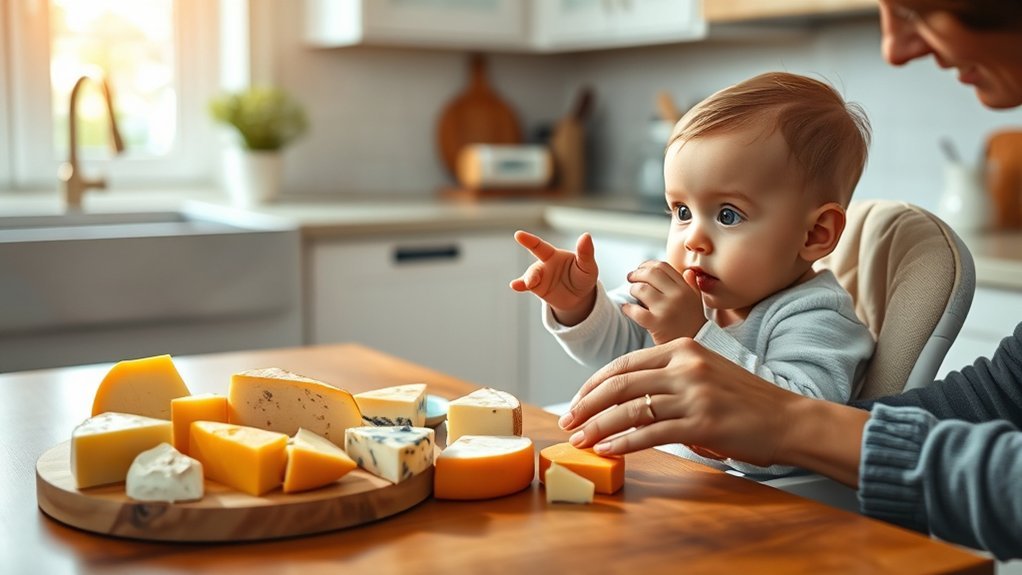
Babies can usually start eating cheese at around 6 months old, once they are developmentally ready for solid foods. Choose pasteurized, full-fat cheese, compare sodium levels, and prepare it in a soft texture that does not form a firm chunk. Cheese can be offered before your baby’s first birthday even though cow’s milk should not replace breast milk or formula as a drink until after 12 months.
Quick Answer
Most babies can try pasteurized cheese from around 6 months, once they can sit with support, control their head, and swallow food. Start with a small amount of soft, finely grated, mashed, or melted cheese. Avoid unpasteurized cheese, recalled products, large cubes, and whole string-cheese sticks.
Key Takeaways
- Babies can usually eat pasteurized, full-fat cheese from around 6 months when they are ready for complementary foods.
- Mild cheddar does not have to wait until 9 or 12 months; it must simply be served in a safe texture.
- Avoid large cheese cubes, thick chunks, and whole string-cheese sticks because they can block a young child’s airway.
- Cow’s milk should not be the main drink before 12 months, but pasteurized cheese and plain yogurt may be offered earlier.
- Dairy is a common allergen. Introduce a small amount when you can watch your baby and know the signs of a reaction.
- Always check the label for pasteurization, sodium, added ingredients, and current food recalls.
When Can Babies Start Eating Cheese?
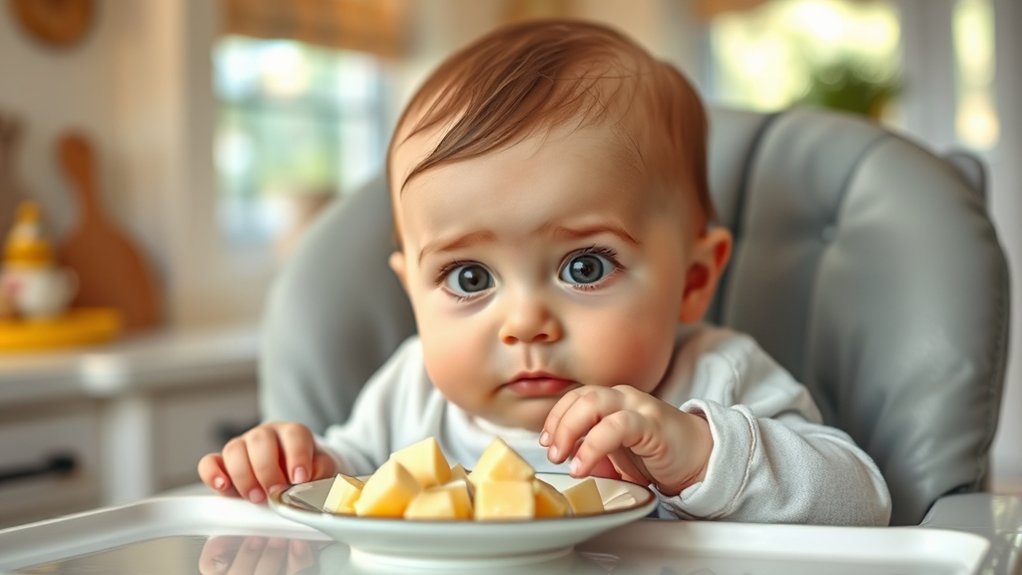
Most babies can start trying cheese at around 6 months of age. The exact day matters less than whether your baby is ready for solid food. According to the Centers for Disease Control and Prevention, common readiness signs include being able to sit with support, control the head and neck, open the mouth when food is offered, and swallow food instead of pushing it back out.
Pasteurized, full-fat cheese can be introduced alongside other complementary foods. This includes soft cheeses such as ricotta and cream cheese as well as mild hard cheeses such as cheddar. The NHS infant-feeding guidance permits pasteurized full-fat mild cheddar, cottage cheese, and cream cheese from around 6 months.
Cheese may be introduced during complementary feeding. It is cow’s milk as a main beverage—not pasteurized cheese—that should wait until after 12 months.
Breast milk or iron-fortified infant formula should remain your baby’s main source of nutrition through the first year. Cow’s milk does not have the right nutrient balance to replace either one before 12 months and can place added demands on an infant’s kidneys.
Note: Babies born prematurely or with swallowing problems, poor growth, severe eczema, a previous food reaction, or a diagnosed medical condition may need individualized feeding guidance from their pediatrician.

Power your essentials anywhere with a 999Wh pure sine wave power station delivering up to 1000W continuous with 2000W surge. It supports fast charging via USB-C PD 60W and USB-A QC 18W, plus simultaneous output for multiple devices through AC, USB, wireless, and car/DC ports. Recharge using AC, car, or solar with a built-in MPPT controller and dual cooling fans, while the upgraded battery management system protects against surges, short circuits, and overheating.

One 8 ounce bag of Mild Cheddar Cheese
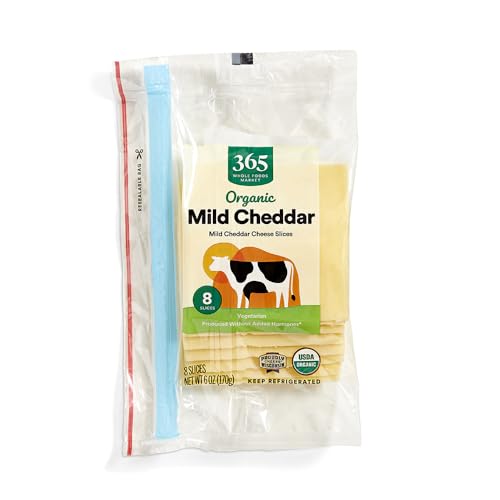
365 by Whole Foods Market products give you that dance-down-the-aisles feeling, virtual aisles too!
The Best Cheese Options for Babies
The best cheese for a baby is pasteurized, full-fat, mild, and prepared in a soft texture. Sodium varies by brand, so compare Nutrition Facts labels rather than assuming every ricotta, cottage cheese, or mozzarella product is low in salt.
| Cheese | What to Check | Baby-Friendly Preparation |
|---|---|---|
| Ricotta | Pasteurized label, sodium, and current recalls | Stir a small amount into mashed vegetables, oatmeal, pasta, or fruit |
| Fresh mozzarella | Pasteurized label and sodium | Finely shred, grate, or melt into warm food; do not serve as a firm ball or cube |
| Mild cheddar | Pasteurized label and lower-sodium option when available | Finely grate or melt it into eggs, vegetables, beans, or pasta |
| Cottage cheese | Pasteurization and sodium; some products are quite salty | Mash large curds and serve by spoon or mix into another soft food |
| Plain cream cheese | Pasteurized label, sodium, and no added honey | Spread a thin layer on soft toast or stir a small amount into food |
| Goat or sheep cheese | Pasteurized, not mold-ripened, and not being used as an allergy substitute | Use a small amount of mild cheese mashed or crumbled finely into food |
Current FDA Alert: In an update dated June 29, 2026, the FDA reported a Listeria outbreak investigation involving recalled soft cheeses, including certain requesón or soft ricotta-type products. Review the FDA outbreak notice, check your refrigerator and freezer, and never serve a recalled product.
Safely Introducing Cheese for Babies

Cheese is both a common allergen and a potential choking hazard, so the first serving should be simple and easy to observe.
- Seat your baby upright. Use a stable high chair or another appropriate feeding seat. Do not offer food while your baby is lying down, crawling, walking, or riding in a car.
- Read the package. Choose cheese clearly labeled as made with pasteurized milk. Compare sodium and avoid products affected by a recall.
- Prepare a safe texture. Mash soft cheese, finely grate a firm cheese, or melt a small amount into another soft food.
- Start with a small taste. Offer the cheese earlier in the day when you can watch your baby rather than immediately before sleep or leaving them with another caregiver.
- Introduce one new common allergen at a time. This makes it easier to identify the cause if a reaction occurs.
- Keep it in the diet after tolerance. If your baby eats cheese without a reaction, continue offering suitable dairy foods as part of a varied diet rather than treating the first taste as a one-time test.
Warning: The CDC lists large chunks of cheese, especially string cheese, as choking hazards. Do not give a baby a cheese cube, thick chunk, cheese curd, or whole string-cheese stick. Stay within arm’s reach and supervise the entire meal.
Pro Tip: Cheese is easier to serve safely as an ingredient. Stir ricotta into mashed vegetables, sprinkle finely grated cheddar over beans, or melt mozzarella into soft pasta instead of offering a standalone chunk.
Nutritional Benefits of Cheese for Growing Babies
Cheese is a nutrient-dense food, but its exact nutrition depends on the variety and serving amount. It can contribute several useful nutrients to a varied complementary-feeding diet:
- Protein: Supports growth and tissue development.
- Fat: Full-fat cheese provides concentrated energy during a stage when babies have small stomachs and high energy needs.
- Calcium: Cheese is a natural source of calcium, which supports normal bone and tooth development.
- Vitamin B12: Dairy foods can contribute vitamin B12, which supports healthy blood and nerve function.
- Vitamin A: Full-fat dairy may provide vitamin A, although the amount varies by product.
Cheese should not be described as a dependable vitamin D source. The National Institutes of Health Office of Dietary Supplements notes that most cheese in the United States is not fortified and usually contains only a small amount of vitamin D. Check the Nutrition Facts label if vitamin D content is important.
Cheese is also naturally salty. Use it as one part of a meal rather than allowing it to crowd out iron-rich foods, vegetables, fruit, grains, breast milk, or formula.
Are There Allergy Risks With Cheese for Babies?

Yes. Cheese contains milk proteins, and cow’s milk is a common food allergen. However, the American Academy of Pediatrics states that delaying common allergens such as dairy after a baby is ready for solids does not prevent food allergy.
Talk with your baby’s pediatrician or allergist before introducing cheese if your baby has already reacted to milk or formula, has a diagnosed milk allergy, is following a medically directed dairy-free diet, or has another condition that makes feeding higher risk.
Common Allergy Symptoms
Food-allergy symptoms usually begin within minutes to a few hours, although timing can vary. Stop feeding the cheese and watch for:
- Hives, widespread redness, or an itchy rash
- Swelling of the lips, face, eyelids, or tongue
- Repeated vomiting or significant diarrhea
- Coughing, wheezing, hoarseness, or trouble breathing
- Sudden drooling or difficulty swallowing
- Unusual sleepiness, limpness, paleness, or collapse
Emergency Warning: Call 911 immediately for trouble breathing, throat or tongue swelling, collapse, marked limpness, rapidly worsening symptoms, or symptoms affecting more than one body system. Give epinephrine immediately if it has been prescribed for your child, then call 911. Do not give more cheese to confirm whether it caused the reaction.
For a mild isolated symptom, stop serving the food and contact your child’s healthcare professional for advice before offering dairy again. Photographing a rash and recording what was eaten, how much was eaten, and when symptoms started may help the clinician assess the reaction.
Milk Allergy Versus Lactose Intolerance
A milk allergy and lactose intolerance are not the same condition. The National Institute of Diabetes and Digestive and Kidney Diseases explains that lactose intolerance is a digestive problem involving milk sugar, while milk allergy is an immune reaction to milk proteins.
Hard cheese may contain less lactose than milk, but it still contains milk protein. That means cheddar or another low-lactose cheese is not a safe substitute for a baby with cow’s-milk protein allergy unless an allergist or pediatrician specifically approves it.
Gas, bloating, loose stools, or stomach discomfort without hives, swelling, or breathing symptoms may suggest a digestive issue rather than an immediate allergy, but parents should not diagnose the cause at home. Similar symptoms can result from infections and other feeding problems.
Serving Sizes: How Much Cheese Can Babies Eat?
There is no single ounce amount that every baby should eat. A sensible first serving is a small taste, such as a little soft cheese on a spoon or a light sprinkle of finely grated cheese mixed into food. Offer more only if your baby shows hunger cues and can manage the texture comfortably.
Cheese is concentrated and can be high in sodium, so it does not need to be the largest food on the plate. Over the course of the meal, include other foods such as vegetables, fruit, beans, meat, egg, grains, or another iron-rich option.
| Developmental Stage | Safer Cheese Formats | Avoid |
|---|---|---|
| Beginning solids | Smooth ricotta, mashed cottage cheese, or finely grated cheese melted into a familiar soft food | Cubes, curds that remain firm, sticky cheese clumps, and whole cheese sticks |
| Improving finger skills | Finely shredded cheese, very thin soft shavings, melted cheese on vegetables, or cheese mixed into soft egg and pasta dishes | Thick slices, rubbery mozzarella balls, and large pieces that are difficult to mash with the gums |
| Experienced chewer | Small, thin, soft pieces appropriate for the child’s chewing ability, with continued direct supervision | Large cubes and whole string-cheese sticks, which remain choking hazards for young children |
Let your baby decide whether to eat and when to stop. Turning the head away, closing the mouth, pushing food away, or losing interest can signal fullness.
Easy Ways to Serve Cheese to a Baby
Cheese works well as a small ingredient in balanced meals. Baby-friendly ideas include:
- Ricotta mixed with mashed pear, peach, or cooked apple
- Finely grated cheddar stirred into mashed beans or lentils
- Mozzarella melted into soft pasta with vegetables
- Cottage cheese mashed with avocado or soft fruit
- A thin layer of plain cream cheese on soft toast strips
- Finely grated cheese over scrambled egg
- Ricotta stirred into oatmeal or another cooked grain
- Cheese melted over soft broccoli, cauliflower, squash, or potato
Avoid cheese spreads containing honey for babies younger than 12 months. Flavored cheese products may also contain added sugar, excess sodium, spicy ingredients, or large pieces of nuts and other choking hazards.
Cheeses to Avoid for Babies
The safety of cheese depends on how it was produced, stored, and served. The word “goat,” “feta,” or “soft” does not automatically make a cheese safe or unsafe.
| Avoid or Limit | Why | Safer Choice |
|---|---|---|
| Any unpasteurized or raw-milk cheese | It may contain Listeria, Salmonella, E. coli, Campylobacter, or other harmful germs | Cheese clearly labeled as made with pasteurized milk |
| Recalled cheese | It may be contaminated even if it looks and smells normal | Check FDA notices and discard or return recalled products |
| Large cubes, thick chunks, cheese curds, or whole string cheese | These firm shapes can block a young child’s airway | Finely grated, mashed, melted, or very thin soft cheese |
| Very salty processed cheese products | Babies need little sodium, and cheese can add up quickly | Compare labels and use a lower-sodium natural cheese in a small amount |
| Mold-ripened or soft blue-veined cheese | These products present additional Listeria concerns for babies and young children | Use a mild pasteurized cheese or serve the ripened cheese only when thoroughly cooked until steaming |
Mold-Ripened Soft Cheeses
The safest approach is to avoid serving babies refrigerated mold-ripened soft cheeses such as brie and camembert, ripened goat cheese with a white rind, and soft blue-veined cheese such as Roquefort. These cheeses may support the growth of Listeria.
Cooking these cheeses thoroughly until they are steaming hot reduces the bacterial risk, but the finished food must still be cooled to a safe temperature and prepared in a non-choking texture before it is offered to a baby.
Unpasteurized Cheese Risks
Unpasteurized cheese is made from milk that has not received the heat treatment used to kill harmful germs. The FDA warns that raw milk products can contain Salmonella, E. coli, Listeria, Campylobacter, and other pathogens.
Do not assume that an artisan, farm-made, organic, local, imported, goat, sheep, feta, or queso-style cheese is pasteurized. Read the label. When the label does not clearly confirm pasteurization, choose a different product for your baby.
Blue-Veined Cheese Types
Blue-veined cheeses include Roquefort, Gorgonzola, Stilton, Danish blue, and similar varieties. Their mold and moisture characteristics make them a poor choice for serving cold to a baby. Their strong flavor is not the main safety issue; the more important concerns are foodborne illness, sodium, and serving texture.
Storing and Freezing Cheese for Babies
- Keep soft cheese, shredded cheese, cottage cheese, cream cheese, mozzarella, ricotta, and goat cheese refrigerated.
- Follow the package’s use-by date and storage instructions.
- Use a clean utensil instead of dipping a spoon that has been in your baby’s mouth back into the container.
- Discard cheese or a cheese-containing meal that has sat at room temperature for more than two hours, or more than one hour in temperatures above 90°F.
- Thaw frozen cheese or cheese-containing food in the refrigerator, not on the counter.
- Do not serve a product if you cannot determine whether frozen cheese is part of a recall.
Hard cheese can be frozen, although its texture may become crumbly. Ricotta, cottage cheese, and other high-moisture cheeses generally do not freeze well and may become watery or grainy. Freezing does not make contaminated or recalled cheese safe.
Frequently Asked Questions
Can babies have goat cheese or other non-cow cheeses?
Yes, babies without a diagnosed milk allergy can try mild goat or sheep cheese if it is pasteurized and prepared in a safe texture. However, goat and sheep cheese still contain milk proteins and should not be used as substitutes for a baby with cow’s-milk protein allergy unless an allergist approves them.
How should cheese be prepared for a baby?
Mash soft cheese, finely grate firm cheese, or melt a small amount into another soft food. Avoid cubes, thick chunks, rubbery mozzarella balls, cheese curds, and whole string-cheese sticks. Seat your baby upright and supervise the entire meal.
What are signs of a cheese or milk allergy in babies?
Possible symptoms include hives, facial swelling, repeated vomiting, diarrhea, coughing, wheezing, trouble swallowing, or breathing difficulty. Stop feeding the food. Call 911 for breathing problems, tongue or throat swelling, collapse, marked limpness, or rapidly worsening symptoms.
Can cheese be frozen for later use?
Some hard cheeses can be frozen, but their texture may become crumbly. Ricotta, cottage cheese, and other soft, high-moisture cheeses usually separate or become grainy after freezing. Thaw frozen food in the refrigerator and never use freezing as a way to make recalled cheese safe.
Are there different age recommendations for different cheeses?
Pasteurized soft cheese and mild hard cheese can both be introduced from around 6 months. Preparation should progress with your baby’s chewing and feeding skills. A firm cheese does not require a specific later birthday, but it must be grated, melted, or otherwise prepared so it cannot form a dangerous chunk.
Can a baby eat cheese before drinking cow’s milk?
Yes. Pasteurized cheese and plain yogurt can be part of complementary feeding before 12 months. Cow’s milk should not replace breast milk or iron-fortified infant formula as the main drink until after the first birthday.
Is low-lactose cheese safe for a baby with milk allergy?
No. Low-lactose cheese still contains milk proteins. Lactose intolerance involves difficulty digesting milk sugar, while milk allergy is an immune reaction to milk protein. A baby with suspected or diagnosed milk allergy needs guidance from a pediatrician or allergist.
Sources
- CDC: When, What, and How to Introduce Solid Foods — readiness for solids and the distinction between dairy foods and cow’s milk as a beverage
- CDC: Choking Hazards — cheese chunks, string cheese, supervision, and choking prevention
- CDC: Foods and Drinks to Avoid or Limit — sodium, unpasteurized food, and cow’s milk before 12 months
- American Academy of Pediatrics: Introducing Common Food Allergens — dairy introduction and allergy guidance
- FDA: Dangers of Raw Milk — pasteurization and foodborne-illness risks
- NIDDK: Lactose Intolerance Symptoms and Causes — difference between lactose intolerance and milk allergy
Conclusion
Most babies can begin eating pasteurized cheese from around 6 months once they are ready for solid foods. Mild cheddar, ricotta, mozzarella, cottage cheese, cream cheese, and some goat or sheep cheeses can all be options when the label, sodium level, recall status, and serving texture are appropriate.
Start with a small amount, serve cheese mashed, finely grated, or melted, and supervise your baby while seated upright. Avoid raw-milk cheese, recalled products, large chunks, and whole string-cheese sticks. Stop feeding the food if a reaction occurs, and seek emergency help immediately for breathing problems, significant swelling, collapse, or rapidly worsening symptoms.