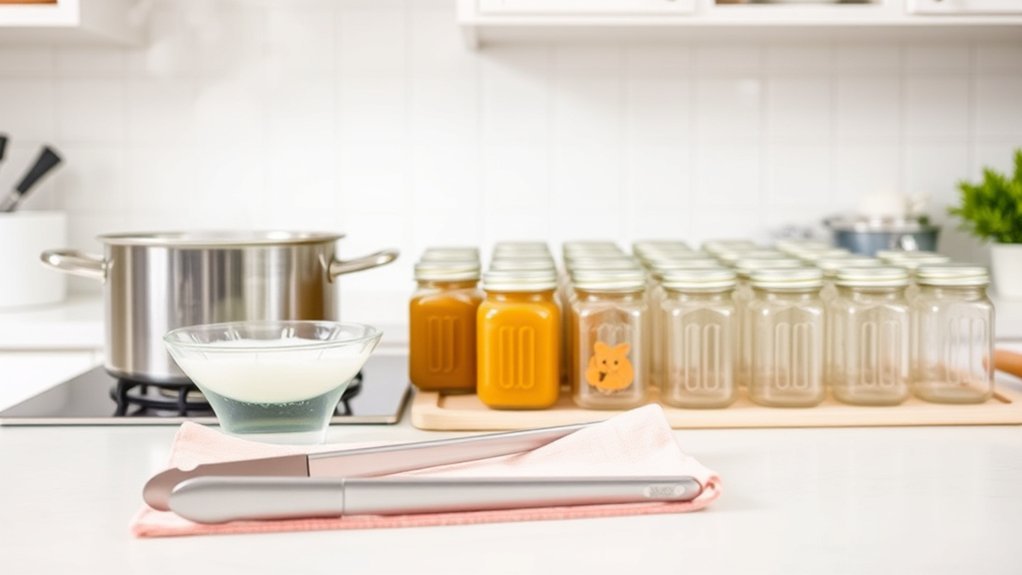

Choosing safe baby food is less about finding one “perfect” brand and more about avoiding clear hazards, reading labels, and serving a varied diet. Added sugars, non-nutritive sweeteners, excess sodium, honey before age 1, unpasteurized foods, high-mercury fish, and unsafe textures deserve attention. Heavy metals require a different strategy because they are environmental contaminants, not ingredients listed on the package.
Quick Answer
Avoid baby foods with added sugars, non-nutritive sweeteners, excess sodium, honey for babies under 12 months, or unpasteurized ingredients. You cannot identify heavy metals from an ingredient list, so lower exposure by serving a varied diet, rotating grains, choosing low-mercury fish, checking recalls, and avoiding overreliance on any one food.
Key Takeaways
- Choose foods with no added sugars and little or no added salt; breast milk or iron-fortified formula remains the main source of nutrition through about 12 months.
- Never give honey before 12 months, and avoid raw milk, unpasteurized juice, and undercooked meat, eggs, or seafood.
- Reduce heavy-metal exposure through variety: rotate rice with oats, barley, quinoa, and other grains instead of eliminating nutritious food groups.
- Offer low-mercury fish such as salmon, cod, pollock, and canned light tuna in soft, age-appropriate portions.
- Check the ingredient list, Nutrition Facts label, package seal, use-by date, texture guidance, allergen statement, and current FDA recalls.
Medical note: This guide provides general feeding and food-safety information. Ask your pediatrician about your baby’s readiness for solids, growth, medical conditions, food allergies, or possible exposure to lead or other contaminants.
Baby Food Ingredients and Foods to Avoid at a Glance
| Avoid | Honey before 12 months; raw milk; unpasteurized juice; raw or undercooked meat, eggs, and seafood; whole nuts; hard round foods; added sugars; non-nutritive sweeteners; and recalled or damaged products. |
| Limit or rotate | Salty processed foods, rice-based foods, juice after 12 months, high-mercury fish, and any single food served so often that it crowds out dietary variety. |
| Choose instead | Unsweetened foods, low-sodium options, pasteurized dairy, whole fruit, varied grains, low-mercury fish, and soft foods prepared for your baby’s developmental stage. |
The Dangers of Heavy Metals in Baby Food
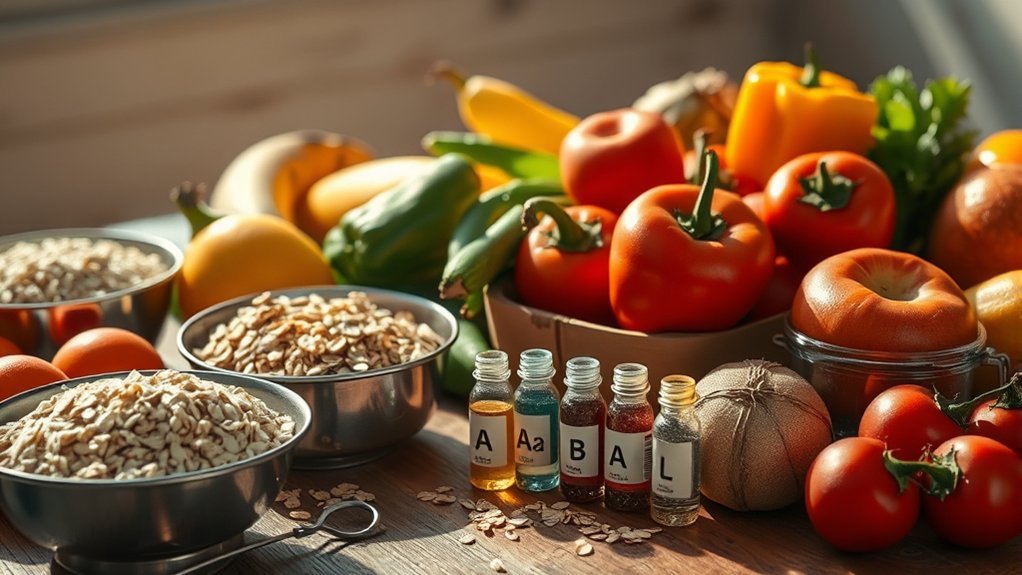
Arsenic, lead, cadmium, and mercury can enter food through soil, water, air, and food processing. They are contaminants rather than intentional ingredients, so they usually do not appear on an ingredient list. Babies and young children deserve extra protection because their bodies and brains are still developing.
A widely quoted 2019 Healthy Babies Bright Futures report tested 168 products and detected at least one of four toxic elements in 95% of the samples; one-quarter had detectable amounts of all four. Those numbers describe that specific sample, not every baby food on the market. The report’s population-level modeling also should not be presented as a prediction of IQ loss for an individual child.
Heavy metals can occur in many foods, including homemade foods. The practical goal is to reduce repeated exposure through variety—not to remove fruits, vegetables, grains, or other nutritious food groups.
The FDA’s Closer to Zero program aims to lower arsenic, lead, cadmium, and mercury in foods eaten by babies and young children. In January 2025, the FDA finalized lead action levels of 10 parts per billion for many processed baby-food categories and 20 parts per billion for single-ingredient root vegetables and dry infant cereals. The FDA also maintains a 100-parts-per-billion action level for inorganic arsenic in infant rice cereal.
Warning: Do not throw away all packaged baby food or eliminate entire food groups because of heavy-metal concerns. The FDA notes that homemade food is not automatically lower in toxic elements, and overly restrictive diets can create nutrient gaps.
Use these steps to lower exposure without creating unnecessary fear:
- Serve a wide range of vegetables, fruits, proteins, and grains across the week.
- Rotate rice cereal and rice snacks with oats, barley, quinoa, multigrain cereal, and other options.
- Avoid using rice milk as a main drink for infants or toddlers unless a clinician recommends it for a specific reason.
- Do not rely heavily on brown rice syrup as a sweetener in toddler snacks.
- Use cold tap water for cooking and drinking, and test private well water as recommended by local health authorities.
- Check current FDA recalls and safety alerts for the exact brand, product, lot code, and date involved.
Common Baby Food Ingredients to Avoid
Some concerns are visible on the label, while others are not. Added sugars and sodium appear in the Nutrition Facts panel. Honey, sweeteners, and salt appear in the ingredient list. Heavy metals generally do not appear on either one, so label reading must be paired with dietary variety and recall awareness.
Heavy Metals Presence
It is not realistic to “avoid baby foods containing heavy metals” because trace amounts can occur naturally in crops and water. Instead, avoid patterns that may raise repeated exposure, such as serving rice cereal, rice puffs, rice rusks, or the same root vegetable at nearly every meal.
Rice tends to absorb more inorganic arsenic than many other crops. That does not make rice forbidden. The safer approach is to vary grains and choose iron-fortified infant cereals from more than one grain source. Sweet potatoes and carrots also remain nutritious foods; rotate them with peas, beans, squash, broccoli, fruit, meat, eggs, and other foods rather than removing them.
Added Sugars Concerns
The current Dietary Guidelines for Americans, 2025–2030 advises avoiding added sugars during infancy and early childhood and does not recommend non-nutritive sweeteners as part of a healthy diet. Common sources include flavored yogurt, sweetened fruit blends, cookies, muffins, dessert-style pouches, syrups, and sweet drinks.
Natural sugar in plain fruit, vegetables, unsweetened dairy, and breast milk is not the same as added sugar. Choose whole or mashed fruit instead of sweet drinks, and look for “0 g Added Sugars” on the Nutrition Facts label whenever possible.
High Sodium Levels
Babies do not need salt added to their food. Sodium can add up quickly in deli meats, hot dogs, canned soups, packaged noodles, savory snacks, sauces, frozen meals, and some toddler foods. Compare similar products and choose the option with less sodium per serving.
For children ages 1 through 3, the 2025–2030 Dietary Guidelines advises keeping sodium below 1,200 milligrams per day. There is no need to calculate every milligram for a healthy baby; focus on mostly fresh or minimally processed foods, rinse canned beans or vegetables when appropriate, and season family food after setting aside the baby’s portion.
The Risks of Added Sugars in Baby Food
Added sugars provide sweetness without the fiber and wider nutrient package found in whole fruit. Frequent sweet foods can also crowd out iron-rich foods, vegetables, proteins, and other foods a growing baby needs.
Check both the ingredient list and the “Added Sugars” line. Added sugar may appear as cane sugar, corn syrup, fruit-juice concentrate used as a sweetener, brown rice syrup, agave, honey, malt syrup, dextrose, or other names. Honey is an added sugar and is also unsafe before 12 months because it can contain spores that cause infant botulism.
Pro Tip: “No added sugar” does not mean “sugar-free.” Plain fruit and milk naturally contain sugars. The goal is to avoid sweeteners added during processing, not to avoid nutritious whole foods.
Avoid sugar-sweetened drinks and juice before 12 months. After the first birthday, juice is not necessary; whole fruit is the better everyday choice because it provides fiber and encourages chewing skills.
Understanding High Sodium Foods for Babies

Sodium is naturally present in breast milk, formula, dairy, vegetables, meat, and other foods. The concern is usually added salt in processed foods, not the small amount naturally found in a balanced diet.
Common high-sodium choices include:
- Processed meats, including deli slices, bacon, sausages, and hot dogs.
- Canned soups, boxed meals, instant noodles, and salty sauces.
- Crackers, chips, cheese-flavored snacks, and packaged toddler meals.
- Restaurant foods and family meals seasoned heavily before the baby’s portion is removed.
Use the serving size on the label when comparing products. A food labeled “reduced sodium” may still contain more salt than another brand, so compare the actual milligrams. “No salt added” or “low sodium” can be useful, but the full ingredient list and serving size still matter.
Note: Do not dilute prepared commercial baby food or infant formula to lower sodium. Prepare formula exactly as directed; too much water can be dangerous.
What to Know About Unpasteurized Baby Foods
Raw milk, dairy products made from raw milk, and unpasteurized juice or cider can carry germs such as Salmonella, E. coli, Campylobacter, and Listeria. Children under 5 are more likely to become seriously ill from foodborne germs, so choose pasteurized milk products and pasteurized juice when juice is age-appropriate.
Also avoid raw or undercooked eggs, meat, poultry, fish, shellfish, sprouts, and raw dough or batter. Wash produce under running water, prevent cross-contamination, cook animal foods thoroughly, and refrigerate perishable food promptly.
Pasteurized yogurt and cheese may be introduced in an age-appropriate form around the time solids begin. However, cow’s milk should not replace breast milk or iron-fortified formula as the main drink before 12 months. This timing is about nutrition, while pasteurization is about protection from harmful germs.
Safe Fish Choices for Babies

Fish can provide protein, healthy fats, iron, and other nutrients. The EPA-FDA fish advice recommends serving children two portions per week from the “Best Choices” list. For ages 1 through 3, a typical serving is about 1 ounce; younger babies may eat less based on appetite and feeding skills.
Low-mercury choices include:
- Salmon — soft texture and rich in omega-3 fats.
- Cod — mild and easy to flake after cooking.
- Pollock — a versatile low-mercury option.
- Canned light tuna — a “Best Choice”; it is not the same as albacore or white tuna, which contains more mercury.
Avoid fish on the federal “Choices to Avoid” list, including shark and swordfish. Check state or tribal advisories before serving fish caught by family or friends. Cook fish thoroughly, remove every bone, and flake or mash it into a soft texture. Never serve raw fish or large, firm chunks to a baby.
Rice Alternatives for Babies
Rice can be part of a balanced diet, but it should not be the only grain. Rotating grains lowers dependence on one food and exposes your baby to different flavors, textures, and nutrients.
Benefits of Alternative Grains
Iron-fortified oat, barley, quinoa, wheat, and multigrain infant cereals can provide useful alternatives to rice cereal. Depending on the product and your baby’s age, other soft grains may include couscous, farro, bulgur, soft pasta, and well-cooked quinoa.
Alternative grains can help by:
- Reducing repeated rice exposure: Rice usually contains more inorganic arsenic than many other grains.
- Supporting nutrient variety: Different grains provide different amounts of iron, fiber, protein, and B vitamins.
- Building texture skills: Smooth cereal can gradually progress to thicker, lumpier textures as your baby develops.
- Expanding food acceptance: Early variety helps your baby experience more tastes and textures.
Safe Vegetable Options
Pureed or soft-cooked vegetables such as sweet potatoes, carrots, peas, squash, green beans, broccoli, cauliflower, and lentils can all fit into a varied diet. No single vegetable needs to be served every day, and no nutritious vegetable should be labeled “toxic” based only on the fact that plants can take up trace metals from soil.
Rotate colors and food groups across the week. Pair plant foods with iron-rich choices such as meat, beans, lentils, eggs, tofu, or iron-fortified cereal. Prepare each food in a texture your baby can safely manage.
Cooking Methods for Safety
Rinsing rice before cooking removes some surface material, but FDA research found that rinsing alone has little effect on inorganic arsenic and can wash away enriched nutrients. Cooking rice like pasta—using 6 to 10 parts water for 1 part rice and draining the extra water—can reduce inorganic arsenic by about 40% to 60%, depending on the rice.
That method also lowers iron, folate, thiamin, and niacin in enriched rice. For babies, the simplest strategy is still to rotate rice with other iron-fortified grains rather than trying to remove all arsenic through cooking.
Tips for Reading Labels on Baby Food
Use this checklist before buying or serving packaged baby food:
- Added sugars: Check the “Added Sugars” line and scan the ingredient list for syrups, sugar, honey, and concentrates used as sweeteners.
- Sodium: Compare milligrams per serving among similar products and choose the lower-sodium option.
- Allergens: Read the allergen statement and full ingredient list every time, because recipes can change.
- Pasteurization: Avoid products marked unpasteurized, especially milk, cheese, juice, and cider.
- Texture and age: Choose a texture that matches your child’s skills rather than relying only on the age printed on the package.
- Package condition: Do not use leaking, swollen, cracked, rusted, or unsealed packages. A jar’s safety button should be down before opening, and the lid should pop when opened.
- Dates and recalls: Check the use-by date and search FDA recall notices when a product is named in a safety alert.
- Marketing claims: “Organic,” “natural,” and “clean” do not guarantee that a food is free from heavy metals. Organic foods may reduce exposure to some pesticides, but they often contain similar heavy-metal levels because metals occur in soil and water.
Heavy metals such as lead, arsenic, cadmium, and mercury are not normally listed on the Nutrition Facts panel. A label therefore cannot prove that a product is “heavy-metal free.” Look for transparent testing information from the company, but treat broad claims cautiously and rely on varied feeding rather than one brand promise.
Other Foods and Feeding Practices to Avoid
Several major infant-feeding hazards were missing from the original discussion. Keep these rules in your daily routine:
- No honey before 12 months: This includes raw, pasteurized, baked, or powdered honey because of infant botulism risk.
- No juice before 12 months: After 12 months, juice is optional rather than necessary; whole fruit is preferred.
- No cow’s milk as the main drink before 12 months: Continue breast milk or iron-fortified formula unless your clinician gives different guidance.
- No whole nuts or spoonfuls of thick nut butter: Use finely ground nuts or thinned smooth nut butter in an age-appropriate form.
- Avoid choking shapes: Whole grapes, popcorn, hard raw vegetables, chunks of meat or cheese, hot dog rounds, hard candy, and similar foods must be avoided or modified.
- Do not save food from the baby’s bowl: Saliva introduces bacteria. Put a small serving in a separate dish and refrigerate the untouched portion.
- Never make homemade infant formula: Incorrect nutrient levels or contamination can cause life-threatening harm.
Warning: Always seat your baby upright and supervise every meal. Food should be soft enough to mash between your fingers and cut, shred, mash, or thin it to match your baby’s chewing and swallowing skills.
How to Make and Store Homemade Baby Food Safely
Homemade baby food can be nutritious and convenient, but it is not automatically safer or lower in heavy metals than commercial food. Use safe ingredients, clean preparation methods, and short storage times.
- Wash your hands, utensils, cutting boards, blender parts, and work surfaces.
- Rinse produce under running water; do not use soap or bleach on food.
- Keep raw meat, poultry, seafood, and eggs away from ready-to-eat foods.
- Cook foods thoroughly, then puree, mash, shred, or cut them into an age-appropriate texture.
- Cool and refrigerate perishable food within two hours—within one hour if the temperature is above 90°F.
- Store homemade baby food in clean, covered containers for 1 to 2 days in the refrigerator or 1 to 2 months in the freezer.
- Label containers with the food and date. Thaw in the refrigerator, under cold running water, or during reheating—not on the counter.
- Stir reheated food well, let it stand, and test the temperature before serving. Discard leftovers that have touched the feeding spoon.
How to Introduce New Foods and Allergens Safely
Most babies are ready for foods other than breast milk or formula at about 6 months, when they can control their head and neck, sit with support, bring objects to the mouth, and swallow food rather than push it back out. Introducing solids before 4 months is not recommended.
Offer one new single-ingredient food at a time and wait about 3 to 5 days before another new food if you need a clear window to watch for a reaction. Once foods are tolerated, combine them and continue offering a varied diet.
Common allergens—including egg, peanut, dairy, wheat, soy, sesame, fish, and shellfish—do not need to be delayed for most babies once they are ready for solids. Offer them in safe forms and continue serving tolerated allergens regularly. Babies with severe eczema, egg allergy, or both may benefit from age-appropriate peanut introduction as early as 4 to 6 months, but the NIAID guideline advises discussing testing and the safest introduction plan with a healthcare professional first.
Mild or moderate food-allergy symptoms can include hives, facial swelling, vomiting, coughing, or wheezing. A severe reaction may cause trouble breathing, throat or tongue swelling, sudden weakness, repeated vomiting, or collapse.
Warning: Call 911 immediately for trouble breathing, trouble swallowing, blue or pale skin, severe swelling, collapse, or a rapidly worsening reaction. Do not wait to see whether it passes.
Frequently Asked Questions
How can I make homemade baby food safely?
Wash hands and equipment, prevent cross-contamination, cook food thoroughly, and prepare a soft texture suited to your baby. Refrigerate homemade baby food within two hours and use it within 1 to 2 days, or freeze it for 1 to 2 months. Homemade food is not automatically lower in heavy metals, so continue serving a varied diet.
What are the signs of food allergies in infants?
Possible signs include hives, swelling of the lips or face, vomiting, coughing, wheezing, or unusual sleepiness after eating. Call 911 for breathing or swallowing trouble, severe swelling, blue or pale skin, collapse, or a rapidly worsening reaction. Contact your pediatrician about any suspected food allergy.
How often should I introduce new foods to my baby?
When first starting solids, offer one new single-ingredient food and allow about 3 to 5 days before another if you want a clear window to watch for a reaction. After foods are tolerated, combine them and keep building variety. Do not delay common allergens without medical advice.
Are organic baby food options safer than non-organic?
Organic food may lower exposure to some pesticides, but it is not guaranteed to contain less arsenic, lead, cadmium, or mercury. Heavy metals occur naturally in soil and water and may also enter food during processing. Choose based on nutrition, safety, variety, label information, and recalls—not the organic label alone.
What storage practices keep homemade baby food fresh?
Use clean, covered containers and label them with the food and date. FoodSafety.gov advises using homemade baby food within 1 to 2 days in the refrigerator or 1 to 2 months in the freezer. Discard food left at room temperature too long and any leftovers that have touched your baby’s spoon.
Should I stop serving rice to my baby?
No. Rice and iron-fortified rice cereal can be part of a varied diet. Reduce repeated exposure by rotating rice with oat, barley, quinoa, wheat, or multigrain cereals. Avoid making rice cereal, rice snacks, or rice drinks the main grain at most meals.
Can labels show whether baby food contains heavy metals?
Usually not. Heavy metals are environmental contaminants and are not normally listed in the ingredients or Nutrition Facts. A company may publish testing information, but the most dependable household steps are serving a varied diet, checking FDA recalls, and asking your pediatrician about specific exposure concerns.
What should I do if a baby food is recalled?
Stop using the product and match the brand, flavor, package size, lot code, and use-by date to the official recall notice. Follow the notice for disposal or return instructions. Contact your pediatrician or poison-control service if your child ate the product and the notice identifies a health risk or your child develops symptoms.
Conclusion
Safer baby feeding does not require fear of every packaged food or every trace contaminant. Focus on the risks you can control: avoid added sugars, non-nutritive sweeteners, excess sodium, honey before age 1, unpasteurized products, unsafe textures, high-mercury fish, and recalled items. Serve varied grains, vegetables, fruits, proteins, and low-mercury fish, and use careful food handling at home. When your baby has a medical condition, feeding difficulty, suspected allergy, or possible contaminant exposure, get individualized advice from a pediatrician.
Sources
- U.S. Food and Drug Administration — Closer to Zero — FDA work to reduce arsenic, lead, cadmium, and mercury in foods for babies and young children.
- Centers for Disease Control and Prevention — Foods and Drinks to Avoid or Limit — guidance on honey, added sugars, sodium, juice, and other infant-feeding concerns.
- Dietary Guidelines for Americans, 2025–2030 — current federal guidance on infancy, allergens, added sugars, sodium, and nutrient-dense foods.
- EPA-FDA Advice About Eating Fish and Shellfish — low-mercury fish categories, child servings, and local fish advisories.
- FoodSafety.gov — Children Under Five — safe preparation, storage, and reheating guidance for baby food.
- American Academy of Pediatrics — Heavy Metals in Baby Food — practical steps to reduce exposure while preserving a varied diet.