Heavy metals such as lead, arsenic, cadmium, and mercury can enter baby food from soil, water, air, ingredients, or processing. No brand can promise that every product contains zero detectable metals. Parents can still lower exposure by serving a varied diet, rotating grains, checking current recalls and lot-specific test results, and discussing known exposure with a pediatrician.
Quick Answer
There is no reliable permanent list of heavy-metal-free baby food brands. Choose age-appropriate foods from several food groups, rotate rice with other grains, check the exact product and lot for recalls or published test results, and avoid judging an entire brand from an old report or one recalled batch.
Key Takeaways
- No commercial or homemade baby food can be guaranteed to contain zero naturally occurring environmental contaminants.
- FDA lead action levels vary by food category; they are not the old 5 ppb bottled-water figure often quoted in baby-food reports.
- Rice cereal can be part of a balanced diet, but it should not be the only grain or the only source of iron.
- For products sold in California, manufacturer websites and package QR codes may provide product- or lot-identifying test disclosures.
- Do not wait for symptoms after a known lead exposure. Most children with lead in their blood have no obvious immediate symptoms.
Understanding Heavy Metals in Baby Food
Arsenic, lead, cadmium, and mercury are often called heavy metals or toxic elements. Some occur naturally in the environment, while pollution and past industrial activity can raise their levels. Crops may absorb them from soil and water, and small amounts can also enter food during growing, processing, or packaging.
A laboratory detection does not automatically mean a food will cause harm. Risk depends on the specific metal, its chemical form, the amount eaten, how often the food is served, the child’s age and body size, and exposure from other sources. Babies and young children receive special attention because they eat more food relative to their body weight and their brains and nervous systems are still developing.
Note: “Action level” does not mean a level below which exposure is guaranteed to be harmless. It is a concentration at which FDA may consider enforcement, along with the reliability of the test and other case-specific factors.

Power your essentials anywhere with a 999Wh pure sine wave power station delivering up to 1000W continuous with 2000W surge. It supports fast charging via USB-C PD 60W and USB-A QC 18W, plus simultaneous output for multiple devices through AC, USB, wireless, and car/DC ports. Recharge using AC, car, or solar with a built-in MPPT controller and dual cooling fans, while the upgraded battery management system protects against surges, short circuits, and overheating.
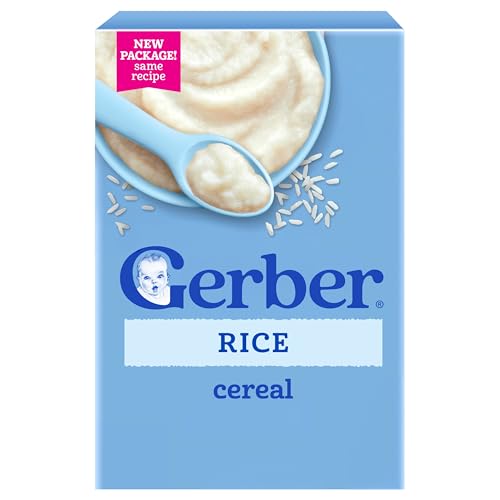
WHOLESOME, HIGH-QUALITY INGREDIENTS Gerber baby rice cereal gives busy parents a convenient, reliable way to provide their little one with high-quality ingredients. Our rice cereal for baby is made with 60% of the daily value of iron to support brain development SNAP and EBT item in eligible states

HEAVY METAL TESTED — A cleaner alternative to traditional baby rice cereal. Every batch independently third-party tested for arsenic, lead, cadmium, and mercury. Clean from the very first bite.
Current FDA Action Levels for Baby and Toddler Foods
FDA finalized category-specific lead guidance in January 2025. The guidance covers packaged foods represented for babies and children younger than two, including jars, pouches, tubs, boxes, purees, mixtures, and dry infant cereals.
| Contaminant and food category | FDA action level or status |
|---|---|
| Lead: fruits, non-root vegetables, mixtures, yogurts, custards, puddings, and single-ingredient meats | 10 ppb |
| Lead: single-ingredient root vegetables | 20 ppb |
| Lead: dry infant cereals | 20 ppb |
| Inorganic arsenic: infant rice cereal | 100 ppb |
| Arsenic in other baby-food categories, cadmium, and mercury | FDA continues to collect data and develop additional risk-management measures; there is not one finalized universal baby-food limit for each metal. |
The lead values come from FDA’s January 2025 guidance for processed foods intended for babies and young children. The arsenic value applies specifically to inorganic arsenic in infant rice cereal.
FDA guidance generally describes the agency’s current thinking rather than creating a legally enforceable duty in every situation. It also does not tell parents to eliminate nutritious food groups. FDA recommends a varied, nutrient-dense diet across fruits, vegetables, grains, protein foods, and dairy when developmentally appropriate.
Are Any Baby Food Brands Heavy-Metal Free?
No responsible brand can guarantee that every food contains no detectable arsenic, lead, cadmium, or mercury. Modern laboratories can measure extremely small amounts, and environmental contaminants can vary by crop, supplier, location, recipe, and production lot.
A brand name alone is therefore a weak safety test. A useful comparison should consider the exact product, ingredients, production date, lot or batch, current testing disclosure, and recall status. A result from one product should not be applied automatically to every product made by the same company.
How to Check a Baby Food Product
- Identify the exact product. Record the product name, size, UPC, best-by date, and lot or batch code.
- Check the manufacturer’s testing page. Products covered by California AB 899 may have a QR code or online disclosure that helps match results to the product or production aggregate.
- Check current recalls. Search FDA’s recalls, market withdrawals, and safety alerts using the brand and product name.
- Compare the correct contaminant and food category. Do not compare a root-vegetable result with the lead level for fruit puree, or total arsenic with the inorganic-arsenic action level for infant rice cereal.
- Look at the full diet. Repeatedly serving the same rice-based cereal, root-vegetable blend, or fruit pouch can matter more than occasionally serving one food as part of a varied diet.
What California AB 899 Requires
California AB 899 applies to covered baby foods sold, manufactured, delivered, held, or offered for sale in California. According to the California Department of Public Health:
- Manufacturers have had to test representative samples of final baby food for arsenic, cadmium, lead, and mercury at least once per month since January 1, 2024.
- Required test information has had to be publicly available on manufacturer websites since January 1, 2025.
- Disclosures must include enough product information, such as lot or batch details, to help consumers identify the tested food.
- The law covers packaged foods represented for children younger than two but excludes infant formula from its baby-food definition.
AB 899 improves transparency, but a monthly representative sample is not the same as an individual laboratory test of every pouch, jar, or box.
What Government Testing and Historical Reports Show
A 2021 U.S. House staff report examined company records from several major manufacturers. It identified concerning historical results and major differences in how companies tested ingredients and finished products. The report helped accelerate pressure for stronger controls and transparency.
However, the frequently repeated statements that foods were “91 times over the arsenic limit” or “177 times over the lead limit” need context. Those comparisons used bottled-water benchmarks and included historical ingredient data. They were not a current FDA ranking of finished baby foods by brand.
| Evidence | What it can show | Important limitation |
|---|---|---|
| Historical congressional investigation | Past company practices, internal standards, and selected test results | Does not establish the current level in a product on the shelf today |
| FDA market sampling | Patterns across selected foods and lots | Sampling does not cover every product or every production lot |
| Manufacturer disclosure | Results tied to identifying product or production information | Methods, reporting limits, and product matching must be read carefully |
| Recall notice | A specific affected product, size, date, or lot that should not be used | Usually does not mean every product from the brand is recalled |
Lead-related recalls in 2025 included certain GreenWise baby food pouches and specified lots of Sprout Organics Sweet Potato Apple and Spinach pouches. These notices show why lot codes matter. They are not evidence that all past, present, or future products carrying either brand name are unsafe.
Health Risks of Lead, Arsenic, Cadmium, and Mercury
Why Infants Are More Vulnerable
Infants have smaller bodies, developing organs, and diets that may rely heavily on a limited number of foods. Repeated exposure from the same ingredient can therefore account for more of an infant’s total intake than it would for an adult eating a broader diet.
Lead can damage the developing brain and nervous system and is associated with learning, attention, growth, hearing, speech, and behavioral problems. Arsenic, cadmium, and mercury can also affect the nervous system or other organs depending on the form, amount, and duration of exposure.
The CDC states that no safe blood lead level in children has been identified.
What the Evidence Cannot Prove
Population studies can identify associations between contaminant exposure and developmental outcomes. They usually cannot prove that a particular jar, pouch, cereal, or brand caused an individual child’s autism, ADHD, learning problem, or developmental delay.
Developmental conditions have many possible genetic, medical, environmental, and social influences. Parents concerned about a child’s development should discuss screening and evaluation with a pediatrician rather than trying to determine causation from a brand list or nonspecific symptom.
How to Reduce Heavy-Metal Exposure
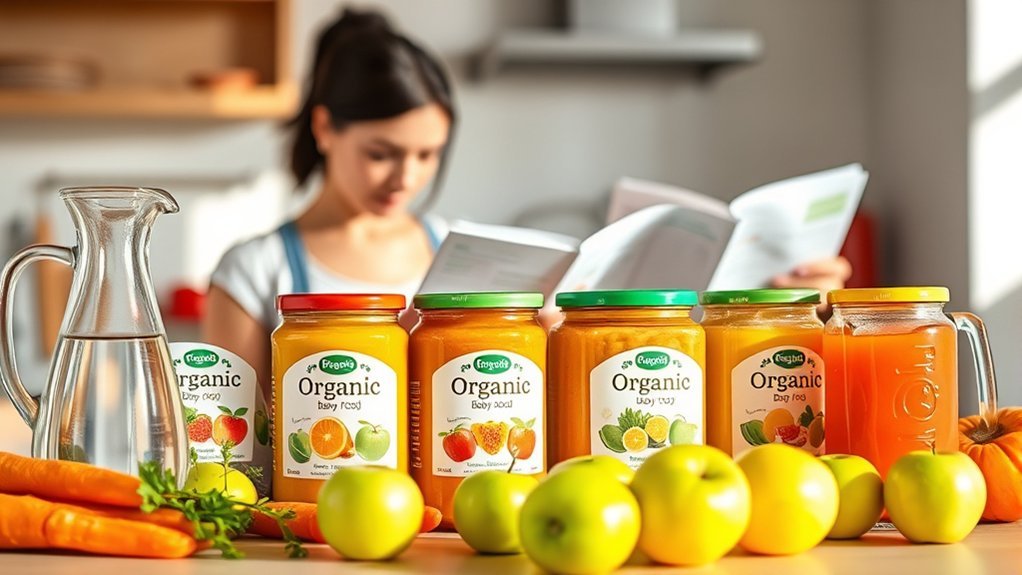
The goal is not to remove every food that may contain a detectable contaminant. Over-restricting vegetables, grains, fish, or other nutrient-rich foods can create nutritional problems of its own. Focus on variety and avoid relying too heavily on one ingredient.
Serve a Varied Diet
- Rotate fruits, vegetables, grains, dairy foods, and protein foods as the baby becomes ready for them.
- Read ingredient lists closely. Two pouches with different names may both contain sweet potato, rice flour, or another repeated main ingredient.
- Include iron-rich foods such as meat, beans, lentils, eggs, tofu, and iron-fortified infant cereals in developmentally appropriate textures.
- Keep carrots, sweet potatoes, and other root vegetables in the rotation rather than serving them at nearly every meal or eliminating them completely.
Rotate Grains and Rice Products
Rice tends to absorb more arsenic than many other crops. Infant rice cereal does not need to be a baby’s first or only cereal. Rotate it with fortified oat, barley, multigrain, or other age-appropriate cereals.
For family rice, rinsing before cooking and cooking rice in extra water that is drained afterward can reduce some arsenic. This method may also reduce certain added nutrients, so infant cereal should be prepared according to its label rather than drained like whole rice.
Avoid using rice milk as a main drink for infants or young toddlers. Also check toddler snacks for brown rice syrup or rice flour when trying to reduce repeated rice exposure.
Pro Tip: Rotate both the flavor and the first ingredient. Buying apple-spinach and pear-kale blends does not add much variety if sweet potato or rice is the main ingredient in both.
Wash Produce and Check Water
Wash fruits and vegetables under running water before peeling, cutting, cooking, or pureeing them. Washing removes soil and surface residues but cannot remove metals already taken up inside the plant.
Private well water can contain arsenic, and plumbing in older homes can contribute lead. Families concerned about their water should contact their local health department or state drinking-water program about appropriate testing. Boiling does not remove lead and can concentrate some contaminants as water evaporates.
Choose Fish Carefully
Fish provides protein and nutrients that support development, but some large predatory fish contain more methylmercury. Choose lower-mercury options suitable for young children, such as salmon, pollock, cod, shrimp, or canned light tuna, and follow current FDA and EPA serving advice.
Understand Organic and Homemade Food
Organic certification describes approved production and handling methods. It is not a certification that a food contains no arsenic, lead, cadmium, or mercury. These elements can occur in soil, water, and air used by both organic and conventional farms.
Homemade baby food offers control over ingredients, texture, salt, sugar, and food variety. It is not automatically lower in heavy metals because the produce and grains come from the same general food supply. Whether food is homemade or commercial, variety remains one of the most practical ways to avoid repeated exposure from one source.
How to Read Heavy-Metal Test Results
| Term | What it means |
|---|---|
| ppb | Parts per billion, a concentration equal to one unit of a substance in one billion units of the tested material. |
| ND, not detected, or <LOQ | The laboratory did not measure the contaminant above its stated detection or quantification limit. It does not always mean absolute zero. |
| Lot or batch | An identifying production group. Results should be matched to the code printed on the package whenever possible. |
| Total arsenic | A measurement that includes different forms of arsenic. It should not be compared directly with an action level written specifically for inorganic arsenic. |
| Production aggregate | A defined group of final products represented by a manufacturer’s sample under California disclosure rules. |
Also check the laboratory date, test method, unit, food category, and whether the result refers to an ingredient or the finished product. A result without enough identifying information may not describe the food in your kitchen.
Possible Exposure, Testing, and Medical Help
Warning: Do not wait for irritability, vomiting, poor appetite, fatigue, constipation, or another symptom after a known lead exposure. Most children with lead in their blood have no obvious immediate symptoms. A blood lead test is the standard way to measure lead exposure.
If your child consumed a recalled food or a product that may contain elevated lead:
- Stop serving the affected product.
- Save the package, lot code, receipt, and any remaining product unless recall instructions say to discard it immediately.
- Read the full recall notice to confirm product size, date, and lot details.
- Call your pediatrician and ask whether a blood lead test or other evaluation is appropriate.
- Report the product through an FDA consumer complaint coordinator if requested or if the issue is not already documented.
For a possible acute poisoning in the United States, call Poison Help at 1-800-222-1222. Do not wait for symptoms before calling. Call 911 if the child has trouble breathing, collapses, has a seizure, cannot be awakened, or develops another life-threatening symptom.
Medical Note: This article provides general education and cannot diagnose poisoning, food allergy, or a developmental condition. A pediatrician or poison specialist should evaluate concerns about a specific child or exposure.
Starting Solids, Allergens, and Choking Safety
Most babies can begin complementary foods at about six months when they can sit with support, control their head and neck, bring objects to their mouth, and swallow food rather than pushing it back out. Introducing solid food before four months is not recommended.
There is no required order for first foods. Soft vegetables, fruits, iron-fortified cereals, beans, meat, egg, yogurt, and other age-appropriate foods can all be considered. Breast milk or infant formula remains an important source of nutrition during the transition.
Potential allergens such as egg, peanut, dairy, wheat, soy, sesame, fish, and shellfish should be offered only in developmentally safe forms. Peanut butter should be thinned or mixed into puree rather than given as a sticky spoonful, and whole nuts are choking hazards. Families of babies with severe eczema, an existing food allergy, or another high-risk condition should ask their clinician about allergen introduction.
Possible food-allergy signs include hives, facial or lip swelling, repeated vomiting, coughing, wheezing, sudden lethargy, or breathing difficulty. Call 911 for breathing problems, widespread swelling, collapse, or another suspected severe allergic reaction.
Prepare food in a texture, shape, and size suited to the child’s development. Hard, round, sticky, or difficult-to-chew foods can cause choking even when their contaminant levels are low.
Consumer and Legal Options for Unsafe Baby Food
Parents who believe a product is contaminated should first protect the child and preserve reliable evidence. Keep the packaging, lot code, receipts, photographs, medical records, recall notices, and a dated record of what was eaten and any symptoms or test results.
You can report a food-safety concern to FDA, contact the manufacturer, and notify the retailer. A pediatrician can document medical findings and advise whether testing is appropriate.
A recalled or contaminated product may create consumer-protection, product-liability, or other legal issues, but legal rights depend on the evidence, location, injury, filing deadlines, and applicable law. A diagnosis such as ADHD or autism does not by itself prove that baby food caused the condition.
Legal Note: This information is general education, not legal advice. Parents considering a claim should consult a licensed attorney in their jurisdiction for advice based on the specific product, exposure, medical evidence, and deadlines.
Frequently Asked Questions
Which baby food brand is safest from heavy metals?
No brand can be guaranteed heavy-metal free across every product and production lot. Compare the exact product, ingredient list, lot-specific disclosure when available, and current recall status. A varied diet is more reliable than depending on one brand.
Are homemade baby foods safer than store-bought foods?
Not automatically. Homemade food gives you control over ingredients, texture, sugar, and salt, but produce and grains can still contain naturally occurring contaminants. Serve a true variety of foods whether meals are homemade, commercial, or a combination.
Does organic baby food contain fewer heavy metals?
Organic certification does not mean a food is free of arsenic, lead, cadmium, or mercury. Crops can absorb these elements from soil and water under both organic and conventional production systems.
Should I stop giving my baby rice cereal?
Rice cereal can remain part of a balanced diet, but it should not be the only cereal or the only source of iron. Rotate it with fortified oat, barley, multigrain, or other appropriate cereals.
When can I start introducing solid foods?
Most babies are ready at about six months when they have good head control, can sit with support, reach for food, and swallow it. Solid food should not be introduced before four months.
What are good first foods for an infant?
Good options include iron-fortified cereals, soft vegetables, fruits, beans, meat, egg, tofu, and unsweetened yogurt in textures suited to the baby’s development. There is no required order, but iron-rich foods are especially useful after about six months.
How can I identify potential allergens in baby food?
Read the full ingredient and allergen statement, including ingredients in blends. Offer allergens in safe forms and watch the child during and after eating. Ask a clinician for a personalized plan if the baby has severe eczema, an existing food allergy, or another high-risk condition.
What are the signs of a food allergy in a baby?
Possible signs include hives, swelling, repeated vomiting, coughing, wheezing, unusual sleepiness, or breathing trouble. Call 911 for a severe reaction involving breathing difficulty, collapse, or widespread swelling.
Should my child be tested after eating recalled baby food?
Contact the child’s pediatrician with the product name, amount eaten, dates, lot code, recall notice, and any symptoms. The clinician can decide whether a blood lead test or another evaluation is appropriate. Do not rely on the absence of symptoms.
Conclusion
Choosing safer baby food is less about finding one perfect brand and more about reducing repeated exposure. Serve a varied diet, rotate grains, check the first ingredients in blends, review current recalls, and use product-specific testing disclosures when they are available. Keep nutritious foods in the diet unless a clinician or recall notice gives you a reason to avoid a particular product.
If your child consumed a recalled food or had another known exposure, save the product information and contact the pediatrician even when the child appears well. Calm, product-specific action is more useful than an outdated brand blacklist or an alarmist symptom checklist.
Sources
- U.S. Food and Drug Administration: Action Levels for Lead in Processed Food Intended for Babies and Young Children — current lead action levels and their scope.
- U.S. Food and Drug Administration: Inorganic Arsenic in Rice Cereals for Infants — 100 ppb action level for inorganic arsenic in infant rice cereal.
- U.S. Food and Drug Administration: Testing Results for Arsenic, Lead, Cadmium and Mercury — FDA sampling data and current development status.
- California Department of Public Health: AB 899 Frequently Asked Questions — monthly testing, disclosure, labeling, and scope requirements.
- Centers for Disease Control and Prevention: Testing for Lead Poisoning in Children — absence of obvious symptoms and blood lead testing.
- American Academy of Pediatrics: Heavy Metals in Baby Food — practical advice on diet variety, grains, rice, water, juice, and fish.