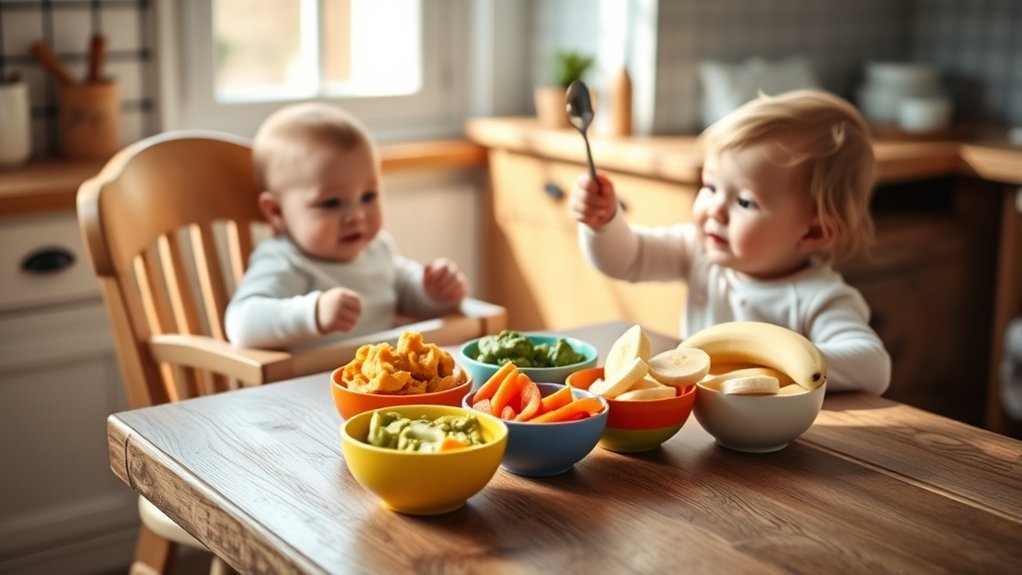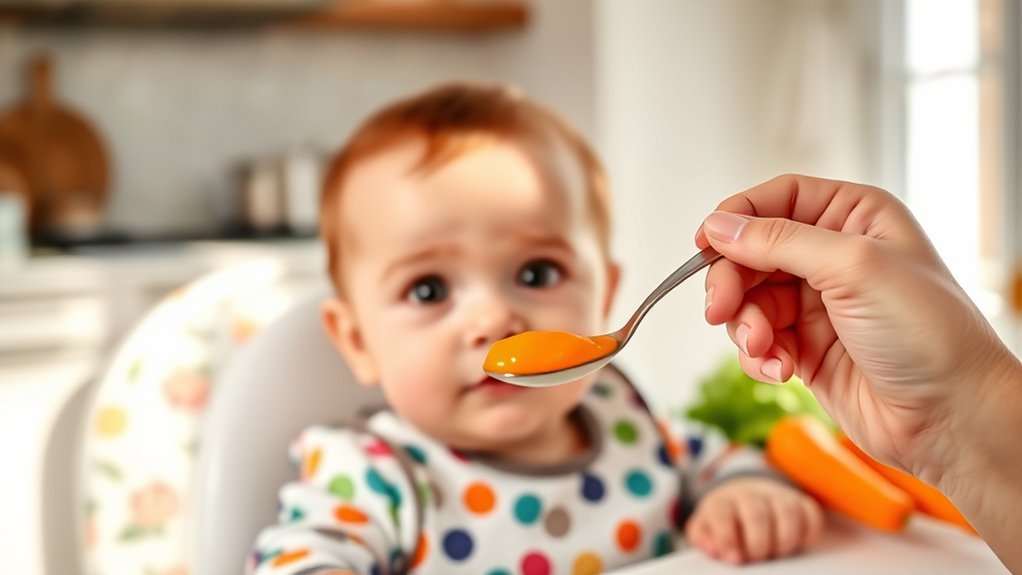
Getting the puree consistency right can make early meals easier for your baby to manage, but smooth food is only the starting point. Most babies can begin exploring solids at about 6 months when they show developmental readiness. From there, the texture should gradually become thicker, mashed, lumpy, and chopped as their feeding skills improve.
Quick Answer
For most babies who are ready at about 6 months, a first puree should be smooth, soft, and easy to move from a spoon—not watery like a drink. Begin with small spoonfuls, then make foods thicker, mashed, and lumpier as skills improve. Texture should follow your baby’s development rather than a rigid stage label.
Key Takeaways
- Begin solids at about 6 months when your baby can control their head, sit with support, accept food, and swallow instead of pushing it out.
- A first puree should be smooth and spoonable, with no hard pieces, bones, pits, tough skins, seeds, or stringy fibers.
- Smooth food can make early swallowing easier, but it does not remove choking risk. Keep your baby upright and supervise every meal.
- Move toward thicker mash, soft lumps, finely chopped food, and finger foods as soon as your baby can manage them safely.
- Offer iron- and zinc-rich foods regularly, introduce common allergens safely, and continue breast milk or infant formula during the transition.
- Refrigerate homemade baby food promptly, use it within one to two days, and discard anything contaminated by a used spoon.
At a Glance
| Time Required | About 10–30 minutes, depending on the ingredient and cooking method |
| Difficulty | Easy, with close attention to texture and food safety |
| Tools Needed | Fork, masher, sieve, blender or food processor, cooking pot or steamer, spoon, and clean storage containers |
| Cost | Varies by ingredient; no specialized baby-food machine is required |
Note: This article provides general feeding information, not individualized medical advice. Ask your pediatrician for guidance if your baby was born prematurely, has poor growth, severe eczema, a known allergy, low muscle tone, or difficulty chewing or swallowing.
What Is the Right Puree Consistency for a Baby?
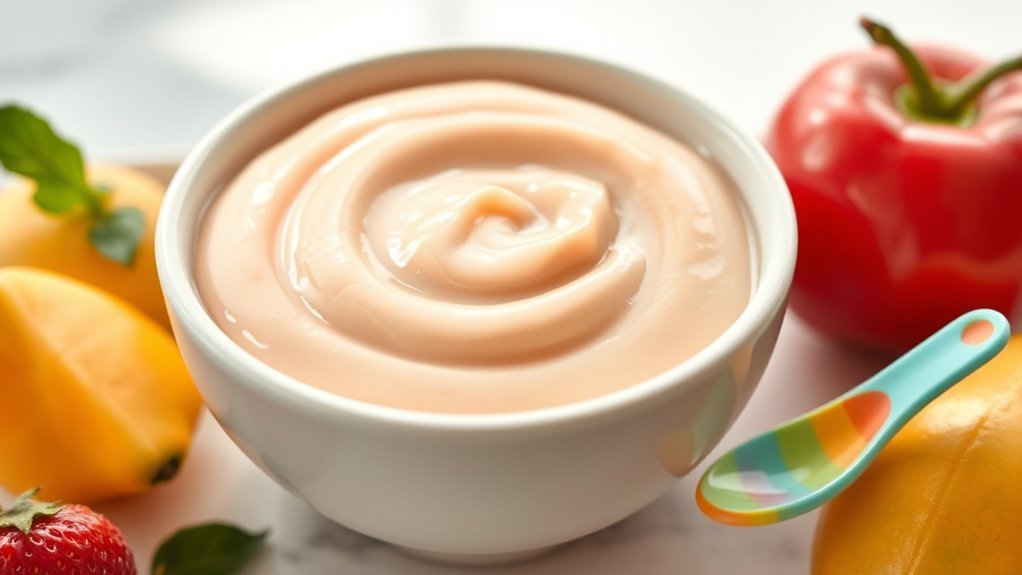
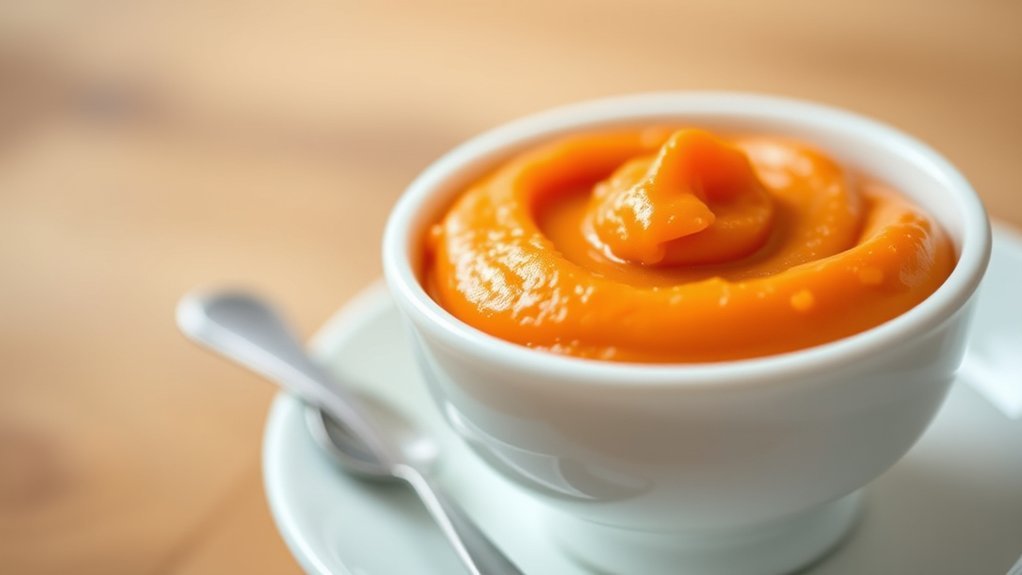
A suitable first puree is smooth, moist, and easy to move from a spoon. It should not contain hard pieces, bones, pits, seeds, tough skins, or stringy fibers. The food may begin fairly thin while your baby learns what to do with it, but it should normally remain spoonable rather than pour like a drink.
The CDC recommends smooth mashed, pureed, or strained food at first, followed by thicker and lumpier textures as the child’s ability develops. Puree is one valid starting method, but it is not the only option. Some families also offer fork-mashed foods and appropriately prepared soft finger foods.

Power your essentials anywhere with a 999Wh pure sine wave power station delivering up to 1000W continuous with 2000W surge. It supports fast charging via USB-C PD 60W and USB-A QC 18W, plus simultaneous output for multiple devices through AC, USB, wireless, and car/DC ports. Recharge using AC, car, or solar with a built-in MPPT controller and dual cooling fans, while the upgraded battery management system protects against surges, short circuits, and overheating.

7G OF PROTEIN FOR BABY: Beech-Nut Meat Baby Food is a savory blend of real pureed chicken & chicken broth. Each jar contains 7 grams of protein to help keep baby full.

ON THE GO BABY FOOD: Gerber Stage 1 Baby Food Puree Tubs are designed for ease and convenience. These tubs are the perfect on the go baby food, made in a portable and easy-to-store format for busy parents
Use This Simple Spoon Test
- Spoonable: The puree should sit on the spoon instead of running off like water.
- Easy to release: It should slide off when the spoon is gently tilted or touched to the baby’s lower lip.
- Soft throughout: Press any thicker part between your tongue and the roof of your mouth. It should squash easily without chewing.
- Free from hazards: Check for hard fragments, bones, seed pieces, skins, shells, and tough fibers before serving.
A puree does not have to resemble breast milk or infant formula exactly. Milk is a liquid, while complementary food helps a baby learn to manage increasingly varied textures.
Warning: Blending food does not guarantee that a baby cannot choke. Seat your baby upright in a secure high chair, keep meals calm, offer small amounts, and watch continuously. Do not feed while the baby is lying down, crawling, walking, riding in a stroller, or traveling in a moving car.
What Signs Show That a Baby Is Ready for Purees?
Most babies begin foods other than breast milk or infant formula at about 6 months. Introducing solids before 4 months is not recommended. Age alone is not enough; look for several developmental signs together.
According to the CDC’s solid-food readiness guidance, a ready baby can usually:
- Sit alone or with support and remain stable during feeding.
- Control their head and neck.
- Open their mouth when food is offered.
- Swallow food instead of automatically pushing it onto the chin.
- Bring objects to their mouth.
- Reach for or grasp objects and food.
- Move food from the front of the tongue toward the back to swallow.
Interest in other people’s meals can support readiness, but watching you eat is not enough on its own. Likewise, doubling birth weight is not a mandatory readiness requirement. A pediatrician may consider growth as part of the full health picture, especially when a baby was premature or has a medical condition.
How to Prepare a Smooth Baby Puree
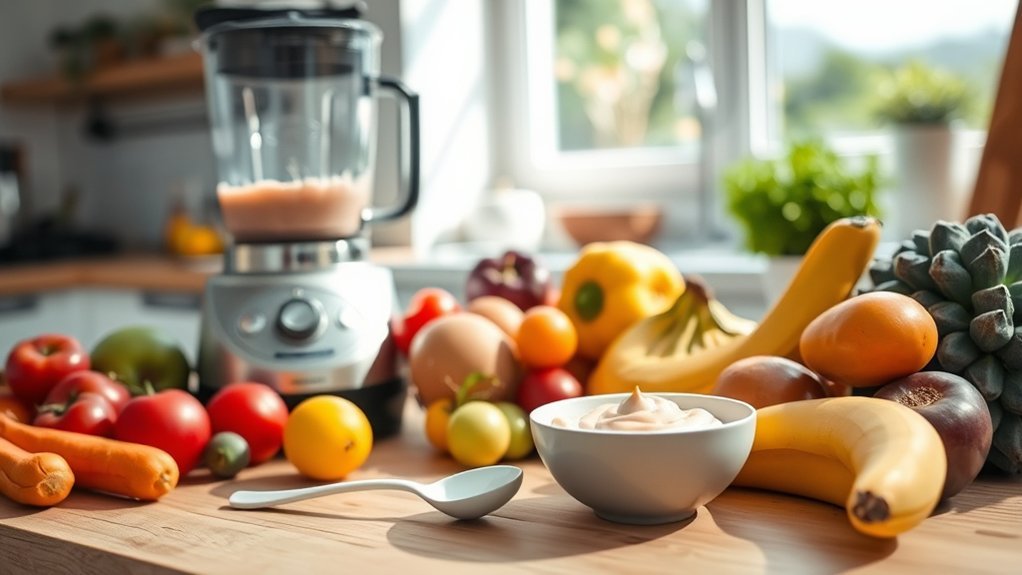
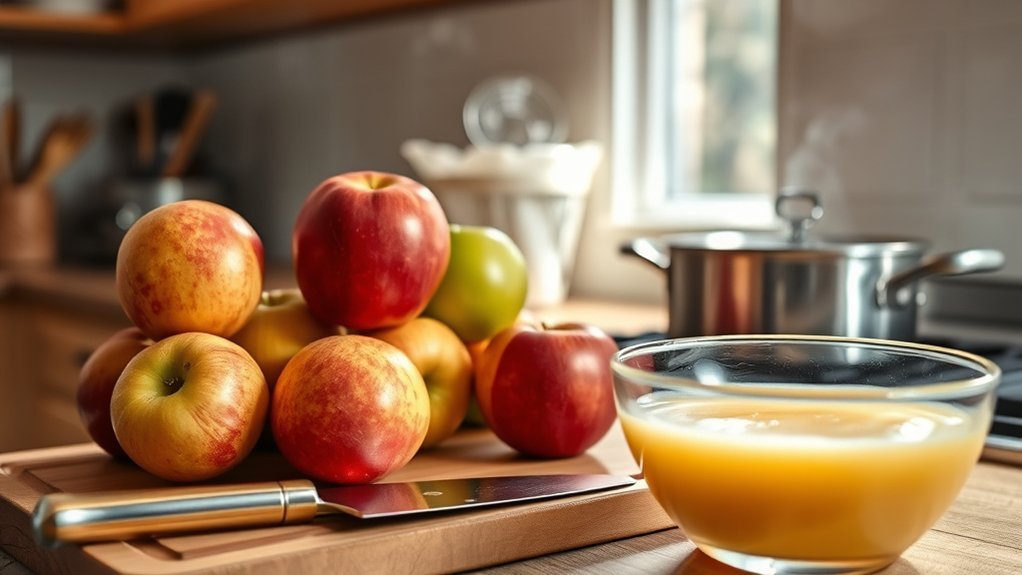
You do not need a high-speed appliance to make baby food. A fork or potato masher works for ripe banana, avocado, cooked sweet potato, beans, and other soft foods. A standard blender, immersion blender, food processor, or sieve can create a finer texture when needed.
- Wash first. Wash your hands for at least 20 seconds and clean the work surface, utensils, blender, containers, and produce.
- Remove unsafe parts. Take out bones, pits, seeds, shells, tough skins, excess fat, and stringy fibers.
- Cook firm ingredients. Steam, simmer, bake, or roast hard produce, meat, fish, eggs, beans, or grains until fully cooked and soft enough to mash easily.
- Mash or blend. Process the food until it reaches the texture your baby can currently manage.
- Adjust gradually. Add a small amount of water, breast milk, or correctly prepared infant formula if the puree is too thick. Add more mashed food if it is too runny.
- Check the temperature and texture. Stir well, especially after microwave heating, and test the food before serving.
- Serve a small portion. Transfer only the amount you expect your baby to eat into a separate dish.
Pro Tip: Before blending the whole batch, mash one spoonful with a fork. If it becomes smooth with little effort, the ingredient is soft enough. If hard pieces remain, cook it longer rather than relying on the blender to hide them.
How to Fix Common Puree-Texture Problems
| Problem | What to Do |
|---|---|
| Too thick or sticky | Mix in a teaspoon of water, breast milk, or prepared formula at a time until it is moist and spoonable. |
| Too thin | Add more of the cooked food, mashed beans, iron-fortified infant cereal, or another already tolerated ingredient. |
| Stringy | Remove fibrous strands before blending or press the puree through a sieve. |
| Gritty or hard | Cook longer, then blend again. Discard the batch if hard fragments, bones, shells, or pits cannot be removed confidently. |
| Gluey | Avoid overprocessing starchy foods such as potato. Mash them by hand and loosen with a suitable liquid. |
How Do Purees Support a Baby’s Nutritional Needs?
Purees can carry many nutrients, but the nutritional value comes from the ingredients, not from blending itself. A fruit-only puree may provide vitamin C and fiber but little iron, zinc, protein, or fat. Build variety by rotating foods from several groups.
Breast milk or infant formula remains an important source of energy and nutrients while a baby learns to eat solids. Early portions may be small, so focus on practice, variety, and nutrient density rather than trying to replace milk feeds quickly.
Nutrient-Rich Puree and Mash Ideas
The CDC identifies iron and zinc as important nutrients during early childhood. Useful options include:
- Iron and zinc: Pureed beef, turkey, chicken, fish without bones, lentils, beans, tofu, egg, and iron-fortified infant cereal
- Healthy fats: Avocado, plain full-fat yogurt, smooth thinned nut butter after safe introduction, and suitable oils mixed into food
- Vitamin C: Soft-cooked broccoli, tomato, berries, mango, pear, peach, and other fruits or vegetables
- Protein: Meat, fish, beans, lentils, egg, tofu, and plain yogurt
- Varied flavors: Less-sweet vegetables, herbs, mild spices, grains, fruit, dairy, and protein foods
Pairing plant-based or fortified iron sources with vitamin C-rich food can improve absorption of non-heme iron. For example, combine lentils with tomato, fortified oatmeal with mashed berries, or beans with soft-cooked broccoli.
| Food | Early Texture | Notable Nutrients |
|---|---|---|
| Cooked meat or poultry | Finely pureed with water or a tolerated vegetable | Iron, zinc, protein |
| Lentils or beans | Smooth puree, then fork-mashed | Iron, protein, fiber |
| Iron-fortified infant cereal | Mixed to a spoonable consistency | Iron and other fortified nutrients |
| Plain full-fat yogurt | Naturally smooth | Protein, fat, calcium |
| Avocado | Mashed smooth, then softly lumpy | Unsaturated fat, fiber |
| Soft fruit or vegetables | Pureed, mashed, or offered as safe finger food | Vitamin C, fiber, varied micronutrients |
If you offer infant cereal, rotate fortified oat, barley, multigrain, and other cereals rather than relying only on rice cereal.
Introducing Allergens and Avoiding Unsafe Ingredients
At first, offering one new single-ingredient food at a time and waiting three to five days can make a reaction easier to identify. Once individual foods have been tolerated, you can combine them into mixed purees and meals.
Common allergenic foods—including egg, peanut, dairy foods, wheat, soy, sesame, fish, and shellfish—should not automatically be delayed when a baby is ready for solids. Introduce them in a safe texture and a small amount when your baby is healthy and you can observe them afterward.
Never offer whole nuts or a thick spoonful of nut butter. Thin smooth nut butter with warm water, breast milk, prepared formula, yogurt, cereal, or another tolerated puree until it is easy to swallow.
Warning: If your baby has severe eczema, an egg allergy, or a previous immediate food reaction, ask a healthcare professional how and when to introduce peanut and other allergens. Stop feeding and seek emergency help for trouble breathing, significant tongue or facial swelling, collapse, or rapidly worsening symptoms.
The NIAID peanut-allergy prevention guidelines provide separate recommendations for infants at different risk levels.
Ingredients to Avoid or Limit
- Honey before 12 months: Honey can contain spores that cause infant botulism. This includes honey mixed into puree or used in baked or processed food.
- Added sugar and sweeteners: Babies do not need sugar, syrups, low-calorie sweeteners, or no-calorie sweeteners added to food.
- Added salt: Avoid salting baby food. Use herbs and mild spices for flavor instead.
- Whole nuts, popcorn, hard raw produce, and round foods: These are choking hazards unless prepared in an age-appropriate form.
- Unpasteurized milk or juice: These may contain harmful bacteria.
- Hard bones, pits, shells, and seeds: Remove them completely before mashing or blending.
How to Transition From Purees to Textured Foods

Do not wait for a fixed birthday or commercial “stage” number before changing texture. Once your baby handles a smooth puree comfortably, begin reducing the blending time or mashing part of the meal with a fork. The goal is steady practice without forcing the baby to advance faster than they can manage.
The safest texture is not always the smoothest one. It is the texture that matches the baby’s current skills, is prepared correctly, and is eaten upright under close supervision.
Typical Skill-Based Texture Progression
| Typical Period | Textures to Explore | Examples |
|---|---|---|
| When ready at about 6 months | Smooth puree, soft mash, and suitable graspable finger foods | Smooth lentils, mashed avocado, soft broccoli florets, or ripe banana |
| As initial swallowing improves | Thicker puree, fork-mashed food, and very soft small lumps | Mashed beans, thick oatmeal, mashed sweet potato, or minced soft meat in puree |
| Often during 7–9 months | Mashed, lumpy, finely chopped, or ground food plus finger foods | Well-cooked pasta, soft fruit, scrambled egg, finely ground meat, or soft vegetables |
| As chewing and self-feeding develop | Soft chopped family foods and appropriately sized bite-size pieces | Soft casseroles, flaked fish without bones, rice dishes, tender vegetables, and ripe fruit |
These periods are guides, not deadlines. Some babies progress quickly, while others need repeated practice. Continue offering a manageable version of the next texture without pressure.
Gagging Versus Choking
Gagging is a protective reflex and is common while babies learn to manage food. It is often noisy. A baby may cough, retch, push the tongue forward, water at the eyes, or bring food back toward the front of the mouth.
Choking means the airway is blocked. It may be quiet because the baby cannot cough, cry, or breathe effectively. Skin color may change, although blue coloring can be easier to see around the lips, gums, or fingernails on darker skin.
Warning: Learn infant choking first aid before starting solids. If your baby cannot breathe, cough, or cry, treat it as an emergency and begin the appropriate first-aid response while emergency help is being called. Do not perform a blind finger sweep inside the mouth.
Review the CDC choking-prevention guidance and consider a hands-on infant CPR and first-aid course.
Common Mistakes Parents Make With Purees
- Starting before the baby is developmentally ready: Wait until about 6 months and look for the complete readiness pattern.
- Assuming smooth food cannot cause choking: Correct seating, preparation, portion size, and supervision still matter.
- Keeping every meal completely smooth for too long: Introduce thicker, mashed, and soft lumpy textures as skills improve.
- Using age or package stages as strict rules: Follow your baby’s abilities rather than a label alone.
- Serving mostly fruit puree: Include iron-rich protein foods, fortified cereal, vegetables, grains, dairy foods, and healthy fats.
- Forcing another spoonful: Pause when your baby closes their mouth, turns away, becomes upset, or loses interest.
- Putting the used spoon back into stored food: Saliva can introduce bacteria into the remaining portion.
- Delaying allergens without a medical reason: Use safe forms and seek individualized advice when the baby is at higher risk.
- Making food too sticky: Thin nut butter, dense cereal, and thick mash before serving.
Safe Storage, Freezing, and Reheating
Babies are more vulnerable to foodborne illness than healthy adults, so clean handling and prompt refrigeration matter.
- Cool cooked puree promptly and place it in the refrigerator or freezer within two hours.
- Store homemade baby food in the refrigerator for one to two days.
- Freeze extra puree in clean, covered, food-safe portions and label each container with the food and date.
- For a simple conservative rule, use frozen homemade puree within about three months.
- Thaw frozen food in the refrigerator or with a microwave defrost setting, not on the counter.
- Reheat cooked food until steaming hot throughout, stir well, and then cool it to a safe serving temperature.
- Reheat a prepared portion only once.
- Discard food left at room temperature for more than two hours.
- Discard any half-eaten serving or food touched by a spoon that has been in the baby’s mouth.
The FDA’s infant food-safety guidance provides refrigerator, freezer, serving, and contamination precautions for homemade and commercial baby food.
Are Store-Bought Purees Safe?
Commercial baby foods can be a safe and convenient part of a varied diet when they are stored and served correctly. Before opening a jar, confirm that the safety button is down and that the lid pops. Do not use jars with broken seals, chipped glass, bulging lids, leaks, or rust.
Check the ingredient list and choose products without unnecessary added sugar or excess sodium. Look for options containing iron-rich ingredients instead of relying only on fruit blends.
If you want to save the rest of a jar, transfer one serving to a clean bowl before feeding. Do not feed directly from the jar and then return it to the refrigerator. For pouches, squeeze the food onto a spoon rather than making pouch-sucking the main way your baby eats; spoon and finger feeding provide more opportunities to practice oral and self-feeding skills.
What Resources Are Available for Baby Food Preparation?
Use primary health and food-safety sources as the foundation for feeding decisions. Useful resources include:
- The CDC’s infant and toddler nutrition guidance for readiness, textures, allergens, and choking prevention
- The FDA’s baby-food handling and storage guidance
- The American Academy of Pediatrics’ HealthyChildren.org feeding information
- NIAID guidance for early peanut introduction in higher-risk infants
- Your child’s pediatrician, registered dietitian, speech-language pathologist, or occupational therapist when individualized help is needed
Apps, printable charts, and parent communities can offer meal ideas, but they should not replace medical guidance or official choking-prevention instructions.
Troubleshooting Puree and Texture Problems
My Baby Pushes the Puree Out
This may mean the baby is still learning to move food backward or is not fully ready. Offer a very small amount, keep the experience calm, and try again later. Do not scrape food repeatedly from the chin back into the mouth.
My Baby Refuses Thicker or Lumpy Food
Increase texture in small steps. Blend for slightly less time, mix a little fork-mashed food into a familiar smooth puree, or offer a soft finger food alongside the meal. Repeated calm exposure is more helpful than pressure.
My Baby Coughs During Most Meals
An occasional cough or gag can occur during learning. Repeated coughing, choking episodes, breathing changes, marked distress, difficulty gaining weight, or an inability to progress beyond very smooth food should be discussed with a pediatrician. A feeding or swallowing assessment may be appropriate.
My Baby Eats Only a Small Amount
Small portions are normal at the beginning. Let the baby decide how much to eat, continue appropriate milk feeds, and focus on regular opportunities to practice rather than finishing a set quantity.
Tips for Introducing Purees Safely and Effectively
- Choose a time when your baby is awake, calm, and not extremely hungry or tired.
- Use a small, shallow spoon and begin with a small taste.
- Wait for your baby to open their mouth rather than pushing the spoon between closed lips.
- Allow time to taste, move, gag, spit, and swallow.
- Keep your baby securely upright throughout the meal.
- Offer variety without forcing a particular amount.
- Introduce one new food at a time initially, then combine tolerated foods.
- Increase thickness and texture gradually instead of remaining on thin puree.
- Include iron-rich foods regularly.
- Watch for fullness cues, including turning away, closing the mouth, slowing down, or losing interest.
Frequently Asked Questions
Can I mix different fruits and vegetables in a puree?
Yes. Introduce foods separately at first so a reaction is easier to identify. After the ingredients have been tolerated, combine them freely. Include iron-rich protein foods, grains, dairy foods, and healthy fats as well as fruits and vegetables.
How long can homemade baby puree be stored?
Refrigerate homemade baby food promptly and use it within one to two days. Freeze extra portions for up to about three months as a conservative rule. Discard any portion touched by a used spoon or partly eaten by the baby.
Are store-bought purees safe for babies?
Yes, when the package is intact, within its use-by date, and stored according to its label. Choose varied products with useful nutrients, spoon a serving into a separate bowl, and refrigerate untouched leftovers as directed by the manufacturer.
When can I add herbs or spices to a baby’s puree?
Small amounts of mild herbs and spices can be used when solids begin. Try cinnamon, cumin, basil, oregano, dill, turmeric, or mild garlic. Avoid adding salt, sugar, hot chili, and honey. Honey is unsafe before 12 months.
What equipment do I need to make purees?
A fork, masher, sieve, standard blender, immersion blender, or food processor can work. You will also need clean utensils, a cooking pot or steamer for firm foods, and food-safe containers for cooling and storage.
How do I know if a puree is too thick?
A first puree may be too thick if it is dry, sticky, difficult to release from the spoon, or forms a dense paste. Add a small amount of water, breast milk, or correctly prepared formula until it is moist and spoonable.
Do smooth purees prevent choking?
No food preparation method eliminates choking risk. Smooth food may be easier for a new eater to manage, but the baby must still be developmentally ready, seated upright, offered small amounts, and watched continuously.
What should I do if my baby keeps gagging on lumps?
Make the change more gradual by adding a small amount of soft mash to a familiar puree. Continue calm practice without forcing bites. Seek professional advice if gagging is severe, progression remains impossible, or meals regularly involve coughing, choking, breathing changes, or distress.
Conclusion
The ideal puree consistency for babies is smooth, moist, spoonable, and free from hard or unsafe pieces. That texture should not remain the endpoint. As your baby develops, move toward thicker mash, soft lumps, finely chopped foods, and safe finger foods so they can practice chewing and self-feeding.
Readiness, upright positioning, close supervision, safe allergen introduction, nutrient-rich ingredients, and careful storage all matter as much as blending. Follow your baby’s cues, avoid pressure, and seek professional support when swallowing or texture progression does not seem comfortable or safe.
Sources
- CDC: When, What, and How to Introduce Solid Foods — readiness signs, initial textures, allergens, and food preparation
- CDC: Tastes and Textures — smooth, mashed, lumpy, finely chopped, and ground texture progression
- CDC: Choking Hazards — preparation, seating, supervision, and common choking hazards
- CDC: Vitamins and Minerals — iron, zinc, vitamin D, and infant nutrition
- FDA: Once Baby Arrives — preparation, refrigeration, freezing, serving, and contamination safety
- NIAID: Peanut Allergy Prevention Guidelines — risk-based timing and safe peanut introduction