High-calorie baby food can make each spoonful more energy- and nutrient-dense, but it should not be used as a do-it-yourself treatment for unexplained poor growth. If your baby is losing weight, crossing growth-chart lines, tiring during feeds, or struggling to eat, ask your pediatrician or a pediatric dietitian to assess the cause and recommend suitable portions.
Quick Answer
Use age-appropriate, nutrient-dense foods such as avocado, unsweetened full-fat yogurt, eggs, beans, meat, and iron-fortified oats. Add only small, measured amounts of oil or smooth, thinned nut butter when appropriate. Because poor weight gain can have medical causes, have your pediatrician or dietitian confirm the feeding plan and portions.
Key Takeaways
- Most babies start complementary foods at about 6 months, when they can control their head, sit with support, and swallow food.
- Breast milk or correctly prepared infant formula remains the main source of nutrition from 6 to 12 months.
- Build meals around nutrient-dense foods such as avocado, eggs, beans, meat, fish, iron-fortified oats, sweet potato, and plain full-fat yogurt.
- Thin smooth nut or seed butter before serving, and avoid whole nuts, sticky spoonfuls, dried fruit, energy balls, and hard food pieces.
- Store homemade baby food in the refrigerator for no more than 1 to 2 days, with a shorter limit for meat or egg mixtures.
At a Glance
| Time Required | About 10 to 30 minutes, depending on whether ingredients need cooking |
| Difficulty | Easy, after a clinician confirms that calorie enrichment is appropriate |
| Tools Needed | Saucepan or steamer, fork or blender, clean spoon, shallow containers, and labels |
| Cost | Varies; most recipes use small amounts of ordinary family foods |
Medical warning: Do not change the amount of water or powder used to prepare infant formula unless your baby’s healthcare professional gives you specific written instructions. Too little water can cause dehydration, while too much water can leave a baby undernourished.
Before You Make High-Calorie Baby Food
According to the Centers for Disease Control and Prevention, most babies can begin complementary foods at about 6 months. Introducing solid food before 4 months is not recommended.
Your baby may be ready when they can:
- Sit alone or with support and remain upright during feeding.
- Control their head and neck.
- Open their mouth when food is offered.
- Swallow food instead of pushing it back out with the tongue.
- Bring objects to their mouth and show interest in food.
From 6 to 12 months, breast milk and/or properly prepared infant formula should remain your baby’s main source of nutrition. Complementary foods add iron, protein, fat, texture practice, and new flavors, but they should not abruptly replace normal milk feeds.
If a clinician is concerned about your baby’s growth, ask for clear guidance on:
- How often to offer meals and snacks.
- Which foods or calorie boosters are appropriate.
- How much to add to each serving.
- Whether your baby needs feeding or swallowing support.
- When weight and length should be checked again.

Power your essentials anywhere with a 999Wh pure sine wave power station delivering up to 1000W continuous with 2000W surge. It supports fast charging via USB-C PD 60W and USB-A QC 18W, plus simultaneous output for multiple devices through AC, USB, wireless, and car/DC ports. Recharge using AC, car, or solar with a built-in MPPT controller and dual cooling fans, while the upgraded battery management system protects against surges, short circuits, and overheating.

Make fresh, delicious food with wholesome ingredients. You control exactly what goes in - no hidden stabilizers, preservatives, or flavor enhancers necessary.

𝐒𝐚𝐯𝐞 𝐁𝐢𝐠, 𝐁𝐥𝐞𝐧𝐝 𝐖𝐞𝐥𝐥:This HEYVALUE Baby Gift Set comes with 2 silicone spoons, freezer tray, one silicone spatula, and baby food recipes, eliminating the need to buy them separately. It's a must-have for newborns!
Essential Ingredients for High-Calorie Baby Food Recipes
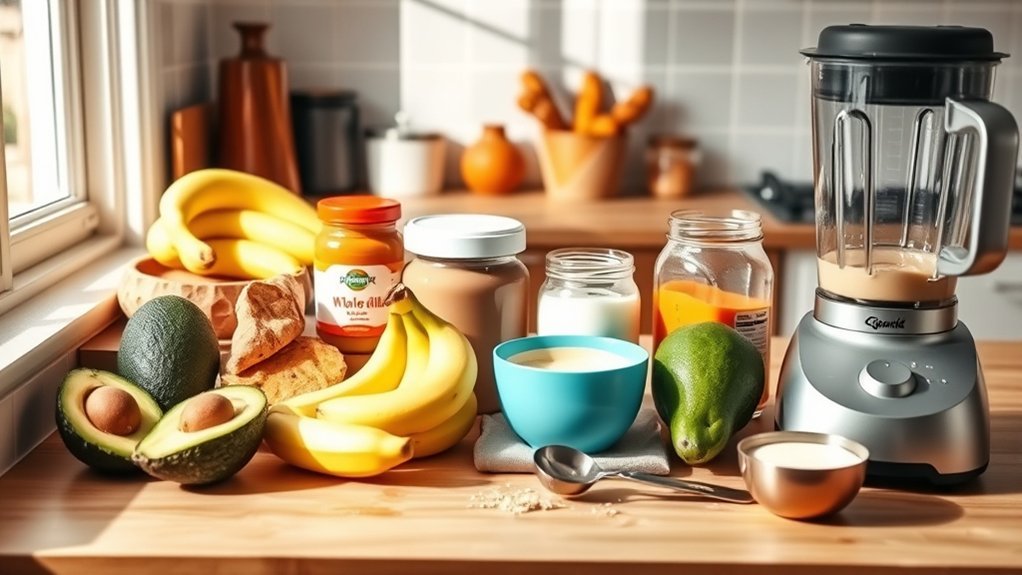
The best high-calorie baby foods provide more than energy. They also supply protein, iron, zinc, healthy fats, vitamins, and minerals needed for growth and development.
Healthy Fats
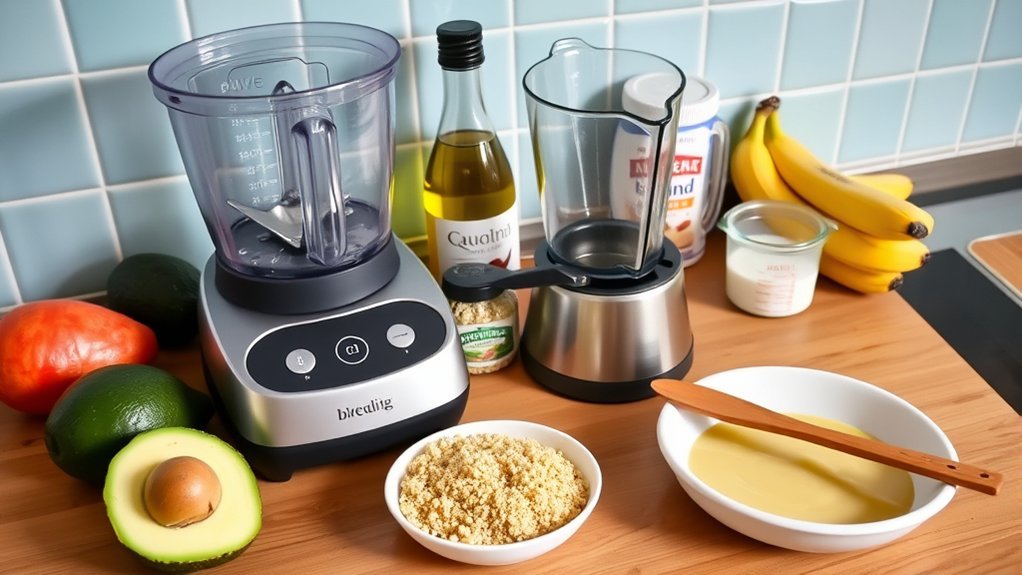
- Avocado: Soft, easy to mash, and rich in unsaturated fat.
- Olive or canola oil: A small measured amount can increase the energy density of a puree without making the portion much larger.
- Smooth nut or seed butter: Provides fat and protein but must be thinned into a runny puree or cereal rather than offered as a sticky spoonful.
Protein and Iron Sources
- Fully cooked eggs: Mash or blend to match your baby’s feeding ability.
- Meat, poultry, and low-mercury fish: Cook thoroughly, remove skin and bones, and puree, grind, or finely shred.
- Beans and lentils: Cook until very soft, then mash or blend.
- Tofu: Use a soft texture and mash it with vegetables or fruit.
- Iron-fortified infant cereal: Oat, barley, and multigrain cereals can provide iron and carbohydrate in a smooth texture.
Full-Fat Dairy Foods
Pasteurized, plain full-fat yogurt and soft cheese can be offered before 12 months when your baby is developmentally ready and dairy has been introduced safely. Choose products without added sugar. Cow’s milk should not replace breast milk or infant formula as the main drink before 12 months.
Energy-Rich Fruits, Vegetables, and Grains
- Sweet potato
- Winter squash
- Banana
- Soft ripe pear
- Oats
- Quinoa cooked until very soft
- Potato
Pro Tip: Pair an iron-rich food with a fruit or vegetable rich in vitamin C. Examples include lentils with sweet potato, meat with broccoli, or iron-fortified oats with mashed berries.
Step-by-Step: Preparing High-Calorie Baby Food
- Choose a nutrient-rich base. Start with avocado, sweet potato, beans, lentils, egg, meat, yogurt, or iron-fortified cereal instead of relying on juice, sugar, or low-nutrient snacks.
- Cook ingredients until soft. Steam, bake, simmer, or poach firm produce. Cook eggs, meat, poultry, and fish thoroughly. Remove bones, pits, seeds, skin, and other hard pieces.
- Create the right texture. Mash, puree, grind, or finely chop the food according to your baby’s current eating skills. Foods should be soft enough to mash easily with a fork.
- Add an appropriate calorie booster. Mix in mashed avocado, plain full-fat yogurt, thinned smooth nut or seed butter, or a clinician-approved measured amount of oil.
- Adjust the consistency. Use water, breast milk, or correctly prepared infant formula to thin cereal or puree. Add breast milk or formula after hot food has cooled rather than cooking it for a long time.
- Test before serving. Stir well and check the temperature. The food should be warm or cool, not hot.
- Start with a small portion. Offer 1 or 2 tablespoons and follow your baby’s hunger and fullness signals rather than encouraging them to finish the bowl.
- Cool and store leftovers promptly. Transfer untouched food to clean, shallow containers and refrigerate or freeze it within two hours.
Easy High-Calorie Baby Food Combinations
Use combinations your baby has already tolerated. When introducing a new allergen or other new ingredient, offer it separately at first so any reaction is easier to identify.
Avocado and Banana Mash
Mash ripe avocado and banana until smooth. Thin with breast milk, formula, or water if needed. This no-cook option works well for babies learning to manage mashed textures.
Sweet Potato and Lentil Puree
Cook peeled sweet potato and lentils until very soft. Blend them with water or correctly prepared formula. A clinician-approved small amount of olive or canola oil can make the mixture more energy-dense.
Infant Oatmeal With Thinned Nut Butter
Prepare iron-fortified infant oatmeal according to the package directions. After your baby has safely begun eating peanut, tree-nut, or seed products, blend a small amount of smooth butter into the cereal until no sticky lumps remain.
Plain Full-Fat Yogurt and Fruit
Combine pasteurized, unsweetened full-fat yogurt with mashed banana, pear, peach, or soft berries. Avoid flavored yogurt with added sugar.
Egg and Avocado Mash
Cook an egg thoroughly, then mash it with ripe avocado. Add a little water, breast milk, or formula until the texture matches your baby’s eating skills.
Chicken, Squash, and Olive Oil Puree
Cook boneless chicken and squash until tender. Puree them together, checking carefully for hard or stringy pieces. Add a measured amount of oil only if it is part of your baby’s feeding plan.
Note: Dense energy balls made with dried fruit, oats, and nut butter are not suitable baby foods. Their sticky texture and firm pieces can create a choking hazard.
High-Calorie Ingredients to Enhance Baby Food
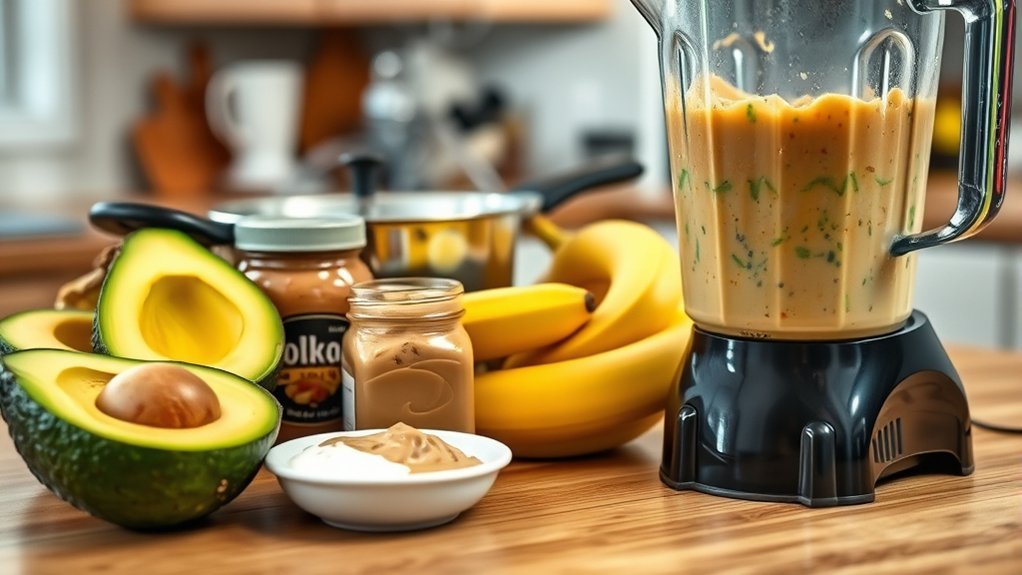
Calorie boosters should add nutrition without crowding out protein, iron, breast milk, or infant formula. The right amount depends on your baby’s age, growth pattern, usual portions, and medical needs.
Avocado
Avocado can be mashed alone or mixed with egg, beans, fruit, vegetables, or cereal. Its soft texture makes it useful when a baby cannot manage large portions.
Oil
A small measured amount of olive or canola oil can be stirred into vegetables, lentils, meat puree, or grains. Do not pour oil freely into every meal. Too much may cause loose stools, reduce the variety of nutrients eaten, or make portions difficult to balance.
Nut and Seed Butter
Use smooth products without nut pieces. Thin the butter with warm water, breast milk, formula, yogurt, cereal, or puree until it is no longer sticky. Never offer a thick spoonful or whole nuts.
Full-Fat Yogurt and Soft Cheese
Choose pasteurized, unsweetened products. Yogurt can be mixed with fruit, avocado, or cereal. Check cheese labels for sodium and prepare the cheese in a soft, developmentally appropriate form.
Butter and Cream
A small amount of butter may be included in family foods if dairy has been introduced safely, but it should not become the main calorie strategy. Heavy cream is not a balanced replacement for breast milk or formula and should be used for an infant only when a pediatrician or dietitian specifically recommends it.
Tips for Safely Introducing High-Calorie Foods
At first, offer one single-ingredient food at a time and wait three to five days before another new food. This makes it easier to identify a possible reaction. Once foods have been tolerated, you can combine them into meals.
Potentially allergenic foods can usually be introduced along with other complementary foods in an age-appropriate form. These include egg, dairy, peanut, tree nuts, wheat, soy, sesame, fish, and crustacean shellfish. Babies with severe eczema, an existing egg allergy, a known food allergy, or a previous reaction need individualized medical guidance.
For peanut, tree-nut, or seed butter:
- Use a smooth product without pieces.
- Thin it thoroughly so it is not sticky.
- Offer a small amount while your baby is healthy.
- Serve it at home when you can observe your baby.
- Do not rub food on the skin as an allergy test.
Stop feeding the food and contact your baby’s healthcare professional if a mild reaction occurs. Call emergency services immediately for trouble breathing, swelling of the tongue or throat, sudden limpness, or another severe reaction.
Choking warning: Avoid whole nuts, chunks or spoonfuls of nut butter, dried fruit, popcorn, hard raw apple or carrot, whole grapes, large cheese cubes, tough meat, and dense energy balls. Seat your baby upright, keep meals calm, and watch continuously. Mesh or silicone feeders do not replace proper food preparation or adult supervision.
Food Safety and Storage
Babies are more vulnerable to foodborne illness than healthy adults. Use clean hands, utensils, cutting boards, containers, and blender parts whenever you prepare baby food.
- Use pasteurized milk products and avoid raw or unpasteurized dairy.
- Cook eggs until fully done and cook meat, poultry, and fish thoroughly.
- Keep raw meat separate from ready-to-eat foods.
- Do not give honey to a baby younger than 12 months.
- Avoid foods with added sugar and do not use juice as a weight-gain food.
- Do not leave perishable food at room temperature for more than two hours.
- Discard food left in the baby’s bowl after feeding because saliva can introduce bacteria.
FoodSafety.gov’s baby-food storage chart gives the following limits:
- General homemade baby food: Refrigerate for 1 to 2 days or freeze for 1 to 2 months.
- Strained meat or egg: Refrigerate for 1 day or freeze for 1 to 2 months.
- Meat and vegetable mixtures: Refrigerate for 1 to 2 days or freeze for 1 to 2 months.
Freeze small portions in clean food-safe trays or containers. Once frozen, transfer portions to a labeled freezer container with the food name and preparation date. Thaw in the refrigerator or reheat directly from frozen, stir well, and check for hot spots.
Why High-Calorie Baby Food Matters for Weight Gain
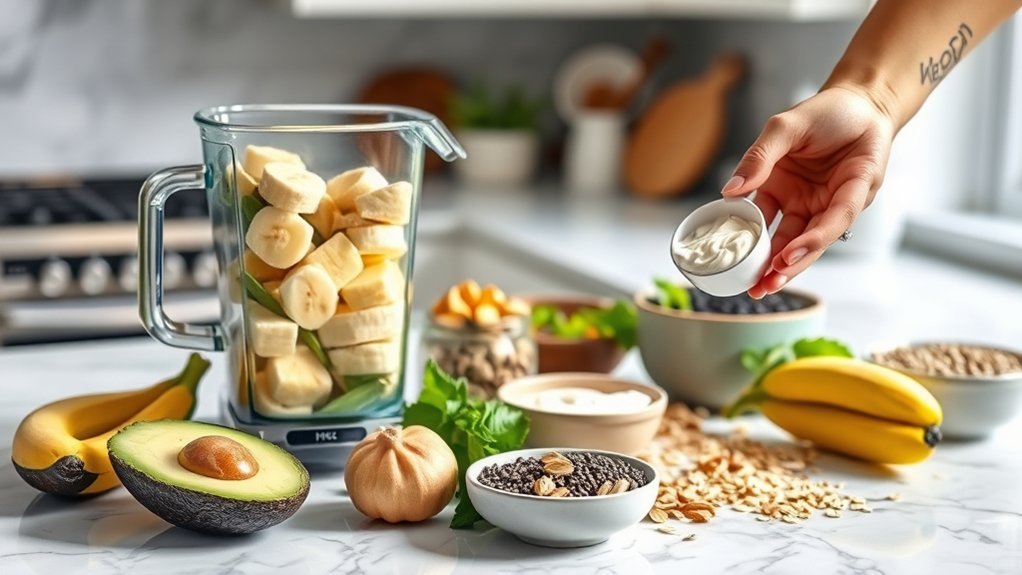
Some babies cannot comfortably eat enough volume to meet their needs. In those cases, a clinician may recommend making familiar foods more energy-dense. The goal is not simply to make the baby heavier. It is to support steady growth while providing enough protein, iron, fat, vitamins, and minerals.
The American Academy of Pediatrics’ 2026 guidance on faltering weight identifies increased dietary energy as an important treatment option. The same guidance also recognizes that children may need evaluation for medical, nutritional, feeding, developmental, or social factors.
A successful weight-gain plan supports steady growth without force-feeding, unsafe formula changes, or replacing nutrient-rich foods with sugar and empty calories.
Continue using responsive feeding. Offer suitable food at regular meals, but allow your baby to decide how much to eat. Signs of fullness include closing the mouth, turning the head away, pushing food away, or losing interest. The CDC recommends following hunger and fullness cues rather than requiring a baby to finish a bottle or bowl.
How to Know Whether the Plan Is Working
A single home weight does not show whether a feeding plan is successful. Your pediatrician should review weight, length, head growth, medical history, feeding behavior, and the pattern on an appropriate growth chart.
Contact your baby’s healthcare professional promptly if you notice:
- Weight loss or continued poor gain.
- Fewer wet diapers or signs of dehydration.
- Frequent vomiting or ongoing diarrhea.
- Coughing, choking, sweating, or tiring during feeds.
- Meals regularly taking an unusually long time.
- Refusal of most milk or food.
- Persistent constipation after dietary changes.
- Unusual sleepiness, weakness, or reduced activity.
A pediatric feeding specialist or speech-language pathologist may be needed when chewing, swallowing, positioning, or oral-motor skills interfere with safe eating.
Frequently Asked Questions
Can I use frozen vegetables instead of fresh ones?
Yes. Plain frozen vegetables can be convenient and nutritious. Choose products without added salt, sauces, or sugar. Cook firm vegetables until they mash easily with a fork, then puree, mash, or finely chop them for your baby’s eating ability.
How long can I store homemade baby food?
Refrigerate general homemade baby food for no more than 1 to 2 days and freeze it for 1 to 2 months. Refrigerate strained meat or egg mixtures for no more than 1 day. Discard food that has been served from the baby’s bowl or touched by a used spoon.
Which allergens should I watch for?
The nine major U.S. food allergens are milk, egg, fish, crustacean shellfish, tree nuts, peanuts, wheat, soy, and sesame. Introduce them in safe textures and watch for reactions. Ask a clinician for a personalized plan if your baby has severe eczema, egg allergy, another known allergy, or a previous reaction.
Can I add spices to baby food?
Yes. Mild herbs and spices such as cinnamon, cumin, garlic, basil, oregano, or nutmeg can add flavor without sugar. Avoid very salty seasoning blends and extremely hot spices. Introduce a new ingredient separately if you need to monitor tolerance.
What signs show that my baby is ready for solid food?
Most babies are ready at about 6 months when they can sit upright with support, control their head and neck, open their mouth for food, and swallow instead of pushing food out. Appetite alone or slow weight gain does not mean a younger baby is developmentally ready.
Can I add oil, butter, or cream to every serving?
Not automatically. A small measured amount of oil or butter may be appropriate in some meals, but the amount should fit your baby’s total feeding plan. Heavy cream is not a balanced substitute for breast milk or formula and should be used only when a pediatrician or dietitian specifically recommends it.
Should I add extra formula powder to increase calories?
No. Follow the container’s exact water and powder directions unless your baby’s clinician provides a specific medical recipe. Formula made with too little water can strain the kidneys and cause dehydration; formula made with too much water may not provide enough nutrition.
Conclusion
High-calorie baby food can support healthy growth when it is built from nutrient-rich ingredients and used as part of an appropriate feeding plan. Focus on avocado, iron-rich protein foods, infant cereal, beans, vegetables, plain full-fat yogurt, and safely thinned nut or seed butter rather than sugar or dense snack foods. Keep breast milk or correctly prepared formula central during the first year, follow your baby’s fullness cues, and have growth concerns assessed by a qualified healthcare professional.
Sources
- CDC: When, What, and How to Introduce Solid Foods — readiness, allergen introduction, dairy, textures, and food preparation
- CDC: Choking Hazards — unsafe food forms and supervised feeding practices
- CDC: Infant Formula Preparation and Storage — correct formula mixing and dehydration risks
- FoodSafety.gov: Safe Storage of Puréed and Solid Baby Food — refrigerator and freezer limits
- American Academy of Pediatrics: Guidance on Faltering Weight — assessment and energy-rich feeding plans
- FDA: Food Allergies — the nine major food allergens and allergy-safety information