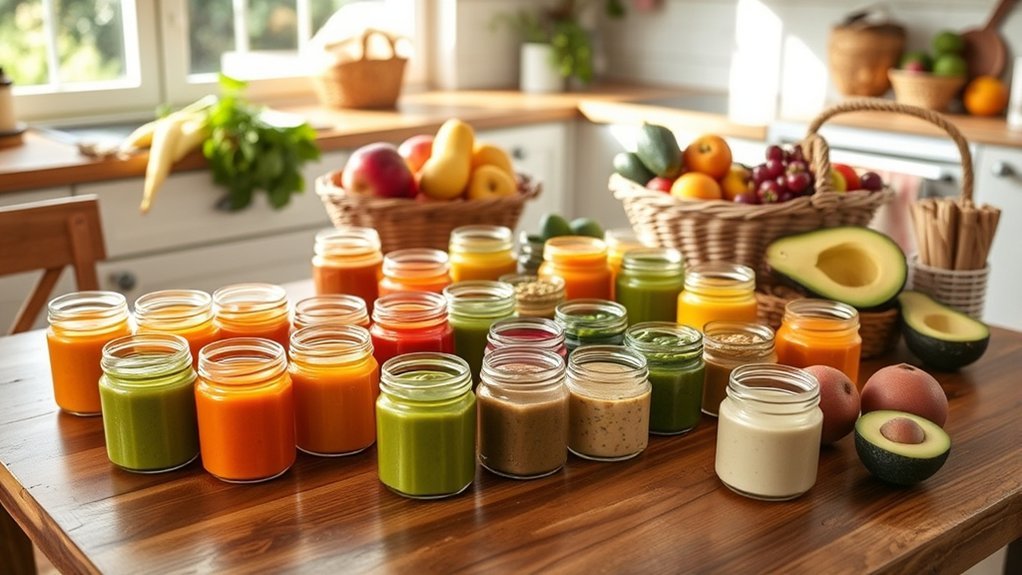
Allergy-friendly baby food should do two things at once: avoid foods your baby has been told not to eat and still provide the iron, protein, fat, vitamins, and textures needed for healthy growth. The safest choices depend on your baby’s age, feeding skills, diagnosed allergies, and medical plan—not on a food being labeled “free from” one common ingredient.
Quick Answer
Build allergy-friendly baby meals around an iron-rich food, a fruit or vegetable, and a source of healthy fat, using only ingredients your baby can safely eat. Introduce common allergens in baby-safe forms around six months when developmentally ready, but ask a clinician first if your baby has severe eczema, an egg allergy, or a previous reaction.
Key Takeaways
- Breast milk or iron-fortified infant formula remains the main drink through the first year; plant-based beverages are not suitable replacements before 12 months.
- Offer iron-rich foods, protein, healthy fats, fruits, vegetables, and age-appropriate textures while avoiding only confirmed or clinician-directed restrictions.
- Introduce one new common allergen at a time in a soft, non-choking form once your baby is ready for solids, then keep tolerated foods in the diet regularly.
- Honey, popcorn, whole nuts, thick spoonfuls of nut or seed butter, hard raw vegetables, and other choking hazards are not safe baby snacks.
- Stop the food and seek medical advice after a possible reaction; breathing trouble, tongue or lip swelling, weakness, or symptoms in more than one body system can require emergency treatment.
At a Glance
| Time Required | About 10–30 minutes for most meals; introduce a new allergen only when you can watch your baby closely afterward. |
| Difficulty | Moderate—label reading, safe textures, and cross-contact control matter. |
| Tools Needed | High chair, baby spoon, fork or blender, clean cutting board, storage containers, and separate utensils when cross-contact is a concern. |
| Cost | Varies; beans, lentils, oats, frozen vegetables, eggs, and canned low-sodium fish can be budget-friendly when tolerated. |
Warning: This guide is general education, not a personal allergy treatment plan. If your baby has severe eczema, a diagnosed food allergy, feeding or swallowing problems, poor growth, or a previous reaction, ask a pediatrician, allergist, or pediatric dietitian before changing the diet or introducing an allergen. Use prescribed epinephrine immediately for suspected anaphylaxis and call 911.
Essential Nutrients for Allergy-Friendly Baby Foods
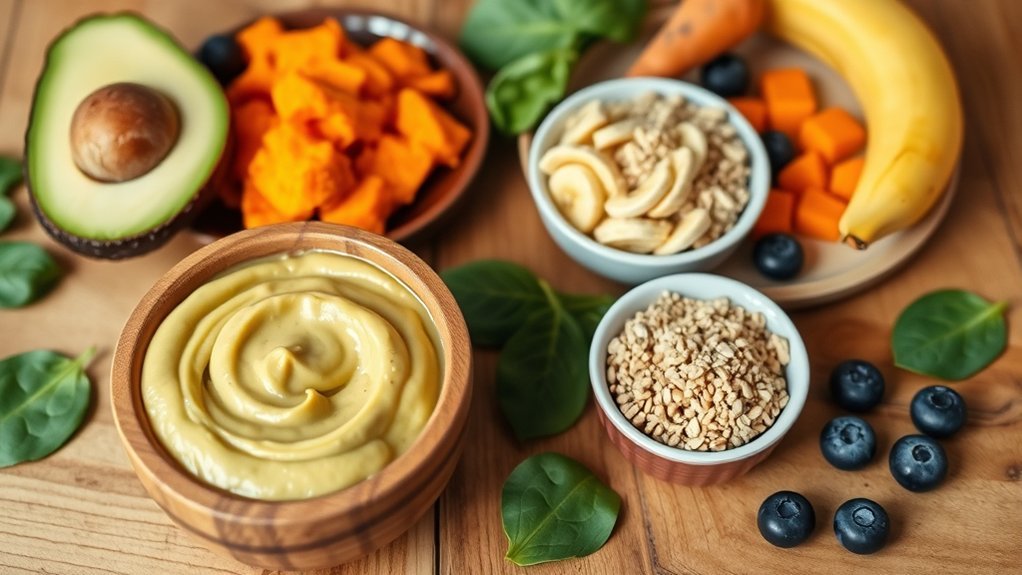
When allergies limit familiar foods, nutrition needs more planning—not more unnecessary restriction. Around six months, most babies need complementary foods in addition to breast milk or iron-fortified formula. The CDC recommends starting solids at about six months when a baby can control the head and neck, sit with support, bring objects to the mouth, and swallow food rather than push it out.
Make iron a daily priority. Good options include iron-fortified infant cereal, puréed or finely shredded meat, mashed beans, lentils, and tofu if soy is tolerated. Pair plant sources of iron with vitamin C-rich foods such as strawberries, pears, broccoli, peas, or sweet potato to help the body absorb iron.
Protein can come from meat, poultry, fish, eggs, beans, lentils, tofu, yogurt, or smooth nut and seed butters, depending on your baby’s known allergies. Healthy fats from avocado, olive oil, full-fat yogurt, fish, and safely thinned nut or seed butter support energy needs and brain development. Ground flaxseed can add fat and fiber, but it does not replace all nutrients supplied by egg, dairy, meat, or formula.
Calcium, vitamin D, vitamin B12, iodine, and zinc deserve attention when dairy, egg, fish, or several animal foods are removed. A pediatric dietitian can check whether food alone is enough or whether a supplement or specialized formula is needed.
| Nutrient | Allergy-aware baby food ideas |
|---|---|
| Iron | Iron-fortified oat cereal, beef, turkey, lentils, beans, or tofu if tolerated |
| Protein | Meat, fish, egg, yogurt, beans, lentils, tofu, or smooth seed butter, based on safe foods |
| Healthy fat | Avocado, olive oil, full-fat yogurt, salmon, or thinly mixed nut or seed butter if tolerated |
| Calcium and vitamin D | Breast milk or infant formula; yogurt or cheese if tolerated; clinician-approved fortified options after 12 months |
| Fiber and vitamins | Soft fruits, cooked vegetables, beans, quinoa, millet, oats, and brown rice |

Power your essentials anywhere with a 999Wh pure sine wave power station delivering up to 1000W continuous with 2000W surge. It supports fast charging via USB-C PD 60W and USB-A QC 18W, plus simultaneous output for multiple devices through AC, USB, wireless, and car/DC ports. Recharge using AC, car, or solar with a built-in MPPT controller and dual cooling fans, while the upgraded battery management system protects against surges, short circuits, and overheating.
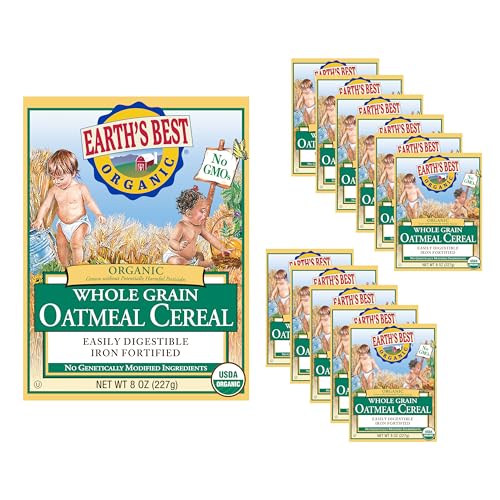
4+ MONTHS FIRST FOODS: Easily digestible infant cereal for babies transitioning from formula or breast milk to solid foods

Free From: Dairy, Lactose, Gluten, Soy, Peanuts, & Tree Nuts
Best Allergy-Friendly Ingredients for Baby Meals
No ingredient is universally “allergy-free.” A food that avoids milk, egg, wheat, or nuts may contain another allergen or may have been made on shared equipment. Choose ingredients according to your baby’s confirmed allergies, read the full label every time, and check the package again when a manufacturer changes the recipe.
The FDA recognizes nine major food allergens in the United States: milk, egg, fish, crustacean shellfish, tree nuts, peanuts, wheat, soy, and sesame. Packaged foods must identify these allergens, but precautionary phrases such as “may contain” are voluntary. Follow your allergist’s advice about products made in shared facilities.
Safe Dairy Alternatives
For babies younger than 12 months, breast milk or an appropriate iron-fortified infant formula should remain the main drink. Oat, pea, almond, rice, coconut, and other plant-based beverages are not nutritionally complete substitutes for breast milk or infant formula. The CDC advises waiting until 12 months before serving cow’s milk or fortified dairy alternatives as drinks.
If your baby has cow’s milk protein allergy, ask the clinician which formula is appropriate. Depending on the diagnosis, that may be an extensively hydrolyzed or amino acid-based formula. Do not switch to goat’s milk, homemade formula, or a plant beverage without medical guidance.
After solids begin, small amounts of unsweetened plant beverage may sometimes be used as a recipe ingredient rather than a main drink, but only if the ingredients are safe for your baby and the healthcare team agrees. For children 12 months and older, choose an unflavored, unsweetened product fortified with calcium and vitamin D; nutrient content varies widely.
Some children with milk allergy can eat extensively baked milk, but this cannot be assumed. Introducing baked dairy should follow an allergist’s plan, often after testing or a supervised oral food challenge. Never test baked milk at home after a serious reaction unless the treating clinician has specifically instructed you to do so.
Note: Milk allergy is an immune reaction to milk protein. Lactose intolerance is trouble digesting milk sugar. They are not the same condition and require different food choices.
Gluten-Free Grain Options
Gluten-free grains can be useful for a baby with celiac disease, a wheat allergy, or a clinician-directed wheat restriction, but “gluten-free” does not mean “free from all allergens.” Wheat allergy and celiac disease are also different conditions. A baby with wheat allergy may still tolerate other gluten-containing grains, while a child with celiac disease must avoid wheat, barley, and rye.
Oats are naturally free of wheat, barley, and rye, but cross-contact can occur during growing and processing. Use products labeled gluten-free when strict gluten avoidance is medically required. Oats themselves can also cause allergy in rare cases, so only serve foods your baby tolerates.
Here is a practical overview of grain choices:
| Grain | Key Benefits and Use |
|---|---|
| Quinoa | Provides protein and minerals; cook until very soft and mash |
| Brown Rice | Provides carbohydrate, fiber, and B vitamins; rotate with other grains rather than relying on rice alone |
| Oats | Soft texture and soluble fiber; choose certified gluten-free oats when needed |
| Amaranth | Protein-rich seed-like grain; cook thoroughly into a soft porridge |
| Millet | Mild flavor and useful variety; cook until tender and mash for younger babies |
Egg Replacer Choices
Egg replacers can help with texture in pancakes, muffins, breads, and other baked foods, but they do not automatically match the protein, choline, fat, or micronutrients in egg. Replace those nutrients elsewhere in the meal plan.
- Commercial egg replacer: Follow the package directions. A common ratio is about 1.5 teaspoons of powder mixed with 2 tablespoons of water for one egg, but products differ.
- Mashed banana: About 1/4 cup can replace one egg in soft pancakes or muffins and adds moisture and sweetness.
- Unsweetened applesauce: About 1/4 cup can add moisture to muffins or quick breads without added sugar.
- Ground flaxseed gel: Mix 1 tablespoon of finely ground flaxseed with about 2.5 tablespoons of water and let it thicken. Use only in a fully cooked recipe with a texture your baby can manage.
- Blended silken tofu: About 1/4 cup can add moisture and a creamy texture if soy is tolerated.
Commercial replacers may contain other allergens, and tofu contains soy. Always check the label. Keep baked foods soft, low in added sugar and sodium, and cut them into an age-appropriate shape.
Step-by-Step Guide to Introducing Allergenic Foods
Current guidance does not recommend delaying common allergens once a baby is developmentally ready for solids. Evidence is strongest for early peanut introduction in babies at higher risk and supports timely introduction of well-cooked egg. That does not mean every allergen should be introduced without a plan.
- Confirm readiness for solids. Most babies are ready around six months, and foods should not be started before four months. Your baby should be able to sit with support, control the head and neck, bring objects to the mouth, and swallow food.
- Check for higher-risk factors. Ask the pediatrician before peanut introduction if your baby has severe eczema or an egg allergy. Get medical advice before any home introduction after a previous reaction.
- Choose one new allergen. The nine major allergens are milk, egg, fish, crustacean shellfish, tree nuts, peanuts, wheat, soy, and sesame. Introduce one new allergen at a time so a reaction is easier to identify.
- Use a baby-safe form. Examples include smooth peanut butter thinned into warm water, breast milk, formula, or purée; fully cooked smooth egg; plain yogurt; finely flaked fish with all bones removed; well-cooked wheat cereal; smooth tofu; or finely ground sesame paste thinned into food. Never serve whole nuts or a thick spoonful of nut butter.
- Start with a small taste. Offer the food when your baby is healthy and you can watch closely. If there is no reaction, continue with an age-appropriate amount. Exact amounts for high-risk peanut introduction should come from the clinician’s plan.
- Watch for symptoms. Hives, facial swelling, repeated vomiting, coughing, wheezing, trouble swallowing, sudden drooling, unusual sleepiness, or breathing trouble may signal an allergic reaction.
- Keep tolerated foods in rotation. Once an allergen is eaten without a reaction, continue serving it regularly in a safe form. Early introduction followed by continued intake—not a one-time taste—is the approach studied for allergy prevention.
- Record what happened. Note the food, brand, amount, time eaten, and any symptoms. This information helps the pediatrician or allergist evaluate a possible reaction.
Introduce one new allergen at a time in a soft, non-choking form, then keep tolerated foods in the diet regularly.
Pro Tip: Offer a new allergen earlier in the day, at home, and near the start of the meal. Do not try it for the first time when your baby is sick, very tired, or about to leave with another caregiver.
Warning: If your baby has trouble breathing or swallowing, swelling of the lips or tongue, becomes pale, blue, weak, or unusually sleepy, or has symptoms affecting more than one body system, treat it as an emergency. Give prescribed epinephrine immediately and call 911. Antihistamines do not replace epinephrine for anaphylaxis.
Creative Allergy-Safe Meal Ideas for Breakfast and Lunch

Breakfast and lunch can stay varied even when one or more foods must be avoided. Build each meal from foods your baby has already tolerated, and adjust texture to match feeding skills. A balanced plate might include an iron-rich food, produce, and a source of fat.
Allergy-Friendly Breakfast Options
- Oatmeal with fruit: Cook oats until soft, then stir in mashed pear, peach, prune, or berries. Add a small amount of thinned seed or nut butter only if it has already been tolerated.
- Egg-free pancakes: Use flour that fits your baby’s needs, unsweetened soy or oat beverage as a recipe ingredient if tolerated, and banana, applesauce, flax gel, or a commercial egg replacer. Serve soft strips or small pieces.
- Quinoa breakfast bowl: Cook quinoa until very soft and mix with mashed banana, cinnamon, and a little olive oil or tolerated yogurt.
- Fruit smoothie bowl: Blend fruit with breast milk, prepared infant formula, or tolerated yogurt. Keep it thick enough to eat from a spoon rather than serving it as a sweet drink.
- Mashed avocado toast: Spread avocado thinly on soft toast strips made from a tolerated grain. Avoid hard crusts for a beginner eater.
Do not drizzle honey over oatmeal or pancakes for a baby younger than 12 months. The CDC warns that honey can cause infant botulism, even when it is mixed into food.
Creative Lunch Sandwich Ideas
For older babies who manage soft finger foods, use soft bread or toast strips that fit the child’s wheat or gluten needs. A thick, stacked sandwich can be hard to manage, so serve it open-faced or as separate soft components.
- Avocado and shredded chicken: Spread mashed avocado thinly and add finely shredded, moist chicken.
- Bean spread and roasted vegetable: Use smooth mashed white beans or chickpeas without tahini if sesame must be avoided, plus very soft roasted zucchini or sweet potato.
- Hummus and cucumber: Use only if chickpea and sesame are tolerated; spread a thin layer and pair with peeled cucumber cooked until soft rather than a hard raw stick.
- Dairy-free creamy filling: Mix mashed avocado or tolerated unsweetened yogurt alternative with finely flaked salmon, chicken, or beans.
- Tofu and fruit: Mash soft tofu with ripe pear or peach if soy is tolerated.
Dairy-free cheese can add flavor for some children, but many products are low in protein and may contain coconut, nuts, soy, or other allergens. Treat it as a condiment, not the main protein source.
| Meal idea | Possible allergens to check | Baby-safe adjustment |
|---|---|---|
| Oatmeal, pear, and seed butter | Oats, sesame or seed allergy, cross-contact | Cook smooth and thin the butter into the cereal |
| Lentil and sweet potato mash | Legume allergy | Cook until very soft and mash with olive oil |
| Chicken, avocado, and peas | Individual ingredient allergies | Shred chicken finely and flatten peas |
| Tofu, broccoli, and rice | Soy | Cook soft, mash, and use moist rice |
| Salmon, potato, and green beans | Fish | Remove every bone and flake fish finely |
Nut-Free Snack Ideas for Babies
Nut-free does not automatically mean allergy-safe, and many packaged snacks have cross-contact warnings. Check every label and choose soft foods that match your baby’s oral skills.
- Soft fruit: Ripe banana, very soft pear, peach, mango, or berries mashed or cut safely.
- Cooked vegetables: Steamed carrot, broccoli, zucchini, or sweet potato cooked until it squashes easily between two fingers.
- Avocado: Mashed on a spoon or served in soft slices with part of the peel left on as a grip, depending on feeding stage.
- Bean or lentil mash: Serve plain or spread thinly on a soft strip of tolerated bread.
- Sunflower seed butter: Use only if tolerated and thin it into cereal, yogurt, or purée. Seed butter can still cause allergy and a thick spoonful is a choking hazard.
- Smoothie bowl: Blend fruit with breast milk, prepared formula, or tolerated yogurt and offer by spoon. Use ground or soaked chia rather than dry whole seeds.
- Soft homemade bar: Bake oats or another tolerated grain with mashed banana or applesauce, then serve a soft, moist piece rather than a hard granola bar.
For babies, “easy to hold” is not enough—the food must also be soft enough to mash between your fingers and shaped to reduce choking risk.
Do not give babies popcorn. Standard rice cakes, hard granola bars, whole pumpkin seeds, raw carrot sticks, and firm cucumber pieces may also be unsafe. Choose age-labeled dissolvable puffs or soften and reshape foods as needed. The CDC choking guidance explains how texture, shape, and preparation affect risk.
Practical Tips for Creating Allergy-Aware Baby Meals
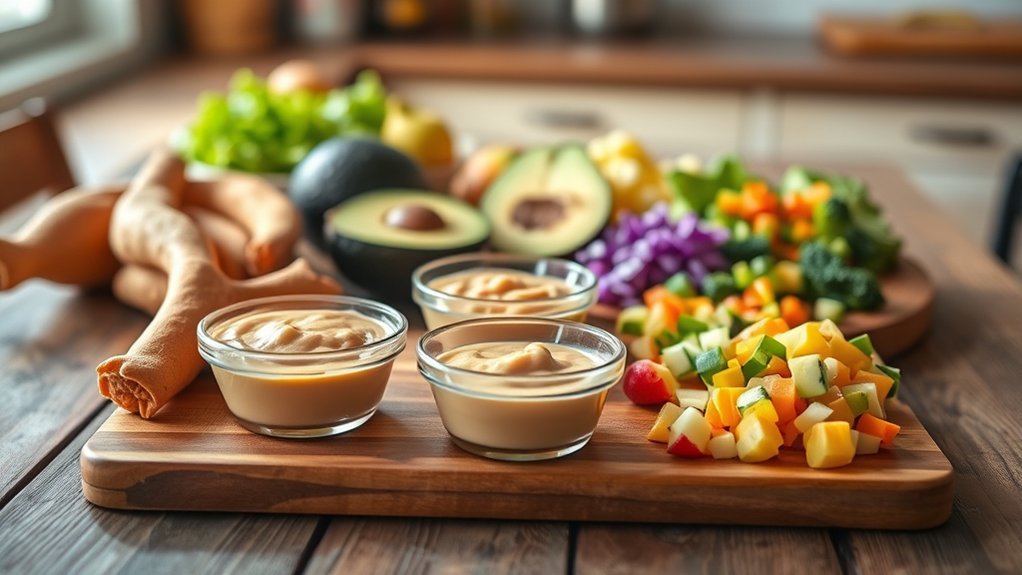
Prevent Cross-Contact in the Kitchen
Cross-contact happens when an allergen moves from one food, hand, utensil, appliance, or surface to another. A tiny amount can matter for a child with a serious allergy.
- Wash hands with soap and water before preparing the baby’s food.
- Clean counters, high-chair trays, cutting boards, cups, and utensils.
- Use a separate toaster, cutting board, or spread container when the allergist recommends it.
- Prepare the allergy-safe meal first, then cover and store it before handling the allergen.
- Do not share spoons, cups, pacifiers, or food that has been bitten.
- Label frozen portions clearly with the food and date.
Read Labels Every Time
Check both the ingredient list and the “Contains” statement. Look for the exact allergen and related ingredients your healthcare team has told you to avoid. Sesame has been one of the nine major U.S. allergens required on labels since January 1, 2023. Recipes and manufacturing lines can change, so do not rely on an old package or a product that was safe last month.
Keep Meals Balanced
Start with an iron-rich food, add a fruit or vegetable, and include a healthy fat. Rotate grains and proteins to avoid a narrow diet. If several food groups are excluded, ask for a pediatric dietitian referral and track growth with the pediatrician.
Store Homemade Baby Food Safely
Use clean, airtight containers and cool food promptly. According to FoodSafety.gov, homemade baby food generally keeps for 1–2 days in the refrigerator and 1–2 months in the freezer. Strained fruits and vegetables may keep 2–3 days refrigerated. Discard food left in the baby’s bowl after feeding because saliva can introduce bacteria.
Freeze small portions in a clean tray, then move the frozen portions into a labeled freezer container. Thaw in the refrigerator or reheat safely, stir well, and test the temperature before serving. Never refreeze food that has been fully thawed.
Track Reactions and Have an Emergency Plan
Write down the food, ingredients, brand, amount, time eaten, and symptoms. Take clear photos of a rash when safe to do so. If your child has a diagnosed allergy, ask for a written allergy and anaphylaxis emergency plan and make sure every caregiver knows where the medication is and how to use it.
Where to Find Support and Resources for Managing Food Allergies
Use resources that clearly identify their medical reviewers and update dates. Your best care team may include a pediatrician, board-certified allergist, and registered dietitian with pediatric or food-allergy experience.
- American Academy of Pediatrics: Parent guidance on starting solids, food allergy symptoms, and emergency treatment.
- NIAID: Evidence-based information on food allergy diagnosis, prevention, and research.
- FDA: U.S. allergen labeling rules and the current list of major food allergens.
- CDC: Infant feeding, milk alternatives, choking prevention, and foods to avoid.
- FoodSafety.gov: Storage and preparation guidance for homemade baby food.
Parent groups and community forums can provide emotional support and practical ideas, but they should not replace a personalized medical plan. Avoid apps or websites that promise to diagnose an allergy, recommend broad elimination diets, or sell unproven tests.
Frequently Asked Questions
How can I tell if my baby has a food allergy?
Watch for symptoms that appear after eating, such as hives, swelling, repeated vomiting, coughing, wheezing, or unusual sleepiness. Stop the suspected food and contact the pediatrician. A history, exam, skin or blood testing, and sometimes a medically supervised oral food challenge may be used; a test result alone does not always prove an allergy.
What are the signs of an allergic reaction in babies?
Possible signs include hives, redness, facial swelling, vomiting, diarrhea, coughing, wheezing, trouble swallowing, sudden drooling, pale or bluish skin, weakness, or unusual sleepiness. Breathing trouble, tongue or lip swelling, collapse, or symptoms in more than one body system can be anaphylaxis. Give prescribed epinephrine and call 911.
Can I combine foods when introducing allergens?
Yes. Mix one new allergen into a familiar food your baby already tolerates, such as thinned peanut butter in oatmeal. Avoid introducing two new allergens in the same meal because it becomes harder to identify the cause of a reaction. After each food is tolerated separately, they can be combined.
How do I store homemade baby food safely?
Refrigerate homemade baby food promptly in a clean, airtight container and generally use it within 1–2 days. Freeze portions for up to 1–2 months, label them with the date, and thaw in the refrigerator. Discard food left in the feeding bowl and do not save a partially eaten portion.
When should I consult a doctor about food allergies?
Call the pediatrician after a suspected mild reaction and before introducing allergens if your baby has severe eczema, an egg allergy, a known food allergy, poor growth, or a previous reaction. Seek emergency help for breathing trouble, swelling of the lips or tongue, collapse, marked weakness, or a rapidly worsening reaction.
Can a baby younger than 12 months drink oat, pea, or almond milk?
No plant beverage should replace breast milk or iron-fortified infant formula before 12 months. These drinks may not provide enough protein, fat, calories, vitamins, or minerals for an infant. Ask the pediatrician which formula to use when cow’s milk protein allergy is suspected or diagnosed.
What is the safest way to serve peanut or tree nut products?
Never give a baby whole nuts or a thick spoonful of nut butter. Thin smooth nut butter with warm water, breast milk, prepared formula, or purée until it is easy to swallow, or use a finely ground nut powder mixed into a familiar food. Follow a clinician’s plan for babies with severe eczema, egg allergy, or a previous reaction.
Is gluten-free food the same as allergy-free food?
No. Gluten-free food avoids wheat, barley, rye, and their gluten proteins under labeling rules, but it can still contain milk, egg, soy, sesame, nuts, fish, or other allergens. A wheat allergy is also different from celiac disease. Follow the diagnosis-specific avoidance plan and read every label.
Conclusion
Allergy-friendly baby food is safest when it is specific, balanced, and developmentally appropriate. Avoid confirmed allergens, prevent cross-contact, keep breast milk or formula as the main drink through the first year, and replace missing nutrients rather than simply removing foods. Introduce tolerated allergens in safe forms and keep them in regular rotation, while using a clinician-led plan for higher-risk babies.
Food allergy is common but not universal. The CDC’s 2024 National Health Interview Survey found that 5.3% of U.S. children had a diagnosed food allergy. Clear labels, safe textures, an emergency plan, and support from qualified healthcare professionals can make feeding feel more manageable and protect your baby’s growth.
Sources
- CDC: When, What, and How to Introduce Solid Foods — readiness, allergen introduction, and safe food preparation.
- CDC: Cow’s Milk and Milk Alternatives — beverage guidance before and after 12 months.
- American Academy of Pediatrics: Introducing Common Food Allergens — timing and higher-risk infant guidance.
- American Academy of Pediatrics: Anaphylaxis in Infants and Children — symptoms and emergency treatment.
- FDA: Food Allergies — the nine major allergens and U.S. label requirements.
- FoodSafety.gov: Children Under Five — safe storage of puréed and homemade baby food.