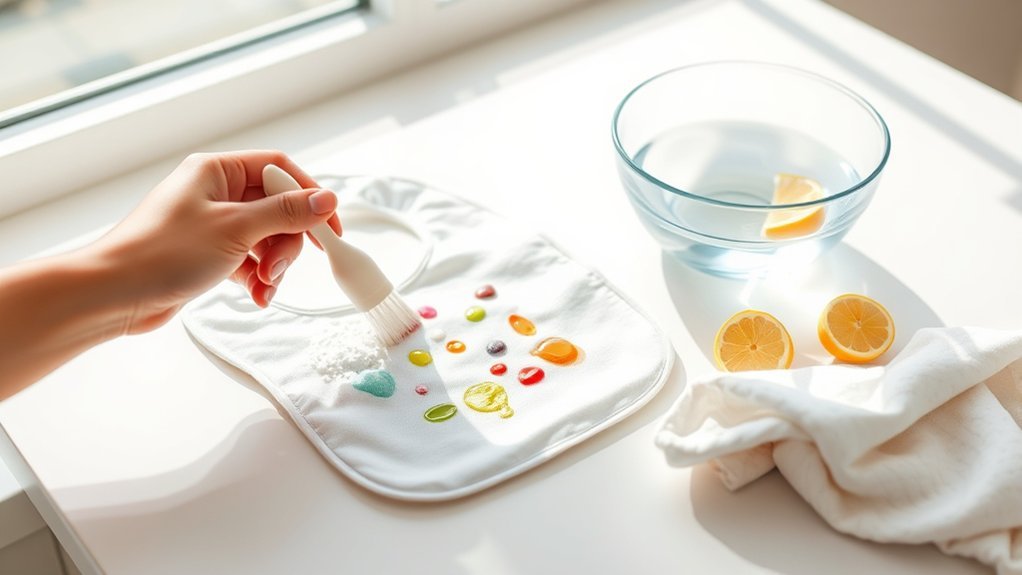
Baby food stains are easiest to remove when you treat them before they dry. Start by scraping off excess food, rinse the back of the stain with cold running water, and pre-treat it with liquid laundry detergent. Then wash the bib according to its care label and check the stain before using a dryer.
Quick Answer
Remove leftover food without rubbing it in, flush the stain from the back with cold water, and work in a small amount of liquid detergent. Let it sit for about five minutes, wash as the care label directs, and air dry until you confirm the stain is gone.
Key Takeaways
- Treat the bib quickly: scrape, rinse from the back with cold water, and blot instead of rubbing.
- Use liquid laundry detergent as the first pre-treatment; choose a fragrance-free option if scents irritate your baby’s skin.
- Match the treatment to the stain: detergent for most foods, an extra degreasing step for oily foods, and oxygen bleach only when the care label permits it.
- Follow the bib’s care label for wash temperature, cycle, and drying method rather than using one setting for every material.
- Never mix vinegar with chlorine bleach, and keep detergent, pods, bleach, and stain removers locked away from children.
At a Glance
| Time Required | About 10 minutes of hands-on work, plus washing and any soaking time |
| Difficulty | Easy |
| Tools Needed | Spoon or dull scraper, sink, clean white cloth, liquid detergent, and an optional soft brush or mesh laundry bag |
| Cost | Low; usually only the cost of normal laundry supplies |
Check the Bib Material Before Cleaning
Before treating a stain, read the care label and identify the bib’s material. The safest method for a cotton bib may damage a waterproof coating, silicone surface, decorative trim, or hook-and-loop fastener.
- Cotton, bamboo-derived rayon, and cotton blends: Usually washable, but colorfastness, shrinkage, and heat limits vary. Follow the label.
- Polyester and other synthetics: Often durable, but oily stains may need detergent pre-treatment before washing.
- Waterproof-backed or laminated bibs: Avoid high heat unless the manufacturer allows it because heat can weaken coatings or cause layers to separate.
- Silicone or plastic bibs: These are not laundry items. Wash them with dish soap and water according to the manufacturer’s directions, then rinse and dry completely.
Note: “Bamboo” does not automatically mean stain-resistant. Fiber blends, dyes, finishes, backing materials, and care instructions matter more than the marketing name alone.
Power your essentials anywhere with a 999Wh pure sine wave power station delivering up to 1000W continuous with 2000W surge. It supports fast charging via USB-C PD 60W and USB-A QC 18W, plus simultaneous output for multiple devices through AC, USB, wireless, and car/DC ports. Recharge using AC, car, or solar with a built-in MPPT controller and dual cooling fans, while the upgraded battery management system protects against surges, short circuits, and overheating.

POWERFUL & FAST WORKING This lightning fast laundry stain remover spray is perfect for clothes, upholstery, and carpets.

12 FL OZ OXICLEAN MAX FORCE STAIN REMOVER SPRAY; this newborn and baby essential helps parents power out tough set-in laundry stains the first time; spray now and wash up to 7 days later
Why Prompt Stain Treatment Is Essential for Baby Bibs
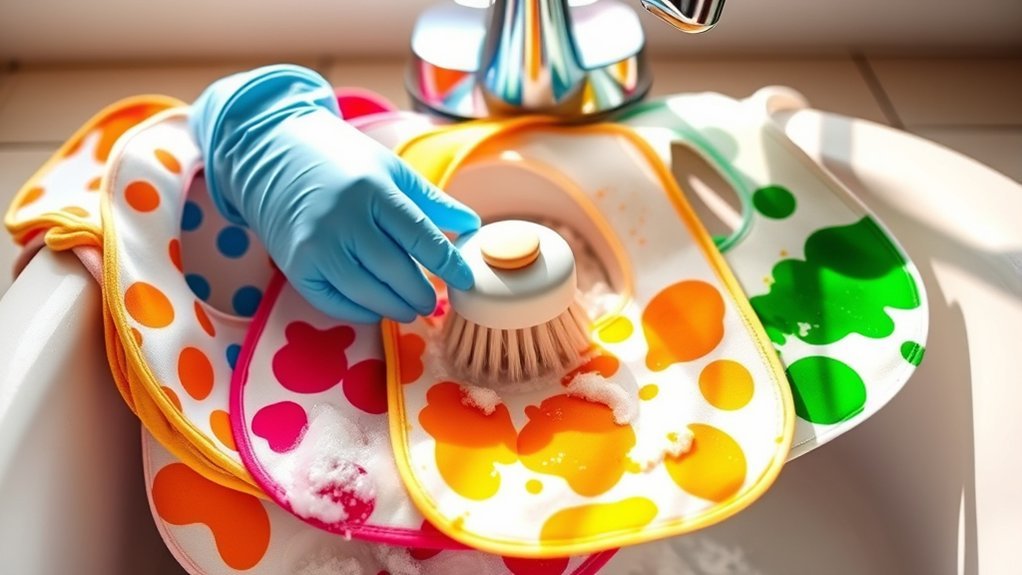
Baby foods can leave several kinds of marks at once. Berries, carrots, tomatoes, and beets contain strong pigments; yogurt and formula contain protein; and foods such as avocado, meat puree, or oily sauces can leave grease.
Once food dries, it can become harder to lift from the fibers. Heat from a dryer may make a remaining stain more difficult to remove, so early treatment gives you the best chance of saving the bib.
The most useful stain-removal habit is simple: check the bib before drying it. If a mark remains, treat and wash it again.
How to Rinse Baby Food Stains Immediately
The basic process is scrape, flush, blot, pre-treat, wash, and inspect. This approach works for most washable fabric bibs and follows the same core steps used in manufacturer stain-removal guidance.
Remove Excess Food First
Use a spoon, dull edge, or paper towel to lift away puree, cereal, sauce, or dried pieces. Work from the outside of the mess toward the center so you do not spread it. Avoid pressing food deeper into the fabric.
Rinse With Cold Water
Turn the bib so the back of the stained area faces the faucet. Run cold water through the back of the fabric to push food out the way it entered. This is especially useful for dairy, formula, egg, and other protein-containing stains.
If you are away from home, remove excess food and blot the area with a clean damp cloth. A baby wipe may leave its own ingredients behind, so rinse the bib with water when you can.
Blot Stains Immediately
Press a clean white cloth or paper towel against the stain to absorb moisture. Do not scrub hard. Rubbing can spread pigment, roughen delicate fibers, or drive the stain farther into the fabric.
Soak for Deep Stains
If a quick rinse is not enough, soak the bib in cool water with the amount of laundry detergent listed on the detergent label. A short soak may loosen a fresh stain; an older stain may need longer. Do not leave wet bibs forgotten in a sink or bucket, and keep soaking containers out of children’s reach.
Pro Tip: Place small bibs in a mesh laundry bag before washing. This helps keep straps and hook-and-loop tabs from catching on other items.
Pre-Treating Baby Food Stains by Type
Different foods leave different residues, so one home remedy is not ideal for every stain. Start with the gentlest treatment that matches the stain and fabric.
| Stain Type | Examples | Best First Treatment |
| Protein | Formula, milk, yogurt, egg, meat puree | Cold rinse, then liquid detergent; avoid starting with hot water |
| Pigment | Berries, beets, carrots, pumpkin, tomato | Cold rinse and detergent pre-treatment; use oxygen bleach only if the label permits it |
| Oil or grease | Avocado, oily sauces, nut or seed butter | Blot, apply liquid detergent or a small amount of plain dish soap, rinse, then wash |
| Combination | Cheesy sauce, meat-and-vegetable puree, mixed meals | Treat the oily part first, then wash with detergent and recheck before drying |
Using Vinegar Safely
For some fruit or vegetable stains, a solution of one part white vinegar to two parts water may help after the cold rinse. Test it on a hidden area, work it into the stain for about 10 minutes, rinse thoroughly, and then wash. Vinegar is optional; liquid detergent is the more useful first treatment for most mixed baby-food stains.
Warning: Never mix vinegar, lemon juice, ammonia, or any other cleaner with chlorine bleach. Vinegar and other acids can react with bleach and release dangerous chlorine gas. Rinse the bib and container thoroughly before switching products.
Using Baking Soda
Baking soda can absorb some fresh oily residue. Sprinkle it on a blotted grease spot, let it sit briefly, brush it off, and then apply liquid detergent or a small amount of plain dish soap. A baking-soda paste is not a universal stain remover and may leave residue if it is not rinsed well.
Using Oxygen Bleach
An oxygen-based, non-chlorine laundry product can help with lingering color on some washable bibs. Use it only when the care label and product directions allow it, test a hidden area first, and follow the listed dose and soak time. Do not assume that “color-safe” means safe for every coating, trim, or delicate fabric.
Why Lemon Juice Is Not the Best First Choice
Lemon juice is acidic, not an enzyme. It may lighten some marks, but it can also fade dyes or affect certain materials. A labeled laundry detergent or stain remover is easier to dose and is a more predictable choice for a baby bib.
How to Choose and Apply a Stain Remover
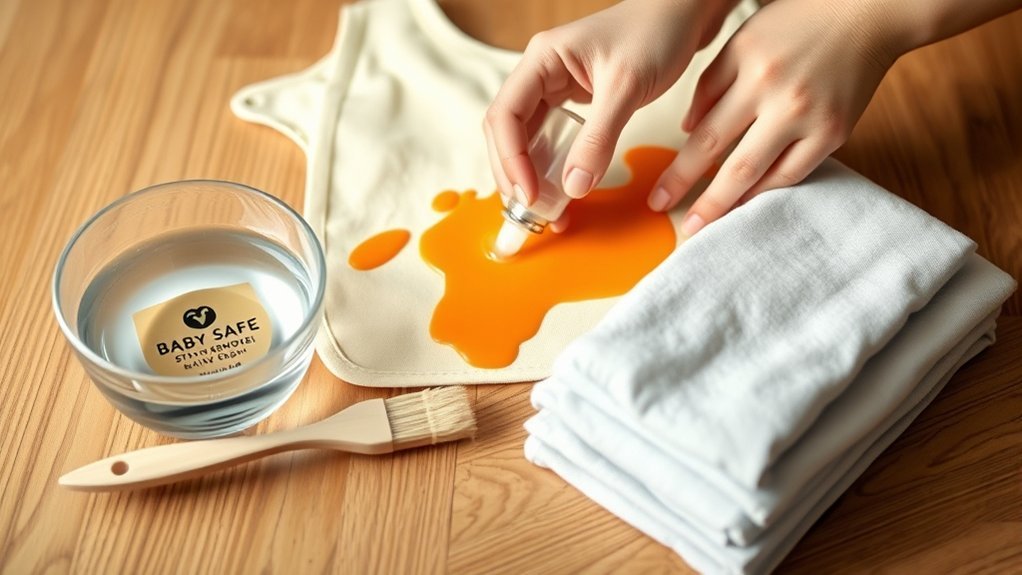
“Baby-safe” is a marketing phrase, not a single cleaning standard. Choose a product that is intended for washable fabrics, matches the bib’s care label, and provides clear dosing and rinsing directions.
- Consider a fragrance-free, dye-free detergent if your baby has sensitive skin or reacts to scented products.
- Look for the EPA Safer Choice label when you want a product whose ingredients and performance have been reviewed against program criteria.
- Patch-test stain removers on a hidden area, especially on dark colors, printed designs, waterproof layers, or delicate trim.
- Use the amount and contact time on the product label. More product is not necessarily more effective and can be harder to rinse out.
- Rinse and wash thoroughly before the bib returns to your baby.
Specific brands such as Dreft, OxiClean, or Shout should not be labeled universally safe for every bib or every baby. Formulas and product directions vary, so judge the exact product by its label, ingredients, fabric compatibility, and your child’s skin response.
How to Wash Baby Bibs Properly
Wash new fabric bibs before first use to remove dust and residues from manufacturing, packaging, or storage. After a bib is soiled, close hook-and-loop tabs, fasten snaps, and place small or strappy bibs in a mesh bag.
- Check the care label. Confirm whether the bib is machine washable, hand wash only, or unsuitable for bleach or high heat.
- Pre-treat visible stains. Apply liquid detergent and let it work for about five minutes unless the label says otherwise.
- Sort sensibly. Wash with similar colors and compatible fabrics. A stained bib does not always need a separate load.
- Select the label-approved cycle and temperature. A normal or gentle cycle may be appropriate depending on the bib.
- Use the correct detergent dose. Too much detergent can leave residue; too little may not clean well.
- Add an extra rinse when useful. This may help if residue or fragrance is a concern and your washer offers the option.
- Inspect before drying. Repeat treatment if the stain remains.
Fabric softener and dryer sheets can leave coatings or fragrance on fabric. They may also affect absorbency or flame-resistant finishes on some children’s textiles, so follow the bib and product labels rather than adding them automatically.
What Water Temperature Should You Use?
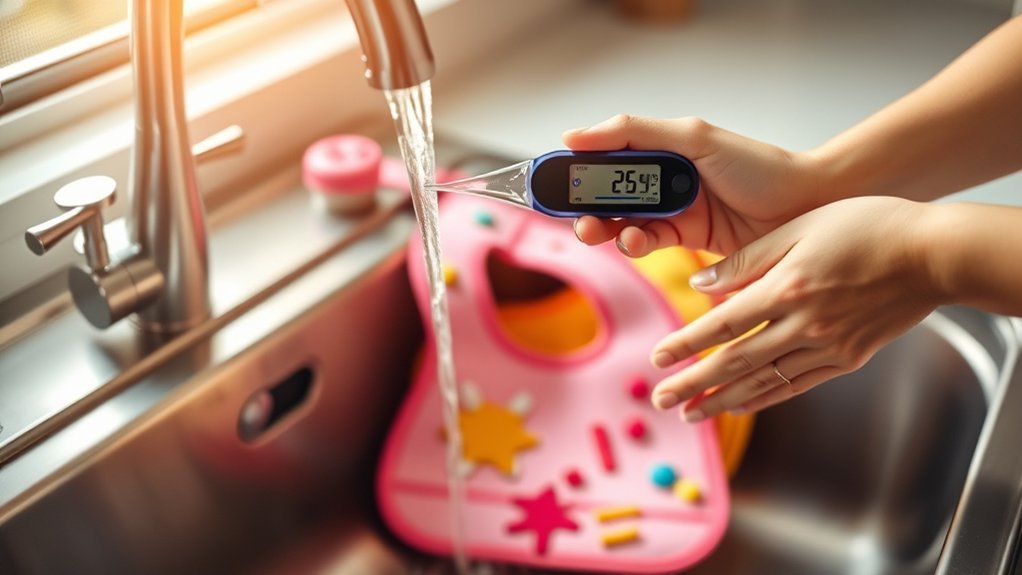
Use cold water for the first rinse, especially when the stain may contain milk, yogurt, egg, formula, or meat. For the wash cycle, use the warmest temperature permitted by the bib’s care label and appropriate for the stain.
Practical Temperature Guidelines
- Cold rinse: Best starting point for fresh food and protein stains.
- Cold or cool wash: Useful for delicate colors, waterproof layers, and bibs whose labels call for cooler water.
- Warm wash: May improve detergent performance and help with oily residue when the care label permits it.
- Hot wash: Use only when the label allows it and there is a specific hygiene need; high heat can shrink, fade, or damage some bibs.
How Temperature Affects Stain Removal
Starting a dairy or other protein stain with hot water may make it harder to remove. However, “always wash cold” is also too broad. After pre-treatment, the care label and stain type should determine the final wash temperature.
Drying Options for Baby Bibs: Best Practices
Do not place a stained bib in a heated dryer until the mark is gone. Air drying makes it easier to inspect the fabric and avoids heat-setting a leftover stain.
After the stain is removed, dry the bib exactly as the label directs. Many fabric bibs tolerate low tumble drying, while waterproof-backed, laminated, elastic, or decorated bibs may last longer with air drying. Direct sunlight can fade colored fabric, so dry in a shaded, well-ventilated place when color retention matters.
Make sure the bib is fully dry before storage. Damp fabric can develop musty odors and may support mold growth.
How to Troubleshoot Common Stain-Removal Challenges
The Stain Remains After Washing
Do not dry the bib. Reapply liquid detergent, gently work it into the fabric, allow the label-approved contact time, and wash again. For a care-label-approved fabric, an oxygen-based stain remover may help with leftover pigment.
The Stain Is Old or Set In
Soak the bib in cool water with detergent according to the detergent label, then pre-treat and rewash. Several gentle treatments are safer than aggressive scrubbing, which can wear the fabric without removing the stain.
The Bib Has an Oily Ring
Blot the area, apply liquid laundry detergent or a drop of plain dish soap, and work it in gently. Rinse before machine washing, especially if you used dish soap, because too much can create excess suds in a washer.
The Bib Has a Lingering Odor
Rewash it with the correct detergent dose and dry it completely. Check seams, folds, closures, and waterproof layers for trapped food. If the odor remains after repeated cleaning, or the bib has visible mold, replace it.
The Color Changed After Treatment
Stop using that product on the bib. Rinse thoroughly and follow the care label. Acidic home remedies, chlorine bleach, oxygen bleach, and stain removers can all affect dyes or finishes, which is why hidden-area testing matters.
Tips for Preventing Future Stains on Bibs
Choose Practical Bib Materials
Look for a bib with a care method that fits your routine. Waterproof or silicone bibs may be easier to wipe after meals, while absorbent cotton bibs can catch drool and thin liquids. Dark colors and busy patterns may hide discoloration better, but they do not prevent stains.
Stain-resistant finishes can make cleanup easier, but always follow the manufacturer’s care instructions so the finish and backing last.
Rinse After Meals
Scrape or wipe off food soon after the meal and rinse washable fabric bibs before the residue dries. When you cannot wash immediately, keep the damp bib separate from clean items and launder it as soon as practical.
Rotate Several Bibs
Keeping several bibs in rotation prevents you from reusing a wet or heavily soiled one. Store clean bibs only after they are completely dry.
When to Consider Disposing of Stained Bibs
A permanent color mark alone is usually a cosmetic issue, not proof that a freshly washed bib is unsafe. Replace the bib when cleaning can no longer restore a hygienic, functional surface.
- Visible mold: Discard a bib with mold that remains after label-approved cleaning, especially if growth is in seams or layered backing.
- Persistent odor: Replace it if a sour or musty smell remains after thorough washing and drying.
- Damaged waterproof backing: Peeling, cracking, or separating layers can trap food and moisture.
- Worn closures or fabric: Frayed ties, loose snaps, rough edges, or stretched neck openings may make the bib uncomfortable or ineffective.
- Cleaning-product damage: Discard it if bleach or another treatment has weakened the fabric, left a harsh residue that cannot be rinsed away, or damaged the surface.
Laundry-Product Safety Around Children
Laundry detergent, pods, pre-treatment products, bleach, and stain removers can irritate or injure children if swallowed or splashed into the eyes. Keep every product in its original container and store it locked, high, and out of sight and reach. Never give a child a detergent cap, pod, or spray bottle to hold.
If exposure occurs, use the product label for first-aid directions and contact Poison Control in the United States at 1-800-222-1222 or use its online tool. Call emergency services for trouble breathing, collapse, seizure, or severe symptoms.
Frequently Asked Questions
Can I use bleach on baby bibs?
Only when the bib’s care label allows it and you follow the bleach label exactly. Chlorine bleach can fade colors, weaken some fibers, and damage waterproof coatings. For colored washable fabric, a non-chlorine oxygen product may be an option if both labels permit it. Never mix bleach with vinegar, ammonia, or other cleaners.
Are some bib materials easier to stain?
Yes, but the result depends on the fiber, finish, dye, and type of food. Absorbent fabrics can take in liquid quickly, while some synthetics resist water-based spills but hold oily residue. Silicone and waterproof bibs are often easier to wipe, provided their surfaces remain intact.
How often should I wash baby bibs?
Wash or clean a bib after it becomes wet, food-soiled, or smelly. A wipe-clean silicone bib may only need washing at the sink after each meal, while a fabric bib should be laundered according to its care label.
Can I machine-dry baby bibs after washing?
Yes, when the care label permits it and the stain is fully gone. Use the recommended heat setting. Air dry waterproof-backed, laminated, elastic, or decorated bibs when their labels restrict dryer heat.
What if the bib has a lingering odor after washing?
Inspect folds, seams, straps, and backing for trapped food. Rewash with the correct detergent dose, rinse well, and dry completely. Replace the bib if a musty or sour odor remains or if you find mold or separated layers.
Does vinegar remove every baby food stain?
No. Diluted white vinegar may help with some fruit and vegetable pigments, but detergent is a better first choice for most mixed, protein, and oily stains. Test vinegar on a hidden area, rinse it out, and never combine it with chlorine bleach.
Can I use dish soap on an oily bib stain?
A small amount of plain hand-dishwashing liquid can help loosen fresh grease. Work it into the spot, rinse it out, and then wash the bib. Do not pour a large amount into the washing machine because it can create too many suds.
Is a permanent stain a hygiene risk?
Not necessarily. A washed, odor-free bib may remain discolored even when food residue is gone. Replace it when it smells, contains mold, has damaged layers, or can no longer be cleaned and dried properly.
Conclusion
To remove baby food stains from bibs, act before the mess dries: lift off excess food, rinse from the back with cold water, pre-treat with liquid detergent, and wash according to the care label. Match extra treatment to the stain, avoid untested chemical combinations, and never dry a bib until the mark is gone. With prompt care and safe product handling, most washable bibs can stay clean, comfortable, and ready for the next meal.
Sources
- Tide: Baby Food and Formula Stain Removal — supports scraping excess food, cold rinsing, detergent pre-treatment, care-label washing, and checking before drying.
- Whirlpool: How to Wash Baby Clothes — supports washing before first use, checking care labels, using gentle detergent, mesh bags, and avoiding the dryer while stains remain.
- University of Georgia Extension: Understand Your Fibers — supports fiber-specific care and pre-treatment of oil and grease stains.
- U.S. EPA: Learn About the Safer Choice Label — explains ingredient, performance, pH, and fragrance-free review criteria.
- Poison Control: Vinegar Safety — supports the warning never to combine vinegar with chlorine bleach.
- Poison Control: Children and Laundry Products — supports safe storage and child-exposure precautions for detergent, pods, bleach, and stain removers.