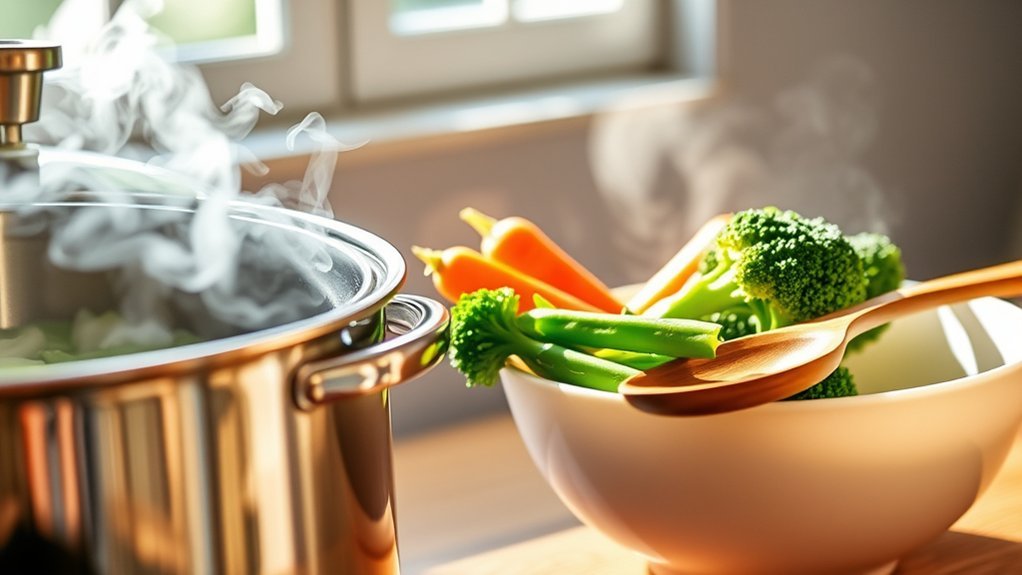
Steaming vegetables for baby food is a simple way to make carrots, squash, broccoli, green beans, sweet potatoes, and other vegetables soft enough to mash or puree. Wash and cut the vegetables evenly, keep them above the boiling water in a covered steamer basket, and cook them until they are easy to mash with a fork. Adjust the finished texture to match your baby’s feeding skills.
Quick Answer
Place evenly cut vegetables in a steamer basket above simmering water, cover the pot, and steam until every piece is fork-tender. Most vegetables take about 3–15 minutes, depending on their type and size. Mash or puree them to a developmentally appropriate texture, then serve promptly or refrigerate or freeze them safely.
Key Takeaways
- Begin complementary foods at about 6 months, when your baby shows developmental readiness, unless your pediatric clinician recommends a different plan.
- Wash the vegetables, remove tough skins, seeds, or stems when needed, and cut the pieces to a similar size.
- Keep the water below the steamer basket so the vegetables cook in steam rather than boiling water.
- Use cooking times only as a guide. The vegetables are ready when they are soft enough to mash easily with a fork.
- Start with a smooth or mashed texture and progress to thicker, lumpier, or soft finger-food textures as your baby’s skills develop.
- Do not add salt or honey. Season lightly with suitable herbs or mild spices instead.
- Refrigerate homemade baby food promptly and use it within 1–2 days, or freeze it in labeled portions for 1–2 months.
At a Glance
| Time Required | About 15–30 minutes, including washing, cutting, steaming, and mashing |
| Difficulty | Easy |
| Tools Needed | Pot with lid, steamer basket or stable metal colander, knife, cutting board, fork, and optional blender or food processor |
| Cost | Usually no added cost when using vegetables and basic kitchen equipment already on hand |
Warning: Start solid foods only when your baby is developmentally ready, usually at about 6 months. Seat your baby upright and watch them continuously while they eat. Ask your pediatric clinician for individual advice if your baby was born prematurely or has swallowing problems, developmental concerns, severe eczema, or a known food allergy. See the CDC’s solid-food readiness guidance.
Why Steaming Vegetables Is Useful for Baby Food
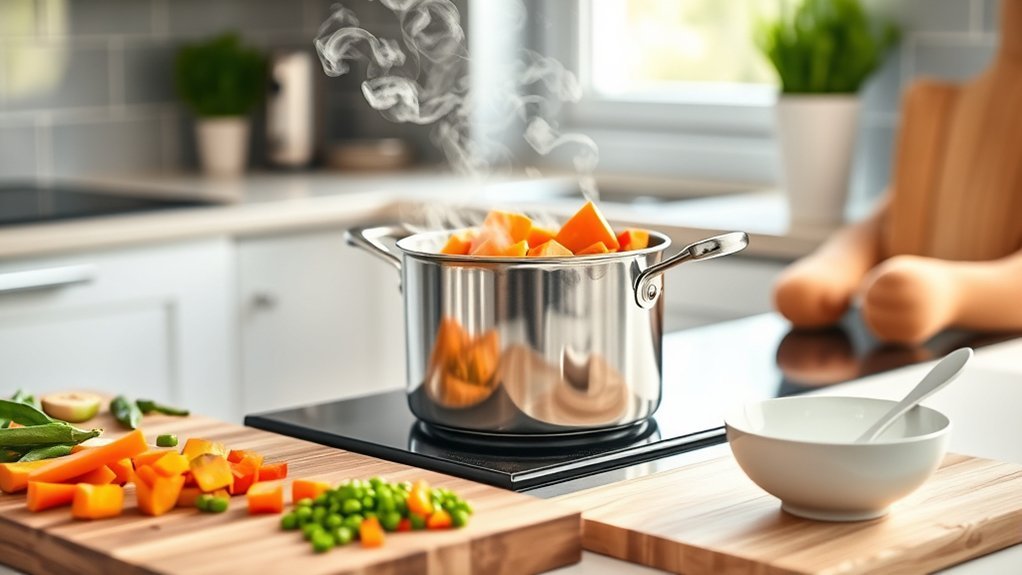
Steaming cooks vegetables without submerging them in water. This helps the vegetables stay moist and may retain some water-soluble nutrients better than boiling, although the result depends on the vegetable, nutrient, cooking time, and piece size. Research comparing cooking methods has found that steaming can preserve certain nutrients and plant compounds better than boiling in some vegetables.
The main benefit for baby food is texture. Properly steamed vegetables become soft enough to mash with a fork, blend into a puree, or serve in another developmentally appropriate form. Steaming also does not require added salt or cooking oil.
The safest measure of doneness is not a fixed number of minutes. A vegetable is ready when its thickest piece can be crushed easily with a fork.

Power your essentials anywhere with a 999Wh pure sine wave power station delivering up to 1000W continuous with 2000W surge. It supports fast charging via USB-C PD 60W and USB-A QC 18W, plus simultaneous output for multiple devices through AC, USB, wireless, and car/DC ports. Recharge using AC, car, or solar with a built-in MPPT controller and dual cooling fans, while the upgraded battery management system protects against surges, short circuits, and overheating.
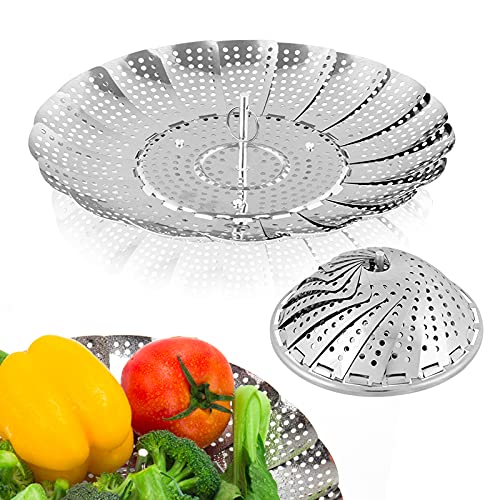
【UPGRADE DESIGN & QUALITY 】- The steamer basket with premium food grade stainless steel petals design, Steaming is a healthy cooking choice because it helps retain more than 90% of the nutrients lost when boiling.

[PREMIUM QUALITY MATERIAL] - The foldable steamer basket is made of food grade stainless steel, which is rustproof, harmless and durable. The holes on steamer basket are for easy steaming and draining.
Before You Start
The CDC recommends introducing complementary foods at about 6 months. A baby should be able to control their head and neck, sit alone or with support, open their mouth for food, and swallow rather than push food back out.
At first, offer one single-ingredient food at a time. This makes it easier to notice a possible reaction and identify the ingredient involved. Continue providing breast milk or infant formula as recommended; vegetable puree is a complementary food, not a substitute for either one.
Wash your hands, clean the work surface, and use clean utensils and storage containers before preparing the food.
Choosing the Best Vegetables for Steaming
Choose fresh or plain frozen vegetables without added salt, sauces, cheese, or seasoning. Vegetables that soften evenly and have a mild flavor are often easiest to prepare for a beginning eater.
| Vegetable | Preparation Notes |
|---|---|
| Carrots | Peel if the skin is tough, cut into small pieces, and steam until very soft. |
| Sweet potatoes | Peel, cut into small cubes, and mash or puree after steaming. |
| Winter squash | Remove the skin and seeds before cutting the flesh into cubes. |
| Zucchini or summer squash | Usually cooks quickly; remove large, hard seeds when present. |
| Broccoli or cauliflower | Use small florets and thin pieces of peeled stem so they soften evenly. |
| Green beans | Trim the ends and blend thoroughly if the skins remain stringy. |
| Peas | Steam fresh or frozen peas and mash or blend until the skins suit your baby’s texture level. |
| Spinach or kale | Remove tough stems, cook briefly, and blend well. Leafy greens may be mixed with another familiar vegetable after each ingredient has been introduced. |
| White or yellow potatoes | Potatoes do not need to be avoided. Cook them until soft and mash them with enough liquid to prevent a dry, sticky texture. |
| Corn | Do not serve whole kernels to a beginning eater. Puree the cooked corn thoroughly or wait until your child can manage its skin and shape safely. |
Note: Ripe banana, avocado, and ripe mango usually do not need steaming. They can be mashed directly with a clean fork when their natural texture is appropriate for your baby.
Preparing Your Vegetables for Steaming
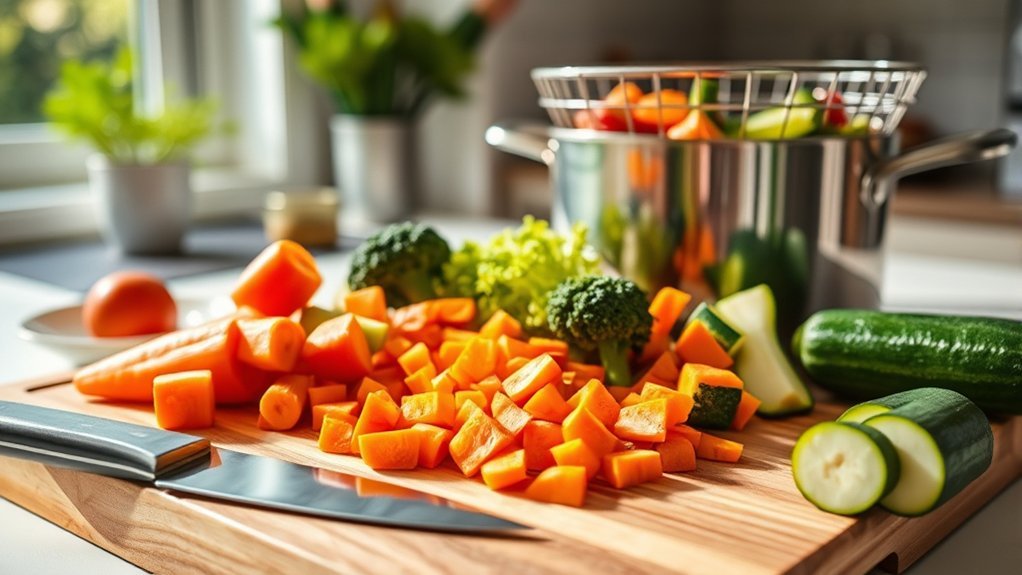
- Wash your hands and equipment. Clean the knife, cutting board, steamer basket, blender, and storage containers.
- Rinse the vegetables. Wash them under clean running water. Do not use soap or household detergent on produce.
- Remove inedible or tough parts. Peel tough skins and remove seeds, pits, woody stems, or damaged areas as needed.
- Cut uniform pieces. Small pieces cook faster, but the most important point is to make them similar in size.
- Separate vegetables with very different cooking times. Start dense root vegetables first, then add faster-cooking vegetables later.
Avoid overcrowding the basket. Steam must be able to move around the pieces. If the vegetables form a deep, tightly packed layer, cook them in two batches.
Equipment You’ll Need for Steaming
A basic stovetop setup requires:
- A medium pot with a close-fitting lid
- A steamer basket that sits securely inside the pot
- A knife and cutting board
- A fork or small knife for testing tenderness
- Tongs, a spoon, or a heat-safe spatula
- A clean bowl
- An optional blender, food processor, immersion blender, or potato masher
A stable metal colander may work when it fits inside or over the pot without touching the water and the lid can still close. An electric steamer may also be used according to its manufacturer’s instructions.
For microwave steaming, place the vegetables in a microwave-safe dish with a small amount of water. Cover the dish with a vented microwave-safe lid or plate, leaving a safe path for steam to escape. Cook in short intervals, stir carefully, and check tenderness often.
Warning: Steam can cause a serious burn. Turn your face and hands away when lifting the lid, and open the far side first so the steam moves away from you. Keep pot handles turned inward and out of a child’s reach.
Step-by-Step Guide to Steaming Vegetables
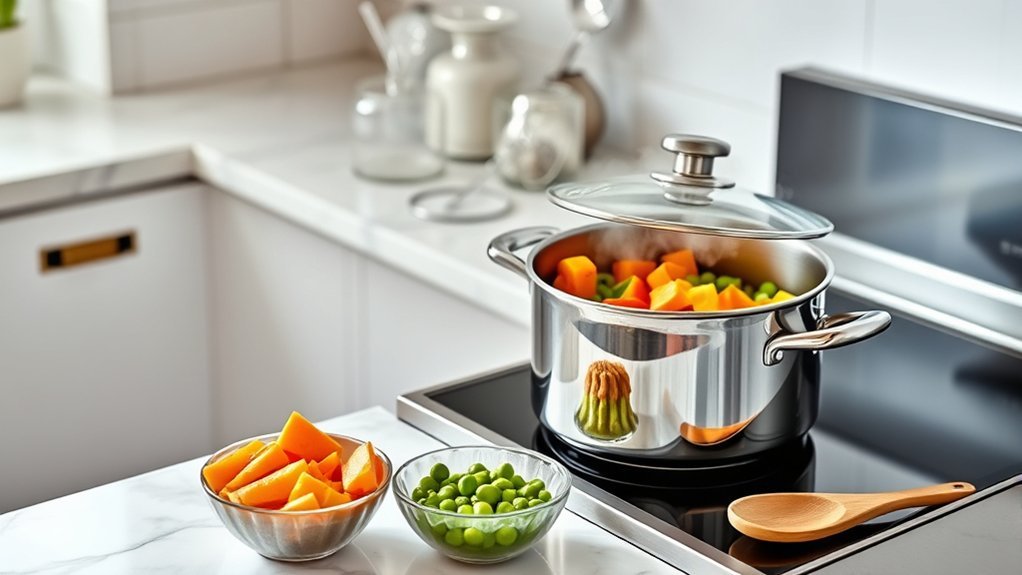
The following method works for most vegetables. Cooking time changes with the vegetable, piece size, starting temperature, amount in the basket, and strength of the simmer.
Necessary Equipment for Steaming
Before turning on the heat, place the pot, lid, basket, prepared vegetables, tongs, fork, and serving bowl within reach. Fill a clean measuring cup or kettle with extra water in case the pot begins to run dry.
Step-by-Step Steaming Process
- Add water to the pot. Use enough water to produce steam throughout cooking, but keep the water level below the bottom of the basket.
- Bring the water to a boil. Place the lid on the pot to speed heating.
- Add the vegetables. Arrange the pieces in a loose, even layer. Do not press them tightly together.
- Cover and reduce the heat. Maintain a steady simmer that continues producing steam without splashing water into the basket.
- Set a timer. Begin with the lower end of the suggested range for that vegetable.
- Check the water during longer cooking. Add hot water carefully if needed. Do not let the pot boil dry.
- Test the thickest piece. It should crush easily when pressed with a fork. Continue steaming in one- or two-minute intervals if it remains firm.
- Remove the basket carefully. Open the lid away from your body and transfer the vegetables to a clean bowl.
- Mash, puree, or cut to the correct texture. Add liquid gradually instead of pouring in a large amount at once.
Tips for the Right Texture
- For a smooth puree: Blend thoroughly and add clean water a teaspoon at a time.
- For a thicker puree: Use less liquid and pulse rather than blending continuously.
- For mashed food: Crush the vegetables with a fork or potato masher, leaving only the texture your baby can manage safely.
- For soft finger food: Prepare pieces that are very soft and shaped for your child’s developmental stage. Follow current CDC choking-prevention guidance.
Pro Tip: Blend with less liquid than you think you need. You can always thin a puree, but correcting one that has become watery is harder.
Approximate Steaming Times for Vegetables
These ranges are starting points for small, evenly cut pieces. Begin checking early. Continue cooking until the thickest piece is soft enough to mash easily with a fork.
| Vegetable | Approximate Time | Preparation |
|---|---|---|
| Spinach or tender leafy greens | 2–4 minutes | Remove tough stems and steam until fully wilted. |
| Peas | 3–5 minutes | Steam fresh or plain frozen peas until soft. |
| Zucchini or summer squash | 4–6 minutes | Cut into small half-moons or cubes. |
| Broccoli or cauliflower | 5–8 minutes | Use small florets and thin stem pieces. |
| Green beans | 6–9 minutes | Trim the ends and cut into short pieces. |
| Carrots | 8–12 minutes | Cut into small, even slices or cubes. |
| Sweet potatoes or white potatoes | 10–15 minutes | Peel when needed and cut into small cubes. |
| Butternut or other winter squash | 10–15 minutes | Remove the peel and seeds and cut the flesh into cubes. |
Frozen vegetables may need a few extra minutes because they enter the steamer at a lower temperature. Steam them directly from frozen unless the package gives different instructions.
Flavoring Steamed Vegetables for Baby Food
Vegetables do not have to be served completely plain. Mild herbs and spices can help your baby experience a wider range of flavors. Introduce a new ingredient in a small amount, especially when your baby is still learning single-ingredient foods.
Herbs and Spices Ideas
- Carrots or sweet potatoes: cinnamon, nutmeg, ginger, or thyme
- Peas or green beans: mint, parsley, dill, or basil
- Broccoli or cauliflower: garlic, parsley, mild cumin, or a small amount of lemon juice
- Squash: cinnamon, sage, thyme, or mild paprika
- Potatoes: parsley, dill, garlic, or a small amount of olive oil
Use only a small pinch of dried seasoning or a small amount of finely chopped fresh herb. Cook fresh garlic with the vegetables until soft rather than placing it only in the water beneath the basket.
Flavoring Agents to Use
| Flavoring Agent | How to Use It |
|---|---|
| Basil, thyme, dill, parsley, or mint | Mix a small amount into the cooked vegetables before mashing or blending. |
| Cinnamon, nutmeg, ginger, or mild cumin | Use a light pinch so the vegetable remains the main flavor. |
| Olive oil | Stir a small amount into the finished puree for a smoother texture and added fat. |
| Unsalted butter | Use a small amount only after dairy has been introduced appropriately. |
| Lemon juice | Add only a few drops after cooking to brighten the flavor. |
| Cooked garlic or onion | Cook until completely soft, then blend a small amount with the vegetables. |
Warning: Do not add honey to food for a child younger than 12 months. Do not add salt, salty seasoning blends, bouillon, or high-sodium sauces. The CDC recommends avoiding foods high in sodium for infants and young children.
How to Flavor and Puree Steamed Vegetables for Baby Food
- Transfer the vegetables to a clean bowl or blender.
- Start with very little liquid. Add clean water one teaspoon at a time. You may use a small amount of clean water from the steaming pot if it remained free of food debris.
- Blend or mash. Stop and scrape down the sides as needed.
- Check the texture. The food should match your baby’s current feeding skills rather than meeting one universal consistency.
- Add mild flavoring. Stir in a small amount of an already introduced herb, spice, or suitable fat.
- Serve a separate portion. Move only the amount needed for the meal into the feeding bowl so the remaining batch is not exposed to saliva.
Breast milk or properly prepared infant formula can be used to thin a serving. Add it to the portion you plan to serve rather than the entire freezer batch. Do not refreeze breast milk that was previously frozen and then thawed.
Choosing a Texture for Your Baby’s Stage
The CDC explains that smooth mashed or pureed foods may be easier when solids begin. As eating skills improve, thicker, mashed, lumpy, finely chopped, and soft finger-food textures can be introduced.
- Beginning texture: Smooth puree or finely mashed food that is easy to swallow.
- Developing texture: Thicker puree or soft mash with a little more body.
- More advanced texture: Soft, small pieces or appropriately shaped finger foods when your child has the needed skills.
Do not rely on age alone. Use your child’s ability to sit, grasp, move food in the mouth, chew, and swallow. Gagging can occur while a baby learns new textures, but choking is silent or may prevent effective breathing. Learn infant choking first aid from a qualified instructor and ask your child’s clinician about any feeding difficulty.
Storing and Thawing Vegetable Purees
Do not wait for a large batch to sit at room temperature until it is completely cool. Divide it into small, shallow containers and refrigerate or freeze it promptly.
For a conservative approach, follow the FoodSafety.gov storage limit for homemade baby food:
- Room temperature: No more than 2 hours, or 1 hour in temperatures above 90°F (32°C).
- Refrigerator at 40°F (4°C) or below: 1–2 days.
- Freezer at 0°F (-18°C) or below: 1–2 months.
To freeze puree, spoon it into clean freezer-safe containers or silicone trays. Cover and freeze until solid, then transfer the portions to a labeled freezer bag or airtight container. Write the vegetable and freezing date on the label.
How to Thaw and Reheat Puree
- Thaw the needed portion overnight in the refrigerator.
- Alternatively, warm it gently in a small pan or microwave-safe dish.
- If using a microwave, heat in short intervals, stir thoroughly, let the food stand briefly, and test the temperature before serving.
- Serve the food lukewarm, not hot.
- Do not leave thawed puree on the counter to defrost.
- Do not refreeze a portion after it has been warmed or fed from.
Warning: Discard food left in the feeding bowl after the meal. A spoon that has been in your baby’s mouth can carry saliva and bacteria back into the food. Do not return that portion to the refrigerator or freezer.
Effective Strategies for Introducing New Vegetables to Your Baby
Begin with a small amount and let your baby explore the vegetable without pressure. A surprised face does not always mean the food is disliked; it may simply reflect an unfamiliar taste or texture.
Explore Different Cooking Methods
Steaming is convenient, but vegetables may also be roasted, baked, or sautéed when they are cooked until soft and prepared without added salt. Different cooking methods can change sweetness, aroma, color, and texture.
- Steaming: Produces a moist texture that is easy to mash or puree.
- Roasting: Can deepen sweetness, but browned or dry edges should be removed or softened before serving to a beginning eater.
- Sautéing: Can introduce a different flavor when a small amount of suitable oil is used and the vegetable is cooked until very soft.
Always adjust the final shape and texture to your baby’s feeding ability.
Gradual Flavor Exposure Techniques
Offer one new vegetable by itself at first. Once individual foods have been introduced, you can pair a less familiar vegetable with one your baby already accepts.
Do not force a bite or treat one refusal as permanent. Research on repeated exposure suggests that offering a vegetable 8–10 or more times may improve acceptance for many infants and toddlers, although some children need fewer or more attempts.
Offer small portions, vary the preparation over time, and continue including different colors and textures. Vegetables can later be mixed into oatmeal, soups, sauces, egg dishes, or other suitable foods after the individual ingredients have been introduced safely.
Troubleshooting Common Steaming and Puree Problems
The Vegetables Cook Unevenly
Cut the pieces more evenly, avoid overfilling the basket, and separate dense vegetables from quick-cooking vegetables. Start carrots or sweet potatoes first and add zucchini, peas, or leafy greens later.
The Puree Is Too Watery
Blend in more cooked vegetable, allow the puree to sit briefly so it thickens, or mix it with another already introduced food. Add liquid by the teaspoon in future batches.
The Puree Is Too Thick or Sticky
Add clean water, breast milk, or properly prepared formula gradually. Potatoes in particular may become sticky when overprocessed, so mash them by hand when possible.
The Puree Is Stringy
Remove tough stems and strings before cooking. Steam green beans and leafy greens until fully soft, blend longer, and press the puree through a fine mesh strainer only when a smoother beginning texture is needed.
The Vegetables Turn Dull
They may have cooked longer than necessary. Begin checking at the lower end of the timing range and remove them as soon as they are fork-tender. A color change does not automatically make the food unsafe.
The Pot Runs Dry
Turn off the heat. Do not pour cold water into an extremely hot, dry pot. Let it cool safely, inspect it for damage, and restart with enough water. Check the water level during longer steaming sessions.
Your Baby Refuses the Vegetable
End the feeding calmly and try again another day. Offer a small amount, change the texture or cooking method when appropriate, and avoid pressure. Repeated neutral exposure is more helpful than forcing the food.
Frequently Asked Questions
Can I steam frozen vegetables for baby food?
Yes. Choose plain frozen vegetables without added salt, butter, sauce, or seasoning. Steam them directly from frozen, allow a little extra cooking time, and confirm that the thickest pieces mash easily with a fork.
Is it safe to steam organic vegetables for my baby?
Yes. Organic and conventionally grown vegetables can both be used. Wash either type under clean running water, remove damaged areas, and cook the food to a soft, developmentally appropriate texture. Organic labeling does not remove the need for normal washing and food-safety practices.
How do I know when vegetables are overcooked?
Overcooked vegetables may become very watery, collapse when lifted, lose much of their color, or develop a strong cooked smell. They may still be usable as puree if they were handled safely, but checking earlier usually produces better flavor and texture.
Can I mix different vegetables while steaming?
Yes, after the individual ingredients have been introduced. Combine vegetables with similar cooking times, or add quick-cooking vegetables later. When your baby is trying a food for the first time, serving it separately makes a possible reaction easier to identify.
What equipment alternatives can I use for steaming vegetables?
You may use an electric steamer, a stable metal colander fitted over a pot, or a microwave-safe covered dish. Keep stovetop vegetables above the water, make sure the equipment cannot tip, and follow the appliance manufacturer’s safety instructions.
How long can homemade vegetable puree be stored?
As a conservative rule, refrigerate homemade baby food for no more than 1–2 days or freeze it for 1–2 months. Label each container with the food and date, keep the refrigerator at 40°F (4°C) or below, and keep the freezer at 0°F (-18°C) or below.
Can I add breast milk or formula to vegetable puree?
Yes. Add breast milk or properly prepared infant formula to the portion you are about to serve. Avoid mixing it into an entire freezer batch, and never refreeze breast milk that was previously frozen and thawed.
Can I steam vegetables in the microwave?
Yes. Put evenly cut vegetables and a small amount of water in a microwave-safe dish. Cover it with a vented microwave-safe lid or plate, cook in short intervals, stir carefully, and check tenderness. Open the cover away from your face because trapped steam can burn.
Conclusion
Steaming vegetables for baby food is straightforward once you focus on three things: an appropriate texture, safe handling, and your baby’s developmental readiness. Cut vegetables evenly, keep them above the water, and steam them until they mash easily with a fork. Then serve them smooth, mashed, lumpy, or soft and appropriately shaped according to your baby’s current skills.
A new vegetable may not be accepted the first time. Research suggests that repeated, pressure-free exposure—often 8–10 or more tastes—can improve acceptance, although every child is different. Keep portions small, supervise every meal, and continue offering a varied diet alongside breast milk or infant formula as recommended.
Sources
- CDC: When, What, and How to Introduce Solid Foods — readiness signs, starting age, food introduction, and appropriate preparation
- CDC: Choking Hazards — supervision, seating, food texture, shape, and choking prevention
- CDC: Foods and Drinks to Avoid or Limit — honey, added sugar, and high-sodium foods
- FoodSafety.gov: Safe Storage of Puréed and Solid Baby Food — refrigerator and freezer storage limits
- Miglio et al.: Effects of Different Cooking Methods on Nutritional and Physicochemical Characteristics of Selected Vegetables — nutrient changes associated with steaming, boiling, and frying
- Repeated Exposure to Foods and Early Food Acceptance: A Systematic Review — evidence on repeated exposure and acceptance of fruits and vegetables