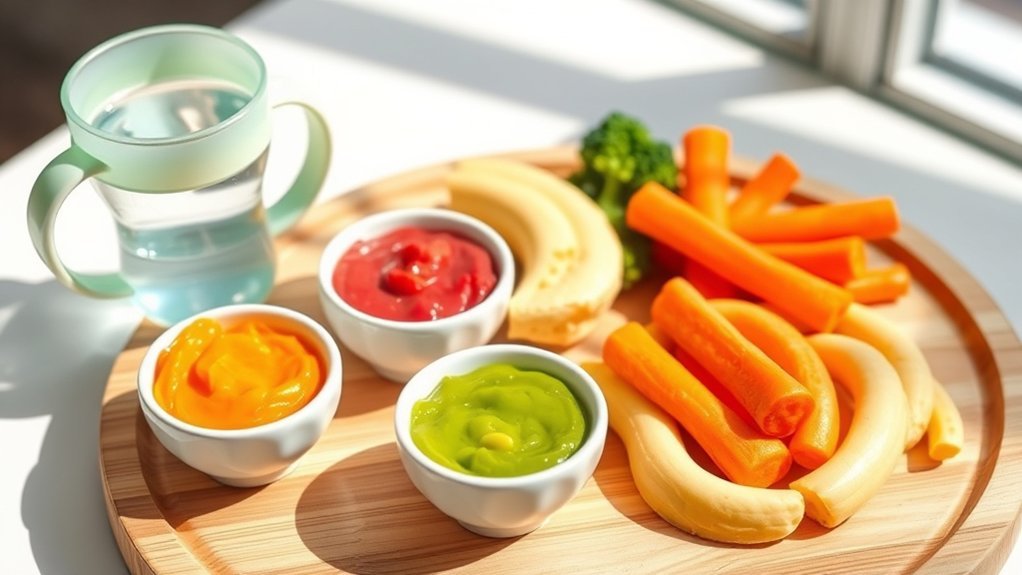
Feeding a one-year-old can feel unpredictable: one day they eat everything, and the next they reject a familiar favorite. A simple routine, small portions, varied nutrient-dense foods, and careful choking-safe preparation can make meals easier while supporting growth, independence, and a positive relationship with food.
Quick Answer
Offer your one-year-old three meals and two to three snacks built from soft, nutrient-dense foods: iron-rich proteins, vegetables, fruit, whole grains, healthy fats, and full-fat dairy. Start with small portions, let appetite guide seconds, serve water and appropriate milk, and prepare every food to reduce choking risk.
Key Takeaways
- Use a flexible routine of about three meals and two to three snacks, usually spaced every two to three hours.
- Offer several food groups across the day rather than trying to make every plate perfect.
- Begin with one or two tablespoons of each food, then offer more when your toddler shows hunger cues.
- Make foods soft and developmentally appropriate; quarter round foods lengthwise and avoid hard, sticky, or large pieces.
- Expect repeated exposure to new foods. Current federal guidance notes that some children may need eight to ten tries, and sometimes more.
Essential Nutritional Needs for One-Year-Olds
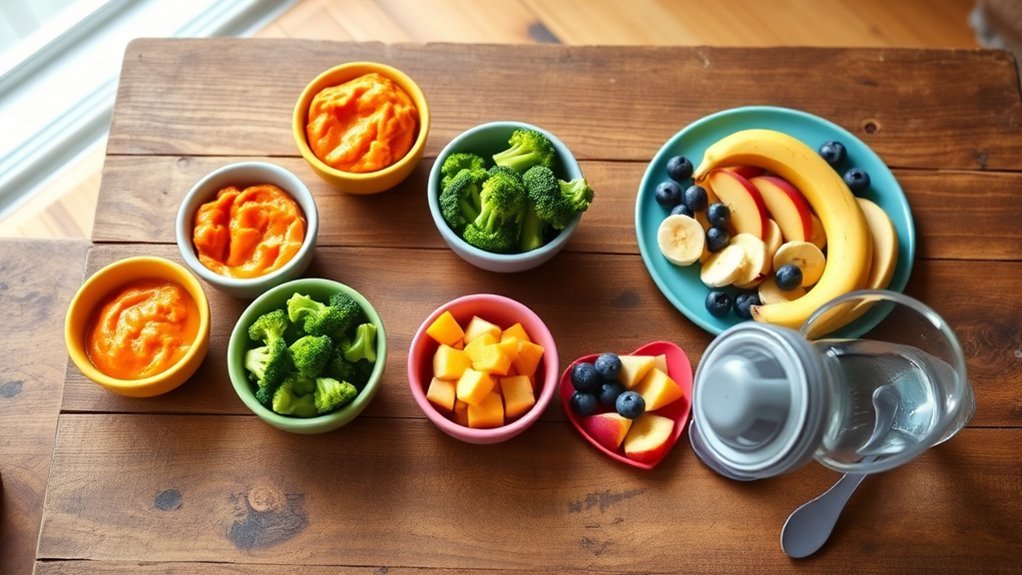
There is no single calorie target that fits every one-year-old. Energy needs vary with body size, growth, activity, and how much breast milk a child still receives. Instead of counting calories unless your pediatrician asks you to, focus on a regular eating schedule, nutrient-dense foods, and your child’s hunger and fullness cues.
The Dietary Guidelines for Americans, 2025–2030 recommends whole, nutrient-dense foods for infants and toddlers, including protein foods, full-fat dairy, vegetables, fruits, healthy fats, and whole grains. It also recommends avoiding added sugars during infancy and early childhood.
| Nutrient Focus | Toddler-Friendly Foods | Why It Matters |
|---|---|---|
| Iron | Shredded meat, flaked fish, mashed beans, lentils, eggs, iron-fortified cereal | Supports blood, brain development, and learning |
| Protein and zinc | Eggs, poultry, fish, tofu, yogurt, beans, lentils | Supports growth, tissue repair, and immune function |
| Calcium and vitamin D | Whole milk, full-fat yogurt, cheese, fortified unsweetened dairy alternatives | Supports bones and teeth |
| Healthy fats | Avocado, olive oil, full-fat dairy, fish, thinly spread nut or seed butter | Provides energy and supports brain development |
| Fiber and varied micronutrients | Soft fruit, well-cooked vegetables, oats, quinoa, whole-grain bread | Supports digestion and broadens food variety |
Children ages 12 to 24 months need 600 IU of vitamin D each day. Food, fortified milk, and supplements may all contribute, so ask your child’s clinician whether a supplement is needed rather than starting one on your own.
Meal Schedule, Portions, and Appetite Cues
The CDC recommends offering food or drink every two to three hours, which usually works out to three meals and two to three snacks. Regular times help toddlers arrive hungry without becoming overly tired or frustrated.
Start with one or two tablespoons of each food. Your toddler may eat more at one meal and very little at the next; that is common because growth slows after the first birthday. Look at intake over several days rather than judging one plate.
Pro Tip: You choose what food is served, when it is offered, and where the meal happens. Let your toddler decide whether to eat and how much. Avoid pressure, bargaining, and requiring a “clean plate.”
Common Hunger and Fullness Cues
- Hunger: reaches for food, points, opens the mouth, becomes excited at the table, or asks for more.
- Fullness: turns away, closes the mouth, slows down, pushes food away, drops food repeatedly, or wants to leave the chair.
Drinks, Milk, and Dairy After 12 Months
At 12 months, you may offer pasteurized, unsweetened whole cow’s milk. Continued breastfeeding is also appropriate for as long as parent and child desire. The CDC advises about two dairy servings per day for children ages 12 through 23 months, which can include milk, full-fat yogurt, cheese, or a fortified unsweetened dairy alternative.
Milk should support—not replace—a varied diet. Large amounts can reduce appetite for iron-rich foods. If you use a plant-based drink, choose one fortified with calcium and vitamin D and discuss it with your pediatrician because protein and nutrient levels vary widely. Toddler formulas are not routinely needed after 12 months.
Children ages one to three generally need about four cups of total fluids each day, including water and milk, though needs increase in hot weather or with activity. Offer water throughout the day. Whole fruit is better than juice; if you serve 100% juice, keep it to no more than four ounces per day.
Note: Choose plain water and unsweetened milk most often. Avoid sugary drinks and caffeinated beverages, and do not give raw or unpasteurized milk.
Choking-Safe Food Preparation
One-year-olds are still learning to chew and manage textures. Seat your child upright in a high chair or other safe seat, keep meals calm, and watch closely the entire time. The CDC choking-prevention guidance lists uncut grapes, raw carrot pieces, whole nuts, spoonfuls of nut butter, popcorn, hot dogs, large meat chunks, and large cheese pieces among common hazards.
Warning: Do not rely on “bite-size” alone. Cook hard foods until soft; quarter grapes and cherry tomatoes lengthwise; mash beans and round berries; shred meat; flake fish and remove bones; and spread nut butter thinly. Never let a toddler eat while walking, playing, riding in a stroller, or sitting in a moving car.
| Food | Safer Preparation for a One-Year-Old |
|---|---|
| Grapes or cherry tomatoes | Quarter lengthwise; remove seeds when present |
| Carrots, apples, or firm vegetables | Cook until very soft, then cut into manageable pieces |
| Peanut or seed butter | Spread in a thin layer or stir into yogurt or oatmeal; never offer a spoonful |
| Chicken, turkey, beef, or fish | Cook thoroughly; shred or flake finely; remove skin, gristle, and bones |
| Beans and berries | Mash or flatten round pieces |
| Cheese | Use thin shreds, soft crumbles, or melted cheese instead of large cubes |
Ask your pediatrician about infant and child CPR or a local choking-first-aid class. If your child cannot breathe, cry, or cough effectively, call emergency services immediately and begin age-appropriate first aid if you are trained.
Fun and Healthy Meal Ideas Your Toddler Will Enjoy
Color and variety can make meals inviting, but the goal is exposure rather than entertainment at every meal. Offer one familiar food beside a new or less-preferred food, and let your toddler touch, smell, lick, or taste without pressure.
Colorful Plate Ideas
Build a simple plate with three parts: an iron-rich or protein food, a fruit or vegetable, and an energy food such as a whole grain or healthy fat. Examples include:
- Mini turkey meatballs, mashed sweet potato, and soft peas that have been lightly flattened
- Scrambled egg, avocado, and whole-grain toast strips
- Flaked salmon, quinoa, and well-cooked broccoli
- Mashed black beans, soft corn tortilla strips, and ripe mango
Playful shapes are fine when they do not create hard or round pieces. Soft star-shaped bread or ripe fruit is safer than raw cucumber stars or carrot sticks.
Interactive Meal Options
Simple choices can encourage independence without turning dinner into a large project. Put two or three safe options on the table and let your toddler point to or pick one.
| Meal Idea | Toddler Activity | Safety Adjustment |
|---|---|---|
| Soft Taco Plate | Choose mashed beans, avocado, or shredded cheese | Serve a soft tortilla in short strips |
| Homemade Pizza | Place soft toppings on a small pita | Cook vegetables until soft and cut pizza into manageable strips |
| Yogurt Bowl | Stir in mashed fruit or soft oats | Mash round berries and avoid hard granola |
Smoothies can be an occasional snack, but they should not replace regular practice with soft finger foods, cups, spoons, and varied textures.
Easy Breakfast Recipes for One-Year-Olds
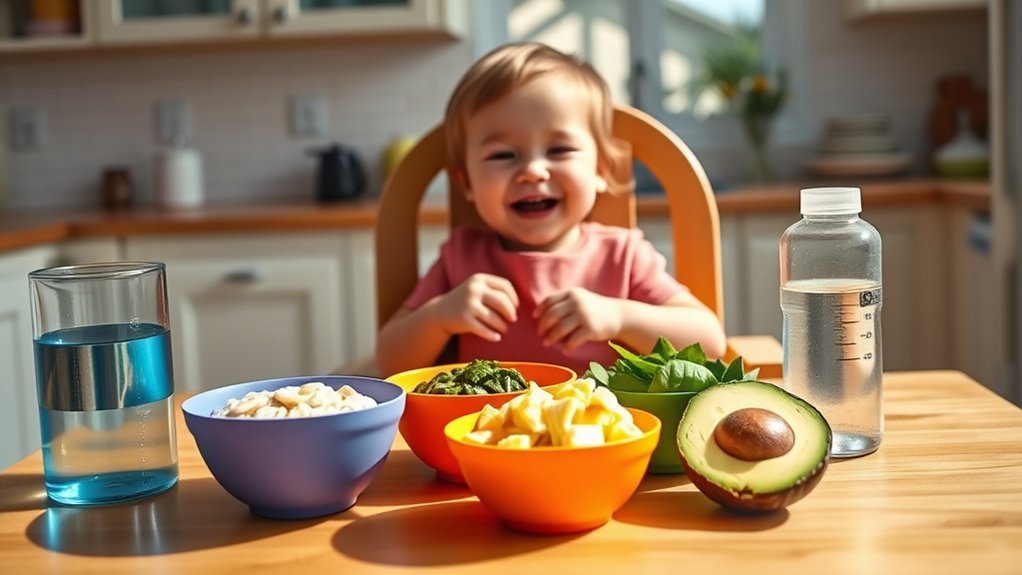
Breakfast does not need to be elaborate. Pair an iron-rich or protein food with fruit, a whole grain, or a healthy fat.
- Vegetable scrambled eggs: Cook eggs fully and mix in finely chopped, well-cooked spinach, peppers, or zucchini.
- Oatmeal with fruit: Prepare soft whole-grain oatmeal, then add mashed berries, banana, or pear and a spoonful of full-fat yogurt. Use ground or fully soaked chia rather than dry seeds.
- Banana nut-butter toast: Spread peanut, almond, or seed butter very thinly on soft whole-grain toast and top with mashed banana. Cut into short strips.
- Yogurt and fruit bowl: Mix plain full-fat yogurt with mashed fruit and softened oats.
- Iron-fortified cereal: Soften with whole milk, breast milk, or an appropriate fortified alternative and serve with soft fruit.
Easy Lunch Ideas for One-Year-Olds
Lunch can be built from leftovers or simple finger foods. Include one dependable food your child usually accepts, then add variety around it.
Nutritious Sandwich Combinations
| Lunch | Ingredients | Serving Tip |
|---|---|---|
| Avocado Toast | Soft whole-grain bread and mashed avocado | Cut into short strips |
| Chicken and Cheese Sandwich | Finely shredded cooked chicken, melted cheese, soft bread | Moisten dry meat with avocado or plain yogurt |
| Peanut Butter and Banana | Thin nut-butter layer and mashed banana | Never serve a thick glob of nut butter |
| Bean Quesadilla | Mashed beans, cheese, soft tortilla | Cook until soft, cool, and cut into strips |
Colorful Vegetable Options
Cook vegetables until they are soft enough to mash between your fingers. Rotate choices such as:
- Very soft steamed carrots with lightly flattened peas
- Sweet potato and zucchini fritters cooked through and cut into strips
- Finely chopped cooked bell peppers in an omelet
- Soft broccoli with a plain yogurt-and-cheese dip
- Homemade pizza with finely chopped, cooked vegetables
Repeated exposure matters more than hiding vegetables. Pair a new vegetable with a familiar food and keep the mood neutral.
Finger Food Favorites
Safe finger foods support self-feeding and fine motor skills. Good options include ripe banana, avocado, very soft pear, toast strips, soft-cooked pasta, omelet strips, flaked fish, shredded meat, mashed beans spread on toast, and thin shreds of cheese.
Change the shape and texture of each food to match your toddler’s chewing skills. Round, firm, slippery, sticky, or tough foods need extra preparation or should be avoided.
Nutritious Dinner Ideas for Healthy Growth
A balanced toddler dinner can be a small portion of the family meal with less added salt and a safer texture. Try:
- Baked chicken, finely shredded, with mashed sweet potato and soft green beans cut into small pieces
- Homemade salmon patties with quinoa and lightly mashed peas
- Lentil soup with soft carrots and spinach, served thick enough for a spoon
- Soft vegetable stir-fry with tofu or shredded chicken over well-cooked brown rice
- Chicken and avocado in a soft tortilla cut into short strips
Set aside your toddler’s portion before adding extra salt, hot sauce, or sugary glaze to the family meal.
Foods to Limit and Allergen Safety
For children under two, avoid foods and drinks with added sugars as much as possible. Limit heavily salted processed foods, sugary drinks, caffeine, and frequent juice. Never serve raw milk or foods made with raw milk. Cook eggs, meat, poultry, and seafood thoroughly.
Do not avoid common allergens such as egg, peanut, dairy, wheat, sesame, soy, fish, or shellfish unless your child has a diagnosed allergy or a clinician tells you to. The American Academy of Pediatrics notes that delaying allergenic foods does not prevent food allergy. Serve them in developmentally safe forms, such as well-cooked egg or thinned nut butter.
Talk with your pediatrician before introducing peanut if your child has severe eczema, egg allergy, or a previous immediate food reaction. Seek emergency care for trouble breathing, facial or tongue swelling, widespread hives with other symptoms, repeated vomiting with weakness, or loss of responsiveness.
Strategies for Dealing With Picky Eaters
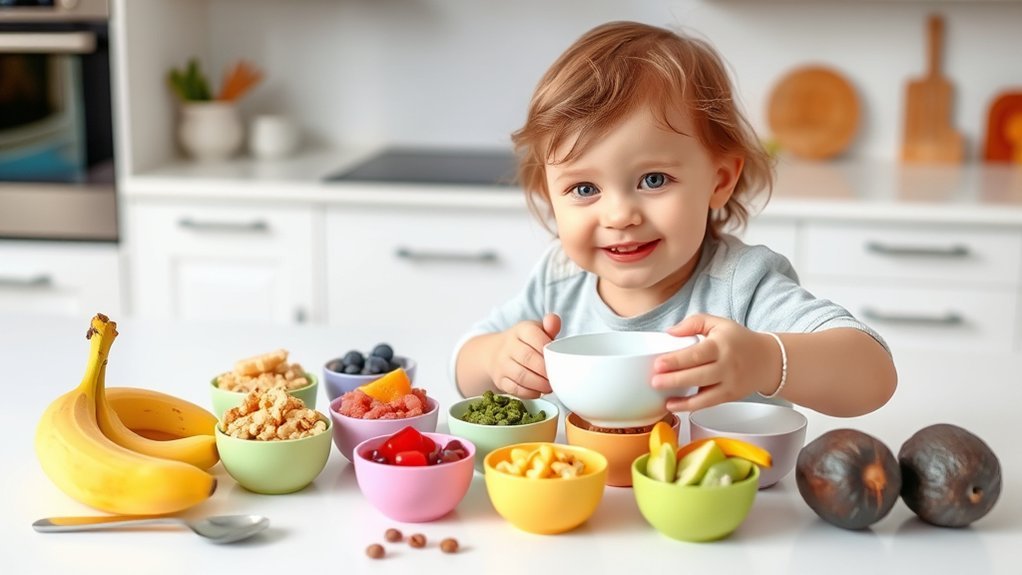
Food refusal is common after the first birthday. Current federal guidance notes that a child may need eight to ten exposures before being willing to try a new food, and some children need more. An exposure can be as small as seeing, touching, smelling, licking, or tasting the food.
- Serve one familiar food with one new or less-preferred food.
- Offer tiny portions so the plate does not feel overwhelming.
- Eat the same food and model enjoyment without insisting that your child copy you.
- Let your toddler help wash produce, stir batter, or place soft toppings on a plate.
- Avoid bribing with dessert, forcing bites, or making a replacement meal immediately.
- Keep mealtimes calm and end the meal without criticism when your child is done.
Your job is to offer a safe, balanced meal on a dependable schedule. Your toddler’s job is to decide whether to eat and how much.
Sample Daily Meal Plan for One-Year-Olds
This sample is a flexible starting point, not a required menu. Begin with one or two tablespoons of each item, offer more when your child is still hungry, and adjust textures for chewing ability.
| Time | Meal or Snack |
|---|---|
| Breakfast | Soft oatmeal with mashed berries and full-fat yogurt, plus water |
| Morning Snack | Ripe banana and a small piece of soft cheese or yogurt |
| Lunch | Bean-and-cheese quesadilla strips, avocado, and soft-cooked vegetables |
| Afternoon Snack | Thinly spread nut butter on toast strips with water |
| Dinner | Shredded chicken, mashed sweet potato, and soft green beans |
Offer breast milk, whole milk, or an appropriate fortified alternative according to your family’s feeding plan, and offer water between meals. Avoid all-day grazing because it can reduce appetite at meals.
When to Call Your Child’s Clinician
Contact your pediatrician or a pediatric dietitian if your child is losing weight, crossing down growth percentiles, regularly coughs or chokes during meals, cannot manage expected textures, eats an extremely narrow range of foods, has ongoing vomiting or diarrhea, shows signs of dehydration, or you are concerned about iron, vitamin D, allergy, or growth.
Medical Note: This guide provides general feeding information and cannot account for prematurity, growth concerns, swallowing problems, food allergies, metabolic conditions, or other individual medical needs.
Sources
- Dietary Guidelines for Americans, 2025–2030 — nutrient-dense foods, added sugars, full-fat dairy, and repeated food exposure.
- CDC: How Much and How Often to Feed — meal timing, starting portions, and appetite variation.
- CDC: Choking Hazards — safe seating, supervision, and foods that need modification or avoidance.
- CDC: Cow’s Milk and Milk Alternatives — dairy servings, whole milk, and fortified alternatives after 12 months.
- American Academy of Pediatrics: Choose Water for Healthy Hydration — fluid and juice guidance for ages one to three.
- American Academy of Pediatrics: Introducing Common Food Allergens — allergen timing and safe peanut preparation.
Frequently Asked Questions
What are common choking hazards for one-year-olds?
Common hazards include whole grapes and cherry tomatoes, raw carrot or apple pieces, popcorn, whole nuts, spoonfuls of nut butter, hot dogs, whole beans, tough meat, fish bones, and large chunks of cheese. Seat your child upright, supervise closely, and modify food shape and texture.
How can I introduce new flavors to my toddler?
Pair a small amount of the new food with a familiar food and offer it again without pressure. Mild herbs and spices such as cinnamon, basil, garlic, cumin, or dill can add flavor without sugar. It may take eight to ten exposures or more before acceptance.
When should a child transition to table foods?
The transition begins before the first birthday as chewing and swallowing skills develop. By about 12 months, many children can eat modified versions of family foods. Continue adjusting texture and shape to your child’s skills, and ask a clinician if your child struggles with lumps or finger foods.
Are there foods a one-year-old should avoid?
Avoid choking hazards, raw or unpasteurized milk, undercooked eggs or animal foods, sugary drinks, caffeine, and foods with added sugar as much as possible. Do not avoid egg, peanut, dairy, or other common allergens unless your child has an allergy or a clinician advises it.
How much water should a one-year-old drink?
Children ages one to three generally need about four cups of total fluids per day, including water and milk. The exact amount varies with body size, activity, climate, illness, and other foods and drinks. Offer water regularly and watch for pale urine and normal activity.
How much milk should a one-year-old have?
Think in terms of about two dairy servings across the day rather than using milk as the main food. Servings can include whole milk, full-fat yogurt, cheese, or a fortified unsweetened alternative. Too much milk can crowd out iron-rich foods.
What portion size should I serve first?
Start with one or two tablespoons of each food. Offer more if your toddler is still showing hunger cues. Small first servings reduce waste and help your child learn to notice appetite and fullness.
When is picky eating a reason to seek help?
Ask your child’s clinician for help if food refusal affects growth, your child eats only a very small number of foods, meals cause frequent distress, or your child coughs, gags, or chokes often. A pediatric dietitian or feeding therapist may be appropriate.
Conclusion
A healthy meal plan for a one-year-old does not require perfect plates or a fixed calorie count. Offer small portions of varied, nutrient-dense foods on a steady schedule, prepare every item for safe chewing, and let your toddler decide how much to eat. Repeated, pressure-free exposure builds skills and confidence over time.