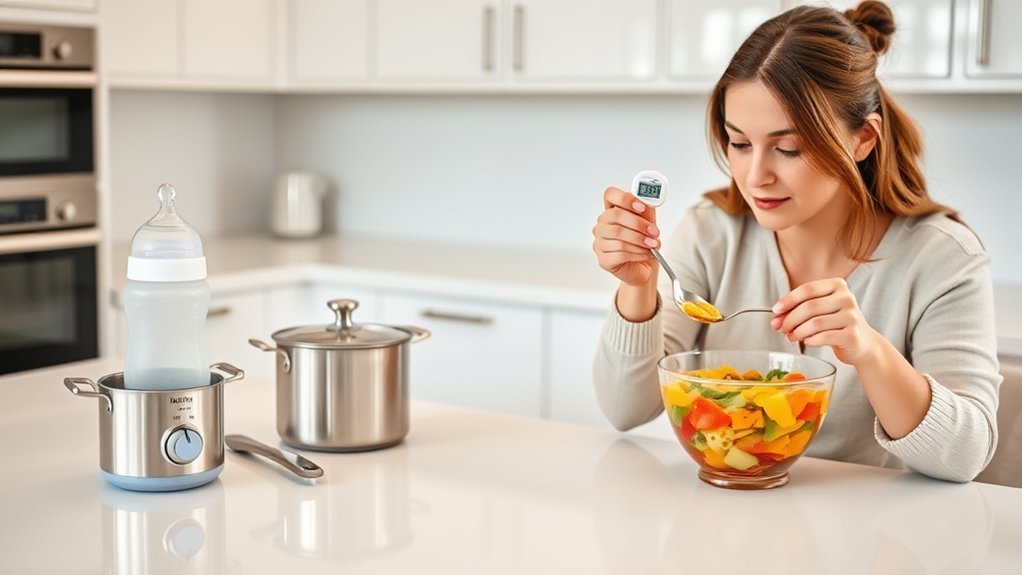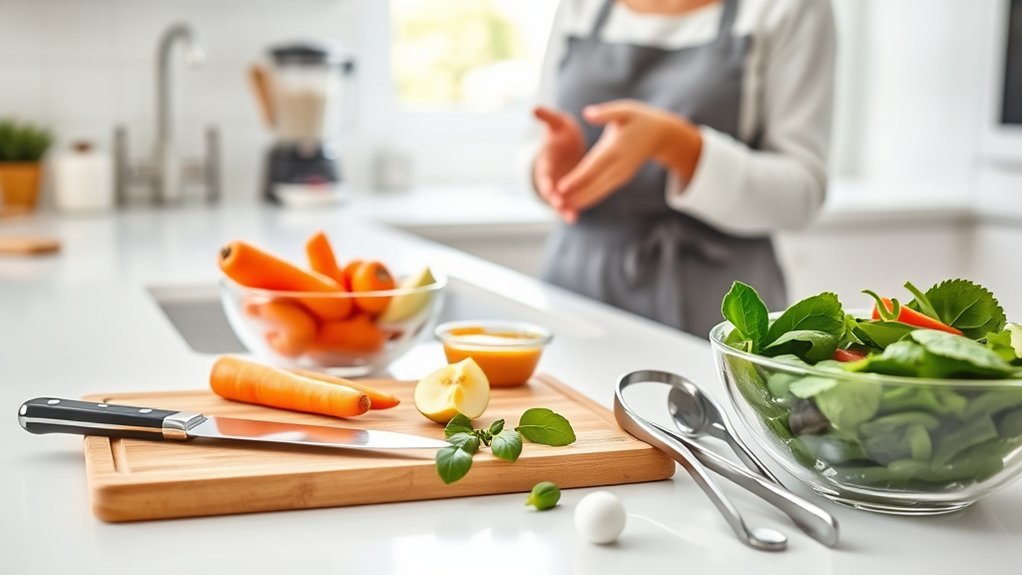
Preventing cross-contamination when making baby food starts before you chop or cook anything. Wash your hands, clean your work area, keep raw animal foods away from produce and cooked food, cook each ingredient to its proper temperature, and refrigerate prepared food promptly. These steps cannot remove every possible risk, but they greatly reduce the chance that harmful germs or allergens will reach your baby’s meal.
Quick Answer
To prevent cross-contamination in baby food, wash your hands for at least 20 seconds, use separate tools for raw meat and ready-to-eat foods, wash produce under running water, cook foods to the correct temperature, refrigerate portions within two hours, and discard anything touched by your baby’s feeding spoon.
Key Takeaways
- Wash your hands with soap and running water for at least 20 seconds before preparing food and after touching raw meat, eggs, trash, pets, phones, or other contaminated items.
- Use separate cutting boards, knives, plates, and utensils for raw animal foods and foods that are cooked or ready to eat.
- Clean food-contact surfaces first, then sanitize them with a product approved for that use and follow its label directions.
- Use a food thermometer because safe cooking temperatures vary by ingredient; 165°F is not required for every food.
- Refrigerate homemade baby food promptly and follow category-specific storage limits rather than one universal three-day rule.
- Serve a small portion in a separate bowl and discard food touched by your baby’s spoon or mouth.
At a Glance
| Time Required | About 10–15 minutes to wash, organize, and sanitize the preparation area, plus cooking and cooling time |
| Difficulty | Easy, with careful attention to handwashing, separation, temperature, and storage |
| Tools Needed | Soap, clean towels, separate cutting boards and utensils, produce brush, food thermometer, clean containers, labels, and food-contact-safe sanitizer when needed |
| Cost | Usually low if you already own basic kitchen tools; a digital food thermometer is the most important additional purchase |
Note: This guide covers homemade complementary foods, such as purées and soft solids. It does not cover homemade infant formula. The FDA advises caregivers not to make homemade infant formula because it may contain unsafe nutrient or electrolyte levels.
Why Cross-Contamination Matters When Making Baby Food
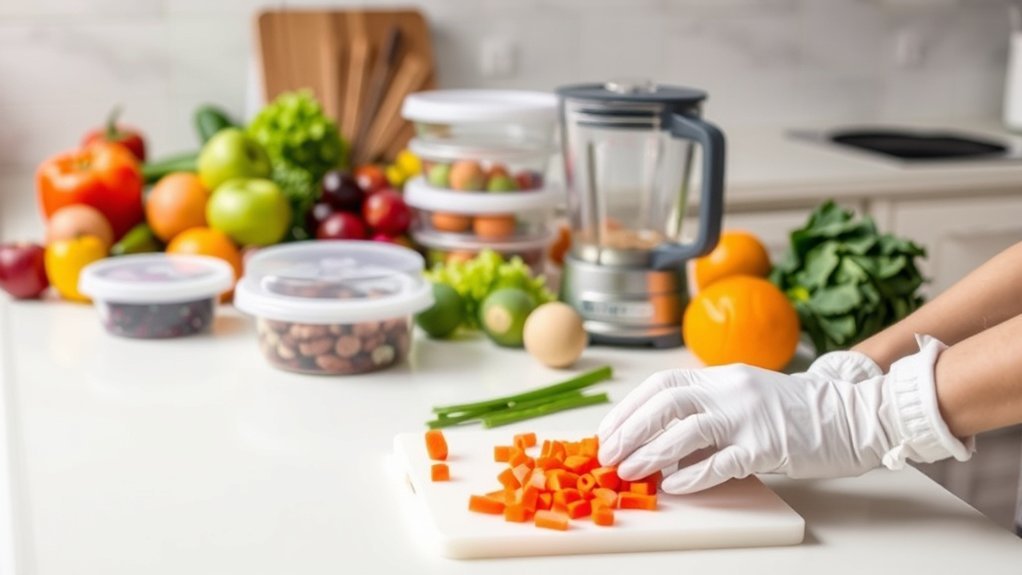
Cross-contamination happens when harmful germs move from a person, ingredient, utensil, or surface to another food. Raw meat, poultry, seafood, and eggs can transfer germs to produce, cooked food, blender parts, storage containers, refrigerator handles, and other items that will not be cooked again.
Babies and children under five have developing immune systems and can become seriously ill from foodborne infections. That makes careful food handling especially important when you prepare their meals.
The safest workflow is to prepare washed produce and other ready-to-eat ingredients first. Handle raw animal foods last, then wash your hands and clean and sanitize every surface or tool they touched before returning to cooked food.
A clean-looking counter is not necessarily a safe counter. Germs can move through hands, cutting boards, knives, appliance controls, towels, and raw-food juices that are too small to see.
Cross-contamination is different from allergen cross-contact. Cross-contact occurs when a small amount of an allergenic food, such as peanut, milk, egg, wheat, soy, sesame, fish, shellfish, or a tree nut, reaches food that was meant to be free of that allergen. The same planning and cleaning habits help reduce both risks, but a diagnosed food allergy may require stricter separation.
Essential Hand Hygiene Before and During Food Preparation
Wash your hands before you touch ingredients, cookware, feeding utensils, storage containers, or the inside of a blender. Wash them again whenever you may have picked up germs.
- Wet your hands with clean running water.
- Apply soap and rub your palms, the backs of your hands, between your fingers, around your thumbs, and beneath your nails.
- Scrub for at least 20 seconds.
- Rinse under clean running water.
- Dry with a clean towel, a disposable paper towel, or air dry.
Wash your hands again after handling raw meat, poultry, seafood, eggs, unwashed produce, dirty dishes, trash, pets, diapers, your phone, or cleaning chemicals. Also wash after coughing, sneezing, touching your face, using the restroom, or helping another child use the restroom.
Hand sanitizer can be useful when soap and water are unavailable, but it should not replace proper handwashing during food preparation when your hands are visibly dirty or greasy.
Pro Tip: Before you start cooking, place clean paper towels or a dedicated hand towel near the sink. This reduces the temptation to dry clean hands on a damp dish towel that has already touched counters, dishes, or raw-food packaging.
How to Clean and Sanitize Food-Preparation Surfaces

Cleaning removes food, grease, and visible dirt. Sanitizing reduces germs on a previously cleaned surface. Disinfecting is a stronger process intended for certain surfaces and situations, but not every household disinfectant is approved for surfaces that touch food.
| Step | Action | When to Do It |
|---|---|---|
| 1 | Remove food scraps and visible dirt. | Before washing the surface |
| 2 | Wash with hot, soapy water and a clean cloth or disposable towel. | Before food preparation and after each ingredient that may contaminate the area |
| 3 | Rinse when needed to remove soap or cleaner residue. | After washing or as directed by the product label |
| 4 | Apply a sanitizer approved for food-contact surfaces and keep the surface wet for the label’s required contact time. | After contact with raw animal foods or another likely source of contamination |
| 5 | Rinse again if the sanitizer label requires it, then air dry or dry as directed. | Before the surface touches food again |
Clean blender blades, gaskets, lids, food-processor bowls, reusable pouches, strainers, thermometers, and container seals according to their manufacturer instructions. Food can collect in seams and damaged surfaces that are easy to overlook.
Replace deeply scored cutting boards, cracked containers, peeling utensils, and damaged silicone parts that can no longer be cleaned thoroughly. Clean refrigerator handles, faucets, cabinet pulls, appliance controls, and phones whenever contaminated hands have touched them.
Warning: Never spray cleaning chemicals near exposed ingredients, bottles, feeding utensils, or prepared baby food. Use only products suitable for the surface, follow the label’s dilution and contact-time instructions, provide ventilation when required, and store chemicals where children cannot reach them.
Baby Food Safety: How to Wash Fruits and Vegetables
Wash both organic and conventionally grown produce before cutting, peeling, cooking, or serving it. Washing cannot make contaminated produce sterile, but it can remove dirt and reduce some germs on the surface.
Rinse Produce Under Running Water
Hold fruits and vegetables under cool running tap water and rub the surface gently with clean hands. Do not soak several items together in a sink or bowl of standing water because germs can move from one item to another.
Remove damaged or bruised areas before preparation. Discard produce that is moldy, slimy, leaking, unusually soft, or has an off odor.
Scrub Firm Produce With a Clean Brush
Use a clean produce brush on firm items such as potatoes, carrots, cucumbers, melons, and apples. Wash produce even when you plan to remove the peel because a knife can carry surface contamination into the edible portion.
Do not use dish soap, hand soap, bleach, disinfectant, or household detergent on fruits and vegetables. These products are not intended to be swallowed and can leave residues on food. USDA guidance recommends running water and, for firm produce, a clean brush.
Consider Organic Options Without Skipping Food-Safety Steps
Choosing organic produce is a personal purchasing decision, not a replacement for washing. Organic and conventional fruits and vegetables can both become contaminated during growing, shipping, handling, or storage.
Consumer lists such as the “Dirty Dozen” describe pesticide detections, but they are not cross-contamination standards and do not mean that conventional produce is automatically unsafe. Regardless of how produce was grown, inspect it and rinse it under running water before use.
Note: Rice can contain inorganic arsenic. Rather than relying on rinsing alone, the FDA recommends offering infants a variety of grains, such as oat, barley, wheat, and multigrain cereals when developmentally and medically appropriate.
Keeping Raw and Cooked Foods Separate
Separation should continue from grocery shopping through preparation, storage, cooking, and serving. Raw animal-food packages can leak even when they look intact.
Use Separate Cutting Boards and Utensils
Use one cutting board for raw meat, poultry, seafood, and eggs and another for washed produce, bread, cooked food, and other ready-to-eat ingredients. Color-coded boards can make the distinction easy for every caregiver.
Do not place cooked food back on a plate that held raw ingredients. Use clean tongs, spoons, knives, bowls, and blender parts after cooking. A utensil that touched raw meat should not be used to stir, taste, purée, or serve cooked food until it has been properly washed and sanitized.
Clean Surfaces After Raw-Food Contact
Wash cutting boards, knives, dishes, sinks, counters, and faucet handles after preparing raw animal foods and before beginning the next task. Soap and water remove debris; sanitizing after cleaning provides an additional control for surfaces contaminated by raw juices.
Use a clean towel or disposable paper towel rather than wiping several surfaces with the same damp sponge or cloth. Wash reusable cloths frequently on a hot cycle and allow them to dry completely.
Warning: Do not wash raw chicken, turkey, or other poultry. Splashing water can spread bacteria to the sink, nearby food, utensils, and counters. Cooking poultry to 165°F (74°C) is the reliable way to destroy harmful bacteria.
Store Foods Properly
Place raw meat, poultry, and seafood in sealed, leakproof containers or bags on the lowest refrigerator shelf so juices cannot drip onto produce, prepared baby food, or other ready-to-eat items.
Keep the refrigerator at 40°F (4°C) or below and the freezer at 0°F (-18°C) or below. Label prepared food with its contents and preparation date so older portions are used first.
How to Prevent Allergen Cross-Contact
If your baby has a diagnosed food allergy, a tiny amount of the allergen may be enough to trigger a reaction. Follow the plan supplied by your pediatrician or allergist and check every ingredient label each time you use a product because formulations can change.
- Wash your hands with soap and water before preparing allergen-free food.
- Use clean cookware, cutting boards, knives, blender parts, dishes, and storage containers.
- Prepare the allergen-free food before foods containing the allergen.
- Keep allergenic ingredients sealed and away from your baby’s safe ingredients.
- Do not share tasting spoons, serving utensils, towels, sponges, or cooking oil.
- Use dedicated equipment when a tool is difficult to clean or your child’s medical plan requires it.
Cleaning removes allergenic proteins more reliably than simply brushing away crumbs. If you are unsure whether a surface, utensil, or serving has been exposed, use a clean replacement rather than taking a chance.
Safe Cooking Techniques and Minimum Temperatures
Cook ingredients until they are tender enough for your baby’s developmental stage, but do not use texture or color alone to judge whether animal foods are safe. Insert a clean food thermometer into the thickest part without touching a bone or the pan.
| Food | Minimum Internal Temperature | Additional Guidance |
|---|---|---|
| Chicken, turkey, duck, other poultry, and ground poultry | 165°F (74°C) | Check the thickest portion. |
| Ground beef, pork, veal, lamb, and sausage | 160°F (71°C) | Do not judge doneness by color. |
| Whole cuts of beef, pork, veal, lamb, and goat | 145°F (63°C) | Allow a three-minute rest before cutting or puréeing. |
| Fish with fins | 145°F (63°C) | Remove every bone before serving. |
| Egg dishes | 160°F (71°C) | Cook plain eggs until the yolk and white are firm. |
| Casseroles and reheated leftovers | 165°F (74°C) | Stir and check more than one spot when heating uneven mixtures. |
Vegetables and fruits do not need to reach 165°F simply because they are being made into baby food. Cook them until safely prepared and soft enough for the intended texture. Use clean water and avoid adding unpasteurized milk, raw eggs, raw flour, or other uncooked high-risk ingredients after cooking.
See the complete FoodSafety.gov safe minimum temperature chart when preparing an ingredient not listed above.
How to Cool, Portion, and Thaw Baby Food Safely
Divide freshly cooked food into small, shallow containers so it cools quickly. You do not need to leave food on the counter until it reaches room temperature. Refrigerate or freeze it promptly and keep the total time at room temperature within safe limits.
- Refrigerate perishable food within two hours of preparation.
- When the surrounding temperature is above 90°F (32°C), refrigerate it within one hour.
- Use clean containers with tight-fitting lids.
- Freeze small portions so you can thaw only what you need.
- Leave a small amount of expansion space in freezer containers.
- Write the preparation date and contents on every container.
Thaw frozen baby food in the refrigerator, in a sealed container under cold running water, or in the microwave immediately before reheating and serving. Do not thaw perishable baby food on the counter or in warm standing water.
Pro Tip: Freeze food in measured portions that match your baby’s usual serving size. Smaller portions cool and thaw faster and help prevent repeated warming or unnecessary waste.
How to Store Baby Food Safely for Optimal Freshness
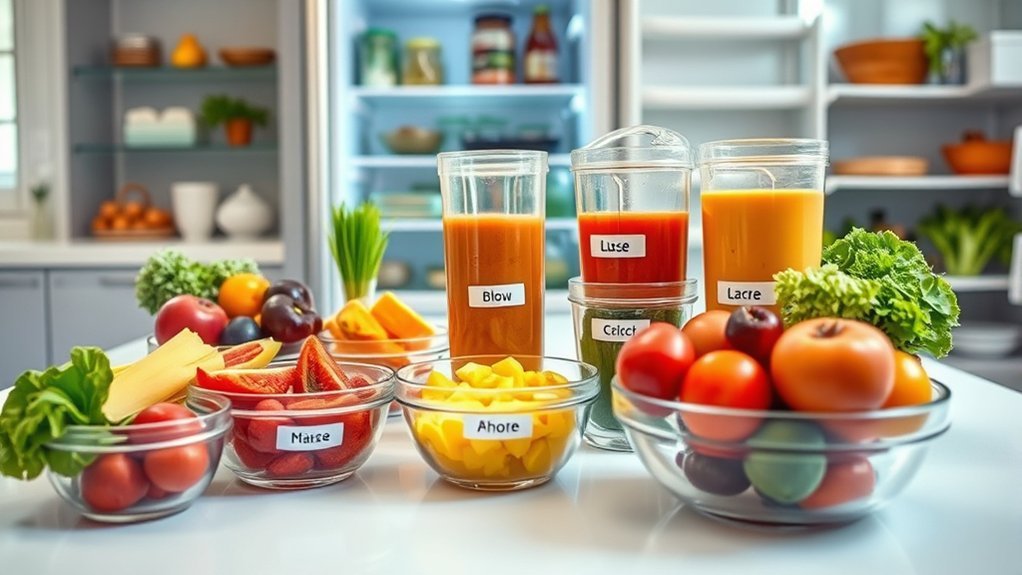
Storage time depends on the ingredients. Follow the shortest limit when a food contains several ingredients with different storage periods.
| Baby-Food Type | Refrigerator at 40°F or Below | Freezer at 0°F or Below |
|---|---|---|
| Strained fruits and vegetables | 2–3 days | 6–8 months |
| Strained meats and eggs | 1 day | 1–2 months |
| Meat-and-vegetable combinations | 1–2 days | 1–2 months |
| General homemade baby foods | 1–2 days | 1–2 months |
These limits apply to properly handled food that has not been contaminated during feeding. When you are unsure how long a portion has been stored, whether it remained cold, or whether a contaminated spoon touched it, discard it.
Freezing stops bacterial growth but does not make contaminated food safe and does not preserve peak quality forever. Check the current FoodSafety.gov guidance for children under five when storage recommendations or product instructions differ.
What You Should Know About Reheating Baby Food
Reheat only the amount you expect your baby to eat. Food reheated as a leftover should reach 165°F (74°C), after which it must cool to a comfortable serving temperature.
When using a microwave, transfer the food from its jar or storage container to a microwave-safe dish. Microwave ovens can create hot and cold spots, so stir the food thoroughly, allow it to stand briefly, and check the temperature in several places before feeding.
Never microwave baby food in its original jar unless the manufacturer specifically states that the container is microwave-safe. Never microwave infant formula or breast milk because hot spots can burn a baby’s mouth.
Do not repeatedly warm the entire stored batch. Remove a clean portion with a clean utensil, reheat that serving, and keep the remaining food refrigerated.
Prevent Contamination During Feeding
A cleanly prepared meal can become contaminated during feeding. When the spoon enters your baby’s mouth and then returns to the bowl or jar, saliva introduces bacteria into the food.
- Place one serving in a clean bowl.
- Return the main container to the refrigerator before feeding.
- Use one clean spoon for feeding.
- If you need to add more food, use a second clean spoon to transfer it from the storage container.
- Discard food left in the feeding bowl after the meal.
Do not return partially eaten food to the refrigerator, even if the meal was brief. Do not save food from a jar, pouch, or container that your baby ate from directly.
When to Discard Prepared Baby Food
Discard baby food when:
- It remained at room temperature for more than two hours, or more than one hour above 90°F (32°C).
- Your baby’s spoon, mouth, or hands contacted food you intended to save.
- The container is leaking, swollen, cracked, damaged, or no longer seals properly.
- The food has mold, an unusual odor, bubbling, unexpected discoloration, or a slimy texture.
- You cannot confirm when it was prepared or how long it has been refrigerated.
- A refrigerator power outage or temperature problem may have allowed it to rise above 40°F for an unsafe period.
- It may have contacted raw animal food, dirty utensils, allergens, cleaning chemicals, or another unsafe substance.
Do not taste questionable food to decide whether it is safe. Harmful bacteria may be present even when food looks and smells normal.
Note: Ask your pediatrician for individual guidance if your baby was born prematurely, has a weakened immune system, has a diagnosed food allergy, or follows a medically prescribed diet.
Frequently Asked Questions
Can I use the same cutting board for all ingredients?
Using separate boards is safer and easier. Keep one board for raw meat, poultry, seafood, and eggs and another for washed produce and ready-to-eat food. If you must reuse one board, wash and sanitize it completely before preparing the next ingredient.
How often should I wash my hands while cooking?
Wash before starting and whenever your hands may have become contaminated. This includes after handling raw animal foods, unwashed produce, eggs, trash, pets, diapers, your phone, dirty dishes, cleaning products, or your face.
What utensils should I avoid when preparing baby food?
Avoid utensils that are cracked, deeply scratched, peeling, difficult to disassemble, or still contaminated from raw food. Also avoid porous or damaged equipment that cannot be cleaned thoroughly. Use clean, food-safe tools that are appropriate for the cooking and storage temperature.
Is it safe to freeze leftover baby food?
You may freeze food that was handled safely and has not touched your baby’s spoon or mouth. Freeze it promptly in a clean, airtight container. General homemade baby food and meat-based mixtures are best kept for 1–2 months, while strained fruits and vegetables may be stored for 6–8 months under FoodSafety.gov guidance.
How long can homemade baby food stay in the refrigerator?
General homemade baby food should usually be used within 1–2 days. Strained fruits and vegetables may be kept for 2–3 days, strained meats and eggs for 1 day, and meat-and-vegetable combinations for 1–2 days. Use the shortest applicable limit for mixed recipes.
Can I save baby food left in the feeding bowl?
No. Discard food left in a bowl, jar, or pouch after your baby has eaten from it. Saliva on the spoon or container can introduce bacteria that continue to multiply during storage.
Can I reheat baby food in the microwave?
Yes, but transfer it to a microwave-safe dish rather than heating it in a jar. Stir thoroughly, allow it to stand, and test several areas because microwaves can create hot spots. Reheated leftovers should reach 165°F and then cool to a safe serving temperature.
How can I prevent allergen cross-contact?
Wash your hands and use clean cookware, utensils, cutting boards, blender parts, dishes, and containers. Prepare allergen-free food first, store it separately, and do not share serving utensils, towels, sponges, or cooking oil. Follow the plan provided by your baby’s pediatrician or allergist.
Conclusion
Preventing cross-contamination when making baby food depends on a consistent routine: wash your hands, clean and sanitize correctly, rinse produce, separate raw and ready-to-eat ingredients, cook animal foods to their specific safe temperatures, and refrigerate prepared portions promptly.
Storage and serving practices matter just as much as preparation. Label each container, use category-specific storage limits, reheat only the amount needed, and discard anything touched by your baby’s spoon or mouth. These habits cannot guarantee that every meal is risk-free, but they provide strong protection against foodborne germs and allergen cross-contact.
Sources
- CDC: Preventing Food Poisoning — handwashing, surface cleaning, produce washing, food separation, cooking, and chilling guidance
- CDC: Handwashing as a Healthy Habit in the Kitchen — when and how to wash hands during food preparation
- FoodSafety.gov: People at Risk—Children Under Five — infant vulnerability and baby-food refrigerator and freezer limits
- FoodSafety.gov: Safe Minimum Internal Temperatures — temperatures for poultry, ground meat, whole cuts, fish, eggs, casseroles, and leftovers
- FDA: Once Baby Arrives—Food Safety for Moms-to-Be — room-temperature limits, spoon contamination, storage, and microwave reheating precautions
- USDA FSIS: Washing Food and Food Safety — safe produce washing and warnings against soap, detergent, and produce washes