Yes. Many baby foods contain iron, and some products—especially fortified infant cereals—have iron added during manufacturing. Meat, poultry, fish, beans, lentils, tofu, and leafy greens also provide iron naturally. Because iron needs rise during late infancy, choosing an iron-rich food regularly once complementary feeding begins is an important part of a baby’s diet.
Quick Answer
Baby food can be a good source of iron. Iron-fortified infant cereals, pureed or finely prepared meats, beans, lentils, tofu, and dark green vegetables can all contribute. Infants ages 7–12 months need 11 mg of iron per day, but supplementation needs depend on feeding method and should be discussed with a pediatrician.
Key Takeaways
- Infants ages 7–12 months have a recommended dietary allowance of 11 mg of iron per day.
- Meat, poultry, and fish provide readily absorbed heme iron, while beans, lentils, tofu, vegetables, and fortified cereals provide non-heme iron.
- Pairing plant-based iron foods with vitamin C-rich foods can improve non-heme iron absorption.
- The 2026 American Academy of Pediatrics guidance recommends discussing iron supplementation early for exclusively breastfed infants rather than waiting until deficiency develops.
- Iron supplement doses should be guided by a healthcare professional because excessive supplemental iron can be dangerous.
What Is Iron’s Role in Baby Nutrition?
Iron is needed to make hemoglobin, the protein in red blood cells that carries oxygen through the body. It also supports muscle function, energy metabolism, immune function, and brain development.
That makes iron especially important during infancy, when the brain and body are growing rapidly. The Centers for Disease Control and Prevention notes that getting enough iron helps prevent iron deficiency and iron-deficiency anemia.
Low iron can eventually reduce the body’s ability to make healthy red blood cells. Iron deficiency may be associated with fatigue, weakness, pallor, fussiness, and developmental or learning concerns, although these signs are not specific enough to diagnose a deficiency without medical evaluation.

Power your essentials anywhere with a 999Wh pure sine wave power station delivering up to 1000W continuous with 2000W surge. It supports fast charging via USB-C PD 60W and USB-A QC 18W, plus simultaneous output for multiple devices through AC, USB, wireless, and car/DC ports. Recharge using AC, car, or solar with a built-in MPPT controller and dual cooling fans, while the upgraded battery management system protects against surges, short circuits, and overheating.

INFANT NUTRITION: This organic whole grain cereal is fortified with iron to offer nutritional support as your baby transitions to eating solid foods

WHOLESOME, ORGANIC INGREDIENTS Gerber organic baby food gives busy parents a convenient, reliable way to provide their little one with high-quality organic ingredients. Our Oatmeal Cereal for baby is made with 60% of the daily value of iron to support brain development SNAP and EBT item in eligible states
How Much Iron Do Babies Really Need?
Iron needs change with age. The National Institutes of Health Office of Dietary Supplements lists the following daily reference amounts:
| Age | Daily Iron Reference Amount |
| Birth–6 months | 0.27 mg Adequate Intake |
| 7–12 months | 11 mg |
| 1–3 years | 7 mg |
| 4–8 years | 10 mg |
Infants ages 7–12 months have a recommended dietary allowance of 11 mg of iron per day.
The 11 mg figure is a total dietary requirement. It should not be confused with the dose of an iron supplement. Supplement doses are based on factors such as feeding method, gestational age, weight, laboratory results, and medical history.
How Feeding Method Affects a Baby’s Iron Needs
A baby’s need for supplemental iron depends partly on whether they receive breast milk, iron-fortified formula, or a combination.
Exclusively Breastfed Babies
Most full-term newborns begin life with stored iron, but breast milk itself contains relatively little iron. The American Academy of Pediatrics’ 2026 clinical report recommends that exclusively breastfed term infants receive iron supplementation of 1 mg/kg/day by 4 months of age. The report also notes that some caregivers may choose to wait until around 6 months, when sufficient iron-containing complementary foods are introduced.
Note: Do not calculate or start an iron-drop dose on your own. Ask your baby’s pediatrician which approach is appropriate, especially if your baby was premature, had a low birth weight, or has another risk factor for iron deficiency.
Formula-Fed Babies
Standard iron-fortified infant formula generally provides enough iron for formula-fed babies during the first year. The CDC advises choosing an iron-fortified infant formula; routine extra iron should not be added unless a healthcare professional recommends it.
Mixed-Fed Babies
If your baby receives both breast milk and formula, their supplemental iron needs depend on how much iron-fortified formula they receive and how much iron they obtain from complementary foods. Ask your pediatrician to assess their individual intake.
Preterm Babies
Babies born before 37 weeks may have smaller iron stores and often need earlier supplementation. Current AAP guidance recommends early iron fortification or supplementation for preterm infants receiving full enteral feeds. The exact dose and timing should be managed by the baby’s healthcare team.
Warning: Iron supplements can cause serious poisoning if too much is taken. Give only the dose recommended for your child and store iron-containing drops, vitamins, and supplements securely out of children’s reach.
Which Baby Foods Are Naturally Rich in Iron?
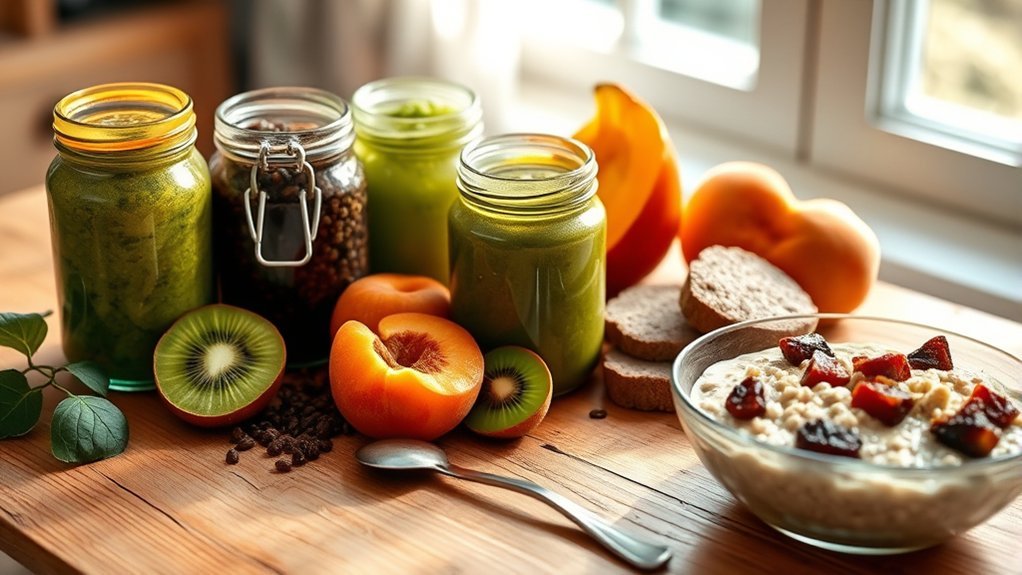
Babies can get iron from both animal and plant foods. The two forms are called heme iron and non-heme iron.
Heme Iron Foods
Heme iron is found in animal foods and is generally absorbed more efficiently than non-heme iron. Baby-friendly options include:
- Finely ground or pureed beef
- Chicken or turkey
- Soft, boneless fish
- Other tender meats prepared to a developmentally appropriate texture
Non-Heme Iron Foods
Plant foods and fortified foods contain non-heme iron. Useful options include:
- Iron-fortified infant cereal
- Lentils
- Beans
- Tofu
- Cooked spinach and other dark green vegetables
- Peas
Iron-fortified infant cereals can provide a meaningful amount of iron, but the amount varies by product and serving size. Check the current Nutrition Facts label rather than assuming every cereal contains the same amount.
Enhancing Iron Absorption in Baby Foods
The type of iron and what you serve with it can affect absorption. This matters most for plant-based and fortified foods containing non-heme iron.
Pairing With Vitamin C
Vitamin C helps the body absorb non-heme iron. The CDC recommends pairing plant-based iron foods with vitamin C-rich fruits and vegetables.
Simple combinations include:
- Iron-fortified oat cereal with mashed strawberries
- Lentils with tomato or mashed sweet potato
- Beans with soft, cooked bell pepper
- Tofu with broccoli
- Iron-fortified cereal with mashed berries or another vitamin C-rich fruit
The improvement in absorption varies by meal, so there is no dependable rule that vitamin C always multiplies absorption by a specific amount.
Pro Tip: When a meal’s main iron source is beans, lentils, tofu, vegetables, or fortified cereal, add a small serving of fruit or vegetables rich in vitamin C.
Choosing Heme Iron Sources
Meat, poultry, and fish contain heme iron, which is absorbed more readily than plant-based non-heme iron. Once a baby is developmentally ready for complementary foods, these foods can be cooked thoroughly and served pureed, mashed, finely ground, or in another safe texture appropriate for the child’s feeding skills.
Heme iron does not need vitamin C to be absorbed, but serving meat alongside fruits and vegetables still adds useful nutrients and variety.
How Cooking Methods Affect Iron-Rich Foods
Cooking does not destroy iron because iron is a mineral. The more important goals are to prepare food safely, maintain a suitable texture, and avoid unnecessary nutrient losses from other ingredients.
- Cook meat, poultry, and fish thoroughly and remove bones, skin, gristle, and tough pieces.
- Cook beans, lentils, and vegetables until they are soft enough to mash or puree.
- Avoid prolonged cooking of vitamin C-rich foods when possible because vitamin C is more sensitive to heat than iron.
- Cast-iron cookware may increase the iron content of some foods, especially acidic foods, but the amount is unpredictable and should not replace reliable dietary or medically recommended iron sources.
The CDC recommends introducing complementary foods at about 6 months when a baby shows developmental readiness and preparing foods in a texture they can safely manage.
Serve Iron-Rich Foods in a Safe Texture
Iron content is only one part of feeding safely. Foods should also match your baby’s chewing and swallowing abilities.
The CDC’s choking-prevention guidance recommends cooking and preparing food to the right shape, size, and texture for the child’s developmental stage.
- Puree, mash, or finely grind meat instead of serving tough chunks.
- Mash whole beans rather than serving firm whole beans to a young infant.
- Remove all bones from fish and poultry.
- Cook firm vegetables until soft.
- Have your baby sit upright and supervise them throughout meals.
Risks of Iron Deficiency in Infants
Iron deficiency can develop when a baby’s iron intake does not keep pace with growth. Risk varies according to feeding method, gestational age, birth weight, dietary intake, and medical history.
Potential signs can include unusual tiredness, increasing fussiness, weakness, pale skin, or unusual cravings for non-food items in older babies and children. These symptoms can have many causes, so iron deficiency should be confirmed with appropriate medical evaluation rather than diagnosed from symptoms alone.
Untreated iron deficiency can progress to iron-deficiency anemia. Adequate iron is also important for neurodevelopment, which is one reason prevention and early detection matter.
When Are Babies Screened for Iron Deficiency?
The AAP updated its screening recommendations in 2026. Routine laboratory screening is now based partly on the baby’s main source of nutrition during the first year:
- Primarily breastfed infants: screening is generally recommended between 9 and 12 months.
- Primarily formula-fed infants: screening is generally recommended between 15 and 18 months.
- Babies with symptoms or additional risk factors: testing may be appropriate earlier or at another time determined by their clinician.
The updated AAP guidance recommends using a complete blood count and serum ferritin when feasible, rather than relying only on a single nonspecific symptom.
Choosing the Right Iron-Fortified Baby Foods
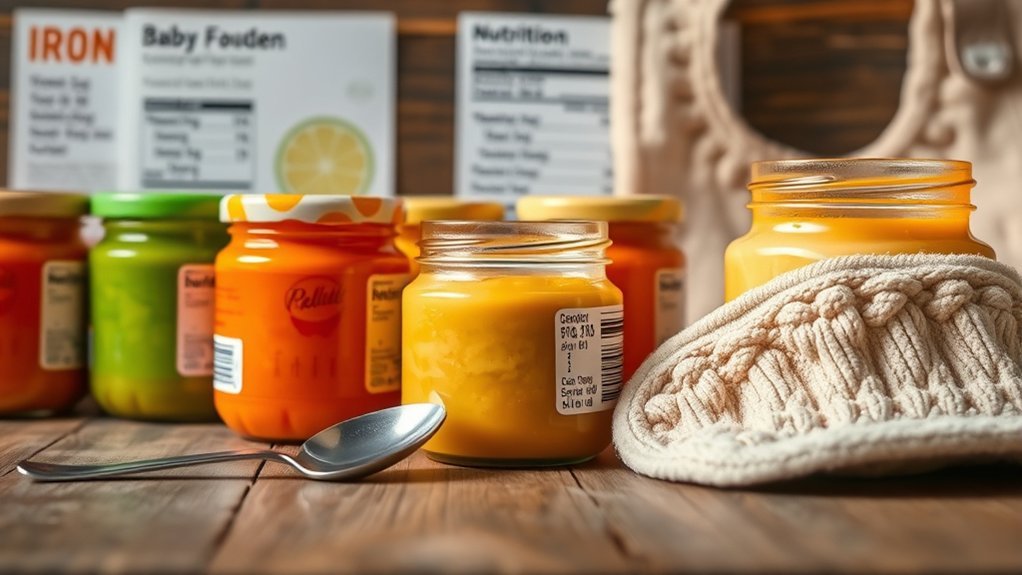
Iron-fortified foods can make it easier to meet a baby’s iron needs, especially during the transition from milk feeding to a wider range of solid foods.
Why Iron Intake Matters
Adequate iron supports:
- Red blood cell production
- Normal oxygen transport
- Brain development
- Physical growth
- Normal energy metabolism
A balanced approach can include both naturally iron-rich foods and fortified foods rather than relying on one item at every meal.
Iron-Rich Food Options
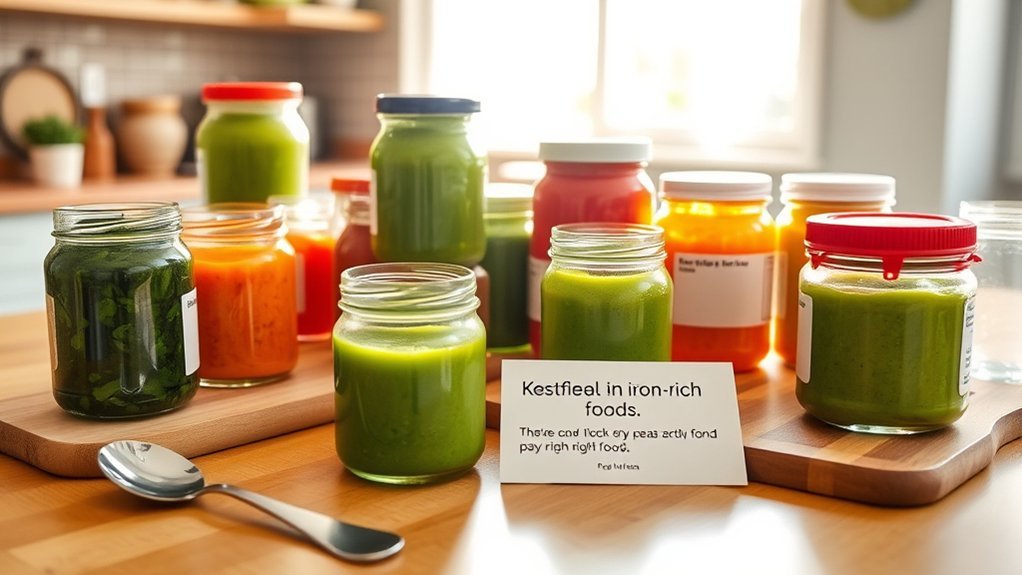
A practical menu might rotate among iron-fortified cereal, beef, poultry, fish, lentils, beans, tofu, and cooked green vegetables. Babies eating mostly plant foods need particular attention because non-heme iron is less readily absorbed.
For a plant-based meal, pairing lentils, beans, tofu, or fortified grains with a vitamin C-rich fruit or vegetable can improve iron absorption.
Note: If you use infant cereal, offer a variety of fortified cereals such as oat, barley, or multigrain rather than relying only on rice cereal. The CDC advises variety because eating only infant rice cereal can increase arsenic exposure.
Reading Nutrition Labels
To compare packaged baby foods, look at:
- Iron: Check the iron amount and percentage listed on the Nutrition Facts panel.
- Serving size: Iron numbers only make sense when you know how much food the serving represents.
- Fortification: Fortified cereals may list an added iron compound in the ingredient list.
- Whole ingredients: Choose foods appropriate for your baby’s developmental stage and avoid unnecessary added sugars.
- Food type: Meat naturally supplies heme iron, while plant foods and fortified cereals mainly provide non-heme iron.
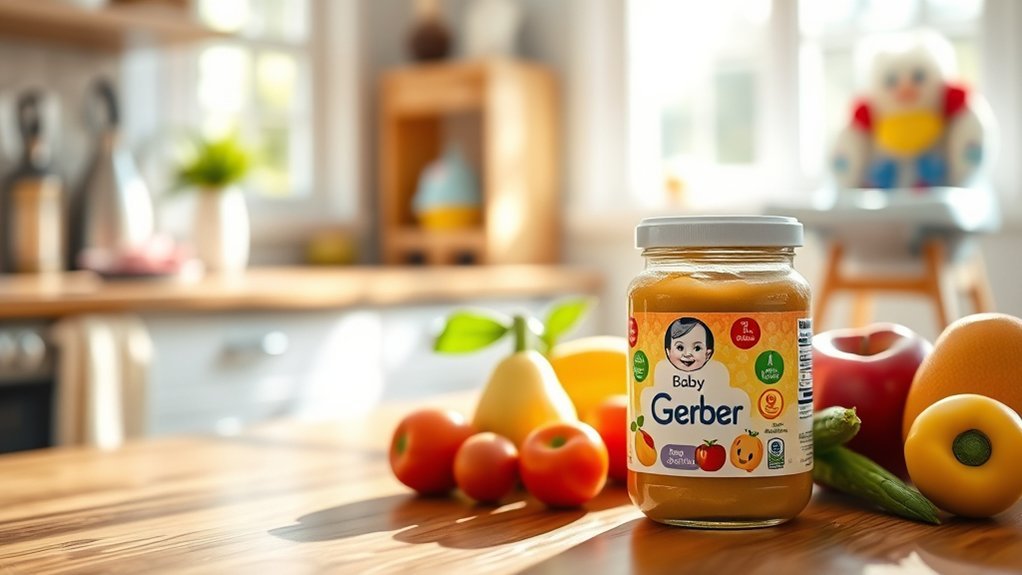
Brand names alone are not a reliable guide to iron content. Products from Gerber, Happy Baby, Earth’s Best, and other manufacturers may differ by recipe, flavor, package size, or reformulation, so compare the current label on the specific product.
Can Babies Have Too Much Iron?
It is difficult for a healthy baby to develop iron toxicity simply from eating normal iron-rich foods. The larger concern is supplemental iron.
The NIH sets a tolerable upper intake level of 40 mg of iron per day for healthy infants from all sources, but that number is not a treatment target. Doctors sometimes prescribe higher therapeutic doses when treating a confirmed deficiency.
Warning: Never give extra iron drops because a baby looks tired or pale. Excess supplemental iron can cause vomiting, abdominal pain, diarrhea, and severe poisoning. Suspected accidental ingestion requires immediate medical or poison-control evaluation.
Frequently Asked Questions
Can I Make My Own Iron-Fortified Baby Food at Home?
You can easily make iron-rich baby food at home using meat, lentils, beans, tofu, vegetables, or other suitable ingredients. True fortification means adding a measured nutrient during manufacturing, so homemade food should not be described as precisely “fortified.” You can also incorporate a commercially iron-fortified infant cereal according to its directions.
Are There Specific Brands Known for High Iron Content?
Iron content can vary even within the same brand, and formulas change over time. Rather than choosing solely by brand name, compare the current Nutrition Facts labels of Gerber, Happy Baby, Earth’s Best, and other products and choose an age-appropriate food that supplies a useful amount of iron.
How Can I Tell if Baby Food Is Iron-Fortified?
Check the Nutrition Facts panel for iron and review the ingredient list. Fortified cereals often list an added form of iron among the ingredients. Do not assume every cereal, pouch, or puree contains the same amount.
Is It Safe to Give My Baby Too Much Iron?
Too much supplemental iron can be harmful and, in large amounts, can cause serious poisoning. Give iron drops only in the dose recommended by your baby’s healthcare professional and keep all supplements securely out of reach.
What Are Signs of Iron Deficiency in Babies?
Possible signs include unusual tiredness, increasing fussiness, weakness, or pale skin, but these symptoms have many possible causes. A healthcare professional can decide whether blood testing is needed to check for iron deficiency or anemia.
Do Formula-Fed Babies Need Iron Supplements?
Most babies who receive standard iron-fortified infant formula can meet their iron needs from formula during the first year. Extra iron should only be given when a healthcare professional recommends it for that child.
When Should Breastfed Babies Start Getting Extra Iron?
The 2026 AAP clinical report recommends iron supplementation for exclusively breastfed term infants by 4 months of age. It also recognizes an alternative of beginning around 6 months when adequate iron-rich complementary foods are introduced. Discuss the best approach with your baby’s pediatrician.
Can a Baby Get Enough Iron From Plant Foods?
It is possible, but it requires more planning because plant-based non-heme iron is absorbed less efficiently. Regularly offer foods such as lentils, beans, tofu, fortified cereal, and green vegetables, and pair them with vitamin C-rich fruits or vegetables. A pediatrician or pediatric dietitian can help assess intake when a baby’s diet is fully or mostly plant-based.
Conclusion
Baby food can provide plenty of iron when you choose the right foods. Iron-fortified infant cereal, meat, poultry, fish, beans, lentils, tofu, and green vegetables can all contribute, while vitamin C-rich foods help the body absorb plant-based iron.
The most important point is that food is only part of the picture. A baby’s iron needs also depend on age, feeding method, birth history, and health. Current AAP guidance calls for particular attention to exclusively breastfed and preterm infants, so discuss supplements and screening with your child’s pediatrician rather than adding iron drops on your own.
Sources
- American Academy of Pediatrics — 2026 Clinical Report on Iron Deficiency and Iron-Deficiency Anemia — current supplementation, prevention, and screening guidance.
- CDC — Iron: Infant and Toddler Nutrition — iron’s role, feeding-method guidance, iron-rich foods, and vitamin C pairing.
- NIH Office of Dietary Supplements — Iron Fact Sheet for Health Professionals — recommended dietary amounts, iron sources, absorption, and tolerable upper limits.
- CDC — When, What, and How to Introduce Solid Foods — complementary-feeding readiness, cereal variety, and food preparation.
- CDC — Choking Hazards — safe food textures, preparation, positioning, and supervision.