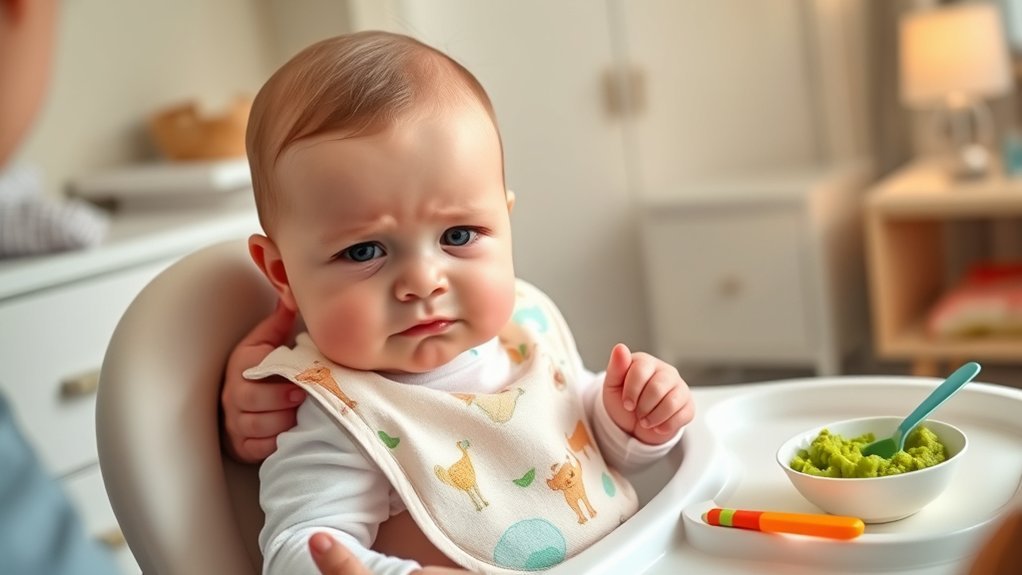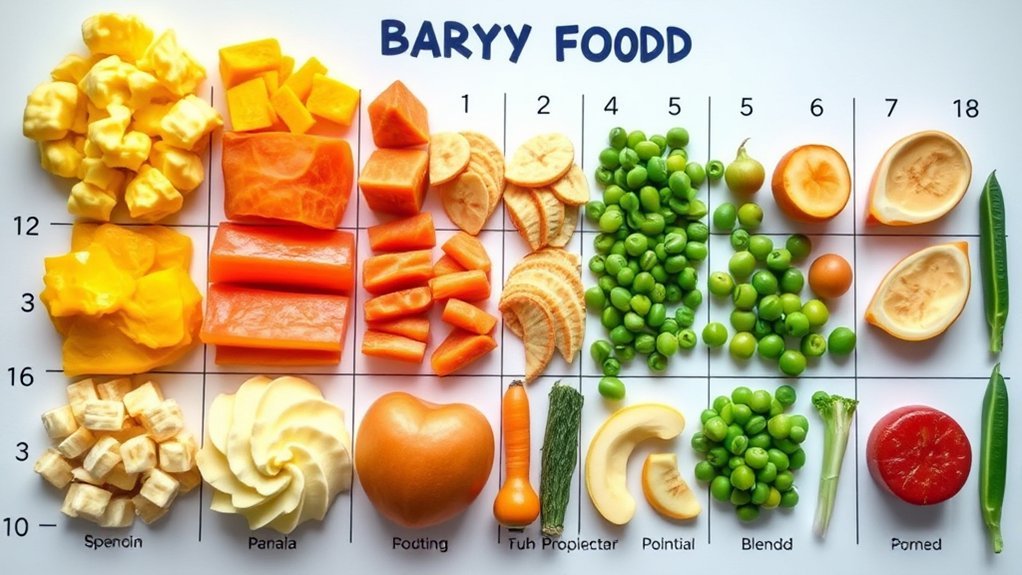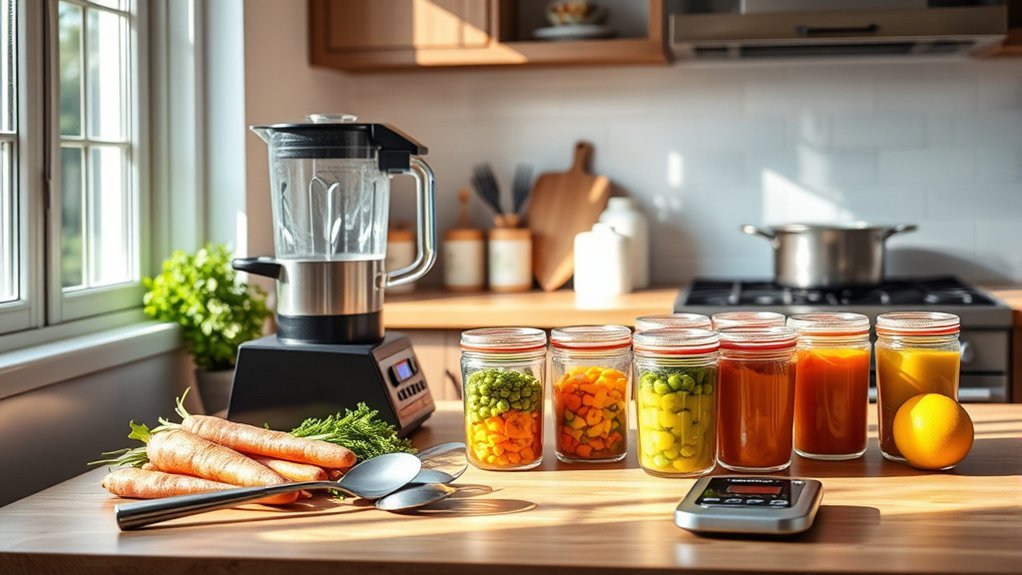
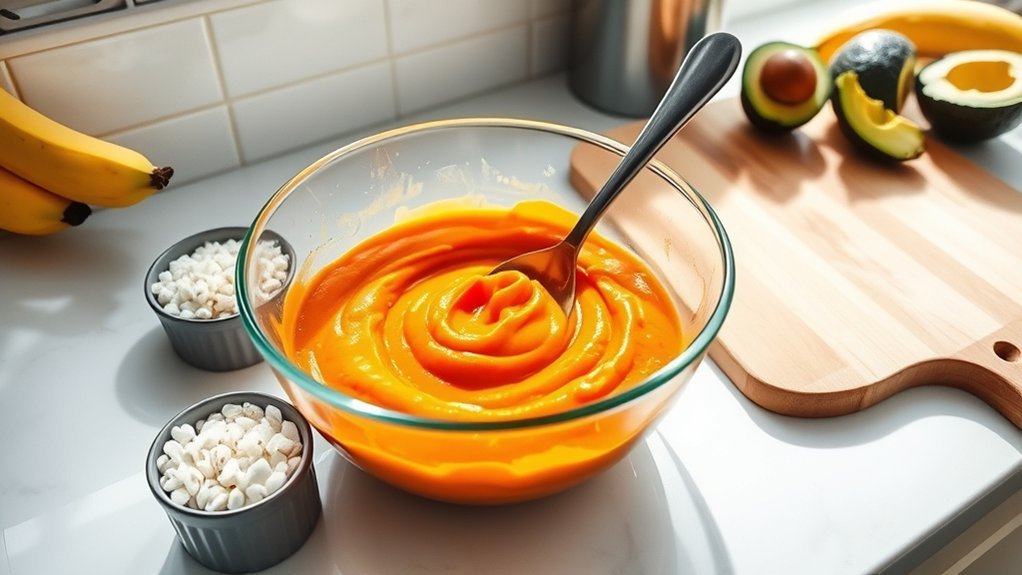
Thin baby food is usually easy to fix, but the goal is not simply to make it as thick as possible. The puree should match your baby’s feeding skills, stay smooth enough to swallow comfortably, and use ingredients your baby is ready to eat. Small, gradual adjustments work better than adding a large amount of thickener at once.
Quick Answer
To thicken baby food puree, stir in a small amount of iron-fortified infant oatmeal, mashed potato or sweet potato, avocado, banana, or smoothly blended lentils. Add a little at a time, blend well, and stop when the puree holds softly on a spoon but still slides off easily.
Key Takeaways
- Thicken puree gradually with baby-appropriate, nutrient-rich foods rather than raw flour or large amounts of starch.
- Iron-fortified oat, barley, or multigrain infant cereal can work well; do not rely only on rice cereal.
- Match the texture to your baby’s developmental readiness instead of following one fixed age for every child.
- Never put cereal or puree in a bottle unless your child’s clinician has specifically directed you to do so.
- Supervise every meal, introduce new ingredients carefully, and follow safe storage and reheating practices.
At a Glance
| Time Required | 2–5 minutes |
| Difficulty | Easy |
| Tools Needed | Bowl, baby spoon, fork or blender |
| Cost | Usually minimal when using foods already prepared |
Note: This guide is for healthy babies who are already developmentally ready for complementary foods. Thickening breast milk, formula, or other liquids for reflux, swallowing difficulty, or poor weight gain is medical treatment and should follow a pediatrician or feeding specialist’s instructions.
Why Thin Baby Food Purees Happen
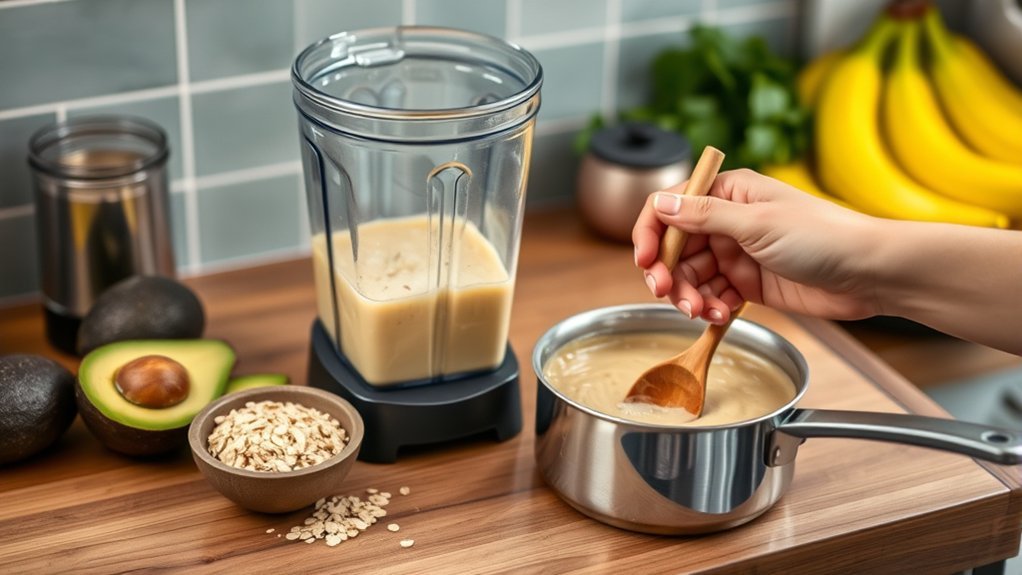
Some fruits and vegetables naturally contain a lot of water. Melon, berries, zucchini, pears, and some cooked greens may release enough liquid to make a puree runny. Extra cooking water, formula, breast milk, or water added during blending can also thin the mixture more than expected.
Frozen puree may separate as it thaws. That change does not automatically mean the food is spoiled. Stir it thoroughly first. If it is still too thin, warm it safely if needed and adjust the texture after thawing, when you can judge the final consistency.
A puree can also seem thin because it has not cooled. Starchy foods such as potato, sweet potato, and infant cereal often thicken slightly as they stand, so wait a minute before adding more.

Power your essentials anywhere with a 999Wh pure sine wave power station delivering up to 1000W continuous with 2000W surge. It supports fast charging via USB-C PD 60W and USB-A QC 18W, plus simultaneous output for multiple devices through AC, USB, wireless, and car/DC ports. Recharge using AC, car, or solar with a built-in MPPT controller and dual cooling fans, while the upgraded battery management system protects against surges, short circuits, and overheating.
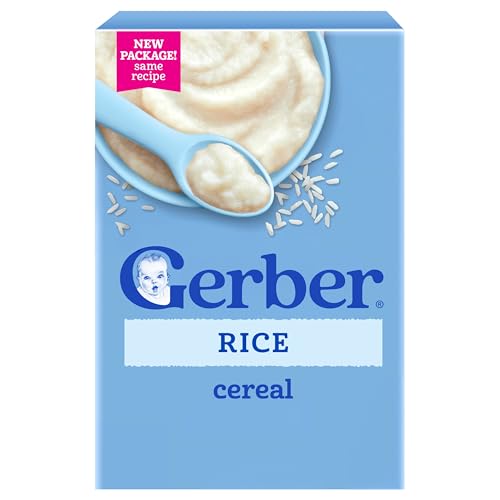
WHOLESOME, HIGH-QUALITY INGREDIENTS Gerber baby rice cereal gives busy parents a convenient, reliable way to provide their little one with high-quality ingredients. Our rice cereal for baby is made with 60% of the daily value of iron to support brain development SNAP and EBT item in eligible states

ONE 8 OZ BOX: One box of organic whole grain oat baby cereal.
Before You Thicken Baby Food
The CDC recommends introducing complementary foods at about 6 months, when a baby shows developmental readiness. Signs include good head and neck control, sitting alone or with support, opening the mouth for food, and swallowing food instead of pushing it back out.
At first, many babies handle smooth mashed, pureed, or strained foods most easily. As their eating skills improve, they can move toward thicker, mashed, lumpy, finely chopped, or ground textures. The right pace depends on the child, not a single calendar date.
Warning: Do not add infant cereal, puree, or any other solid food to a bottle unless your child’s pediatrician or feeding specialist has prescribed it. Bottle thickening can create choking, overfeeding, and flow-rate problems when it is done without clinical guidance.
Best Agents to Thicken Baby Food Purees
Choose a thickener that suits the puree’s flavor, adds useful nutrients, and has already been introduced safely—or introduce it as the only new ingredient in that meal.
| Thickener | Best With | What to Know |
|---|---|---|
| Iron-fortified infant oatmeal or multigrain cereal | Fruit, vegetable, and mixed purees | Adds body quickly. Use cereal made for infants and check the label for allergens and added ingredients. |
| Mashed sweet potato | Carrot, squash, apple, pear, poultry, or lentil puree | Naturally creamy and mildly sweet. Cook until very soft before mashing or blending. |
| Mashed white potato | Savory vegetable, meat, or bean purees | Has a neutral flavor. Blend gently because overmixing can make potato gummy. |
| Banana | Fruit, oatmeal, or plain yogurt puree | Thickens without cooking. Use ripe banana and mash until no firm pieces remain. |
| Avocado | Fruit, vegetable, bean, or egg puree | Adds a creamy texture and fat. Use ripe avocado and serve promptly because it browns. |
| Well-cooked lentils or split peas | Vegetable, meat, or savory mixed purees | Adds protein and fiber. Blend very smooth for a younger or less experienced eater. |
Commercial Baby Cereals
Iron-fortified infant cereal is convenient because it thickens puree without requiring more cooking. Oat, barley, and multigrain infant cereals provide alternatives to rice cereal. The CDC advises offering a variety of fortified cereals rather than feeding only rice cereal because repeated reliance on rice can increase arsenic exposure.
Read the package label and start with a small amount. Stir, wait briefly, and reassess before adding more. Infant cereal keeps absorbing moisture, so a puree that looks right immediately can become much thicker after a minute.
Pro Tip: For everyday culinary thickening, begin with about a teaspoon of thickener in a small serving, stir well, and add more only if needed. This reduces lumps and makes it easier to reverse the change.
Natural Thickening Foods
Mashed potato, sweet potato, banana, avocado, and smoothly blended lentils are useful because they add texture and nutrition at the same time. Pair flavors that already work together, such as pear with banana, squash with sweet potato, or peas with potato.
Use cooked foods that are soft enough to mash easily with a fork. For younger babies, blend until smooth. For babies who are ready for more texture, mash instead of fully pureeing so they can practice managing soft lumps.
Easy Steps to Thicken Baby Purees
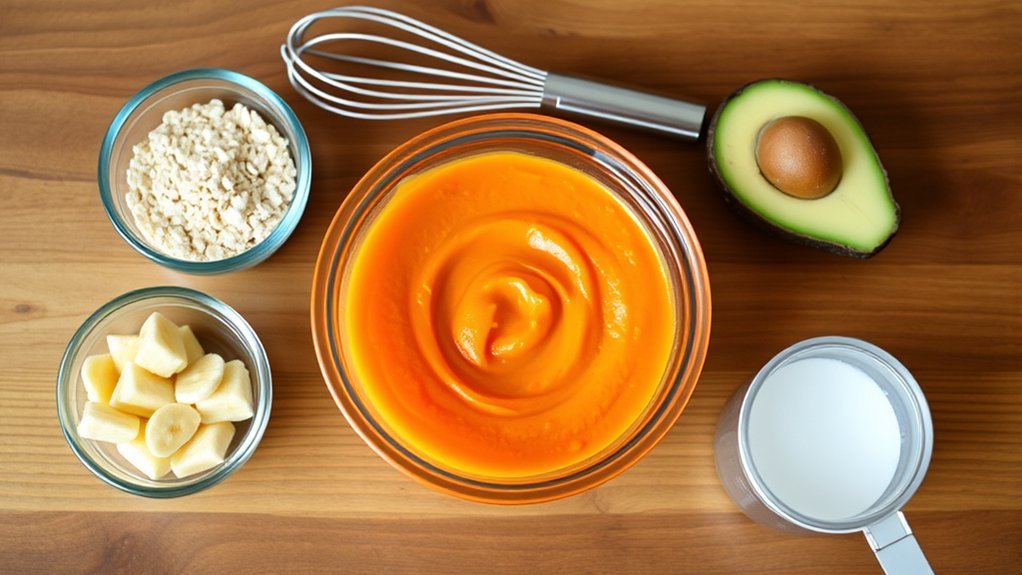
- Check the starting texture. Stir the puree well, especially if it was thawed or reheated.
- Choose one suitable thickener. Use an ingredient your baby already tolerates, or make it the only new ingredient being introduced.
- Add a small amount. Stir or blend until no dry pockets, strings, skins, or firm lumps remain.
- Let it stand briefly. Cereal and potato can continue to absorb liquid after mixing.
- Test the consistency. The puree should sit softly on the spoon yet slide off with a gentle tilt. It should not be gluey, doughy, or difficult to stir.
- Serve a small portion. Seat your baby upright and watch closely throughout the meal.
The safest target is not “as thick as possible.” It is a soft, manageable texture that matches your baby’s current eating skills.
How to Fix Puree That Is Too Thick
Stir in a small amount of breast milk, prepared infant formula, or water, depending on the food and your baby’s stage. Add liquid a little at a time. If the puree contains potato, avoid aggressive blending because that can make it sticky.
Top Mistakes When Thickening Baby Food Purees
Over-Thickening Purees Too Early
A dense or sticky puree may be harder for an inexperienced eater to move around the mouth. Increase thickness gradually and follow your baby’s skills. Repeated coughing, distress, a wet or gurgly voice after swallowing, or trouble gaining weight should be discussed with a pediatrician rather than managed by experimenting with texture at home.
Ignoring Texture Preferences
Some babies accept a thicker puree quickly, while others need several exposures. If your baby turns away, closes the mouth, cries, or pushes the spoon away, pause instead of forcing another bite. Try again later with a familiar flavor and a smaller texture change.
Adding Too Much Cereal at Once
Infant cereal thickens as it absorbs moisture. A large scoop can turn a smooth puree into a paste. Add it slowly, stir thoroughly, and wait before deciding whether the puree needs more.
Using Rice Cereal as the Only Grain
Rice cereal does not have to be a baby’s first or only cereal. The FDA has established an action level for inorganic arsenic in infant rice cereal, and pediatric guidance encourages grain variety. Rotate iron-fortified oat, barley, and multigrain cereals when they suit your baby.
Using Raw Flour or Unnecessary Starches
Raw wheat flour, cornstarch, arrowroot, and tapioca are not the best first choice for routine baby-food thickening. They may create a gummy texture and generally add less nutritional value than infant cereal, potato, lentils, banana, or avocado. Never serve raw flour.
Introducing Several New Ingredients Together
When your baby is starting solids, introduce one single-ingredient food at a time and wait 3 to 5 days before another new food. This makes it easier to spot a reaction. Check cereal labels for wheat, milk, soy, or other ingredients that may already be mixed in.
How to Safely Introduce New Textures
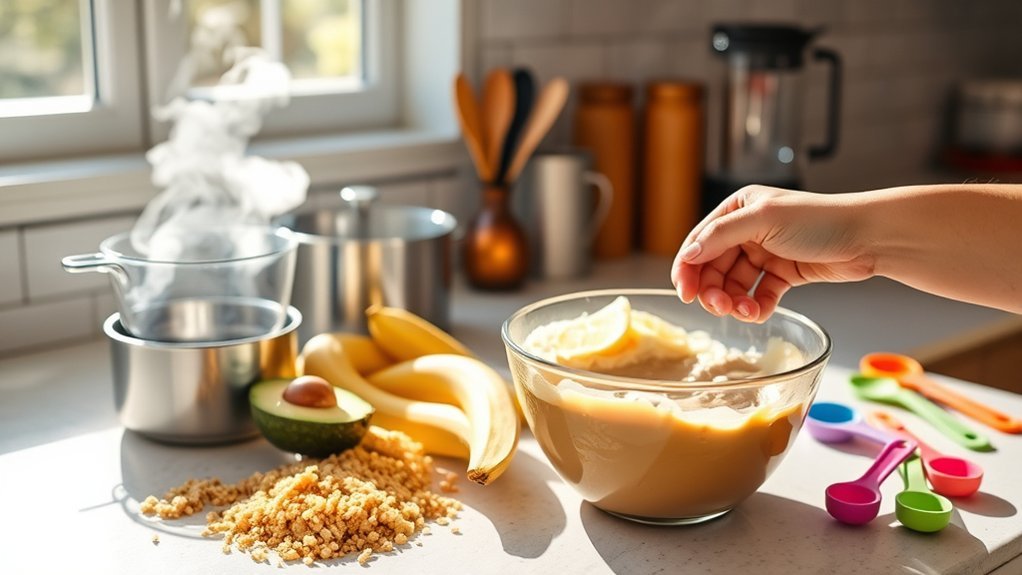
The CDC describes a progression from smooth purees to mashed or lumpy foods and then finely chopped or ground foods as a child’s eating ability develops. You do not have to follow a rigid schedule, but you should keep offering safe chances to practice.
- Start with a familiar puree made only slightly thicker than usual.
- Move from fully blended food to fork-mashed food when your baby manages the earlier texture comfortably.
- Offer soft foods that squash easily between your fingers when your baby can sit upright and bring food to the mouth.
- Keep your baby seated upright in a high chair or another safe feeding seat.
- Families may use spoon-feeding, baby-led weaning, or a combination; the same readiness, food-preparation, supervision, and choking precautions apply.
- Remove distractions and supervise every bite.
Gagging Versus Choking
Gagging can include coughing, sputtering, tongue thrusting, or making noise as a baby learns a new texture. Choking may be silent and can involve an inability to breathe, cry, or cough. Learn infant choking first aid from a qualified course, and call emergency services immediately if your baby cannot breathe.
The CDC recommends preparing food in the right shape, size, and texture for the child’s development, keeping the child seated, and watching at all times during eating.
Tips for Monitoring Your Baby’s Reaction
Watch both feeding skills and possible allergy symptoms. A baby who repeatedly coughs during meals, has a wet-sounding voice after swallowing, takes unusually long to eat, arches in distress, or struggles to gain weight may need a feeding evaluation.
For a new ingredient, watch for hives, swelling, repetitive vomiting, coughing, wheezing, trouble breathing, unusual paleness, or sudden sleepiness. Stop the food and contact your child’s clinician for concerning symptoms. Call 911 for trouble breathing, swelling of the lips or tongue, blue or pale skin, collapse, or another severe reaction.
Warning: Thickening food at home is not a substitute for an evaluation when a baby has swallowing problems, frequent choking, recurrent chest infections, significant reflux symptoms, or poor growth.
Safe Storage, Freezing, and Reheating
You can freeze many thickened purees, but texture may change after thawing. For the best control, freeze the base puree and add cereal, avocado, banana, or another thickener after thawing. Potato-based purees may become grainy or watery and usually improve after gentle stirring.
- Store homemade baby food in the refrigerator for 1 to 2 days or in the freezer for 1 to 2 months, following FoodSafety.gov guidance.
- Thaw frozen puree in the refrigerator, not on the counter.
- Reheat only the portion you plan to serve, stir well, and test that it is lukewarm with no hot spots.
- Serve food in a separate bowl. Discard leftovers from the bowl after feeding because saliva can introduce bacteria.
- Do not repeatedly reheat the same serving.
Troubleshooting Common Puree Texture Problems
| Problem | Likely Cause | Fix |
|---|---|---|
| Watery after thawing | Natural separation | Stir first, then add a small amount of thickener if needed. |
| Lumpy cereal | Too much added at once | Whisk in a little liquid or pass the puree through a fine sieve. |
| Gluey potato puree | Overblending released excess starch | Fold in another soft puree and use a fork instead of a high-speed blender. |
| Baby refuses the new texture | Change was too large or baby is tired or full | Return to a familiar texture and try a smaller change another day without pressure. |
| Puree becomes too thick while sitting | Cereal or starch continued absorbing liquid | Stir in a small amount of breast milk, prepared formula, or water before serving. |
Frequently Asked Questions
Can I use store-bought puree to thicken homemade baby food?
Yes. Choose a smooth, age-appropriate puree with ingredients your baby can eat. A thicker sweet potato, banana, squash, or avocado puree can add body to a thinner homemade batch. Check the label for added sugar, sodium, and allergens.
What is the best age to introduce thicker purees?
Most babies begin complementary foods at about 6 months when they show readiness. Start with a manageable texture and make purees thicker or lumpier as your baby’s chewing and swallowing skills develop. There is no single age that fits every baby.
Are there allergens in common puree thickeners?
They can be. Infant cereals may contain wheat, milk, or soy, and any food can cause a reaction. Read labels, introduce one new ingredient at a time, and ask your pediatrician about peanut introduction if your baby has severe eczema or an egg allergy.
How can I tell if baby food puree is too thick?
It may be too thick if it is doughy, gluey, difficult to stir, or stays stuck to an upside-down spoon. Thin it gradually until it holds softly on the spoon but slides off with a gentle tilt. Stop feeding and seek advice if your baby repeatedly coughs or struggles to swallow.
Can I freeze thickened purees for later use?
Yes, although some purees separate or become grainy after thawing. Freeze in small portions, label the date, thaw in the refrigerator, stir well, and adjust the texture before serving. Homemade baby food is generally stored for 1 to 2 months in the freezer.
Should I use rice cereal to thicken baby food?
Rice cereal can be used as one option, but it should not be the only grain offered. Choose iron-fortified infant cereal and rotate oat, barley, and multigrain varieties to support dietary variety and reduce repeated rice exposure.
Can I put thickened puree or cereal in a bottle?
Not for routine feeding. Do not put cereal or puree in a bottle unless your baby’s pediatrician or feeding specialist has prescribed a specific recipe and feeding method for a medical reason.
Conclusion
To thicken baby food puree safely, make small changes and use foods that fit your baby’s stage. Iron-fortified infant oatmeal, potato, sweet potato, banana, avocado, and smooth lentils can all improve consistency. Keep the puree soft, supervise every meal, introduce new ingredients carefully, and seek professional advice when swallowing, reflux, allergy, or growth concerns are involved.
Sources
- CDC: When, What, and How to Introduce Solid Foods — readiness signs, first foods, allergen introduction, and safe food preparation.
- CDC: Tastes and Textures — progression from smooth purees to mashed and chopped foods.
- CDC: Choking Hazards — food preparation, seating, and supervision guidance.
- American Academy of Pediatrics: Starting Solid Foods — cereal, bottle safety, iron-rich foods, and feeding practices.
- FDA: Inorganic Arsenic in Infant Rice Cereals — the federal action level and rationale for reducing exposure.
- FoodSafety.gov: Children Under Five — safe storage and reheating of pureed baby food.