Avocado is easy to mash into creamy baby food, but its bright green color begins changing as soon as the flesh meets air. You can slow that browning by preparing a small batch, limiting air exposure, refrigerating it promptly, and freezing any puree you will not use within one or two days.
Quick Answer
To keep avocado baby food from turning brown, transfer it immediately to a clean airtight container and press a food-safe cover directly against the surface. Refrigerate it at 40°F (4°C) or below and use it within one to two days. A small amount of lemon or lime juice is optional.
Key Takeaways
- Air causes avocado puree to brown, so fill the storage container with as little empty space as possible.
- Press food-safe wrap or reusable food-grade film directly against the puree before sealing the container.
- Refrigerate homemade avocado baby food promptly and use it within one to two days.
- Freeze extra puree in small portions instead of making a large refrigerated batch.
- A little lemon or lime can slow browning, but it is optional and should not make the puree noticeably sour.
- Discard any puree that has touched the baby’s used spoon rather than returning it to storage.
At a Glance
| Time Required | 5–10 minutes |
| Difficulty | Easy |
| Tools Needed | Knife, spoon, fork or blender, clean bowl, and airtight container |
| Cost | Low; mainly the cost of one ripe avocado |
Warning: Offer avocado only when your baby is developmentally ready for solid foods, which is usually around 6 months. Introducing solid food before 4 months is not recommended. Ask your pediatrician for individual guidance if your baby was born prematurely or has feeding, swallowing, growth, or allergy concerns.
Why Avocado Puree Turns Brown and How to Prevent It
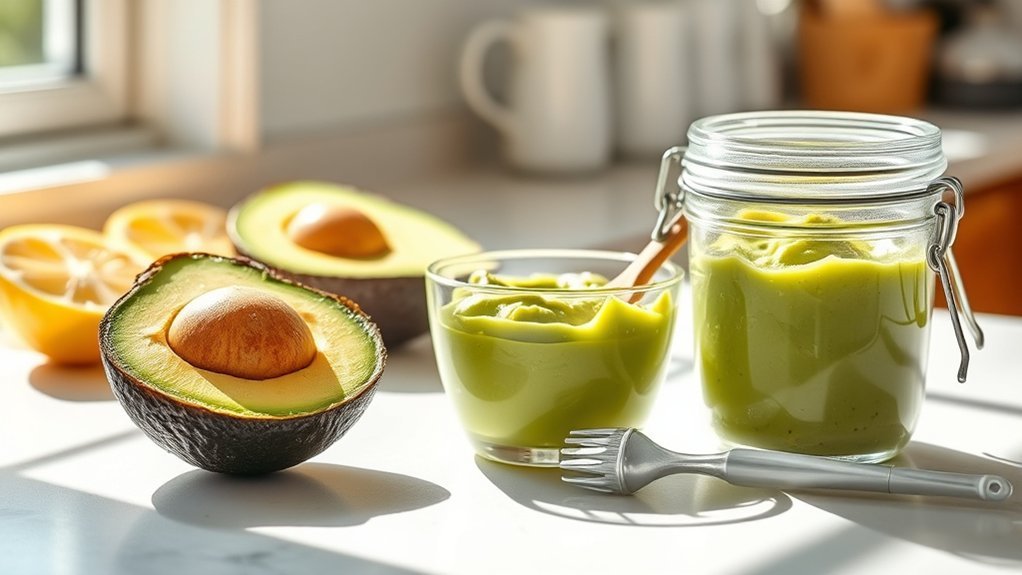
Avocado flesh contains enzymes that react with oxygen after the fruit is cut. This process, called enzymatic oxidation, creates brown pigments on the exposed surface. Refrigeration slows the reaction, but it does not stop it completely.
The most reliable way to preserve the green color is to reduce the amount of air touching the puree. Move the puree into its container as soon as it is prepared, smooth the surface, and seal it with as little empty space as possible.
Most Effective Browning-Prevention Methods
- Limit air exposure: Use a small container that closely matches the amount of puree.
- Cover the surface: Press food-safe wrap directly against the puree before adding the lid.
- Keep it cold: Refrigerate the covered puree immediately.
- Freeze extra portions: Freeze anything you will not use within one to two days.
- Use citrus only if desired: A small amount of lemon or lime juice can slow browning, but it may change the flavor.
Pro Tip: Divide the puree into single-serving portions before storing it. You can remove one portion without exposing the rest of the batch to air or a used feeding spoon.
Does the Avocado Pit Stop Browning?
Leaving the pit in an unused avocado half protects only the small area directly beneath the pit. It does not stop the remaining exposed flesh from browning, and placing a pit in a bowl of puree does not create an airtight barrier. A close-fitting container and direct surface cover work better.
How to Choose the Perfect Ripe Avocado for Puree
A ripe avocado produces a smoother puree and requires less added liquid. Check its firmness, skin, stem area, and flesh rather than relying on color alone.
Look for Gentle Firmness
Hold the avocado in your palm and apply gentle, even pressure. A ripe avocado should yield slightly without feeling mushy. Avoid squeezing it with your fingertips because that can bruise the flesh.
Skip fruit with deep dents, leaking areas, extensive soft spots, or a sour smell. A hard avocado is likely underripe and may produce a gritty or lumpy puree.
Check the Skin and Stem
Hass avocados often darken as they ripen, but many other varieties stay green. Treat skin color as one clue rather than a final test.
If the small stem cap comes away easily, look at the flesh beneath it. Green flesh usually suggests usable fruit. Brown flesh beneath the stem may indicate overripeness, although you still need to inspect the avocado after cutting it.
Inspect the Flesh After Cutting
Fresh avocado flesh should look green to yellow-green and smell mild. Cut away a small isolated bruise if the surrounding flesh looks and smells normal. Discard the avocado if you see mold, widespread black decay, stringy rot, leaking flesh, or a sour or rancid odor.
Step-by-Step Process to Make Fresh Avocado Puree

Avocado does not need to be cooked before pureeing, but clean handling is important because bacteria on the peel can be transferred to the flesh when you cut it.
- Wash your hands and equipment. Clean your knife, spoon, bowl, blender or food processor, storage container, and work surface with hot soapy water.
- Rinse the avocado. Rub it under plain running water and dry it with a clean towel. Do not use soap, bleach, or produce detergent.
- Cut and pit it. Slice the avocado lengthwise, separate the halves, and remove the pit carefully.
- Scoop out the flesh. Transfer it to a clean bowl without scraping damaged peel into the food.
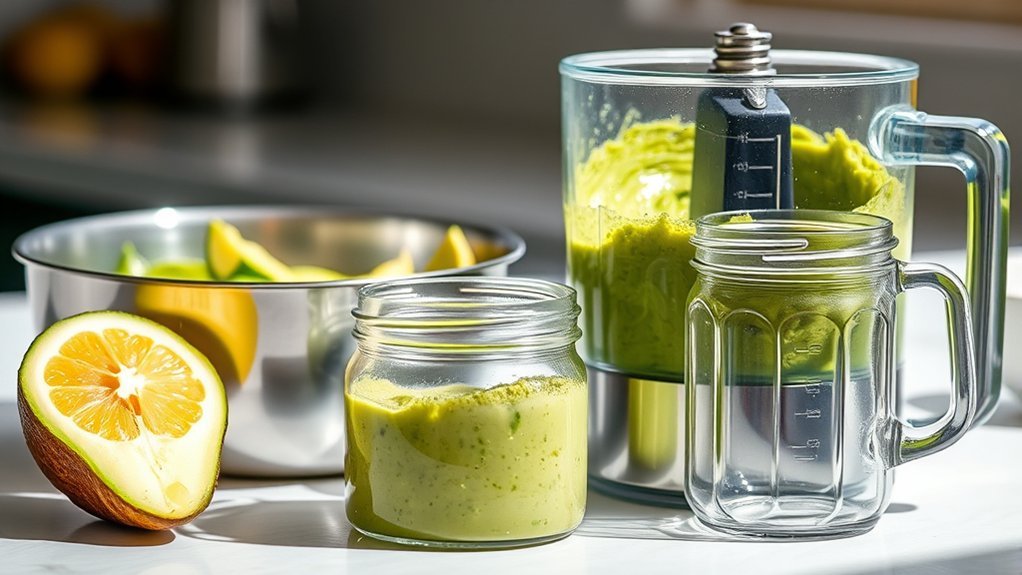
- Mash or blend. Use a fork for a thicker texture or a blender for a smoother puree.
- Adjust the texture. Add a small amount of water, prepared formula, or breast milk as needed. Add liquid gradually so the puree does not become runny.
- Add optional citrus. Stir in a few drops of lemon or lime juice if your baby has already tolerated citrus and you want extra browning control. Stop before the puree tastes noticeably sour.
- Serve or store immediately. Place the serving in a separate dish and refrigerate or freeze the untouched remainder.
The U.S. Food and Drug Administration recommends washing produce under running water before peeling or cutting it. This helps prevent contaminants on the peel from being carried into the flesh by the knife.
Blending Techniques Explained
For a newly introduced puree, blend the avocado until no firm lumps remain. As your baby develops better chewing and swallowing skills, you can gradually offer a thicker mash that matches those skills.
A high-speed blender may not work well with one small avocado because the blades can sit above the food. A fork, small food processor, immersion blender, or narrow blending cup may be easier.
If you use breast milk or prepared formula, mix only the amount you expect to serve or store promptly. Never add dry formula powder directly to the puree as a substitute for preparing it according to the formula label.
Note: A few drops of citrus used as an ingredient are different from serving juice as a drink. The CDC advises that babies younger than 12 months should not be given fruit or vegetable juice as a beverage.
Storage Tips for Avocado Puree
Proper storage protects more than the color. It also reduces the risk of bacteria multiplying in food prepared for a young child.
How to Refrigerate Avocado Baby Food
- Transfer the puree to a clean, airtight container immediately after preparation.
- Choose a container that leaves little empty air space above the food.
- Smooth the top and press food-safe wrap directly against the surface.
- Seal the lid and label the container with the preparation date.
- Keep the refrigerator at 40°F (4°C) or below.
- Use homemade avocado baby food within one to two days.
FDA baby-food safety guidance lists homemade baby food for one to two days of refrigerator storage.
How to Freeze Avocado Baby Food
For longer storage, spoon the fresh puree into a clean covered ice cube tray or small freezer-safe containers. Leave a little expansion space in rigid containers.
Once tray portions are frozen solid, move them to a labeled freezer bag or airtight freezer container. Remove excess air, write the preparation date on the package, and return it to the freezer promptly.
For best quality, use frozen portions within one to two months. FDA guidance permits frozen homemade baby food to be stored for up to three months, but avocado may lose color and creamy texture sooner.
How to Thaw Frozen Avocado Puree
Thaw only the amount you need in the refrigerator. For faster thawing, place the sealed container under cold running water. Stir the puree well before serving because a little liquid separation is normal.
Do not thaw baby food on the counter. Do not refreeze a thawed portion, and discard any food left in the serving dish after feeding.
The safest storage system is simple: portion first, chill quickly, label the container, and keep the baby’s used spoon out of the stored batch.
Follow the Two-Hour Rule
Refrigerate or freeze prepared puree promptly. Discard it if it has been left at room temperature for more than two hours. In temperatures above 90°F (32°C), use a one-hour limit.
Warning: Never return puree from the baby’s bowl to the storage container. Saliva transferred by the spoon can contaminate the food. Place a small portion in a separate dish and discard whatever remains in that dish.
How to Tell Browning From Spoilage
A thin brown or olive-colored surface can result from oxidation, especially when the puree has been stored with a small air pocket. That color change alone does not prove the puree is spoiled.
However, appearance is only one safety check. Discard the puree when:
- It has exceeded the recommended refrigerator time.
- It sat out longer than the safe time limit.
- It has touched a used feeding spoon.
- You see mold, bubbling, or unusual discoloration throughout the container.
- It feels slimy or unusually stringy.
- It smells sour, fermented, rancid, or otherwise abnormal.
- You are uncertain about how it was handled or stored.
Do not rely on tasting questionable baby food to decide whether it is safe. When in doubt, discard it and prepare a fresh portion.
Use Leftover Avocado Puree Creatively
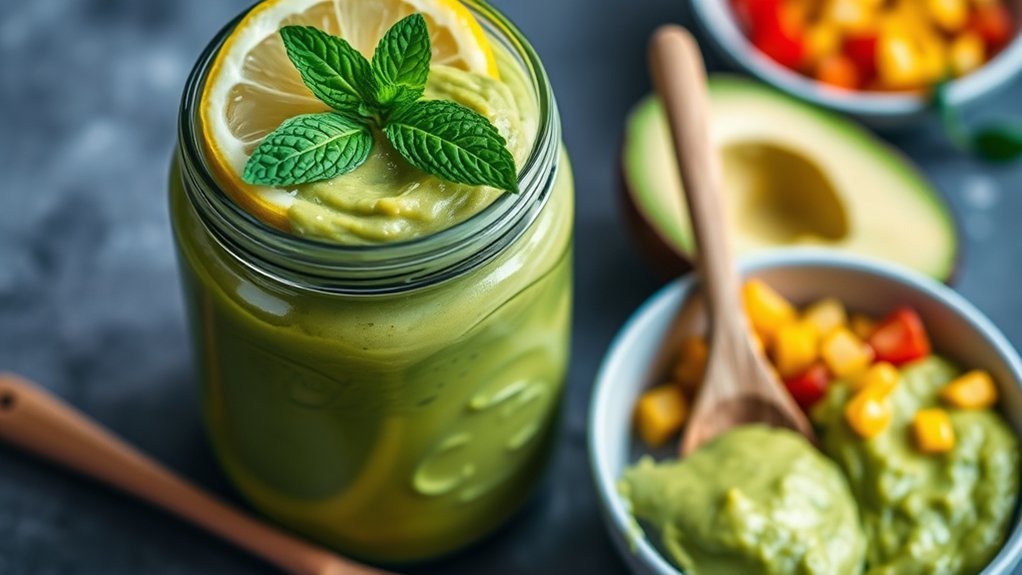
Untouched avocado puree can be used in other foods before its safe storage time expires. Do not reuse puree that has been in the baby’s serving dish or contacted a used spoon.
You can blend thawed puree into smoothies for a creamy texture, or mix it with olive oil, vinegar, and seasonings to make salad dressing. It can also add moisture to muffins or pancakes.
Spread it on toast or sandwiches in place of butter or mayonnaise, or stir it into soups, dips, pasta sauces, or other savory dishes. These options reduce waste without extending the puree beyond its safe storage period.
Nutritional Benefits of Avocado Puree
Avocado has a soft texture and contains mostly unsaturated fat, along with fiber, folate, potassium, magnesium, and vitamins E and K. Its mild flavor also makes it easy to combine with other complementary foods.
| Nutrient or Feature | Role in a Balanced Diet |
|---|---|
| Unsaturated fat | Provides energy and helps the body absorb fat-soluble nutrients. |
| Fiber | Supports normal digestion as a varied diet develops. |
| Folate | Helps the body produce and maintain new cells. |
| Potassium and magnesium | Support normal muscle, nerve, and body functions. |
| Soft texture | Can be mashed or blended to match a baby’s developing eating skills. |
The Harvard T.H. Chan School of Public Health identifies avocado as a source of monounsaturated fat, fiber, folate, potassium, magnesium, and several vitamins.
Avocado is not a significant source of iron, so it should be part of a varied complementary diet rather than the only regularly offered food. Continue breast milk or infant formula and include age-appropriate iron-rich foods according to your pediatrician’s guidance.
Avocado Puree Troubleshooting
Why Does the Puree Brown Immediately?
The puree probably has a large surface area exposed to air. Transfer it to a smaller container, smooth the top, press a food-safe cover onto the surface, and seal it promptly.
Why Is the Puree Gritty or Lumpy?
The avocado may be underripe. Blend it longer and add liquid a teaspoon at a time. If it remains hard or bitter, use a riper avocado rather than forcing a smooth texture with excessive liquid.
Why Is Thawed Puree Watery?
Freezing can separate some water from the avocado solids. Stir the thawed puree thoroughly. If it remains too thin, mix it with fresh mashed avocado or another age-appropriate food immediately before serving.
Why Does the Puree Taste Too Sour?
Too much lemon or lime was added. Citrus is optional, so use only a few drops at a time or skip it and rely on airtight storage and freezing.
Frequently Asked Questions
Can I freeze avocado baby food to prevent browning?
Yes. Freeze fresh puree promptly in covered single-serving portions, then transfer the frozen portions to a dated airtight container. Freezing slows browning, although the puree may be slightly softer or more watery after thawing.
How long does avocado baby food last in the refrigerator?
Use homemade avocado baby food within one to two days when it has been refrigerated promptly at 40°F (4°C) or below. Discard it sooner if it sat out too long, contacted a used spoon, developed mold, or smells abnormal.
Is brown avocado puree safe for a baby?
A thin brown surface may be ordinary oxidation, but color alone cannot prove safety. Check the storage time and handling history. Discard puree that is old, moldy, slimy, sour-smelling, fermented, or contaminated by a used feeding spoon.
Can lemon juice help keep avocado puree green?
Yes. Its acidity can slow enzymatic browning, but it is optional. Add only a few drops at a time so the puree does not become sour, and use it only after your baby has tolerated citrus or after discussing concerns with your pediatrician.
Does storing the avocado pit with the puree stop browning?
No. The pit protects only the food directly beneath it and does not seal the rest of the puree from oxygen. A small airtight container with a cover pressed against the surface is more effective.
Can I blend avocado with breast milk or formula?
Yes, a small amount can be used to adjust the texture. Prepare formula exactly as its label directs before mixing it into food. Store the mixture promptly, never return a fed portion to the refrigerator, and discard leftovers from the serving dish.
What other fruits turn brown after cutting?
Apples, bananas, pears, peaches, and several other fruits can brown after their cut surfaces meet oxygen. Acidic juice and reduced air exposure can slow the process, although storage limits still apply.
Can I save avocado puree left in the baby’s bowl?
No. Once the feeding spoon has gone into the baby’s mouth and returned to the bowl, saliva may introduce bacteria. Discard the remaining food instead of mixing it into the untouched stored batch.
Conclusion
To keep avocado baby food green for as long as possible, focus on limiting air rather than relying on one ingredient. Prepare a small amount, place it in a close-fitting airtight container, cover the surface directly, and refrigerate it immediately. Freeze extra portions instead of holding a large batch in the refrigerator.
Use refrigerated homemade puree within one to two days, follow safe handling practices, and discard anything contaminated by a used feeding spoon. A little lemon or lime may slow browning, but clean preparation, cold storage, and minimal air exposure matter most.
Sources
- U.S. Food and Drug Administration: Once Baby Arrives — baby-food preparation, storage, freezing, equipment cleaning, and serving safety.
- Centers for Disease Control and Prevention: Introducing Solid Foods — developmental readiness and timing for complementary foods.
- U.S. Food and Drug Administration: Cleaning Fruits and Vegetables — washing produce before cutting or peeling.
- North Dakota State University Extension: Food Freezing Guide — avocado selection, freezing, and acidic anti-browning ingredients.
- Harvard T.H. Chan School of Public Health: Avocados — avocado nutrients and dietary characteristics.