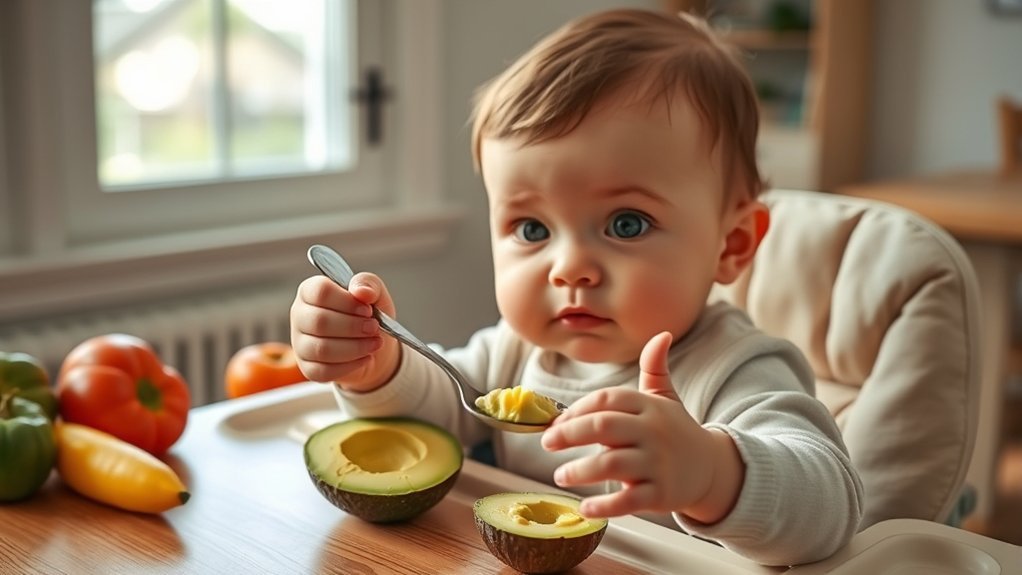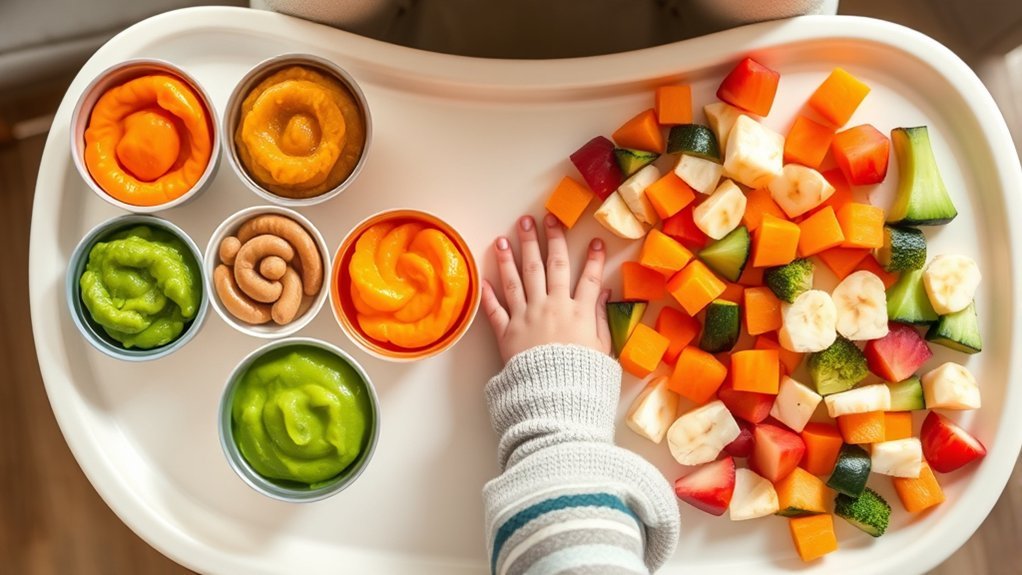

Keeping baby food cold while traveling requires more than placing a container in an ordinary bag. Perishable baby food should stay at or below 40°F (4°C) from the time it leaves the refrigerator until it is served. An insulated cooler, at least two frozen cold sources, leak-resistant containers, and a cooler thermometer provide the safest setup.
Quick Answer
Pack chilled or frozen baby food in a pre-cooled insulated bag with at least two frozen gel packs—one above and one below the food. Keep the cooler at or below 40°F (4°C), limit how often it is opened, and discard perishable food that exceeds safe time and temperature limits.
Key Takeaways
- Keep perishable baby food at or below 40°F (4°C) during travel.
- Use an insulated cooler with at least two cold sources placed above and below the food.
- Pack food directly from the refrigerator or freezer and keep the cooler closed, shaded, and out of a hot car.
- Use a cooler thermometer instead of relying on how cold the containers feel.
- Discard food left above 40°F for more than two hours, or more than one hour when the temperature is above 90°F (32°C).
- Serve a small portion in a clean bowl and discard anything that has contacted the baby’s mouth or used spoon.
At a Glance
| Time Required | 10–15 minutes to pack; overnight freezing is optional |
| Difficulty | Easy |
| Tools Needed | Insulated cooler, two or more frozen cold sources, leak-resistant containers, and a cooler thermometer |
| Cost | Varies; there may be no added cost if you already own a cooler and reusable ice packs |
How to Prevent Bacterial Growth in Baby Food
Temperature control is especially important when preparing food for babies and young children. Their immune systems are still developing, which puts them at greater risk of serious illness from foodborne germs. The Centers for Disease Control and Prevention recommends following clean, separate, cook, and chill practices when preparing food for children under five.

Cold perishable food should remain at or below 40°F (4°C). Temperatures between 40°F and 140°F are known as the food-safety danger zone because bacteria can multiply rapidly within that range. The USDA danger-zone guidance recommends keeping cold food on ice or under refrigeration.
If baby food rises above 40°F, do not leave it unrefrigerated for more than two hours. Reduce that limit to one hour when the outdoor or vehicle temperature is above 90°F (32°C). These limits are cumulative, so placing food back on ice does not restart the clock.
Warning: Never use 40°C as the cold-storage limit. Forty degrees Celsius equals approximately 104°F, which is far too warm for safely holding perishable baby food. The correct limit is 40°F, or about 4°C.
Young children are more vulnerable to food poisoning, so maintaining a reliable cold chain is a safety step—not simply a way to preserve taste or texture.
Choosing the Best Cooler Bag for Baby Food
The best cooler is one that can hold all food, cold sources, and a thermometer without being overfilled or leaving large pockets of warm air. It should close securely, resist leaks, and be easy to clean after a spill.
Insulation Quality Matters
Choose a well-insulated soft-sided bag or hard cooler designed for perishable food. Avoid relying on marketing promises such as “six hours of cooling” unless the manufacturer states the test conditions. Outdoor temperature, packing method, ice quantity, cooler size, and how often the lid is opened all affect performance.
A cooler with an easy-to-clean lining is useful for baby food because puree, yogurt, milk, and fruit can leak. Seams should be intact, and the zipper or lid should close fully.
Size and Portability Considerations
Select a size that fits the number of meals you need without leaving excessive empty space. A compact cooler is easier to carry and may fit beneath a stroller, but it still needs room for cold sources around the food.
- For short outings: A small insulated lunch bag may be sufficient when packed with two frozen gel packs.
- For day trips: Use a larger cooler with extra ice or frozen gel packs and a thermometer.
- For long drives: Choose a cooler that can be opened without unpacking the entire car, and plan where you can replace melted ice.
Note: A hard cooler may retain cold longer than a thin lunch bag, but no cooler is safe for a guaranteed number of hours unless the food’s actual temperature is monitored.
Essential Tips for Preparing Baby Meals for Travel

Prepare food with clean hands, clean utensils, and sanitized food-contact surfaces. Chill freshly cooked baby food promptly in shallow containers before packing it. Do not place warm food directly into a travel cooler and expect the ice packs to cool it safely.
Pre-portion meals into leak-resistant containers or reusable food-grade silicone pouches. Dividing food into individual servings reduces repeated opening, limits contamination, and makes it easier to remove only what the baby will eat.
Pack meals directly from the refrigerator or freezer immediately before leaving. Frozen portions can act as an additional cold source while they thaw, provided the cooler remains at or below 40°F.
Pro Tip: Chill the empty cooler before packing it. Place it in a refrigerator when space allows, or cool the interior with spare ice packs and remove them immediately before adding the food.
How to Pack Baby Food Containers to Keep Them Cold
The USDA recommends at least two cold sources for perishable food packed in an insulated lunch bag. Positioning one below and one above the food helps cool it from both directions.
- Chill everything first. Refrigerate or freeze the baby food and chill the containers before packing.
- Place a frozen cold source on the bottom. Use a frozen gel pack, sealed bag of ice, or another clean frozen cold source.
- Add the food containers. Keep them upright and close together to limit warm air pockets.
- Fill empty spaces. Add extra frozen packs or sealed ice around the sides when needed.
- Place a second cold source on top. Cold air sinks, so the upper pack helps maintain a more even temperature.
- Add a cooler thermometer. Position it where it can be read without leaving the cooler open for long.
- Close the cooler securely. Keep it shaded and open it only when removing a meal.
Choose Insulated Containers Wisely
For cold food, leak-resistant food containers placed inside an insulated cooler are usually more useful than an insulated food flask by itself. A flask may slow temperature change, but it still needs to be pre-chilled and verified to keep the food at or below 40°F.
Choose food-grade containers with tight lids. Reusable silicone pouches are lightweight and compact. Freezer-safe plastic containers are less likely to break in transit. Glass containers can work, but they should be specifically rated for freezing, protected from impact, and given enough headspace for food expansion.
Pack Ice Packs Strategically
Flexible frozen gel packs can mold around containers and increase surface contact. Place cold sources on the bottom, top, and sides rather than stacking every meal above a single pack.
Avoid packing only one small ice pack beside several warm or room-temperature items. Keep beverages in a separate cooler when possible because a frequently opened drink cooler warms faster.
Layer Foods for Stability
Place heavier, durable containers at the bottom and lighter pouches above them. Keep lids upright, and fill gaps so containers do not tip during travel. A clean towel can stabilize containers, but it should not form a thick insulating barrier between the food and cold sources.
Store utensils in a clean, sealed bag. Keep diapers, wipes used for diapering, and other contamination risks in a separate compartment or bag.
Why Ice Packs Are Crucial for Keeping Baby Food Cold
An insulated cooler slows heat transfer, but it does not create cold on its own. Ice, frozen gel packs, or frozen food portions absorb heat entering the cooler and help keep the interior at a safe temperature.
Use enough cold material to surround the food. A fuller cooler generally maintains temperature better than a mostly empty one because there is less warm air circulating inside. Replace melting ice during long trips, and drain loose water only when necessary to prevent leaks or contaminated container lids.
Do not place the cooler in direct sunlight, next to a heater, or in a parked car. Keep it in the air-conditioned passenger area when driving. A vehicle trunk can become dangerously hot even when the outdoor temperature feels moderate.
Freezing Baby Food Portions for Extended Freshness

Freezing baby food in small portions can reduce waste and help it remain cold longer during travel. According to the FDA’s baby-food safety guidance, homemade baby food can be frozen in an ice cube tray, transferred to an airtight container or freezer bag, labeled, and stored for up to three months.
Portioning for Easy Use
- Spoon cooled baby food into clean ice cube trays or small freezer-safe containers.
- Cover the portions and freeze them promptly.
- Transfer frozen cubes to a labeled freezer bag or airtight container.
- Write the food name and freezing date on the package.
- Remove only the amount needed for the outing.
A standard ice cube may hold about one ounce, but tray sizes vary. Measure your tray once if exact portions matter.
Ideal Freezing Containers
Use containers labeled freezer-safe. Leave headspace in rigid containers because food expands as it freezes. Reusable silicone pouches, small food-storage containers, and covered ice cube trays are practical options.
For best quality and conservative food-safety planning, use homemade frozen baby food within three months. After thawing, follow the refrigerator-storage limits for the ingredients and avoid refreezing food that has been warmed or fed to the baby.
Best Practices for Maintaining Temperature During Travel
- Start cold: Pack food directly from a refrigerator at 40°F or below or from the freezer.
- Use two or more cold sources: Place them above and below the food.
- Monitor the cooler: Use a refrigerator, appliance, or cooler thermometer.
- Limit openings: Remove one meal at a time and close the lid immediately.
- Keep the cooler shaded: Avoid direct sun and hot vehicles.
- Replace melted ice: Restock cold sources on long trips.
- Separate food and drinks: Use a second cooler if drinks will be opened frequently.
Do not judge safety by smell, taste, or appearance. Harmful bacteria may be present even when food looks normal. When the time or temperature history is uncertain, discard the food rather than feeding it to a baby.
Do You Need a ThermoSpoon or Food Thermometer?
A temperature-indicating spoon, sometimes sold as a ThermoSpoon, may help show whether warmed food is too hot for comfortable serving. It should not be the primary tool for checking whether food remained safely refrigerated throughout a trip.
For cold holding, place a cooler or appliance thermometer inside the bag and confirm that it remains at or below 40°F (4°C). For reheated food, use an appropriate food thermometer when practical. Reheated leftovers should reach 165°F (74°C), according to FoodSafety.gov’s safe-temperature chart.
After reheating baby food, stir it thoroughly to remove hot spots, allow it to stand for at least 30 seconds, and test a small amount before feeding. Do not confuse a comfortable serving temperature with the 40°F cold-storage limit.
Note: A temperature spoon is optional. A cooler thermometer provides more useful information about whether the food stayed within the safe cold-holding range during travel.
Safe Serving, Thawing, and Reheating
Serve Small Portions
Transfer one serving to a clean bowl instead of feeding directly from the storage container. Saliva transferred by a used spoon can contaminate the remaining food. Discard food left in the serving bowl after the meal rather than returning it to the cooler.
Thaw Baby Food Safely
Thaw frozen baby food in the refrigerator, in a cooler that remains at or below 40°F, or as part of immediate reheating. Do not thaw it for several hours on a counter, in direct sun, or inside a hot car.
If a frozen portion still contains ice crystals and has remained at or below 40°F, it can continue thawing under refrigeration. If it has fully thawed and spent too long above 40°F, discard it.
Reheat Evenly
Reheat previously cooked food to 165°F (74°C). Stir thoroughly, especially after microwave heating, because microwaves can create hot and cold spots. Let the food stand briefly and cool it to a comfortable temperature before feeding.
Avoid reheating the same portion repeatedly. Remove only the amount the baby is likely to eat.
Formula and Breast Milk Follow Separate Rules
The guidance in this article primarily covers perishable solid baby food and purees. Prepared infant formula and expressed breast milk have separate storage rules.
According to the CDC’s current formula guidance, prepared formula should be used within two hours of preparation and within one hour after feeding begins. If feeding has not started, refrigerate it immediately and use it within 24 hours. Discard formula left in the bottle after a feeding because the baby’s saliva can allow bacteria to grow.
Follow current CDC guidance for expressed breast milk, including the different limits for freshly expressed, refrigerated, frozen, and previously thawed milk. Do not apply solid-food storage times to formula or breast milk.
Resolving Common Issues With Baby Food Storage
The Cooler Reads Above 40°F
Determine how long the food may have been above 40°F. If it has been less than two hours—or less than one hour in temperatures above 90°F—move it to a reliable refrigerator or replenish the cooler with fresh ice immediately. If the limit may have been exceeded or the timing is unknown, discard the food.
The Ice Packs Have Melted
A melted ice pack does not automatically mean the food is unsafe. Check the cooler thermometer and the food’s temperature. If the food remains at or below 40°F, add fresh cold sources and continue monitoring it.
A Container Leaked
Discard food if the seal failed and the contents contacted melted cooler water, dirty surfaces, diapering supplies, or another contaminated item. Clean and sanitize the cooler before using it again.
The Food Is Still Partially Frozen
Food that still contains ice crystals and has stayed cold can continue thawing in the cooler or refrigerator. Do not leave it at room temperature to speed thawing.
You Forgot the Thermometer
Use the most conservative approach. Keep the cooler closed, replenish the ice, and serve the food as early as possible. If the cold-chain history is uncertain, use a shelf-stable alternative or discard the perishable food.
Final Thoughts: Ensuring Safe and Fresh Meals on the Go
Successful travel meal planning comes down to measurable temperature control. Begin with fully chilled or frozen food, pack it in an insulated cooler with at least two cold sources, and confirm that the cooler remains at or below 40°F.
Keep the bag shaded and closed, serve small portions with clean utensils, and discard food that has contacted the baby’s mouth. For longer journeys, plan where you can replace ice or move the food into a refrigerator.
Frequently Asked Questions
How long can baby food stay cold in a cooler bag?
There is no universal number of safe hours. Baby food remains safely chilled while it stays at or below 40°F (4°C). Cooler quality, ice quantity, outdoor heat, and how often the bag is opened all affect the holding time. Check a cooler thermometer rather than relying on a fixed four-hour estimate.
Can I use regular ice packs for baby food storage?
Yes. Use clean, intact frozen gel packs or sealed ice designed for food transport. USDA guidance recommends at least two cold sources in an insulated bag. Place one below and one above the food, then add more around the sides for longer trips.
Is it safe to keep baby food in a hot car?
No. Do not leave perishable baby food in a parked car. Keep the cooler in the air-conditioned passenger area and take it with you when leaving the vehicle. When temperatures are above 90°F, perishable food should not spend more than one hour above 40°F.
How often should I check the food temperature during travel?
Keep a cooler thermometer visible and check it when you open the cooler, before serving, after a long period in hot conditions, or whenever the ice has substantially melted. Continuous temperature control is more useful than following an arbitrary hourly schedule.
What containers are best for baby food on the go?
Choose clean, food-grade, leak-resistant containers that fit securely inside the cooler. Silicone pouches and freezer-safe plastic containers are lightweight. Glass can keep food well but should be freezer-safe, protected against breakage, and packed with enough headspace for expansion.
Can frozen baby food thaw inside the cooler?
Yes. Frozen portions may thaw gradually in a cooler as long as the cooler remains at or below 40°F. Serve the thawed food promptly or move it to a refrigerator at the destination. Do not leave it on a counter or in a warm vehicle to finish thawing.
What should I do if the food rises above 40°F?
Track how long it may have been warm. Refrigerate or re-ice it within two hours, or within one hour when the temperature is above 90°F. Discard it if those limits were exceeded or if you cannot determine how long it was above 40°F.
Conclusion
To keep baby food cold while traveling, use an insulated cooler, pack at least two frozen cold sources around fully chilled food, and monitor the interior with a thermometer. The key safety limit is 40°F (4°C), not 40°C.
Keep the cooler shaded and closed, replace melting ice during long trips, and follow the two-hour rule—or the one-hour rule in temperatures above 90°F. Serve food from a separate clean dish and discard anything that has contacted the baby’s mouth. These steps provide a reliable cold chain without depending on brand-specific products or guesswork.
Sources
- USDA Food Safety and Inspection Service: Danger Zone — supports the 40°F cold-holding limit and time limits for perishable food.
- USDA Food Safety and Inspection Service: Keeping Bag Lunches Safe — supports using an insulated bag and at least two cold sources.
- U.S. Food and Drug Administration: Once Baby Arrives — supports safe baby-food handling, freezing, travel, and disposal of saliva-contaminated leftovers.
- Centers for Disease Control and Prevention: Safer Food Choices for Children Under 5 — explains why young children face a higher risk from foodborne illness.
- Centers for Disease Control and Prevention: Infant Formula Preparation and Storage — supports current prepared-formula storage and disposal rules.
- FoodSafety.gov: Safe Minimum Internal Temperatures — supports reheating leftovers to 165°F (74°C).