
Starting solid foods is a gradual step, not a switch away from breast milk or infant formula. Most babies are ready at about 6 months when they can sit upright with support, control their head and neck, bring objects to their mouth, and swallow food instead of pushing it out. Begin with small amounts, build texture slowly, and follow your baby’s hunger and fullness cues.
Quick Answer
Most babies can start solids at about 6 months, once they show developmental readiness. Offer one or two tablespoons of soft, iron-rich food, continue breast milk or formula as the main nutrition source, introduce safe textures and common allergens without unnecessary delay, and supervise every bite to reduce choking risk.
Key Takeaways
- Start solids at about 6 months when your baby shows readiness signs; do not start before 4 months.
- Keep breast milk or iron-fortified infant formula as the main nutrition source through the first year while solids gradually increase.
- Offer iron-rich foods early and vary grains instead of relying only on rice cereal.
- Introduce common allergens in infant-safe forms once your baby is ready, with medical guidance for severe eczema, egg allergy, or a previous reaction.
- Advance from smooth foods to thicker, lumpy, mashed, and soft finger foods as skills improve.
- Always seat your baby upright, supervise closely, and avoid honey, juice, cow’s milk as a drink, unpasteurized foods, and choking hazards before 12 months.
At a Glance
| Time Required | About 10–20 minutes per meal, plus preparation and cleanup |
| Difficulty | Moderate at first; easier as your baby gains feeding skills |
| Tools Needed | Upright high chair, small spoon, open or training cup, fork or masher; blender optional |
| Cost | Varies; soft portions of suitable family foods can keep costs low |
Medical note: This guide provides general education. Ask your pediatrician for individualized advice if your baby was born early, has poor growth, low muscle tone, swallowing problems, severe eczema, egg allergy, or a previous reaction to food. Discuss vitamin D and iron supplements rather than starting them on your own.
Understanding When to Start Solid Foods
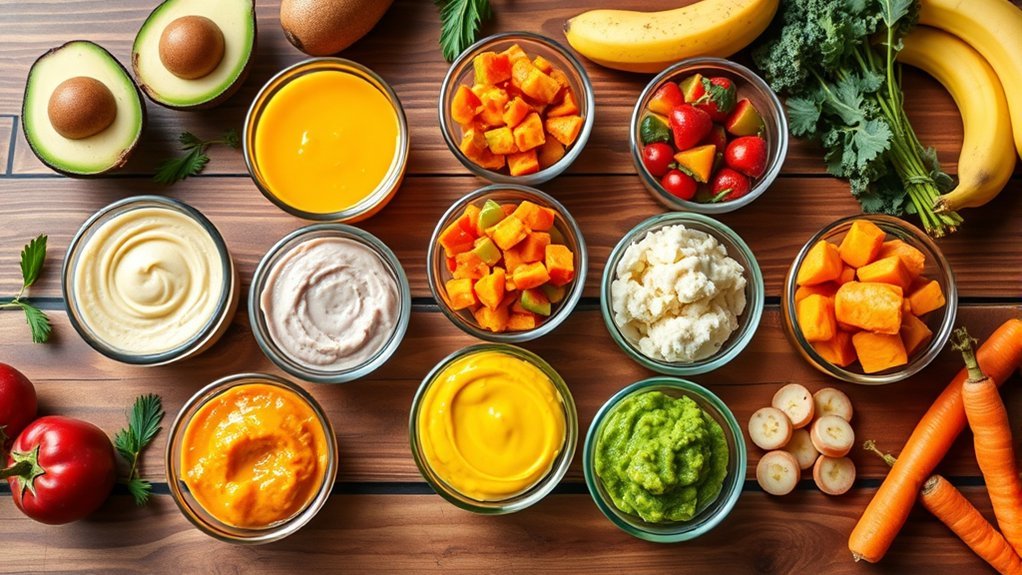
The Centers for Disease Control and Prevention recommends introducing foods other than breast milk or infant formula at about 6 months. Starting before 4 months is not recommended.
Age matters, but development matters just as much. A baby who is exactly 6 months old may still need more time if they cannot hold their head steady or remain upright for feeding. A baby’s weight, including whether they have doubled their birth weight, should not be used as the main readiness test.
Readiness is based on feeding skills and body control, not a single age, weight, or milestone.
Signs Your Baby Is Ready for Solids
Your baby may be ready when they can:
- Sit upright alone or with support and stay stable during feeding.
- Control their head and neck.
- Open their mouth when food is offered.
- Swallow food instead of consistently pushing it out with the tongue.
- Bring objects to their mouth and reach for food.
- Move food from the front of the tongue toward the back to swallow.
Interest in your food is helpful, but it is not enough by itself. Likewise, waking more often, chewing on hands, or reaching a certain weight does not prove that a baby is ready.
Best First Solid Foods for Your 6-Month-Old Baby
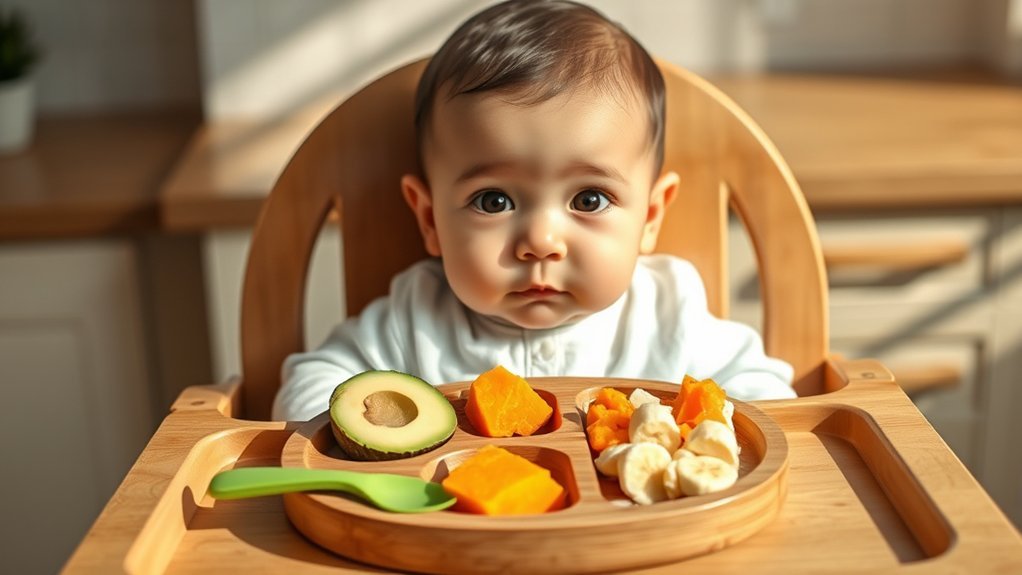
There is no required order for first foods. Start with soft foods that match your baby’s skills, and include an iron-rich option each day. Useful choices include iron-fortified infant cereal, finely pureed or minced meat, mashed beans or lentils, well-cooked egg, tofu, soft vegetables, avocado, and mashed fruit.
Single-Ingredient Foods
Offering one new single-ingredient food at a time can make it easier to identify a reaction. Begin with 1 or 2 teaspoons, then increase toward 1 or 2 tablespoons if your baby remains interested. The CDC advises waiting 3 to 5 days between new foods at first, especially when you need a clear record of tolerance.
- Mashed sweet potato, squash, peas, carrots, or avocado
- Pureed pear, apple, peach, prune, or banana
- Finely pureed meat, poultry, beans, lentils, or tofu
- Plain whole-milk yogurt without added sugar
- Well-cooked egg in a smooth or soft texture
A perfectly smooth puree is not the only acceptable starting texture. Some babies begin with mashed foods or soft graspable pieces. The safest approach is the one that matches your baby’s posture, oral skills, and ability to manage food.
Iron-Rich First Foods
Iron becomes especially important during the second half of the first year. The National Institutes of Health lists an iron recommendation of 11 mg per day for infants 7 to 12 months, but you do not need to calculate every bite. Offer iron-rich foods regularly and discuss supplementation with your pediatrician if your baby is breastfed, premature, or has another risk factor.
- Iron-fortified infant cereal
- Finely pureed or minced beef, lamb, turkey, chicken, or fish
- Mashed beans, lentils, chickpeas, or tofu
- Well-cooked egg
Pair plant sources of iron with a vitamin C-rich food, such as berries, tomato, broccoli, or citrus fruit, to support absorption.
Choosing Infant Cereal
Iron content varies by brand and serving size, so check the Nutrition Facts label rather than relying on a fixed number. The CDC and FDA recommend varying grains instead of feeding only rice cereal because rice can contribute more inorganic arsenic exposure.
| Cereal Type | Why Choose It | How to Serve |
|---|---|---|
| Oat | Common iron-fortified option and an easy way to vary grains | Mix with breast milk, formula, or water to a safe texture |
| Barley | Adds grain variety | Serve smooth at first, then thicken as skills improve |
| Multigrain | Introduces several grains after individual ingredients are tolerated | Follow package directions and check the iron amount per serving |
| Rice | Can be part of a varied diet but does not need to be the first cereal | Rotate with oat, barley, and multigrain cereals |
| Wheat | Introduces wheat in an infant-safe form | Offer as a single new allergen and watch for a reaction |
How Much and How Often to Feed
Breast milk or infant formula remains the main source of nutrition from 6 to 12 months. Solid food gradually becomes a larger part of the diet. Start with 1 or 2 tablespoons once a day, then add meals as your baby shows interest and manages food well.
By later infancy, many babies eat or drink about five or six times over 24 hours. The exact mix of milk feeds, meals, and snacks varies. Feed responsively instead of requiring a fixed number of ounces or spoonfuls.
- Hunger cues: leaning toward food, opening the mouth, reaching, making excited sounds, or watching the spoon.
- Fullness cues: turning away, closing the mouth, slowing down, pushing food away, or losing interest.
Pro Tip: You decide what safe foods are offered, when they are offered, and where your baby eats. Let your baby decide whether to eat and how much. Pressure, bribing, and forcing “one more bite” can make meals harder.
Common Allergens: When and How to Introduce Them
Once your baby is developmentally ready for solids, there is no evidence that delaying common allergens such as egg, peanut, dairy, wheat, sesame, soy, fish, and shellfish prevents allergy. The evidence for allergy prevention is strongest for early peanut introduction, especially in babies at higher risk.
Timing for Allergen Exposure
For most babies, introduce allergens around the same time as other complementary foods, usually at about 6 months and never before 4 months. The American Academy of Pediatrics advises talking with your pediatrician first if your baby has severe or persistent eczema, an egg allergy, or an immediate reaction to any food.
Choose a morning or daytime meal when your baby is healthy and you can watch them. Offer one allergen at a time in a small amount. If it is tolerated, gradually increase the amount and keep the food in the diet routinely in a developmentally safe form.
Safe Allergen Preparation Methods
- Peanut or tree-nut butter: Thin smooth nut butter with warm water, breast milk, formula, cereal, fruit puree, or yogurt. Never give whole nuts or a thick spoonful of nut butter.
- Egg: Serve fully cooked egg mashed smooth, finely chopped, or as a soft strip that your baby can manage.
- Dairy: Offer plain pasteurized yogurt or soft pasteurized cheese. Cow’s milk can be used in cooking, but not as the main drink before 12 months.
- Wheat: Use smooth wheat cereal, soft pasta, or toast prepared in a safe shape and texture.
- Fish or shellfish: Cook thoroughly, remove every bone or shell fragment, and serve finely flaked or mashed.
Warning: Stop feeding the food and seek medical advice for hives, facial swelling, repeated vomiting, persistent coughing, or other concerning symptoms. Call 911 immediately for trouble breathing, wheezing, swelling of the tongue or throat, sudden limpness, faintness, or another suspected severe reaction. Use prescribed epinephrine without delay if your child has an emergency plan.
Transitioning to Textures: What to Offer by 8 Months
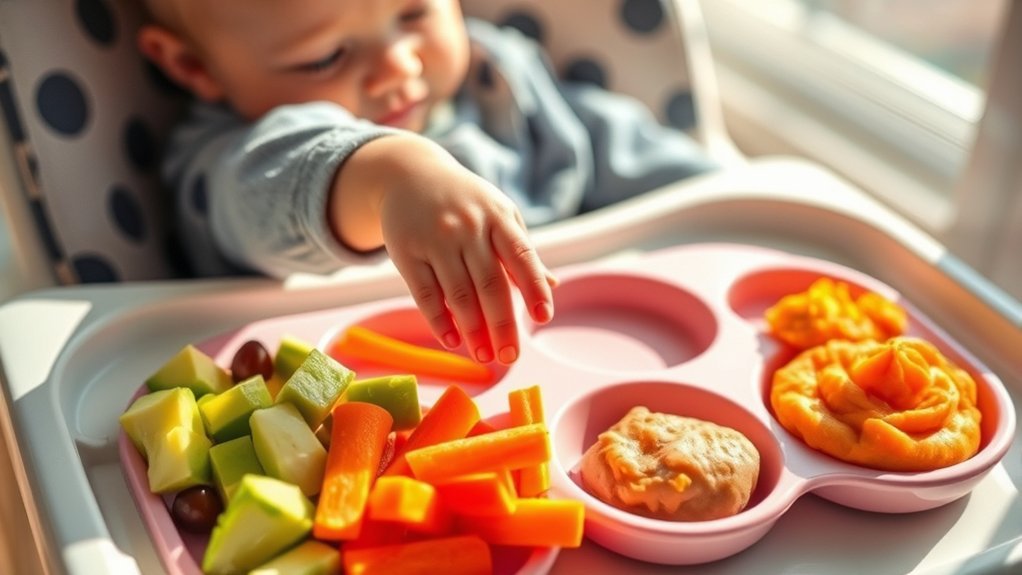
As your baby’s skills improve, move from thin purees to thicker purees, mashed foods, soft lumps, finely chopped foods, and safe finger foods. The CDC notes that by 7 or 8 months, many babies can eat foods from several food groups.
Do not stay with perfectly smooth purees longer than your baby needs. Texture practice supports chewing, tongue movement, hand-to-mouth coordination, and self-feeding.
- Mashed banana, avocado, beans, lentils, potato, or soft vegetables
- Soft oatmeal, yogurt, cottage cheese, or ricotta
- Finely shredded meat, flaky fish with no bones, or crumbled tofu
- Soft strips of ripe fruit, cooked vegetables, omelet, toast, or pasta
Coughing, gagging, or spitting food out can happen while a baby learns. Choking is an emergency. Keep your baby upright and learn age-appropriate choking first aid from a qualified instructor or health professional.
Safe Finger Foods: What Works and What Does Not
A finger food should be soft enough to mash between your thumb and forefinger and shaped for your baby’s current grasp. Early on, a longer strip or wedge may be easier to hold than a tiny cube. As the pincer grasp develops, smaller soft pieces become useful.
Safer Finger Food Ideas
- Soft-cooked broccoli florets, carrot sticks, zucchini, or sweet potato wedges
- Ripe banana, pear, peach, melon, mango, or avocado in soft slices
- Soft toast strips with a thin spread, pancakes without added sugar, or soft pasta
- Omelet strips, shredded tender meat, flaky fish, tofu strips, or flattened beans
Common Choking Hazards
The CDC choking guidance recommends avoiding small, sticky, hard, round, or difficult-to-chew foods and changing shape and texture when possible.
- Whole nuts, seeds, popcorn, and thick spoonfuls of nut butter
- Whole grapes, cherries, berries, cherry tomatoes, or melon balls
- Raw hard apple or carrot pieces
- Hot dog rounds, sausage coins, meat sticks, and tough chunks of meat
- Hard candy, gum, marshmallows, gummy candy, chips, pretzels, and granola bars
- Large cheese cubes, string cheese pieces, whole beans, and fish or meat with bones
Warning: Always seat your baby upright in a high chair or another safe feeding seat. Do not let a baby eat while lying down, crawling, walking, riding in a stroller, or traveling in a car. Stay within arm’s reach and watch the entire meal.
What Nutrients Does Your 10- to 12-Month-Old Need?
At 10 to 12 months, continue breast milk or iron-fortified infant formula while offering a varied diet from all food groups. Avoid rigid daily portion rules. Start with small servings, offer more when your baby asks, and allow intake to vary from meal to meal.
Essential Nutrients Overview
| Nutrient | Why It Matters | Infant-Safe Sources |
|---|---|---|
| Iron | Supports blood production, growth, and brain development | Iron-fortified cereal, meat, poultry, fish, beans, lentils, tofu, egg |
| Zinc | Supports growth and immune function | Meat, poultry, dairy, beans, lentils, tofu |
| Calcium | Supports bones, teeth, muscles, and nerves | Breast milk or formula, plain yogurt, pasteurized cheese, calcium-set tofu |
| Vitamin D | Helps the body absorb calcium | Fortified formula and supplements when recommended by a clinician |
| Healthy fats | Provide energy and support development | Avocado, yogurt, egg, fish, olive oil, thin nut or seed butter |
The NIH lists an adequate calcium intake of 260 mg per day for infants 7 to 12 months—not 700 mg, which applies to children ages 1 to 3 years. Breast milk or formula and suitable dairy foods usually contribute much of an infant’s calcium.
A Flexible Daily Feeding Pattern
A 10- to 12-month-old may move toward three small meals and one or two snacks while continuing milk feeds. One day might include:
- Breakfast: Iron-fortified oatmeal with mashed berries and plain yogurt
- Lunch: Mashed beans, avocado, and soft cooked vegetables
- Snack: Ripe pear slices or toast with a thin spread
- Dinner: Shredded chicken or tofu, soft rice or pasta, and broccoli
This is an example, not a required menu. Appetite varies with growth, sleep, teething, illness, and milk intake.
Drinks and Foods to Avoid Before 12 Months
The CDC list of foods and drinks to avoid or limit includes several items that were missing from the original guide:
- Honey: Do not give honey or foods containing honey before 12 months because of infant botulism risk.
- Cow’s milk as a drink: Wait until 12 months. Yogurt, cheese, and milk used in cooking can be introduced earlier if pasteurized and tolerated.
- Juice: Babies younger than 12 months should not drink fruit or vegetable juice. Offer whole fruit instead.
- Added sugar and high-sodium foods: Choose plain, nutrient-dense foods without added sugar and limit processed salty foods.
- Unpasteurized foods or drinks: Avoid raw milk, unpasteurized juice, yogurt, or cheese.
- High-mercury fish: Avoid shark, swordfish, king mackerel, marlin, orange roughy, Gulf of Mexico tilefish, and bigeye tuna.
From 6 to 12 months, breast milk or formula remains the main drink. The CDC says 4 to 8 ounces of plain water per day can be offered in a cup.
How to Introduce New Foods and Track Reactions
Use a simple food log during the first weeks. Record the food, amount, preparation, time offered, and any reaction. A log is especially useful when introducing allergens or when your baby has eczema or digestive symptoms.
- Offer a small amount when your baby is alert, healthy, and seated upright.
- Introduce one new food at a time at first.
- Watch during the meal and for the next few hours.
- Record rashes, swelling, vomiting, diarrhea, coughing, breathing changes, unusual sleepiness, or other concerns.
- Stop the food and contact your pediatrician if you suspect a reaction.
Do not label a food as “disliked” after one refusal. Babies often need repeated, pressure-free exposure before accepting a new taste or texture.
How to Build Good Eating Habits for Your Baby
Good habits grow from calm routines and repeated exposure, not from finishing a set portion.
- Include your baby in regular family meals when possible.
- Offer a range of colors, flavors, textures, and food groups.
- Let your baby touch food, hold a spoon, and practice self-feeding.
- Keep screens and toys away from the eating area.
- Model eating the same healthy foods.
- Respect fullness cues and end the meal without pressure.
- Expect mess. Exploration is part of learning.
Homemade and Store-Bought Baby Food Safety
Homemade and store-bought baby foods can both fit a healthy diet. Homemade food offers control over texture and ingredients. Commercial food can be convenient and is produced under regulated manufacturing standards. Variety matters more than choosing only one type.
- Wash your hands, utensils, surfaces, fruits, and vegetables before preparation.
- Cook meat, fish, poultry, and eggs thoroughly.
- Use pasteurized dairy products.
- Do not feed directly from a storage jar if you plan to save the remainder; saliva can introduce bacteria.
- Refrigerate prepared food promptly and follow package storage instructions and use-by dates.
- Never make homemade infant formula. Use a commercial infant formula prepared exactly as directed when formula is needed.
Resources for Parents: Tools and Support for Feeding Decisions
Use current, evidence-based guidance instead of relying on feeding trends or social media alone. Helpful starting points include the CDC Infant and Toddler Nutrition pages, the American Academy of Pediatrics’ HealthyChildren.org, and your baby’s pediatrician or registered dietitian.
Bring a short food log to well-child visits if you have questions about intake, allergies, constipation, growth, iron, vitamin D, vegetarian or vegan feeding, or difficulty moving to new textures. Seek an evaluation promptly if your baby coughs or chokes repeatedly during meals, has poor weight gain, seems unusually tired, or loses feeding skills.
Frequently Asked Questions
How do I know if my baby dislikes a food?
Turning away, closing the mouth, spitting food out, or making a face may mean your baby is full, surprised by the texture, or not ready at that moment—not that they will always dislike it. Offer the food again on another day without pressure.
Can I mix different foods together for my baby?
Yes, after the individual ingredients have been tolerated. Mixing foods can add flavor and nutrition. Try combinations such as sweet potato with lentils, oatmeal with pear, yogurt with berries, or chicken with vegetables.
What should I do if my baby refuses to eat?
Stay calm, end the meal when your baby shows fullness, and try again later. Check whether your baby is tired, ill, teething, or already full from milk. Contact the pediatrician if refusal is persistent, growth is poor, or feeding causes coughing, choking, pain, or distress.
How can I ensure my baby is getting enough iron?
Offer an iron-rich food daily, such as iron-fortified infant cereal, meat, poultry, fish, beans, lentils, tofu, or egg. Pair plant iron with vitamin C-rich produce. Ask your pediatrician whether your baby needs iron drops, especially if they are breastfed, premature, or low birth weight.
Is homemade baby food better than store-bought food?
Neither is automatically better. Homemade food can be fresh and easy to adapt, while store-bought food can be safe and convenient. Check labels for added sugar and sodium, vary ingredients and textures, and handle both types safely.
Can my baby drink water with meals?
Yes. From about 6 to 12 months, you can offer small sips of plain water in a cup, with a total of about 4 to 8 ounces per day. Water should not replace breast milk or infant formula.
Do I have to use purees?
No. Purees are one option. Some babies start with mashed foods or soft finger foods. Whatever method you use, the food must match your baby’s developmental skills, be soft enough to manage, and be served while the baby is seated upright and closely supervised.
When should I call the pediatrician about feeding?
Call for repeated coughing or choking, vomiting with feeds, poor growth, extreme tiredness, ongoing diarrhea, blood in stool, signs of dehydration, persistent refusal, trouble progressing beyond smooth textures, or a suspected food allergy. Call 911 for breathing trouble or another severe allergic reaction.
Conclusion
Starting solids works best as a steady learning process. Begin at about 6 months when your baby is ready, continue breast milk or formula, offer iron-rich and varied foods, introduce allergens in safe forms, and advance textures as skills grow. Stay responsive rather than forcing portions, supervise every meal, and ask your pediatrician for help when feeding or growth does not seem right.
Sources
- CDC: When, What, and How to Introduce Solid Foods — readiness signs, timing, first foods, and preparation.
- CDC: Choking Hazards — feeding position, supervision, food shapes, and common hazards.
- CDC: Foods and Drinks to Avoid or Limit — honey, juice, cow’s milk, sodium, added sugar, mercury, and unpasteurized foods.
- American Academy of Pediatrics: Introducing Common Food Allergens — allergen timing, high-risk infants, and infant-safe preparation.
- NIH Office of Dietary Supplements: Iron — infant iron needs, food sources, and supplementation considerations.
- NIH Office of Dietary Supplements: Calcium — age-based calcium recommendations and food sources.