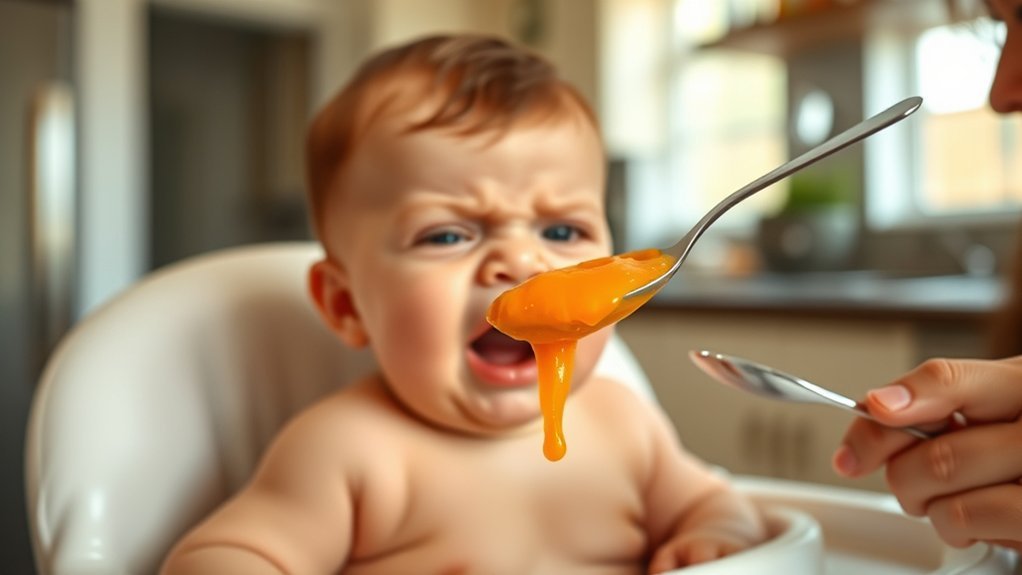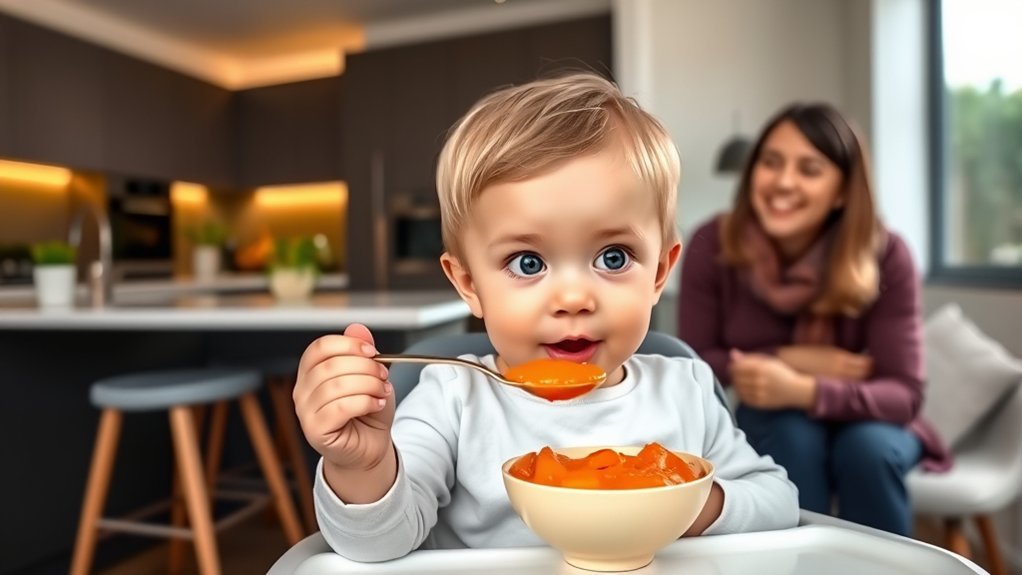
Baby food needs refrigeration after it has been opened or prepared, unless the package specifically says otherwise. Unopened shelf-stable jars and pouches can usually remain in a cool, dry pantry until their package date, but opened food must be handled according to its ingredients, package directions, temperature, and whether it has been exposed to a used spoon or your baby’s mouth.
Quick Answer
Yes. Refrigerate opened baby food promptly at 40°F (4°C) or below. Use strained fruits and vegetables within 2–3 days, meat or egg purees within one day, and homemade or meat-and-vegetable combinations within 1–2 days. Discard any food that has touched a used spoon or your baby’s mouth.
Key Takeaways
- Refrigerate opened or freshly prepared baby food promptly and keep the refrigerator at or below 40°F (4°C).
- Use opened strained fruits and vegetables within 2–3 days, meat or egg purees within one day, and homemade or meat-and-vegetable foods within 1–2 days.
- Spoon each serving into a clean bowl before feeding. Discard food left in the serving bowl or package after contact with saliva.
- Do not thaw baby food on the counter or microwave it in its original jar.
- Storage time and temperature matter even when the food looks, smells, and tastes normal.
At a Glance
| Time Required | Less than 5 minutes to portion, seal, label, and refrigerate |
| Difficulty | Easy |
| Tools Needed | Clean spoon, serving bowl, covered food-safe container, label or marker, and refrigerator thermometer |
| Cost | Minimal if you already have food-safe containers |
How Long Can You Keep Opened Baby Food in the Fridge?
How long opened baby food stays safe depends on its ingredients and how it was handled. The following limits apply to untouched food that was refrigerated promptly. Always follow a shorter storage time printed on the package.
| Baby Food Type | Refrigerator at 40°F or Below | Freezer at 0°F or Below |
|---|---|---|
| Strained fruits and vegetables | 2–3 days | 6–8 months |
| Strained meats and eggs | 1 day | 1–2 months |
| Meat-and-vegetable combinations | 1–2 days | 1–2 months |
| Homemade baby food | 1–2 days | 1–2 months |
These storage windows come from the FoodSafety.gov guidance for children under five. Count the time from the day the package was opened, the food was prepared, or a frozen portion was thawed.
Portion food into a clean serving bowl before feeding. Only the untouched food left in the original package or storage container may be refrigerated for later use.
You do not have to transfer untouched jarred food to another container. Replace the lid securely and refrigerate it promptly unless the manufacturer gives different instructions. For pouches and tubs, recap or cover the package as directed on the label.
Warning: Never return food to storage after feeding directly from the jar, tub, pouch, or serving bowl. Saliva transferred by a spoon or your baby’s mouth can introduce bacteria. The FDA advises discarding the contaminated serving rather than refrigerating it.
Discard perishable baby food that has remained at room temperature for more than two hours. Reduce that limit to one hour when the surrounding temperature is above 90°F (32°C).
Why Refrigerating Baby Food Matters
Refrigeration slows the growth of harmful microorganisms and helps preserve the food’s flavor, color, and texture for its recommended storage period. It does not make contaminated food safe or stop all microbial growth.
Preventing Bacterial Growth
Children younger than five have a higher risk of foodborne illness because their immune systems are still developing. Safe handling is especially important for infants, who can also become dehydrated quickly if vomiting or diarrhea occurs. The FDA identifies young children as a higher-risk group.
Keep the refrigerator at or below 40°F (4°C). Use a refrigerator thermometer rather than relying only on the appliance’s control dial. Store baby food toward the back of the refrigerator, where the temperature is generally more stable, rather than in the door.
Homemade baby food should be cooled and refrigerated promptly. Do not leave it on the counter to finish cooling for an extended period. Divide large batches into small, shallow containers so they cool faster.
Maintaining Nutritional Quality
Cold storage slows quality loss, but it does not preserve baby food indefinitely. Air exposure, repeated warming, light, and long storage can affect flavor, color, texture, and some nutrients.
Use clean, tightly covered containers and label each one with the food and preparation or opening date. Store older portions at the front so they are used first.
Pro Tip: Freeze homemade puree in small portions. Thawing only the amount needed for one meal reduces waste and prevents repeated warming and cooling.
Essential Tips for Safely Storing Leftover Baby Food
Use the following routine whenever you open or prepare baby food:
- Wash your hands. Clean the spoon, serving bowl, storage container, and work surface.
- Remove one serving. Use a clean spoon to place only the expected portion in a separate bowl.
- Cover the untouched remainder. Close the original container or move homemade food into a clean, airtight container.
- Refrigerate promptly. Do not leave the food out while the baby finishes the meal.
- Label the container. Record the opening, preparation, or thawing date.
- Discard the served leftovers. Do not mix uneaten food from the serving bowl back into the stored portion.
If a pouch has been placed directly in a child’s mouth, treat all remaining food in the pouch as contaminated and discard it after the feeding. Keep pouch caps out of reach because they can be a choking hazard.
Note: Package directions may be stricter than general storage charts. Follow the shorter limit when a jar, tub, or pouch label says to use the food sooner.
How to Identify Spoiled Baby Food
Obvious changes in a container or its contents can warn you that baby food has spoiled. However, food can contain harmful bacteria even when it looks and smells normal. Always consider storage time, temperature, package condition, and whether the food was exposed to saliva.
Visual Signs of Spoilage
Discard baby food when you notice any of the following:
- A bulging lid, swollen pouch, leak, rust, chipped glass, or broken seal
- Visible mold or unexpected bubbling
- Unusual discoloration that is not normal for the ingredients
- Major separation or drying that does not improve after stirring
- A safety button that was raised before opening or a jar designed to pop that does not pop when opened
Natural browning or separation can occur in some fruit and vegetable purees, so check the product label or contact the manufacturer when you are unsure. Never taste questionable baby food to test whether it is safe.
Unusual Smell Detection
A sour, fermented, rancid, or otherwise unexpected odor is a reason to discard baby food. Do not serve a product simply because its package date has not passed.
At the same time, a normal smell does not prove the food is safe. Bacteria that cause illness may not produce a noticeable odor.
Texture Changes to Notice
Unexpected graininess, sliminess, curdling, foaming, or a dramatic change in thickness may indicate spoilage or temperature damage. Visible mold always means the entire portion should be discarded; do not remove only the affected area.
Texture can also change after freezing without creating a safety problem. When a commercial product has frozen accidentally, check the manufacturer’s instructions before using it because its packaging and texture may have been affected.
Is Freezing Baby Food Safe?
Freezing can safely extend the storage life of many homemade purees when the food is handled cleanly and frozen promptly. Freezing stops microbial growth but does not kill every harmful microorganism, so contaminated or expired food should never be frozen in an attempt to save it.
Use sanitized silicone trays, freezer-safe food containers, or freezer bags. After individual portions are solid, transfer them to a labeled covered container to reduce freezer burn.
Do not assume that an original glass jar, pouch, or plastic tub is freezer-safe. Freeze commercial baby food only when the manufacturer permits it. A container specifically labeled freezer-safe may be made from glass, plastic, or silicone; leave enough headspace for the food to expand.
| Baby Food Type | Recommended Freezer Duration | Best Storage Method |
|---|---|---|
| Strained fruits and vegetables | 6–8 months | Small portions in freezer-safe containers |
| Strained meats and eggs | 1–2 months | Single-meal portions in tightly covered containers |
| Meat-and-vegetable combinations | 1–2 months | Single-meal portions in freezer-safe containers |
| Homemade baby food | 1–2 months | Dated silicone trays, bags, or freezer-rated containers |
These freezer periods are intended to preserve quality. Label every container with the food and freezing date, keep the freezer at or below 0°F (-18°C), and use the oldest portions first.
Proper Thawing and Reheating Methods for Baby Food
Baby food does not have to be served warm. It may be served cold, at room temperature, or gently warmed if your baby prefers it.
How to Thaw Frozen Baby Food
- Refrigerator: Move the portion to the refrigerator the night before it is needed. This is the safest routine method.
- Microwave: Transfer the portion to a microwave-safe dish and use the defrost setting or short intervals. Stir thoroughly and use it immediately.
- Warm-water bath: Use only a sealed, manufacturer-approved container. Warm it for immediate use and do not leave it sitting in warm water or at room temperature.
Never thaw baby food on the counter. Thaw only the portion you expect to use, and do not refreeze food that has been served or exposed to saliva.
How to Warm Baby Food Safely
When microwaving solid baby food, transfer it from the jar or package to a microwave-safe dish. Heat briefly, stir thoroughly, let it stand for at least 30 seconds, and test several areas before feeding. The food should be lukewarm, not hot. The FDA warns that microwave heating can create hidden hot spots.
Use the stovetop rather than the microwave for baby-food meats, meat sticks, and egg products because their higher fat content can cause uneven overheating and splattering.
If you are reheating a previously cooked homemade meat, poultry, egg, or mixed-food leftover, heat it thoroughly to 165°F (74°C), following general USDA leftover-safety guidance. Stir it well and allow it to cool to a safe lukewarm serving temperature before offering it to your baby.
Warning: Do not reheat and save a portion that your baby has already eaten from. Reheating may not eliminate every risk created by saliva contamination, and food hot enough to destroy all contamination could burn an infant.
What to Do If Baby Food Spoils
If baby food has an off odor, visible mold, unexpected bubbling, a damaged seal, or another sign of spoilage, place it in the trash immediately. Do not taste it, scrape away mold, or try to make it safe by reheating or freezing it.
When storage time, temperature, package condition, or contamination history is uncertain, discard the food even if it looks and smells normal.
Clean any surface, spoon, bowl, or refrigerator shelf that contacted leaking or spoiled food. Wash your hands after handling the package.
If your baby develops vomiting, diarrhea, fever, poor feeding, unusual sleepiness, bloody stool, or signs of dehydration after eating questionable food, contact your pediatrician promptly. Seek urgent medical help for trouble breathing, seizures, severe weakness, difficulty waking, or other serious symptoms.
Frequently Asked Questions
Can I mix different baby food flavors before refrigerating?
Yes. Mix only fresh, uncontaminated foods in a clean container and use the shortest storage limit among the ingredients. For example, a fruit puree mixed with meat should be treated as a meat combination and used within 1–2 days.
Is it safe to freeze opened jars of baby food?
Freeze commercial baby food only when the manufacturer permits it. Do not place an ordinary retail jar in the freezer unless it is specifically rated for freezing. Instead, transfer untouched food to a clean freezer-safe container and leave room for expansion.
How can I tell if baby food is expired?
Check the package date, manufacturer instructions, seal, and container condition. Do not use food from a bulging, leaking, rusted, chipped, or unsealed package. After opening, follow the refrigerated storage time even when the printed package date is still in the future.
What containers are best for storing homemade baby food?
Use clean, food-grade containers with tight-fitting lids. Silicone trays are useful for portioning, while freezer-rated glass or plastic containers work well for longer storage. Avoid damaged containers and leave expansion space when freezing.
Can I reheat baby food multiple times?
It is safer to warm only the amount needed for one meal. Discard food remaining in the serving bowl after feeding, and do not repeatedly warm, cool, and refrigerate the same portion.
Does unopened baby food need to be refrigerated?
Shelf-stable jars, tubs, and pouches normally do not need refrigeration before opening. Store them in a cool, dry place and follow the label. Products sold refrigerated must remain refrigerated even before opening.
How long can baby food sit at room temperature?
Discard perishable baby food after two hours at room temperature or after one hour when the temperature is above 90°F (32°C). Food exposed to a used spoon or your baby’s mouth should be discarded after the feeding rather than stored.
Can I thaw frozen baby food on the counter?
No. Thaw baby food in the refrigerator, in a microwave-safe dish for immediate use, or with a manufacturer-approved warm-water method. Counter thawing can leave the outside of the food warm enough for bacteria to grow while the center remains frozen.
Conclusion
Opened and homemade baby food should be refrigerated promptly, kept at 40°F or below, and used within the correct limit for its ingredients. The safest routine is simple: portion each meal with a clean spoon, refrigerate the untouched remainder, label it with the date, and discard anything exposed to saliva. Use time and temperature rules even when the food appears normal, and warm only the amount your baby is ready to eat.
Sources
- FoodSafety.gov: Children Under Five — refrigerator and freezer limits for pureed and solid baby foods
- FDA: Once Baby Arrives — saliva contamination, jar handling, and safe microwave guidance
- FDA: Are You Storing Food Safely? — refrigerator temperatures and prompt refrigeration
- FoodSafety.gov: Four Steps to Food Safety — chilling, thawing, cleaning, and cross-contamination prevention
- FDA: People at Risk of Foodborne Illness — why children younger than five require added food-safety care
- USDA FSIS: Steps to Keep Food Safe — room-temperature limits, cooling, and reheating previously cooked leftovers