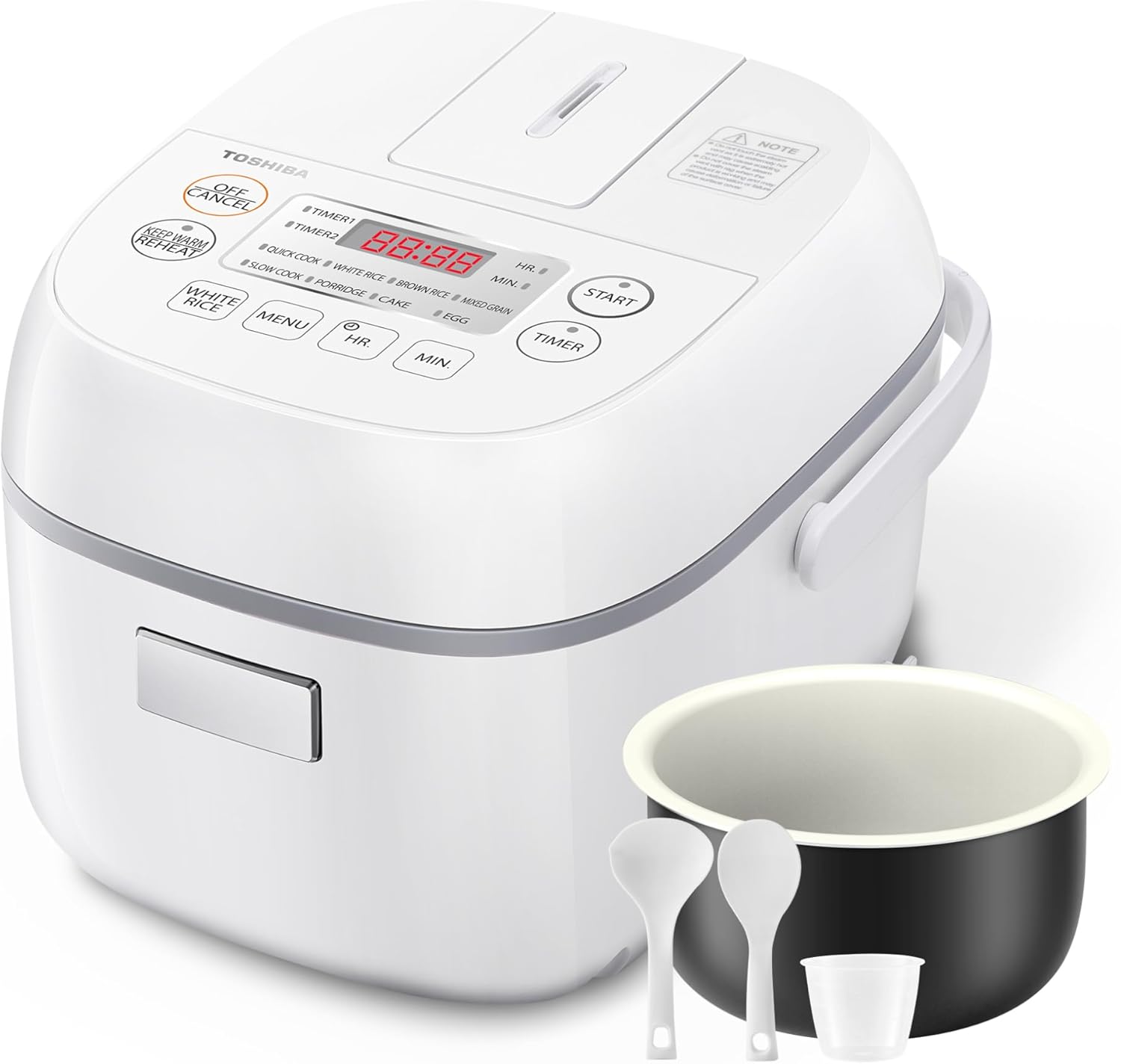
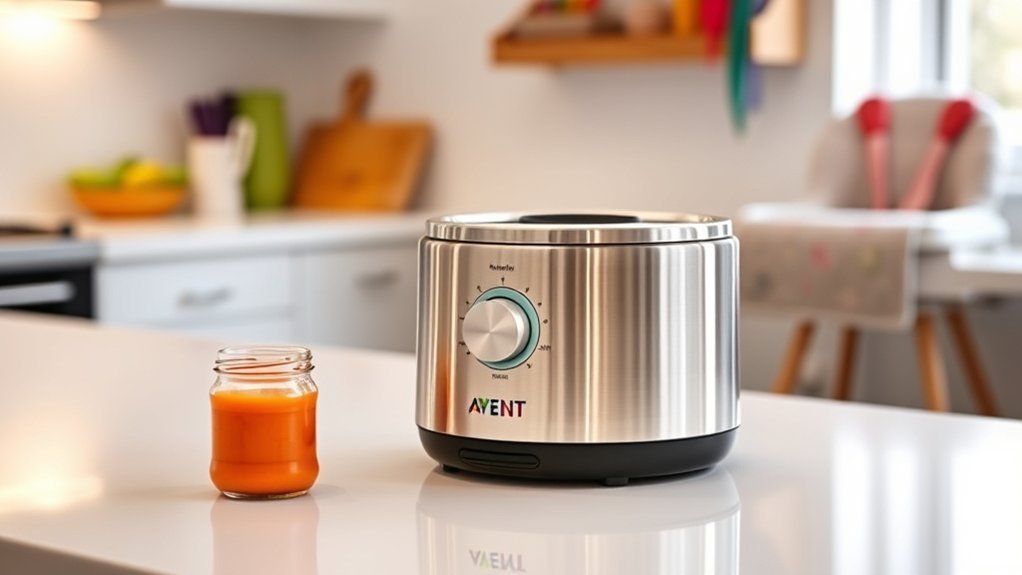
To warm baby food with the Philips Avent Premium Fast Bottle Warmer SCF358/00, place the food container in the warmer, add drinking water to the same level as the food, select the baby-food warming setting, and press the on/off button. Stir and check the food while it warms, then switch the warmer off, remove the container carefully, stir again, and taste-test before feeding. These instructions are for the SCF358/00; other Philips Avent warmer models may use different controls.
Quick Answer
For the Philips Avent SCF358/00, put the baby-food container in the warmer and add drinking water to the food level. Choose the baby-food setting and start the warmer. Stir and check the food during warming because there is no fixed baby-food warming time. Before feeding, stir well and taste-test it to make sure it is not too hot.
Key Takeaways
- These instructions match the Philips Avent Premium Fast Bottle Warmer SCF358/00; check the model on your warmer if its controls look different.
- For baby food, fill the warmer with drinking water to the same height as the food. For a large volume, stop about 1 cm (0.4 in) below the top of the warmer.
- Use the dedicated baby-food warming setting for nonfrozen food, and stir and check the food while it is warming.
- There is no reliable universal 3-, 5-, or 7-minute warming time for baby food because volume, consistency, temperature, and container material affect the process.
- For frozen baby food, use the keep-warm/defrost setting first, then switch the warmer off and restart it on the baby-food setting.
- After each use, unplug and cool the warmer, empty the water, wipe it clean, and follow Philips’ current recommendation to descale it about every two weeks.
At a Glance
| Time Required | Variable. Philips does not specify one fixed warming time for baby food. |
| Difficulty | Easy |
| Tools Needed | Philips Avent SCF358/00, suitable baby-food container or jar, drinking water, clean spoon |
| Cost | No special consumables beyond water and normal electricity use; warmer purchase not included. |
Warning: The water, heating element, container, and accessible surfaces can remain hot after use. Do not move the warmer while it contains hot water. Keep the cord and appliance away from children, do not immerse the warmer or plug in water, and always check the food before feeding.
What Is the Philips Avent Baby Food Warmer and How Does It Work?
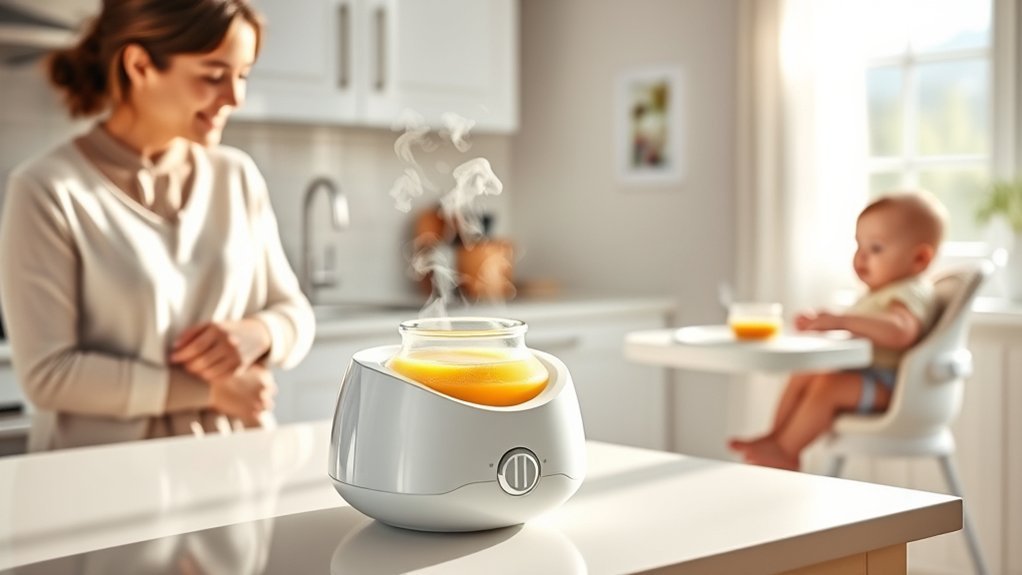
The product covered here is the Philips Avent Premium Fast Bottle Warmer SCF358/00. Philips calls it a bottle warmer, but it is also designed to warm baby food in suitable containers and jars.
The warmer transfers heat through water surrounding the container rather than heating the food directly. Its controls include a baby-food warming setting, milk-volume settings, a keep-warm/defrost setting, a progress indicator, and an on/off button. Philips’ SCF358/00 support page provides the current manual and model-specific troubleshooting information.
For baby food, the important difference from bottle warming is that the food does not circulate on its own. Philips therefore instructs you to stir the baby food during warming and check it as it heats.
For baby food, the progress indicator is not a substitute for stirring and checking the food yourself.
The warmer is also compatible with all Philips Avent bottles and storage cups and most commercially available bottles and baby-food jars that physically fit. Philips states that SCF358/00 accommodates bottles and containers up to about 76 mm (3 inches) in diameter.
Step-by-Step Instructions for Using the Baby Food Warmer
Use the following process for nonfrozen baby food in the Philips Avent SCF358/00.
1. Prepare the Baby Food and Warmer
Put the warmer on a stable, level, heat-resistant surface where your child cannot reach the appliance or cord. Do not preheat it.
Place the baby-food jar or container upright inside the warmer before adding the water.
Add drinking water until the water reaches approximately the same height as the baby food inside the container. If you are warming a large amount, such as about 210 ml/7 oz, stop at approximately 1 cm (0.4 in) below the top of the warmer. Do not allow the water to spill over the edge.
Philips’ current water-level guidance recommends fresh, room-temperature water for normal use.
Note: SCF358/00 does not use a generic “fill to the indicated line” rule for baby food. The correct water level depends on the height of the food in the container.
2. Select the Baby-Food Warming Setting
Turn the control to the baby-food warming setting, then press the on/off button.
You do not need a separate room-temperature versus refrigerated baby-food mode on this model. Frozen baby food is the exception and should first be handled with the keep-warm/defrost setting, as explained below.
The progress indicator flashes while the warmer is operating. During baby-food warming, Philips says the full indicator may flash rather than filling one segment at a time. This is normal because baby-food consistencies vary too much for the appliance to predict the warming time precisely.
3. Stir and Check the Food During Warming
Use a clean spoon to stir the food while the container remains in the warmer. Stir carefully so you do not touch the hot water or burn your fingers on the container.
Continue checking the food as it warms. Thick purées, thinner foods, different serving sizes, refrigerator-cold food, and different container materials can all warm at different rates.
Pro Tip: Stir from the center outward and scrape around the sides of the container. This mixes warmer and cooler areas instead of letting the center or bottom remain hotter than the rest.
4. Test the Temperature Before Serving
When the food feels close to the temperature you want, press the on/off button to switch the warmer off and carefully remove the container.
Stir the food thoroughly one more time. Then taste a small amount with a clean spoon to make sure it is comfortably warm and not hot before feeding your baby. Philips does not specify 98.6°F (37°C) as a required baby-food serving temperature.
The U.S. Food and Drug Administration likewise emphasizes stirring and taste-testing warmed baby food because food can heat unevenly.
How to Defrost Frozen Baby Food in the Avent Warmer
The SCF358/00 can defrost frozen baby food, but defrosting and warming are two separate stages.
- Place the frozen baby-food container in the warmer.
- Add drinking water to approximately the food level, or stop about 1 cm below the top for a large container.
- Select the keep-warm/defrost setting and start the warmer.
- As the food begins to soften, stir it carefully.
- Once it has defrosted, switch the warmer off.
- Turn the control to the baby-food warming setting and start it again.
- Stir and check the food as it warms, then switch the warmer off and taste-test before serving.
Philips’ SCF358 defrost guidance specifically calls for restarting the appliance on the baby-food setting after frozen food has been defrosted.
Do not rely on a universal defrosting time. Volume, food consistency, starting temperature, and container material can change how long the process takes.
Best Practices for Using the Philips Avent Baby Food Warmer Safely
A few habits make warming more predictable while reducing the chance of spills, overheating, or burns.
- Put the container in first: Place the jar or container in the warmer before adding water and before switching the warmer on.
- Use the right water level: Match the water height to the food level, with the approximately 1 cm below-the-rim limit for large quantities.
- Use the baby-food setting: Do not choose a milk-volume setting simply because the food started in the refrigerator.
- Stir during warming: Baby food does not circulate automatically.
- Check before serving: Stir thoroughly and taste-test rather than depending on a timer or a body-temperature number.
- Handle hot water carefully: Surfaces and water can remain hot after the cycle ends.
- Unplug after use: Let the unit cool before emptying or cleaning it.
Top Mistakes Parents Make With the Baby Food Warmer
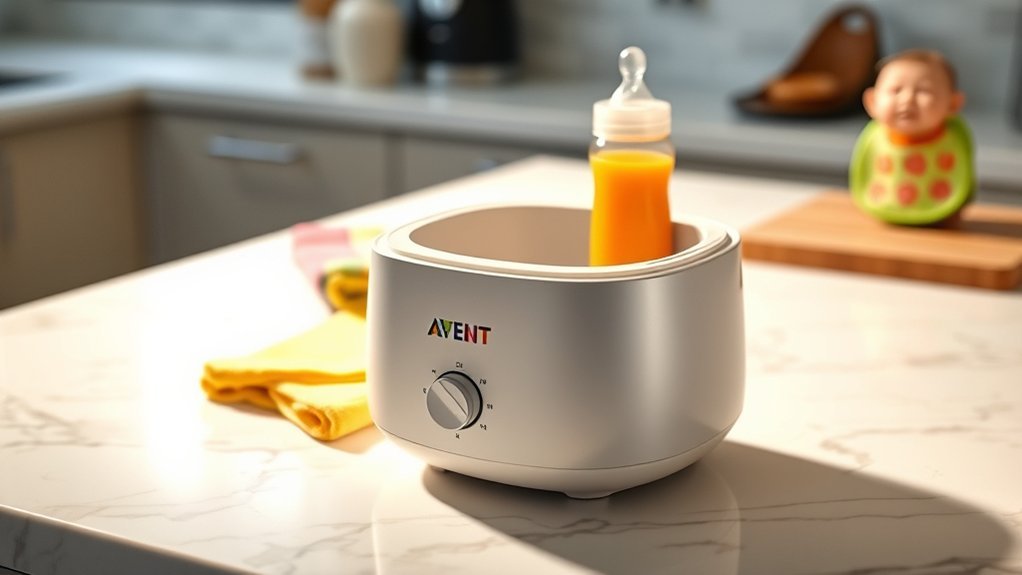
The most common problems come from using the wrong water level or setting, treating the warmer like a timer, skipping stirring, and letting mineral scale build up.
Using Too Much Water or Overfilling Containers
The original concern about overfilling is valid, but the more important SCF358 issue is the water level around the container. Too much water can overflow when you insert or remove a container, while too little water can affect warming performance.
For baby food, add water after the container is in place and match the water height to the food level. With a large volume, leave approximately 1 cm between the water and the top of the warmer.
Also avoid filling a food container so completely that stirring causes food to spill into the warmer.
Ignoring the Cleaning and Descaling Routine
Water left in the warmer and spilled food residue make cleanup harder, while minerals in water gradually form scale on the heating surface.
After each use, unplug the warmer, let it cool, empty the water, and wipe the inside and outside with a moist cloth. Remove any spilled food from the bottom of the warmer.
Current Philips support recommends descaling about every two weeks for SCF358/00 and more frequently when heavy scale appears or your local water is hard.
Forgetting to Stir and Check the Temperature
A progress indicator does not guarantee that every part of a thick purée is the same temperature. Philips tells users to stir baby food while it is warming and check the temperature during the process.
Before serving, stir again and taste a small amount with a clean spoon. If the food is too hot, allow it to cool before feeding your baby.
Cleaning and Maintaining Your Baby Food Warmer
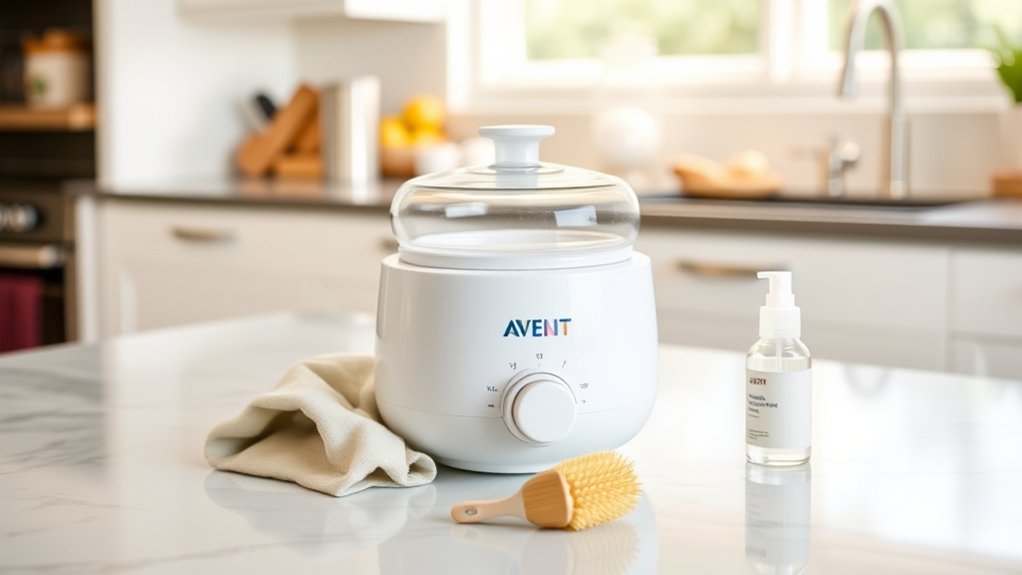
Regular cleaning keeps food residue and mineral deposits from interfering with the warmer.
Clean After Each Use
- Switch the warmer off and unplug it.
- Let it cool completely.
- Pour the water out sideways so water is less likely to run toward the control knob or power connection.
- Wipe the inside and outside with a moist cloth.
- Remove any baby-food residue from the bottom of the warmer.
Do not immerse the appliance, cord, or plug in water. Philips also advises against abrasive cleaners, antibacterial cleaning agents, chemical solvents, or sharp cleaning tools.
Descale About Every Two Weeks
Philips’ current SCF358/00 support guidance recommends descaling every two weeks for best performance. Hard water or visible white/brown scale may require more frequent attention.
To follow Philips’ current descaling procedure:
- Mix 60 ml/2 oz of white vinegar with 120 ml/4 oz of cold water.
- Pour the solution into the warmer.
- Select the 180 ml/6 oz milk-volume setting and start the appliance.
- Let the programmed cycle run as directed by Philips.
- Pour the solution out sideways and rinse the warmer thoroughly with tap water.
- If scale remains, repeat the process.
Philips also allows citric-acid-based descalers. Do not use unapproved descaling chemicals.
Note: Distilled or filtered water may contain fewer scale-forming minerals than some tap water, but Philips does not require it for SCF358/00. Fresh room-temperature water plus regular descaling is the manufacturer’s current operating guidance.
Common Issues With the Baby Food Warmer
The Whole Progress Indicator Is Flashing
This can be normal during baby-food warming. Philips explains that baby food varies in consistency, so the indicator does not progress in the same predictable segmented pattern used for milk. Stir and check the food during warming rather than waiting for a specific timer reading.
The Warmer Takes Longer Than Expected
Starting with water that is already warm can make SCF358 adjust its heating pattern. For consistent performance, Philips recommends fresh room-temperature water for a normal new cycle.
Repeated cycles can also take longer because the warmer itself remains hot.
The Warmer Will Not Start Another Cycle Normally
If you need to warm another bottle or container immediately, empty the previous water and refill the unit with fresh water. Let the warmer cool for a few minutes.
If the entire progress indicator is illuminated but not flashing when you try to restart, Philips says the appliance is still too warm. Switch it off and give it more time to cool.
The Food Is Warmer in One Area Than Another
Thick foods do not circulate automatically. Stir thoroughly during warming and again before feeding. Do not simply leave the jar untouched until the indicator changes.
White or Brown Deposits Appear Inside
These are usually mineral scale rather than rust. Descale the warmer following Philips’ vinegar or approved citric-acid procedure.
How Does the Avent Warmer Compare to Other Heating Methods?
The Avent warmer uses surrounding heated water, giving you a convenient way to warm a bottle or suitable baby-food container without placing the food directly over a burner.
A microwave can warm solid baby food more quickly, but the FDA warns that baby food can heat unevenly. If solid food is microwaved, the FDA recommends transferring it from the jar to a suitable dish, stirring it, allowing standing time, and taste-testing before feeding.
The rules are stricter for breast milk and infant formula. The CDC’s breast-milk guidance says never to heat breast milk in a microwave because microwaving can create hot spots and damage nutrients. Current CDC formula guidance also advises against microwave warming because of hot spots.
A stovetop water bath can warm a sealed container without a dedicated appliance, but it requires you to manage the water and temperature yourself. The Avent warmer’s main advantage is convenience and a heating program designed specifically for bottles and compatible food containers.
What Else Should You Know About the Philips Avent Warmer?
Three practical details are worth knowing before you make the warmer part of your daily routine.
- Maintenance: Empty and wipe the warmer after use and descale it regularly. Current Philips support recommends about every two weeks for SCF358/00.
- Warranty: The North American SCF358 manual states a full two-year warranty against defects in materials or workmanship, subject to its terms. Warranty coverage can differ by country.
- Compatibility: Philips says SCF358/00 works with all Philips Avent bottles and storage cups and most commercially available bottles and baby-food jars that fit, with a stated maximum container diameter of about 76 mm/3 inches.
You do not need special Philips-branded baby-food jars. The container simply needs to be suitable for warming and fit correctly inside the appliance.
Tips for Streamlining Mealtime With the Avent Baby Food Warmer
Prepare only the portion you expect your baby to eat, keep a clean spoon beside the warmer, and put fresh water in the appliance before starting. That reduces last-minute searching while the food is warming.
For refrigerated baby food, place the container in the warmer and use the normal baby-food setting. For frozen food, allow extra time for the separate defrost stage rather than expecting the regular warming program to handle both steps at once.
Stay nearby so you can stir the food during warming. The appliance is designed to make warming more convenient, but baby food still needs hands-on checking because consistency varies.
After feeding, empty the warmer once it has cooled instead of leaving standing water until the next meal. A simple clean-after-use routine also makes the scheduled descaling job easier.
Why Choose the Philips Avent Baby Food Warmer?
The SCF358/00 is useful when you want one appliance that can handle both compatible baby-food containers and bottles. Its dedicated baby-food mode, defrost function, sensor-controlled heating system, and wide opening make it more flexible than a single-purpose jar heater.
Its strongest advantages are convenience and repeatability rather than a guaranteed number of minutes. You still need to stir baby food, watch the water level, and verify the serving temperature yourself.
For families who also use bottles, the warmer supports milk-volume settings and can warm refrigerated or room-temperature milk. Philips also provides a separate defrost/keep-warm setting.
Pro Tip: Use the model-specific controls rather than memorizing a single warming time. The correct setting, water level, stirring, and final temperature check matter more than the clock.
Frequently Asked Questions
Can I use frozen baby food in the Philips Avent warmer?
Yes. On SCF358/00, first use the keep-warm/defrost setting. When the food is defrosted, switch the warmer off, select the baby-food warming setting, and start it again. Stir during both stages and check the food before feeding.
Is the warmer compatible with all baby-food jars?
Not literally all jars. Philips says SCF358/00 works with most commercially available baby-food jars and containers that fit the appliance. Its support guidance specifies containers up to about 76 mm (3 inches) in diameter.
How long does it take to warm baby food?
There is no single reliable baby-food warming time. Philips says consistency varies too much for the appliance to predict the time precisely. Quantity, starting temperature, food thickness, and container material can all affect warming. Stir and check the food during the process rather than relying on a fixed 3- to 8-minute estimate.
Can I use the warmer for breast milk?
Yes. SCF358/00 is primarily a bottle warmer and has milk-volume settings as well as a keep-warm/defrost setting. Follow the milk instructions rather than the baby-food setting. CDC notes that breast milk does not have to be warmed at all; it can be served cold or at room temperature. Never microwave breast milk.
What is the warranty period for the baby-food warmer?
For the North American SCF358, Philips’ model manual states a full two-year warranty against defects in materials or workmanship, subject to the warranty terms. Warranty terms can differ in other countries.
Why does the entire progress indicator flash while baby food is warming?
That is normal on SCF358/00. Philips explains that baby-food consistency varies, so the appliance cannot predict its warming time as precisely as it can for milk. Stir and check the food while the indicator is flashing.
Can I warm another container immediately afterward?
Yes, but let the warmer cool first. Empty the previous water and refill it with fresh water. If the full progress indicator stays illuminated without flashing, Philips says the appliance is still too hot to begin another normal warming cycle.
How often should I descale the Philips Avent SCF358/00?
Philips’ current support guidance recommends descaling about every two weeks for best performance. Descale sooner when you see significant white or brown mineral deposits or when hard water causes scale to build quickly.
Conclusion
The Philips Avent Premium Fast Bottle Warmer SCF358/00 can make warming baby food more convenient, but good results depend on using the model correctly. Place the container in first, add water to the food level, choose the baby-food setting, and stir and check the food throughout the process. For frozen food, defrost first and then restart on the baby-food setting.
Most importantly, do not depend on a fixed 3- to 7-minute timer or a 98.6°F target. Baby-food consistency varies, so stir thoroughly and taste-test before every feeding. Empty and clean the warmer after use and descale it on Philips’ current recommended schedule to keep it working properly.
Sources
- Philips Avent Premium Fast Bottle Warmer SCF358/00 Support — official model manuals, controls, FAQs, and troubleshooting.
- Philips: How Much Water Should I Add to an Avent Bottle Warmer? — correct SCF358 water level and water-temperature guidance.
- Philips: Defrosting Breast Milk and Baby Food — correct two-stage frozen baby-food procedure.
- Philips: How to Descale the Avent Bottle Warmer — current vinegar mixture and descaling procedure.
- CDC: Breast Milk Storage and Preparation — breast-milk warming, microwave, thawing, and temperature-check guidance.
- FDA: Once Baby Arrives — Food Safety — safe warming and temperature checking for infant milk and solid baby food.