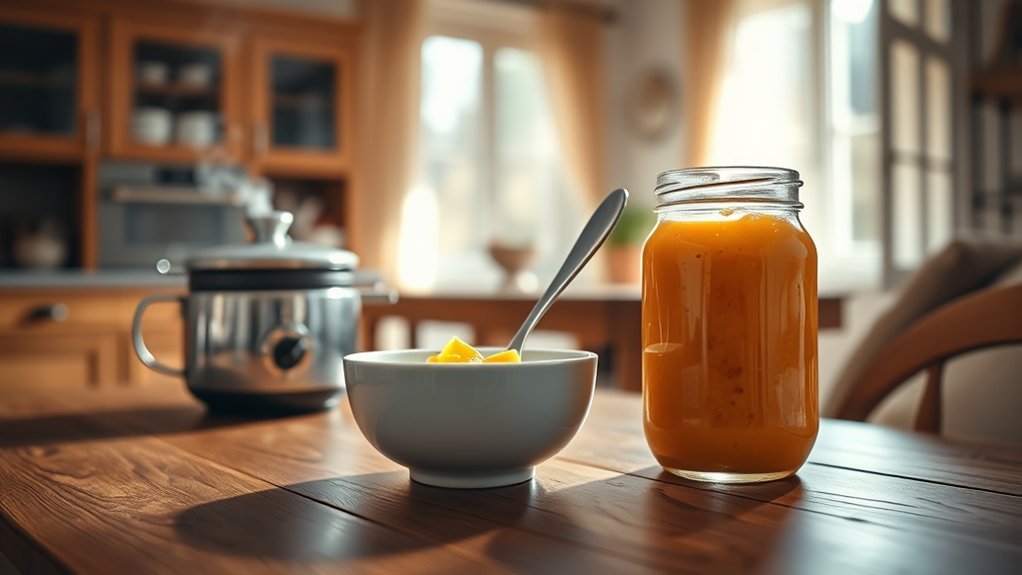
Baby food does not have to be warm to be safe, nutritious, or enjoyable. Some babies prefer food cold or at room temperature, while others like it slightly warm. The important steps are to handle the food safely, prevent microwave hot spots, reheat previously cooked food thoroughly, and cool it before offering it to your baby.
Quick Answer
Baby food does not have to be warmed. Cold, room-temperature, or lukewarm food is acceptable if your baby enjoys it. Warm ready-to-eat puree only until lukewarm. When reheating previously cooked food, heat it until steaming hot throughout, stir well, and then let it cool before serving.
Key Takeaways
- Warming baby food is optional and should be based on your baby’s preference.
- Ready-to-eat puree may be gently warmed until lukewarm, but previously cooked food should be reheated until steaming hot throughout and then cooled.
- Microwave solid baby food only in a microwave-safe dish, using short intervals followed by thorough stirring and a standing period.
- Discard food that has touched your baby’s mouth, spoon, or feeding bowl instead of saving it for another meal.
- Refrigeration limits vary by food type, so follow the package directions or the storage chart below.
At a Glance
| Time Required | About 2–5 minutes |
| Difficulty | Easy |
| Tools Needed | Clean spoon, microwave-safe dish or small saucepan, and an optional food thermometer |
| Cost | Usually no additional cost |
Note: This guide covers general food-safety practices for solid baby food. Ask your pediatrician for individualized advice if your baby was born prematurely, has a weakened immune system, has swallowing difficulties, or requires a medically prescribed diet.
Why Warming Baby Food May Help at Mealtime
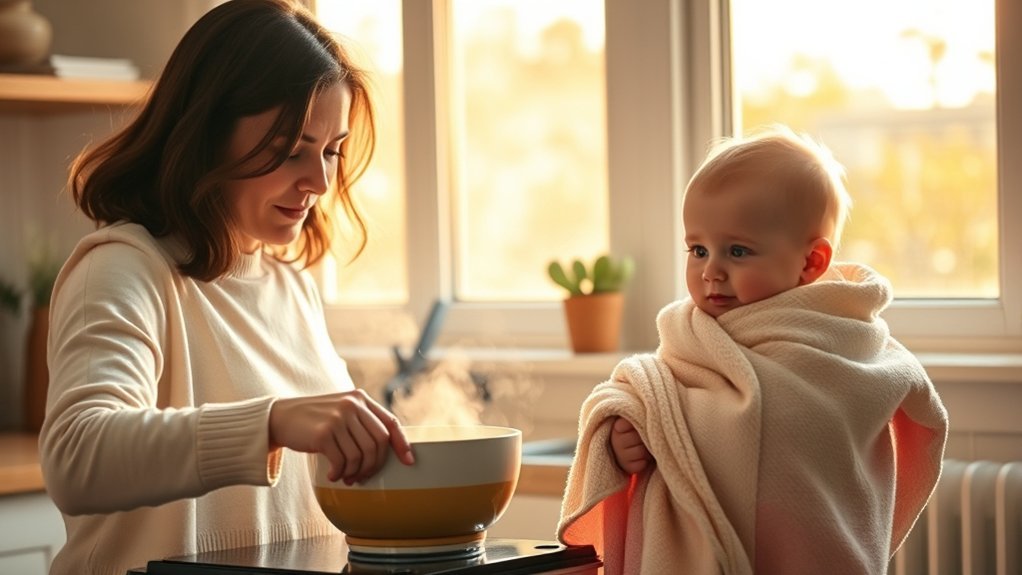
Warming baby food is a matter of comfort and preference rather than a nutritional requirement. Some babies accept lukewarm food readily because it feels similar to the temperature of milk they already know. Other babies are perfectly happy with refrigerated or room-temperature food.
Gentle warming can also soften thicker purees, loosen foods that have become firm in the refrigerator, and release more aroma. These changes may make a meal more appealing, but warm food has not been shown to be necessary for digestion.
Offer food at different safe temperatures and watch your baby’s reaction. A baby who refuses cold puree may accept the same food when it is slightly warm, while another may prefer it straight from the refrigerator.
Baby food may be served cold, at room temperature, or lukewarm. Safety depends more on clean handling, correct storage, and proper reheating than on the final serving temperature.
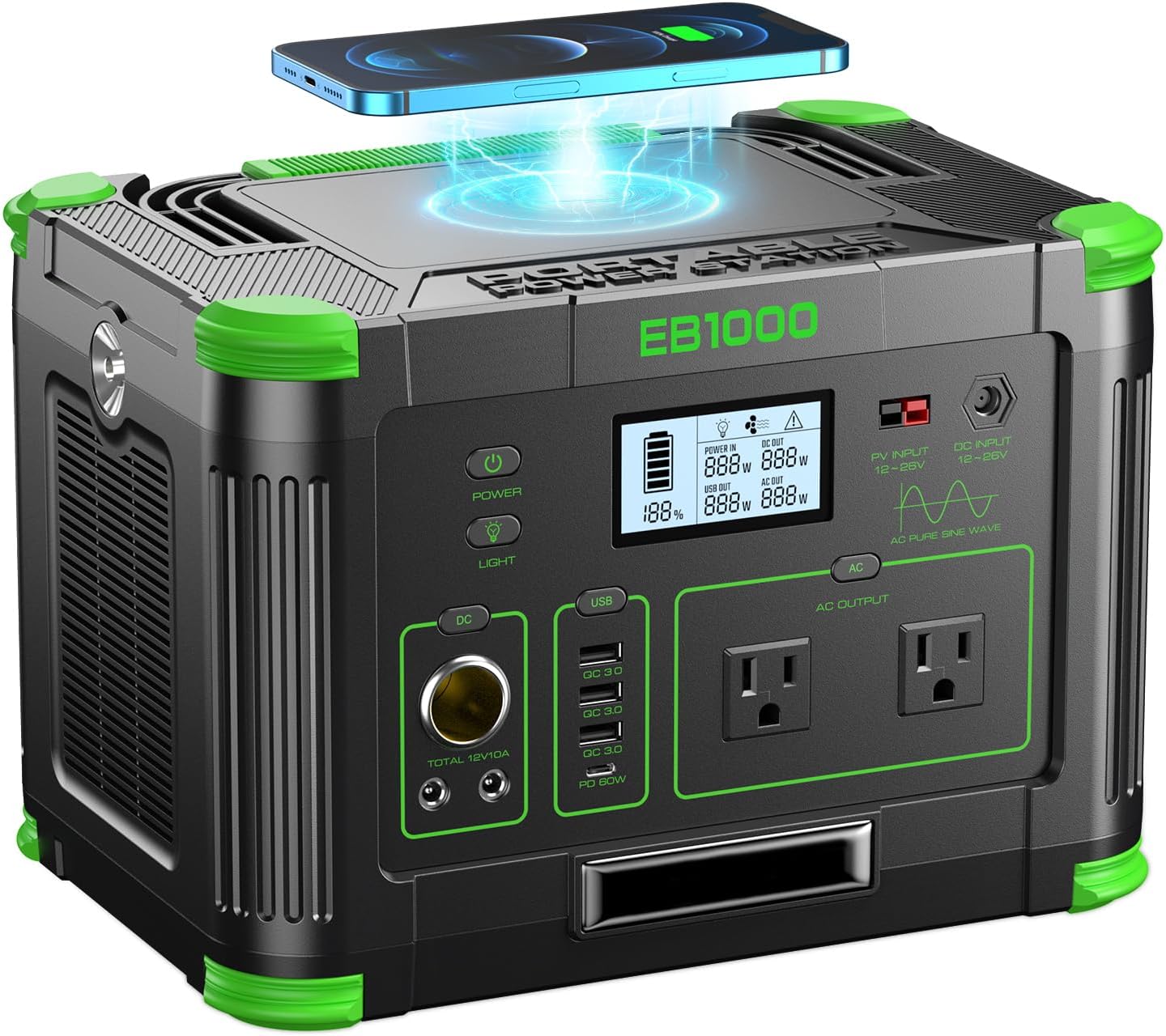
Power your essentials anywhere with a 999Wh pure sine wave power station delivering up to 1000W continuous with 2000W surge. It supports fast charging via USB-C PD 60W and USB-A QC 18W, plus simultaneous output for multiple devices through AC, USB, wireless, and car/DC ports. Recharge using AC, car, or solar with a built-in MPPT controller and dual cooling fans, while the upgraded battery management system protects against surges, short circuits, and overheating.

Includes 12 glass jars & lids for batch prepping multiple baby meals at once

SET OF 6/12 4OZ SILICONE BABY FOOD CONTAINERS - Make healthy, homemade baby food a breeze with our 6/12-pack of silicone baby food containers. Perfect for both storing breastmilk and introducing solid foods to little ones. Each baby food storage container has measurement markings and baby daycare labels, making portioning and labeling a cinch!
How to Warm Baby Food Safely
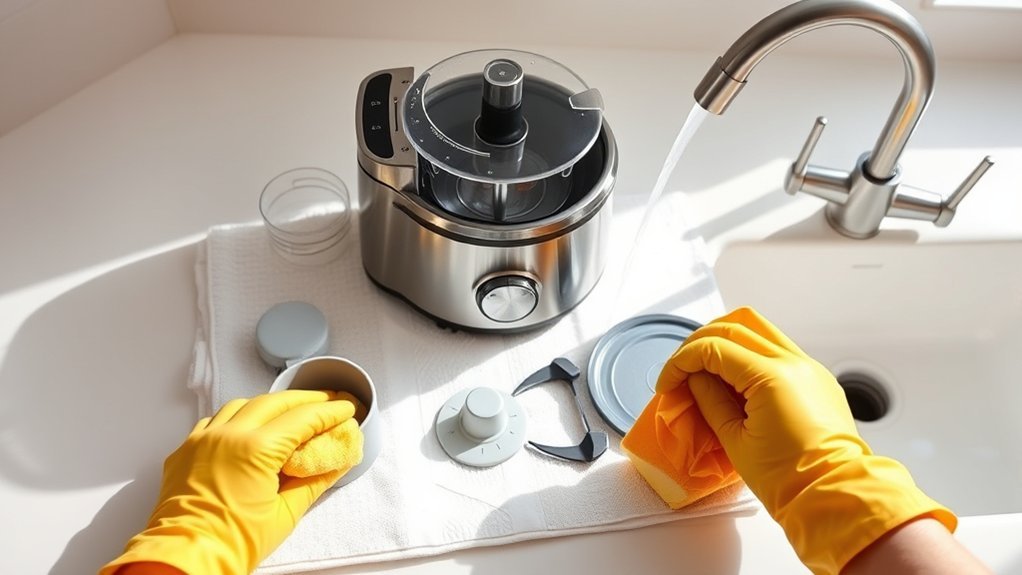
- Wash your hands and use clean utensils. Clean the feeding dish, spoon, preparation surface, and any equipment you will use.
- Remove only one serving. Keep the remaining food refrigerated so the full container is not repeatedly warmed and cooled.
- Transfer the food to a suitable dish. Do not microwave baby food in a commercial glass jar, plastic pouch, or container unless its label specifically says the container is suitable for microwaving.
- Choose a heating method. Use a microwave, stovetop, or warm-water bath as described below.
- Heat according to the food’s history. Gently warm newly opened or ready-to-eat puree until lukewarm. Heat previously cooked and chilled food until it is steaming hot throughout, and then let it cool.
- Stir thoroughly. Scrape around the sides and across the bottom of the dish so hotter and cooler areas are mixed together.
- Let microwaved food stand for at least 30 seconds. This helps the heat spread more evenly.
- Test with a separate clean spoon. The serving portion should feel lukewarm, not hot. Do not rely on the temperature of the container.
- Stay with your baby while feeding. Discard food left in the feeding bowl after the meal.
Warning: These microwave instructions apply to solid baby food only. Do not microwave breast milk or infant formula. The FDA warns that bottles can develop uneven hot spots capable of burning a baby’s mouth or throat.
FoodSafety.gov recommends transferring solid baby food to a separate dish, stirring it, letting it stand for 30 seconds, and testing it before feeding.
Why Temperature Testing Is Essential
Microwaves do not heat every part of a food at the same rate. One spoonful may feel cool while another contains a hot spot that could burn your baby’s mouth.
There is no official universal serving rule requiring baby food to be between 90°F and 120°F. Instead, use the following practical standards:
- Ready-to-eat puree warmed for preference: It should feel lukewarm, not hot.
- Previously cooked refrigerated food: Reheat it until steaming hot throughout. General leftover guidance uses 165°F or 74°C as a reheating target. Let the food cool before serving.
- Microwaved food: Stir it thoroughly, let it stand for at least 30 seconds, and test more than one area.
A food thermometer can confirm that previously cooked food has been fully reheated, but you must still cool and test the serving portion. A thermometer reading from one place does not guarantee that every spoonful is the same temperature.
Pro Tip: Spread the warmed food into a thin layer in the bowl after stirring. A thin layer cools faster and makes hidden hot spots easier to detect.
Benefits of Serving Warm Baby Food
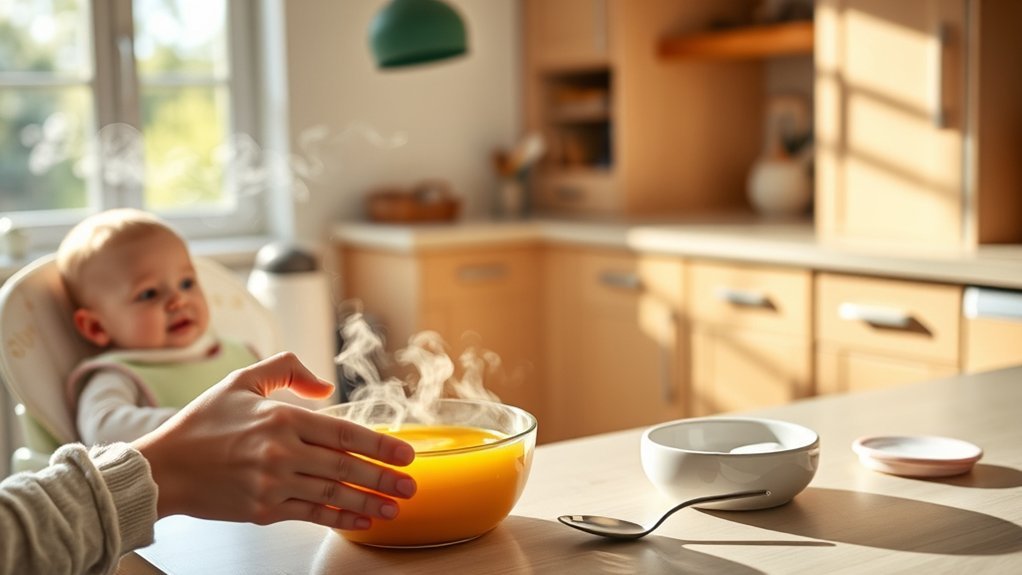
Warm food is not automatically healthier than cold food, but gentle warming can offer several practical benefits.
- Familiarity: Some babies find lukewarm food more familiar than cold food.
- Softer texture: Refrigerated puree may thicken. Gentle warming and stirring can restore a smoother consistency.
- Stronger aroma: Warmth can release more aroma, which may make a food more appealing.
- Easier mixing: Foods containing natural fats may blend more evenly when they are no longer refrigerator-cold.
- Greater acceptance: A baby who refuses a cold food may accept it when served lukewarm.
These benefits depend on the individual baby. They do not mean every meal needs to be heated or that cold food is difficult to digest.
Drawbacks of Warming Baby Food
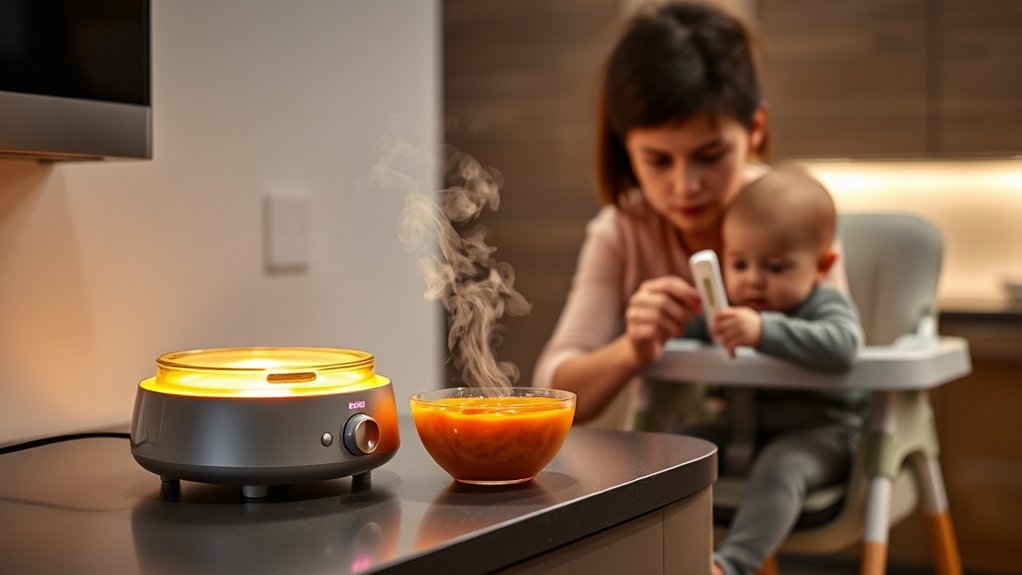
The biggest disadvantages of warming baby food involve safety, convenience, and food quality rather than major nutrient loss.
- Hot spots: Uneven microwave heating can burn a baby’s mouth.
- Repeated reheating: Warming the same portion several times gives bacteria more opportunities to grow and can dry out the food.
- Extra handling: Every transfer, spoon, and container creates another chance for contamination if equipment is not clean.
- Loss of moisture: Excessive heating can make puree thick, dry, or less pleasant to eat.
- Temperature dependence: Always serving food warm may make meals less convenient when safe heating is unavailable.
Microwave heating does not automatically destroy the food’s nutrients. As with other cooking methods, longer heating times, excessive temperatures, and unnecessary water can affect some heat-sensitive vitamins. Briefly warming one serving is unlikely to create a meaningful nutritional disadvantage.
Safe Methods for Heating Baby Food
| Method | How to Use It | Important Caution |
|---|---|---|
| Microwave | Transfer the food to a microwave-safe dish. Cover loosely, heat in short intervals of about 10–15 seconds, and stir after every interval. | Let it stand for at least 30 seconds and test several areas. Microwave power varies, so a fixed heating time cannot guarantee safety. |
| Stovetop | Place the serving in a small saucepan over low heat. Stir constantly and remove it from the heat as soon as it is evenly warmed or fully reheated. | The pan can remain hot after the burner is turned off. Transfer the food to a cool feeding bowl and test it before serving. |
| Warm-Water Bath | Place a sealed food container in a bowl of hot water. Stir the food after warming and replace the water if necessary. | Keep water out of the food and make sure the container is designed to tolerate warm water. |
| Conventional Oven | Place a larger portion in an oven-safe covered dish and warm it at a low temperature. Stir before checking the temperature. | An oven is slow and inefficient for a small serving. Never put a pouch or ordinary commercial baby-food jar in the oven. |
Use the stovetop for baby-food meats, meat sticks, and egg-based foods. FoodSafety.gov advises against microwaving these foods because their higher fat content can lead to rapid overheating and splattering.
Avoiding Hot Spots When Microwaving Baby Food
A microwave can be used for solid baby food, but careful handling is essential. The center of food heated in a jar can become much hotter than the food beside the glass, so touching the outside of the container is not a reliable test.
Use this microwave routine:
- Transfer one serving to a shallow microwave-safe dish.
- Cover it loosely to retain moisture while allowing steam to escape.
- Heat for 10–15 seconds.
- Stir from the center outward, scraping the bottom and sides.
- Repeat only if more heat is needed.
- Let the food stand for at least 30 seconds.
- Stir again and test several spoonfuls with a separate clean utensil.
The FDA’s solid baby-food microwave guidance recommends transferring food out of the jar, stirring, allowing a standing period, and taste-testing before feeding.
What Baby Food Temperatures Do Babies Prefer?
Babies do not share one preferred food temperature. Some readily eat food cold from the refrigerator. Others prefer room-temperature or lukewarm meals.
Start with a safe temperature that is convenient for you. If your baby turns away but otherwise appears hungry, try offering the same food at a different temperature during another feeding. A temperature preference is not necessarily a sign that the food is unsuitable.
Food should never be hot enough to produce visible steam when it reaches your baby’s mouth. Previously cooked food may need to be steaming hot during reheating, but it must be cooled and tested before feeding.
How to Serve Baby Food Cold Safely
Cold baby food can be served safely when it has been stored correctly and your baby accepts the temperature. Serving food cold does not automatically preserve substantially more nutrients than brief, careful warming.
| Step | Safe Practice |
|---|---|
| Keep It Cold | Store perishable baby food in a refrigerator set to 40°F or below. |
| Check the Date | Follow the package instructions or the food-specific storage limits in the next section. |
| Portion It First | Spoon one serving into a clean feeding bowl instead of feeding from the storage container. |
| Stir Well | Mix the food to restore an even consistency and check for ice crystals if it was recently thawed. |
| Discard the Serving | Throw away food remaining in the feeding bowl once the meal is over. |
Best Practices for Storing and Reheating Baby Food
Babies and children under five are more vulnerable to serious foodborne illness, so careful cooling, storage, and reheating are essential. The CDC recommends extra care with food prepared for young children.
Baby Food Refrigerator and Freezer Times
The following limits come from the FoodSafety.gov baby-food storage chart. Use the package label when it gives a shorter storage period.
| Opened or Freshly Made Food | Refrigerator | Freezer |
|---|---|---|
| Strained fruits and vegetables | 2–3 days | 6–8 months |
| Strained meats and eggs | 1 day | 1–2 months |
| Meat-and-vegetable combinations | 1–2 days | 1–2 months |
| Homemade baby food | 1–2 days | 1–2 months |
Cooling, Thawing, and Reheating Rules
- Cool cooked food promptly: Divide it into small portions or shallow containers and refrigerate or freeze it within one to two hours.
- Keep the refrigerator cold: Set it to 40°F or below.
- Thaw safely: Defrost frozen baby food in the refrigerator or use a microwave’s defrost setting. Do not thaw it on the counter.
- Use thawed food promptly: NHS guidance recommends using fully defrosted food within 24 hours.
- Reheat only once: Do not cool and reheat the same cooked portion repeatedly.
- Heat throughout: Previously cooked food should be steaming hot from the center to the edges before it is cooled for serving.
- Discard contaminated portions: Do not save food that has touched the baby’s spoon, mouth, or feeding bowl.
- Follow special rice precautions: Cool cooked rice within one hour, refrigerate it promptly, use it within 24 hours, and reheat it no more than once.
The NHS provides additional guidance on storing, defrosting, and reheating baby food, including the one-reheat rule and the need to discard half-eaten portions.
Pro Tip: Freeze homemade baby food in single-meal portions and label each container with the food and preparation date. Smaller portions thaw faster and prevent the full batch from being warmed unnecessarily.
Frequently Asked Questions
Does baby food need to be warmed?
No. Baby food can be served cold, at room temperature, or lukewarm as long as it has been stored and handled safely. Warming is mainly a matter of your baby’s preference.
Can I warm baby food in a conventional oven?
Yes, but an oven is usually inefficient for a small serving. Put the food in a covered oven-safe dish, stir it after heating, and cool it before serving. Never place a plastic pouch or an ordinary commercial baby-food jar in the oven.
Can I microwave baby food in its jar?
Do not microwave baby food in its jar. Transfer one serving to a microwave-safe dish so you can stir it thoroughly, let it stand, and test several areas before feeding.
How long can I store warmed baby food?
Do not leave perishable baby food at room temperature for more than two hours, or more than one hour when the surrounding temperature is above 90°F. Discard anything from the baby’s feeding bowl. To avoid repeat reheating, warm only the amount you expect your baby to eat.
Is it safe to reheat baby food multiple times?
No. Previously cooked food should be reheated only once. Repeated warming and cooling increases handling and can allow unsafe bacterial growth. Reheat a single portion and leave the rest refrigerated.
What are signs that baby food is too hot?
Food is too hot to serve if it is still steaming, feels hot rather than lukewarm on a clean testing spoon, or contains noticeably hotter areas after stirring. Let it cool, stir it again, and retest several spoonfuls.
Can I add water to baby food when warming it?
Yes. A small amount of safe drinking water can thin a puree that becomes too thick during refrigeration or heating. Add only a little at a time and stir well. Do not use this advice to dilute infant formula, which must always be mixed exactly as directed on its label.
Conclusion
Warming baby food is optional. Serve it cold, at room temperature, or lukewarm according to your baby’s preference, provided it has been stored and handled safely. When reheating previously cooked food, heat it until steaming hot throughout, stir it carefully, and cool it before feeding.
The safest routine is to warm one small portion, test it with a separate clean spoon, remain with your baby during the meal, and discard anything left in the feeding bowl. These steps reduce the risks from burns, hot spots, and foodborne bacteria without making mealtime unnecessarily complicated.
Sources
- FoodSafety.gov — Children Under Five — baby-food storage limits, safe microwaving, hot spots, and stovetop guidance for meats and eggs
- U.S. Food and Drug Administration — Once Baby Arrives — safe microwave handling of solid baby food and the warning against microwaving milk or formula
- NHS — Storing and Reheating Baby Food — cooling, thawing, reheating once, and discarding half-eaten portions
- NHS — Children’s Food Safety and Hygiene — food preparation, refrigeration, reheating, and serving precautions
- FoodSafety.gov — Four Steps to Food Safety — refrigerator temperatures, two-hour limits, and safe reheating temperatures
- Centers for Disease Control and Prevention — Safer Food Choices for Children Under Five — why young children require extra food-safety precautions