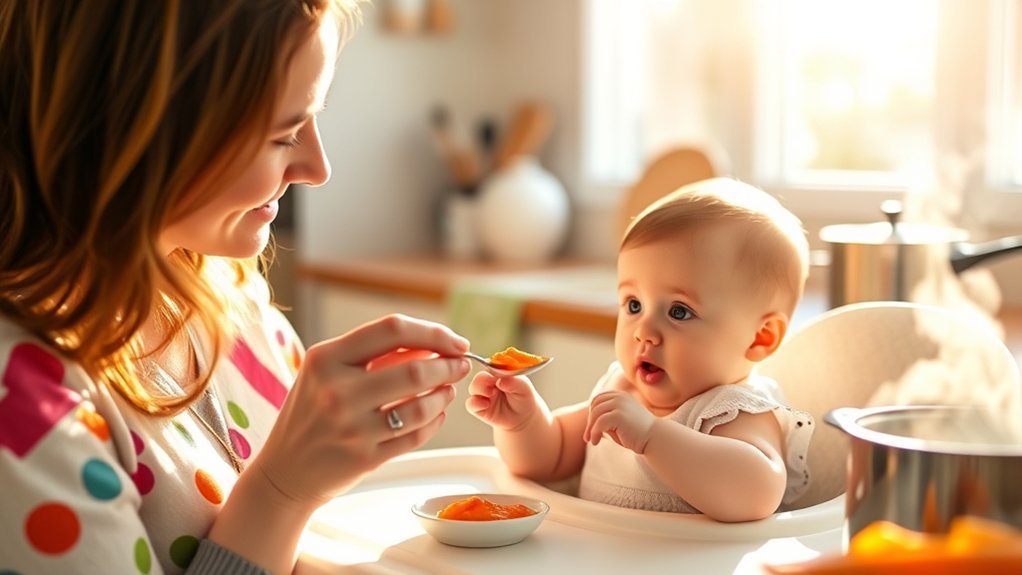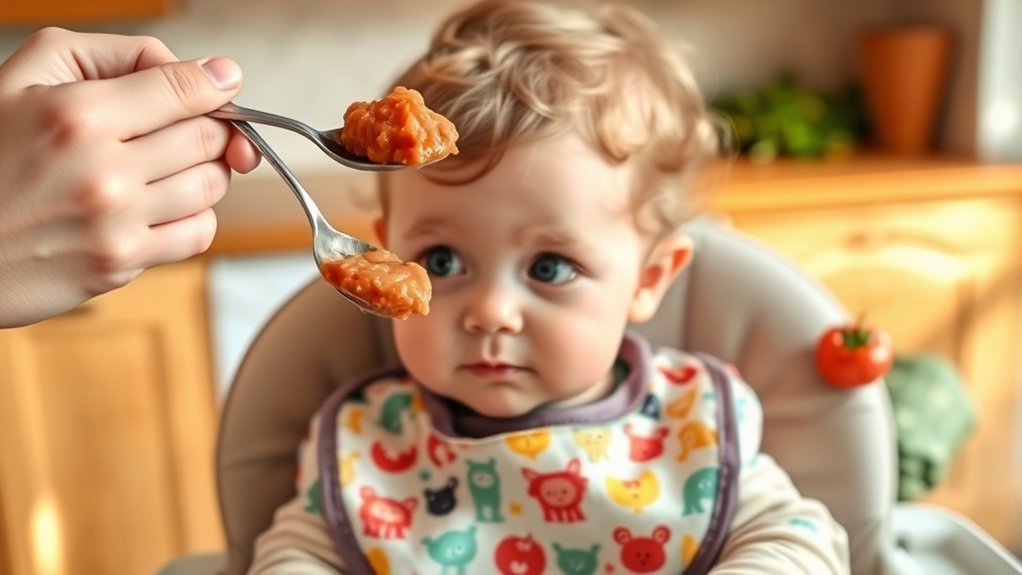
Frozen baby food is not automatically unsafe when it reaches three months, but the best storage limit depends on what the food contains and how it was handled. Food kept continuously frozen at 0°F (-18°C) does not support bacterial growth, yet official baby-food guidance recommends much shorter storage periods for quality and cautious infant feeding. Homemade mixtures, meat, and egg purées should generally be used sooner than plain fruit or vegetable purées.
Quick Answer
Baby food that has stayed continuously frozen at 0°F may not become unsafe solely because three months have passed. However, current baby-food guidance recommends using homemade foods, meat, eggs, and mixed meals within one to two months. Plain strained fruits and vegetables may retain acceptable quality for six to eight months.
Key Takeaways
- For the most conservative approach, use homemade baby food within one to two months of freezing.
- Strained fruits and vegetables can keep their best quality longer than foods containing meat, eggs, or mixed ingredients.
- Keep the freezer at 0°F (-18°C) or below and label every portion with the food and freezing date.
- Thaw baby food in the refrigerator, in cold water, in the microwave, or while heating it—not on the counter.
- Ice crystals or freezer burn affect quality but do not automatically prove that food has spoiled.
- Never save food that has been touched by a used feeding spoon, and do not refreeze a fully thawed serving.
At a Glance
| Active Time | About 15–30 minutes, plus freezing time |
| Difficulty | Easy |
| Tools Needed | Clean utensils, blender or masher, shallow containers or covered trays, freezer-safe bags or containers, and labels |
| Cost | Low; reusable trays and containers can reduce ongoing costs |
Note: This article provides general food-safety information, not individualized medical advice. Ask your pediatrician about feeding needs for a premature baby, a baby with a weakened immune system, or a child with medical or developmental concerns.
Why Freezing Baby Food Can Help
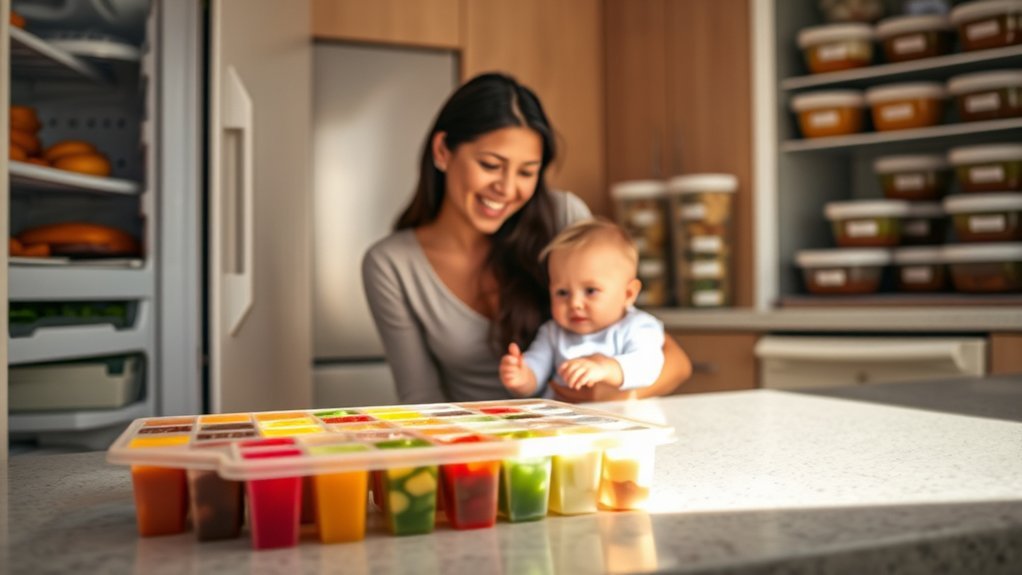
Freezing can make homemade baby food easier to prepare in batches. Small portions let you thaw only what your baby is likely to eat, which can reduce waste and make daily meals more convenient.
Freezing also preserves food without requiring added salt, sugar, or preservatives. According to the U.S. Food and Drug Administration, freezing generally causes little change in a food’s nutritional value. However, flavor, color, moisture, and texture can gradually decline during storage.
Seasonal produce can be cooked, mashed or puréed, and frozen for later use. Portions do not need to be identical: one or two tablespoons may suit an early eater, while an older baby may need a larger amount. Freezing food in single-serving portions makes it easier to avoid reheating more than necessary.
Freezing pauses bacterial growth, but it does not sterilize food or correct unsafe preparation and handling.
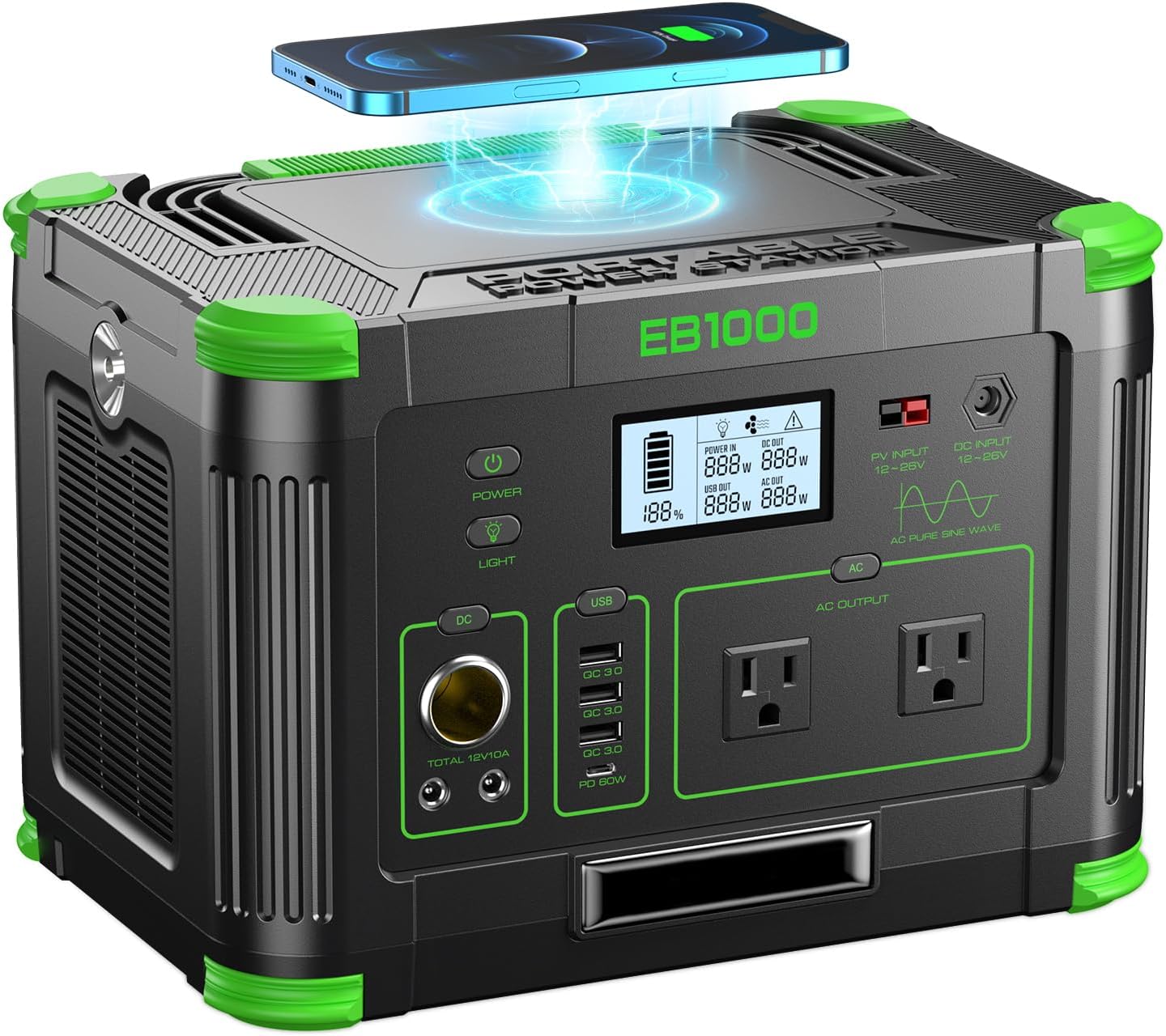
Power your essentials anywhere with a 999Wh pure sine wave power station delivering up to 1000W continuous with 2000W surge. It supports fast charging via USB-C PD 60W and USB-A QC 18W, plus simultaneous output for multiple devices through AC, USB, wireless, and car/DC ports. Recharge using AC, car, or solar with a built-in MPPT controller and dual cooling fans, while the upgraded battery management system protects against surges, short circuits, and overheating.
![VITEVER [16 Pack] 4 oz Small Containers with Lids, Reusable Plastic Jars for Snack and Puree, Salad Dressing Container to Go, Deli Containers, Freezer Baby Food Containers, Dishwasher Safe, BPA Free](https://m.media-amazon.com/images/I/41fnLIEevxL._SL500_.jpg)
BPA-FREE; DISHWASHER SAFE; MICROWAVE SAFE; SEALABLE; STACKABLE; REUSABLE.

Effortless Meal Preparation: Streamline your baby's nutrition with our 3 Pack Silicone Freezer Tray. Batch prepare baby food, purees, breastmilk, and more for efficient and convenient meal planning.
How to Freeze Homemade Baby Food Safely
Safe freezing begins before the food enters the freezer. Use clean hands, utensils, appliances, work surfaces, and storage containers. The FDA’s infant food-safety guidance recommends washing blenders, food processors, utensils, and other equipment with detergent and hot water before they touch a baby’s food.
- Prepare the ingredients safely. Wash produce, remove pits and seeds, and remove bones, skin, gristle, and excess fat from meat or fish.
- Cook foods that require cooking. Cook meat, poultry, fish, eggs, grains, and firm vegetables until safely done and soft enough to mash or purée.
- Blend or mash to the right texture. Match the texture to your baby’s feeding skills. Avoid adding extra salt or sugar.
- Cool and portion promptly. Divide the food into shallow, single-serving portions and refrigerate or freeze it within two hours of preparation. If the room is hotter than 90°F, use a one-hour limit.
- Use freezer-safe containers. Covered silicone trays, rigid freezer containers, and freezer-grade bags can work well. Leave about one-half inch of headspace in an appropriate freezer-safe jar because food expands as it freezes.
- Label every portion. Write the food name and freezing date on the container or bag.
- Freeze at 0°F or below. Place portions where they can freeze quickly. Once tray portions are solid, transfer them to a labeled airtight freezer container or freezer bag.
- Use the oldest portions first. Rotate your supply so older food does not remain hidden at the back of the freezer.
Warning: Never freeze or refrigerate food left in your baby’s feeding bowl. Saliva transferred by a used spoon can contaminate the remaining food. Place only the expected serving in a clean dish and keep the untouched portion separate.
Pro Tip: Freeze purées before adding breast milk or prepared formula. Add the liquid after thawing, when needed, so you can adjust the texture and follow the storage rules for the milk or formula separately.
The Best Baby Foods to Freeze
Many cooked fruits, vegetables, proteins, and grains can be frozen safely when they are prepared and packaged correctly. The main difference after thawing is often texture rather than safety.
- Fruit purées: Apples, pears, peaches, blueberries, prunes, mangoes, and bananas can be frozen. Bananas may darken and become softer, but that color change alone does not mean they have spoiled.
- Vegetable purées: Sweet potatoes, squash, peas, green beans, broccoli, cauliflower, and carrots generally freeze well after cooking.
- Protein foods: Cooked chicken, turkey, beef, pork, fish, beans, lentils, and egg can be puréed or finely mashed and frozen in individual portions.
- Cooked grains: Rice, oatmeal, quinoa, and other fully cooked grains can be frozen alone or as part of a familiar combination meal.
- Mixed meals: Familiar ingredients can be combined after your baby has already tolerated each ingredient separately.
Some foods remain safe but become less appealing after freezing. Avocado and banana may brown. Yogurt may separate. Cooked pasta and white potatoes can become watery, grainy, or overly soft. The University of Maine Cooperative Extension notes that pasta and white potatoes may not reheat well in frozen combination meals.
Egg is a protein food, not a grain. If you freeze cooked egg purée, follow the shorter one-to-two-month freezer period used for strained eggs and use it within one refrigerated day after thawing.
How Long Can You Keep Frozen Baby Food?
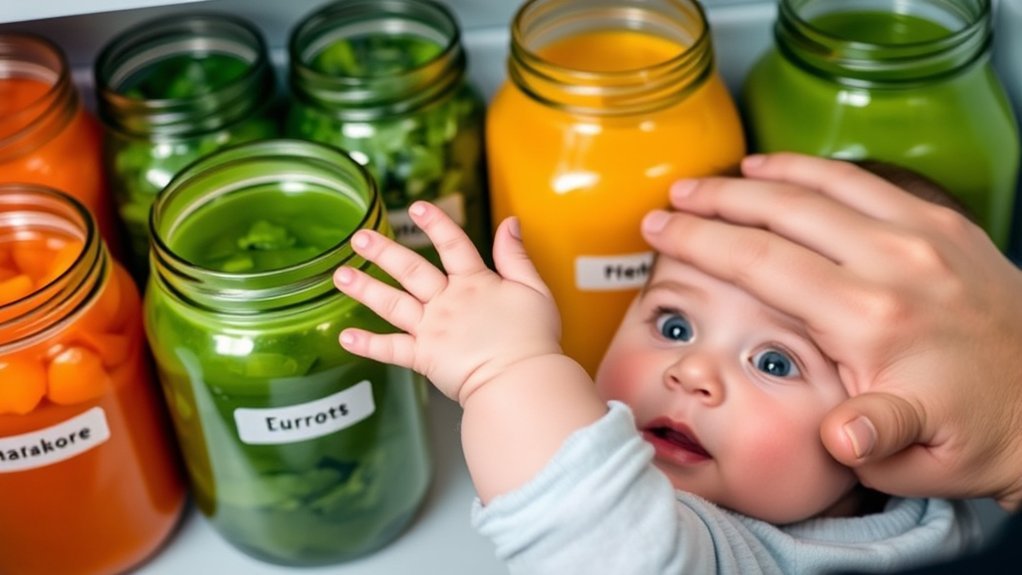
Storage limits vary by ingredient. The following periods come from the FoodSafety.gov guidance for children under five. They apply to opened or freshly made puréed and solid baby foods.
| Food Type | Refrigerator at 40°F or Below | Freezer at 0°F or Below |
|---|---|---|
| Strained fruits and vegetables | 2–3 days | 6–8 months |
| Strained meats and eggs | 1 day | 1–2 months |
| Meat-and-vegetable combinations | 1–2 days | 1–2 months |
| Other homemade baby foods | 1–2 days | 1–2 months |
An older FDA infant food-safety page says homemade baby food may be stored for up to three months. Because FoodSafety.gov’s more recently reviewed table gives a one-to-two-month period for homemade food, using the shorter period is the more conservative choice for a baby.
Is Baby Food Safe After Three Months?
The date alone does not provide the full answer. The FDA explains that food kept continuously at 0°F remains frozen safely because bacteria cannot grow at that temperature. Freezer storage times are often based on quality rather than a precise moment when food suddenly becomes dangerous.
However, infants are more vulnerable to foodborne illness than healthy adults. For that reason, apply the baby-specific storage limits rather than relying only on the general “frozen indefinitely” principle:
- Homemade mixed food, meat, or egg: Discard it after the recommended one-to-two-month period, especially when its handling history is uncertain.
- Plain strained fruit or vegetables: Three months may still fall within the six-to-eight-month quality period if the food stayed continuously frozen and uncontaminated.
- Commercially frozen or packaged food: Follow the manufacturer’s package instructions and use-by information. Do not assume every commercial product has the same freezer life.
Note: When a frozen portion contains several ingredients, use the shortest storage period that applies to any major ingredient.
How to Thaw Frozen Baby Food Safely
Never thaw baby food on the kitchen counter. Bacteria can multiply quickly as the outside of the food warms, even while the center remains frozen. Use one of these safer methods instead.
Refrigerator Thawing
Move the needed portion from the freezer to the refrigerator and allow it to thaw for several hours or overnight. Keep it covered and place it away from raw meat, poultry, seafood, and eggs.
Use thawed meat or egg purée within one day. Use most other homemade or mixed baby foods within one to two days. Do not count a fresh 48-hour period each time the food is warmed.
Stovetop Thawing and Warming
Place the frozen portion in a small saucepan and warm it slowly over low heat. Stir often so the food heats evenly. Before feeding, let it cool and check that it feels lukewarm rather than hot.
Microwave Thawing
Transfer the food to a microwave-safe dish instead of heating it in a baby-food jar. Heat in short intervals, stir thoroughly, and let the food stand for at least 30 seconds. Test several areas before serving because microwaves can create hidden hot spots.
FoodSafety.gov advises warming baby-food meats and eggs on the stovetop rather than in a microwave because their higher fat content can cause uneven overheating and splattering.
Cold-Water Thawing
Place the sealed baby-food container in a leak-proof bag and submerge it in cold water. Keep the water cold, changing it at least every 30 minutes if thawing takes that long. Warm or serve the food promptly after it thaws.
Warning: Do not leave frozen or thawed baby food at room temperature for more than two hours, or more than one hour when the temperature is above 90°F. Discard it sooner if you cannot confirm how long it has been warm.
Signs of Spoiled Baby Food
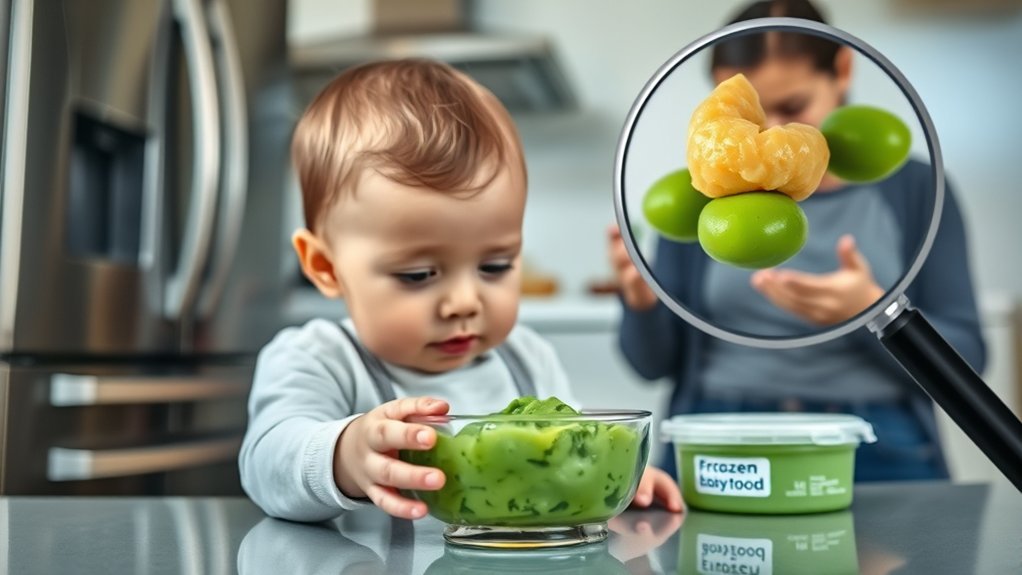
Discard baby food when you notice mold, a sour or clearly abnormal odor, a slimy texture, bubbling that should not be present, a leaking or damaged container, or evidence that the food was left above a safe temperature. Do not taste questionable food to decide whether it is safe.
Appearance and smell cannot reveal every harmful microorganism. Food may contain illness-causing bacteria without looking spoiled, so handling history and temperature control matter as much as visible signs.
Freezer Burn Versus Spoilage
Dry patches, extra ice crystals, color fading, or a leathery surface may indicate freezer burn. Freezer burn happens when moisture escapes from poorly sealed food. The FDA considers it primarily a quality problem, not proof that the food is unsafe.
You may still choose to discard badly freezer-burned baby food because the texture and flavor can be unpleasant. Discard it for safety when the packaging is open or damaged, the portion has thawed and warmed, or you cannot confirm that it remained frozen.
Important Baby Food Safety Rules
Control Storage Temperatures
Keep the refrigerator at 40°F (4°C) or below and the freezer at 0°F (-18°C) or below. An appliance thermometer is more reliable than the refrigerator or freezer control dial.
Separate Stored Food From Fed Food
Place a small serving in a clean bowl and feed from that bowl. Keep the main container separate from the used spoon. Discard anything left in the serving bowl after the meal.
Avoid Repeated Heating
Thaw or warm only the amount you expect to serve. Repeated warming and cooling increases handling and creates more opportunities for contamination. Discard warmed leftovers from the feeding dish.
Do Not Refreeze Thawed Portions
General food-safety guidance allows some food to be refrozen when it still contains ice crystals or remains at 40°F or below. Baby-food guidance is more conservative and advises against refreezing food after it has thawed. Refreezing also causes additional loss of texture and moisture.
Handle Power Outages Carefully
Keep the freezer door closed during an outage. A full unopened freezer can generally hold a safe temperature for about 48 hours, while a half-full freezer may hold it for about 24 hours. Food that still contains ice crystals or measures 40°F or below may be safe under general FDA guidance, but discard baby food if you cannot confirm its temperature or thawing history.
Moving From Frozen Purées to Fresh Foods
Frozen food does not have to be replaced simply because your baby gets older. Frozen, refrigerated, and freshly prepared foods can all be part of a varied diet when they are age-appropriate and handled safely.
As your baby develops feeding skills, gradually offer thicker mashes, soft lumps, finely chopped foods, and safe finger foods instead of relying only on smooth purées. Texture progression helps your baby practice chewing and moving food around the mouth.
- Introduce suitable new ingredients: Add dairy, soft combination meals, and family foods when they are appropriate for your baby.
- Use only untouched leftovers: A clean portion of a family meal may be suitable after it has been separated before serving, cooled promptly, and prepared without excessive salt or unsafe ingredients.
- Watch for reactions: Introduce allergenic and unfamiliar foods according to your pediatric clinician’s advice and observe your baby after eating.
- Adjust texture gradually: Move from smooth purées to mashed and soft chopped foods based on your baby’s developmental readiness.
Never use food left on another person’s plate or food that has been sitting at room temperature. Avoid honey before 12 months, unpasteurized milk or juice, undercooked animal foods, and foods that present a choking hazard.
Frequently Asked Questions
Can I freeze homemade baby food?
Yes. Prepare the food with clean equipment, cool and portion it promptly, and store it in airtight freezer-safe containers at 0°F or below. Label every portion with the food name and freezing date. For a conservative approach, use homemade baby food within one to two months.
Is frozen baby food safe after three months?
It depends on the ingredients and storage history. Plain strained fruit or vegetables may still be within the recommended six-to-eight-month freezer period. Homemade mixed food, meat, and egg purées have a shorter recommended period of one to two months and should generally be discarded after three months.
What containers are best for freezing baby food?
Use covered silicone trays, freezer-grade bags, or rigid freezer-safe plastic or glass containers. Choose materials intended for freezing, close them tightly, and leave about one-half inch of headspace when using an appropriate jar because food expands as it freezes.
Is it safe to refreeze thawed baby food?
Baby-food guidance recommends that you do not refreeze a thawed portion. Refreezing lowers quality and adds another handling step. Discard food that was warmed, served, left at room temperature, or touched by a used spoon.
How can I tell whether frozen baby food is still good?
Check the freezing date, packaging, and temperature history. Discard food with mold, a sour odor, sliminess, leaking packaging, or an unknown thawing history. Ice crystals or freezer burn may reduce quality but do not automatically prove that the food is unsafe.
Are there foods I should avoid freezing for babies?
Most suitable cooked baby foods can be frozen, but some lose quality. Avocado and banana may brown, yogurt may separate, and pasta or white potatoes may become watery or grainy. Do not freeze food that has already been served or contaminated by a used spoon.
Can I freeze baby food mixed with formula or breast milk?
It is usually simpler to freeze the purée before adding liquid. After thawing, add a small amount of breast milk, properly prepared formula, water, or cooking liquid to reach the desired texture. Follow the separate storage rules for breast milk and formula.
Can I thaw frozen baby food at room temperature?
No. Thaw it in the refrigerator, in a leak-proof container under cold water, in a microwave-safe dish, or while warming it on the stovetop. Counter thawing can let the food’s outer surface enter a temperature range in which bacteria multiply quickly.
Conclusion
Frozen baby food can remain useful beyond three months in limited cases, particularly when it is a plain fruit or vegetable purée that stayed continuously frozen. That does not make three months a universal storage period. Homemade mixtures, meat, and egg foods have shorter recommended limits and are best used within one to two months.
For the safest routine, keep the freezer at 0°F, label each portion, thaw only what you need, and discard anything with an uncertain temperature or contamination history. Portion food into a clean serving bowl instead of feeding from the storage container. Careful preparation and handling matter more than the calendar date alone.
Sources
- FoodSafety.gov: People at Risk—Children Under Five — Baby-food refrigerator and freezer storage periods and microwave precautions.
- U.S. Food and Drug Administration: Once Baby Arrives — Homemade baby-food freezing, sanitation, serving, and contamination guidance.
- U.S. Food and Drug Administration: Are You Storing Food Safely? — Freezer temperatures, bacterial growth, nutrient retention, and freezer burn.
- U.S. Food and Drug Administration: Refrigerator Thermometers—Cold Facts About Food Safety — Safe thawing methods, time limits, and power-outage guidance.
- University of Maine Cooperative Extension: Making Your Own Baby Food — Preparation, freezing, thawing, warming, storage, and food-quality guidance.