Heavy metals such as arsenic, lead, cadmium, and mercury can enter food from soil, water, pollution, and processing. You cannot remove every trace, and you do not need to eliminate nutritious foods. The practical goal is to lower your baby’s total exposure by serving a varied diet, limiting repeated reliance on rice-based foods, using safe water, and choosing lower-mercury fish.
Quick Answer
Reduce heavy metal exposure by rotating grains, fruits, vegetables, and proteins; limiting rice-based snacks and juice; cooking rice in excess water when practical; using cold, tested water; and choosing lower-mercury fish. Organic and homemade foods are not automatically lower in metals, so variety matters more than any single label.
Medical note: This article provides general education and is not a substitute for your pediatrician’s advice. Do not order broad “heavy metal” or hair tests on your own. Ask your child’s clinician whether a blood lead test or other evaluation is appropriate based on known exposure risks.
Key Takeaways
- Serve a true variety of grains, produce, and proteins instead of repeating the same rice, sweet potato, or carrot base every day.
- Rice can stay in the diet, but rotate it with oat, barley, quinoa, couscous, bulgur, and multigrain infant cereals.
- Cooking rice in 6 to 10 parts water and draining it can lower inorganic arsenic, but it also removes some added nutrients.
- Organic and homemade baby foods are not guaranteed to contain less arsenic, lead, cadmium, or mercury.
- Use cold water for drinking and cooking, test when there is a reason for concern, and choose a filter specifically certified for lead reduction when needed.
- Most children with lead exposure have no clear symptoms; risk-based blood testing is more useful than watching for vague signs.
At a Glance
| Time Required | About 5 minutes to check labels and plan variety; 20–30 minutes when using the excess-water rice method |
| Difficulty | Easy; the main task is rotating foods rather than banning them |
| Tools Needed | Ingredient labels, running water, a clean produce brush, and a saucepan plus strainer for rice; a certified water test or filter only when indicated |
| Cost | Usually no added cost; laboratory water testing and certified filters vary by location and product |
How Heavy Metals Affect Your Baby’s Health
Babies and toddlers are more vulnerable to toxic elements because their brains and bodies are developing quickly and they eat more food in relation to their body weight than adults. Long-term exposure to lead, inorganic arsenic, cadmium, or methylmercury can contribute to developmental and health risks.
The American Academy of Pediatrics notes that the low levels found in baby food are likely only one part of a child’s total exposure. Food choices matter, but parents should also consider older paint, household dust, soil, drinking water, imported spices or cosmetics, smoke, and workplace or hobby exposures brought into the home.
Lead deserves special attention because the CDC has not identified a safe blood lead level in children. Even so, frightening language is not helpful: a single serving is not the same as poisoning, and the most effective approach is to reduce repeated exposure from all sources.
The goal is not a “zero-metal” diet. It is a varied, nutrient-dense diet that avoids making one higher-exposure ingredient the center of every meal.

Power your essentials anywhere with a 999Wh pure sine wave power station delivering up to 1000W continuous with 2000W surge. It supports fast charging via USB-C PD 60W and USB-A QC 18W, plus simultaneous output for multiple devices through AC, USB, wireless, and car/DC ports. Recharge using AC, car, or solar with a built-in MPPT controller and dual cooling fans, while the upgraded battery management system protects against surges, short circuits, and overheating.

HEAVY METAL TESTED: A cleaner alternative to traditional baby rice cereal. Every batch independently third-party tested for arsenic, lead, cadmium, and mercury. Clean from the very first bite
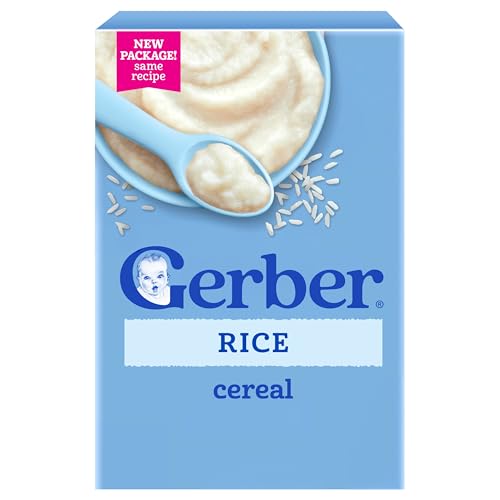
WHOLESOME, HIGH-QUALITY INGREDIENTS Gerber baby rice cereal gives busy parents a convenient, reliable way to provide their little one with high-quality ingredients. Our rice cereal for baby is made with 60% of the daily value of iron to support brain development SNAP and EBT item in eligible states
Common Sources of Heavy Metals in Baby Food
Arsenic, lead, cadmium, and mercury occur naturally in the environment and can also come from human activity. Crops may absorb them from soil and irrigation water, animals may accumulate them through feed or the food chain, and small amounts can enter food during manufacturing or packaging.
Foods that deserve extra attention include:
- Rice cereal, rice puffs, rice rusks, and other rice-based snacks: rice tends to absorb more inorganic arsenic than many other grains.
- Repeated root-vegetable blends: carrots and sweet potatoes are nutritious, but using them as the first ingredient in many different pouches can reduce true dietary variety.
- Fruit juice: whole or pureed fruit provides more fiber and nutrition, while some juices may contribute additional exposure.
- Large predatory fish: species such as shark, swordfish, king mackerel, marlin, orange roughy, tilefish from the Gulf of Mexico, and bigeye tuna contain more mercury than lower-mercury choices.
- Water and non-food sources: older plumbing, private wells, old paint, soil, some imported spices or cosmetics, and smoke can add to total exposure.
Note: A food can contain a measurable trace amount without being unsafe. The amount, chemical form, serving size, frequency, and the child’s total exposure all matter.
Tips for Safe Food Preparation and Cooking Methods
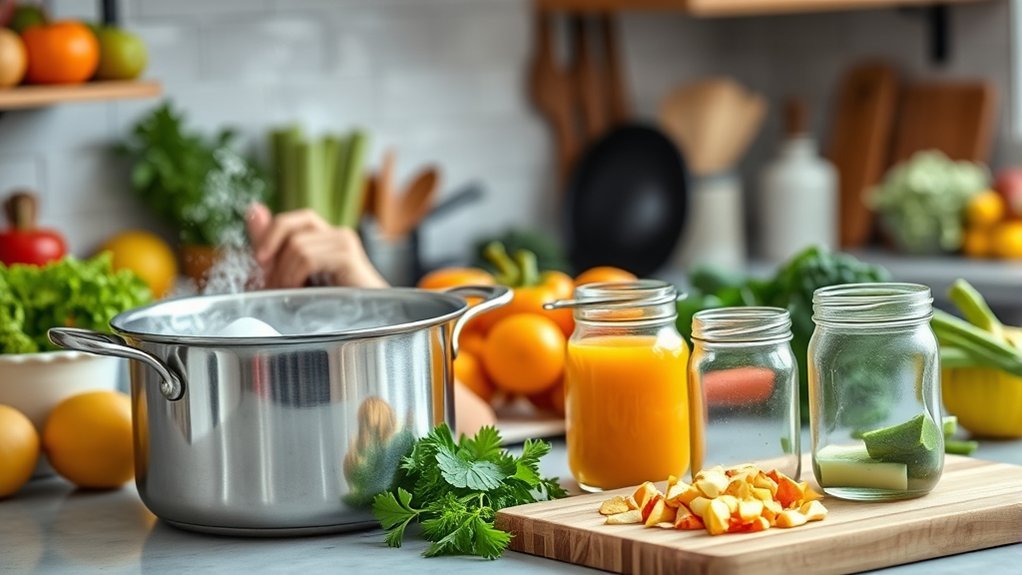
Good food preparation lowers risks from dirt, microbes, and some surface residues. It cannot remove metals that a plant absorbed while growing, so washing is useful but dietary variety remains the stronger strategy for reducing repeated exposure.
Rinse Fruits and Vegetables
- Wash your hands before preparing your baby’s food.
- Rinse produce under clean running water before cutting, peeling, cooking, or serving it.
- Rub soft produce gently and use a clean produce brush on firm items such as apples, carrots, or potatoes.
- Remove damaged areas and the outer leaves of leafy vegetables.
- Do not use soap, detergent, bleach, or commercial produce wash. The FDA recommends plain running water.
Peeling can remove dirt and some surface contamination, but it also removes fiber and nutrients and does not guarantee lower metal content. Use peeling when it makes sense for texture or food safety, not as the main heavy-metal strategy.
Cook Rice Properly
Rice can remain part of a balanced diet. The first step is to avoid making rice cereal and rice snacks your baby’s only grain. Rotate in iron-fortified oat, barley, and multigrain infant cereals, along with age-appropriate quinoa, couscous, bulgur, or other grains.
When cooking rice from scratch, the FDA says the pasta-style method can reduce inorganic arsenic by about 40% to 60%, depending on the rice:
- Use 6 to 10 cups of water for each cup of rice.
- Cook until the rice is tender.
- Drain the extra water through a clean strainer.
Caution: Excess-water cooking can remove 50% to 70% of the iron, folate, thiamine, and niacin added to enriched white or parboiled rice. Rinsing alone has only a small effect on arsenic and can also wash away added nutrients. Balance this method with other iron-rich foods and grains.
Brown rice often contains more inorganic arsenic than white rice because arsenic concentrates in the outer layers. White basmati and sushi rice tend to test lower than many other types, but source and growing region still matter. No rice type is metal-free.
Pro Tip: Look past the flavor name on a pouch. Two products labeled with different fruits or greens may both list sweet potato or rice flour first. Compare the first two or three ingredients to make sure you are actually rotating foods.
Talking to Your Pediatrician About Heavy Metals: What to Ask
Your pediatrician can help separate routine dietary concerns from a true exposure risk. Bring a list or photos of foods your child eats often, the age and condition of your home, your water source, and any known recall or exposure.
Heavy-Metal Risk Questions
- Does my child have a lead-exposure risk based on our home, water, childcare setting, imported products, or a household member’s job or hobby?
- Should my child receive a blood lead test now or follow the routine schedule required for children enrolled in Medicaid?
- Could a developmental, feeding, or stomach symptom have a more common cause that should be checked first?
- Do our local public-health department or Pediatric Environmental Health Specialty Unit offer guidance?
- How can I keep enough iron, calcium, zinc, and protein in my child’s diet while rotating grains and produce?
Safe Food Choices and Testing
Most children with lead in their blood do not have obvious immediate symptoms. A blood lead test is the best way to check for lead exposure when risk factors are present. Broad urine, hair, or commercial “detox” testing is not a substitute for medical evaluation; the American Academy of Pediatrics specifically advises against hair testing for toxic metals.
Warning: If you suspect an acute poisoning or your child may have swallowed a contaminated substance, do not wait for symptoms. In the United States, contact Poison Control online or call 1-800-222-1222. Call 911 for collapse, seizure, trouble breathing, or inability to wake.
How Variety in Diet Reduces Heavy Metal Exposure for Your Baby
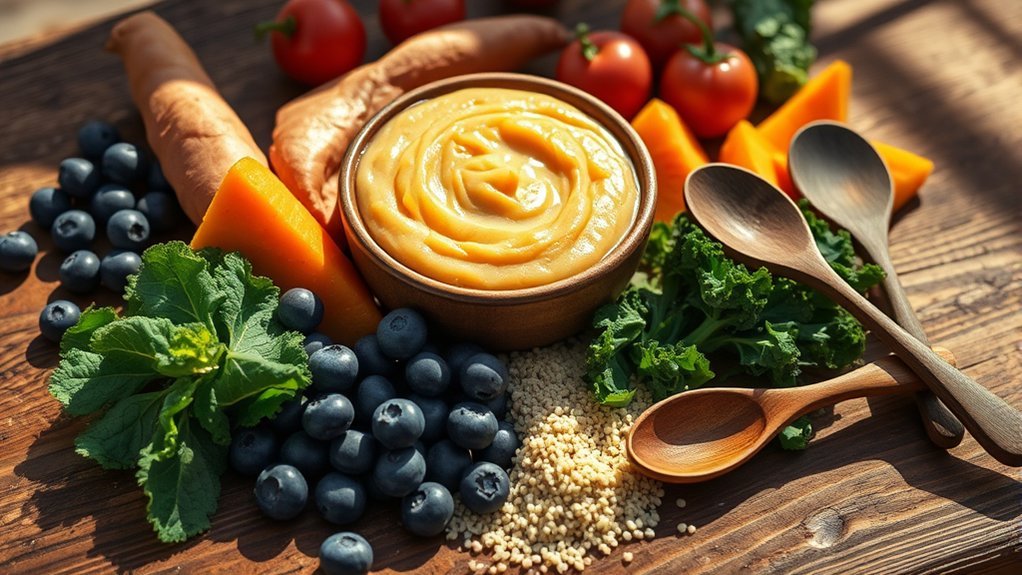
Variety reduces the chance that your baby will receive the same contaminant from the same ingredient day after day. It also supports a wider range of nutrients needed for growth.
- Grains: rotate rice with oat, barley, quinoa, couscous, bulgur, farro, and multigrain cereals that are appropriate for your child’s age and texture skills.
- Fruits and vegetables: offer different colors and families throughout the week rather than relying on several pouches with the same first ingredient.
- Proteins: rotate beans, lentils, eggs, yogurt, meat, poultry, and lower-mercury fish as appropriate for your child.
- Fish: the FDA and EPA recommend two child-size servings a week from the “Best Choices” list. Salmon, sardines, pollock, cod, shrimp, and light canned tuna are examples.
- Fruit: choose mashed, sliced, or pureed whole fruit instead of juice whenever possible.
For a 1-year-old, one fish serving is about 1 ounce. Younger babies can begin age-appropriate fish after solid foods are introduced, following pediatric guidance for texture, allergy introduction, and choking prevention.
Testing Water and Ingredients for Heavy Metals
You cannot see, smell, or taste lead in water. Testing is especially worth discussing if your home has older plumbing or a possible lead service line, if you use a private well, if your local water system has issued an alert, or if a child has an elevated blood lead result.
- Check your public water system’s annual Consumer Confidence Report or contact the utility.
- For a private well or a specific household concern, use a state-certified drinking-water laboratory and follow its sampling directions.
- Use only cold tap water for drinking, cooking, and preparing formula; hot tap water can dissolve more lead from plumbing.
- If lead is a concern, choose a point-of-use or pitcher filter certified for lead reduction under NSF/ANSI Standard 53. The EPA also recommends looking for Standard 42 Class I particulate reduction.
- Install, use, and replace the filter exactly as directed. A generic carbon filter is not automatically certified to remove lead.
For food products, an organic label, glass jar, “clean” claim, or third-party seal does not prove that a batch is free of toxic elements. Read ingredient lists, check the FDA recall database, and review a manufacturer’s current batch-testing information when available. Packaging choices may matter for other reasons, but choosing glass or BPA-free packaging does not solve metals already present in ingredients.
Homemade vs. Store-Bought Baby Food: What’s Best?
Neither option is automatically lower in heavy metals. Homemade food gives you control over ingredients, texture, and variety, but produce and grains can contain naturally occurring metals before they reach your kitchen. Store-bought food offers convenience and standardized processing, but several products may share the same rice or root-vegetable base.
- Choose homemade when: you want control over ingredients, can prepare food safely, and can rotate foods easily.
- Choose store-bought when: convenience, travel, shelf stability, or consistent texture is important.
- For either option: check the first ingredients, avoid overusing rice-based snacks, offer whole foods when practical, and vary brands and ingredient combinations.
Organic foods may reduce exposure to some pesticides, but the American Academy of Pediatrics reports that organic and non-organic baby foods often contain similar levels of heavy metals because those elements occur in soil and water.
Current FDA Guidance for Toxic Elements in Baby Food
As of July 2026, the FDA has final guidance for lead in processed foods intended for children under age 2 and a separate final action level for inorganic arsenic in infant rice cereal. These are industry and enforcement benchmarks, not numbers parents are expected to calculate at home.
| Toxic Element | Current FDA Level | What Parents Should Know |
|---|---|---|
| Lead | 10 ppb for many processed fruits, non-root vegetables, mixtures, yogurts, custards, puddings, and single-ingredient meats; 20 ppb for single-ingredient root vegetables and dry infant cereals | The January 2025 guidance helps FDA assess industry controls and possible enforcement. It does not mean foods below the level contain no lead. |
| Inorganic arsenic | 100 ppb in infant rice cereal | Rice cereal can be part of the diet, but oat, barley, and multigrain cereals are suitable alternatives. |
| Cadmium and mercury | No broad final baby-food action levels comparable to the lead guidance | FDA continues testing and risk work. For mercury, follow the FDA/EPA fish-choice chart. |
The FDA’s 2025 lead guidance states that action levels are not intended to direct individual consumer food choices. The agency continues to recommend a varied, nutrient-dense diet.
Staying Informed: Resources for Parents on Heavy Metals in Food
Use current government and pediatric sources rather than relying on a single viral test report or marketing seal. Useful checks include:
- FDA food recalls and Closer to Zero updates
- American Academy of Pediatrics guidance for parents
- CDC information on childhood lead risk and blood testing
- Your water utility, local health department, or state-certified laboratory
- Your child’s pediatrician or regional Pediatric Environmental Health Specialty Unit
Independent testing may add information, but a certification seal does not guarantee zero metals, and different reports may use different sampling plans or thresholds. Look for the date, number of samples, exact products and lots, laboratory method, and comparison standard before drawing conclusions.
Practical Steps to Reduce Heavy Metal Exposure From Baby Food
- Rotate grains instead of serving rice cereal, rice puffs, or rice rusks every day.
- Read the first two or three ingredients on pouches and blends to confirm real variety.
- Offer whole or pureed fruit instead of juice.
- Wash produce under running water and skip soap or produce wash.
- Use the excess-water method for rice when practical, while replacing lost nutrients through other foods.
- Choose lower-mercury fish and follow age-appropriate serving sizes.
- Use cold water for cooking and formula preparation.
- Test water when your plumbing, well, local advisories, or your child’s risk factors justify it.
- Use only a filter certified for the contaminant you need to reduce and replace it on schedule.
- Check recalls, but do not panic or cut out broad food groups based on one headline.
Frequently Asked Questions
What are the signs of heavy metal exposure in infants?
Low-level lead exposure often causes no obvious immediate symptoms. Irritability, poor appetite, stomach problems, fatigue, or developmental concerns are nonspecific and can have many causes. A clinician should evaluate the child’s risk and decide whether blood testing or another assessment is needed.
How can I identify heavy metal content in baby food brands?
You usually cannot tell from the label, taste, color, or package. Check FDA recalls, read ingredient lists for repeated rice or root-vegetable bases, and review current manufacturer batch-testing information when available. Treat third-party seals as supporting information, not a guarantee of zero metals.
Are organic baby foods safer regarding heavy metal exposure?
Not necessarily. Organic foods may contain fewer residues from some pesticides, but arsenic, lead, cadmium, and mercury can come from soil and water. The American Academy of Pediatrics says organic and non-organic baby foods often have similar heavy metal levels.
What should I do if my baby may have had a high-dose exposure?
Contact your pediatrician and Poison Control promptly rather than trying home treatments or waiting for symptoms. In the United States, call 1-800-222-1222 or use Poison Control online. Call 911 for a seizure, collapse, breathing trouble, or inability to wake.
Can heavy metals in baby food affect long-term development?
Repeated exposure to toxic elements can add to developmental risk, especially during early brain growth. Food is only one possible source, so prevention should also address paint, dust, soil, water, smoke, imported products, and occupational take-home exposure.
Should I stop feeding my baby rice?
No. Rice can be one of several grains. Limit repeated rice-based cereals and snacks, rotate in oat, barley, quinoa, and multigrain options, and use the excess-water cooking method when it fits your meal.
Is homemade baby food safer than store-bought food?
Neither is automatically safer for heavy metals. Homemade food gives you ingredient control, while commercial food offers convenience and standardized processing. In both cases, variety, safe preparation, ingredient-label review, and avoiding repeated reliance on one base ingredient are the best practical steps.
Should my baby be tested just because they eat packaged baby food?
Usually not. The American Academy of Pediatrics does not recommend routine broad testing solely because a child eats baby food. Ask your pediatrician about a blood lead test when your child has risk factors, a known exposure, a recalled-product concern, or a screening requirement. Hair testing is not recommended.
Conclusion
You do not need to chase a perfect “detox” diet or remove every food that can contain a trace of metal. Focus on the steps that make the biggest practical difference: true dietary variety, fewer repeated rice-based foods, safe water, lower-mercury fish, careful label reading, and attention to non-food lead sources. When a known exposure or testing question arises, involve your pediatrician rather than relying on symptoms or unproven home tests.
Sources
- American Academy of Pediatrics: Heavy Metals in Baby Food — dietary variety, organic foods, homemade food, juice, rice, and testing guidance
- FDA: Action Levels for Lead in Processed Food Intended for Babies and Young Children — final January 2025 lead guidance
- FDA: What You Can Do to Limit Exposure to Arsenic — excess-water rice cooking and nutrient-loss caveats
- CDC: Testing for Lead Poisoning in Children — symptoms, risk-based screening, blood testing, and the blood lead reference value
- EPA: Filters Certified to Reduce Lead in Drinking Water — NSF/ANSI Standards 53 and 42 guidance
- FDA and EPA: Advice About Eating Fish — lower-mercury fish choices and child-size servings