Baby oatmeal and rice cereal can both be useful first foods once your baby is about 6 months old and developmentally ready for solids. For many families, iron-fortified oatmeal is a practical everyday choice because it reduces reliance on rice, which tends to contain more inorganic arsenic. Rice cereal does not need to be avoided completely, though. The goal is a varied diet with iron-rich foods and different grains.
Quick Answer
For most babies, iron-fortified oatmeal is a good cereal to use regularly because it provides iron while limiting reliance on rice, a grain that tends to contain more inorganic arsenic. Rice cereal can still be offered occasionally. More important than choosing one “best” cereal is offering varied, iron-rich foods at an age-appropriate texture.
Key Takeaways
- Iron-fortified oatmeal is a useful first cereal, but nutrient levels vary by product, so check the Nutrition Facts label.
- Rice cereal is not automatically unsafe, but relying on it as your baby’s only grain can increase inorganic arsenic exposure.
- The CDC recommends offering a variety of fortified infant cereals, including oat, barley, and multigrain cereals, instead of only rice cereal.
- Introduce complementary foods at about 6 months when your baby shows developmental readiness.
- Serve cereal from a spoon. Do not routinely add oatmeal or rice cereal to a bottle unless your baby’s health care professional has prescribed a thickened feeding plan.
Note: Babies who were born prematurely or who have swallowing difficulties, poor growth, severe eczema, known food allergies, or a medically prescribed feeding plan may need individualized advice from their pediatrician or feeding specialist.
Comparing Baby Oatmeal and Rice Cereal: Key Nutritional Differences
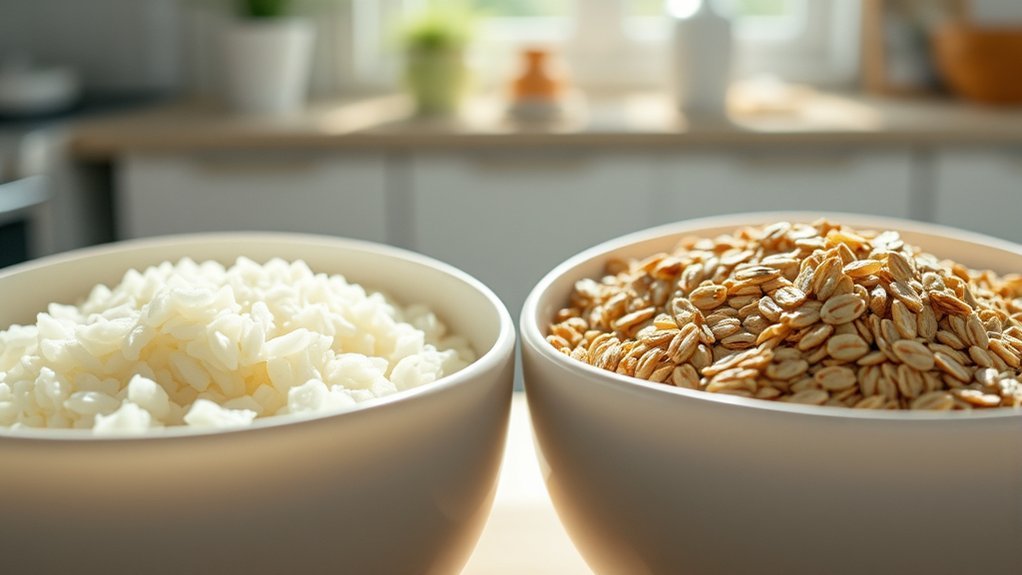
Baby oatmeal and rice cereal are both grain-based complementary foods, but the grain itself is only part of the nutritional picture. Commercial infant cereals are often fortified, so the amount of iron, vitamins, minerals, and fiber can differ from one product to another.
| Factor | Baby Oatmeal | Rice Cereal |
| Iron | Can be an excellent source when iron-fortified; check the label. | Can also be an excellent source when iron-fortified; check the label. |
| Inorganic arsenic | Helps provide grain variety without relying on rice. | Rice tends to contain more inorganic arsenic than other grains, so it should not be your baby’s only cereal. |
| Fiber | Oat products often contain more fiber, although the exact amount varies by product. | Fiber content varies, especially between refined and whole-grain products. |
| Gluten | Oats are naturally gluten-free, but cross-contact is possible. Choose a product labeled gluten-free when medically necessary. | Rice is naturally gluten-free, although other ingredients in a cereal still need to be checked. |
| Best approach | A convenient cereal to include regularly as part of a varied diet. | Fine to include as one of several grains rather than the only cereal offered. |
The most important nutritional feature to look for is often iron fortification. Around 6 months, babies need dietary sources of iron in addition to breast milk or formula. The CDC lists iron-fortified infant cereals among useful sources of non-heme iron for babies beginning complementary foods.

Power your essentials anywhere with a 999Wh pure sine wave power station delivering up to 1000W continuous with 2000W surge. It supports fast charging via USB-C PD 60W and USB-A QC 18W, plus simultaneous output for multiple devices through AC, USB, wireless, and car/DC ports. Recharge using AC, car, or solar with a built-in MPPT controller and dual cooling fans, while the upgraded battery management system protects against surges, short circuits, and overheating.
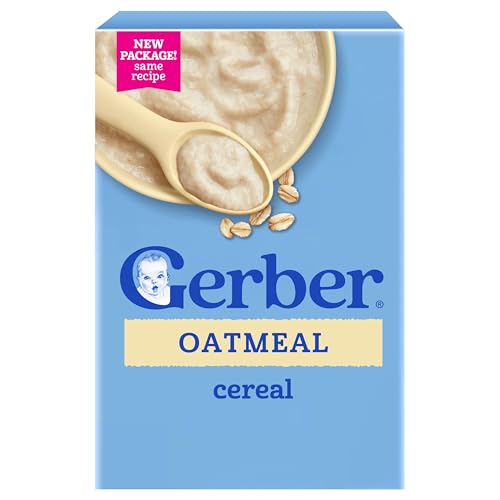
WHOLESOME, HIGH-QUALITY INGREDIENTS Gerber baby food gives busy parents a convenient, reliable way to provide their little one with high-quality ingredients. Our Oatmeal Cereal for baby is made with 60% of the daily value of iron to support brain development SNAP and EBT item in eligible states

WHOLESOME, ORGANIC INGREDIENTS Gerber organic baby food gives busy parents a convenient, reliable way to provide their little one with high-quality organic ingredients. Our Oatmeal Cereal for baby is made with 60% of the daily value of iron to support brain development SNAP and EBT item in eligible states
Why Is Oatmeal Often Preferred for Babies?
Oatmeal’s clearest advantage is not that every oatmeal cereal contains more vitamins than every rice cereal. Instead, choosing oatmeal makes it easier to offer grain variety while reducing repeated exposure to rice.
Rice naturally takes up more arsenic from the environment than many other crops. Because babies eat more food relative to their body weight than adults and may eat the same foods repeatedly, regulators pay particular attention to arsenic exposure from infant rice cereal.
The FDA’s guidance sets an action level of 100 parts per billion for inorganic arsenic in infant rice cereal.
The FDA’s infant rice cereal guidance is intended to reduce dietary arsenic exposure. This does not mean rice cereal must be eliminated. The CDC recommends offering a variety of fortified cereals, such as oat, barley, and multigrain cereal, instead of feeding only rice cereal.
Pro Tip: When buying baby cereal, look for an age-appropriate product that is iron-fortified, has a short ingredient list, and has little or no added sugar. Rotate among different grains instead of depending on one cereal every day.
Iron Matters More Than Choosing the “Perfect” Grain
Iron becomes especially important as babies begin complementary foods. According to the CDC, babies need iron for normal growth, brain development, and immune function. Iron-fortified infant cereal is one option, but it does not have to be the only source.
You can also introduce developmentally appropriate iron-rich foods such as soft meat, poultry, eggs, beans, lentils, tofu, and other fortified foods. Pairing plant-based iron sources with vitamin C-rich fruits or vegetables can help the body absorb non-heme iron.
Breast milk or infant formula should continue while solid foods are introduced. Complementary foods add nutrients, tastes, and textures; they are not meant to suddenly replace milk feeds when solids begin.
Preparing Baby Oatmeal
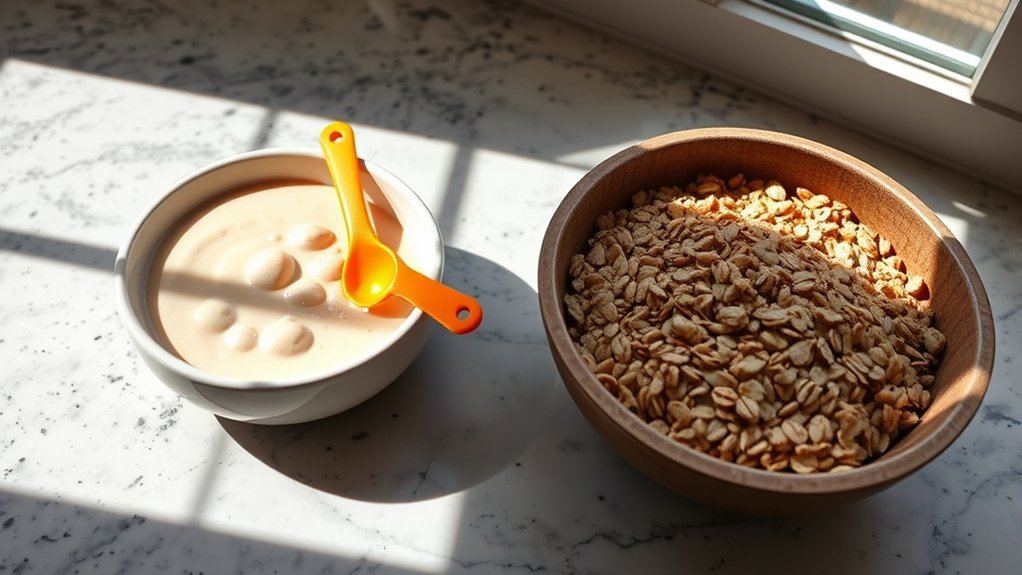
Preparing baby oatmeal is simple, but the method depends on whether you are using instant infant cereal or ordinary household oats.
Start with a smooth, spoonable texture and gradually make foods thicker and lumpier as your baby’s eating skills develop.
Using Packaged Infant Oatmeal
Follow the preparation directions on the package. Dry infant cereal can usually be mixed immediately before feeding with breast milk, prepared infant formula, or water. Add enough liquid to create a soft texture that stays on a spoon but is easy for your baby to swallow.
Using Rolled or Steel-Cut Oats
Ordinary rolled or steel-cut oats should be fully cooked until very soft. After cooking, mash or puree the oatmeal as needed to match your baby’s feeding skills. Do not simply grind dry steel-cut oats and mix them into cold liquid as a substitute for cooking.
The CDC recommends preparing grains and other foods so they are soft and developmentally appropriate. Early foods may be smooth and pureed; thicker and more textured foods can be introduced as eating skills improve.
Adding Flavor and Variety
Once your baby has tolerated oatmeal, you can combine it with familiar foods such as mashed banana, soft cooked apple, pear, pumpkin, or unsweetened fruit puree. A small amount of finely ground or fully hydrated chia seed can also be mixed thoroughly into a soft food when the texture is appropriate for your child.
Avoid adding honey before 12 months of age, and choose foods without added sugar whenever possible.
Warning: Do not routinely put oatmeal, rice cereal, or other solid foods into your baby’s bottle. The CDC warns that cereal in a bottle can increase choking risk. Babies who medically need thickened feeds should follow the exact recipe and nipple guidance provided by their pediatrician, feeding therapist, or other qualified clinician.
Tips for Introducing Oatmeal to Your Baby
Most babies can begin complementary foods at about 6 months when they are developmentally ready. The CDC advises against introducing solid foods before 4 months.
Signs of readiness include:
- Sitting upright alone or with support.
- Having good control of the head and neck.
- Opening the mouth when food is offered.
- Swallowing food instead of automatically pushing it back out.
- Bringing objects toward the mouth.
- Moving food from the front of the tongue toward the back to swallow.
At first, offer a small amount of a single-ingredient food. The CDC recommends introducing one new single-ingredient food at a time and waiting 3 to 5 days before another new food so it is easier to notice a possible reaction.
Feed your baby while seated upright and supervise every meal. Adjust the texture as feeding skills improve rather than keeping foods completely smooth for longer than necessary.
Oatmeal, Gluten, and Celiac Disease
Oats themselves do not naturally contain gluten, and neither does rice. However, oats may come into contact with wheat, barley, or rye during growing, transportation, or processing.
If your child has diagnosed celiac disease or has been told to follow a strict gluten-free diet, choose oats or oatmeal specifically labeled gluten-free. Under FDA gluten-free labeling rules, foods carrying a gluten-free claim must meet federal requirements, including containing less than 20 parts per million of gluten.
Rice is also naturally gluten-free, so gluten content alone is not a reason to choose oatmeal over rice cereal.
Alternatives to Baby Cereal: Other Nutritious Options
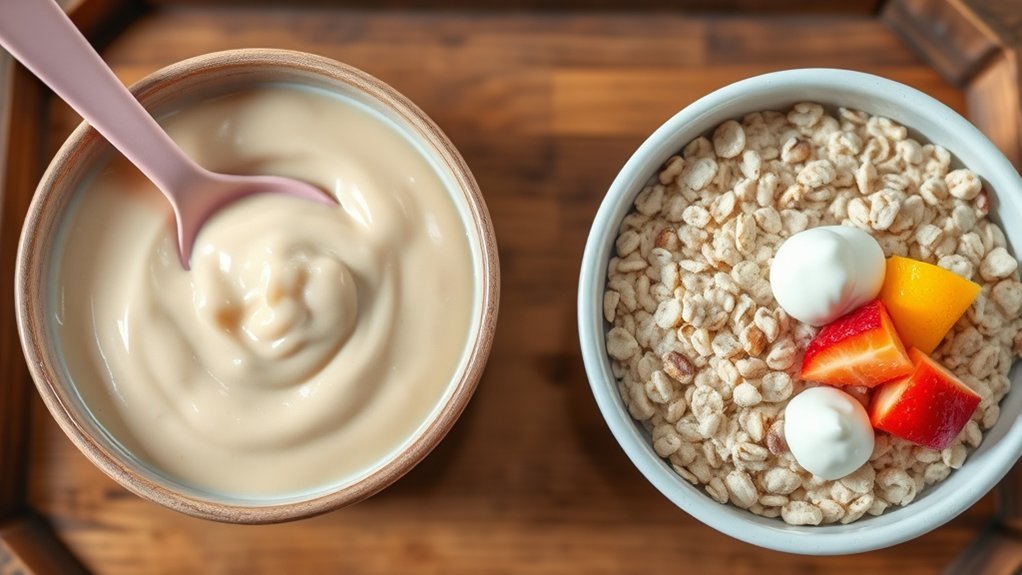
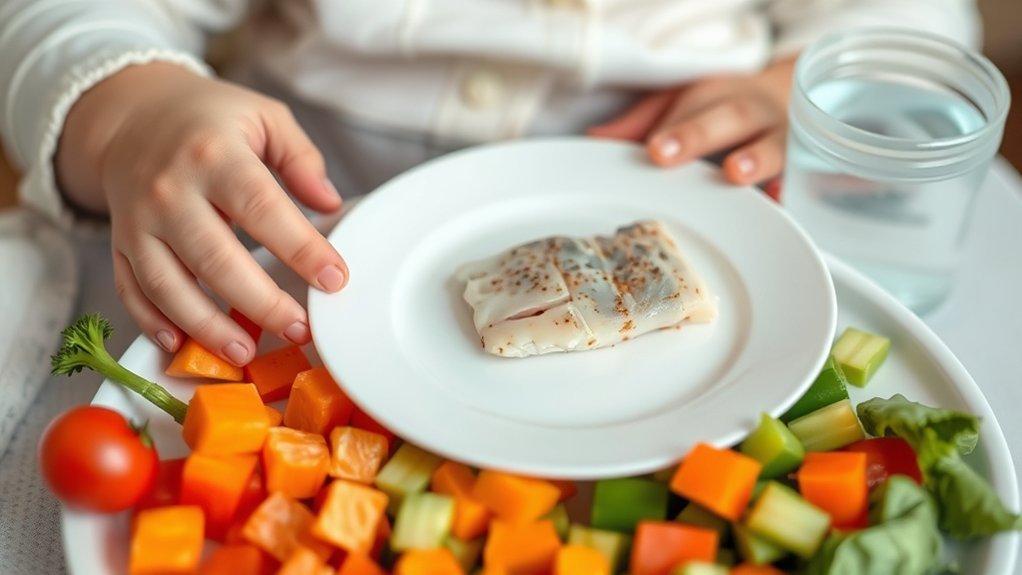
Infant cereal is convenient, but it is not required as a baby’s first food. Once your baby is developmentally ready, a variety of soft foods can supply nutrients and expose your baby to new tastes and textures.
Options include:
- Mashed avocado: Provides energy and unsaturated fats in an easy-to-mash texture.
- Cooked butternut squash: Becomes soft enough to puree or mash and adds vegetable variety.
- Soft-cooked quinoa: Adds another grain option and provides protein.
- Soft meat or poultry: Provides highly absorbable heme iron.
- Mashed beans or lentils: Supply plant-based iron, protein, and fiber.
- Cooked egg: Provides protein and can be introduced in a developmentally appropriate texture when solids begin.
There is no need to follow a rigid order of first foods. The larger goal is to gradually build a varied diet that includes vegetables, fruits, proteins, healthy fats, grains, and iron-rich foods while breast milk or infant formula remains an important part of nutrition.
How to Store Leftover Baby Oatmeal Safely
Prepare small portions whenever possible. According to FoodSafety.gov, homemade baby food should generally be refrigerated and used within 1 to 2 days.
Store untouched oatmeal promptly in a clean, covered container in the refrigerator. If you plan to save part of a batch, transfer the portion your baby will eat to a separate bowl before feeding.
Do not save oatmeal left in your baby’s serving bowl after the meal. Saliva transferred from the spoon can introduce bacteria into the food.
Frequently Asked Questions
Can I Mix Infant Cereal With Oatmeal for My Baby?
Yes. If your baby has already tolerated the ingredients separately, you can combine oat cereal with another infant cereal. There is usually no nutritional need to mix cereals, though. Rotating among iron-fortified oat, barley, multigrain, and occasional rice cereal is a simple way to provide grain variety. Serve cereal with a spoon rather than adding it to a bottle.
How Do I Store Leftover Baby Oatmeal?
Refrigerate untouched homemade baby oatmeal promptly in a clean covered container and use it within 1 to 2 days. Discard oatmeal left in your baby’s serving bowl because saliva from the spoon can contaminate the food.
At What Age Can Babies Start Eating Oatmeal?
Most babies can begin oatmeal and other complementary foods at about 6 months when they show developmental readiness. The CDC advises against starting solid foods before 4 months.
What Are the Signs My Baby Is Ready for Solids?
Useful signs include good head and neck control, sitting upright alone or with support, opening the mouth when food is offered, and being able to swallow food instead of pushing it back out. Developmental skills are more useful than hunger alone for deciding when to start solids.
Are There Any Allergy Concerns With Oatmeal for Babies?
A reaction to any new food is possible. When first introducing oatmeal, a plain single-ingredient product makes it easier to identify what your baby has eaten. Stop feeding a food and seek medical advice if you suspect an allergic reaction. Babies with significant eczema, known food allergy, or a previous serious reaction may need individualized guidance when introducing foods.
Is Rice Cereal Unsafe Because of Arsenic?
Rice cereal is not automatically unsafe. The concern is repeated exposure because rice tends to contain more inorganic arsenic than other grains. The FDA has established a 100 ppb action level for inorganic arsenic in infant rice cereal. Parents can reduce exposure by varying grains rather than using rice cereal as the only cereal.
Can I Put Oatmeal in My Baby’s Bottle?
Not for routine feeding. The CDC warns that putting infant cereal or other solid foods in a bottle can increase choking risk. Serve cereal with a spoon unless your baby’s health care professional has specifically prescribed a thickened feeding plan for a medical or swallowing problem.
Conclusion
Choosing between infant rice cereal and oatmeal does not need to be an all-or-nothing decision. For many babies, iron-fortified oatmeal is a practical cereal to use regularly because it provides an iron-fortified grain option without relying heavily on rice. Rice cereal can still be part of a varied diet.
The bigger priorities are offering iron-rich foods, varying grains, using developmentally appropriate textures, spoon-feeding cereal safely, and continuing breast milk or infant formula while your baby becomes comfortable with solid foods. As your baby’s skills develop, expand beyond cereal to vegetables, fruits, proteins, healthy fats, and other soft family foods.
Sources
- CDC — When, What, and How to Introduce Solid Foods — supports starting solids around 6 months, developmental readiness, food textures, grain variety, and preparation guidance.
- CDC — Iron — supports the importance of iron and the use of iron-fortified infant cereals and other iron-rich foods.
- CDC — Infant and Toddler Nutrition FAQs — supports the warning against routinely putting infant cereal in bottles.
- FDA — Action Level for Inorganic Arsenic in Rice Cereals for Infants — supports the 100 ppb action level and arsenic-exposure discussion.
- FDA — Gluten-Free Food Labeling Questions and Answers — supports guidance on oats, rice, gluten cross-contact, and gluten-free labeling.
- FoodSafety.gov — Children Under Five — supports safe refrigerated storage times for homemade baby food.