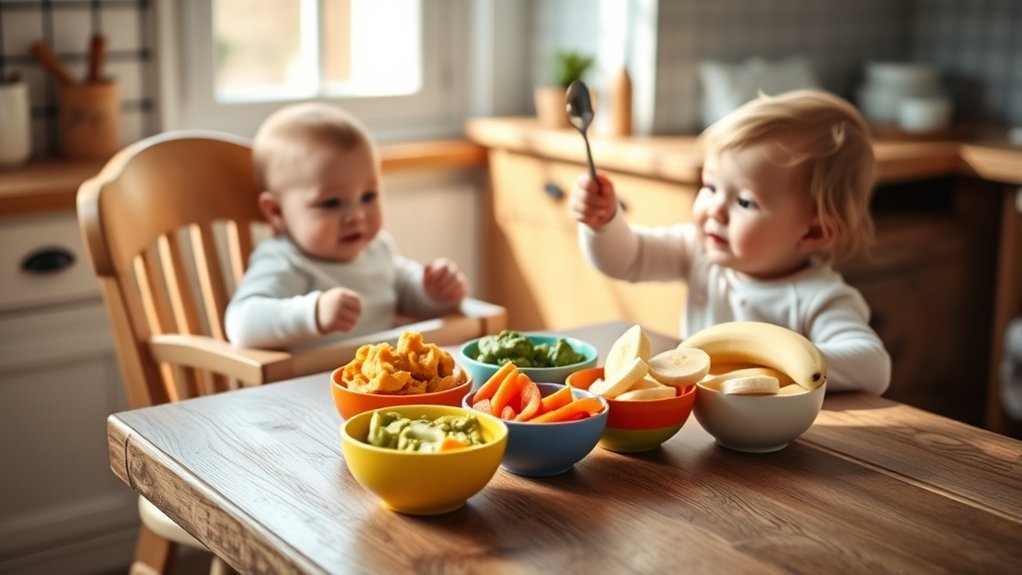
Questions about HappyBaby food safety usually come from reports about arsenic, lead, cadmium, and mercury in baby food. The most accurate answer is not a blanket yes or no. Historical records found concerning levels in some tested HappyBaby products, but the safety of food sold today must be assessed by the exact product, lot, current test result, recall status, and feeding pattern.
Quick Answer
HappyBaby food is not automatically unsafe, but historical company test data cited by Congress found concerning levels of arsenic, lead, cadmium, and mercury in some products. Safety depends on the exact product, lot, amount, and feeding pattern. Check current lot results and recalls, and serve a varied diet instead of relying heavily on one food or ingredient.
Key Takeaways
- A 2021 Congressional report cited historical Nurture records showing high levels of certain toxic elements in some HappyBaby products tested before sale.
- Those historical figures do not prove that every HappyBaby product or current production lot contains the same levels.
- FDA action levels vary by metal and food category. They should not be described as one universal baby-food “safety limit.”
- Happy Family Organics says it now tests every finished-food lot through accredited third-party laboratories and provides a product-results tool.
- Parents can reduce risk by checking lot-level results and recalls, rotating foods and grains, and discussing specific exposure concerns with a pediatrician.
Update: This article reflects publicly available regulatory, legal, recall, and company information reviewed on July 22, 2026. Product results and recall notices can change, so check the exact lot before making a current purchasing or feeding decision.
Understanding Heavy Metals in Baby Food
Arsenic, lead, cadmium, and mercury can enter food through soil, water, air pollution, ingredients, manufacturing, or packaging. This issue is not limited to HappyBaby or even to packaged food. Fresh and homemade foods can also contain small amounts because plants absorb elements from their growing environment.
The presence of a detectable amount does not by itself tell you whether one serving will cause harm. Risk depends on the type of contaminant, its concentration, how often the food is eaten, the child’s age and size, and exposure from other food and environmental sources.
The American Academy of Pediatrics explains that low levels in baby food are likely a relatively small part of a child’s total toxic-metal exposure. Even so, exposure from all sources should be kept as low as reasonably possible because a baby’s developing brain and nervous system are more vulnerable than an adult’s.
Warning: Do not remove entire nutritious food groups solely because of a general report about heavy metals. If a product is recalled, its current lot result appears concerning, or your child may have had repeated exposure, keep the packaging and contact your pediatrician for individualized advice.
Power your essentials anywhere with a 999Wh pure sine wave power station delivering up to 1000W continuous with 2000W surge. It supports fast charging via USB-C PD 60W and USB-A QC 18W, plus simultaneous output for multiple devices through AC, USB, wireless, and car/DC ports. Recharge using AC, car, or solar with a built-in MPPT controller and dual cooling fans, while the upgraded battery management system protects against surges, short circuits, and overheating.

Clearly Crafted: When it comes to caring for your baby, transparency is everything. Thats why we bring you Clearly Crafted. Our clear packaging lets you see the ingredients in each recipe, in all its vibrant color. its goodness you can see

Happy Baby Savory Blends: These exciting recipes feature ingredients chosen for babys age & stage, combining organic protein and one full serving (_ cup) of veggies with flavorful oils & herbs just like you would roast or saute at home!
What the 2021 Report Found About HappyBaby Products
The figures most often quoted about HappyBaby come from a February 2021 staff report from the U.S. House Subcommittee on Economic and Consumer Policy. The report reviewed internal records supplied by Nurture, the company that sold HappyBABY products.
These were historical company test records—not a 2026 survey of every item currently on store shelves. The report cited the following findings:
| Toxic Element | Historical Finding Reported for Nurture/HappyBABY | Important Context |
|---|---|---|
| Inorganic arsenic | Up to 180 parts per billion; more than 25% of products tested before sale were over 100 ppb; the report described 60 ppb as typical in the supplied records. | FDA’s 100 ppb arsenic action level applies specifically to infant rice cereal, not every puree, pouch, snack, or mixed meal. |
| Lead | Finished products reportedly tested as high as 641 ppb; almost 20% of the finished products tested contained more than 10 ppb. | FDA did not finalize its current category-specific lead action levels for processed baby food until January 2025. |
| Cadmium | The report said 65% of the Nurture finished products in the supplied data contained more than 5 ppb cadmium. | Detection alone does not establish the risk from a serving; concentration, frequency, and total exposure matter. |
| Mercury | Finished products reportedly tested as high as 10 ppb. | This was a maximum in the historical records, not a stated average for all HappyBaby products. |
The historical findings warrant scrutiny, but they do not establish that every HappyBaby food—or every product lot sold today—contains the same concentrations.
The Congressional report criticized Nurture’s historical testing and sales policies. That conclusion should be attributed to the investigators rather than converted into a claim that every current HappyBaby product is unsafe.
What the Current HappyBaby Lawsuits Mean
HappyBaby and its related companies have faced consumer and product-liability claims involving alleged heavy-metal contamination. Two legal developments are especially relevant, but neither should be described as a final scientific finding that HappyBaby food caused a particular child’s condition.
- Consumer litigation: In March 2025, a federal judge in New York granted part and denied part of Nurture’s motion to dismiss a consumer class action. Several claims were allowed to continue, while unjust-enrichment and certain California statutory claims were dismissed. A ruling that a claim is legally sufficient at the pleading stage is not a ruling that the allegations are true. The March 26, 2025 opinion explains the result.
- Product-liability MDL: A separate federal multidistrict litigation combines cases alleging that baby-food products from multiple manufacturers contributed to neurological injuries. The Judicial Panel on Multidistrict Litigation’s July 1, 2026 report listed 473 pending actions in the broader baby-food MDL. That number is not a count of HappyBaby-only cases.
Legal note: A complaint contains allegations. A motion-to-dismiss decision asks whether pleaded claims may move forward, not whether the defendant is liable or whether medical causation has been proven.
How HappyBaby Responds to Heavy-Metal Concerns
Happy Family Organics acknowledges that trace elements can occur in the environment and says it supports the FDA’s Closer to Zero initiative.
On its current quality and safety page, the company says every lot of its finished food products is tested for criteria including heavy metals and that the testing is performed by accredited third-party laboratories. This is the manufacturer’s statement and should be identified as such rather than presented as an independent audit.
The company also offers a product finder and test-results tool. A current lot-specific result is more useful for a purchasing decision than an undated statement about the brand as a whole.
How to Evaluate a HappyBaby Product Today
Use the exact package rather than the brand name alone when checking safety information:
- Identify the full product. Note its flavor, package size, universal product code, best-by date, and printed lot or production code.
- Check the manufacturer’s result. Use the company’s product-results tool or scan the package QR code when one is provided.
- Match the correct benchmark. A lead result for a root-vegetable puree should not be compared with an arsenic action level for infant rice cereal.
- Check current recalls. Search the FDA recall database using the brand and product name, then compare the affected lot codes.
- Consider the feeding pattern. Occasional use as part of a varied diet is different from serving the same rice-based cereal, pouch, or snack several times every day.
FDA’s January 2025 guidance sets the following action levels for lead in processed foods marketed for babies and children younger than two:
| Processed Baby-Food Category | FDA Lead Action Level |
|---|---|
| Fruits; vegetables other than single-ingredient root vegetables; mixtures; yogurts; custards and puddings; single-ingredient meats | 10 ppb |
| Single-ingredient root vegetables | 20 ppb |
| Dry infant cereals | 20 ppb |
These are action levels at which FDA may consider a food adulterated after considering the measurement and other factors. They are not a promise of zero risk, and FDA states that the guidance is not intended to direct parents away from nutritious food categories. The full details appear in the FDA lead guidance.
FDA also maintains a 100 ppb inorganic-arsenic action level for infant rice cereal. That value should not be applied to every type of baby food.
California Testing and Lot Disclosures
California’s AB 899 baby-food law requires manufacturers of covered baby food sold in the state to test a representative sample from each production aggregate at least monthly for arsenic, cadmium, lead, and mercury.
For covered products sold on or after January 1, 2025, manufacturers must publicly disclose specified production-aggregate test information. When an FDA action level applies to a tested element, the law also requires a package QR code that directs consumers to results and related FDA guidance. This makes the exact product code and lot information especially important.
Are Other Baby-Food Brands Safer?
No brand can be declared universally safer without current, comparable finished-product data for the specific foods and lots being evaluated. Ingredients, suppliers, recipes, growing conditions, and results can vary within the same brand.
Brands sometimes suggested as alternatives—including Beech-Nut, Ella’s Kitchen, Plum Organics, and Earth’s Best—should therefore be judged by current product-specific evidence rather than reputation alone. Happy Family Organics is the broader brand family associated with HappyBaby, so it is not a separate alternative.
Use these criteria when comparing products:
- Finished-product testing: Testing the completed food is more informative than testing selected raw ingredients alone.
- Lot-level transparency: Look for numeric results tied to the package’s exact lot or production aggregate.
- Clear methods: The company should identify the elements tested and use a qualified laboratory with suitable detection limits.
- Recall communication: Check whether affected products, lot codes, dates, and refund instructions are easy to find.
- Nutritional fit: The food should be suitable for your child’s age, texture skills, allergies, and nutritional needs.
Note: A USDA Organic label does not certify that a product is free of heavy metals. Homemade food is not automatically metal-free either because contaminants may already be present in soil, water, grains, produce, spices, or other ingredients.
Best Practices for Feeding Your Child to Minimize Heavy Metals
You cannot eliminate every trace element from food, but you can reduce repeated exposure to any one source without sacrificing nutrition.
Diversify Food Choices
A varied diet helps prevent one ingredient from becoming the dominant source of exposure. It also gives your child a broader range of nutrients, flavors, and textures.
- Rotate fruits, vegetables, grains, proteins, and food brands rather than serving the same pouch or cereal every day.
- Offer grains such as oats, barley, quinoa, wheat, and multigrain cereal in addition to rice.
- Use age-appropriate whole or mashed foods alongside packaged foods when practical.
- Wash produce under cool running water before cutting or serving it.
- Follow pediatric guidance on introducing iron-rich foods after a baby begins solids.
Pro Tip: Keep a simple three-day food note when introducing solids. It can reveal when one rice-based cereal, sweet-potato pouch, or snack is appearing repeatedly and make rotation easier.
Use Root Vegetables in Rotation
Carrots, sweet potatoes, beets, and other root vegetables grow in close contact with soil and may contain environmental contaminants. That does not mean they must be removed from a child’s diet. They provide useful nutrients and can remain part of a varied meal plan.
Instead of relying on one root-vegetable puree every day, rotate it with peas, beans, squash, broccoli, fruit, grains, meat, eggs, or other age-appropriate choices. This approach reduces dependence on a single potential source while preserving balanced nutrition.
Avoid Over-Relying on Rice-Based Foods
Rice can absorb more arsenic than many other crops. Infant rice cereal can still be included in a varied diet, but it does not need to be a baby’s first or only cereal.
Alternate rice cereal, rice rusks, and rice-based snacks with oats, barley, wheat, or multigrain products. FDA offers additional advice for limiting arsenic exposure from rice.
What to Do After a Concerning Exposure
Do not panic after one ordinary serving of a product that is not recalled. Save the package and take these steps if you later find a recall, an unusual lot result, damaged packaging, or evidence of repeated exposure:
- Stop using the affected lot while you verify the notice or result.
- Record the lot code, best-by date, purchase location, and approximate amount consumed.
- Contact your pediatrician, especially if the FDA notice advises medical follow-up.
- Do not order environmental or heavy-metal tests without medical guidance; the appropriate test depends on the suspected contaminant and timing.
- Report a suspected food problem through the FDA’s reporting portal and notify the manufacturer.
Medical note: Most children with lead exposure do not have obvious immediate symptoms. A healthcare professional may recommend a blood lead test based on the product, exposure history, age, location, and other risk factors. This article provides general information and does not replace pediatric care.
Frequently Asked Questions
What heavy metals have been reported in HappyBaby food?
A 2021 Congressional report cited historical Nurture records involving inorganic arsenic, lead, cadmium, and mercury in HappyBABY products. The figures describe products and records reviewed during that investigation; they should not be treated as current results for every item or production lot.
How can I identify a safer baby-food product?
Check the exact product and lot, look for finished-product results from a qualified laboratory, compare each result with the correct regulatory benchmark, review current recalls, and avoid relying on one food every day. Brand reputation or an organic label alone cannot confirm lower heavy-metal levels.
Are any HappyBaby baby-food products currently recalled for heavy metals?
No active FDA heavy-metal recall specifically for HappyBaby baby food was identified during this article’s July 22, 2026 review. Recall status can change, so search the live FDA recall database and compare the product name, package size, best-by date, and lot code before relying on that statement.
What are the symptoms of heavy-metal exposure in children?
Low-level lead exposure often causes no obvious immediate symptoms. More serious exposure can affect development, learning, behavior, the nervous system, and other organs, but symptoms are not specific enough to diagnose exposure at home. Contact a pediatrician if a child consumed a recalled product or has a known environmental exposure.
Should I stop feeding my baby HappyBaby products?
A general historical report is not enough to decide that every current product must be avoided. Check the exact lot results and recalls, consider how often the food is served, and rotate it with other age-appropriate foods. Ask your pediatrician for individualized advice if your child has eaten a recalled lot or you are concerned about frequent exposure.
Is organic baby food lower in heavy metals?
Not necessarily. Organic certification covers specified agricultural and production practices, but it is not a heavy-metal certification. Arsenic, lead, cadmium, and mercury may occur naturally or through environmental contamination, so product-specific finished-food testing is more useful for this question.
How can I report a baby-food safety concern?
Keep the package and record the product name, lot code, best-by date, purchase location, and symptoms or problem observed. Report the concern to the FDA through its online reporting system and contact the manufacturer. Seek prompt medical care for serious symptoms or when an FDA notice recommends evaluation.
Conclusion
HappyBaby food cannot accurately be labeled universally safe or universally unsafe. Historical company records cited in 2021 raised legitimate concerns and continue to influence regulation and litigation, but those records are not substitutes for current, lot-specific results.
Check the package code, review current test disclosures and FDA recalls, compare results with the correct food-category benchmark, and serve a varied diet. If your child consumed a recalled lot or may have had repeated exposure, keep the packaging and speak with a pediatrician rather than trying to diagnose the risk from symptoms alone.
Sources
- U.S. House Subcommittee Staff Report: Baby Foods Are Tainted With Dangerous Levels of Arsenic, Lead, Cadmium, and Mercury — historical Nurture/HappyBABY testing records and Congressional findings.
- FDA: Action Levels for Lead in Processed Food Intended for Babies and Young Children — current category-specific lead benchmarks and their regulatory meaning.
- American Academy of Pediatrics: Heavy Metals in Baby Food — health context and practical exposure-reduction guidance.
- California AB 899 — baby-food testing, public disclosure, and QR-code requirements.
- U.S. Judicial Panel on Multidistrict Litigation: July 1, 2026 Pending MDL Report — current count for the broader baby-food products liability litigation.
- CDC: Symptoms and Complications of Lead Exposure — why exposure may not produce obvious immediate symptoms and when medical assessment matters.