Arsenic can enter baby food when crops absorb it from soil and water. Rice deserves special attention because it tends to accumulate more inorganic arsenic than other grains, but that does not mean every rice product is dangerous or that babies must avoid rice completely. The practical goal is to reduce repeated exposure while maintaining a varied, nutritious diet.
Quick Answer
Arsenic gets into baby food because it occurs in the environment and can be absorbed by food crops. Rice and rice-based foods are a leading dietary source for infants. Parents can lower exposure by rotating grains, limiting frequent rice snacks, checking private well water, and using arsenic-reducing cooking methods.
Key Takeaways
- Rice tends to accumulate more inorganic arsenic than other grains because of how it is grown and how arsenic behaves in flooded soil.
- Organic certification does not guarantee lower arsenic because arsenic may already be present in soil or irrigation water.
- The FDA’s 100-parts-per-billion action level applies specifically to inorganic arsenic in infant rice cereal, not every baby food.
- Babies do not usually need to avoid rice completely. Rotating rice with oat, barley, quinoa, corn, and other grains reduces dependence on one food source.
- Homemade food is not automatically arsenic-free because the metal can be present in the original ingredients and water.
Understanding Arsenic in Baby Food: Where It Comes From
Arsenic is a naturally occurring element found in rock, soil, and groundwater. Human activities—including historical use of arsenic-containing pesticides, mining, and some industrial emissions—can also add arsenic to the environment. Crops may absorb it as they grow, which means small amounts can be present before an ingredient reaches a baby-food factory or home kitchen.
The most important distinction is between inorganic arsenic and organic arsenic compounds. Inorganic arsenic is generally the form of greatest health concern. In this context, “organic arsenic” is a chemistry term and has nothing to do with whether food was certified organic.
Organic farming certification does not remove arsenic already present in soil or water. Ingredient source and growing conditions matter more than the word “organic” on the package.
According to the U.S. Food and Drug Administration’s Closer to Zero program, contaminants such as arsenic, lead, cadmium, and mercury cannot always be eliminated completely from food because they occur in the environment. The regulatory goal is to reduce exposure as much as reasonably possible while preserving access to nutritious foods.
How Environmental Contamination Affects Baby Food
Plants take up water and nutrients from their surroundings. When arsenic is present in soil or irrigation water, some of it can enter edible plant tissue. The amount varies by crop, geographic region, soil chemistry, water source, and farming method.
Processing can also affect the final concentration. For example, a snack made mostly from rice flour may provide repeated exposure if a child eats it several times each day. That does not mean every puff, cracker, or cereal serving is unsafe. It means dietary patterns matter: frequent reliance on one arsenic-prone ingredient can contribute more exposure than an occasional serving within a varied diet.
Water is another potential source. The U.S. Environmental Protection Agency’s maximum contaminant level for arsenic in regulated public drinking water is 10 parts per billion. Private wells are not regulated in the same way, so well owners should arrange appropriate testing through a certified laboratory or local health department.
Note: Proper refrigeration and dry storage help prevent spoilage and microbial growth, but they do not remove arsenic that entered an ingredient before purchase.
The Role of Rice in Baby Food and Its Arsenic Levels
Rice is easy to digest, naturally gluten-free, and commonly used in infant cereal and baby snacks. It also tends to contain more inorganic arsenic than other grains. Rice is usually grown in flooded fields, where soil conditions make arsenic more available for plant roots to absorb.
Why Rice Absorbs More Arsenic
Flooded soil changes the chemical form and mobility of arsenic. Rice roots can then take up arsenic through some of the same pathways used for nutrients. Concentrations still vary widely by rice type, location, water source, and agricultural practices, so no single number applies to all rice.
Brown rice often contains more arsenic than white rice because arsenic can concentrate in the outer layers that remain on brown rice. The American Academy of Pediatrics notes that white basmati and sushi rice tend to have lower levels than brown rice on average, although origin and individual product testing still matter.
Rice Products That Deserve Attention
Parents should look at the entire daily pattern rather than one isolated serving. Foods that may add repeated rice exposure include:
- Infant rice cereal
- Rice puffs and teething snacks
- Rice cakes and rice crackers
- Meals made mainly with rice flour
- Products sweetened with brown rice syrup
- Rice drinks used in place of an appropriate infant feeding
Rice cereal does not need to be a baby’s first or only cereal. Iron-fortified oat, barley, multigrain, and other infant cereals can provide useful variety. Parents should follow age-appropriate feeding guidance and discuss iron needs with their child’s pediatrician.
Should Babies Avoid Rice Completely?
For most babies, complete avoidance is not necessary. The more practical approach is to avoid serving rice-based cereal, snacks, and meals as the default choice at nearly every feeding. Rotate rice with other grains and vary fruits, vegetables, proteins, and textures as developmentally appropriate.
Pro Tip: Check the first two or three ingredients on pouches and snacks. Products with different front-label flavors may still rely on the same rice flour, sweet potato, or fruit concentrate as their main ingredient.
Comparing Organic vs. Conventional Baby Foods: Are They Safer?
Organic baby food may reduce exposure to certain synthetic pesticides, but the organic label does not certify that a product is free from arsenic, lead, cadmium, or mercury. These elements can occur naturally in agricultural soil and water.
Both organic and conventionally grown rice may contain inorganic arsenic. Meaningful differences are more likely to come from the rice variety, growing region, irrigation water, soil conditions, ingredient sourcing, and the manufacturer’s testing and supplier controls.
When comparing products, consider:
- Ingredient variety: Choose cereals and snacks made from several grains rather than relying only on rice.
- Testing transparency: Look for a recent report that identifies the exact product or lot, the laboratory, the test date, and whether the result measures inorganic arsenic rather than total arsenic alone.
- Serving frequency: A rice-based food offered occasionally contributes less repeated exposure than the same ingredient served several times per day.
- Overall nutrition: Do not replace nutritious foods with a narrow list of “clean” products that leaves the baby short on iron, protein, energy, or food variety.
Health Risks of Arsenic Exposure for Infants: What Parents Should Know
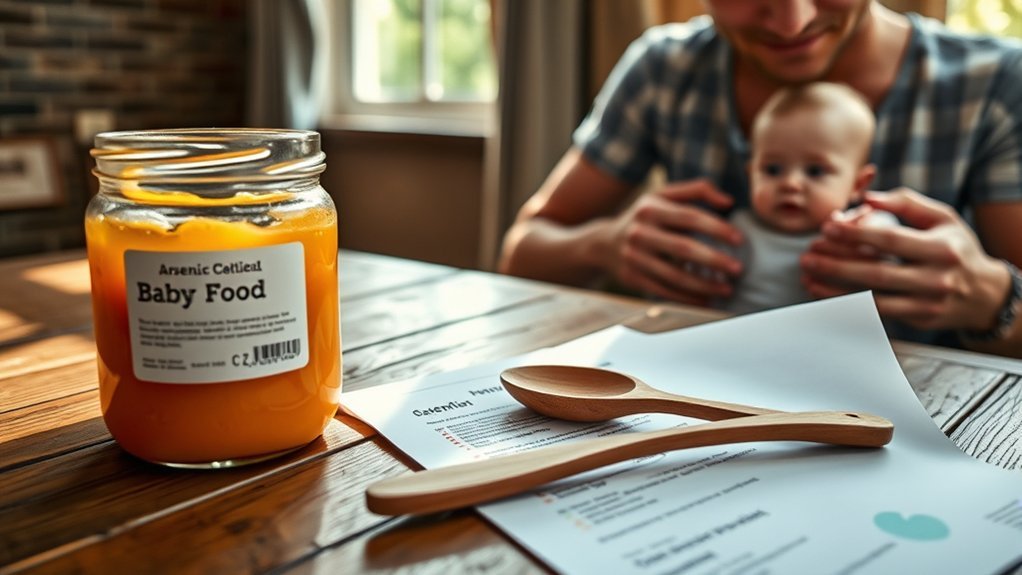
Inorganic arsenic is a recognized human toxicant. Evidence from environmental and occupational research links long-term or higher exposure with several health effects, including cancer, cardiovascular disease, and developmental or neurodevelopmental harm.
Infants and young children receive more food relative to their body weight than adults, and their brains and organs are still developing. These factors are why regulators give foods commonly eaten by babies special attention.
Dose, Duration, and Risk
Risk depends on how much inorganic arsenic a child is exposed to, how often the exposure occurs, how long it continues, and whether other sources—such as contaminated well water—are present. Research on highly exposed populations does not mean that one serving of rice cereal will cause developmental delay or that every detectable laboratory result represents poisoning.
The Agency for Toxic Substances and Disease Registry reports growing evidence that prenatal and early-life inorganic arsenic exposure can affect development and neurodevelopment. However, an individual child’s health cannot be diagnosed from a food label or a single market-basket test.
When to Seek Medical Advice
Contact your child’s pediatrician or local public-health department when:
- Your household uses a private well that has not been tested or has an arsenic result above the applicable drinking-water standard.
- Your child regularly consumed a recalled or confirmed highly contaminated product.
- You suspect an unusual or high-dose exposure rather than routine dietary contact.
- Your child has symptoms after a possible poisoning or environmental exposure.
- You are considering medical arsenic testing and need help choosing the correct test and timing.
Warning: Do not use unproven “detox” products or consumer hair tests to evaluate a baby. Hair and nail arsenic tests have limited clinical usefulness, and results can be affected by outside contamination. Suspected poisoning requires prompt professional guidance.
What’s Being Done About Heavy Metals in Baby Food?
The FDA’s Closer to Zero initiative is intended to reduce dietary exposure to arsenic, lead, cadmium, and mercury in foods commonly eaten by babies and young children. Progress has occurred in stages, and the United States does not yet have one comprehensive enforceable limit covering every metal in every baby food.
| Product or Program | Current Federal Position | What It Means |
|---|---|---|
| Infant rice cereal | FDA action level of 100 ppb for inorganic arsenic | Applies specifically to infant rice cereal. It is not a limit for every baby food. |
| Apple juice | FDA action level of 10 ppb for inorganic arsenic | This guidance is specific to apple juice and should not be applied automatically to other foods. |
| Lead in processed baby foods | Final FDA action-level guidance issued in January 2025 | This is an important heavy-metal update, but it does not create broader arsenic limits. |
| Broader baby and toddler foods | FDA listed broader cadmium and inorganic-arsenic action levels among its 2026 priorities | Additional standards are still being developed rather than already applying to every product. |
The Baby Food Safety Act of 2021 was introduced but did not become law. Later versions were also introduced, and a new Baby Food Safety Act of 2026, H.R. 8429, has been proposed. Pending legislation may influence future testing, disclosure, and contaminant limits, but a proposed bill should not be described as a current legal requirement.
Steps to Reduce Arsenic Exposure From Baby Food
Parents cannot control every environmental contaminant, but several practical choices can reduce repeated exposure without creating an unnecessarily restrictive diet.
| Action | How It Helps |
|---|---|
| Rotate grains | Alternate rice with oat, barley, quinoa, corn, wheat, or multigrain foods when developmentally appropriate. |
| Limit frequent rice snacks | Puffs, crackers, and rice cakes can create repeated exposure when used throughout the day. |
| Read ingredient lists | Different package flavors may still use rice flour or another repeated ingredient as the main component. |
| Cook rice in excess water | Use 6 to 10 parts water for 1 part rice, then drain. FDA research indicates this can reduce inorganic arsenic by about 40% to 60%, depending on the rice. |
| Test private well water | Testing identifies whether water used for drinking, cooking, or preparing food is an important arsenic source. |
| Use reliable laboratory disclosures | Prefer lot-specific results that name the laboratory, test date, units, detection limit, and inorganic-arsenic result. |
| Preserve nutritional variety | Continue offering age-appropriate fruits, vegetables, grains, proteins, and iron-rich foods instead of eliminating broad food groups. |
The FDA’s excess-water cooking method can also reduce iron, folate, thiamin, and niacin in enriched rice. For babies who rely heavily on cereal for iron, rotate grains and discuss dietary iron with a pediatrician rather than using only drained rice.
Why a Diverse Diet Helps Reduce Heavy-Metal Exposure
No crop has the same contaminant profile, and no single food supplies every nutrient a growing child needs. Offering a broad range of foods reduces dependence on one ingredient while supporting exposure to different nutrients, flavors, and textures.
Useful variety can include:
- Oat, barley, quinoa, corn, wheat, and multigrain cereals
- Beans, lentils, eggs, meat, fish, tofu, and other age-appropriate protein foods
- Fruits and vegetables of different colors and plant families
- Foods with different primary ingredients rather than several products made mostly from rice flour
The goal is not a “perfectly contaminant-free” menu. It is a varied diet that avoids repeated dependence on foods more likely to contain the same contaminant.
Variety should be real rather than based only on the flavor pictured on a package. Two pouches with different names may have the same first ingredient. Reading the ingredient order gives a better picture of what your baby is repeatedly eating.
Is Homemade Baby Food a Safer Alternative?
Homemade baby food offers control over ingredients, texture, and added salt or sugar, but it is not automatically lower in arsenic. A carrot, sweet potato, or serving of rice can contain environmental contaminants whether it is prepared at home or in a commercial facility.
Homemade Food Contamination Risks
The main arsenic-related factors are the original ingredient, its growing conditions, and the water used for washing and cooking. Organic ingredients can still contain arsenic, and blending or pureeing does not remove it.
Homemade preparation can still support a lower-exposure pattern when parents:
- Rotate grains and produce instead of preparing the same base food every day.
- Use tested drinking water, especially in homes with private wells.
- Use the FDA’s excess-water method when preparing rice.
- Avoid using rice cereal as a thickener unless a clinician has recommended it for a specific medical reason.
- Follow normal handwashing, refrigeration, freezing, and reheating practices to prevent microbial illness.
Importance of Ingredient Variety
Whether food comes from a jar, pouch, freezer tray, or family meal, the most useful strategy is to vary the ingredients. Homemade and commercial foods can both fit into a healthy diet, and neither category should be assumed to be universally safer based only on how it was prepared.
Future Directions: Efforts to Address Arsenic in Baby Food
Reducing arsenic in baby food requires action throughout the supply chain. Farmers and ingredient suppliers can select lower-arsenic growing regions, improve water management, and test crops. Manufacturers can set supplier specifications, test ingredients and finished products, reject unusually high lots, and publish understandable results.
The FDA continues to collect testing data and has identified broader inorganic-arsenic and cadmium action levels for baby and toddler foods as a 2026 priority. These future levels should be interpreted alongside nutrition, product availability, laboratory capability, and the agency’s goal of reducing exposure over time.
Legislative proposals may also create stronger testing and disclosure duties. Until broader requirements take effect, parents should rely on current FDA and AAP guidance rather than assuming that an introduced bill has already changed federal law.
Frequently Asked Questions
How can I identify arsenic levels in baby food brands?
Arsenic concentrations are not normally listed in the Nutrition Facts panel. Check whether the manufacturer publishes lot-specific laboratory results or certificates of analysis. A useful report should identify the product or lot, laboratory, test date, units, detection limit, and inorganic-arsenic result. A general claim such as “tested for heavy metals” does not reveal the actual concentration.
Are specific baby food brands proven to have lower arsenic?
A permanent brand ranking is unreliable because recipes, suppliers, crop years, and individual lots can change. Compare current product-specific data rather than relying on an old list. Products based on oat, barley, corn, or multiple grains generally reduce dependence on rice, but the ingredient list and recent testing still matter.
What federal limits apply to arsenic in baby food?
The FDA has an action level of 100 parts per billion for inorganic arsenic in infant rice cereal. It also has a 10-parts-per-billion action level for inorganic arsenic in apple juice. These values do not create one universal arsenic limit for every baby food, and broader action levels remain under development.
How does cooking affect arsenic levels in rice?
Cooking rice in 6 to 10 parts water for 1 part rice and draining the excess water can reduce inorganic arsenic by roughly 40% to 60%, depending on the rice. The method can also reduce enriched nutrients, including iron and some B vitamins, so grain variety remains important.
Can arsenic exposure have long-term effects on child development?
Long-term or higher inorganic-arsenic exposure has been associated with developmental and neurodevelopmental harm in environmental-health research. An individual child’s risk depends on the dose, duration, and all exposure sources. Eating a rice food once does not establish poisoning or predict a developmental outcome.
Does organic baby food contain less arsenic?
Not necessarily. Organic certification covers farming and processing practices but does not guarantee low arsenic. Arsenic may be naturally present in soil or irrigation water, so the crop variety, growing region, supplier controls, and finished-product testing are more informative.
Does my baby need to stop eating rice?
Most babies do not need to avoid rice completely. Serve it as one grain among many rather than using rice cereal, rice snacks, and rice-based meals throughout the day. A pediatrician can provide individualized advice for children with allergies, feeding disorders, iron deficiency, or other dietary restrictions.
Conclusion
Arsenic enters baby food mainly through environmental contamination of crops and water, with rice contributing more inorganic arsenic than many other grains. Parents can reduce repeated exposure by rotating grains, limiting frequent rice-based snacks, using tested water, and cooking rice in excess water when appropriate. These steps should complement—not replace—a balanced diet and individualized guidance from a child’s pediatrician.
Sources
- U.S. Food and Drug Administration — Closer to Zero — Current federal approach to reducing arsenic, lead, cadmium, and mercury in foods for babies and young children.
- FDA — Action Level for Inorganic Arsenic in Infant Rice Cereals — Supports the 100-parts-per-billion infant rice cereal action level.
- FDA — What You Can Do to Limit Exposure to Arsenic — Supports the excess-water rice-cooking method and nutrient-loss caveat.
- American Academy of Pediatrics — Heavy Metals in Baby Food — Guidance on grain variety, rice products, ingredient labels, and water testing.
- Agency for Toxic Substances and Disease Registry — Clinician Brief: Arsenic — Health effects, exposure assessment, and limitations of hair and nail testing.
- FDA Human Foods Program — 2026 Priority Deliverables — Current work toward broader cadmium and inorganic-arsenic action levels for baby and toddler foods.