
Zinc helps your baby grow, make proteins and DNA, maintain normal immune function, heal tissue, and develop a healthy sense of taste. It becomes especially important when solid foods begin around six months because breast milk alone may no longer provide enough zinc for an older infant. The goal is a varied, age-appropriate diet—not an unsupervised supplement.
Quick Answer
Babies should begin receiving zinc-rich complementary foods at about six months, when they are developmentally ready for solids. Good choices include soft meat, poultry, fish, eggs, yogurt, beans, tofu, and zinc-fortified infant cereal. Babies ages 7–12 months need 3 mg of zinc per day from all sources.
Key Takeaways
- Zinc supports normal growth, immune function, wound healing, protein production, and taste.
- The zinc target is 2 mg per day from birth through 6 months and 3 mg per day at ages 7–12 months and 1–3 years.
- Older breastfed babies need zinc-containing complementary foods because breast milk alone does not provide enough after about six months.
- Meat, poultry, fish, eggs, dairy, beans, tofu, and fortified infant cereal can all contribute zinc.
- Prepare every food in a soft, developmentally appropriate texture and supervise your baby while eating.
- Do not give a baby a zinc supplement unless a pediatrician or other qualified clinician provides a specific dose.
Medical note: This article provides general nutrition information. Growth concerns, persistent diarrhea, poor appetite, recurrent illness, or suspected nutrient deficiency should be discussed with your baby’s pediatrician.
Why Zinc Is Essential for Your Infant’s Growth
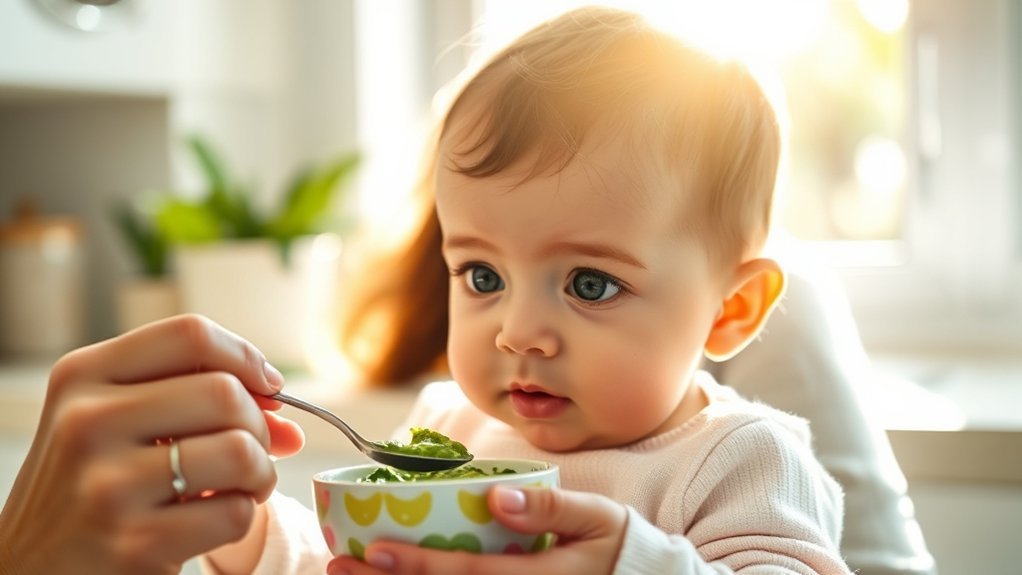
Zinc is a trace mineral, which means the body needs only a small amount. That small amount still performs many important jobs. Your baby uses zinc to make new cells, proteins, and DNA during a period of rapid growth.
Zinc also contributes to normal immune function, skin integrity, wound healing, and taste. These roles are why the National Institutes of Health Office of Dietary Supplements identifies infancy and childhood as stages when adequate zinc is especially important.
Breast milk provides highly absorbable zinc during early infancy. However, its zinc concentration naturally declines over time. By about six months, an exclusively breastfed baby needs complementary foods that supply zinc in addition to continued breast milk.
Infant formula also contributes zinc. Once a formula-fed or combination-fed baby starts solids, zinc-containing foods remain useful because they add dietary variety and help the baby learn new tastes and textures.
How Zinc Supports Your Baby’s Immune System
Zinc helps immune cells develop and communicate normally. It also supports the skin and mucous membranes that form part of the body’s first defense against germs.
This does not mean that extra zinc will “boost” a healthy baby’s immune system or prevent every infection. The evidence-based goal is to avoid inadequate intake and support normal immune function through a balanced diet.
True zinc deficiency can weaken immune responses and increase susceptibility to illness. However, frequent colds, diarrhea, or other infections do not prove that a baby is zinc deficient. Those symptoms can have many causes and require medical evaluation when they are persistent or severe.
Daily Zinc Needs for Infants
The current U.S. Dietary Reference Intakes for zinc use an Adequate Intake for young infants and a Recommended Dietary Allowance for older babies and children.
| Age | Daily Zinc Reference | Daily Upper Limit |
|---|---|---|
| Birth–6 months | 2 mg Adequate Intake | 4 mg |
| 7–12 months | 3 mg Recommended Dietary Allowance | 5 mg |
| 1–3 years | 3 mg Recommended Dietary Allowance | 7 mg |
An Adequate Intake is used when there is not enough evidence to establish a full Recommended Dietary Allowance. Both values refer to total daily intake from breast milk, formula, food, drinks, supplements, and medications.
At ages 7–12 months and 1–3 years, the zinc target is 3 mg per day—but 3 mg is a total dietary target, not a recommended supplement dose.
The upper limit is not a goal. It is the highest average daily intake considered unlikely to cause harm in most healthy children. Upper limits do not apply to medically supervised treatment.
When to Start Introducing Zinc-Rich Foods
Most babies can begin solid foods at about six months. A baby should also show developmental readiness, such as being able to sit with support, control the head and neck, bring objects to the mouth, and swallow food rather than push it back out.
The CDC recommends beginning with soft, smooth textures and increasing thickness and variety as the baby’s eating skills improve. There is no required order for first foods, but zinc- and iron-containing foods deserve an early place in the rotation.
Continue breast milk or infant formula while introducing solids. At first, the baby will still receive most nutrition from milk feeds, and the amount of solid food eaten may be small.
Pro Tip: Offer a small amount of one zinc-containing food regularly instead of trying to calculate the zinc in every spoonful. Appetite and portions vary from day to day, so dietary variety over time matters more than a perfect single meal.
Top Zinc Sources for Starting Solids
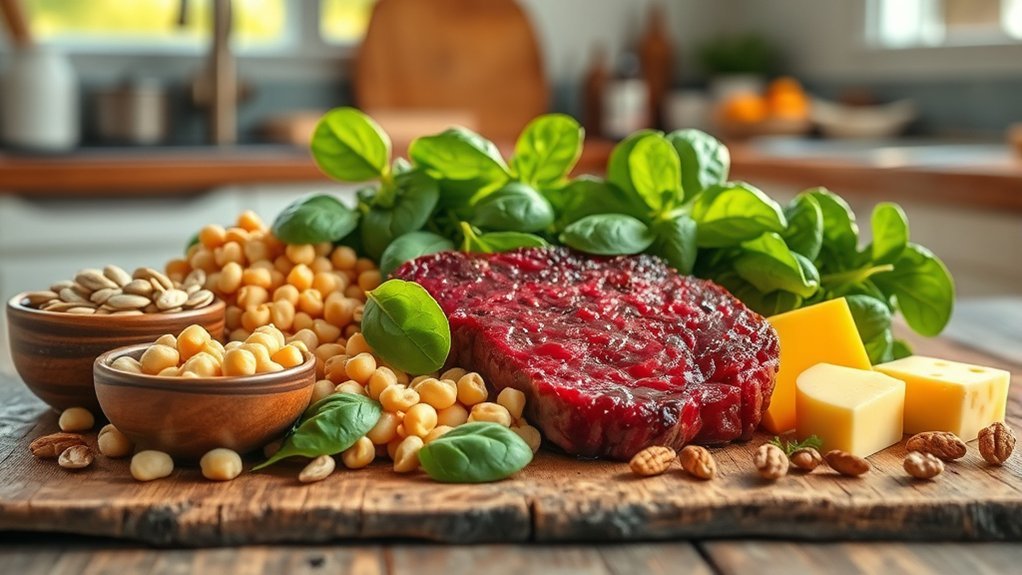
Meat, poultry, fish, seafood, eggs, and dairy products provide zinc in forms the body can absorb well. Beans, lentils, tofu, whole grains, and fortified cereals also contribute zinc, although phytate in some plant foods can reduce the amount absorbed.
| Zinc-Containing Food | Baby-Safe Preparation | Helpful Note |
|---|---|---|
| Beef, pork, lamb, chicken, or turkey | Cook thoroughly, remove bones, skin, and tough fat, then puree, mash, shred, or mince for the baby’s skill level. | Meat is a concentrated and well-absorbed source of zinc. |
| Fish or shellfish | Cook fully, remove every bone and shell, and serve finely flaked, mashed, or pureed. | Fish and shellfish are common allergens, so introduce them in a safe texture and watch for a reaction. |
| Egg | Cook until firm, then mash or cut into soft pieces suitable for the baby. | Egg provides some zinc along with protein and other nutrients. |
| Plain yogurt or pasteurized cheese | Offer unsweetened yogurt or finely shredded, grated, or melted cheese in a safe texture. | Yogurt and cheese can be introduced before age one, but cow’s milk should not replace breast milk or formula as a drink before 12 months. |
| Beans, lentils, or chickpeas | Cook until very soft, then mash or puree. Thin with water, breast milk, or prepared formula if needed. | These contain zinc, but phytate can reduce absorption. |
| Tofu | Mash soft tofu or cut firm tofu into soft, manageable pieces. | Useful for vegetarian and vegan meals. |
| Zinc-fortified infant cereal | Mix with breast milk, prepared formula, or water until it reaches a safe texture. | Check the nutrition label because zinc content varies by product. |
Oysters contain exceptionally high amounts of zinc, but they are not necessary for meeting a baby’s needs. Never give a baby raw or undercooked shellfish. Other fully cooked meats, seafood, eggs, dairy foods, legumes, tofu, and fortified cereals are easier everyday choices.
When using infant cereal, vary the grains you offer. The FDA advises feeding babies a variety of age-appropriate foods and notes that rice cereal does not need to be the first or only infant cereal.
Warning: Always seat your baby upright and supervise every meal. Remove bones, shells, tough skin, and large pieces. Whole nuts, chunks of meat or cheese, thick spoonfuls of nut butter, and other hard or sticky foods can block a baby’s airway.
How Zinc Aids in Wound Healing in Infants
Zinc helps the body make proteins and DNA needed for cell growth and tissue repair. It also contributes to the normal structure of skin and mucous membranes.
A baby who receives enough zinc can carry out these normal healing processes. However, giving extra zinc does not automatically make a minor cut heal faster. A wound that is deep, infected, slow to heal, or accompanied by fever needs medical care rather than a home supplement.
Risks of Zinc Deficiency in Breastfed Infants
Breast milk is an excellent source of nutrition and provides highly absorbable zinc during early infancy. Its zinc content falls naturally as lactation continues, so breast milk alone is not considered sufficient to meet the zinc needs of an older infant after about six months.
This does not mean that most breastfed babies are zinc deficient. It means that zinc-containing complementary foods should be introduced when the baby is ready for solids while breastfeeding continues.
Risk may be greater when an older baby receives very little complementary food, eats a highly restricted diet, has poor growth, was born prematurely, has a digestive or absorption disorder, or has another medical condition that affects nutrition. These situations deserve individualized guidance from a pediatrician or pediatric dietitian.
Ensuring Your Baby Gets Enough Zinc
You usually do not need to count every milligram if your baby is growing well and eats a varied diet. Instead, offer zinc-containing foods regularly and continue breast milk or formula as advised for your baby’s age.
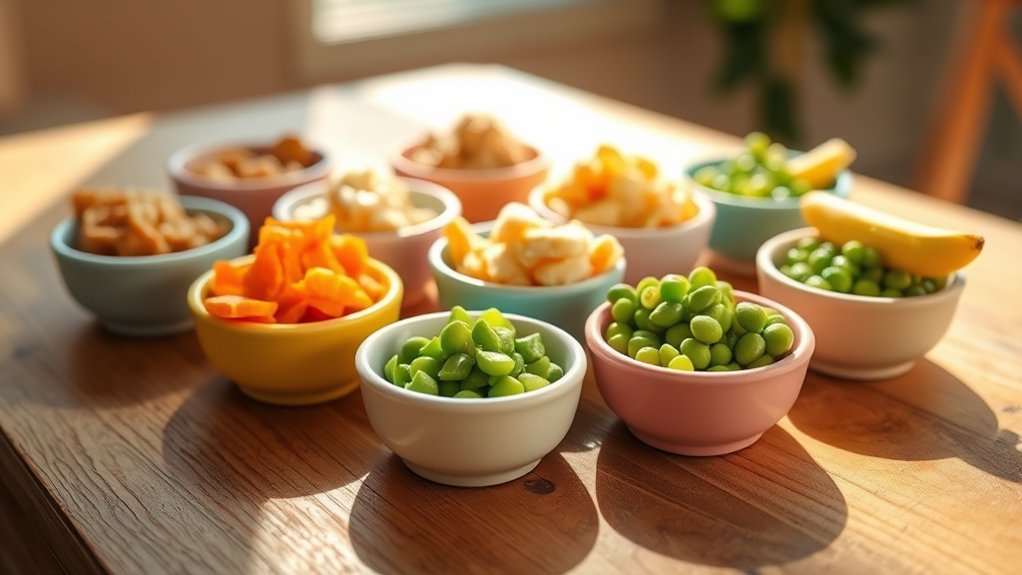
A simple approach is to include one suitable zinc source in a meal, such as:
- Mashed beef with soft sweet potato.
- Finely shredded chicken mixed into mashed beans.
- Plain yogurt with mashed fruit.
- Zinc-fortified infant oatmeal prepared with breast milk or formula.
- Soft lentils blended with cooked vegetables.
- Mashed tofu with avocado.
- Fully cooked, finely flaked fish mixed with a soft vegetable puree.
- Well-cooked egg mashed to the baby’s preferred texture.
New eaters may accept only a small taste at first. Repeated, pressure-free exposure helps babies become familiar with new flavors. Follow hunger and fullness cues rather than forcing a particular portion.
Check packaged-food labels instead of assuming that every infant cereal or snack contains zinc. A product may be iron-fortified without providing a meaningful amount of zinc.
Can Babies Get Enough Zinc From Plant-Based Foods?
Plant foods can contribute zinc, but planning matters. Beans, lentils, chickpeas, tofu, whole grains, nut and seed products, and fortified cereals may contain zinc. However, phytate in legumes, grains, nuts, and seeds can bind zinc and reduce absorption.
For vegetarian babies, offer a range of beans, lentils, tofu, eggs, dairy foods, and fortified products according to the family’s diet. Vegan babies need especially careful planning because they do not receive the more readily absorbed zinc found in meat, seafood, eggs, or dairy.
Whole nuts and spoonfuls of thick nut butter are choking hazards. Nut or seed butter should be thinned and offered only in a developmentally safe form. Families raising a baby on a vegan diet should discuss zinc, iron, vitamin B12, iodine, vitamin D, calcium, protein, and omega-3 fats with the child’s clinician or a pediatric dietitian.
Signs Your Baby Might Be Zinc Deficient
Possible signs of zinc deficiency in infants and children include poor growth, loss of appetite, persistent diarrhea, slow wound healing, and changes involving the skin or hair. Impaired taste can also occur, although it is difficult to recognize in a baby.
These signs are not specific to zinc deficiency. A baby may eat less during an illness, grow slowly for many reasons, or develop a rash unrelated to nutrition. Recurrent infections alone also do not establish a zinc deficiency.
| Possible Concern | What It May Look Like | Recommended Action |
|---|---|---|
| Growth concern | Weight, length, or head growth is not following the expected pattern. | Arrange a pediatric growth and feeding assessment. |
| Poor appetite | The baby consistently refuses feeds or eats much less than usual. | Contact the pediatrician, especially if wet diapers decrease or the baby seems unwell. |
| Persistent diarrhea or repeated illness | Symptoms continue, recur often, or affect hydration and growth. | Seek medical evaluation; do not assume zinc is the cause. |
| Slow healing or persistent skin changes | A wound does not improve, or a rash is severe, spreading, or recurring. | Have the baby examined by a health professional. |
Clinicians consider the baby’s diet, medical history, growth chart, symptoms, and risk factors. Blood zinc measurements may be used, but zinc levels can change with infection, time of day, age, and other factors. A single test does not always reflect dietary zinc status accurately.
Tips for Adding Zinc to Your Baby’s Diet
- Begin with a safe texture: Puree, mash, mince, shred, or soften food according to the baby’s feeding skills.
- Offer variety: Rotate meat, poultry, fish, egg, dairy, legumes, tofu, and fortified cereals rather than relying on one food.
- Read labels: Check whether an infant cereal is fortified with zinc and how much it provides per prepared serving.
- Keep meals low in added salt and sugar: Babies have little room for foods that provide calories without useful nutrients.
- Cook animal foods thoroughly: Remove all bones, shells, skin, and tough pieces before serving.
- Use cooking liquid when practical: Zinc is a mineral and is not destroyed like a heat-sensitive vitamin, but some can move into cooking water that is later discarded.
- Respect feeding cues: Let the baby decide how much to eat and stop when the baby turns away, closes the mouth, or loses interest.
- Ask for help with restricted diets: A pediatric dietitian can assess a vegetarian, vegan, allergy-limited, or medically restricted diet.
Warning: Do not give an infant zinc drops, gummies, lozenges, cold remedies, or adult supplements unless a clinician gives you the exact product and dose. Too much zinc can cause nausea, vomiting, stomach upset, diarrhea, headache, loss of appetite, and problems with copper absorption. If a child swallows a supplement accidentally in the United States, call Poison Help at 1-800-222-1222 immediately rather than waiting for symptoms.
Frequently Asked Questions
Can zinc supplements be given to infants starting solids?
Only under the direction of a pediatrician or another qualified clinician. The baby’s age, diet, medical history, feeding method, and the amount of elemental zinc in the product all affect dosing. A 3 mg daily dietary target is not an instruction to give a 3 mg supplement.
How does cooking affect zinc levels in foods?
Normal cooking does not destroy zinc because zinc is a mineral. However, some zinc can move into cooking water or juices that are discarded. Retention varies by food and method. Cook foods thoroughly for safety and prepare them in a soft texture; when practical, mix a little unsalted cooking liquid back into a puree.
Are plant-based zinc sources sufficient for infants?
They can contribute meaningful zinc, but a fully plant-based infant diet needs careful planning. Phytate in beans, grains, nuts, and seeds can reduce zinc absorption. Use a variety of legumes, tofu, fortified cereals, and developmentally safe nut or seed products, and review a vegan diet with a pediatrician or pediatric dietitian.
What are symptoms of excessive zinc intake in infants?
Too much zinc can cause nausea, vomiting, diarrhea, stomach pain, headache, dizziness, and loss of appetite. Long-term excessive intake can interfere with copper absorption and immune function. Call Poison Help immediately after an accidental supplement ingestion rather than waiting for symptoms.
Can zinc interact with other nutrients in baby food?
Normal amounts of zinc in a varied diet are not usually a concern. Phytate in some plant foods can reduce zinc absorption, while high supplemental zinc can interfere with copper absorption. Vitamin C should not be relied on as a zinc-absorption enhancer. Avoid combining supplements unless the baby’s clinician has reviewed them.
Conclusion
Zinc is an important part of a baby’s diet when solids begin. From about six months onward, regularly offering soft meat, poultry, fish, eggs, dairy, legumes, tofu, or zinc-fortified cereal can help meet growing needs while the baby continues breast milk or formula.
Focus on variety, safe textures, and responsive feeding rather than trying to reach an exact amount at every meal. Possible deficiency signs are not specific enough for a home diagnosis, and supplements should never be started without professional guidance. When growth, appetite, digestion, or feeding is a concern, your baby’s pediatrician can evaluate the full picture.
Sources
- NIH Office of Dietary Supplements: Zinc—Health Professional Fact Sheet — recommended intakes, upper limits, food sources, absorption, deficiency, and toxicity.
- CDC: When, What, and How to Introduce Solid Foods — starting age, textures, allergens, preparation, and choking prevention.
- American Academy of Pediatrics HealthyChildren.org: Starting Solid Foods — developmental readiness and zinc- and iron-containing first foods.
- World Health Organization: Complementary Feeding — timing, food consistency, meal progression, and nutrient-dense foods.
- U.S. Food and Drug Administration: Healthy Food Choices for Babies Ages 6–12 Months — dietary variety and infant-cereal guidance.
- HRSA Poison Help: First Steps in a Poisoning Emergency — immediate instructions for accidental medicine or supplement ingestion.