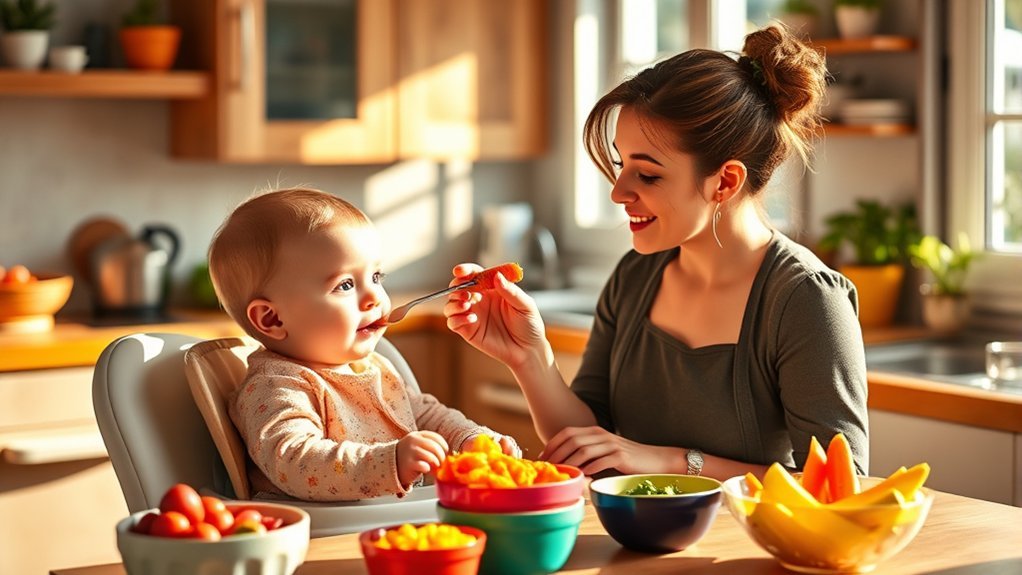
Apple is one of the most common flavors found in commercial baby food, but calling it every baby’s favorite requires some context. A 2024 North American product-launch analysis ranked red apple first among baby-food flavors, just ahead of banana. That finding reflects products introduced to the market—not a universal survey of babies, parents, or retail sales. More importantly, the best first foods are chosen for safety, developmental readiness, nutrient value, and variety rather than flavor popularity alone.
Quick Answer
Apple is often described as a leading baby-food flavor because red apple ranked first in a 2024 North American product-launch analysis. There is no official universal ranking of babies’ favorite flavor. Apple can be a suitable first food around 6 months, but it should be served safely and alongside iron-rich, savory, and varied foods.
Key Takeaways
- Red apple ranked as the leading flavor in one 2024 analysis of North American baby-food product launches, but this does not prove that it is every baby’s favorite.
- Apple can provide carbohydrate, some fiber, and modest vitamin C, but it is not a rich source of vitamin A or iron.
- Babies generally begin complementary foods at about 6 months when they show developmental readiness.
- Fruit purees should be offered with iron-, zinc-, protein-, and healthy-fat-rich foods rather than treated as complete meals.
- Food texture, allergen introduction, label reading, choking prevention, and variety matter more than choosing the trendiest flavor.
Note: This article provides general feeding information, not individual medical advice. Discuss your baby’s feeding plan with a pediatrician if your child was born prematurely, has swallowing difficulties, poor growth, severe eczema, a known allergy, or another medical condition.
Why Apple Is a Leading Baby Food Flavor
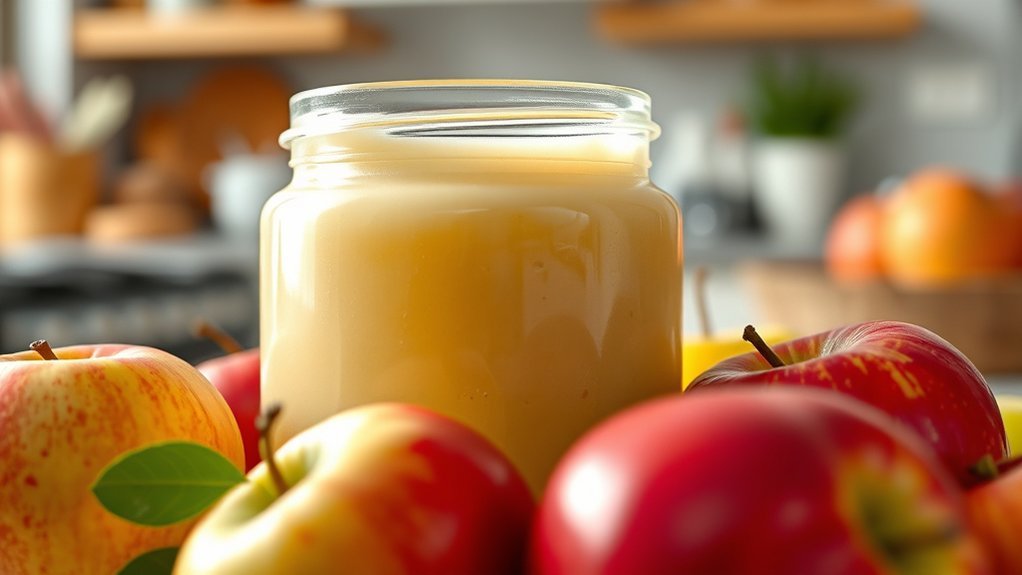
Apple has several qualities that make it common in commercial and homemade baby food. It has a naturally sweet, familiar flavor, blends easily with other ingredients, and becomes soft when cooked. Manufacturers can use it in jars, tubs, pouches, cereals, snacks, and mixed purees.
According to a 2024 Innova Market Insights analysis, red apple ranked first among flavors appearing in baby-food product launches in the United States and Canada. Banana followed closely, with carrot, sweet potato, and strawberry also appearing near the top.
Apple’s ranking describes what manufacturers launched in a specific market and time period. It should not be interpreted as an official measurement of every infant’s taste preference.
Babies also have individual preferences. One child may eagerly accept apple while another prefers avocado, lentils, yogurt, meat, squash, or broccoli. Repeated, pressure-free exposure is more useful than trying to identify one universally preferred flavor.

Power your essentials anywhere with a 999Wh pure sine wave power station delivering up to 1000W continuous with 2000W surge. It supports fast charging via USB-C PD 60W and USB-A QC 18W, plus simultaneous output for multiple devices through AC, USB, wireless, and car/DC ports. Recharge using AC, car, or solar with a built-in MPPT controller and dual cooling fans, while the upgraded battery management system protects against surges, short circuits, and overheating.

ON THE GO BABY FOOD: Gerber Stage 2 Baby Food Puree Tubs are designed for ease and convenience. These tubs are the perfect on the go baby food, made in a portable and easy-to-store format for busy parents

NEW TASTES: Continue your baby’s food explorations. Gerber 2nd Foods will expose them to a variety of tastes & ingredient combinations to help them accept new flavors. Non-GMO Project verified.
When Can Babies Try Apple and Other Baby Foods?
The CDC recommends introducing complementary foods at about 6 months. Introducing them before 4 months is not recommended. Age is only part of the decision; a baby should also show signs of developmental readiness.
Common readiness signs include:
- Sitting upright alone or with support
- Controlling the head and neck
- Opening the mouth when food is offered
- Swallowing food instead of pushing it back out with the tongue
- Bringing objects to the mouth and showing interest in food
At first, a baby may eat only a teaspoon or two. Breast milk, infant formula, or a combination of both continues to provide most nutrition while the baby gradually learns to eat complementary foods during the first year.
How to Prepare Apple Safely
Raw apple chunks are hard and can be a choking hazard. For a beginning eater, peel the apple if needed, remove the seeds and core, cook it until very soft, and mash or puree it to a texture your baby can manage. As eating skills improve, apple can be served in thicker mashed preparations or other soft, developmentally appropriate forms.
Warning: Do not give a baby hard raw apple chunks. Have your child sit upright in a high chair or another safe seat, keep meals calm, and supervise every bite. Choking can be silent, while gagging commonly involves noise, coughing, or retching.
Is Apple Nutritious Enough for a Baby?
Apple can be part of a nutritious diet, but it is not a complete meal by itself. Depending on how it is prepared, apple supplies carbohydrate, water, some fiber, and a modest amount of vitamin C. It is not a rich source of vitamin A, protein, fat, zinc, or iron.
Iron deserves special attention when complementary feeding begins. The CDC recommends including iron-containing foods from about 6 months. Suitable choices can include:
- Iron-fortified infant cereal
- Finely prepared meat or poultry
- Egg
- Beans and lentils
- Tofu
- Other iron-rich foods prepared in an age-appropriate texture
Apple can complement these foods. For example, unsweetened apple puree can be stirred into iron-fortified oatmeal after the individual ingredients have been introduced. Vitamin C-containing fruits and vegetables can also support absorption of iron from plant foods.
Pro Tip: Think of apple as one component of a meal rather than the entire meal. Pair a small serving with an iron-rich food, a source of healthy fat, or an appropriate protein food.
Fruit and Savory Baby Food Combinations
Fruit blends are popular because they are smooth and naturally sweet. However, relying only on sweet fruit combinations can limit a baby’s exposure to savory, bitter, earthy, and tart flavors. Offer foods from several food groups as your baby’s diet expands.
Useful combinations include:
- Apple, banana, and pear: A naturally sweet blend that can be offered occasionally after the ingredients have been introduced separately.
- Apple and prune: Prunes are often used when a baby eating solids has firm stools, but persistent constipation should be discussed with a pediatrician.
- Blueberry and raspberry: Berries can add tart flavor and color. Cook or mash them as needed and use a texture that does not leave firm, round pieces.
- Apple and iron-fortified oatmeal: This combines a familiar fruit with an important source of iron.
- Apple and plain full-fat yogurt: This provides protein and fat once dairy has been introduced safely. Choose yogurt without added sugar.
- Apple and lentil: A mild fruit-and-savory combination that adds plant protein, fiber, and iron.
- Sweet potato and egg: A soft savory option that does not depend on fruit for sweetness.
Single-ingredient foods can be useful at first because they make it easier to notice a reaction. The CDC advises starting with one new single-ingredient food at a time and waiting 3 to 5 days before another new food during the earliest stage of introduction.
Why Flavor Variety Matters
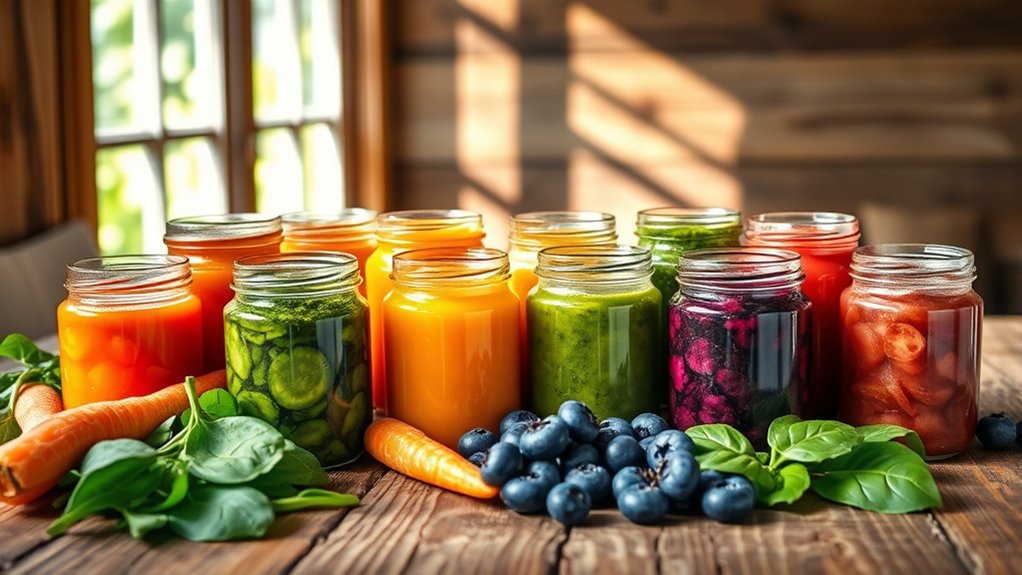
Flavor variety does not automatically increase nutrient absorption, but it can expose a baby to foods that provide different nutrients. Vegetables, fruits, grains, dairy foods, eggs, meat, fish, beans, lentils, and other protein foods all contribute different combinations of iron, zinc, protein, fat, vitamins, and minerals.
Early food acceptance is also influenced by repeated experience. A baby may reject a new food several times before accepting it. A refusal does not always mean permanent dislike. Continue offering small amounts without pressure while respecting signs that the baby is full.
Do not hide every vegetable behind a sweet fruit puree. A blend can be useful, but babies also benefit from tasting vegetables and savory foods on their own. This helps them learn the distinct flavor of each ingredient.
Why Baby Food Texture Matters
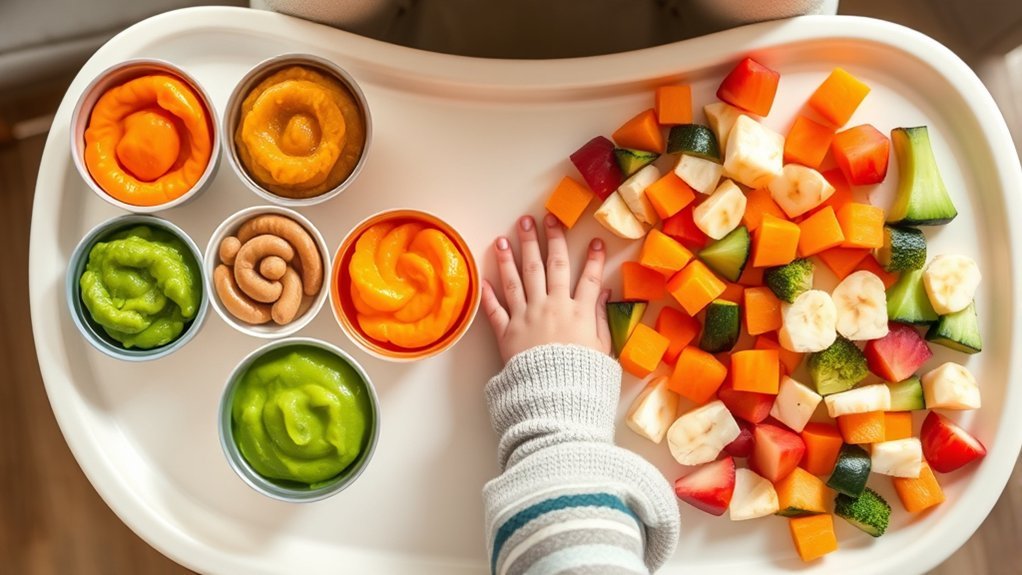
Texture supports the development of eating skills. New eaters often begin with smooth, mashed, pureed, or strained foods. As their ability to move food, swallow, and bring items to the mouth improves, they can progress to thicker mashed foods, soft lumps, and safe finger foods.
A rigid schedule such as “all babies need chunky food at exactly 7 months” is not appropriate. Progress depends on each baby’s motor development, feeding experience, and medical needs. The goal is steady advancement rather than keeping a baby on completely smooth puree longer than necessary.
Gagging Versus Choking
Gagging can be a normal part of learning to manage food. A gagging baby may cough, make noise, push the tongue forward, or retch. Choking occurs when the airway is blocked. A choking child may be unable to cough, cry, or breathe and may become quiet or change color.
Follow the CDC’s choking-prevention guidance: prepare food in the right shape, size, softness, and texture; avoid hard, sticky, or round foods; seat the child upright; and watch continuously while the child eats.
How to Introduce Common Food Allergens
Any food can cause an allergy, but common allergens include cow’s milk, egg, peanut, tree nuts, soy, wheat, sesame, fish, and shellfish. These ingredients can appear in mixed purees, cereals, yogurt blends, sauces, snacks, and pouches.
Current guidance does not recommend delaying infant-safe allergenic foods solely to prevent allergies. Once a baby is ready for complementary foods, introduce allergens in small amounts and in a safe texture. Offer one new allergen at a time so any reaction is easier to identify.
Whole nuts, spoonfuls or thick chunks of nut butter, and other hard or sticky foods are choking hazards. Nut butter can be thinned and mixed into a previously tolerated puree or infant cereal. Egg should be fully cooked and served in an appropriate texture.
Talk with your pediatrician before introducing peanut or other major allergens if your baby has severe eczema, an egg allergy, or a previous immediate reaction to food. The American Academy of Pediatrics provides additional allergen-introduction guidance.
Warning: Stop feeding the food and seek medical advice if a new food causes hives, swelling, repeated vomiting, or other concerning symptoms. Trouble breathing, throat tightness, sudden weakness, loss of consciousness, or symptoms affecting more than one body system may signal anaphylaxis. Use prescribed epinephrine immediately and call 911.
How to Choose Store-Bought Baby Food
A colorful label, organic seal, or fruit-heavy product name does not automatically make one product the best choice. Use the following checks:
- Match the texture to your baby’s skills: Select smooth, mashed, lumpy, or finger-food products according to development rather than the marketing stage alone.
- Read the ingredient list: The first ingredients should match the food described on the front of the package.
- Avoid added sugar: Infants and young children do not need foods sweetened with sugar, syrups, juice concentrates used as sweeteners, or other added sweeteners.
- Check sodium: Choose products with little or no added salt when possible.
- Include iron-rich choices: Fruit puree should not replace iron-fortified cereal, meat, beans, lentils, eggs, tofu, or other appropriate iron sources.
- Inspect the package: Do not use jars with broken seals, swollen pouches, leaking containers, damaged packaging, or products past their use-by or safety date.
- Follow storage directions: Refrigerate opened food promptly and discard it according to the manufacturer’s instructions.
Are Baby Food Pouches Okay?
Pouches can be useful during travel or busy days, but they should not supply every meal or replace all spoon feeding and textured foods. Because pouch contents must pass through a narrow spout, they are generally smooth and do not provide the same practice with chewing, utensils, smells, and visible ingredients.
For younger babies, squeeze pouch contents onto a spoon rather than allowing unsupervised sucking directly from the package. Continue offering mashed foods, soft finger foods, and family foods adapted to your baby’s developmental level.
Does Organic Baby Food Matter?
Organic is an optional production preference, not a guarantee of better nutrition. The USDA organic label verifies that a product was produced under federal organic standards. It does not mean the food is sugar-free, nutritionally balanced, completely pesticide-free, or free of heavy metals.
The American Academy of Pediatrics notes that organic and conventional baby foods can contain similar heavy-metal levels because elements such as lead and arsenic occur in soil and water. The FDA’s Closer to Zero initiative is working to reduce exposure to lead, arsenic, cadmium, and mercury in foods commonly eaten by babies and young children.
Parents do not need to eliminate packaged baby food because of this issue. A varied diet across food groups and ingredients helps prevent one food from becoming the dominant source of any contaminant.
Homemade Versus Store-Bought Baby Food
Both homemade and commercial baby food can fit into a healthy feeding plan.
Potential Benefits of Homemade Food
- Control over ingredients, texture, and seasoning
- Easy use of foods already prepared for the family
- More exposure to individual aromas and flavors
- Potentially lower cost
Potential Benefits of Commercial Food
- Convenient portions and longer unopened shelf life
- Consistent texture
- Clear ingredient and allergen labeling
- Access to iron-fortified cereals and other fortified products
Homemade food must be prepared with clean hands, clean equipment, safe water, and properly cooked ingredients. Store leftovers promptly, avoid feeding directly from a storage container that will be saved, and discard food that has been contaminated by a used spoon.
Never make homemade infant formula. Homemade purees and family foods are complementary foods and do not replace breast milk or properly prepared commercial infant formula during the first year.
What Matters More Than Baby Food Trends in 2026
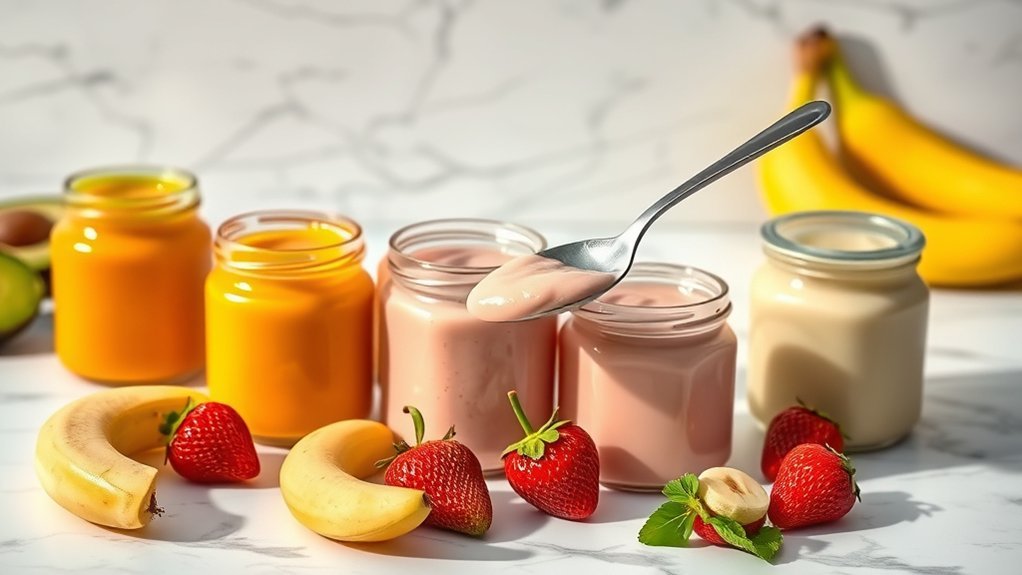
Product trends change quickly. Plant-based blends, globally inspired seasonings, pouches, snacks, organic claims, and sustainability messaging may all influence what appears on shelves. These features can be useful, but they should not outrank basic feeding priorities.
In 2026, the stronger checklist is:
- Offer nutrient-dense foods from several food groups.
- Include iron- and zinc-rich choices regularly.
- Choose products without added sugar and with little added sodium.
- Advance textures as eating skills develop.
- Introduce common allergens safely instead of delaying them without a medical reason.
- Use pouches for convenience rather than as the only feeding method.
- Offer fruit, vegetables, grains, proteins, and healthy fats rather than relying on sweet fruit blends.
- Respect hunger and fullness cues instead of pressuring a baby to finish a serving.
Frequently Asked Questions
Are there allergens in common baby food flavors?
Yes. Mixed baby foods may contain milk, egg, peanut, tree nuts, soy, wheat, sesame, fish, or shellfish. Read the ingredient and allergen statements every time because recipes can change. Introduce new allergens individually and in an infant-safe texture.
How do baby food flavors affect development?
Different flavors give babies sensory experience and may help them become familiar with a wider range of foods. Development also depends on nutrient quality, safe texture progression, responsive feeding, and repeated pressure-free exposure—not flavor alone.
Can homemade baby food compete with store-bought food?
Yes. Homemade food offers control over ingredients and texture, while commercial food offers convenience, consistent texture, and labeled fortification. Either can work when it is safely prepared, developmentally appropriate, and part of a varied diet.
What unusual baby food flavors can I try?
After individual ingredients are tolerated, try mild combinations such as lentil and apple, avocado and lime, chickpea and squash, plain yogurt and beet, coconut and mango, or sweet potato with a small amount of turmeric. Avoid added sugar, excessive salt, and hot chile.
How should I introduce new flavors?
Begin with a small amount when your baby is alert and comfortably hungry. Introduce one new ingredient at a time during the earliest stage, watch for reactions, and offer rejected foods again on another day without pressure.
Is apple a good first food for a baby?
Apple can be a suitable first food when cooked until soft and mashed or pureed. It should be one of many complementary foods and should not replace breast milk, formula, or iron-rich foods.
Can a baby eat raw apple?
Hard raw apple chunks are a choking hazard. Cook apple until soft for beginning eaters. Other forms, such as finely grated apple, should only be offered when the texture matches the child’s eating skills and the child is seated and closely supervised.
Are baby food pouches healthy?
Some pouches contain nutritious ingredients, while others are mostly sweet fruit puree. Check the ingredient list, added sugar, sodium, and nutrient balance. Use pouches as a convenience food rather than the only source of complementary food or texture practice.
Conclusion
Apple deserves its place as a familiar and versatile baby-food flavor, and it ranked first in one analysis of North American product launches. Still, popularity is less important than the full feeding picture. Prepare apple safely, include iron-rich and savory foods, advance textures as your baby develops, introduce allergens appropriately, and use packaged products as part of a varied diet. A baby does not need one perfect flavor; they need repeated opportunities to explore many safe, nutrient-dense foods.
Sources
- Innova Market Insights: Baby Food Trends in the US and Canada — supports the limited claim that red apple ranked first in a 2024 North American product-launch analysis.
- CDC: When, What, and How to Introduce Solid Foods — supports readiness signs, first-food guidance, texture progression, and allergen timing.
- CDC: Iron for Infants and Toddlers — supports the need for iron-rich complementary foods and examples of iron sources.
- CDC: Choking Hazards — supports safe food preparation, supervision, upright seating, and avoidance of hard raw apple pieces.
- CDC: Foods and Drinks to Avoid or Limit — supports guidance on honey, juice, added sugar, sodium, and unpasteurized foods.
- FDA: Closer to Zero — supports the discussion of lead, arsenic, cadmium, mercury, and contaminant-risk reduction in foods for babies and young children.