Some commercial baby foods taste mild, while others taste noticeably sweet because they combine vegetables with fruits such as apple, pear, or banana. Simple ingredient lists and smooth textures can also make different products seem similar. Babies do not need food to be bland, though. Once your baby is ready for complementary foods, you can safely introduce a wide range of tastes, aromas, and developmentally appropriate textures.
Quick Answer
Some commercial baby foods taste mild because they use simple ingredients, smooth textures, and little or no added salt. Fruit-heavy blends can also make many products taste similar and sweet. Babies do not need bland food, though; once they are ready for solids, you can safely offer varied vegetables, proteins, textures, herbs, and mild spices.
Key Takeaways
- Commercial baby foods vary. Some are savory or single-ingredient foods, while fruit-heavy blends may make several products taste similarly sweet.
- Begin complementary foods at about 6 months, when your baby shows developmental readiness, unless your health care professional recommends a different plan.
- Repeatedly offer vegetables, proteins, grains, fruits, herbs, and mild spices without forcing your baby to eat.
- Progress from smooth foods to thicker, lumpier, finely chopped, and soft finger foods as your baby’s eating skills develop.
- Avoid honey before 12 months, added sugars, high-sodium foods, choking hazards, concentrated herbal extracts, and essential oils.
Note: This article provides general infant-feeding information, not individualized medical advice. Ask your child’s pediatrician or feeding specialist for guidance if your baby was born prematurely, has poor growth, has severe eczema or a known food allergy, coughs frequently during meals, or has trouble chewing or swallowing.
Why Some Commercial Baby Foods Taste Mild
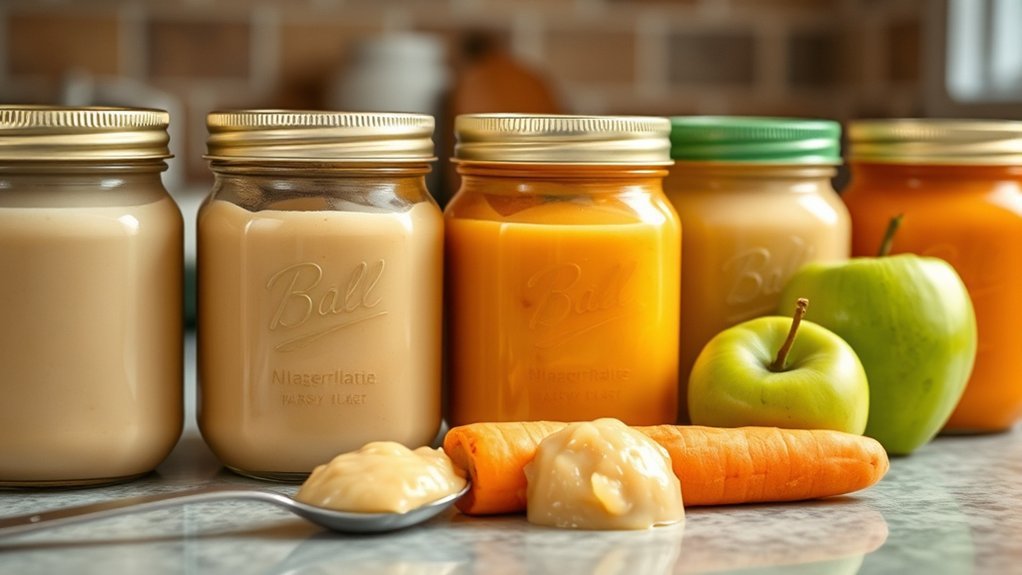
Commercial baby food is not automatically bland, overly sweet, or unhealthy. Products differ widely by brand, package, ingredients, and intended feeding stage. However, several factors can make some jars and pouches taste mild or similar:
- Simple recipes: A product may contain only one or two ingredients and no added salt.
- Fruit-heavy blends: Apple, pear, banana, and other fruits can soften or mask the flavor of vegetables.
- Uniform texture: A very smooth purée provides less texture contrast than mashed or finely chopped food.
- Blended ingredients: When several foods are blended together, the individual flavors can be difficult to identify.
- Consistency between packages: Commercial processing is designed to give each container a similar taste and texture.
A U.S. analysis of infant and toddler foods found that pouches were more likely than jars and packs to contain vegetable-and-fruit blends. That finding supports checking the ingredient list rather than assuming a product labeled with spinach, kale, or another vegetable will taste mainly like that vegetable.
| What You Notice | Possible Reason | What to Check |
|---|---|---|
| Several products taste sweet | Fruit appears early in the ingredient list | Choose some single-vegetable or savory blends without fruit |
| The flavor seems muted | The food is finely blended and unseasoned | Offer safe homemade or family-food alternatives with mild herbs |
| Every meal feels the same | Your baby is receiving one package style or texture | Rotate purées, mashed foods, soft finger foods, grains, proteins, fruits, and vegetables |
How Sweet Foods Affect Your Baby’s Flavor Preferences
Babies naturally respond well to sweetness. Breast milk, infant formula, and many nutritious fruits and vegetables have naturally sweet flavors. A sweet taste is therefore not automatically a problem, and fruit does not need to be removed from your baby’s diet.
The more useful distinction is between naturally occurring sugars in foods such as fruit and plain dairy and added sugars used to sweeten a product. The CDC recommends avoiding added sugars for infants and young children because their small meals need to provide nutrients rather than extra sweetener.
Evidence does not show that one serving of banana, apple, or another naturally sweet food will create a lasting dislike of vegetables. Food preference develops through many experiences, including repeated exposure, texture, family eating patterns, feeding pressure, and the variety of foods offered.
The goal is not to remove every sweet food. It is to prevent sweetness from becoming the only flavor your baby regularly experiences.
Offer naturally sweet foods alongside savory, tart, earthy, and mildly bitter choices. Examples include lentils, eggs, plain yogurt, avocado, beans, cooked greens, broccoli, cauliflower, unsweetened oatmeal, fish, squash, berries, and soft meat.
How Early Flavor Exposure Shapes Food Acceptance
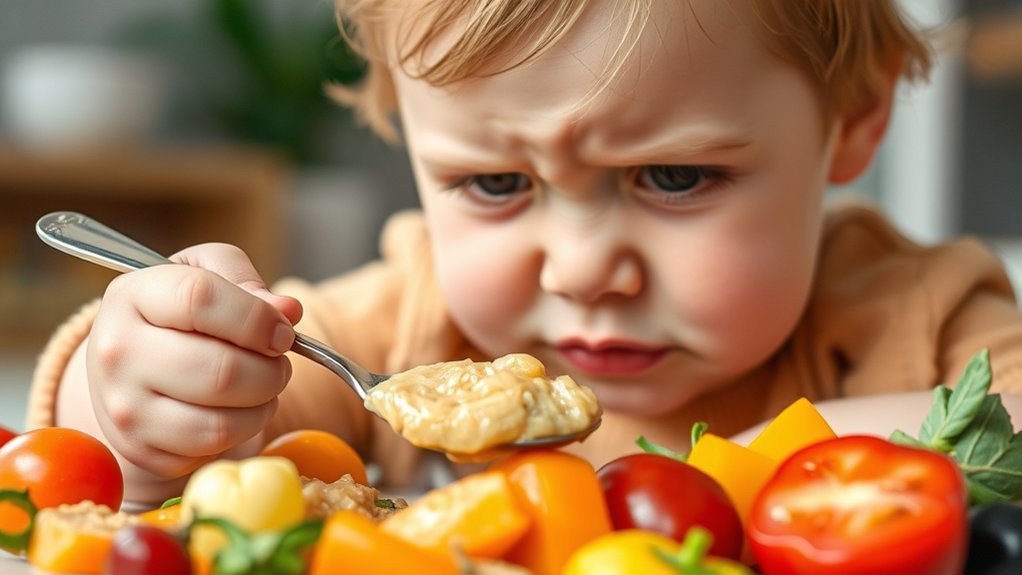
Your baby’s first foods provide opportunities to learn about taste, smell, temperature, and texture. Early variety can support food acceptance, but there is no need to race through a checklist or introduce solids before your baby is ready.
Begin at About 6 Months and Look for Readiness
The CDC recommends introducing complementary foods at about 6 months. Readiness matters as much as the calendar. Common signs include good head and neck control, the ability to sit with support, interest in food, and the ability to swallow food instead of immediately pushing it out with the tongue.
Starting before 4 months is too early for most babies. A clinician may recommend a specific 4-to-6-month plan for a baby at high risk of peanut allergy, but that is an allergen-prevention decision rather than a general recommendation to begin all solid foods early.
Sweet, Bitter, and Savory Preferences
Babies may accept sweet foods quickly and react to bitter or tart foods with a surprised face. A facial expression does not always mean the baby dislikes the food. Watch whether your baby opens their mouth for another taste, swallows comfortably, or turns away.
| Flavor Experience | Examples | Practical Approach |
|---|---|---|
| Naturally sweet | Banana, pear, squash, sweet potato | Include them without making every meal fruit-based |
| Mildly bitter or earthy | Broccoli, cooked greens, peas, lentils | Offer small portions repeatedly without pressure |
| Savory or aromatic | Egg, beans, meat, fish, garlic, cumin, dill | Use soft textures and small culinary amounts of seasoning |
| Tart | Plain yogurt, berries, tomato | Expect a surprised expression and let your baby decide whether to continue |
Cultural Feeding Practices Influence Preferences
Babies around the world learn to enjoy the foods that are regularly served in their families. Depending on the household, early meals may include rice, lentils, beans, yogurt, fish, eggs, maize, noodles, vegetables, herbs, or gently seasoned stews.
You do not need to replace familiar cultural foods with a separate menu of flavorless baby food. Instead, adapt family foods by making them soft, removing bones and choking hazards, setting aside the baby’s portion before adding excess salt or hot sauce, and serving an appropriate size and texture.
How Texture Affects Your Baby’s Acceptance of Foods
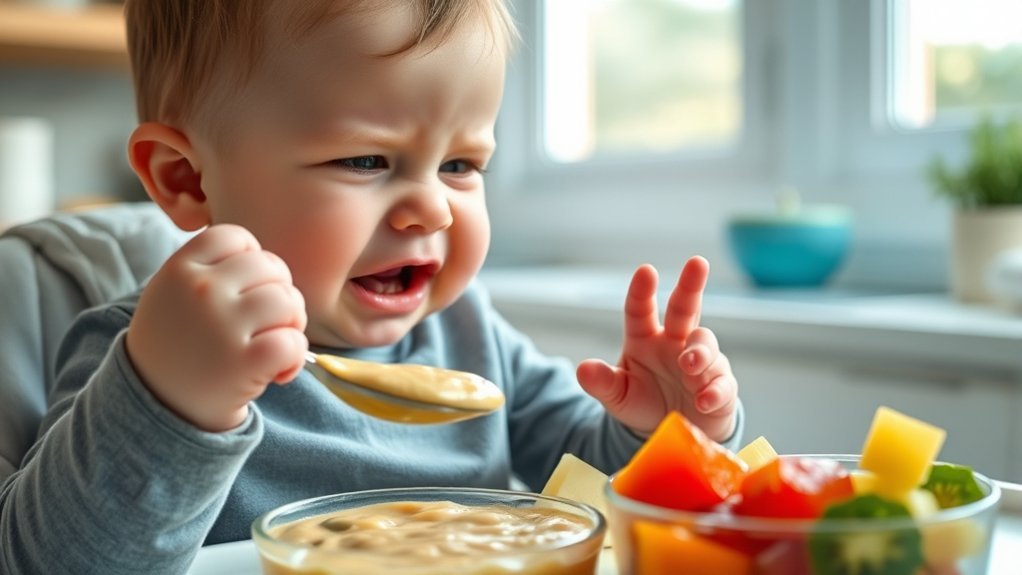
Flavor is only one part of eating. Texture affects how food feels in the mouth, how much chewing practice it provides, and how easily your baby can manage it.
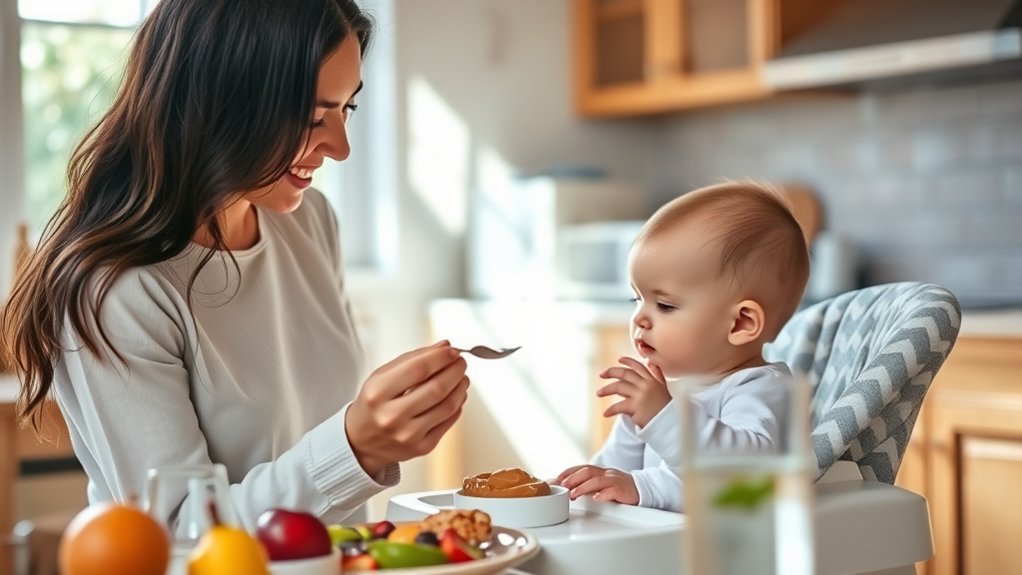
Smooth purées are an appropriate first texture for many babies. They do not cause feeding problems by themselves. The goal is to introduce thicker and more varied textures as your baby develops the necessary skills rather than keeping every meal completely smooth for an extended period.
- Smooth or strained: Useful when your baby is first learning to move food to the back of the mouth and swallow.
- Mashed or thicker: Soft foods such as avocado, beans, potato, egg, banana, or cooked vegetables can be mashed with a fork.
- Soft lumps and finely chopped foods: Introduce these as your baby handles thicker foods comfortably.
- Soft finger foods: Offer graspable foods that are soft enough to mash easily and prepared in a safe shape and size.
Warning: Always seat your baby upright and supervise every bite. Prepare food for your child’s developmental ability, and avoid hard, round, sticky, tough, or poorly cut foods. Review the CDC’s choking-prevention guidance and learn infant choking first aid from a qualified instructor.
Why Bitter and Savory Flavors Deserve a Place
Bitter flavor is not an essential nutrient, but many nutritious vegetables have mildly bitter, earthy, or sulfur-like notes. If fruit is mixed into every vegetable meal, your baby may have fewer chances to learn what those vegetables taste like on their own.
Offer foods such as cooked spinach, broccoli, cauliflower, green beans, peas, lentils, and unsweetened whole grains in safe textures. Your baby does not need to finish the serving. Touching, smelling, licking, or taking one taste can still be part of learning.
Repeated exposure has stronger support than pressuring a child or hiding every vegetable in a sweet blend. A food may need to be offered 8 to 10 times or more before it becomes familiar, but this is an estimate rather than a deadline. Some foods are accepted immediately, while others may never become favorites.
Pro Tip: Freeze small portions of mashed vegetables, beans, or family foods in an ice-cube tray. You can thaw one portion at a time for repeated exposure without wasting a full jar or meal.
Global Variations in Baby Food Flavors and Preferences
There is no universal “baby food flavor.” Feeding traditions vary between countries, regions, families, and generations. Some babies begin with grains or porridge, while others receive vegetables, beans, yogurt, egg, fish, meat, or softened versions of family meals.
These differences show that babies can learn to accept more than plain fruit and vegetable purées. The important limits are safety, nutritional value, allergen awareness, and developmentally appropriate preparation—not whether a food matches a narrow idea of what baby food should taste like.
When adapting family meals:
- Set aside the baby’s portion before adding a large amount of salt, sugar, hot sauce, or salty seasoning mix.
- Remove bones, pits, tough skins, whole nuts, and other choking hazards.
- Cook foods until soft and mash, shred, grind, or cut them appropriately.
- Use pasteurized dairy products and thoroughly cook eggs, meat, poultry, and seafood.
- Introduce unfamiliar allergenic ingredients individually when practical so reactions are easier to identify.
How to Enhance Your Baby’s Flavor Experience
You can use commercial foods, homemade foods, and modified family meals together. Variety matters more than following one feeding method perfectly.
Choose Commercial Baby Foods for Variety
Commercial foods are convenient and can be useful when traveling, at child care, or when a suitable family meal is unavailable. Use the label to check what the package actually provides.
- Read ingredients in order: Ingredients are generally listed from greatest to least amount by weight.
- Look beyond the front label: A pouch showing kale or spinach may still contain more apple, pear, or banana.
- Choose some savory products: Rotate fruit blends with vegetables, beans, meats, grains, and other protein-containing foods.
- Check added sugars: Choose products with 0 grams of added sugar for infants and young children.
- Compare sodium: Select lower-sodium options and avoid relying on salty toddler snacks.
- Match the texture to your baby: A package age or “stage” is only a guide; your baby’s skills and professional advice matter more.
Pouches are not automatically bad, but sucking every meal directly from a spout provides less opportunity to see, smell, touch, and handle food. When practical, squeeze the food onto a spoon or into a bowl and combine pouches with other textures.
Introduce Diverse Flavors Without Pressure
Once your baby is ready for solids, rotate foods from different groups instead of focusing only on fruit and sweet vegetables. Useful options include:
- Egg, meat, poultry, fish, tofu, beans, peas, and lentils
- Plain yogurt and pasteurized cheese
- Oatmeal, barley, quinoa, rice, pasta, and soft bread
- Avocado, tomato, broccoli, cauliflower, squash, cooked greens, and peas
- Banana, berries, pear, peach, melon, citrus, and mango in safe forms
Offer a small amount, let your baby decide whether to eat, and try the food again on another day. Avoid forcing bites, praising one food as “good,” or using a sweet food as a reward for eating a vegetable.
Experiment With Herbs and Mild Spices
Herbs and spices can make food aromatic without adding sugar. Use ordinary culinary amounts rather than giving them as treatments, teas, supplements, essential oils, or concentrated extracts.
| Herb or Spice | Mild Food Pairings | How to Use It |
|---|---|---|
| Cinnamon | Oatmeal, apple, pear, sweet potato | Stir in a small pinch |
| Dill or basil | Peas, potato, yogurt, fish | Finely chop fresh leaves or use a small amount dried |
| Cumin | Beans, lentils, squash, chicken | Mix a small pinch into cooked food |
| Fennel or mint | Peas, carrots, yogurt, pear | Use only as a culinary flavor, not as a digestive remedy |
| Turmeric | Rice, lentils, cauliflower, egg | Use a small pinch for color and flavor |
| Nutmeg | Squash, oatmeal, sweet potato | Use only a tiny culinary pinch; never give large amounts or concentrated products |
You may also use a small amount of garlic, ginger, mild paprika, coriander, oregano, rosemary, or thyme. Avoid seasoning blends that contain a large amount of salt, sugar, or hot pepper.
Include Iron-, Zinc-, and Protein-Rich Foods
Flavor variety should not come only from fruits and vegetables. Babies have limited stomach capacity, so complementary foods should also provide nutrients such as iron, zinc, protein, and healthy fats.
Suitable options can include iron-fortified infant cereal, meat, poultry, fish, egg, tofu, beans, lentils, and smooth thinned nut butter. Prepare each food in an age-appropriate form.
The CDC advises introducing potentially allergenic foods, such as egg, wheat, shellfish, and nut butters, with other complementary foods. Begin with a small amount in a safe texture and watch for a reaction. If your baby has severe eczema, egg allergy, or another known allergy, ask a clinician when and how to introduce peanut-containing food.
Warning: Stop feeding a suspected food and seek medical advice if your baby develops hives, repeated vomiting, facial swelling, coughing, or unusual lethargy. Trouble breathing, tongue or throat swelling, collapse, or rapidly worsening symptoms require emergency help.
Avoid Unsafe Flavor Additions
- Honey: Do not give honey before 12 months because of the risk of infant botulism.
- Added sugar: Do not add sugar, syrup, sweetened drink mix, or dessert topping to make food more acceptable.
- Excess salt: Avoid heavily salted foods, salty sauces, bouillon, processed meat, and high-sodium seasoning blends.
- Essential oils and extracts: Do not add essential oils or concentrated herbal products to baby food unless specifically directed by a qualified clinician.
- Very hot seasonings: Mild spice is different from intense chili heat. Stop if a food appears to cause pain or persistent irritation.
- Unpasteurized foods: Avoid raw milk and products made from unpasteurized milk.
Frequently Asked Questions
Can homemade baby food taste better than store-bought food?
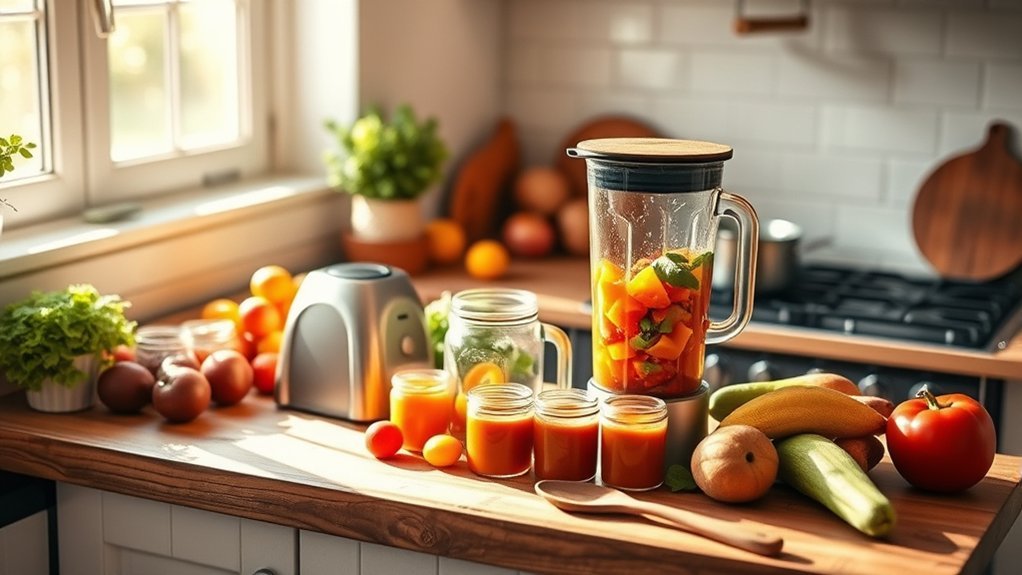
It can, but taste is subjective. Homemade food lets you choose fresh ingredients, control texture, and use familiar herbs or mild spices. Commercial food can still be nutritious and convenient. A combination of homemade food, safe family meals, jars, and pouches can provide both convenience and variety.
Are there health risks in adding flavor to baby food?
Ordinary herbs and mild spices used in small culinary amounts are generally different from concentrated extracts or supplements. Avoid honey before 12 months, added sugars, excess salt, essential oils, concentrated herbal products, and ingredients that create a choking risk. Introduce potential allergens carefully and seek individualized advice when your baby has eczema or a known allergy.
How do babies react to spicy foods?
Babies may accept aromatic foods seasoned with garlic, cumin, ginger, cinnamon, or other mild spices. Strong chili heat may cause discomfort around the mouth or eyes. Begin with a very small amount, avoid hot sauce, and stop if your baby appears distressed.
What ingredients should be avoided in baby food?
Avoid honey before 12 months, added sugars, high-sodium ingredients, unpasteurized milk products, undercooked eggs or meat, essential oils, concentrated herbal products, and hard, sticky, round, or tough foods that can cause choking. Also avoid any ingredient that your child’s clinician has told you to exclude.
Do babies have taste preferences like adults?
Babies show preferences, including a natural response to sweetness, but their likes and dislikes are still developing. Repeated, pressure-free exposure to varied foods can increase familiarity. A surprised or unhappy facial expression during one taste does not necessarily mean the food should never be offered again.
Are baby food pouches bad for flavor development?
Pouches can be convenient, but they should not be the only food format your baby receives. Rotate them with foods served from a spoon or bowl and with mashed, lumpy, finely chopped, and soft finger foods. Check whether fruit dominates the ingredient list and include savory options without fruit.
Should I add salt to make baby food taste better?
Usually not. Babies can experience flavor through the food itself and through herbs, garlic, onion, and mild spices. Avoid heavily salted foods and seasoning blends. When sharing a family meal, set aside the baby’s portion before adding extra salt or a salty sauce.
When should my baby move beyond smooth purées?
There is no single date for every baby. Introduce thicker, mashed, lumpy, finely chopped, and soft finger foods as your baby’s oral and hand skills develop. Speak with a pediatrician or feeding specialist if your baby repeatedly coughs, chokes, vomits, appears unable to manage texture, or has not progressed as expected.
Conclusion
Baby food does not need to be flavorless. Some commercial foods taste mild because they contain simple ingredients and smooth textures, while fruit-heavy blends can make several products taste similarly sweet. You can broaden your baby’s experience by rotating vegetables, fruits, proteins, grains, herbs, mild spices, and safe textures.
Begin at about 6 months when your baby shows readiness, follow hunger and fullness cues, and keep offering unfamiliar foods without pressure. Commercial food, homemade food, and adapted family meals can all fit into a nutritious diet when they are selected and prepared safely.
Sources
- CDC: When, What, and How to Introduce Solid Foods — starting age, single-ingredient foods, textures, and allergen introduction.
- CDC: Tastes and Textures — introducing smooth, mashed, lumpy, and finely chopped foods.
- CDC: Choking Hazards — food preparation, supervision, positioning, and foods to avoid.
- CDC: Foods and Drinks to Avoid or Limit — honey, added sugars, and high-sodium foods.
- NCBI: Repeated Exposure to Foods and Early Food Acceptance — systematic-review evidence on repeated exposure and food acceptance.
- Nutritional Content and Ingredients of Commercial Infant and Toddler Food Pouches — U.S. evidence on fruit-and-vegetable blends and package differences.