If coffee from your coffee maker tastes burnt, the machine may not actually be scorching the grounds. The flavor often comes from very dark beans, coffee left on a warming plate, a grind that is too fine, restricted water flow, old coffee oils, mineral scale, or a recipe that is too strong. A simple process of elimination can usually identify the cause before you consider replacing the brewer.
Quick Answer
Burnt-tasting coffee usually comes from very dark beans, coffee left on a warming plate, a grind that is too fine, restricted flow, old coffee oils, or scale. Taste the first cup immediately, try fresh medium-roast coffee, clean the removable parts, use a slightly coarser grind, and follow your model’s descaling instructions.
Key Takeaways
- First decide whether the flavor is truly burnt, normally bitter, stale, smoky, chemical, or similar to hot plastic.
- Very dark roasts naturally have stronger roasted, smoky, and bitter notes; oily beans are not automatically defective.
- A fine grind, restricted filter, slow flow, long contact time, or unsuitable dose can make coffee taste unusually harsh.
- Coffee held on a warming plate can develop a cooked, concentrated flavor. Transfer extra coffee to an insulated carafe if you plan to keep it.
- Clean coffee-contact parts regularly and descale only according to the instructions for your specific model.
- Stop using the appliance if you smell burning plastic or wiring, see smoke or sparks, notice melting, or find a damaged power cord.
At a Glance
| Time Required | About 10 minutes for basic diagnosis; cleaning and descaling time varies by model |
| Difficulty | Easy |
| Tools Needed | Fresh water, mild dish soap, a soft cloth or brush, fresh coffee, and manufacturer-approved descaler if needed; an instant-read thermometer is optional only when the brewer can be measured safely |
| Cost | Often $0 for basic checks; cost varies if you need fresh coffee, a replacement filter, or model-specific descaler |
Identifying Causes of Burnt Coffee and How to Fix Them
People often use “burnt” to describe several different flavor problems. Identifying the closest description helps you choose the right fix instead of changing several brewing variables at once:
- Smoky, ashy, or charred: The beans may be darker than you prefer.
- Harsh, dry, or strongly bitter: The grind may be too fine, contact time too long, or water flow too restricted.
- Cooked or stewed: The coffee may have remained on a warming plate for too long.
- Stale or rancid: Old coffee oils may be coating the basket, reusable filter, pod holder, lid, or carafe.
- Sharp or chemical: Cleaning or descaling solution may not have been rinsed out completely.
- Papery: A paper filter may need rinsing before use, or you may simply dislike that filter material.
- Hot plastic or electrical odor: The appliance may have a safety fault rather than a coffee-flavor problem.
Warning: Unplug the coffee maker and stop using it if you smell burning plastic or wiring, see smoke or sparks, notice melting, find a damaged cord, or repeatedly trip a breaker. The U.S. Consumer Product Safety Commission advises stopping use of appliances that show electrical overheating, smoking, sparking, or cord damage. Do not open the appliance housing unless the manufacturer specifically provides a user-service procedure.
Power your essentials anywhere with a 999Wh pure sine wave power station delivering up to 1000W continuous with 2000W surge. It supports fast charging via USB-C PD 60W and USB-A QC 18W, plus simultaneous output for multiple devices through AC, USB, wireless, and car/DC ports. Recharge using AC, car, or solar with a built-in MPPT controller and dual cooling fans, while the upgraded battery management system protects against surges, short circuits, and overheating.
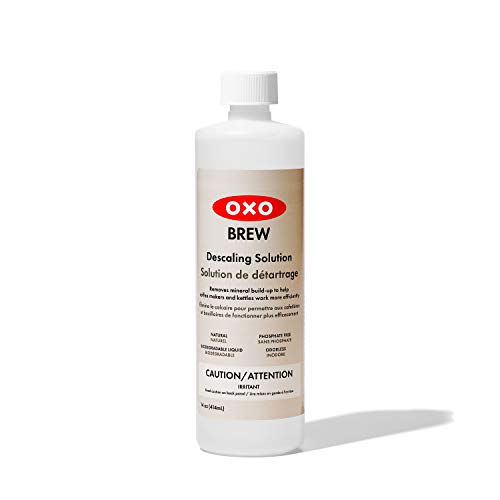
Helps keep your coffee makers and kettles working efficiently and using less energy

INCLUDES: 4 Keurig Rinse Pods, 1 Descale Solution, and 2 Water Filter Cartridge Refills
Fast Troubleshooting: Fix Burnt-Tasting Coffee in 10 Minutes
- Remove the coffee from the warming plate. Taste a freshly brewed cup immediately. If the first cup tastes good but later cups taste cooked or burnt, prolonged holding heat is the likely cause.
- Try different beans. Brew a fresh medium roast. If the burnt note disappears, the original roast was probably darker than you prefer.
- Use fresh water. Empty water that has been sitting in the reservoir and refill it with cool, clean drinking water that tastes good on its own.
- Clean the coffee-contact parts. Wash the carafe, basket, lid, reusable filter, and pod holder if the manufacturer identifies those parts as washable.
- Use a slightly coarser grind. Move only one or two grinder steps at a time. Keep the coffee dose and water amount unchanged for the test.
- Standardize the dose. Too much coffee can make the cup overly strong and may restrict flow in some baskets. For automatic drip coffee, the National Coffee Association gives a broad starting point of 1 to 2 tablespoons of ground coffee per 6 ounces of water. Your brewer, coffee, and taste preference may require adjustment.
- Check the filter and water flow. Make sure the paper filter is the correct size and is not folded into the coffee bed. Clean a reusable filter if oils or fines are blocking its mesh.
- Brew a water-only cycle. After the water cools enough to taste safely, check its smell and flavor. A strange taste during a water-only cycle points toward residue, reservoir contamination, a filter issue, or the machine itself.
Pro Tip: Change only one variable per batch. If you change the beans, grind, dose, water, and temperature at the same time, you will not know which adjustment solved the problem.
How Water Temperature Affects Coffee Flavor
A common reference range for hot coffee brewing is roughly 195°F to 205°F, although the ideal setting depends on the brewer, coffee, roast level, grind, contact time, and desired result. Treat this range as a troubleshooting reference rather than a universal pass-or-fail test for every automatic machine.
Temperature is only one part of extraction. Grind size, brew time, water flow, coffee dose, and the amount of water all affect the finished cup. A higher temperature can increase extraction rate, but changing temperature alone does not automatically make coffee taste burnt.
Research from the UC Davis Coffee Center published in Scientific Reports found that brew temperature had little direct effect on drip coffee’s sensory profile when brew strength and extraction yield were kept the same. In normal home use, temperature can still matter because automatic coffee makers generally do not adjust all the other brewing variables to compensate.
How to Check an Automatic Coffee Maker’s Temperature Safely
- Check the manual first. Look for a brewing-temperature specification, adjustable temperature setting, diagnostic procedure, or manufacturer troubleshooting guidance.
- Do not defeat safety features. Do not open an interlocked lid, reach into an enclosed brew chamber, remove protective parts during operation, or place your hand near exposed steam or a heating element just to obtain a temperature reading.
- Measure only if access is clearly safe. If the brewer’s design allows the brew stream or coffee bed to be reached safely without altering normal operation, use a food-safe instant-read thermometer during the main part of the brewing cycle. Do not let the probe touch a heating element or interfere with moving parts.
- Repeat once if needed. One reading can vary because automatic machines cycle their heaters. A second safe measurement can help confirm an unusual result.
If you cannot measure safely, skip the thermometer test. Instead, compare the brewer’s performance with its manual, look for unusually slow flow or steam, and contact manufacturer support if the machine appears to be operating abnormally.
Note: Letting boiling water sit for a fixed number of seconds is not a precise temperature-control method. Cooling speed changes with water volume, room temperature, kettle material, vessel shape, and elevation.
How Dark or Over-Roasted Beans Create Burnt Coffee Flavor
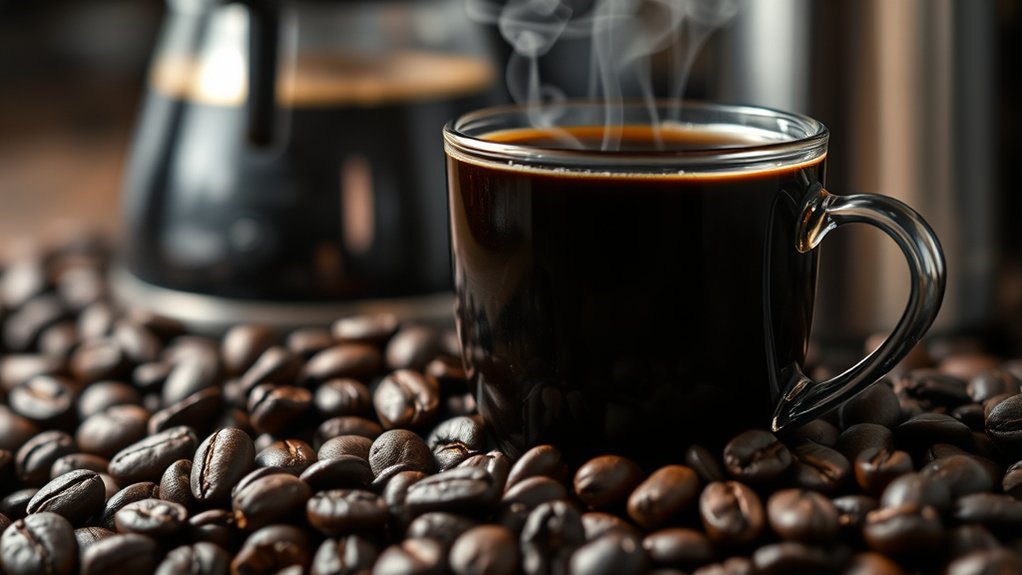
Roast level has a major effect on flavor. Light roasts tend to preserve more origin-specific, fruity, or acidic characteristics. Medium roasts often balance roast flavor with the bean’s original character. Dark roasts emphasize roasted, smoky, bitter, and sometimes charred notes.
The National Coffee Association’s roast guide notes that dark-roast beans commonly have shiny, oily surfaces and pronounced bitterness. Oil on the surface therefore indicates a darker roast, not automatically a roasting defect.
If every brewing adjustment still produces an ashy flavor, try the same machine with a fresh medium roast. If the new coffee tastes balanced, the brewer is probably operating normally and the original roast simply does not match your preference.
Freshness Still Matters
Roast level and freshness are separate issues. Even a suitable roast can develop flat or stale flavors after exposure to air, moisture, heat, and light. Pre-ground coffee also loses aroma faster because more surface area is exposed to air.
Store coffee in an opaque, airtight container in a cool cabinet and grind only what you need when practical. The National Coffee Association recommends protecting coffee from heat, moisture, air, and light and buying quantities you can use while they remain fresh.
Why Grind Size and Coffee Dose Matter
Grind size controls how quickly water can dissolve compounds from coffee and how easily water moves through many filter baskets. Smaller particles expose more surface area and can also slow drainage. If the grind is too fine for the brewer, the result may taste bitter, dry, or burnt.
- Automatic drip coffee: Start with a medium grind. Go slightly coarser if the basket drains slowly or the coffee tastes harsh.
- French press: A coarse, even grind is a common starting point for the longer immersion time.
- Pour-over: Start around medium to medium-fine, then adjust according to drawdown time and taste.
- Espresso: A fine grind is necessary, but a shot that runs too slowly may require a slightly coarser setting.
- Reusable pods: Follow the reusable-filter manufacturer’s fill line and grind recommendation. Do not pack the grounds more tightly than instructed.
An even grind is easier to control than a mixture of large pieces and powdery fines. The National Coffee Association recommends burr grinders for better grind consistency compared with typical blade grinders.
Do Not Overfill the Basket
Using more coffee does not always create a better cup. An overloaded basket can restrict water flow, increase contact time in some brewers, overflow, or leave part of the coffee bed unevenly saturated. Measure the coffee and water consistently before changing the recipe.
Check the Brew Filter and Flow
The filter itself can change how quickly water moves through the coffee. A paper filter that is the wrong size, folded into the coffee bed, or poorly seated can restrict or redirect water. A reusable mesh filter can also collect coffee oils and very fine particles over time.
Make sure the filter sits normally in the basket, clean reusable filters according to the manual, and check that the brewer’s showerhead openings are not obstructed. If the basket suddenly drains much more slowly than it used to, investigate the grind, filter, scale, and water-delivery system before changing several other variables.
Can the Warming Plate Make Coffee Taste Burnt?
Yes. Once brewing ends, a glass carafe on an active warming plate continues to receive heat. Over time, water evaporates and the coffee can become more concentrated, cooked, and bitter. Coffee dripped directly onto a dirty hot plate can also create a burnt smell that makes the beverage seem worse.
There is no single number of minutes after which every pot will taste burnt. Warming-plate temperature, batch size, carafe design, and personal taste all matter. If the coffee tastes good immediately but harsh later, the holding method is a much stronger clue than the brewing process itself.
For better flavor:
- Drink the coffee reasonably soon after brewing.
- Turn off the warming plate when it is no longer needed.
- Transfer extra coffee to a clean insulated carafe if you plan to hold it.
- Clean dried coffee from the warming plate after it has cooled.
- Avoid reheating the same pot repeatedly.
How Water Quality and Filters Affect Flavor
Coffee is mostly water, so chlorine odors, stale reservoir water, dirty filters, and mineral deposits can all affect the cup. Hard water can also create scale inside heaters and narrow water passages.
There is no single water-hardness number that is ideal for every coffee and every machine. The Specialty Coffee Association’s discussion of water chemistry explains that hardness, alkalinity, extraction, flavor, corrosion, and scale interact in complex ways.
Use clean, potable water that tastes good on its own and meets the requirements in your coffee maker’s manual. Filtration may help when tap water has noticeable chlorine or excessive mineral content, but do not assume that distilled, demineralized, or softened water is automatically better. Water recommendations vary by brewing method and appliance.
Replace built-in charcoal filters according to the manufacturer’s schedule. Rinse or prepare a new filter exactly as directed before installing it.
Maintenance Tips for Your Coffee Maker
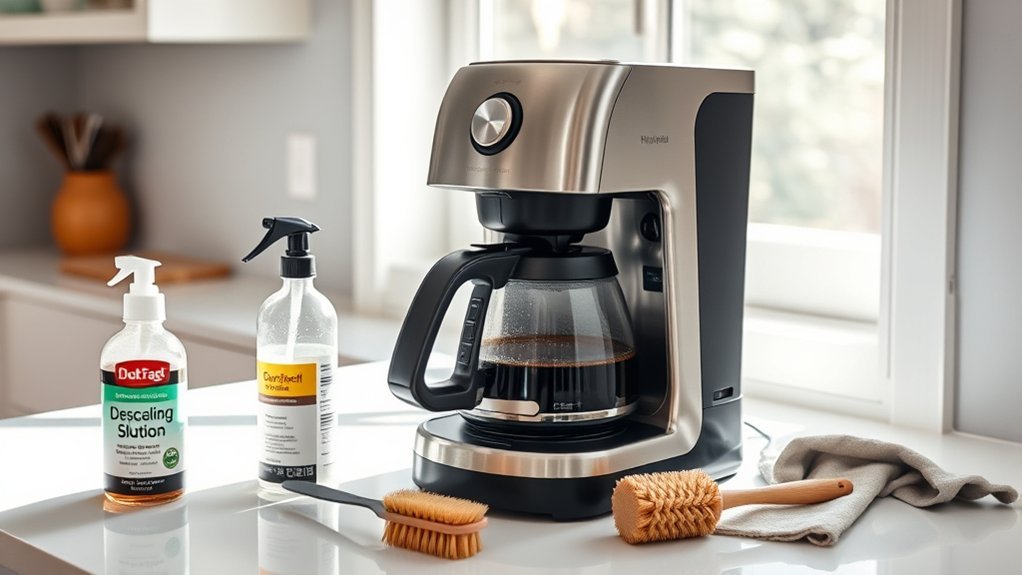
Cleaning and descaling solve different problems. Cleaning removes coffee oils, loose grounds, stains, and food residue from surfaces that contact the beverage. Descaling removes mineral deposits from the internal water path.
Clean Coffee-Contact Parts Regularly
- Unplug the machine and let it cool.
- Discard the grounds or used pod.
- Remove the carafe, basket, lid, reusable filter, pod holder, and removable reservoir parts.
- Wash only the parts the manual identifies as washable. Use warm water, mild dish soap, and a nonabrasive cloth or brush.
- Rinse thoroughly so no soap remains.
- Wipe the showerhead area and exterior with a damp cloth without allowing water into electrical openings.
- Allow all parts to dry before reassembly.
Old coffee oils can cling to reusable mesh filters, carafe lids, basket ribs, and pod holders even when the parts look reasonably clean. Give those areas extra attention when the coffee suddenly develops a stale, rancid, or bitter aftertaste.
Descale According to the Model Manual
Descaling frequency depends on the machine, how often it is used, and local water hardness. Follow the descale indicator or maintenance schedule in the manual instead of assuming one interval works for every coffee maker.
Manufacturer instructions differ. Keurig provides brewer-specific descaling guidance, while Cuisinart permits diluted vinegar procedures for many of its coffee makers. Use vinegar only when the instructions for your machine allow it. Otherwise, use the recommended descaling product.
Caution: Never mix vinegar, commercial descaler, bleach, ammonia, or other cleaning chemicals. Complete every rinse cycle required by the manufacturer before brewing coffee, and discard all cleaning and rinse water.
When the Coffee Maker May Be the Problem
Suspect a machine fault when fresh water, clean parts, fresh medium-roast coffee, an appropriate dose, and a suitable grind all produce the same burnt or abnormal flavor.
Other warning signs include:
- A major and unexplained change in brewing temperature or performance.
- A sudden major change in brewing time.
- Very slow, intermittent, or uneven water flow that remains after approved cleaning or descaling.
- Steam escaping from an unusual part of the housing.
- A hot-plastic or electrical smell during a water-only cycle.
- A warming plate that appears to overheat or does not switch off as designed.
- Leaking near electrical components.
- A damaged plug, cord, switch, or housing.
Check the manufacturer’s troubleshooting guide, warranty, support information, and any applicable product recalls. Internal thermostats, heaters, pumps, wiring, and safety controls should be serviced only by a qualified technician or authorized repair center.
Should You Repair or Replace the Brewer?
If the problem is limited to removable parts, a filter, mineral scale, or routine maintenance, the manufacturer’s approved fix may restore normal operation. If the brewer has repeated electrical faults, melted parts, damaged wiring, or a failed safety control, stop using it. Check U.S. Consumer Product Safety Commission recalls and the manufacturer’s support options before deciding whether professional repair or replacement makes more sense.
Frequently Asked Questions
Can Coffee Pods Expire or Go Stale?
Yes. A sealed pod may remain usable through its labeled best-by period, but aroma and flavor can fade over time. Store pods in a cool, dry cabinet away from sunlight, heat, and moisture. Discard any pod with damaged packaging, moisture, mold, or an unusual odor.
What Water Hardness Levels Are Ideal for Brewing Coffee?
There is no universal hardness range that works best for every coffee and machine. Use clean drinking water that tastes good and follows the brewer manufacturer’s requirements. Hard water increases scale risk, while very low-mineral or specially treated water may not produce the flavor you prefer.
Does the Type of Coffee Maker Affect Burnt Taste?
Yes. Drip machines may hold coffee on a warming plate, pod brewers can collect residue around the pod holder, and espresso machines are especially sensitive to grind, dose, flow, pressure, and temperature. The same coffee can therefore taste different in different brewers.
How Often Should I Descale My Coffee Maker?
Follow the model manual or descale indicator. The correct interval depends on usage, water hardness, and manufacturer instructions. Descale when the manufacturer recommends it and investigate sooner if brewing becomes unusually slow or the machine displays a maintenance warning.
Can Burnt Coffee Flavor Be Masked With Milk or Sugar?
Milk, cream, or sugar can soften bitterness and strong roasted flavors, but they do not correct the cause. If the coffee suddenly tastes burnt, check the warming plate, beans, grind, dose, filter flow, and cleanliness before simply masking the flavor.
Why Does a New Coffee Maker Taste Like Plastic?
Wash the approved removable parts and run the number of water-only rinse cycles listed in the setup instructions. Stop using the machine and contact the manufacturer if the odor resembles hot wiring, continues after the required setup rinses, or is accompanied by smoke, melting, sparking, or unusual heat.
Why Does the First Cup Taste Fine but the Rest Taste Burnt?
The warming plate is a likely cause. Taste the coffee immediately after brewing and compare it with a later sample. If only the later coffee tastes cooked, concentrated, or harsh, transfer the batch to an insulated carafe instead of holding it on direct heat.
Should I Use Vinegar to Descale a Coffee Maker?
Only if the instructions for your model allow it. Some manufacturers provide vinegar procedures, while others specify a proprietary or approved descaling solution. Follow the manual and complete every required fresh-water rinse cycle before brewing coffee again.
Can a Clogged Reusable Filter Make Coffee Taste Burnt?
It can contribute to a harsh or bitter cup. Coffee oils and fine particles can restrict flow through a reusable filter, which may increase contact time or cause uneven brewing. Clean the filter according to its instructions and make sure water drains normally before changing other brewing settings.
Conclusion
When coffee from a coffee maker tastes burnt, start with the simplest causes. Taste the coffee before it sits on the warming plate, try a fresh medium roast, use fresh water, clean the coffee-contact parts, check the filter, and move to a slightly coarser grind if the brew is harsh or drains slowly. Keep the coffee and water amounts consistent while testing so you can identify which change actually helps.
Descale according to the model manual when mineral buildup or slow flow is suspected. If a water-only cycle has an electrical or hot-plastic smell, or you see smoke, sparks, melting, leaking near electrical parts, or cord damage, unplug the appliance and arrange manufacturer-approved service rather than continuing to troubleshoot the flavor.
Sources
- UC Davis Coffee Center / Scientific Reports: Brew Temperature Study — supports the relationship among brewing temperature, strength, extraction yield, and sensory results.
- National Coffee Association: Drip Coffee — supports drip grind guidance, coffee-to-water starting points, filter handling, cleaning, and descaling.
- Specialty Coffee Association: Water and Coffee Acidity — explains hardness, alkalinity, flavor, extraction, scale, and equipment considerations.
- National Coffee Association: Coffee Roasts — supports descriptions of light, medium, and dark roasts and the oily appearance of dark-roast beans.
- Cuisinart: How to Clean a Coffee Maker — supports cleaning removable parts and model-dependent vinegar procedures.
- U.S. Consumer Product Safety Commission: Home Wiring Hazards Guide — supports stopping use of appliances with smoking, sparking, overheating, or damaged electrical cords.