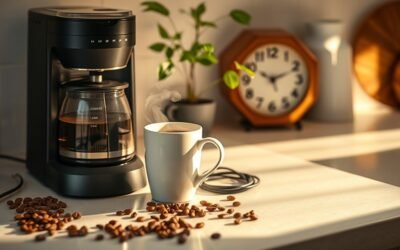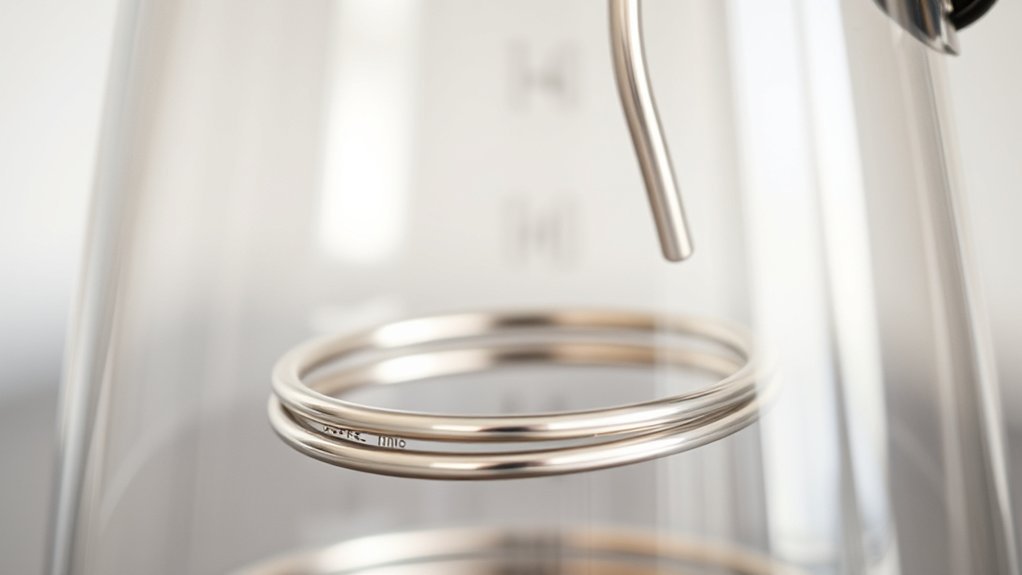
The heating system in a coffee maker converts electrical energy into heat and transfers that heat to the brewing water. In a drip brewer, the heater may also warm the carafe plate, while espresso machines can use boilers, thermoblocks, thermocoils, or rapid on-demand heaters. Stable water temperature supports consistent extraction, but the materials, controls, and maintenance needs vary widely by machine design.
Quick Answer
A coffee maker heating system uses electrical resistance to create heat, then transfers that heat into water. Drip brewers commonly use a tubular heater, while espresso machines may use boilers, thermoblocks, thermocoils, or rapid heaters. Stable temperature matters, but safe cleaning and descaling—not internal electrical testing—are the right first steps for most owners.
Key Takeaways
- The resistance heater and the metal parts that transfer heat to the water are not always the same component or material.
- Nickel-chromium and iron-chromium-aluminum alloys are widely used for electrical resistance heating, while aluminum, stainless steel, copper, and similar metals may be used in heater blocks, boilers, tubes, and water paths.
- For drip coffee, the Specialty Coffee Association uses a brewing-water range of about 197.6°F to 204.8°F (92°C to 96°C) in its brewing standards and testing.
- Slow brewing or lower temperatures do not automatically mean the heater has failed; mineral scale, restricted flow, sensors, thermostats, or thermal protection can produce similar symptoms.
- Descale according to the manufacturer’s instructions and leave internal electrical testing or heater replacement to qualified service personnel unless your manual specifically provides a user-service procedure.
At a Glance
| Time Required | About 10–60 minutes for basic checks or a manufacturer-approved cleaning/descaling cycle, depending on the model |
| Difficulty | Easy for external checks and cleaning; internal electrical diagnosis should be handled by a qualified technician |
| Tools Needed | Owner’s manual, clean water, manufacturer-approved descaler, and optionally a food-safe thermometer for checking brewed-water temperature |
| Cost | Usually little to moderate for cleaning and descaling; replacement parts and professional service vary greatly by machine |
How Coffee Maker Heating Elements Function
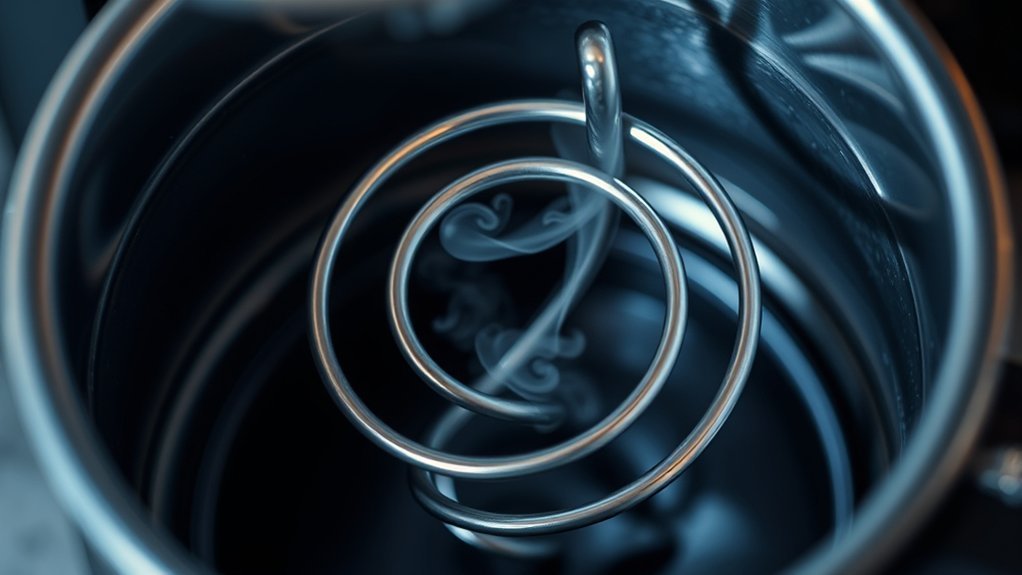
When you brew coffee, electrical current passes through a resistance heater. Electrical resistance generates heat, and the machine transfers that heat into the water moving toward the coffee grounds.
For drip coffee, stable water temperature is important for repeatable extraction. The Specialty Coffee Association has described an SCA brewing range of approximately 197.6°F to 204.8°F (92°C to 96°C) for drip-brewer performance. The often-quoted 195°F to 205°F range is a useful general guideline, but it should not be treated as the required temperature for every brewing method or machine.
Power your essentials anywhere with a 999Wh pure sine wave power station delivering up to 1000W continuous with 2000W surge. It supports fast charging via USB-C PD 60W and USB-A QC 18W, plus simultaneous output for multiple devices through AC, USB, wireless, and car/DC ports. Recharge using AC, car, or solar with a built-in MPPT controller and dual cooling fans, while the upgraded battery management system protects against surges, short circuits, and overheating.
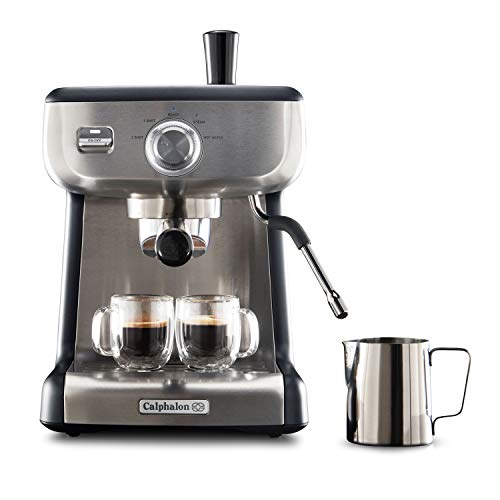
15-Bar Italian Pump: Delivers required pressure for maximum flavor extraction
What the “Heating Element” Actually Includes
The term heating element is often used loosely. Inside a coffee machine, several parts can work together:
- Resistance heater: The electrically resistive material that generates heat.
- Heater block, tube, or boiler: The metal structure that transfers heat into the water.
- Thermostat or thermistor: A temperature-sensing or temperature-control component.
- Electronic controller or PID: Used in some machines to regulate temperature more precisely.
- Thermal fuse or cutoff: A safety component designed to interrupt power during certain overheating conditions.
That distinction matters because a machine may have an aluminum heater block while the actual resistance-heating material inside it is a different alloy.
Common Coffee Maker Heating Systems
Coffee makers do not all heat water in the same way.
- Tubular heaters: Common in automatic drip brewers. A resistance heater is enclosed in a metal tube or heater assembly that transfers heat into the water. The same assembly may also heat a warming plate.
- Thermoblocks: Heat relatively small amounts of water as it travels through a heated block.
- Thermocoils: Use a heated flow path or coil for responsive temperature control. For example, Breville’s Barista Express uses a thermocoil system with PID temperature control.
- Boilers: Store and heat a larger volume of water. Espresso machines may use one boiler or separate boilers for brewing and steam.
- Rapid on-demand heaters: Some newer machines use compact or printed heating circuits designed to reach operating temperature quickly.
The best design depends on the machine’s purpose. A simple drip brewer does not need the same steam capacity or control system as an espresso machine.
The Impact of Heating Elements on Coffee Flavor
The heating system affects flavor mainly through water temperature and temperature stability. Coffee extraction changes as water temperature changes, so a brewer that repeatedly runs too cool or fluctuates widely may produce a different cup than one that maintains its intended brewing range.
Here is how heating performance can influence the result:
- Temperature control: A stable brewing temperature helps the machine extract coffee more consistently from one batch to the next.
- Low-temperature brewing: Water that is much cooler than the brewer’s intended range may contribute to weak or under-extracted flavors, although grind size, dose, brew time, and coffee freshness also matter.
- Excessive heat: Uncontrolled overheating can change extraction and may also indicate a thermostat, sensor, or control problem that requires service.
- Espresso steam production: In machines equipped with a steam wand, the heating system must also generate enough heat for steam. This point does not apply to ordinary drip-only coffee makers.
Temperature matters, but it is only one part of extraction. Grind size, coffee-to-water ratio, contact time, water quality, and coffee freshness can also change how the cup tastes.
Best Materials for Coffee Maker Heating Elements
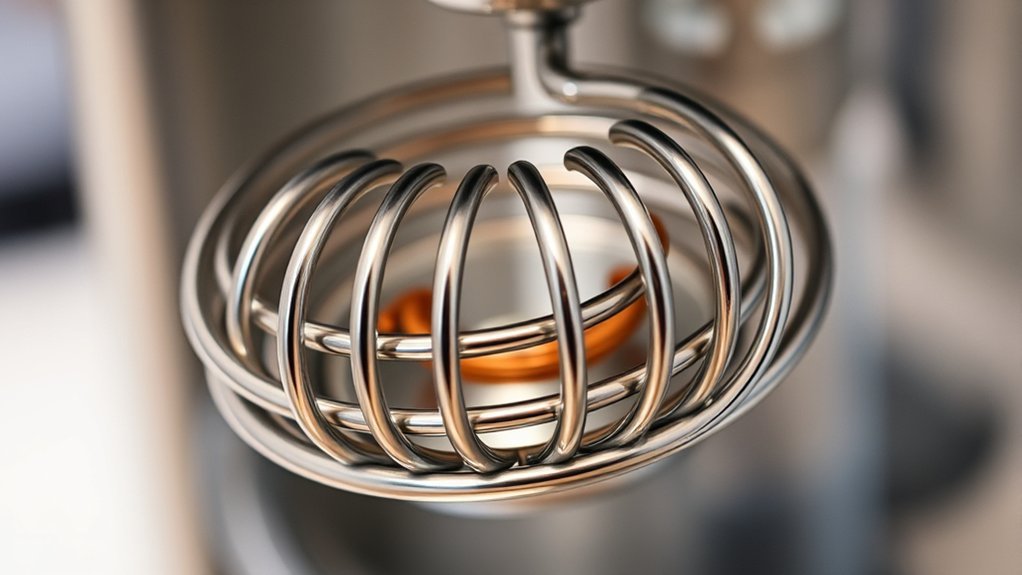
The materials in a coffee maker’s heating system affect electrical resistance, heat transfer, corrosion behavior, weight, manufacturing cost, and durability. However, it is important to separate the resistance-heating alloy from the metal used for a boiler, thermoblock, tube, or water path.
Resistance-Heating Alloys
Electrical heating elements commonly use alloys designed to offer high electrical resistance and withstand repeated heating cycles. Kanthal’s Nikrothal 80 documentation, for example, describes a nickel-chromium alloy used for electrical heating elements in home appliances.
Two major resistance-heating alloy families are:
- Nickel-chromium (NiCr): Known for high electrical resistivity, oxidation resistance, and stability at elevated temperatures.
- Iron-chromium-aluminum (FeCrAl): Another widely used family of electrical resistance-heating alloys.
Heat-Transfer and Water-Path Materials
Other metals may surround the resistance heater or carry the water:
- Aluminum: Lightweight and highly conductive, allowing heater blocks and cast heating assemblies to warm quickly.
- Stainless steel: Favored where strength and corrosion resistance are important, including boilers and water paths in many machines.
- Copper or copper-containing components: Excellent at transferring heat, although copper can oxidize or corrode depending on water chemistry and operating conditions. It is more accurate to discuss corrosion resistance than “rust resistance,” because rust specifically refers to iron-containing materials.
Fast heat transfer is useful, but the best heater design also depends on electrical safety, corrosion control, temperature regulation, manufacturing quality, and the way the material contacts water.
How to Troubleshoot Your Coffee Maker Heating Element Issues
Warning: Unplug the coffee maker before cleaning, inspecting removable parts, or checking for obvious external damage. Do not perform live-voltage testing, bypass a thermal fuse, or open a mains-powered appliance unless you are qualified to service electrical equipment and the manufacturer provides an appropriate procedure. Stop using a machine that smokes, smells burnt, trips a breaker, leaks into electrical areas, or overheats uncontrollably.
If your coffee is not getting hot enough or brewing suddenly takes longer, do not assume the resistance heater has failed. Scale, restricted water flow, a temperature sensor, thermostat, control board, thermal cutoff, or power-supply problem can create similar symptoms.
Start with these consumer-safe checks:
- Check the basics: Confirm that the outlet works, the power cord is undamaged, the reservoir contains enough water, and removable parts are installed correctly.
- Review the owner’s manual: Look for model-specific error lights, reset procedures, cleaning indicators, and troubleshooting instructions.
- Check for mineral buildup: A slow brew cycle, reduced output, or declining temperature can be associated with scale.
- Descale as directed: Use the procedure and descaling product recommended for your machine rather than improvising with chemicals the manufacturer does not approve.
- Observe the symptoms: If cleaning does not restore normal performance, professional diagnosis may be needed.
| Symptom | Possible Causes | Safe Next Step |
| No heat at all | Power problem, thermal protection, thermostat, control circuit, or failed heater | Verify outlet and manual instructions; seek service if the machine remains cold |
| Brews slowly | Scale or restricted water flow | Run the manufacturer’s cleaning/descaling procedure |
| Coffee is consistently lukewarm | Scale, heat loss, thermostat/sensor issue, or heater degradation | Descale first; compare performance with the manual and arrange service if the problem persists |
| Burning smell, smoke, repeated breaker trips, or uncontrolled overheating | Potential electrical or thermal fault | Stop using and unplug the machine; arrange qualified service or replacement |
The U.S. Consumer Product Safety Commission’s coffee maker recall listings show why overheating, unexpected hot liquid or steam, fire, and electrical faults should be treated as safety problems rather than routine DIY repairs.
How to Keep Your Heating Element Running Longer
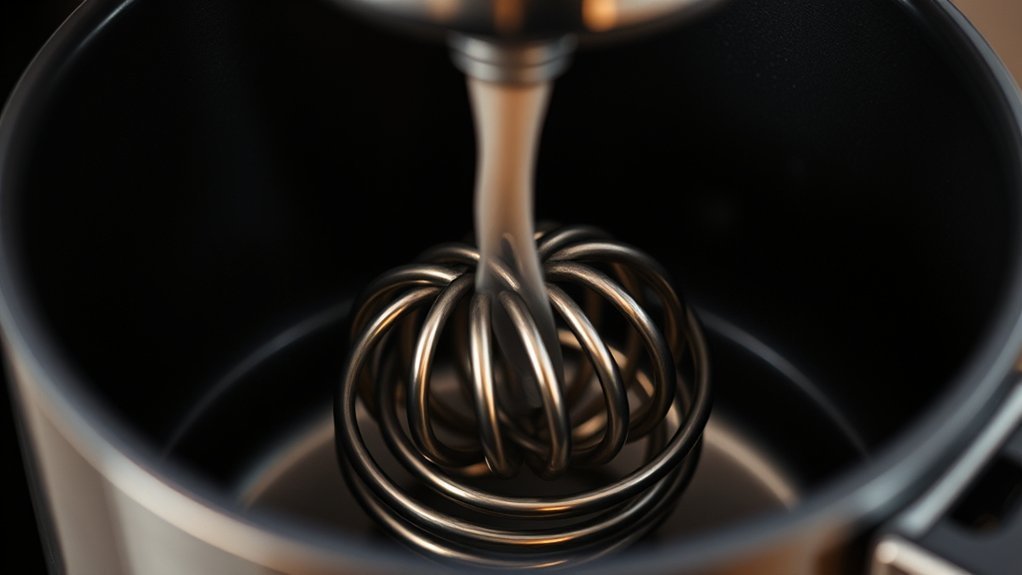
Regular maintenance can reduce scale and keep heat transfer and water flow closer to the machine’s intended performance.
Start by descaling your coffee maker according to its owner’s manual. Keurig, for example, explains that calcium deposits can build up inside a brewer and hinder performance, while Breville notes that minerals can accumulate in espresso-machine heating systems even when a water filter is installed.
Clean removable reservoirs, brew baskets, showerheads, and other user-serviceable water-contact parts at the intervals recommended by the manufacturer. Restricted water flow can make a heating problem appear worse than it really is.
Pro Tip: Treat the machine’s descale indicator or maintenance schedule as the starting point, not a guarantee that every household can wait the same amount of time. Harder water can cause scale to accumulate faster.
Water quality also matters, but filtered water and softened water are not the same thing. Some filters mainly improve taste and odor and may leave much of the hardness mineral content behind. Use the type of water your coffee maker’s manufacturer recommends.
Note: Do not assume distilled or extremely low-mineral water is ideal for every machine. Some coffee makers use conductivity-based water sensing, so always check the owner’s manual before changing water type.
Finally, keep the machine dry around its electrical base, provide any ventilation specified by the manufacturer, and inspect the cord and plug periodically for obvious damage. These simple practices are safer and more useful than opening the housing for routine inspection.
When to Replace Your Coffee Maker Heating Element?
Regular cleaning can correct many performance problems, but a failed heater, damaged thermostat, thermal cutoff, sensor, wiring connection, or control board may eventually require professional repair or replacement.
Signs that justify service include:
- No heating after basic troubleshooting: The machine powers on but cannot heat brewing water despite correct setup and completed maintenance.
- Persistent temperature problems: Brewing remains unusually cool or unstable after scale and flow problems have been ruled out.
- Repeated overheating: The brewer becomes abnormally hot, shuts down repeatedly, emits a burning odor, or behaves unpredictably.
- Electrical symptoms: The appliance trips a breaker, shows heat damage around the cord or housing, or has exposed or damaged wiring.
- Repair is uneconomical: Some consumer coffee makers use integrated heater assemblies that cost enough in parts and labor that replacing the machine makes more sense.
Do not assume you must replace only the resistance heater. A technician may find that the actual failure is a thermostat, thermal fuse, sensor, controller, connection, pump, or heavily scaled water path.
Why Do Heating Element Materials Matter?
The materials used throughout a heating system influence electrical resistance, heat transfer, temperature stability, corrosion behavior, and durability. No single metal is automatically “best” for every coffee maker because different parts have different jobs.
Thermal Conductivity Importance
Materials such as aluminum and copper transfer heat quickly, which can help a heater block or water path reach operating temperature efficiently. Stainless steel generally transfers heat more slowly than copper or aluminum, but it offers strength and useful corrosion resistance in water-contact applications.
For the actual resistance heater, however, high thermal conductivity is not the primary requirement. The heater needs a material with appropriate electrical resistivity, oxidation resistance, mechanical stability, and service life. That is why purpose-made resistance alloys such as NiCr and FeCrAl are widely used in electrical heating applications.
Durability Against Corrosion
Water chemistry, oxygen, temperature, deposits, and the combination of metals in a machine all affect corrosion behavior.
Stainless steel is widely valued for corrosion resistance, while copper transfers heat very well but can oxidize or corrode under some conditions. Aluminum also needs appropriate design and water chemistry to perform reliably over time.
Mineral scale is a separate issue from metal corrosion. Scale deposits can coat heated surfaces and restrict water passages even when the underlying metal remains intact.
Impact on Brewing Efficiency
Heating efficiency depends on the entire system rather than one metal alone. Heater power, thermal mass, water-flow rate, insulation, control electronics, standby strategy, and heat-transfer surfaces all affect how quickly and efficiently a coffee maker reaches its target temperature.
Modern machines demonstrate how much the system design can vary. Traditional boilers keep a reservoir of water hot, thermoblocks and thermocoils heat water as needed, and newer rapid-heating systems aim to reduce warm-up time and unnecessary idle heating.
Whatever the design, scale accumulation can reduce performance. Keurig’s maintenance guidance specifically identifies calcium deposits as a source of declining brewer performance and recommends regular descaling.
Frequently Asked Questions
Can heating elements be repaired or must they be replaced?
It depends on the design. Many consumer coffee makers use integrated heater assemblies that are replaced rather than repaired at the resistance-wire level. In other cases, the actual fault may be a thermostat, thermal fuse, sensor, wiring connection, or control component instead of the heater itself. Follow the manufacturer’s service guidance.
How do I know if my heating element is faulty?
Possible signs include no heat, persistently low brewing temperatures, abnormal overheating, or a machine that cannot complete its normal heating cycle. However, scale buildup, blocked water flow, thermostats, sensors, thermal cutoffs, or control electronics can cause similar symptoms, so rule out routine maintenance issues before assuming the heater has failed.
Do different coffee makers use the same heating element design?
No. Automatic drip brewers commonly use tubular heater assemblies, while espresso machines may use boilers, thermoblocks, thermocoils, or rapid on-demand systems. Even machines using the same general technology can differ in heater power, sensors, control electronics, water paths, and safety devices.
Are there energy-efficient heating systems available for coffee makers?
Yes. Energy use can be reduced through fast warm-up systems, lower thermal mass, insulation, automatic shutoff, and heating water only when needed. Efficiency claims should be evaluated model by model because they depend on the complete machine rather than the heater alloy alone.
How does water hardness affect the heating element’s performance?
Hard water contains minerals that can form scale on heated surfaces and inside water passages. Heavy scale can slow water flow and reduce heat transfer, which may lead to longer brew times or declining performance. Descale at the interval recommended for your machine and water conditions.
Can I test a coffee maker heating element with a multimeter?
Electrical resistance and continuity can be measured on some disconnected components, but reaching those components often requires opening a mains-powered appliance. Do not perform live-voltage testing or disassemble the coffee maker unless you are qualified and have model-specific service information. For most owners, professional service is the safer option.
Why is my coffee maker brewing slowly even though the water still gets hot?
Slow brewing with normal or near-normal heat often points to mineral scale or restricted water flow rather than a completely failed heater. Run the manufacturer’s cleaning or descaling procedure first. If the problem remains, a pump, valve, sensor, or heater-control problem may need service.
Conclusion
A coffee maker’s heating element is part of a larger heating system that may include a resistance alloy, metal heater block or boiler, temperature sensor, controller, and thermal safety devices. Keeping that system free of excessive scale helps maintain water flow and heat transfer, but not every temperature problem means the heater itself has failed.
Start with the safe basics: follow the owner’s manual, clean and descale the machine as directed, and stop using it if you notice smoke, a burning smell, repeated breaker trips, uncontrolled overheating, or electrical damage. When internal testing or disassembly is required, professional service is the safer choice.
Sources
- Specialty Coffee Association — Coffee Standards — current coffee-equipment standards framework and SCA-310 Home Coffee Brewers standard.
- Specialty Coffee Association — OXO Brew 8-Cup Coffee Maker — SCA-specified drip-brewing temperature range.
- Kanthal — Nikrothal 80 Resistance Heating Alloy — nickel-chromium resistance-heater properties and appliance applications.
- Breville — Barista Express — real-world thermocoil and PID-controlled espresso heating-system example.
- Breville — How to Perform a Descale — mineral buildup in espresso-machine heating systems.
- U.S. Consumer Product Safety Commission — Coffee Maker and Teapot Recalls — documented electrical, overheating, steam, hot-liquid, fire, and burn hazards.