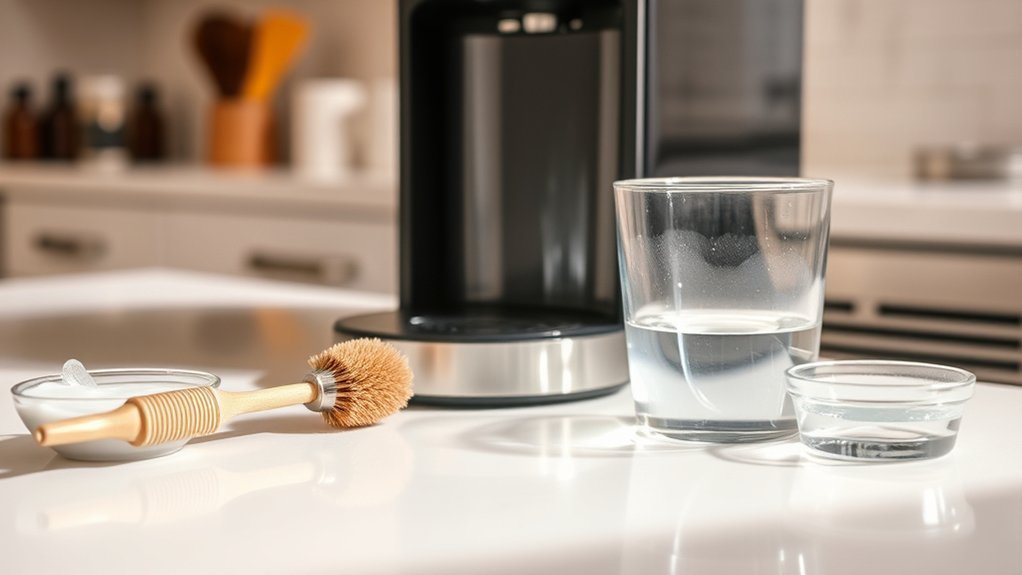
A permanent coffee filter can last for years of daily brewing, but it requires consistent cleaning to prevent rancid coffee oils, microscopic grounds, and mineral scale from clogging the fine mesh. The safest cleaning routine depends on whether your filter is stainless steel, gold-tone coated, nylon, rigid plastic, or organic cloth. Starting with gentle daily rinsing, using material-safe deep soaks, and drying thoroughly will keep your morning cup tasting fresh and prolong the filter’s lifespan.
Quick Answer
Empty the grounds, rinse the filter inside and out under warm running water, and wash gently with mild dish soap and a soft nylon brush. Rinse thoroughly until no soap aroma remains, inspect the mesh, and air-dry completely. For stubborn clogs, soak metal filters in a 1:1 warm water and white vinegar solution for 20 minutes before rinsing.
Key Takeaways
- Rinse immediately after brewing: Discard spent grounds and rinse before natural coffee oils dry and polymerize across the micro-mesh.
- Use non-abrasive tools: Clean only with soft sponges or soft-bristled nylon brushes; abrasive scouring pads strip gold coatings and tear delicate mesh.
- Match the cleaner to the problem: Mild soap or baking soda dissolves oily coffee residue; diluted white vinegar dissolves chalky mineral scale.
- Know temperature limits: Never boil plastic-framed, nylon, or coated metal filters unless explicitly approved by the manufacturer.
- Dry completely before storage: Trapped moisture in seams or brew baskets encourages mold growth and sour odors.
At a Glance
| Time Required | 2–3 minutes for daily routine; 15–30 minutes for an occasional deep soak |
| Difficulty | Easy |
| Tools Needed | Warm water, mild unscented dish soap, soft nylon brush or sponge, clean drying rack or towel |
| Cost | Under $1 using common household supplies |
Why Cleaning Your Permanent Coffee Filter Is Essential

Every coffee brewing cycle extracts aromatic compounds along with heavy lipids, insoluble micro-fines, and diterpenes like cafestol and kahweol. When left on the mesh, these oils oxidize and turn rancid, imparting a bitter, stale, or astringent taste to subsequent brews. Furthermore, trapped coffee fines obstruct the micro-perforations, increasing water contact time and causing unwanted over-extraction.
Regular maintenance also preserves the mechanical integrity of your brewer. When a filter clogs, hot water can back up in the brew basket, potentially overflowing grounds into the machine’s internal reservoir or over your countertop. OXO recommends washing reusable filters after each use using warm, soapy water to maintain unrestricted water flow and clean extraction.
Drying is just as crucial as washing. Storing a reusable filter inside a closed coffee machine while still damp creates a warm, humid environment where mold spores and bacterial biofilms thrive, especially around seams, silicone gaskets, and plastic structural ribs.
The safest cleaning method is the gentlest method approved for your filter’s exact material and model.
Power your essentials anywhere with a 999Wh pure sine wave power station delivering up to 1000W continuous with 2000W surge. It supports fast charging via USB-C PD 60W and USB-A QC 18W, plus simultaneous output for multiple devices through AC, USB, wireless, and car/DC ports. Recharge using AC, car, or solar with a built-in MPPT controller and dual cooling fans, while the upgraded battery management system protects against surges, short circuits, and overheating.
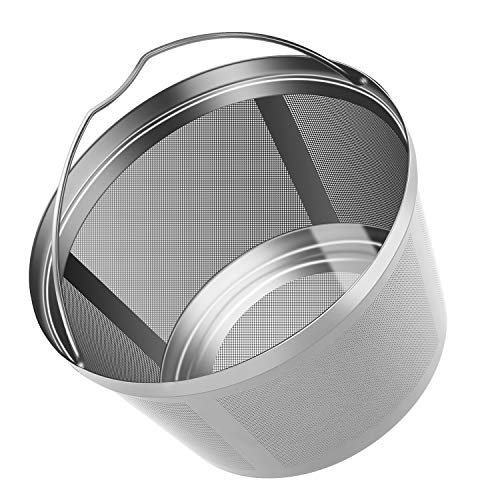
DOUBLE DELICIOUS: Thanks to the fine mesh of the big coffee filter basket, the coffee powder doesn’t flow out. Keeping the original flavor of the coffee and doesn’t remove the aroma of coffee like paper filtration.Made of Food-grade, 18/8 stainless steel and rejects irritating smell that ensure safe.(❌❌❌Don't fit for Hamilton Beach Coffee Maker46310 )
How to Clean a Permanent Coffee Filter After Each Use
Allow the coffee maker and brew basket to cool down until safe to handle. Clean the filter promptly before residual grounds dry and adhere to the mesh openings.
- Empty the spent grounds: Invert the filter and tap the bottom firmly over a trash can or compost bin. Avoid washing large amounts of coarse grounds down your kitchen sink, as coffee grounds easily clump with grease and obstruct household drainage pipes.
- Perform a reverse warm-water rinse: Hold the filter upside down under warm running water. Direct the water stream against the outside of the mesh first. This forces trapped micro-particles backward out of the perforations rather than driving them deeper into the weave.
- Wash with mild detergent: Apply a single drop of unscented, mild liquid dish soap to a soft sponge or nylon-bristled brush. Gently lather both the interior and exterior surfaces, paying close attention to bottom corners and structural seams where oils pool.
- Rinse thoroughly: Flush the filter under running warm water for at least 30 seconds until all suds, slickness, and soap aromas are entirely gone. Soap residue left in the mesh will taint your next pot of coffee.
- Inspect the filter: Hold the filter up to a light source to check for torn weave sections, enlarged pore holes, structural warping, or peeling surface layers.
- Air-dry fully: Invert the filter on a clean dish rack or lint-free towel in a well-ventilated spot. Ensure the filter is completely dry before reinstalling it in the coffee maker.
Pro Tip: Dedicate a soft-bristled nylon toothbrush exclusively to your coffee station. Its narrow head effortlessly navigates the tight crevices along the bottom rim and mesh joint seams without scratching gold coatings or tearing stainless steel weave.
How to Deep Clean a Permanent Coffee Filter

Even with daily rinsing, coffee oils gradually polymerize into a sticky varnish, and hard water deposits (calcium and magnesium carbonate) create a chalky mineral haze over the mesh pores. Schedule a deep clean every 2 to 4 weeks, or whenever water drains noticeably slower through the basket.
Stainless-Steel Mesh Filters
High-grade stainless steel is durable, non-porous, and resistant to mild acids and alkaline solutions. Choose your deep-cleaning agent based on the type of residue present:
- For baked-on coffee oils: Dissolve 2 tablespoons of baking soda in 2 cups of warm water. Submerge the stainless steel filter for 20 minutes to break down acidic oil films, then scrub gently with a soft nylon brush and rinse clean.
- For chalky mineral scale: Mix equal parts distilled white vinegar (5% acidity) and warm water (1:1 ratio). Soak the filter for 15 to 20 minutes to dissolve mineral build-up. Rinse several times under running water to eliminate residual acetic acid scents.
Gold-Tone or Coated Filters
Gold-tone filters consist of a stainless steel base electroplated with a micro-thin layer of gold or titanium alloy. This non-reactive coating prevents metallic flavor transfer, but harsh abrasion will strip it away.
- Never use steel wool, scouring powder, metal brushes, or stiff bristle pads.
- Deep clean by soaking in warm water mixed with a few drops of grease-cutting liquid dish soap for 15 minutes, followed by light brushing with a soft cosmetic or baby toothbrush.
- While select models like the Hamilton Beach 80675R permanent gold-tone filter are designated top-rack dishwasher safe, hand washing remains the safest method to protect the thin plating from aggressive dishwasher detergents.
Plastic and Nylon Reusable Filters
Woven nylon mesh secured in a polypropylene frame is lightweight and common in compact coffee makers. Nylon is sensitive to excessive heat and harsh chemicals.
- Wash with warm water and mild liquid dish soap as directed by manufacturers like Mr. Coffee for its reusable nylon filter systems.
- Never boil nylon or plastic filters. Boiling water can deform the structural plastic frame, compromise welded mesh seams, and prevent the filter basket from sealing inside your brewer.
- Avoid soaking plastic filters in undiluted vinegar or strong chemical solvents, which can degrade certain polymers over time.
Cloth Coffee Filters
Organic cotton or hemp filters (such as flannel drip socks) trap fine grounds while allowing natural oils to pass through. Unlike metal or plastic, fabric absorbs organic material and must be sanitized differently.
- Rinse immediately after brewing with hot water without using hand soaps or standard detergents, which lodge in fabric fibers and ruin coffee taste.
- According to CoffeeSock’s cotton filter care instructions, boil reusable cloth filters in fresh water for 10 minutes every 6 to 8 weeks to strip accumulated oils and refresh absorption capacity.
- Store clean cloth filters damp inside a sealed container in your refrigerator between daily uses, or dry them completely in direct sunlight.
Warning: Never mix cleaning agents such as vinegar, bleach, ammonia, or commercial machine descalers. Mixing household chemicals produces toxic fumes. The CDC explicitly warns against mixing cleaning products. Always remove permanent filters from the machine before running descaling cycles through your coffee maker.
Note: Coffee oils are acidic and dissolve best in alkaline cleaners (like mild soap or baking soda). Hard water scale is alkaline and dissolves in mild acids (like white vinegar). If your filter has both oil buildup and white crust, clean with soap first, rinse thoroughly, and then perform a vinegar soak.
How to Prevent Mold, Musty Odors, and Residue
Mold spores require organic nutrients, darkness, and sustained moisture to proliferate. Keep your permanent filter clean and hygienic with these preventative practices:
- Never let wet grounds sit overnight: Dump used coffee grounds immediately after brewing finishes.
- Ventilate the brewer: Leave the coffee maker lid and swing-out basket open after brewing so moisture can evaporate instead of condensing inside.
- Rinse both sides: Always flush water through the back of the mesh to prevent micro-grounds from getting permanently lodged in the pore structure.
- Air-dry openly: Place your cleaned filter in an open dish rack rather than sealing it wet inside an airtight cabinet or drawer.
- Wash surrounding components: Regularly wipe down the brew basket housing, showerhead, and carafe lid where coffee splatters collect.
- Remediate mold promptly: In accordance with CDC mold cleaning recommendations, wash non-porous surfaces with warm water and detergent, scrub away visible spores, and dry completely. If mold has penetrated deep into cloth fibers or cracked plastic seams, discard and replace the filter.
How to Care for Different Reusable Coffee Filters

Use the filter’s material profile to guide maintenance, avoiding techniques that could compromise structural tolerances or brew quality:
- Stainless-Steel Mesh: Highly resilient. Safe for mild soap, baking soda pastes, and diluted vinegar soaks. Keep mechanical pressure gentle to prevent warping the fine wire mesh.
- Gold-Tone Coated: Non-reactive and smooth. Hand wash only with soft sponges. Avoid all abrasive scouring powders, stiff brushes, and high-heat dishwasher drying cycles.
- Nylon & Polypropylene: Economical and flexible. Wash in warm, soapy water. Keep away from boiling water, toaster ovens, and bottom-rack dishwasher heating elements.
- Dishwasher-Safe Models: Place exclusively on the top rack away from exposed heating coils. Run normal wash cycles and skip high-heat sanitizing options to avoid warping plastic frames.
- Cloth & Natural Fiber: Requires zero soap contact during routine washes. Submerge in boiling water periodically for sanitation and store refrigerated or fully sun-dried.
Troubleshooting Common Filter Problems
The Filter Drains Slowly
Slow drainage occurs when coffee oils create an invisible water-repellent barrier or when coffee fines lodge in the mesh. Perform a reverse warm rinse, then soak the filter in a 1:1 solution of warm water and white vinegar for 20 minutes. If the issue persists, your coffee grinder may be producing excessive fines; adjust your grind size to a slightly coarser setting.
The Coffee Tastes or Smells Like Soap
Soap molecules cling easily to plastic frames and woven wire seams. Submerge the filter in hot water for 5 minutes, rinse vigorously under running water, and brew a test cycle using only plain water to confirm no soapy odor transfers into the carafe.
The Filter Has a Stale or Musty Odor
Stale odors indicate trapped, oxidized oils or mildew from being stored damp. Soak stainless steel or gold-tone filters in warm water with 2 tablespoons of baking soda for 30 minutes, wash with mild soap, and dry in an airy, sunlit space. If a cloth or nylon filter retains a musty smell after cleaning, replace it.
Grounds Are Getting Into the Coffee
Inspect the mesh under bright light for tears, puncture holes, split bottom seams, or a bent rim that allows water and grounds to spill over the top. Also ensure your coffee is ground to a medium or medium-coarse drip setting; espresso or Turkish grinds will pass directly through reusable mesh pores.
The Filter No Longer Fits Correctly
Exposure to extreme dishwasher heat or boiling water can warp polypropylene and nylon frames. Once a frame warps, it will not seat flush against the brew basket rim, leading to overflow during brewing. Warped filters cannot be reshaped and must be replaced.
When to Replace a Permanent Coffee Filter
While permanent filters cut down on paper waste, they do not last indefinitely. Inspect your filter monthly and replace it immediately if you notice:
- Torn, punctured, or frayed mesh screening
- Cracked plastic support ribs or broken handles
- Warping that prevents the filter from sitting flat in the brewer basket
- Flaking, peeling, or worn-through gold-tone plating
- Persistent rancid or moldy odors that survive thorough deep cleaning
- Visible mold embedded in non-cleanable seam crevices or cloth fibers
- Frequent overflow issues despite using the correct grind size
Frequently Asked Questions
Can I use soap to clean my permanent coffee filter?
Yes. Mild, unscented dish soap is safe and effective for cleaning stainless steel, gold-tone, and nylon filters. Use a small amount on a soft sponge, lather gently, and rinse thoroughly with warm water until all soap scent and bubbles are completely removed. Do not use soap on reusable cloth filters.
How often should I deep clean my coffee filter?
Rinse your filter after every brew, and deep clean it every 2 to 4 weeks depending on how frequently you brew. Daily coffee drinkers who use dark, oily roasts may benefit from deep cleaning every 1 to 2 weeks to prevent oil buildup and slow drainage.
Is it safe to put a permanent coffee filter in the dishwasher?
Only if the manufacturer explicitly marks the filter as dishwasher-safe. If approved, place the filter on the top rack only, away from bottom heating elements, and avoid high-heat sanitize cycles that could warp plastic frames or strip coatings.
Can I soak my coffee filter in vinegar?
Yes, a diluted solution of equal parts warm water and distilled white vinegar (1:1 ratio) is effective for dissolving mineral scale on stainless steel and gold-tone filters. Soak for 15 to 20 minutes, then rinse thoroughly under running water to remove all vinegar traces.
What should I do if my filter smells?
Soak metal filters in a solution of 2 tablespoons baking soda in 2 cups of warm water for 30 minutes to neutralize acidic, rancid oils. Rinse thoroughly and allow the filter to air-dry completely in a well-ventilated area. If the smell persists or mold is present in seams, replace the filter.
What kind of brush should I use?
Use a soft nylon-bristled dish brush, bottle brush, or an extra-soft toothbrush. Avoid wire brushes, steel scouring pads, and abrasive abrasive sponges, which tear delicate mesh and strip non-stick or gold coatings.
Can I clean the filter with baking soda?
Yes. Baking soda dissolved in warm water is excellent for lifting stubborn, sticky coffee oils from stainless steel mesh without harsh chemicals. Avoid using dry baking soda as an abrasive scrub on gold-tone coatings.
Should I use bleach on a reusable coffee filter?
No. Bleach can corrode stainless steel mesh, degrade nylon fibers, weaken plastic frames, and leave dangerous chemical residues that are difficult to rinse away. Use mild soap, vinegar, or baking soda instead.
Conclusion
Cleaning your permanent coffee filter promptly after every pot is the easiest way to ensure rich, clear coffee and prevent unwanted bitter aftertastes. A quick reverse warm-water rinse and gentle wash with mild dish soap will handle daily maintenance, while periodic soaks in diluted white vinegar or baking soda dissolve stubborn scale and polymerized oils. Always match your cleaning technique to your filter’s specific material, allow it to dry completely in the open air, and replace the filter when physical wear or warping appears.
Sources
- OXO: How to Make the Best Drip Coffee Ever — supports daily washing of reusable filters after each use with warm, soapy water.
- Hamilton Beach: 8–12 Cup Permanent Gold-Tone Filter Manual — confirms top-rack dishwasher compatibility for designated coated permanent coffee filters.
- Mr. Coffee: Reusable Nylon Filter Care Instructions — provides care guidelines for washing reusable nylon filters with hot water and mild detergent.
- CoffeeSock: Cotton Coffee Filter Care Guide — details periodic boiling intervals, detergent avoidance, and sanitary storage for cotton coffee filters.
- CDC: Mold Cleanup Tips & Recommendations — confirms cleaning moldy household surfaces with detergent and water, prompt drying, and strict warnings against mixing cleaning chemicals.