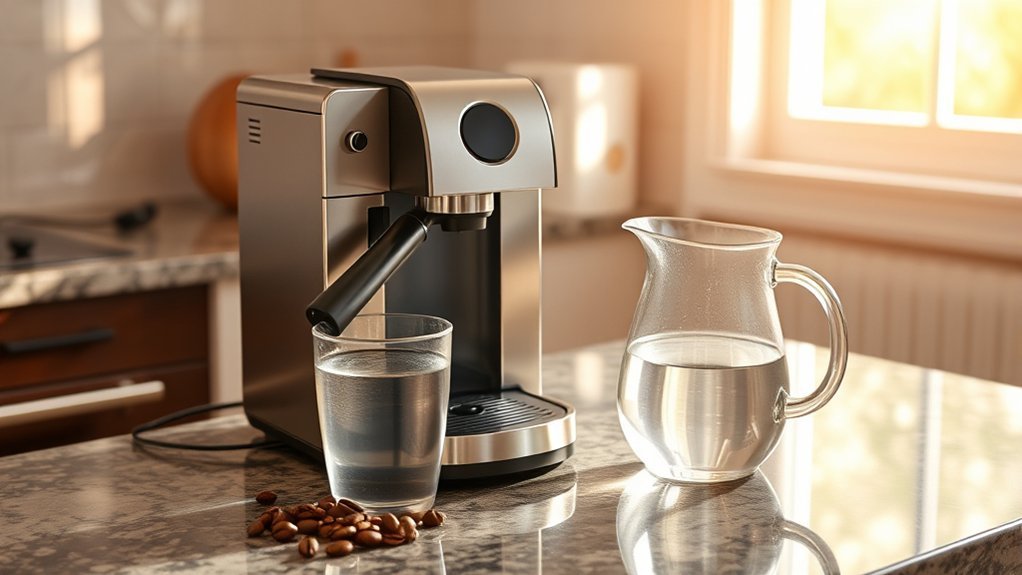
Leaving water in a coffee maker overnight is usually less dangerous than the original claim suggests. In a clean machine filled with potable water, one night is generally a freshness and maintenance concern rather than an automatic health emergency. The right choice depends on the type of brewer, how long the water has been sitting, and whether the reservoir is clean.
Quick Answer
Leaving clean tap or filtered water in a well-maintained coffee maker for one night is usually low risk, especially if the brewer is designed for delayed brewing. Fresh water generally tastes better, though. Refresh the reservoir daily when practical, and clean or descale it according to your model’s manual.
Key Takeaways
- Water left overnight in a clean coffee maker is not proven to become dangerous at a precise 24-hour mark.
- Programmable coffee makers are designed to be filled before a delayed morning brew.
- Fresh water is still the better everyday choice for consistent flavor and fewer odors.
- Discard the water and clean the reservoir if you notice slime, cloudiness, floating material, discoloration, or a musty smell.
- Cleaning removes residue and microbes from accessible surfaces; descaling removes mineral deposits. Your owner’s manual should control both procedures.
At a Glance
| Time Required | About 1 minute to refresh the water; 10–20 minutes for routine washing; longer for a complete descale cycle |
| Difficulty | Easy |
| Tools Needed | Fresh potable water, mild dish soap, a soft nonabrasive cloth or brush, and the manufacturer-approved descaler if needed |
| Cost | Usually $0–$15, depending on the approved cleaning or descaling product |
The Risks of Leaving Water in Your Coffee Maker Overnight
Water does not become unsafe simply because the clock reaches 24 hours. The more important factors are the cleanliness of the reservoir, the quality of the water, room temperature, exposure to dust or hands, and the amount of coffee residue elsewhere in the machine.
A clean programmable drip brewer can normally be filled before bed when you use its delayed-brew feature. For example, Cuisinart describes models that can be programmed up to 24 hours in advance. Ninja also instructs owners of compatible machines to fill the reservoir before activating Delay Brew.
That does not mean water should remain in the machine indefinitely. Water that sits for several days can collect dust, absorb odors, and remain in contact with surfaces that may not have been cleaned recently. Long periods of nonuse also give residue and biofilm more time to develop.
Overnight water is mainly a freshness issue in a clean machine. The greater hygiene concern is water left for days in a reservoir that also contains residue, slime, or neglected surfaces.
Note: If you filled a clean programmable brewer the night before, you generally do not need to panic or discard the machine. Brew as directed by the manufacturer, then return to your normal cleaning routine.
Why Stagnant Water Can Ruin Your Coffee
Even when overnight water does not present a meaningful health concern, replacing it can improve consistency. Coffee is mostly water, so odors and changes in water quality can affect the finished cup.
- Air exposure: Water in an uncovered reservoir can collect dust or nearby kitchen odors.
- Dirty surfaces: Residue on the lid, tank walls, valve, filter holder, or tubing can affect taste.
- Mineral buildup: Hard-water deposits may slow the brewer or alter water flow.
- Coffee oils: Oils in the basket, pod holder, outlet, and carafe can become stale and bitter.
- Long storage: Water left for days is more likely to develop an odor or visible film than water left for a single night.
For the most consistent flavor, use fresh potable water and measure only what you need. If your brewer has a large reservoir that normally remains filled, refresh the water regularly and follow the cleaning schedule in the manual.
Mold and Bacteria Growth in Coffee Reservoirs
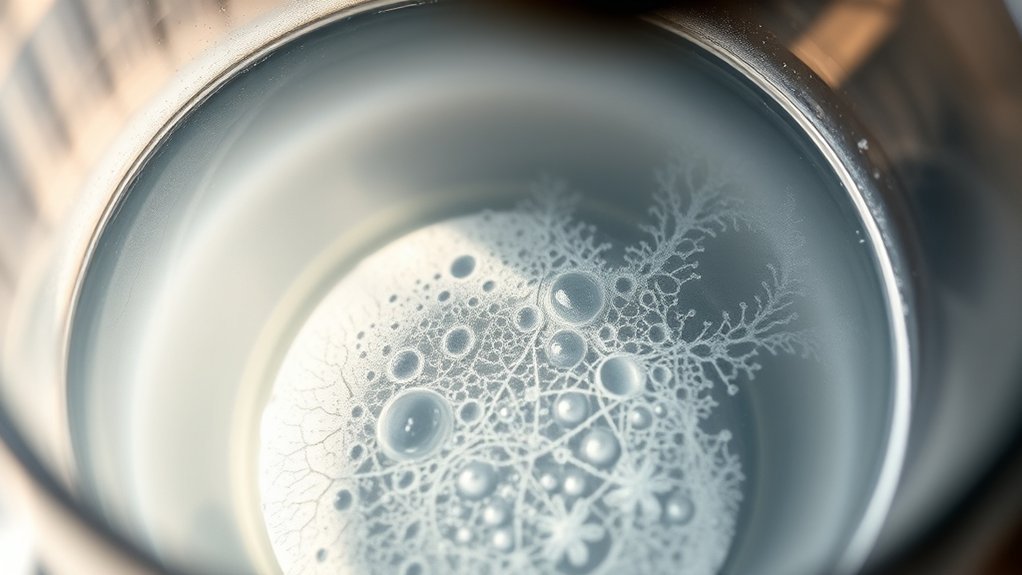
Coffee makers are not sterile appliances. Hands touch the lid and buttons, water remains in valves and tubing, and coffee residue collects in brew baskets, pod holders, outlets, and drip trays.
Research has found diverse bacterial communities in moist coffee-waste areas of capsule machines. However, the frequently cited coffee-machine bacteriome study examined coffee-waste reservoirs rather than proving that clean drinking water becomes dangerous after one night.
A separate 2023 BMJ study of hospital and household coffee machines detected microbial growth on machines but found few medically relevant organisms and no evidence that a general ban on coffee makers was justified. The practical lesson is to maintain the machine, not to assume every overnight reservoir is hazardous.
Stagnant Water Risks
The risk increases when water remains for several days, the reservoir is warm or exposed to sunlight, users touch the inside, or visible residue is already present. Coffee grounds and oils also supply more material for microbes than clean potable water alone.
Use this simple decision guide:
- Water left for one night in a clean machine: Usually a low-risk situation. Refresh it if you want the best flavor.
- Water left for several days: Discard it, rinse the reservoir, refill with fresh water, and run the manufacturer’s recommended cleansing cycle.
- Water with cloudiness, particles, odor, or film: Do not brew with it. Clean the reservoir and other accessible parts first.
- Visible mold or persistent slime: Stop using the machine until it has been thoroughly cleaned according to the manual.
- Machine stored for weeks or months: Follow the manufacturer’s draining and storage procedure.
The CDC explains that mold exposure may cause respiratory or allergic symptoms in sensitive people. The original claim that one night of reservoir water commonly produces flu-like illness is not supported.
Mold Prevention Strategies
Routine care is more useful than an arbitrary overnight deadline. Focus on preventing residue and long-lasting moisture.
| Strategy | What to Do |
|---|---|
| Refresh the water | Use fresh potable water daily when practical, especially if taste or odor changes. |
| Protect the reservoir | Keep the lid in place during use and avoid touching the inside of the tank. |
| Wash removable parts | Hand-wash the reservoir, lid, basket, carafe, drip tray, and other approved parts as the manual directs. |
| Allow proper drying | When the machine will not be used, let removable parts dry completely in the manner recommended by the manufacturer. |
| Descale when required | Use the approved descaler when the machine indicates it or at the interval listed in the manual. |
Regular Cleaning Importance
Cleaning and descaling are different jobs:
- Cleaning removes coffee oils, dust, residue, film, and microbes from accessible surfaces.
- Descaling dissolves calcium and other mineral deposits inside the water path.
A machine can need one without needing the other. A musty tank needs cleaning, while slow flow or a descale light may point to mineral buildup. Follow the manual because cleaning products, dishwasher safety, filter removal, and rinse procedures vary by model.
Essential Cleaning Tips for Coffee Makers
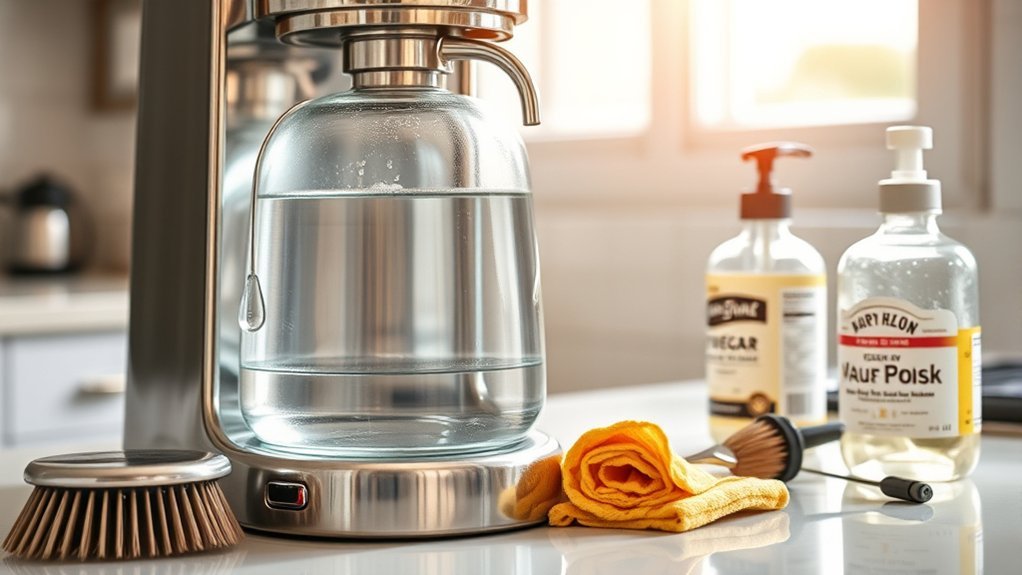
A simple maintenance routine protects flavor and keeps the brewer working properly. You do not need to disinfect the entire machine after every brew, but you should remove used grounds or pods promptly and keep wet, residue-prone parts clean.
Warning: Turn off and unplug the coffee maker before washing removable parts. Never immerse the electrical base, mix bleach with ammonia or acids, or pour dish soap, bleach, baking soda, or another cleaner through internal tubing unless the manufacturer specifically approves that procedure.
Daily Reservoir Emptying
Daily emptying is a good freshness habit, but it is not an absolute requirement for every machine. Large-reservoir single-serve brewers are designed to hold more than one serving, while single-fill machines use nearly all the water during each brew.
For practical daily care:
- Remove used grounds, filters, or pods after brewing.
- Rinse the carafe, reusable filter, basket, or pod holder as appropriate.
- Refresh reservoir water if it smells different, contains particles, or has been sitting for more than a day or two.
- Wipe spills from the lid and surrounding surfaces.
- Keep fingers, scoops, and dirty cloths out of the reservoir.
Pro Tip: If your brewer has a removable tank, refill it at the sink with a clean pitcher or directly under the tap. This reduces the chance of spilling coffee grounds or oils into the reservoir.
Regular Deep Cleaning
Start with the owner’s manual. Keurig’s K-Iced care guide, for example, says to clean the reservoir periodically with a damp, nonabrasive, lint-free cloth, hand-wash it, and allow it to dry completely. It also warns not to use distilled water in that model.
Cuisinart’s cleaning guidance approves vinegar procedures for many of its machines but still tells owners to check the specific manual. Another brand may require a packaged descaling solution or a different dilution.
A safe general sequence is:
- Turn off and unplug the machine.
- Discard water, grounds, filters, and used pods.
- Remove only the components identified as removable.
- Wash approved parts with warm water and mild dish soap.
- Rinse thoroughly so no soap remains.
- Clean or descale the internal path only with the approved product and procedure.
- Complete every required fresh-water rinse cycle.
- Let the parts dry as directed before reassembly or storage.
Indicators Your Coffee Maker Needs Immediate Cleaning
Do not rely only on the calendar. Clean the machine promptly when you notice any of these signs:
- A slimy or greasy film in the reservoir, lid, valve area, basket, or drip tray
- Visible mold, green growth, dark spots, or unusual discoloration
- Cloudy water or floating particles
- A musty, sour, or stale odor
- Unpleasant flavors that remain after changing the water and coffee
- Slow flow, sputtering, reduced volume, or a descale warning
- Water leakage around a removable reservoir or valve
If mold or slime returns quickly after correct cleaning, contact the manufacturer. Hidden tubing, seals, or inaccessible internal components may need professional service or replacement.
Alternatives to Leaving Water in the Reservoir
You can make morning brewing convenient without keeping the same water in the machine for long periods. The best option depends on the brewer.
Daily Water Replacement Tips
- Fill the reservoir with only the amount needed for the next brew.
- Keep a clean water pitcher near the machine for quick morning filling.
- Use fresh potable tap or filtered water unless the manual specifies another type.
- Replace built-in filters at the manufacturer’s interval.
- Do not assume distilled water is suitable; some machines rely on minerals or conductivity sensors.
- Discard water that has an odor, visible particles, or an unusual appearance.
Filtered water may reduce some tastes and mineral buildup, but filter effectiveness varies. A filter also does not replace reservoir cleaning.
Efficient Cleaning Practices
Build maintenance into the normal brewing routine instead of waiting for a major buildup:
- Discard pods and grounds immediately after use.
- Rinse the brew basket, reusable filter, and carafe the same day.
- Wash the reservoir and lid at the interval stated in the manual.
- Empty and dry the brewer before a vacation or long period of storage.
- Run the manufacturer’s cleansing brew after the machine has been unused for several days, if instructed.
- Descale when the warning appears or at the recommended time or brew-count interval.
A water-only cycle may rinse the system, but it should not be described as sterilizing the machine.
Optimal Brewing Techniques
For better flavor and consistent operation:
- Use fresh water with no noticeable odor or taste.
- Measure the water and coffee for the amount you plan to brew.
- Use the grind size recommended for your brewer.
- Keep coffee grounds out of the reservoir.
- Wash reusable filters and carafes before old oils become sticky.
- Use Delay Brew only on a machine designed for it.
A thermal carafe can keep finished coffee warm without leaving it on a hot plate, but it does not affect whether water may be placed in the reservoir the night before.
Best Practices for Coffee Maker Maintenance
A practical schedule is more useful than treating every machine the same:
- After each brew: Remove grounds or pods and rinse food-contact parts that hold coffee residue.
- Daily or every few uses: Refresh the reservoir water and inspect it for film, odor, or particles.
- Periodically: Hand-wash the removable reservoir, lid, drip tray, basket, and carafe as approved.
- When prompted or scheduled: Descale with the approved solution.
- Before storage: Empty, drain, clean, and dry the machine according to the manual.
Do not use one brand’s cleaning instructions for another brand. Needles, valves, water filters, removable brew groups, milk systems, and dishwasher-safe parts vary widely.
How Humidity Impacts Your Coffee Maker’s Hygiene
High indoor humidity slows evaporation and allows removable parts to stay damp longer. The CDC recommends moisture control as a key part of preventing mold growth.
In a humid kitchen:
- Wash residue-prone parts before buildup becomes visible.
- Allow removable parts to dry completely when the machine will not be used.
- Keep the brewer away from direct sunlight, cooking grease, and heavy steam.
- Use exhaust ventilation when cooking creates high moisture.
- Do not seal damp removable parts in a cabinet or storage box.
Follow your manual’s drying instructions. Some manufacturers advise against drying the inside of a reservoir with a cloth because lint may remain.
Consequences of Neglecting Coffee Maker Hygiene
A neglected coffee maker is more likely to produce poor-tasting coffee, slow brewing, clogs, mineral buildup, odors, and visible residue. Wet coffee grounds, oils, drip trays, and milk components usually deserve more attention than clean water left for one night.
Microbes can be found on frequently handled and damp machine surfaces, but microbial presence does not automatically mean the machine will cause disease. Sensible cleaning, hand hygiene, fresh water, and prompt action when visible growth appears provide a more accurate response than assuming every overnight reservoir is dangerous.
People with weakened immune systems or serious mold allergies may choose a more cautious routine, such as refreshing the water daily and cleaning removable components more often.
Final Thoughts on Overnight Water Storage in Coffee Makers
Use the following rule of thumb:
- One night in a clean programmable machine: Generally acceptable when the manufacturer supports delayed brewing.
- One night in a large single-serve reservoir: Usually not an emergency; refresh the water for the best taste.
- Several days of nonuse: Discard the water, rinse the tank, and complete the recommended cleansing cycle.
- Visible slime, mold, odor, or discoloration: Stop and clean the machine before brewing.
- Long-term storage: Drain and dry the brewer according to its manual.
Fresh water is an easy quality upgrade, but the condition of the machine matters more than a rigid 24-hour cutoff.
Frequently Asked Questions
Can I leave water in the coffee maker for a few hours?
Yes. A few hours in a clean reservoir filled with potable water is normally not a concern. Replace it sooner if the water develops an odor, particles, cloudiness, or an unusual appearance.
Is water left in a coffee maker overnight dangerous?
Not automatically. There is no well-supported rule showing that clean reservoir water reliably becomes dangerous after exactly 24 hours. The risk depends on the machine’s cleanliness, the water source, handling, temperature, and how long the water remains.
What should I do if the water sat for several days?
Discard the water, rinse or wash the removable reservoir as the manual directs, refill it with fresh water, and complete the manufacturer’s recommended cleansing or rinse cycle before brewing.
How often should I clean my coffee maker?
Rinse coffee-contact parts after use and clean the reservoir, lid, basket, drip tray, and carafe at the interval listed in your manual. Clean immediately if you see film, mold, slime, particles, or discoloration. Descale separately when the machine indicates it or according to the recommended schedule.
What type of water is best for coffee makers?
Fresh potable tap or filtered water works for many machines. Check the manual before using distilled, softened, reverse-osmosis, or highly mineralized water because water requirements and sensors differ by model.
Does leaving water in the reservoir affect coffee flavor?
It can. Water may absorb odors, while residue on the reservoir, filter holder, basket, outlet, or carafe can create stale or bitter flavors. Fresh water and clean coffee-contact parts produce more consistent results.
Can I clean every coffee maker with vinegar?
No universal rule applies. Some manufacturers approve vinegar in specified ratios, while others require a branded descaler or another procedure. Use only the cleaner and method approved for your exact model.
Are there coffee makers designed for overnight preparation?
Yes. Many programmable drip brewers include a delayed-brew feature that lets you add water and coffee in advance. Follow the setup, food-safety, and cleaning instructions supplied with the machine.
Sources
- The BMJ: Bug in a Mug — study of microbial contamination on hospital and household coffee machines.
- Scientific Reports: The Coffee-Machine Bacteriome — research on bacterial communities in moist coffee-waste reservoirs.
- Centers for Disease Control and Prevention: Mold — mold growth, moisture control, and possible health effects.
- Keurig K-Iced Use and Care Guide — reservoir cleaning, drying, water choice, cleansing brews, and descaling.
- Cuisinart Coffee Maker Cleaning Guide — cleaning, descaling, filter care, and model-specific precautions.
- Cuisinart 14-Cup Programmable Coffee Maker — example of a brewer designed for setup up to 24 hours before brewing.
Conclusion
Leaving clean water in a well-maintained coffee maker overnight is usually not a serious health threat, particularly when the machine is designed for delayed brewing. Fresh water remains the better everyday choice for flavor, and water left for several days should be discarded. More importantly, clean the reservoir and coffee-contact parts regularly, descale as directed, and stop using the brewer if you notice mold, slime, particles, discoloration, or a persistent musty odor.