Choosing between an espresso machine and a coffee maker comes down to more than strong versus mild coffee. An espresso machine uses mechanical pressure to produce concentrated shots and milk-based café drinks, while an automatic drip coffee maker uses gravity to brew larger carafes of filtered coffee. Your daily drink preferences, volume needs, available counter space, budget, and tolerance for cleaning routines will determine which setup fits your kitchen.
Quick Answer
Choose an espresso machine if you prioritize concentrated shots, lattes, cappuccinos, and hands-on brewing control. Choose an automatic drip coffee maker if you want full mugs of filter coffee, low-effort batch brewing for multiple people, and minimal daily cleanup. Espresso requires higher upfront equipment costs and a finer, dedicated burr grinder.
Key Takeaways
- Extraction physics differ: Espresso forces pressurized hot water (~9 bar) through a dense coffee puck in 25–30 seconds, while drip coffee relies on gravity over a 4–8 minute contact cycle.
- Caffeine density vs. total intake: Espresso contains more caffeine per fluid ounce (~63 mg/oz), but an 8-ounce mug of drip coffee typically delivers more total caffeine (95–165 mg) per standard serving.
- Grind precision: Semi-automatic espresso requires a specialized, stepless or micro-adjusting burr grinder; drip brewers are far more forgiving with standard medium grinds.
- Maintenance requirements: Espresso machines require group head cleaning, steam wand purging, portafilter rinsing, and periodic chemical backflushing. Drip brewers require only basket rinsing, carafe washing, and occasional descaling.
- Americano vs. Drip: An Americano is espresso diluted with hot water; it shares volume with drip coffee but retains the oils, crema, and mouthfeel of pressurized extraction.
Espresso Machine vs. Coffee Maker: Quick Comparison
| Factor | Espresso Machine | Drip Coffee Maker |
| Brewing Method | Pressurized hot water (~9 bar) forced through a compact coffee puck | Gravity-fed hot water showering over a loose bed of grounds |
| Standard Beverage | 1–2 oz concentrated shot, latte, cappuccino, flat white, macchiato | 8–12 oz mug or multi-cup carafe (up to 10–14 cups per batch) |
| Grind Requirement | Fine, uniform, and micro-adjustable (demands dedicated burr grinder) | Medium to medium-coarse (compatible with entry-level grinders or pre-ground) |
| Extraction Time | 25–30 seconds (excluding machine warm-up and puck prep) | 4–8 minutes per batch depending on volume and flow rate |
| Milk Steaming / Frothing | Integrated steam wand or automated milk frother standard on most models | Requires a separate standalone frother or external milk warmer |
| Learning Curve | Moderate to high (dialing in grind size, dose, tamping, flow rate) | Very low (add filter, grounds, water, and press start) |
| Daily Cleanup | Puck knock-out, portafilter rinse, wand purge/wipe, drip tray emptying | Compost paper filter/grounds, rinse brew basket and glass/thermal carafe |
| Equipment Cost Range | $150 to $2,500+ (plus $200–$600 for an espresso-grade grinder) | $30 to $350 (standard burr grinder optional at $50–$100) |
What Is Espresso and How Is It Made?

Espresso is a brewing method, not a specific species of bean or roast profile. You can brew espresso using light, medium, or dark roast coffee, though darker roasts remain popular for their traditional low acidity and heavy body in milk beverages.
The modern espresso machine originated in Italy at the turn of the 20th century. Luigi Bezzera patented an early steam-driven brewing apparatus in 1901, laying the groundwork for commercial rapid extraction. Bezzera documents this historical evolution, which later transitioned from steam pressure to mechanical piston and rotary pump pressure in the mid-century.
Modern espresso machines generate pressure using electric vibration or rotary pumps, forcing heated water through a tightly packed puck of finely ground coffee. According to Specialty Coffee Association research, a common modern extraction benchmark uses an 18–20 gram dry coffee dose yielding roughly 36–40 grams of liquid espresso in 25–30 seconds at approximately 9 bar of pressure and 90.5–93.5°C (195–200°F).
A standard 1:2 coffee-to-liquid brew ratio extracted under 9 bar of pressure in 25–30 seconds serves as the baseline target for modern espresso balancing sweetness, acidity, and body.
The combination of high pressure, high coffee density, and a brief contact time emulsifies insoluble coffee oils into a rich, full-bodied beverage topped with crema—a micro-foam of carbon dioxide bubbles and aromatic compounds. While crema indicates bean freshness and proper extraction pressure, flavor balance remains the true indicator of shot quality.
Note: Consumer espresso machines advertised with “15-bar” or “20-bar” pumps refer to maximum theoretical pump capacity. Quality extraction at the coffee bed should occur at roughly 9 bar; excessive pressure causes channeling and bitter, astringent flavors.
What Is Coffee Maker Style Coffee?
In home brewing terminology, coffee maker primarily refers to an automatic drip coffee brewer. These machines heat water from an internal reservoir and deliver it across a bed of ground coffee resting in a paper, metal, or cloth filter inside a brew basket. Gravity pulls the water through the grounds, extracting soluble compounds before dispensing into a carafe.
Drip brewing operates at a significantly higher water-to-coffee ratio (roughly 1:15 to 1:18) than espresso (roughly 1:2). This yields a larger, less concentrated beverage with lower total dissolved solids (TDS), making it ideal for casual sipping over an extended morning routine.
Water contact time and thermal stability are critical variables in drip extraction. The SCA Certified Home Brewer standards specify that water contact with the coffee bed must remain between 4 and 8 minutes, maintaining a water temperature between 92°C and 96°C (197.6°F to 204.8°F) throughout the core extraction cycle.
These SCA guidelines establish a testing baseline ratio of 55 to 60 grams of coffee per liter of water. Drip coffee makers allow users to adjust this ratio easily to produce lighter or bolder carafes to taste.
How Do Espresso Machines Work?

An espresso machine regulates water temperature, flow rate, and pressure to extract solubles from a compacted bed of fine coffee grounds. Because water takes the path of least resistance, every variable—from grind consistency to tamping levelness—directly impacts extraction uniformity.
Brewing Process Explained
A standard semi-automatic espresso workflow involves five sequential steps:
- Dosing & Grinding: Grinding a precise amount of whole beans (typically 18 grams for a double basket) to a fine, flour-like consistency.
- Puck Preparation: Distributing grounds evenly with a WDT needle tool to eliminate clumps, then compressing the bed with a level tamper to create uniform hydraulic resistance.
- Pre-infusion: Soaking the puck at low pressure (2–4 bar) for several seconds to saturate the grounds and prevent cracking.
- Full Extraction: Engaging the pump at ~9 bar for 25 to 30 seconds until the target yield (~36 grams) is reached.
- Milk Texturing (Optional): Submerging the steam wand tip just below the surface of cold milk to introduce micro-bubbles, then creating a vortex to incorporate a velvety micro-foam.
Types of Espresso Machines
Espresso machines fall into four primary mechanical categories:
- Manual Lever Machines: Use a mechanical hand lever to generate pressure. They offer total flow control for advanced users but require substantial physical technique and consistency.
- Semi-Automatic Machines: Utilize an electric pump activated by a switch or paddle, leaving grind size, puck preparation, and shot duration to the user. This remains the gold standard for home enthusiasts seeking café-quality results.
- Automatic (Volumetric) Machines: Feature programmed flow meters that automatically shut off the water flow once a preset volume is dispensed, eliminating the need to monitor scales during extraction.
- Super-Automatic (Bean-to-Cup) Machines: Handle grinding, tamping, brewing, and automated milk frothing internally at the push of a button. They prioritize convenience at the expense of drink customization and granular flavor clarity.
How Do Coffee Makers Brew Coffee?
Automatic drip brewers streamline the brewing workflow into simple, batch-oriented steps. The machine lifts water from the reservoir using a thermal siphon or an active pump, passes it through a heating element, and dispenses it through a showerhead over the filter basket.
Proper water distribution prevents channeling (tunnels forming through the grounds), ensuring even extraction across the entire coffee bed. A medium grind size provides the correct hydraulic resistance against gravity, allowing solubles to dissolve without over-extracting bitter tannins or under-extracting sour acids.
Pro Tip: For drip brewing, choose a machine featuring a wide showerhead and a thermal stainless steel carafe. Thermal carafes keep coffee hot without a continuous heating plate, preventing the baked, scorched flavor common with glass carafes left on hot plates.
Flavor Profiles: Espresso vs. Coffee Maker Coffee

The difference in sensory experience between espresso and drip coffee stems from concentration, filtration media, and dissolved solid levels:
- Espresso: Highly concentrated with a Total Dissolved Solids (TDS) level of 8–12%. It exhibits a heavy, syrupy mouthfeel and punchy acidity, sweetness, and bitterness. Metal portafilter baskets allow natural coffee oils and fine micro-particles to pass through, creating body and carrying bold flavors that easily cut through steamed milk.
- Drip Coffee: More dilute with a TDS level of 1.15–1.45%. Paper filtration absorbs diterpenes (cafestol and kahweol) and traps micro-fines, resulting in high flavor clarity, a lighter body, and a clean finish that allows single-origin origin notes (such as floral or fruity nuances) to be tasted over a full mug.
Caffeine Content: Espresso vs. Coffee Maker Coffee
Confusion surrounding caffeine in coffee arises from mixing up concentration per ounce with total volume consumed.
According to nutritional benchmarks from the USDA and data published by the U.S. Food and Drug Administration, caffeine levels break down as follows:
- Single Espresso Shot (1 fl oz): Contains roughly 63 mg of caffeine (approx. 125 mg for a standard 2 oz double shot).
- Drip Coffee (8 fl oz mug): Contains roughly 95 to 165 mg of caffeine, depending on roast, bean species (Arabica vs. Robusta), and brew ratio.
- Drip Coffee (12–16 fl oz travel mug): Delivers 140 to 300+ mg of caffeine in a single serving session.
The National Coffee Association emphasizes that while espresso has roughly 4 to 5 times more caffeine per fluid ounce than drip coffee, drinking a full 10-ounce mug of drip coffee provides more absolute caffeine than a single double shot.
Cost Per Cup and Ongoing Consumables
Equipment retail price is only one part of the financial equation. The ongoing cost of coffee beans, filtration, and maintenance items differs significantly between the two methods over a 12-month period.
| Expense Category | Espresso Machine Setup | Drip Coffee Maker Setup |
| Coffee Bean Consumption | 18–20g per double shot (~$0.60–$1.10 per drink using specialty whole beans) | 10–12g per 8 oz cup (~$0.30–$0.60 per cup; batch brewing is more bean-efficient) |
| Filters & Disposables | $0 (reusable metal baskets standard; optional paper puck screens ~$10/yr) | $15–$30/year for quality unbleached paper filters (or $0 for permanent gold-tone baskets) |
| Milk & Syrups | $0.40–$0.90 per latte/cappuccino (whole milk or oat/almond alternatives) | Minimal (small splash of milk/creamer optional) |
| Cleaning Chemicals | $25–$50/year (backflush detergent, milk line cleaner, descaler, group gaskets) | $10–$20/year (citric acid or commercial descaling solution) |
Versatility of Espresso Machines vs. Simplicity of Coffee Makers
Espresso machines serve as complete beverage centers for specialty coffee drinks. A machine equipped with a steam wand can produce straight espresso, Americanos, cortados, flat whites, cappuccinos, and lattes from a single machine footprint.
Drip coffee makers prioritize single-task efficiency. They excel at preparing multiple servings simultaneously with zero manual intervention once the cycle begins, making them ideal for multi-drinker households and remote work routines.
While an espresso machine can produce an Americano by topping a double shot with 6 to 8 ounces of hot water, an Americano is not identical to drip coffee. As noted in De’Longhi’s Americano guide, an Americano preserves espresso extraction characteristics (including emulsified oils and slight crema remnants), whereas drip coffee is lighter in body due to gravity and paper filtration.
Ease of Use, Cleanup, and Maintenance
Routine workflow differences represent the biggest daily lifestyle distinction between these two appliance types.
Daily and Weekly Espresso Maintenance
Semi-automatic espresso requires hands-on cleaning after every session:
- Knocking the wet puck into a knock box immediately to prevent coffee oils from baking onto the shower screen.
- Rinsing the portafilter and wiping down the group head gasket.
- Purging the steam wand with a wet cloth to clear internal milk residue.
- Emptying and rinsing the drip tray to prevent mold and stale water buildup.
- Performing weekly chemical backflushes with espresso machine detergent on compatible three-way solenoid models, as outlined in Breville’s machine maintenance procedures.
Daily Drip Coffee Maintenance
Drip machines require minimal hands-on effort:
- Disposing of the paper filter and spent grounds into the compost bin.
- Rinsing the brew basket and carafe with warm soapy water.
- Leaving the reservoir lid open to dry completely between cycles.
Water Quality and Scale Prevention
Water quality directly impacts both cup flavor and appliance longevity. Tap water with high mineral hardness (calcium and magnesium) causes limescale build-up inside heating elements.
Warning: Limescale is the leading cause of premature failure in espresso machines. Scale blocks narrow solenoid valves, restricts heat exchangers, and damages thermoblocks. Always use filtered, scale-inhibited water (30–50 ppm total hardness) and descale regularly according to your manufacturer’s instructions.
Drip coffee makers feature wider internal water passages that are less prone to sudden solenoid clogging, but regular descaling every 2 to 3 months remains necessary to maintain correct brewing temperatures and flow speeds.
Grinder, Counter Space, and Noise
Before purchasing an espresso machine, evaluate your counter space and workflow footprint:
- Grinder Requirements: Drip coffee functions well with pre-ground coffee or entry-level conical burr grinders. Espresso requires a dedicated burr grinder with precise, micro-step or stepless adjustments. Using pre-ground coffee in a traditional non-pressurized basket will cause the shot to run in under 10 seconds, yielding sour, under-extracted liquid.
- Counter Footprint: A full espresso station requires space for the machine, dedicated grinder, knock box, tamping mat, scale, and milk pitcher. Drip machines typically require half the total footprint.
- Acoustic Profile: Espresso setups produce high acoustic levels during high-RPM grinding, 15-bar vibration pump operation, and milk steaming. Drip brewers operate quietly, producing only gentle bubbling toward the end of the brew cycle.
How Much Should You Spend on an Espresso Machine vs. a Coffee Maker?
Appliance pricing reflects materials, temperature regulation technology, and pump engineering. An overview published by KitchenAid comparing coffee makers and espresso machines highlights that drip brewers maximize volume per dollar, while espresso machines trade volume for pressure and mechanical control.
Budget Tiers: Espresso Machines
- Entry-Level ($150 – $400): Compact thermoblock machines (e.g., De’Longhi Dedica, Breville Bambino). Often include pressurized baskets that tolerate pre-ground coffee. Good entry point for milk drinks, but limited temperature stability for light roasts.
- Mid-Range Enthusiast ($500 – $1,200): Single-boiler or dual-thermoblock units with built-in PID digital temperature control and commercial-size 58mm portafilters (e.g., Gaggia Classic Pro, Breville Barista series, Rancilio Silvia). Requires a dedicated $200–$500 espresso grinder.
- High-End / Dual Boiler ($1,500 – $3,000+): Dual-boiler or heat-exchanger machines with rotary pumps (e.g., Profitec, Rocket, Lelit). Allows simultaneous espresso extraction and milk steaming with commercial-grade thermal stability.
Budget Tiers: Drip Coffee Makers
- Standard Auto-Drip ($30 – $80): Basic machines with single-switch operation, glass carafes, and simple heating elements. Suitable for everyday dark-roast filter coffee.
- SCA-Certified Specialty Brewers ($150 – $350): High-precision brewers (e.g., Technivorm Moccamaster, Breville Precision Brewer, OXO 9-Cup) engineered with precise water heating (92–96°C), pulse showerheads, and insulated stainless thermal carafes.
How to Choose: Espresso Machine vs. Coffee Maker
Match your purchase to your morning habits, volume requirements, and lifestyle:
- Choose an espresso machine if:
- You drink lattes, cappuccinos, flat whites, or straight espresso shots daily.
- You enjoy the culinary ritual of weighing beans, adjusting grind settings, and perfecting latte art.
- You are willing to spend 3–5 minutes preparing and cleaning each individual beverage.
- Choose a drip coffee maker if:
- You want 12–16 ounces of black coffee to sip steadily over hours.
- You brew coffee for multiple family members or dinner guests simultaneously.
- You want programmable morning timers and minimal hands-on cleaning.
- Consider a combination or super-automatic machine if:
- Your household wants both espresso drinks and drip carafes, or you want one-touch latte convenience without manual portafilter preparation.
Frequently Asked Questions
Can you use regular coffee grounds in an espresso machine?
You can use any roasted coffee bean, but pre-ground coffee packaged for drip brewers is ground too coarse for standard, non-pressurized espresso baskets. The pressurized water will flow through coarse grounds too quickly (under-extracting), resulting in thin, sour coffee with no crema. If using pre-ground drip coffee, you must use a specialized pressurized (double-wall) filter basket.
What types of coffee makers are available?
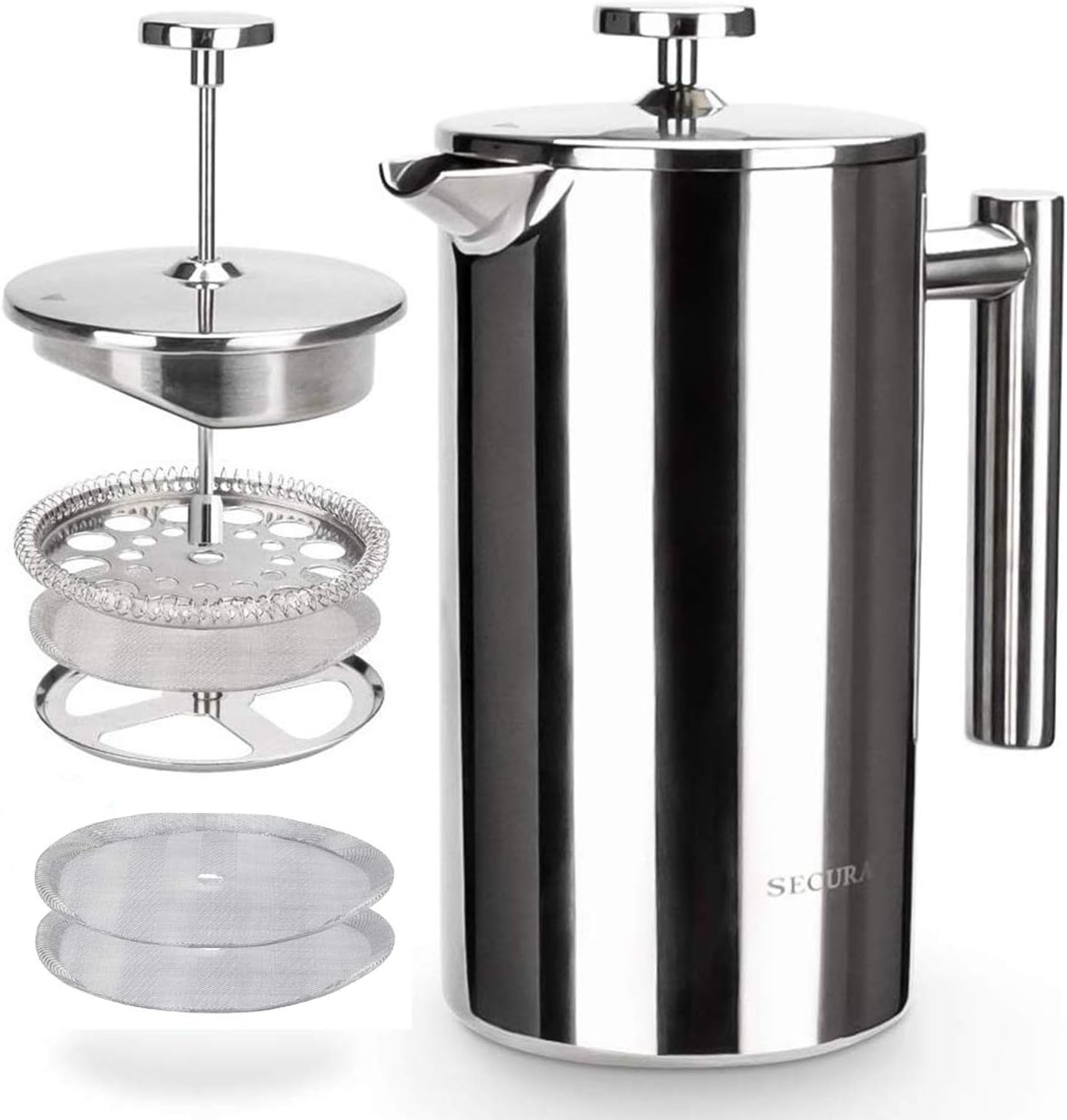
Common coffee brewer categories include automatic drip machines, single-serve pod systems, manual pour-over cones (V60, Chemex), French presses, AeroPress brewers, stovetop moka pots, cold brew immersion pitchers, and semi- or super-automatic espresso machines.
How long do espresso machines typically last?
Quality semi-automatic espresso machines constructed with brass boilers, stainless steel frames, and standard 58mm group heads typically last 5 to 15+ years when properly maintained and descaled. Entry-level thermoblock units last roughly 3 to 5 years, while commercial-grade prosumer machines can operate indefinitely when replacement gaskets and valves are serviced.
Are espresso machines more difficult to clean than coffee makers?
Yes. Espresso machines require immediate puck removal, portafilter rinsing, steam wand purging and wiping, and frequent drip tray emptying after each session. They also require weekly backflushing with detergent tablets and careful water filtering to prevent solenoid valve blockages. Drip coffee makers require only tossing the paper filter and washing the carafe.
Can espresso machines brew regular coffee?
Traditional espresso machines cannot brew true drip coffee because they extract under high pressure over 30 seconds rather than using gravity filtration over several minutes. However, an espresso machine can make an Americano (espresso combined with hot water), which provides an 8–10 oz beverage with a similar strength profile to drip coffee.
Do you need a special grinder for an espresso machine?
Yes. For standard non-pressurized baskets, a dedicated espresso grinder with micro-step or stepless burr adjustment is essential. Espresso requires microscopic changes in particle size to dial in the correct 25–30 second flow rate. Standard drip or spice blade grinders produce uneven particle distribution that causes immediate channeling.
Which has more caffeine: espresso or drip coffee?
Espresso contains significantly more caffeine per ounce (~63 mg per fl oz) due to its high concentration. However, a standard 8-ounce mug of drip coffee provides 95 to 165 mg of caffeine, meaning a full cup of drip coffee delivers more total caffeine than a single 1-ounce espresso shot.
Which machine is better for several coffee drinkers?
An automatic drip coffee maker is far better suited for serving multiple people. It brews 8 to 12 cups into a single thermal carafe in under 6 minutes. Making drinks for four people on a semi-automatic espresso machine requires pulling multiple individual shots and steaming milk separately, taking 15 to 20 minutes.
Conclusion
Deciding between an espresso machine and an automatic drip coffee maker comes down to your personal balance between beverage style and daily convenience. Espresso setups provide café versatility, dense body, and the ability to steam velvety milk for lattes and flat whites, but they require a higher financial investment, precision grinding, and attentive maintenance.
Drip coffee makers remain the most efficient way to brew clean, nuanced, multi-cup carafes of filter coffee with minimal hands-on effort and simple cleanup. By matching your purchase to the drinks you actually make each morning, you can build a home coffee station that delivers consistent quality without adding friction to your daily routine.
Sources
- Bezzera — Company History — documents the origins of mechanical espresso pressure systems and Luigi Bezzera’s 1901 patent.
- Specialty Coffee Association — Defining the Ever-Changing Espresso — verifies standard extraction benchmarks (1:2 ratio, 9 bar pressure, 90.5–93.5°C brew temperature).
- Specialty Coffee Association — Minimum Certification Requirements for Coffee Brewers — verifies certified drip brewer temperature curves, contact times (4–8 min), and extraction test ratios.
- U.S. Food and Drug Administration — Spilling the Beans: How Much Caffeine Is Too Much? — provides baseline caffeine data for espresso and drip brewed beverages.
- KitchenAid — Coffee Maker vs. Espresso Machine — supports appliance feature comparisons, volume differences, and ease-of-use considerations.
- Breville — Espresso Machine Backflush Guide — outlines proper group head maintenance and three-way solenoid cleaning protocols.