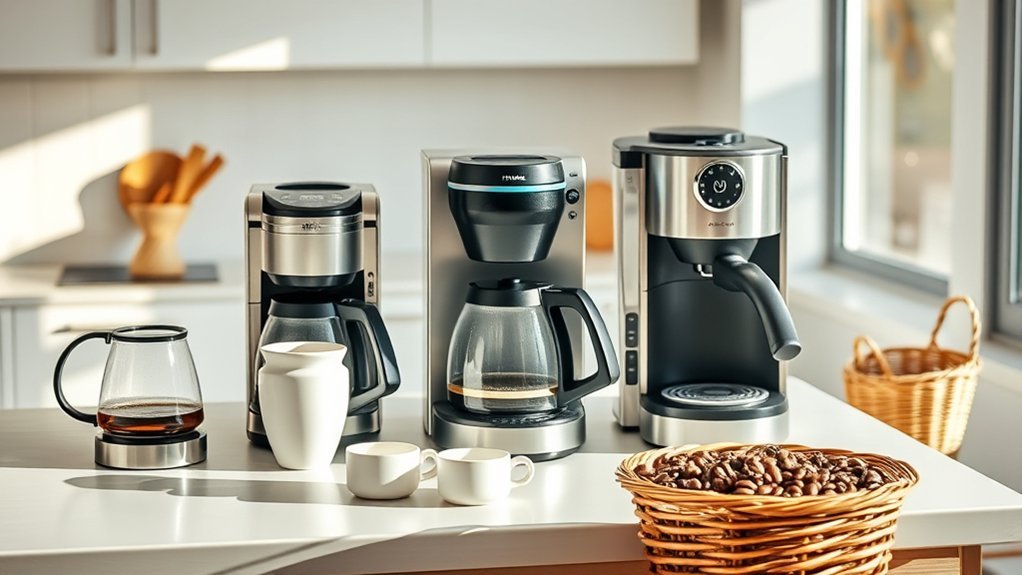
Choosing the right coffee maker capacity is not as simple as counting the people in your home. You need to know how much coffee everyone drinks during the busiest serving period, the size of the mugs you use, and what the manufacturer means by a “cup.” Start with actual ounces, then compare that total with the brewer’s usable output.
Quick Answer
Choose coffee maker capacity by multiplying the number of simultaneous drinkers by their mugs per serving and mug size in ounces. Add about 10% to 20% for refills or guests. Compare that result with the brewer’s stated ounce or liter capacity because an advertised coffee-maker “cup” is often smaller than an 8-ounce mug.
Key Takeaways
- Shop by actual ounces or liters, not the advertised cup count alone.
- Calculate the amount needed during your busiest coffee period rather than adding up every cup consumed all day.
- Measure your regular mugs; many hold more than one coffee-maker cup.
- A larger brewer is useful for families and guests, but it should have a suitable small-batch mode if you often brew less than a full carafe.
- Check carafe output, reservoir size, counter clearance, brew time, and cleaning requirements before buying.
What Does Coffee Maker Capacity Mean?
Coffee maker capacity usually describes the maximum amount the machine can brew in one cycle. On a drip machine, that may be shown as a cup count, fluid ounces, milliliters, or liters. On a single-serve machine, capacity may refer to the selectable serving size or the water reservoir rather than one brewed batch.
The word cup causes the most confusion. A US measuring cup is 8 fluid ounces, but a brewer’s marked cup may be smaller. For example, Cuisinart describes one current 12-cup model as holding twelve 5-ounce cups, while Moccamaster lists a 10-cup brewer as having a 40-ounce capacity. Always read the ounce or liter specification instead of assuming that “12 cup” means 96 ounces.
Note: Cup markings are useful for filling the machine, but they are not a universal measure of how many household mugs the carafe will fill.
Power your essentials anywhere with a 999Wh pure sine wave power station delivering up to 1000W continuous with 2000W surge. It supports fast charging via USB-C PD 60W and USB-A QC 18W, plus simultaneous output for multiple devices through AC, USB, wireless, and car/DC ports. Recharge using AC, car, or solar with a built-in MPPT controller and dual cooling fans, while the upgraded battery management system protects against surges, short circuits, and overheating.
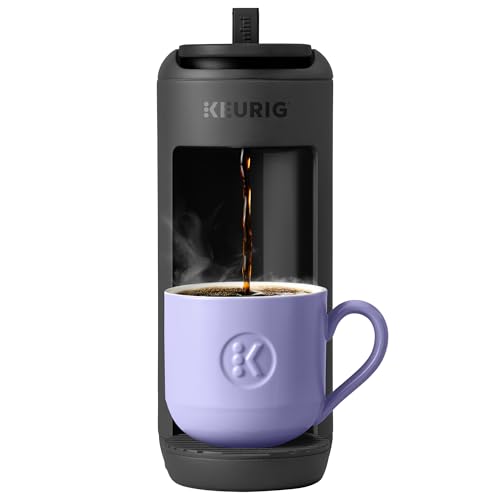
SMALL SPACE SAVER: Compact at 4" wide for brewing the perfect cup of coffee in small kitchens, dorm rooms, offices, and surfaces with limited space.
SMALL SPACE SAVER: Compact at 4" wide for brewing the perfect cup of coffee in small kitchens, dorm rooms, offices, and surfaces with limited space.
Understanding Your Household Coffee Needs
Begin with the number of people who drink coffee at the same time. Then consider how many mugs each person pours before the next batch can be made.
Total daily consumption is less useful than peak batch demand. Two people may drink six mugs over an entire day but need only two mugs at breakfast. In that case, a smaller brewer or a flexible cup-to-carafe machine may be more practical than a large pot kept warm for hours.
Measure Your Mugs
Fill your usual mug with water and pour it into a measuring cup. A mug that holds 10 or 12 ounces may use two or more markings on a brewer that defines a cup as 4 or 5 ounces.
Count Simultaneous Drinkers
Include only the people likely to drink from the same batch. If one person drinks at 6 a.m. and another drinks at noon, a single-serve or small-batch machine may be more efficient than brewing one large pot.
Allow for Refills and Guests
Add enough capacity for normal refills without buying far more machine than you need. A buffer of about 10% to 20% works for many households. Frequent hosts may prefer a larger carafe, while occasional entertainers can make a second batch.
The best capacity is the smallest brewer that can comfortably cover your busiest normal serving period.
How to Calculate the Capacity You Need
Use this simple formula:
Simultaneous drinkers × mugs per person × ounces per mug = required batch volume
Then add your preferred buffer for refills or guests.
Capacity Calculation Examples
| Situation | Calculation | Useful Capacity |
|---|---|---|
| One person, one large mug | 1 × 1 × 12 oz | At least 12 oz per brew |
| Two people, two 10-oz mugs each | 2 × 2 × 10 oz | About 40 oz |
| Four people, one 10-oz mug each | 4 × 1 × 10 oz | About 40–48 oz with a buffer |
| Six guests, one 8-oz serving each | 6 × 1 × 8 oz | About 48–60 oz with a buffer |
Pro Tip: Take your mug measurement and a note with your required ounces when shopping. Product pages often display a large cup count more prominently than the actual brew volume.
How Much Ground Coffee Does the Batch Need?
Capacity and coffee dose are separate decisions. As a starting point, Moccamaster cites an industry guideline of about 55 grams of ground coffee per liter of water. At that ratio, a 40-ounce batch, which is about 1.18 liters, starts at roughly 65 grams of coffee. Adjust the amount for your beans, grind, brewer, and preferred strength.
Do not assume that 28 grams will make a full eight- or ten-cup carafe. It may be appropriate for a much smaller batch, depending on the machine’s cup markings.
Coffee Maker Capacity by Household and Routine
The ranges below are starting points, not universal rules. Confirm the machine’s actual output in ounces or liters.
| Typical Need | Practical Brew Volume | Brewer Style to Consider |
|---|---|---|
| One person or occasional use | 8–20 oz | Single-serve, small drip brewer, pour-over, or compact French press |
| One or two frequent drinkers | 24–40 oz | Medium drip brewer or flexible single-cup-to-carafe system |
| Three or four simultaneous drinkers | 40–60 oz | Medium-to-large drip brewer with a carafe |
| Large household or frequent guests | 60 oz or more | Large drip brewer, two fast batches, or a coffee urn for larger events |
A machine described as 8, 10, 12, or 14 cups may fall into different rows depending on the manufacturer’s cup definition. Use the volume column as your main guide.
Choosing Between Single-Serve and Multi-Cup Coffee Makers
A single-serve coffee maker works well when household members drink at different times, prefer different coffees, or rarely need a full pot. Single-serve does not always mean one fixed volume. For example, current Keurig models may offer several selectable sizes from 4 to 12 ounces, depending on the machine.
A multi-cup coffee maker is usually more convenient when several people want coffee together. It lets you prepare one batch instead of waiting for repeated single-cup cycles.
A hybrid machine can suit a household that needs one travel mug on weekdays and a carafe on weekends. When comparing hybrid models, check whether both sides use the same reservoir, whether the carafe and single-serve functions can operate independently, and how much counter space the full system requires.
Choose Single-Serve When
- Most coffee is prepared for one person at a time.
- Drinkers want different roasts or regular and decaf coffee.
- You need several serving sizes but not a full carafe.
- Counter space is limited.
Choose a Carafe Brewer When
- Two or more people usually drink coffee together.
- People commonly return for refills from the same batch.
- You entertain regularly.
- You want to prepare the full morning supply at once.
Other Factors That Affect the Right Capacity
Minimum Batch Size
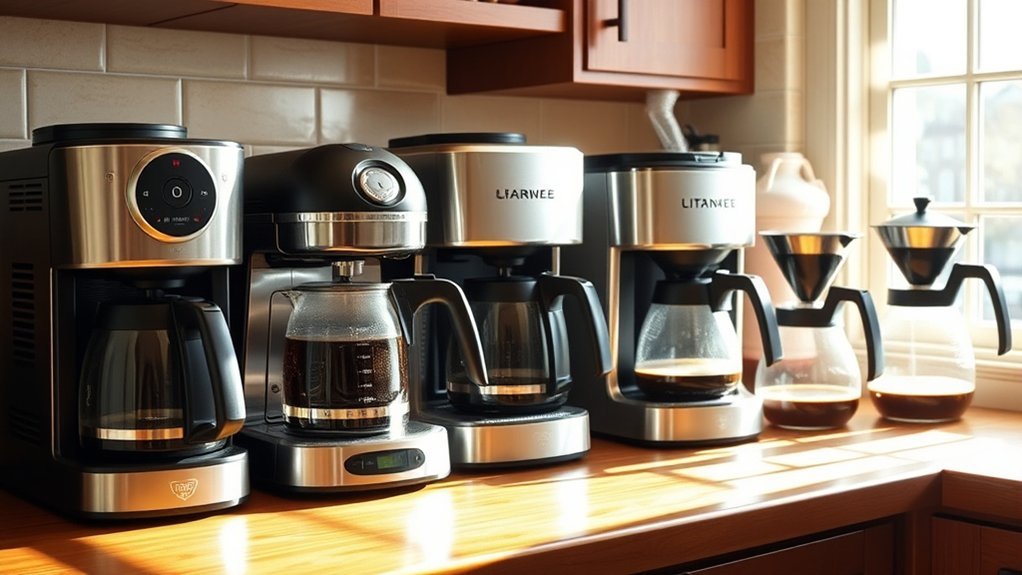
A large brewer is not automatically a good small brewer. Check the minimum water line and whether the machine has a dedicated small-batch mode. Some full-size machines include a 1–4 cup setting or automatically adjust their brew cycle for partial batches.
If you usually brew 12 ounces but host guests only twice a year, buying a machine designed mainly for 60-ounce batches may create unnecessary waste and take up extra space.
Carafe Capacity Versus Reservoir Capacity
A removable 70-ounce water reservoir does not necessarily mean the machine can brew a 70-ounce pot. On single-serve systems, the reservoir may hold water for several separate cups. On drip machines, the maximum batch is normally limited by the carafe, basket, and programmed brew volume.
Glass Versus Thermal Carafe
A glass carafe normally sits on a warming plate, while a thermal carafe holds heat through insulation. If your household finishes coffee quickly, either may work. If the pot remains out for a longer breakfast or meeting, a thermal carafe can keep the coffee warm without relying on a hot plate.
Counter and Cabinet Clearance
Measure the machine’s width, depth, and height. Then check the extra clearance needed to open the reservoir lid, swing out the brew basket, remove the carafe, or add beans to a built-in grinder. A brewer that fits under a cabinet may still be difficult to fill.
Travel-Mug Clearance
For single-serve machines, confirm the maximum cup height with and without the drip tray. Also check whether your preferred brew size leaves room for milk or cream.
Brew Time
Do not assume that a larger machine is faster or slower per cup. Compare the manufacturer’s full-batch and small-batch times. A second quick batch may be more practical than storing an oversized brewer for occasional parties.
Comparing Coffee Maker Types by Capacity
| Coffee Maker Type | How Capacity Is Usually Described | Best Fit |
|---|---|---|
| Drip coffee maker | Carafe cups, ounces, or liters per batch | Several people drinking together |
| Single-serve maker | Selectable ounces per serving plus reservoir volume | Individuals, staggered schedules, and varied preferences |
| Hybrid brewer | Single-cup sizes and partial or full carafe volumes | Households whose weekday and weekend needs differ |
| French press | Total vessel volume in ounces or milliliters | Manual brewing with flexible batch sizes |
| Espresso machine | Water-tank volume, shot output, and heating or recovery capacity | Espresso and milk-based drinks |
| Cold-brew maker | Brewing-vessel volume or concentrate yield | Preparing refrigerated batches in advance |
For espresso and cold brew, the largest stated number may not equal ready-to-drink output. Espresso reservoir capacity tells you how often the tank needs filling, while cold-brew grounds retain part of the water. Check the manufacturer’s stated beverage or concentrate yield.
Should You Choose a Larger or Smaller Coffee Maker?
Choose a smaller coffee maker when you brew for one person, value fresh individual servings, have limited counter space, or rarely entertain. A compact brewer is also easier to store and may be better matched to a small kitchen.
Choose a larger coffee maker when several people drink together, refills are common, or brewing a second batch would interrupt breakfast, meetings, or gatherings.
A larger model is most versatile when it also supports partial batches. Look for a small-batch setting, adjustable warming time, or cup-to-carafe controls rather than assuming every full-size machine will produce equally good results at its minimum fill level.
Note: Do not buy capacity for a once-a-year gathering unless storing and cleaning the larger machine will still be practical. Two normal batches may be the better solution.
Essential Maintenance Tips for Long-Lasting Coffee Makers
Capacity does not determine how often every machine must be cleaned. Water hardness, brewing frequency, design, and the manufacturer’s instructions matter more.
- Discard used grounds and rinse removable brewing parts after use.
- Wash the carafe, filter basket, drip tray, and removable reservoir at the intervals stated in the manual.
- Descale when the machine indicates it or according to the manufacturer’s schedule. Keurig, for example, recommends descaling many of its brewers about every three to six months.
- Use only a descaling method approved for your model. One manufacturer may permit diluted vinegar while another may specify a dedicated solution.
- Replace water filters at the manufacturer’s stated interval.
- Keep the warming plate and exterior free of spilled coffee and grounds.
Warning: Unplug the coffee maker and allow hot parts to cool before cleaning. Never immerse the powered base, cord, or plug in water, and follow the safety instructions in your model’s manual.
There is no universal rule that every coffee maker must be replaced after five or ten years. Consider replacement if the machine leaks near electrical components, repeatedly trips a breaker, has a damaged cord, no longer heats or brews reliably, or costs more to repair than a suitable replacement. Discontinue use immediately if the machine presents an electrical or burn hazard.
Sources
- Specialty Coffee Association Coffee Standards — industry brewing and equipment standards.
- SCA Certified Home Equipment — examples of current brewer capacities and single-serve-to-carafe designs.
- Cuisinart Coffee on Demand 12-Cup Brewer — manufacturer example defining twelve cups as twelve 5-ounce servings.
- Moccamaster KBGV Brewer Specifications — manufacturer example listing 10 cups as 40 ounces.
- Moccamaster Coffee-to-Water Guidance — 55 grams of coffee per liter as a starting ratio.
- Keurig Descaling Guidance — manufacturer maintenance intervals for Keurig brewers.
Frequently Asked Questions
How many ounces are in a coffee-maker cup?
There is no single size used by every manufacturer. A brewer-marked cup may be about 4 or 5 ounces, while a US measuring cup is 8 ounces and many drinking mugs hold 10 to 16 ounces. Check the machine’s total ounce or liter capacity.
Does a 12-cup coffee maker brew 96 ounces?
Not necessarily. Some 12-cup brewers hold about 60 ounces because the manufacturer defines each marked cup as 5 ounces. Read the product’s fluid-ounce or liter specification before buying.
Can I use a large coffee maker for a small batch?
Yes, if the brewer supports the amount you want to make. Check its minimum fill line and look for a small-batch or 1–4 cup setting. A machine designed only for larger batches may not deliver its best results at a very low fill level.
Should I calculate capacity from daily coffee consumption?
Use the amount needed during your busiest serving period. Coffee consumed at different times can be prepared in separate fresh batches, so total daily consumption may overstate the capacity you need.
How much extra capacity should I allow for guests?
A 10% to 20% buffer is enough for many households. Choose more only if guests visit often or several people regularly take refills from the same batch.
Is reservoir size the same as brew capacity?
Not always. A single-serve machine may store enough water for several cups but brew only one serving at a time. A carafe brewer’s maximum output may also be lower than the removable reservoir’s total volume.
What additional features should I consider?
Useful features include a small-batch mode, programmable start, automatic shutoff, thermal carafe, removable reservoir, adjustable serving sizes, travel-mug clearance, brew-strength control, and accessible replacement parts.
How often should I replace my coffee maker?
Replace it based on condition rather than a fixed age. Warning signs include electrical damage, leaks near powered components, unreliable heating, recurring failures, unavailable parts, or repair costs that approach the price of a suitable replacement.
Conclusion
The right coffee maker capacity is based on the coffee your household needs at one time—not the largest cup number printed on a box. Measure your mugs, calculate your peak batch in ounces, add a reasonable buffer, and compare that result with the machine’s actual brew volume. Then confirm that the brewer fits your counter, handles your normal small batches, and supports the way you prefer to make coffee.