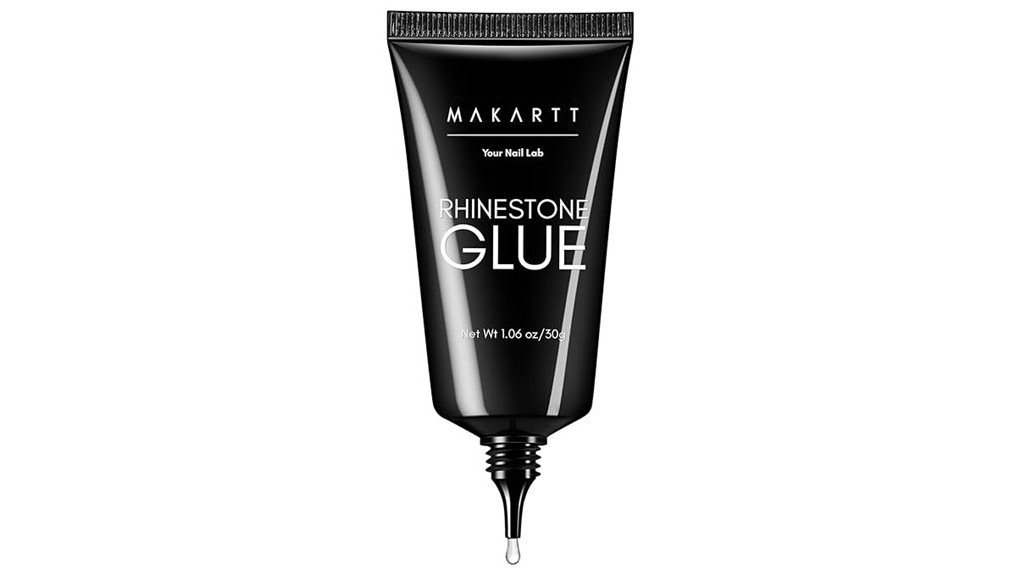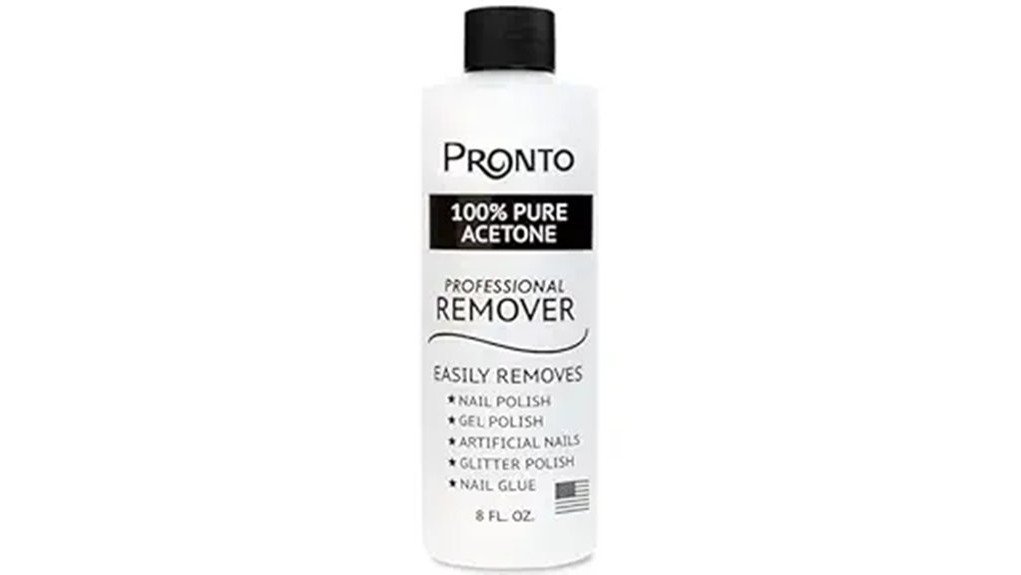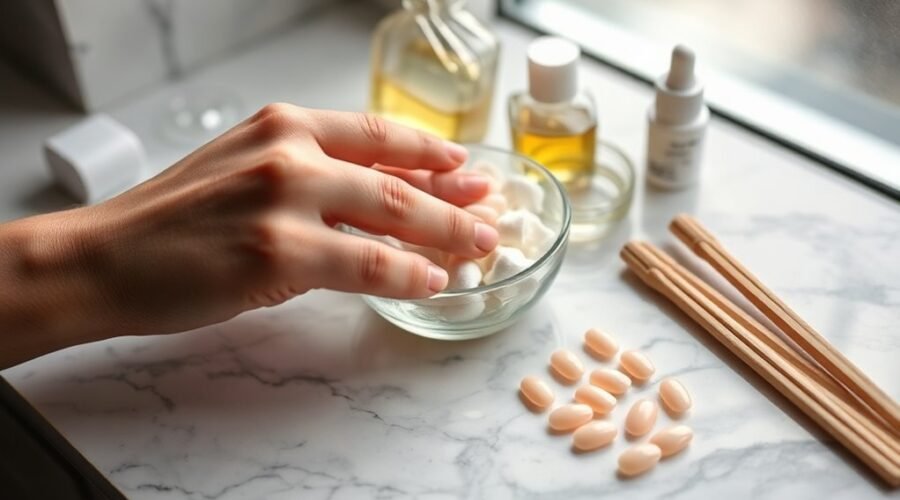
The best press-on nail remover depends on how your nails were attached: warm, soapy water with cuticle oil is the gentlest option for adhesive tabs or light glue and keeps reusable sets intact, while 100% pure acetone or a commercial acetone-based glue remover breaks down strong cyanoacrylate glue fastest in 10 to 15 minutes. Whichever method you pick, always soak until the bond softens rather than prying or peeling, which tears layers off your natural nail plate.
Comparing Press-On Nail Remover Methods
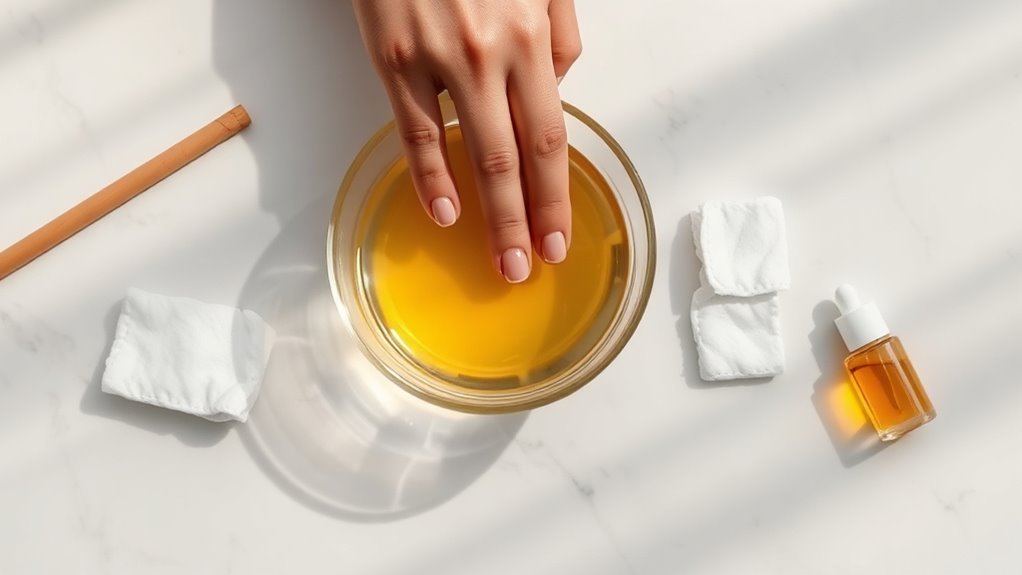
Choosing the right removal method saves time and protects keratin layers. Commercial press-on glue removers typically rely on acetone or gentler solvents like ethyl acetate and conditioning oils, while at-home warm water and oil soaks work without harsh fumes.
| Removal Method | Best For | Typical Soak Time | Reusable Nails? | Gentleness |
|---|---|---|---|---|
| Warm soapy water soak | Adhesive tabs & loose glue | 10–15 minutes | Yes | Very gentle |
| Warm soapy water + cuticle/olive oil | Standard nail glue & sensitive skin | 15–25 minutes | Yes | Gentle & hydrating |
| Commercial acetone-free glue remover | Light-to-medium nail glue | 5–15 minutes | Usually yes | Moderate |
| 100% pure acetone (foil wrap or bowl) | Heavy cyanoacrylate or gel-bonded glue | 10–15 minutes | No (melts plastic) | Drying; needs oil after |
Essential Tools for Safe Removal
Gathering your tools beforehand keeps you from rushing or improvising with sharp metal implements:
- Wooden orangewood stick: Soft enough to nudge loosened edges without gouging the nail plate.
- Warm water, mild dish soap, and oil: Cuticle oil, jojoba oil, or olive oil lubricates the perimeter as the glue softens.
- 100% pure acetone & cotton pads (for strong glue): Works faster than diluted polish removers; pair with foil strips or nail clips.
- Fine-grit buffer (180–240 grit): Smooths thin glue residue after removal without over-thinning the nail.
- Petroleum jelly & cuticle oil: Protects surrounding skin during acetone soaks and restores moisture afterward.
How to Remove Press-On Nails Without Acetone (Warm Water & Oil)
Use this method for adhesive tabs, sensitive skin, or any set you plan to clean and wear again. It is especially helpful if you followed proper press-on nail application steps and want clean separation without solvents.
- Mix your soak: Fill a bowl with comfortably warm water, add a pump of mild dish soap, and stir in a few drops of cuticle oil or olive oil.
- Soak for 15 minutes: Submerge your fingertips completely so warm water and oil can seep under the edges.
- Test one sidewall gently: Use a wooden cuticle stick to nudge the side edge—never pry upward from the tip.
- Re-soak if it resists: If the nail feels tight, add a drop of cuticle oil along the edge and soak for another 5 to 10 minutes.
- Lift cleanly: Once the press-on rocks loose with almost no pressure, slide it off and set it aside to clean and dry.
How to Remove Stubborn Press-On Glue With Acetone
If your set was bonded with heavy cyanoacrylate glue—or still holds tight well into its wear window (see how long press-on nails typically last)—an acetone foil wrap is the most reliable option. Work in a well-ventilated room and skip this method if you want to reuse the plastic nails, since pure acetone dissolves ABS plastic.
- Trim long tips: Clip overhanging length so acetone reaches the glued surface faster.
- Protect your skin: Dab a thin layer of petroleum jelly around your cuticles and fingertips to limit dryness.
- Wrap each nail: Place an acetone-soaked cotton pad over each nail and wrap snugly with aluminum foil or a nail clip.
- Wait 10 to 15 minutes: Let the solvent break down the bond completely before checking one nail.
- Slide off softened residue: Gently push away dissolved plastic and glue with a wooden stick. Re-wrap any stubborn spots for 5 more minutes instead of scraping.
How to Remove Leftover Glue Residue
Once the press-ons are off, you may feel thin patches of dried adhesive on your natural nails. Press a lint-free pad dampened with acetone or an acetone-free remover onto the spot for 10 to 15 seconds, then wipe in one direction so you do not smear softened glue. If a thin ridge remains, lightly smooth it with a fine-grit buffer (240 grit) using minimal pressure, then wash your hands with mild soap and water.
Pros, Limitations, and Mistakes to Avoid
- Pros of gentle soak removal: Preserves natural keratin layers, prevents painful nail-bed separation (onycholysis), and lets you reuse quality press-ons when avoiding acetone.
- Limitations: Water-and-oil soaks take patience (up to 25 minutes on fresh glue), while acetone removes strong glue quickly but dries out skin and melts reusable tips.
Stop immediately if you feel stinging, hear a cracking snap, or see white peeling spots on your natural nail. Those are clear signs you are using too much leverage. Avoid three common mistakes: ripping nails off dry, wedging metal cuticle pushers underneath the press-on, and cutting soak time short.
Post-Removal Nail Care
Immediately after washing and drying your hands, massage nourishing oil into your cuticles and bare nail plates, then lock it in with hand cream. Understanding what cuticle oil does for dry, stressed nails explains why daily oiling restores flexibility and prevents peeling after solvent exposure. If your nails feel thin or tender, keep them trimmed short, wear gloves for dishes, and wait several days before applying your next set.
Frequently Asked Questions
What is the safest press-on nail remover for natural nails?
Warm, soapy water paired with a few drops of cuticle oil or olive oil is the safest press-on nail remover because it softens adhesive tabs and light glue without drying out your natural nail plate or skin.
Can you remove glued press-on nails without acetone?
Yes. Soak your fingertips in warm water mixed with mild dish soap and cuticle oil for 15 to 20 minutes, then gently wiggle the edges with a wooden cuticle stick. Re-soak for another 5 to 10 minutes if any nail resists.
Does acetone ruin reusable press-on nails?
Yes. Most press-on nails are made from ABS plastic, which 100% acetone softens and melts. If you want to reuse your set, stick to warm soapy water and oil or an acetone-free glue dissolver instead of pure acetone.
How long should you soak press-on nails before lifting them?
Plan on 10 to 15 minutes for an acetone foil wrap or warm soapy water soak with adhesive tabs, and 15 to 25 minutes for warm soapy water and oil on strong nail glue. Never pry a nail that still feels firmly attached.
How do you get leftover press-on nail glue off your natural nails?
Press a lint-free pad dampened with acetone or an acetone-free remover against the residue for 10 to 15 seconds, wipe in one direction, and lightly buff any remaining thin film with a fine-grit buffer before applying cuticle oil.