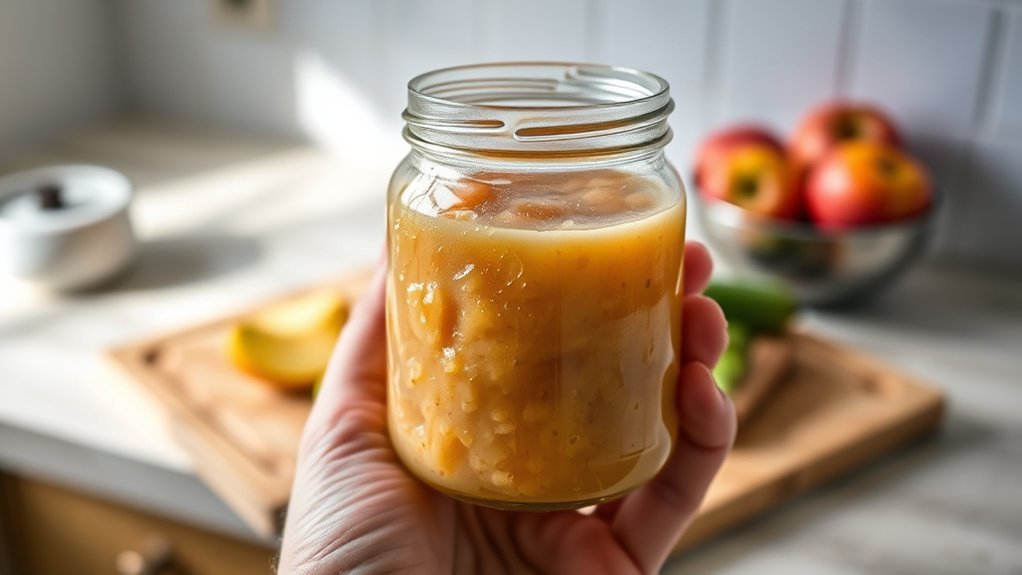
Most babies can try yogurt at about 6 months, once they show signs that they are ready for solid foods. Plain, pasteurized whole-milk yogurt is usually the simplest choice because it provides energy, protein, calcium, and a soft texture without added sugar. Serve a small amount, supervise closely, and watch for signs of a milk allergy.
Quick Answer
Babies can usually have plain, pasteurized whole-milk yogurt at about 6 months, when they can sit with support, control their head, and swallow food. Start with one or two small spoonfuls. Choose yogurt with 0 grams of added sugars, and do not use yogurt to replace breast milk or infant formula.
Key Takeaways
- Introduce yogurt at about 6 months only after your baby shows developmental signs of readiness for solid foods.
- Choose plain, pasteurized whole-milk or whole Greek yogurt with 0 grams of added sugars.
- Yogurt is allowed before 12 months, but cow’s milk should not replace breast milk or infant formula as your baby’s main drink before the first birthday.
- Begin with a small serving and introduce yogurt without several other new ingredients so a reaction is easier to identify.
- Call 911 for breathing trouble, tongue or throat swelling, collapse, unusual limpness, or a severe reaction affecting more than one body system.
- Never sweeten yogurt with honey for a baby younger than 12 months.
At a Glance
| Time Required | About 5–10 minutes to prepare, serve, and clean up |
| Difficulty | Easy, with active adult supervision |
| Tools Needed | Upright high chair, small bowl, and soft baby spoon |
| Cost | Varies by brand; a first serving uses only one or two spoonfuls |
Note: This guide provides general feeding information and does not replace advice from your baby’s pediatrician. Ask for personalized guidance if your baby was born prematurely, has feeding or growth problems, has severe eczema, or has had a previous reaction to food.
When Can Babies Have Yogurt?

According to the Centers for Disease Control and Prevention, most babies can begin complementary foods at about 6 months. The exact date is less important than your baby’s development.
Your baby may be ready when they can:
- Sit upright alone or with support.
- Control their head and neck.
- Open their mouth when food is offered.
- Swallow food instead of pushing it back out with the tongue.
- Bring objects toward their mouth.
- Move food from the front of the mouth toward the back to swallow.
Yogurt should complement breast milk or infant formula rather than replace it. From 6 to 12 months, breast milk or iron-fortified infant formula remains the main source of nutrition while solid foods gradually become a larger part of the diet.

Power your essentials anywhere with a 999Wh pure sine wave power station delivering up to 1000W continuous with 2000W surge. It supports fast charging via USB-C PD 60W and USB-A QC 18W, plus simultaneous output for multiple devices through AC, USB, wireless, and car/DC ports. Recharge using AC, car, or solar with a built-in MPPT controller and dual cooling fans, while the upgraded battery management system protects against surges, short circuits, and overheating.

One 32 ounce container of Whole MIlk Plain Yogurt

Brought to you by Whole Foods Market
Yogurt Versus Cow’s Milk as a Drink
Parents often hear that babies should not have cow’s milk before 12 months. That restriction applies to using cow’s milk as the main beverage, not to all dairy foods. Pasteurized yogurt and cheese without added sugar can be introduced before the first birthday once a baby is ready for solid foods.
Cow’s milk should not replace breast milk or infant formula before 12 months because it does not provide the same balance of nutrients an infant needs.
Nutritional Benefits of Yogurt
Plain whole-milk yogurt can provide energy, fat, protein, calcium, phosphorus, vitamin B12, and other nutrients that support normal growth. The exact amounts vary by brand and serving size, so compare labels rather than assuming every yogurt is nutritionally identical.
Some yogurt contains live cultures. These cultures are used to ferment milk, but a product that contains live cultures does not automatically provide a proven probiotic benefit. The National Institutes of Health notes that probiotic effects depend on the specific microorganism and product. Yogurt should not be presented as a treatment for constipation, diarrhea, reflux, or another digestive condition.
Yogurt may be introduced before 12 months, but breast milk or infant formula should remain a baby’s main milk source until the first birthday.
Best Yogurt Options for Babies
The best first yogurt is usually simple: plain, pasteurized, full-fat, and free from added sweeteners. Use the Nutrition Facts label and ingredient list instead of relying on words such as “natural,” “kids,” or “probiotic” on the front of the package.
| Label Feature | What to Look For | Why It Matters |
| Pasteurization | The label states that the yogurt or milk is pasteurized | Pasteurization kills harmful germs that may be present in raw dairy products |
| Milk fat | Whole-milk or full-fat yogurt | Provides more energy and fat than reduced-fat varieties |
| Added sugars | 0 grams of added sugars | Babies do not need added sugar; total sugar may still include natural milk lactose |
| Sweeteners | Plain and unsweetened, without honey or non-nutritive sweeteners | “Sugar-free” flavored yogurt may contain other sweeteners |
| Texture | Smooth, without hard pieces or large fruit chunks | A smooth texture is easier to manage when a baby is beginning solid foods |
| Live cultures | Optional | Live cultures may be present, but they are not required for yogurt to be nutritious |
Plain Whole-Milk Yogurt
Plain whole-milk yogurt is a practical first choice for most babies who tolerate cow’s-milk protein. It has a mild texture, contains no fruit pieces when purchased plain, and generally provides more energy than low-fat or fat-free yogurt.
The American Academy of Pediatrics identifies plain whole-fat or whole Greek yogurt as an appropriate early form of dairy for many babies. Avoid raw or unpasteurized yogurt. The CDC advises against unpasteurized dairy products because they may contain harmful bacteria.
Greek Yogurt for Babies
Greek yogurt is strained, which usually gives it a thicker texture and more protein per ounce than standard yogurt. Its thickness can help it stay on a spoon, but it is not automatically healthier than regular yogurt.
Choose a plain, whole-milk version and check the label for added sugars. Some Greek products are fat-free, flavored, artificially sweetened, or sold with crunchy toppings that are not suitable for a young baby.
Plant-Based Yogurt Alternatives
Plant-based products made from soy, coconut, oats, almonds, or other ingredients vary widely. Some contain little protein, calcium, or vitamin D unless they are fortified. Coconut-based yogurt, for example, should not automatically be treated as nutritionally equal to dairy yogurt.
For a plant-based product, choose one that is pasteurized, unsweetened, fortified, and appropriate for your baby’s known allergies. Compare protein, calcium, vitamin D, fat, and added sugars. Ask your pediatrician or a pediatric dietitian for help if plant-based yogurt will regularly replace dairy because of an allergy or dietary restriction.
How to Safely Introduce Yogurt to a Baby
- Confirm readiness. Your baby should be about 6 months old and able to sit upright with support, control the head and neck, and swallow soft food.
- Choose a simple product. Use plain, pasteurized whole-milk yogurt with 0 grams of added sugars.
- Start small. Place one or two spoonfuls in a separate bowl. A few tastes are enough for the first exposure.
- Serve one new food at a time. At first, avoid combining yogurt with several unfamiliar ingredients. Current CDC guidance recommends waiting three to five days between new foods when beginning solids so possible problems are easier to identify.
- Offer it while your baby is alert. Serve yogurt during the day rather than immediately before bedtime, and keep your baby upright in a high chair.
- Watch your baby, not the clock. Stop when your baby turns away, closes the mouth, pushes the spoon away, or otherwise signals fullness.
Pro Tip: Scoop the serving into a small bowl before feeding. This keeps saliva from the used spoon out of the original yogurt container and makes it easier to save the untouched portion safely.
How Much Yogurt Should You Offer?
The first serving can be as small as one or two teaspoons. If your baby remains interested and handles the texture comfortably, you can gradually offer more. The CDC suggests beginning complementary foods with about one or two tablespoons and following the child’s hunger and fullness cues.
There is no need to make a baby finish a set amount. Intake can vary from meal to meal, especially during the first weeks of solid foods.
Serving Yogurt for Self-Feeding
You can offer yogurt on a soft spoon or hand your baby a preloaded spoon while supervising. Thick yogurt may stay on the spoon more easily, but independent spoon use develops gradually. Expect spills and allow your baby to explore without leaving them alone with food.
Safe Yogurt Add-Ins
After plain yogurt has been tolerated, you can add a familiar food to change the taste or texture. Suitable options include:
- Mashed ripe banana.
- Unsweetened applesauce or mashed soft pear.
- Mashed avocado.
- Cooked and mashed sweet potato or pumpkin.
- Soft oatmeal prepared to an age-appropriate texture.
- Finely mashed berries without large, firm pieces.
Whole nuts, nut pieces, and thick spoonfuls of nut butter are choking hazards. Once yogurt and a nut allergen have each been introduced appropriately, a small amount of smooth nut butter can be thoroughly thinned into yogurt so no sticky clumps remain. Ask your pediatrician about peanut introduction first if your baby has severe eczema, an existing food allergy, or a previous reaction.
Recognizing Allergic Reactions to Yogurt

Cow’s milk is a common food allergen. Many immediate reactions begin within minutes to two hours, but some food-allergy symptoms can appear later. Stay nearby during and after the first servings and pay attention to changes in your baby’s skin, breathing, behavior, and digestion.
Possible Milk-Allergy Symptoms
- Hives, widespread redness, or an itchy rash.
- Swelling of the lips, face, eyelids, or tongue.
- Repeated vomiting, diarrhea, or marked stomach discomfort.
- Coughing, wheezing, noisy breathing, or trouble breathing.
- Difficulty swallowing, sudden drooling, or a hoarse cry.
- Pale or bluish skin, unusual sleepiness, limpness, faintness, or collapse.
Stop serving the food if you suspect a reaction. Contact your pediatrician promptly for mild or uncertain symptoms, even if they improve.
Warning: Call 911 immediately for trouble breathing, tongue or throat swelling, collapse, unusual limpness, bluish coloring, or symptoms affecting more than one body system. If your child has prescribed epinephrine, use it immediately as directed and then call 911. Do not wait to see whether a severe reaction improves on its own.
Milk Allergy Versus Lactose Intolerance
A milk allergy is an immune-system reaction to one or more milk proteins. It may cause hives, swelling, vomiting, breathing symptoms, or other allergic reactions.
Lactose intolerance is difficulty digesting lactose, the natural sugar in milk. It more often causes gas, bloating, stomach pain, or diarrhea and is uncommon as a primary condition in young infants. Lactose-free dairy yogurt still contains milk proteins and is therefore not safe for a child with a cow’s-milk protein allergy unless a clinician specifically approves it.
When to Ask a Doctor Before Offering Yogurt
Speak with your baby’s pediatrician or allergist before introducing yogurt if your baby:
- Has a diagnosed cow’s-milk allergy.
- Previously reacted to formula, dairy, or another food.
- Has severe or persistent eczema.
- Has multiple known food allergies.
- Has a swallowing disorder, poor growth, or another condition that affects feeding.
Do not test yogurt at home after a diagnosed milk allergy unless your baby’s medical professional gives you a specific plan.
Is Yogurt a Choking Hazard?
Smooth yogurt has a relatively low choking risk when it is served by itself. Most risk comes from unsafe add-ins, poor positioning, or a lack of supervision rather than from the yogurt itself.
Safe Serving Practices
The CDC’s choking-prevention guidance emphasizes food preparation, positioning, and supervision. To reduce risk:
- Seat your baby upright rather than feeding while reclined, crawling, walking, or riding in a vehicle.
- Use smooth yogurt when your baby is new to solid foods.
- Mash fruit until it has no hard or round pieces.
- Do not add whole nuts, nut pieces, hard raw fruit, uncut grapes, popcorn, candy, or granola.
- Do not offer a thick glob of nut butter on a spoon.
- Stay within arm’s reach and watch your baby throughout the meal.
- Learn infant choking first aid and CPR from a qualified instructor.
Gagging Versus Choking
Gagging can happen when a baby is learning to manage new textures. A gagging baby may cough, make noise, or push food forward with the tongue. Choking may be silent because the airway is blocked. A choking baby may be unable to cry, cough effectively, or breathe.
Note: Do not put your fingers into a baby’s mouth to sweep out food unless you can clearly see and safely remove the object. A blind finger sweep can push an obstruction farther into the airway.
Yogurt Food Safety and Storage
Always choose yogurt made from pasteurized milk. Raw or unpasteurized milk products can carry germs such as Listeria, Salmonella, and E. coli, which may cause serious illness in young children.
Use these food-safety practices:
- Keep yogurt refrigerated and follow the storage directions on the package.
- Wash your hands and use a clean bowl and spoon.
- Scoop out only the amount you plan to offer.
- Do not return yogurt from the feeding bowl to the original container.
- Discard yogurt left in the feeding bowl after the meal because it has contacted your baby’s saliva.
- Return the untouched container to the refrigerator promptly.
- Discard perishable food that has remained at room temperature for more than two hours, or more than one hour in temperatures above 90°F.
The U.S. Food and Drug Administration recommends serving baby food from a separate dish rather than feeding from a larger container that will be saved.
Yogurt Recipe Ideas for Babies
Start with plain yogurt so your baby can experience the flavor and so an allergy is easier to identify. Once yogurt has been tolerated, try these simple combinations using foods your baby has already eaten safely.
- Banana yogurt: Mash ripe banana until smooth and stir it into plain yogurt.
- Pear oatmeal yogurt: Combine plain yogurt with soft oatmeal and mashed ripe pear.
- Sweet potato yogurt: Stir cooked, smoothly mashed sweet potato into yogurt for a mild savory option.
- Berry yogurt: Crush very soft berries thoroughly and remove any firm or round pieces before mixing.
- Avocado yogurt: Mash ripe avocado into yogurt for a creamy texture without added sweetness.
- Thinned peanut yogurt: After peanut has been introduced safely, mix a very small amount of smooth peanut butter completely into yogurt until no sticky clumps remain.
Do not add honey for a baby younger than 12 months. The CDC warns that honey can cause infant botulism, including when it is mixed into another food.
Common Questions Parents Ask About Yogurt

A few common yogurt myths can make the first serving more confusing than it needs to be:
- Myth: Babies cannot have any dairy before age 1. Yogurt and cheese can be introduced before 12 months; cow’s milk should not become the main beverage until after 12 months.
- Myth: Baby yogurt must be a special product. A standard plain, pasteurized whole-milk yogurt can be suitable when its texture and ingredients are appropriate.
- Myth: Total sugar must be below 5 grams. Natural lactose appears under total sugars. Check the separate “Added Sugars” line and choose 0 grams.
- Myth: Greek yogurt is always healthier. Both regular and Greek yogurt can be appropriate. Ingredients, fat content, added sugar, pasteurization, and texture matter more than the style name.
- Myth: Yogurt will cure digestive trouble. Yogurt is nutritious, but persistent diarrhea, constipation, vomiting, pain, blood in the stool, or poor growth needs medical evaluation.
Tips for Introducing Yogurt Into Your Baby’s Diet
- Begin with plain yogurt before adding fruit or another ingredient.
- Offer a small amount when your baby is awake, comfortable, and not extremely hungry.
- Keep breast milk or infant formula as the primary milk source before 12 months.
- Follow your baby’s hunger and fullness cues instead of pressuring them to finish.
- Expect a baby to need repeated, pressure-free exposure before accepting a tart flavor.
- Use a separate serving bowl and discard leftovers that contacted the feeding spoon.
- Avoid honey, added sugar, non-nutritive sweeteners, hard toppings, and choking-size fruit.
- Write down the food and symptoms if a possible reaction occurs, and contact your pediatrician.
Frequently Asked Questions
Can yogurt help with my baby’s digestive issues?
Yogurt is a nutritious food, and some products contain live cultures, but it should not be used as a treatment for digestive symptoms. Contact your pediatrician if your baby has persistent constipation, diarrhea, vomiting, pain, blood in the stool, dehydration, or poor growth.
Is it safe to mix yogurt with fruit for a baby?
Yes. After plain yogurt and the fruit have each been tolerated, mix yogurt with mashed banana, pear, avocado, applesauce, or another soft fruit. Remove hard pieces, pits, skins, and round choking-size pieces.
How do I know whether my baby likes yogurt?
A baby who wants more may open their mouth, lean toward the spoon, reach for it, or remain engaged. Turning away, closing the mouth, pushing the spoon away, or becoming distracted can signal fullness. A surprised face does not always mean dislike; plain yogurt has a tart flavor that may take several exposures.
Can babies have flavored yogurt?
Plain yogurt is the better routine choice because flavored products commonly contain added sugars or sweeteners. Create flavor at home with a familiar mashed fruit or vegetable rather than buying a sweetened variety.
What if my baby does not like yogurt?
Do not force it. Try another small serving on a different day, use regular yogurt instead of thicker Greek yogurt, or combine it with an already tolerated food. Your baby can receive nutrients from other foods such as eggs, beans, fish, meat, avocado, fortified cereals, or other age-appropriate dairy products.
Can babies eat yogurt every day?
Yogurt can be part of a varied diet if your baby tolerates it, but it does not need to be served daily. Continue offering foods from different groups, especially iron-rich foods, while breast milk or infant formula remains the main source of nutrition before 12 months.
Can a baby have yogurt before drinking cow’s milk?
Yes. Pasteurized yogurt without added sugar can be introduced with other complementary foods at about 6 months. Cow’s milk should not replace breast milk or infant formula as the main drink before 12 months.
Sources
- CDC — When, What, and How to Introduce Solid Foods — readiness signs, food introduction, dairy before 12 months, and spacing new foods.
- CDC — Foods and Drinks to Avoid or Limit — added sugars, honey, and unpasteurized foods.
- CDC — Choking Hazards — safe food preparation, positioning, supervision, and choking-risk foods.
- American Academy of Pediatrics — Cow’s Milk Alternatives — early dairy introduction and plain whole-fat yogurt.
- American Academy of Pediatrics — Anaphylaxis in Infants and Children — severe-reaction symptoms and emergency treatment.
- National Institutes of Health — Probiotics Fact Sheet — live cultures, probiotic definitions, and limits of generalized benefit claims.
Conclusion
Babies can usually try yogurt at about 6 months when they are developmentally ready for solid foods. Choose plain, pasteurized whole-milk yogurt with 0 grams of added sugars, begin with a small amount, and keep your baby seated upright and supervised. Yogurt can add useful nutrients and variety, but it should complement breast milk or infant formula rather than replace it before 12 months. Watch for allergic symptoms, use choking-safe additions, avoid honey, and contact your pediatrician whenever feeding reactions or ongoing digestive symptoms cause concern.