Homemade baby food applesauce is a simple, unsweetened puree that lets you control the ingredients and texture. Offer it when your baby is around 6 months old and developmentally ready for solid foods. This guide covers the exact recipe, safe serving, storage, and texture changes as your baby’s eating skills grow.
Quick Answer
Wash, peel, core, and chop 4 medium apples. Simmer them with 1/4 cup water for 10 to 15 minutes, until fork-tender, then blend or mash to your baby’s current texture level. Serve plain and unsweetened. Refrigerate for 1 to 2 days or freeze for 1 to 2 months.
Key Takeaways
- Use sound, fresh apples; sweet, tart, or mixed varieties all work.
- Cook apples until they are soft enough to mash easily with a fork.
- Start with a smooth puree, then make it thicker or lumpier as your baby develops eating skills.
- Do not add sugar, maple syrup, or other sweeteners; never give honey before 12 months.
- Store homemade baby food conservatively: 1 to 2 days in the refrigerator or 1 to 2 months in the freezer.
At a Glance
| Time Required | About 25 to 30 minutes |
| Difficulty | Easy |
| Tools Needed | Knife, cutting board, peeler, saucepan with lid, and blender, food processor, immersion blender, fork, or potato masher |
| Cost | The cost of 4 medium apples; the batch makes about 2 cups |
Before You Start: Is Your Baby Ready?
Most babies begin complementary foods at about 6 months. Readiness matters more than the calendar alone. Common signs include sitting with support, controlling the head and neck, opening the mouth when food is offered, and swallowing food instead of pushing it back out.
Warning: Do not routinely offer applesauce or other solid foods before about 6 months unless your baby’s healthcare professional gives different guidance. Seat your baby upright and supervise every bite. Never add honey for a child younger than 12 months, and skip added sugars and sweeteners.
From 6 to 12 months, breast milk or infant formula remains the main source of nutrition. Applesauce is a complementary food, not a replacement for milk feeds.

Power your essentials anywhere with a 999Wh pure sine wave power station delivering up to 1000W continuous with 2000W surge. It supports fast charging via USB-C PD 60W and USB-A QC 18W, plus simultaneous output for multiple devices through AC, USB, wireless, and car/DC ports. Recharge using AC, car, or solar with a built-in MPPT controller and dual cooling fans, while the upgraded battery management system protects against surges, short circuits, and overheating.

Make fresh, delicious food with wholesome ingredients. You control exactly what goes in - no hidden stabilizers, preservatives, or flavor enhancers necessary.

Mess-Free Filling – No Food Splashing: Anti-splash tubing design prevents puree from splattering while filling. Keep your kitchen counters clean and enjoy fast, hassle-free pouch prep.
Why Make Your Own Baby Food Applesauce?
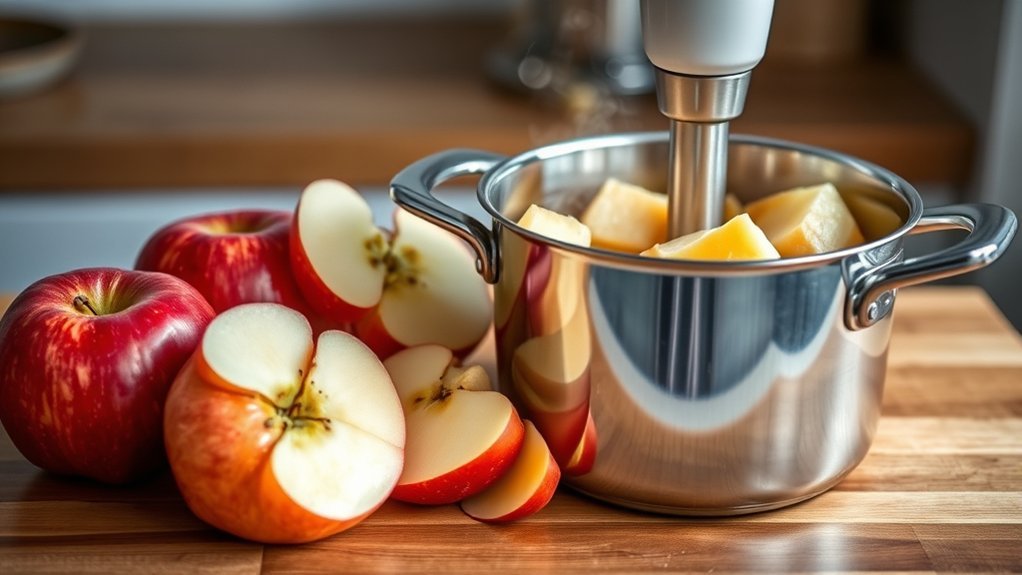
Making applesauce at home gives you direct control over the apple variety, thickness, and portion size. It is also easy to make a small single-ingredient batch when your baby is trying apples for the first time.
Homemade is not automatically safer or more nutritious than store-bought food. Unsweetened commercial baby applesauce can also be a practical choice. Check the ingredient list and choose a product without added sugar or honey.
Note: Applesauce is one fruit option, not a complete meal. Continue offering a variety of vegetables, fruits, iron-rich foods, proteins, grains, and other age-appropriate foods.
Ingredients and Tools
Ingredients
- 4 medium apples, about 1 1/2 pounds total
- 1/4 cup water, plus more 1 tablespoon at a time if needed
- Optional: a small pinch of ground cinnamon after your baby has tolerated plain apple
This recipe makes about 2 cups. The exact yield depends on the size of the apples and how much liquid you add.
Tools
- Clean knife and cutting board
- Vegetable peeler and apple corer, or a paring knife
- Medium saucepan with a lid
- Blender, food processor, immersion blender, fork, or potato masher
- Clean serving bowl and airtight storage containers
Select the Best Apples for Puree
Choose apples that are firm, clean, and free from mold or large bruised areas. Organic apples are optional; proper washing and safe handling matter for any apple you use.
Top Apple Varieties
Fuji, Gala, Honeycrisp, Pink Lady, McIntosh, Cortland, and Golden Delicious can all make good baby applesauce. Softer varieties such as McIntosh break down quickly. Firmer apples such as Fuji may need a few extra minutes of cooking.
Sweetness Level Considerations
Ripe apples usually provide enough natural sweetness. There is no need to avoid tart apples, but a very tart variety may taste milder when mixed with a sweeter apple. Using more than one variety can create a balanced flavor without added sugar.
Texture and Flavor Impact
For a first smooth puree, peel the apples so no tough skin pieces remain. For an older baby who handles thicker textures, you may leave some or all of the skin on if the apples are cooked very soft and blended thoroughly. Always match the final texture to your child’s eating skills.
How to Cook Apples for Applesauce: Step-by-Step
- Clean your hands and work area. Wash your hands, knife, cutting board, pan, and blender or masher.
- Wash the apples. Following FDA produce-washing guidance, rinse each apple under plain running water before peeling. Do not use soap or produce wash.
- Peel, core, and chop. Remove the peel and core, then cut the apples into roughly 1-inch pieces so they cook evenly.
- Simmer until soft. Put the apples and 1/4 cup water in a saucepan. Cover, bring to a gentle boil, reduce the heat, and simmer for 10 to 15 minutes. Stir once or twice. The apples are ready when a fork slides in easily and the pieces mash with light pressure.
- Cool briefly. Remove the pan from the heat and let the apples cool for about 5 minutes. Keep any liquid in the pan for blending.
- Blend or mash. Puree until smooth for a new eater, or mash to a thicker texture for a baby who is ready for lumps. Add cooking liquid 1 tablespoon at a time only if the applesauce is too thick.
- Serve or store promptly. Spoon a small portion into a separate bowl. Cool it to lukewarm or room temperature before serving, then refrigerate or freeze the remaining untouched batch.
Pro Tip: Steaming also works. Steam peeled apple pieces for about 10 to 15 minutes, until easily mashed with a fork, then blend with a small amount of cooled water to reach the right consistency.
Blending Techniques for Smooth Baby Food Applesauce
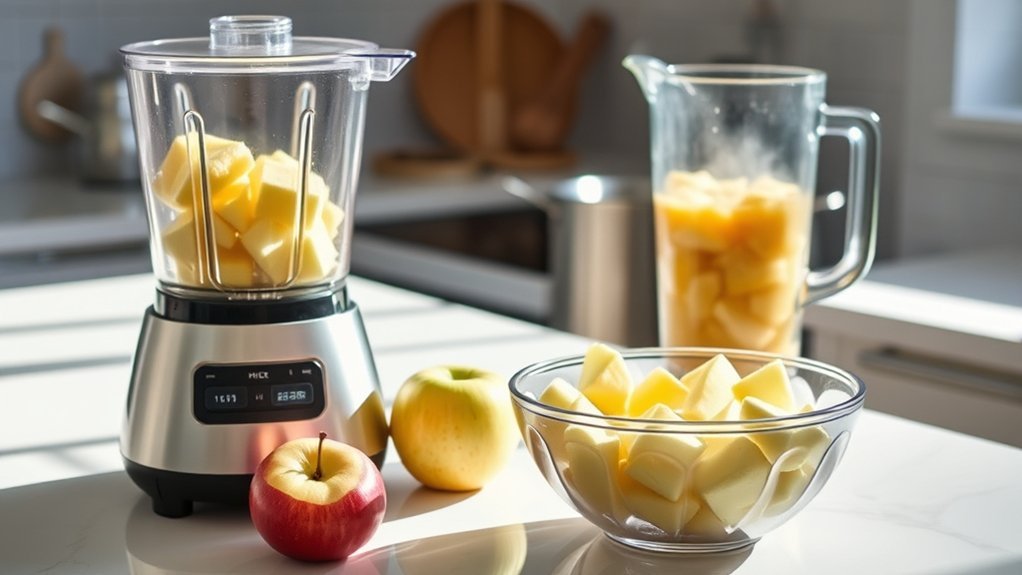
A high-powered blender is not required. A regular blender, food processor, immersion blender, food mill, fork, or potato masher can work because the apples should already be very soft.
Adjust the Texture by Development
- New to solids: Blend into a smooth, thin puree that stays on a spoon but is easy to swallow.
- Progressing eater: Use less liquid and pulse or mash to leave soft, small lumps.
- Older baby or toddler: Make a thicker, chunkier applesauce with no hard pieces of peel or raw apple.
The CDC recommends starting with smooth mashed or pureed foods and introducing thicker, lumpier textures as a child’s eating ability develops. Read its solid-food preparation guidance for more detail.
If the puree becomes foamy, let it rest for a minute and stir. Foam is usually an appearance issue, not a reason to discard the batch.
How to Store and Freeze Baby Food Applesauce
Use clean, airtight containers and label each one with the preparation date. For conservative infant-food storage, follow the FoodSafety.gov guidance for homemade baby food:
- Refrigerator: Store at 40°F (4°C) or below and use within 1 to 2 days.
- Freezer: Store at 0°F (-18°C) or below and use within 1 to 2 months for best quality and conservative baby-food handling.
- Portioning: Freeze in a clean covered tray or small freezer-safe containers. Once solid, move portions to a labeled freezer-safe container or bag.
- Thawing: Thaw overnight in the refrigerator, or warm a portion in a separate microwave-safe dish.
- Microwave safety: Stir well, let the food stand, and test the temperature before feeding because microwaves can create hot spots.
Warning: Never return food from your baby’s serving bowl to the storage container. Saliva on the spoon can contaminate the leftovers. The FDA advises placing a serving in a separate dish and discarding uneaten food from that dish.
Flavor Combinations to Enhance Applesauce for Babies
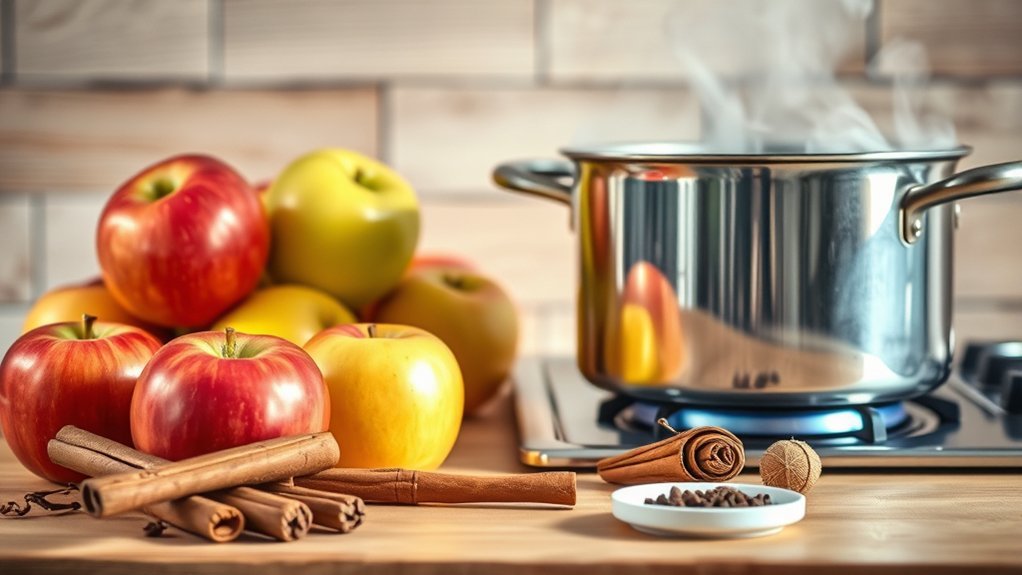
Offer plain apple first when it is a new food. The CDC recommends introducing one single-ingredient food at a time and waiting 3 to 5 days before another new food so reactions are easier to identify. After your baby has tolerated each ingredient, try these combinations:
- Apple and pear: Blend equal amounts for a mild fruit puree.
- Apple and sweet potato: Mix with cooked, pureed sweet potato for a thicker texture.
- Apple and oatmeal: Stir into prepared infant oatmeal to add fruit flavor.
- Apple and plain yogurt: Mix with pasteurized, unsweetened yogurt after dairy has been introduced safely.
- Apple and blueberry: Cook or soften the berries, then puree them thoroughly with the apples.
A small pinch of cinnamon can add flavor once plain apple is familiar. Do not add honey before 12 months. The CDC also advises avoiding added sugars in foods for infants and young children; see its foods and drinks to avoid or limit.
Best Ways to Serve Applesauce to Your Baby
Start with 1 to 2 tablespoons and watch your baby’s hunger and fullness cues. Serve applesauce from a spoon while your baby sits upright. It may be offered cold, at room temperature, or gently warmed, as long as it is not hot.
As your baby gains skills, make the applesauce thicker and offer a preloaded spoon for supervised practice. Applesauce itself is not a graspable finger food. For baby-led feeding, use it as a dip or thin spread with another soft, developmentally appropriate food rather than expecting your baby to pick up the puree by hand.
You can also stir applesauce into oatmeal or plain yogurt after those foods have been introduced. Avoid letting your baby eat directly from the main storage container. The FDA recommends serving baby food in a separate dish and throwing away what remains in that dish after the meal.
Baby Food Applesauce Troubleshooting
- Too thick: Blend in cooled cooking liquid or water 1 tablespoon at a time.
- Too thin: Return it to the saucepan and simmer uncovered for a few minutes, stirring often, or mix it with a thicker tolerated puree.
- Too tart: Blend it with a sweeter cooked apple or pear instead of adding sugar.
- Grainy texture: Cook the apples a little longer, then blend again.
- Brown color: Browning is usually a normal reaction to air and does not by itself mean the applesauce is spoiled. Discard it if you notice mold, an off smell, bubbling, or other signs of spoilage.
Frequently Asked Questions
Can I use different types of apples for applesauce?
Yes. Sweet, tart, soft, and firm apples can all work. Soft apples cook faster, while firm apples may need a few extra minutes. Mixing varieties can create a balanced flavor without added sugar.
Is homemade applesauce safe for babies under six months?
Most babies should begin solid foods at about 6 months and when developmentally ready. Do not routinely offer applesauce before then unless your baby’s healthcare professional gives specific guidance.
How can I tell if apples are suitable for cooking?
Choose apples that are firm and free from mold or major damage. Small bruised spots can be cut away. Very soft apples may still be useful for cooking if they show no spoilage, but discard apples with mold, leaking areas, or an off smell.
Can I add sugar or sweeteners to baby applesauce?
Do not add sugar, maple syrup, low-calorie sweeteners, or honey. Ripe apples are naturally sweet, and infants and young children should avoid added sugars. Honey must never be given before 12 months because of the risk of infant botulism.
What kitchen tools do I need for making applesauce?
You need a knife, cutting board, saucepan with a lid, and a tool for blending or mashing. A regular blender, food processor, immersion blender, fork, or potato masher can work; a special baby-food maker is not required.
Do I need to peel apples for baby food?
Peeling is the easiest way to make a very smooth first puree. For an older baby who handles thicker textures, clean apple skin may be left on if it is cooked until very soft and blended so no tough pieces remain.
Can I use unsweetened store-bought applesauce?
Yes. Choose an unsweetened product with a short ingredient list, no honey, and a texture your baby can manage. Place the serving in a separate bowl rather than feeding from the main jar or pouch if you plan to save the rest.
Conclusion
Homemade baby food applesauce takes only a few basic tools and about half an hour. Cook the apples until very soft, match the texture to your baby’s skills, and serve the puree plain without added sweeteners. Safe portioning, short refrigerator storage, careful thawing, and discarding spoon-contaminated leftovers help keep each serving practical and safe.
Sources
- CDC: Infant and Toddler Nutrition FAQs — readiness signs and timing for introducing solid foods.
- CDC: When, What, and How to Introduce Solid Foods — safe textures, preparation, and introducing one food at a time.
- CDC: Foods and Drinks to Avoid or Limit — honey and added-sugar guidance.
- FoodSafety.gov: Children Under Five — homemade baby-food storage and microwave precautions.
- FDA: Tips for Cleaning Fruits and Vegetables — washing produce before peeling and avoiding soap.
- FDA: Once Baby Arrives — serving from a separate dish and discarding spoon-contaminated leftovers.