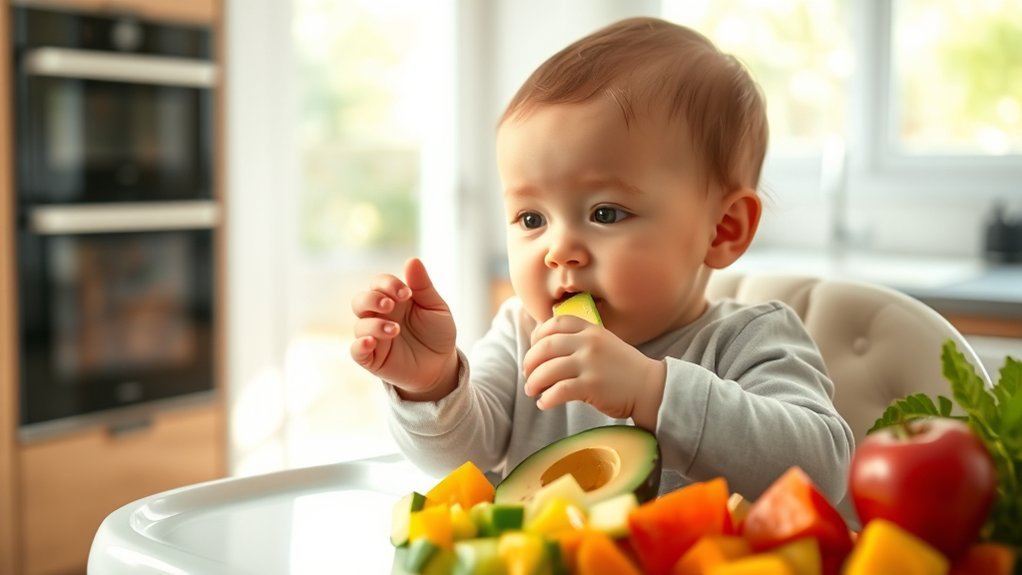
Arsenic can occur in baby food because it is naturally present in soil and water, and rice tends to absorb more arsenic than many other crops. That does not mean you need to eliminate rice or commercial baby food. The most practical way to lower your baby’s exposure is to offer a varied diet, rotate grains, follow current FDA guidance, and discuss specific exposure concerns with your pediatrician.
Quick Answer
Arsenic is a concern in baby food mainly because rice can contain more inorganic arsenic than many other grains. You can reduce exposure by serving a variety of grains, limiting reliance on rice-based foods, using appropriate rice-cooking methods, checking well water when needed, and following FDA and pediatric guidance.
Key Takeaways
- Rice and rice products can contain more inorganic arsenic than many other grains, but rice can still be part of a varied diet.
- The FDA has an action level of 100 parts per billion (ppb) for inorganic arsenic in infant rice cereal.
- Oat, barley, multigrain, quinoa, and other grains can reduce a baby’s reliance on rice-based foods.
- Rinsing rice alone has little effect on arsenic. Cooking rice in excess water and draining it can reduce inorganic arsenic, although it can also remove some added nutrients.
- Organic and homemade baby foods are not automatically lower in heavy metals because metals can occur naturally in soil and water.
- Behavioral changes or developmental delays do not by themselves prove heavy-metal exposure. Discuss concerns about your child’s development or a known exposure with your pediatrician.
Understanding Arsenic: Why It’s a Concern in Baby Food
Arsenic is an element that occurs naturally in the Earth’s crust and can also enter the environment through human activity. Crops can take it up from soil and water. Rice deserves special attention because it tends to absorb more arsenic than many other crops.
There are several forms of arsenic. For food safety, inorganic arsenic is the main concern because it is more toxic than many organic arsenic compounds. The U.S. Food and Drug Administration (FDA) monitors arsenic in foods and has established a specific action level for inorganic arsenic in infant rice cereal.
In 2020, the FDA finalized an action level of 100 parts per billion (ppb) for inorganic arsenic in infant rice cereal. The guidance applies to white-rice, brown-rice, organic, and conventionally grown infant rice cereals.
FDA testing found that 76% of infant rice cereal samples collected in 2018 were at or below 100 ppb inorganic arsenic, compared with 36% of samples collected in 2011–2013.
That improvement does not make arsenic irrelevant, but it shows why current data are more useful than older headlines. The FDA continues to monitor toxic elements in foods through its Closer to Zero program.

Power your essentials anywhere with a 999Wh pure sine wave power station delivering up to 1000W continuous with 2000W surge. It supports fast charging via USB-C PD 60W and USB-A QC 18W, plus simultaneous output for multiple devices through AC, USB, wireless, and car/DC ports. Recharge using AC, car, or solar with a built-in MPPT controller and dual cooling fans, while the upgraded battery management system protects against surges, short circuits, and overheating.

HEAVY METAL TESTED: A cleaner alternative to traditional baby rice cereal. Every batch independently third-party tested for arsenic, lead, cadmium, and mercury. Clean from the very first bite
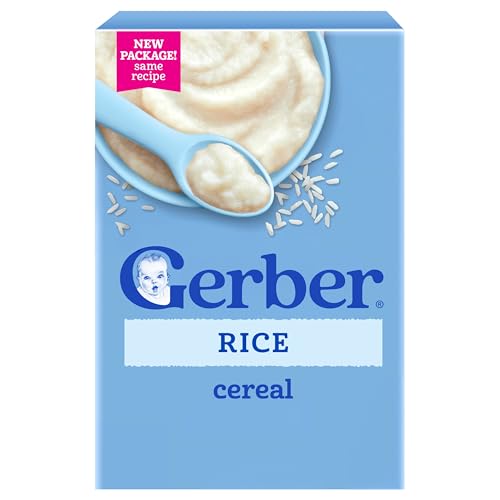
WHOLESOME, HIGH-QUALITY INGREDIENTS Gerber baby rice cereal gives busy parents a convenient, reliable way to provide their little one with high-quality ingredients. Our rice cereal for baby is made with 60% of the daily value of iron to support brain development SNAP and EBT item in eligible states
The Impact of Arsenic on Infant Development
Babies and young children receive special attention in arsenic risk assessments because they eat more food relative to their body weight than adults and because the brain develops rapidly during early childhood.
Research reviewed by the FDA has linked higher inorganic-arsenic exposure during fetal development and childhood with potential neurodevelopmental effects. However, this does not mean that eating an individual serving of rice cereal causes a developmental delay or learning problem.
The American Academy of Pediatrics (AAP) notes that toxic-metal exposure has been associated with learning, cognitive, and behavioral problems, while also emphasizing that the relatively low levels found in baby foods are only one possible part of a child’s total environmental exposure.
Note: Risk depends on the amount and duration of exposure. FDA action levels are regulatory tools used to help reduce contaminants in the food supply; they are not a personal medical threshold that separates all “safe” exposure from all “unsafe” exposure.
Tips to Reduce Arsenic in Baby Food
You do not need to eliminate rice completely. A better strategy is to avoid making rice cereal, rice snacks, or other rice products the dominant grain in your baby’s diet.
Choose Alternative Grains
Iron-fortified infant cereal can be a useful source of nutrients when your baby is developmentally ready for complementary foods. Rice cereal does not need to be the first or only cereal.
The FDA and AAP recommend offering a variety of grains. Depending on your child’s age and the texture they can safely handle, options can include:
- Iron-fortified oat infant cereal
- Barley cereal
- Multigrain infant cereal
- Quinoa
- Wheat products
- Other age-appropriate whole grains
Rotating grains reduces repeated exposure to contaminants that may be more concentrated in one crop while also giving your baby a broader range of tastes and nutrients.
Pro Tip: The simplest arsenic-reduction strategy is variety. Instead of trying to find one “perfect” cereal, rotate rice with oat, barley, multigrain, and other age-appropriate grains.
Rinse and Cook Rice Properly
Rinsing rice before cooking is reasonable for cleanliness, but FDA research found that rinsing alone has only a minimal effect on arsenic levels. It can also wash iron, folate, thiamine, and niacin from enriched white or parboiled rice.
A more effective arsenic-reduction method is to cook rice much like pasta. The FDA’s consumer guidance on arsenic describes cooking rice in approximately 6 to 10 parts water for every 1 part rice and draining the excess water after cooking.
Published research cited by the FDA found this method can reduce inorganic arsenic by about 40% to 60%, depending on the type of rice. The trade-off is that it can also remove roughly 50% to 70% of some nutrients added to enriched white and parboiled rice.
Because of that trade-off, grain variety remains important even when you use an arsenic-reducing cooking method.
Limit Reliance on Other Rice Products
Rice cereal is not the only source of rice in a young child’s diet. The AAP also recommends avoiding heavy reliance on products such as rice milk and foods sweetened with brown rice syrup.
For infants under 12 months, rice milk should not be used as a substitute for breast milk or properly prepared infant formula. The FDA also advises that babies under 1 year should not routinely drink fruit juice.
Which Baby Food Brands Have Heavy Metals?
There is no reliable permanent list of baby-food brands that are always “safe” or always “unsafe” for heavy metals. Arsenic, lead, cadmium, and mercury can enter foods through soil, water, agricultural conditions, processing, and other environmental sources, so concentrations may differ by ingredient, product, location, and production lot.
Older government reports and independent investigations have identified heavy metals in products sold by major baby-food companies. Those findings helped increase regulatory attention, but an old test result should not be treated as proof that every current product from a brand has the same contaminant level.
For current concerns, check the FDA recalls and safety alerts rather than relying on a recycled online “brands to avoid” list.
Note: Infant formula and processed baby foods are different product categories. Results from formula testing should not be used to rank jars, pouches, cereals, snacks, or other baby foods.
What Current Infant Formula Testing Shows
Infant formula was the subject of separate FDA testing released on April 29, 2026. The agency tested 312 formula samples from 16 brands, including powdered, concentrated-liquid, and ready-to-feed products.
According to the FDA’s 2023–2025 infant formula market-basket results:
- Arsenic ranged from not detected to 4.7 ppb, and 95% of samples contained less than 2.0 ppb.
- Lead ranged from not detected to 1.1 ppb, and 95% of samples contained less than 0.5 ppb.
- Mercury was not detected in 95% of samples.
- Cadmium ranged from not detected to 1.5 ppb, and 95% of samples contained less than 1.1 ppb.
The FDA said the majority of formula samples contained undetectable or very low contaminant levels, while noting that some findings would receive additional follow-up.
If your baby needs formula, do not stop or switch a medically appropriate formula solely because of an old contaminant headline. Discuss formula changes with your pediatrician.
Are Organic Baby Foods Safer Than Conventional Ones?
Organic baby food is not automatically lower in arsenic, lead, cadmium, or mercury. Organic farming standards address matters such as pesticide and fertilizer use, but naturally occurring metals can still be present in soil and water.
The AAP notes that organic baby foods may contain heavy-metal levels similar to non-organic foods. FDA’s 100 ppb inorganic-arsenic action level for infant rice cereal also applies to both organically and conventionally grown rice cereals.
That means an “organic” label should not be your only safety criterion. A more useful strategy is to serve a varied diet and avoid depending too heavily on one grain or ingredient.
How Is the FDA Tackling Heavy Metals in Baby Food?
The FDA uses testing, guidance, enforcement, research, and its Closer to Zero initiative to reduce children’s dietary exposure to arsenic, lead, cadmium, and mercury.
Inorganic Arsenic in Infant Rice Cereal
Since August 2020, the FDA has had a 100 ppb action level for inorganic arsenic in infant rice cereal. Manufacturers can reduce arsenic by selecting lower-arsenic rice sources and testing rice and rice-derived ingredients.
Lead Action Levels for Processed Baby Food
In January 2025, the FDA finalized lead action levels for processed foods intended for babies and young children under age 2:
- 10 ppb: fruits, most vegetables, mixtures, yogurts, custards and puddings, and single-ingredient meats.
- 20 ppb: single-ingredient root vegetables.
- 20 ppb: dry infant cereals.
These particular lead action levels do not cover infant formula, beverages, or snack foods such as puffs and teething biscuits.
What Is Still Under Development?
As of July 2026, the FDA lists broader draft guidance for inorganic arsenic and cadmium in foods intended for babies and young children among its guidance projects under development. These should not be described as finalized nationwide action levels until the FDA formally issues them.
Operation Stork Speed, launched in March 2025, is another FDA initiative, but it focuses specifically on infant formula. Its work includes expanded contaminant testing and a comprehensive review of infant-formula nutrients.
Signs of Heavy Metal Exposure: When to Consult Your Pediatrician
Parents should be cautious about trying to identify heavy-metal exposure from symptoms alone. Low-level dietary exposure generally does not produce a unique set of signs that can be recognized at home.
Problems such as irritability, fatigue, feeding changes, vomiting, slowed growth, difficulty concentrating, or developmental concerns can have many unrelated causes. They deserve medical attention when persistent or concerning, but they do not prove that arsenic or another metal is responsible.
Warning: Do not diagnose heavy-metal poisoning from behavior, developmental milestones, hair testing, or a consumer food-test kit. If your child has a known environmental exposure, consumed a recalled product, or has concerning symptoms, contact your pediatrician for an appropriate evaluation.
Behavioral Changes in Infants
Irritability, changes in attention, sleep changes, or unusual behavior can be worth discussing with your pediatrician, especially when the change is persistent or affects everyday functioning.
However, these symptoms are nonspecific. They should not be presented as evidence that a particular jar, cereal, pouch, or formula caused toxic-metal exposure.
Developmental Delay Signs
Talk with your pediatrician if your child is not meeting expected communication, social, movement, or learning milestones, or if your child loses a skill they previously had.
Early developmental evaluation is valuable regardless of the cause. A pediatrician can decide whether environmental exposure testing is appropriate based on your child’s history, diet, water source, home environment, occupation of household members, and other risk factors.
Physical Symptoms to Watch
Persistent vomiting, poor feeding, unusual fatigue, or abnormal growth should be evaluated by a healthcare professional. These symptoms have many possible causes and should not automatically be attributed to arsenic or another heavy metal.
If you know your child has had a significant exposure—for example, through contaminated well water, a recalled product, or another identified environmental source—tell the clinician exactly what the exposure was and when it occurred.
Practical Strategies for Safe Baby Food Choices
You cannot remove every trace of naturally occurring metals from your child’s diet, and trying to eliminate entire food groups can create nutritional problems. The goal is to reduce avoidable exposure while maintaining a varied, nutrient-dense diet.
- Rotate grains. Use oat, barley, multigrain, quinoa, wheat, and other age-appropriate grains instead of relying mainly on rice.
- Vary fruits and vegetables. Different plants take up contaminants differently, so dietary variety can reduce repeated exposure from one ingredient.
- Do not rely on rice snacks every day. Puffs, rusks, crackers, and other rice-based snacks can add to overall rice intake.
- Use age-appropriate foods and textures. Follow your pediatrician’s guidance when introducing solids and potential allergens.
- Check recalls. Use current FDA recall information rather than permanent brand blacklists.
- Consider your water source. Private wells are not regulated in the same way as public drinking-water systems. Ask your local health department about testing if your household uses well water or has a known arsenic concern.
Does Homemade Baby Food Reduce Heavy Metals?
Homemade baby food can give you more control over ingredients, textures, and added sugar or salt, but it does not guarantee lower heavy-metal exposure. Fruits, vegetables, grains, and water used at home can contain the same naturally occurring environmental contaminants found in commercial foods.
The advantage comes from ingredient variety and control—not from assuming homemade food is metal-free.
What About Drinking and Cooking Water?
Arsenic can occur naturally in groundwater. Public water systems are subject to federal drinking-water standards, while private well owners are responsible for testing their own water.
If you use a private well to prepare infant formula, cereal, or other baby foods, check with your local or state health department about appropriate testing. Do not assume that boiling water removes arsenic; boiling can concentrate dissolved contaminants as water evaporates.
Resources for Staying Informed About Baby Food Safety
Heavy-metal recommendations and regulatory limits can change as testing methods and evidence improve. For reliable updates, use primary medical and government sources rather than social-media lists or old testing charts.
- FDA: Follow the agency’s arsenic, lead, Closer to Zero, infant-formula, and recall pages.
- American Academy of Pediatrics: Use HealthyChildren.org for parent-focused advice on reducing children’s toxic-metal exposure.
- Your pediatrician: Ask about your child’s diet, development, water source, lead screening, or a known exposure.
- Local or state health departments: These can provide information about well-water testing and environmental hazards in your area.
Frequently Asked Questions
How Can I Test Baby Food for Arsenic at Home?
Do not rely on a consumer DIY kit to determine whether a baby food is safe. Accurate arsenic testing requires validated laboratory methods, including methods that can distinguish inorganic arsenic from other forms. If you have a specific product or exposure concern, contact the manufacturer, FDA, your local health department, or your pediatrician rather than trying to diagnose the problem with a home test.
Are There Specific Brands to Avoid for Baby Rice Products?
There is no permanent evidence-based blacklist that applies to every current product and production lot from a brand. Testing results and recalls can change. Check current FDA recalls and safety notices, vary the grains you serve, and avoid relying heavily on rice-based cereals and snacks.
What Symptoms Indicate Potential Heavy Metal Exposure in Infants?
There is no single set of symptoms that proves low-level dietary heavy-metal exposure. Irritability, poor feeding, vomiting, fatigue, developmental concerns, and growth problems can have many causes. Contact your pediatrician when symptoms are persistent, development is concerning, or you know your child had a significant environmental or food-related exposure.
Can Cooking Methods Reduce Arsenic Levels in Rice?
Yes. FDA-reviewed research shows that cooking rice in about 6 to 10 parts water for each part rice and draining the extra water can reduce inorganic arsenic by roughly 40% to 60%, depending on the rice. Rinsing alone has much less effect. Excess-water cooking can also reduce iron and B vitamins added to enriched rice.
Is There a Safe Limit for Arsenic in Baby Food?
There is not one universal arsenic limit that applies to every baby-food category. The FDA has a 100 ppb action level for inorganic arsenic in infant rice cereal. Broader arsenic guidance for foods intended for babies and young children remains under development as of July 2026. An action level is a regulatory tool and should not be interpreted as an individual medical “safe dose.”
Is Organic Baby Food Lower in Arsenic?
Not necessarily. Arsenic and other metals can occur naturally in soil and water, so organic foods can contain levels similar to conventional foods. FDA’s infant-rice-cereal arsenic guidance applies to both organic and conventionally grown rice.
Should I Stop Giving My Baby Rice Cereal?
Usually, no. Iron-fortified rice cereal can be part of a balanced diet, but it does not need to be your baby’s first or only cereal. Rotating it with oat, barley, multigrain, and other age-appropriate grains can reduce reliance on rice while providing more dietary variety.
Conclusion
Arsenic in baby food deserves attention, especially when a child’s diet relies heavily on rice and rice-based products, but the goal is not to create fear around every serving of baby food. Current FDA and AAP guidance supports a practical approach: serve a varied diet, rotate grains, avoid unnecessary dependence on rice products, use appropriate rice-cooking methods, consider your water source, and follow current recalls and regulatory updates.
Organic or homemade food is not automatically free of heavy metals, and symptoms such as irritability or delayed development cannot diagnose arsenic exposure. If your child has a known exposure or you are concerned about growth or development, discuss it with your pediatrician rather than relying on home testing or old brand lists.
Sources
- U.S. Food and Drug Administration — What You Can Do to Limit Exposure to Arsenic — grain variety, rice cooking, and dietary guidance.
- U.S. Food and Drug Administration — Supporting Document for the Infant Rice Cereal Arsenic Action Level — 100 ppb action level, infant exposure, and FDA testing data.
- U.S. Food and Drug Administration — Action Levels for Lead in Processed Food Intended for Babies and Young Children — finalized 2025 lead action levels.
- U.S. Food and Drug Administration — Infant Formula Product Testing Results — April 2026 contaminant testing of 312 formula samples.
- U.S. Food and Drug Administration — Closer to Zero — current regulatory and research work on arsenic, lead, cadmium, and mercury in children’s foods.
- American Academy of Pediatrics — Heavy Metals in Baby Food: Reducing Risk of Exposure — parent guidance on grain variety, organic foods, testing, and exposure reduction.