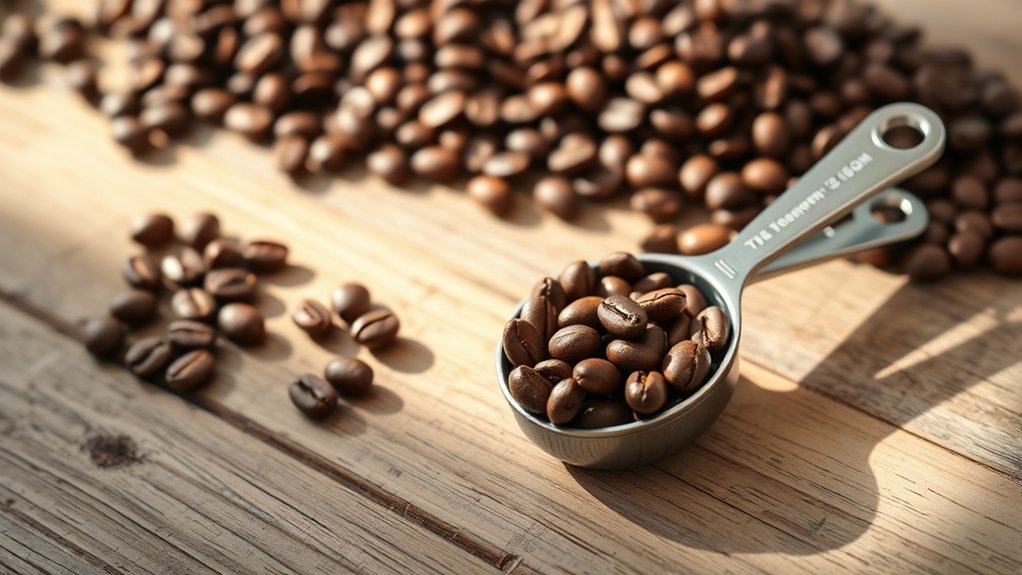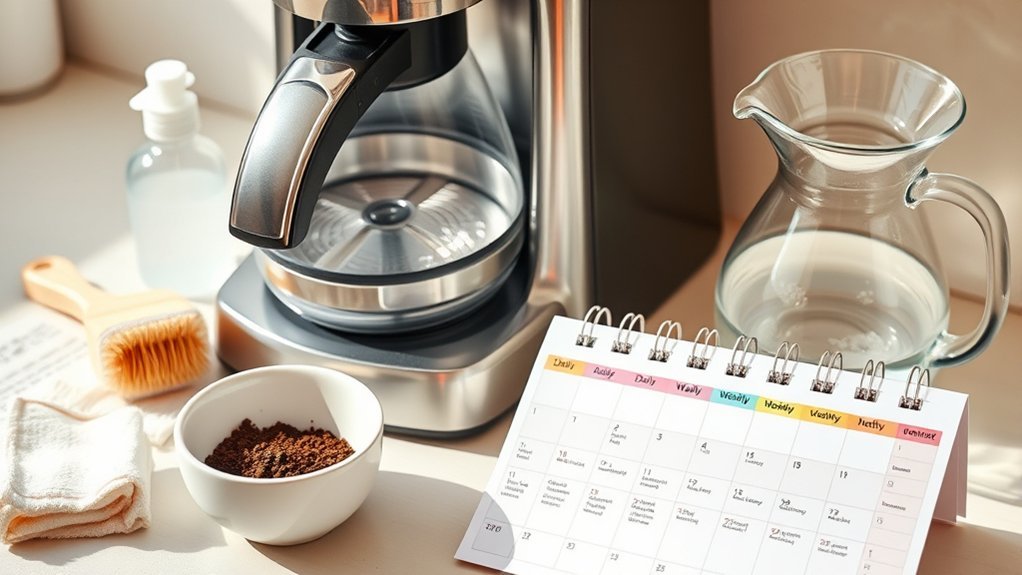

A “12-cup” coffee maker usually does not make twelve 8-ounce mugs. On most standard drip coffee makers sold in North America, the numbered cup markings represent 5 fluid ounces each, meaning a full 12-cup carafe holds approximately 60 fluid ounces (about 1.77 liters). However, cup definitions vary across manufacturers and international brands, making the stated fluid-ounce or milliliter capacity the most reliable measurement for your machine.
Quick Answer
A standard 12-cup drip coffee maker holds 60 fluid ounces of water at full capacity because manufacturers measure a single marked “cup” as 5 fluid ounces. This equals 7.5 standard U.S. 8-ounce measuring cups, six 10-ounce mugs, five 12-ounce mugs, or roughly 3.75 sixteen-ounce travel mugs.
Key Takeaways
- A coffee maker’s “cup” mark is typically 5 fluid ounces, not a standard 8-fluid-ounce U.S. measuring cup.
- A standard 12-cup brewer holds roughly 60 fluid ounces of water, yielding about 53 to 55 fluid ounces of brewed coffee after grounds absorb water.
- European coffee makers (like Moccamaster) often use 125 ml (~4.2 fl oz) per cup, whereas American brands generally use 5 fl oz.
- For a full 60-ounce batch, use approximately 98 to 100 grams of ground coffee (about 10 to 12 level tablespoons).
- Always verify your machine’s exact fluid-ounce or milliliter rating in its instruction manual rather than relying on cup counts alone.
What Is a Standard Coffee Cup Size?

The term cup changes meaning depending on whether you are cooking, serving, or brewing coffee. In culinary measurements, the National Institute of Standards and Technology (NIST) defines a standard U.S. household measuring cup as exactly 8 fluid ounces (approximately 237 milliliters).
Everyday drinking mugs have no legal or industrial standard. Typical ceramic mugs sold in stores generally hold between 10 and 16 fluid ounces, while larger travel tumblers frequently hold 16 to 24 fluid ounces.
Coffee-maker manufacturers utilize a third measurement standard entirely. As Starbucks notes in its drip brewing specifications, machine-defined cups typically range from 4 to 6 fluid ounces depending on the brewer’s origin and design. Consequently, an advertised “12-cup” capacity indicates brewer volume, not twelve full-sized morning mugs.
Note: When comparing appliances, look for the stated fluid-ounce or liter capacity in the specifications table rather than relying solely on the advertised cup rating.
Power your essentials anywhere with a 999Wh pure sine wave power station delivering up to 1000W continuous with 2000W surge. It supports fast charging via USB-C PD 60W and USB-A QC 18W, plus simultaneous output for multiple devices through AC, USB, wireless, and car/DC ports. Recharge using AC, car, or solar with a built-in MPPT controller and dual cooling fans, while the upgraded battery management system protects against surges, short circuits, and overheating.

Explicit Brewing Indicator: On/off indicator light keeps you aware of your coffee maker's status

12-CUP DURALIFE GLASS CARAFE: The sturdy 12-cup* carafe has measurement markings for accurate filling and an easy-grip handle for comfortable pouring. *Cup equals approximately 5 ounces (varies by brewing technique).
Why Do Coffee Makers Measure Cups Differently?

The historical 5-ounce standard in automatic drip machines originates from traditional porcelain teacups and demitasse coffee servings popular when automatic brewers were first standardized in the mid-20th century. While consumer mug sizes grew, the appliance industry maintained the 5-ounce increment.
Different regions and manufacturers define their carafe capacities through distinct benchmarks:
- Standard North American Drip Brewers: Brands like the Cuisinart 12-Cup Personal Brew and the BLACK+DECKER 12-Cup Programmable Coffeemaker calibrate each carafe line to 5 fluid ounces (60 fl oz total).
- Specialty Precision Brewers: The Breville Precision Brewer explicitly lists its 12-cup capacity as 60 fluid ounces (1.8 L).
- European Standards: Brands such as Technivorm Moccamaster and Melitta calibrate their cup lines to 125 milliliters (approximately 4.2 fluid ounces), meaning a European 10-cup machine holds 1.25 liters (~42.3 fluid ounces).
- Large-Capacity 14-Cup Brewers: Some modern machines offer 14-cup ratings (70 fluid ounces), providing extra capacity for households using oversized mugs.
On standard 60-ounce 12-cup coffee makers, each marked cup equals 5 fluid ounces—not an 8-ounce kitchen measuring cup.
How Many Real Mugs Does a 12-Cup Coffee Maker Brew?
If your drip coffee maker holds 60 fluid ounces of water, here is how that volume translates into everyday drinkware:
| Serving Vessel / Measure | Vessel Capacity | Actual Servings (from 60 fl oz) |
| Coffee Maker Marked Cup | 5 fl oz (148 ml) | 12 servings |
| Standard U.S. Measuring Cup | 8 fl oz (237 ml) | 7.5 servings |
| Small Coffee Mug | 10 fl oz (296 ml) | 6 servings |
| Standard Coffee Mug | 12 fl oz (355 ml) | 5 servings |
| Large Travel Mug / Tumbler | 16 fl oz (473 ml) | 3.75 servings |
| Extra-Large Travel Tumbler | 20 fl oz (591 ml) | 3 servings |
Water Retention Factor: The liquid coffee that actually flows into your carafe will always be slightly less than the water poured into the reservoir. Roasted coffee grounds retain roughly 1.5 to 2 times their dry weight in water during extraction. For a 100-gram coffee dose, approximately 5 to 7 fluid ounces of water remain trapped in the filter basket, yielding roughly 53 to 55 fluid ounces of brewed coffee per full pot.
How to Calculate Any Coffee Maker’s Real Capacity
To determine how many servings any brewer will produce for your specific mugs, use this formula:
Total Reservoir Stated Fluid Ounces ÷ Your Mug Volume in Ounces = Total Real Servings
- 60 oz Carafe ÷ 10 oz Mug = 6.0 Servings
- 60 oz Carafe ÷ 12 oz Mug = 5.0 Servings
- 60 oz Carafe ÷ 16 oz Travel Mug = 3.75 Servings
- 70 oz (14-Cup) Carafe ÷ 12 oz Mug = 5.8 Servings
If your user manual only specifies marked cups without listing ounces, multiply the marked cups by 5 (for North American brands) or by 4.2 (for European brands) to estimate the total water volume.
How to Measure Coffee for Your Brew?
Measuring coffee by weight (grams) delivers the most consistent brew strength. Ground coffee density shifts substantially based on roast profile (dark roasts are less dense than light roasts), grind size, and settling.
The Specialty Coffee Association (SCA) Home Brewer Certification Standard defines its baseline testing ratio at 55 grams of coffee per 1 liter (1,000 ml) of water (roughly a 1:18 coffee-to-water ratio). For stronger extraction, ratios between 1:15 and 1:16 (60–66 grams per liter) are common.
For a full 60-fluid-ounce (1.77-liter) 12-cup pot:
- SCA Golden Cup Baseline (1:18 ratio): ~98 grams of medium-ground coffee.
- Starbucks Drip Recipe (10g per 6 fl oz): 100 grams of medium-ground coffee.
- Volume / Tablespoon Guideline: If you do not have a kitchen scale, use approximately 10 to 12 level standard tablespoons (or 5 to 6 two-tablespoon coffee scoops) of medium-ground coffee for a 60-ounce batch. Adjust up or down based on your roast preference.
| Brew Batch Size | Water Volume (fl oz / ml) | Coffee Weight (Grams) | Level Tablespoons (Approx.) |
| 4 Marked Cups | 20 fl oz (591 ml) | 33 g | 3.5–4 tbsp |
| 6 Marked Cups | 30 fl oz (887 ml) | 50 g | 5–6 tbsp |
| 8 Marked Cups | 40 fl oz (1,183 ml) | 66 g | 7–8 tbsp |
| 10 Marked Cups | 50 fl oz (1,479 ml) | 82 g | 9–10 tbsp |
| 12 Marked Cups | 60 fl oz (1,774 ml) | 98–100 g | 11–12 tbsp |
Pro Tip: Using an inexpensive digital kitchen scale to weigh both your water and grounds eliminates dosing inconsistencies caused by different grind profiles and bean densities.
Why Do Accurate Coffee Measurements Matter?

Coffee extraction relies on the thermodynamic relationship between water volume, coffee dose, grind uniformity, brewing temperature, and contact time.
If you calculate your coffee dose assuming a 12-cup pot holds 96 fluid ounces (12 × 8-oz kitchen cups) when it actually holds 60 ounces, you will add 60% too much coffee, resulting in severe overconcentration and bitterness. Conversely, adding coffee based on twelve 5-ounce cups while pouring from an oversized 14-cup brewer yields a weak, under-extracted cup.
SCA certification criteria require automatic drip machines to maintain precise brewing conditions:
- Water Temperature: Water at the coffee bed must reach 92°C (197.6°F) within the first minute and remain between 92°C and 96°C (204.8°F) throughout the brew cycle.
- Contact Time: Total contact time between water and grounds must range between 4 and 8 minutes for a full carafe.
- Extraction Yield: Soluble extraction should target 18% to 22% for balanced flavor.
Tips for Brewing the Perfect Cup of Coffee
- Confirm Manufacturer Capacity: Check the water reservoir lines or user manual for total ounces or milliliters before calculating your recipe.
- Dose by Weight: Target roughly 55 to 60 grams of coffee per liter of water (98–100 grams for a standard 60-ounce batch).
- Use Medium Grind Consistency: Standard flat-bottom and cone drip baskets operate best with medium grinds resembling sea salt. Grinding too fine causes basket overflow and over-extraction.
- Brew with Filtered Cold Water: Water makes up roughly 98.5% of brewed coffee. Fresh, filtered water prevents scale accumulation and off-flavors.
- Utilize the 1–4 Cup Mode: When brewing half batches, engage your machine’s 1–4 cup setting to extend contact time and maintain proper extraction temperature.
- Keep the Carafe Clean: Polymerized coffee oils lingering inside glass or thermal carafes turn rancid, introducing astringency into fresh batches.
Warning: Never exceed the maximum fill line on your water reservoir or overfill the filter basket past the manufacturer’s recommended limit. Overfilled baskets can back up with hot water and grounds, creating a scalding hazard and damaging machine electronics.
Frequently Asked Questions
What Size Is a Standard Coffee Mug Compared to a Coffee Maker Cup?
A standard U.S. measuring cup is 8 fluid ounces, while most everyday drinking mugs hold 10 to 12 fluid ounces. By contrast, a standard North American coffee maker “cup” marking represents only 5 fluid ounces. This means a 12-cup coffee maker fills five standard 12-ounce mugs.
How Does Coffee Strength Affect Measurements in a Coffee Maker?
Brew strength is controlled by the ratio of coffee grounds to water. To make a bolder pot, increase the coffee dose (for example, to 105–110 grams for 60 fluid ounces) rather than packing down the grounds. For a milder cup, decrease the dose to 85–90 grams while keeping the water volume constant.
Can I Use a 12-Cup Maker for Smaller Servings?
Yes. You can brew smaller batches by adding water to the desired cup line and dosing your coffee accordingly (e.g., 33 grams for 4 marked cups). If your machine features a “1–4 Cup” or “Small Batch” button, enable it so the brewer can slow its flow rate and maintain optimal extraction temperature.
What Is the Typical Brewing Time for a Full 12-Cup Coffee Maker?
A certified 12-cup drip brewer typically completes a full brew cycle in 6 to 8 minutes. The Specialty Coffee Association certification standard requires water-to-coffee contact time to stay between 4 and 8 minutes to prevent under- or over-extraction.
Are All Coffee Makers Consistent in Their Cup Measurements?
No. While most American brands (such as Cuisinart, Mr. Coffee, and Black+Decker) use 5 fluid ounces per cup, European brands like Moccamaster use 125 milliliters (~4.2 fluid ounces), and some single-serve machines use 6-ounce or 8-ounce increments. Always verify the manufacturer’s total ounce or liter rating.
How Many Ounces Are Usually in a 12-Cup Coffee Maker?
Most standard 12-cup drip coffee makers hold 60 fluid ounces (1.77 liters). This provides approximately 7.5 standard 8-ounce measuring cups or 5 twelve-ounce coffee mugs.
Conclusion
A 12-cup coffee maker produces 60 fluid ounces of coffee, not 96 fluid ounces. Because drip coffee makers use a traditional 5-ounce cup definition, a full 12-cup pot yields five standard 12-ounce mugs, six 10-ounce cups, or roughly 3.75 sixteen-ounce travel tumblers.
To achieve balanced extraction every time, check your specific brewer’s rated capacity in fluid ounces or liters rather than trusting cup counts alone. Measuring your coffee by weight—aiming for roughly 98 to 100 grams for a full 60-ounce carafe—ensures repeatable strength and flavor with every pot you brew.
Sources
- National Institute of Standards and Technology — Metric Household Guide — Official U.S. household liquid measurement definitions.
- Specialty Coffee Association — Home Brewer Certification Requirements — Standards for coffee-to-water ratio, temperature, contact time, and extraction uniformity.
- Starbucks — Drip Brewer Brewing Guide — Guidance on coffee maker cup sizing variations and recommended ground coffee ratios.
- Cuisinart Personal Brew 12-Cup Coffee Maker Manual — Manufacturer specifications confirming 5-fluid-ounce cup calibration.
- BLACK+DECKER 12-Cup Programmable Coffeemaker — Specifications verifying 5-ounce cup marking standards on drip brewers.
- Breville Precision Brewer Technical Specs — Official manufacturer specifications documenting 60 oz / 12-cup capacity.