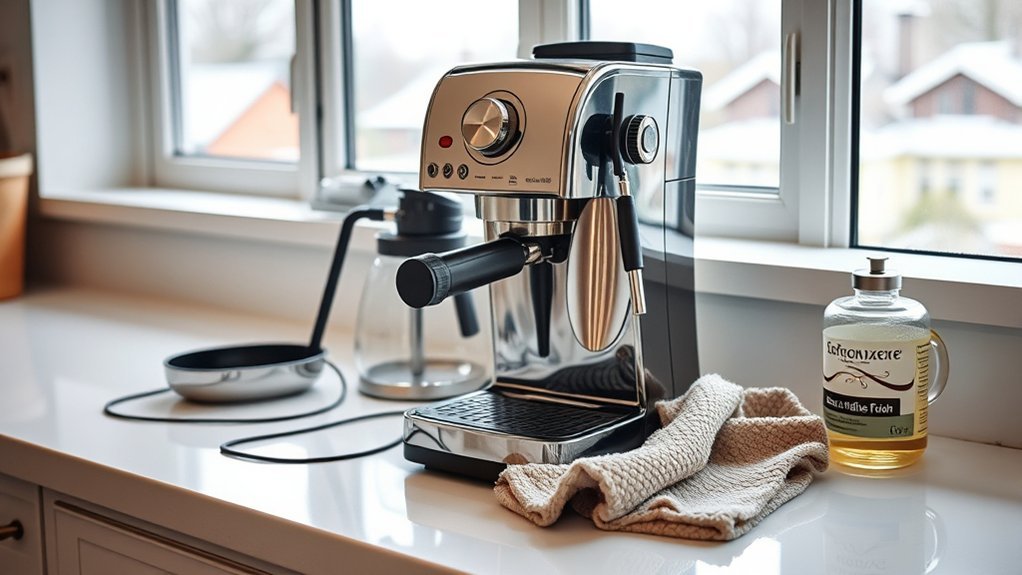
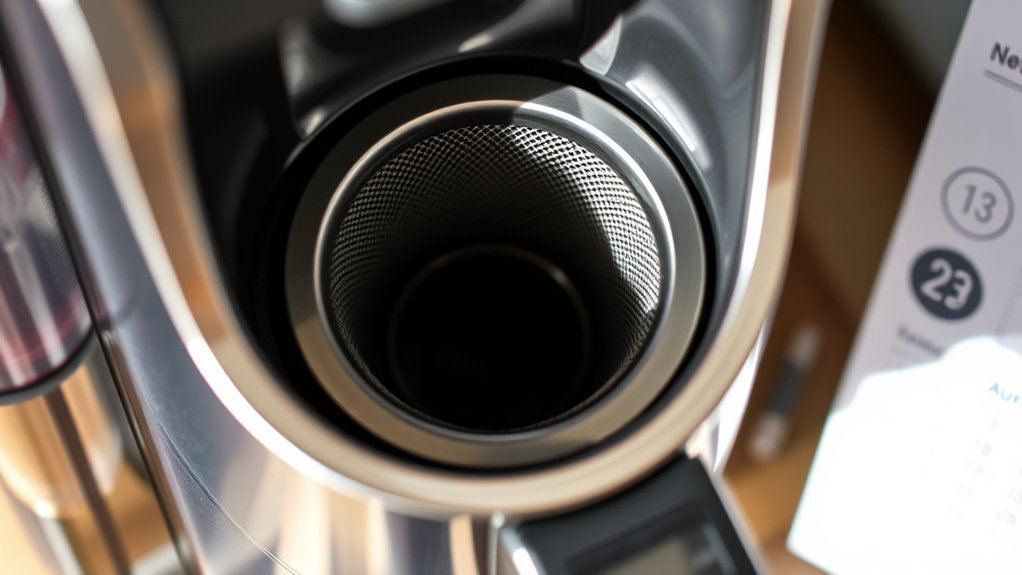
A coffee maker water filter plays a vital role in everyday coffee preparation by eliminating harsh chemical tastes, trapping sediment, and mitigating scale-forming mineral buildup before water reaches the heating element. Most internal brewer cartridges rely on granular activated carbon or specialized ion-exchange resin blends to treat tap water. Selecting the appropriate cartridge and adhering to a strict replacement routine preserves delicate coffee flavor compounds and protects your machine’s internal boilers and solenoid valves from premature failure.
Quick Answer
A coffee maker water filter treats incoming water in the reservoir to reduce chlorine, chloramines, off-flavors, and scale-forming minerals. Cartridges should typically be replaced every 60 to 90 days (or every 60 reservoir refills), depending on your manufacturer’s guidelines and local water hardness. Filters manage incoming water quality but do not replace routine machine descaling.
Key Takeaways
- Filtration Mechanism: Activated carbon adsorbs chlorine and volatile organic compounds (VOCs), while ion-exchange resins exchange calcium and magnesium ions to soften water and reduce limescale.
- Replacement Schedules: Standard intervals range between 60 days (Cuisinart, Keurig) and 90 days or ~10.6 to 40 gallons (Breville, Philips AquaClean).
- Filtration vs. Descaling: Water filters prevent new mineral accumulation; descaling acid solutions dissolve limescale deposits already bonded to internal boilers and thermoblocks.
- Water Chemistry Targets: Coffee extracts best with balanced mineral content (SCA target: 75–250 mg/L Total Dissolved Solids), making distilled or unmineralized reverse osmosis water sub-optimal.
- Safety Boundaries: Standard in-brewer cartridges do not purify microbiologically compromised or chemically unsafe tap water unless certified to specific health standards.
What Is a Coffee Maker Water Filter and How Does It Work?

A coffee maker water filter is a compact filtration cartridge installed inside the water reservoir, attached along the intake stem, or integrated into the machine’s supply line. Its primary function is to condition municipal or well water before heating elements raise the temperature to standard brewing levels (195°F to 205°F / 90°C to 96°C).
Modern brewer cartridges employ three core filtration technologies:
- Activated Carbon Media: Highly porous charcoal granules treated with oxygen to create millions of microscopic pores. As water passes through, the carbon chemically adsorbs chlorine, chloramines, unpleasant odors, and organic compounds through Van der Waals forces.
- Ion-Exchange Resins: Small polymeric beads designed to attract positively charged mineral ions. These beads capture calcium ($Ca^{2+}$) and magnesium ($Mg^{2+}$) ions—the primary agents of limescale—and release neutral or non-scaling sodium ($Na^+$) or hydrogen ($H^+$) ions in their place.
- Micromesh Physical Barriers: Multi-layer synthetic or stainless steel mesh screens that capture sediment, rust flakes, and loose carbon fines before they enter internal pump pathways.
Note: Check for independent certifications on replacement packaging. Filters certified under NSF/ANSI Standard 42 cover aesthetic improvements (chlorine taste and odor reduction), whereas NSF/ANSI Standard 53 applies to certified reductions in specific health-related contaminants like lead or heavy metals.
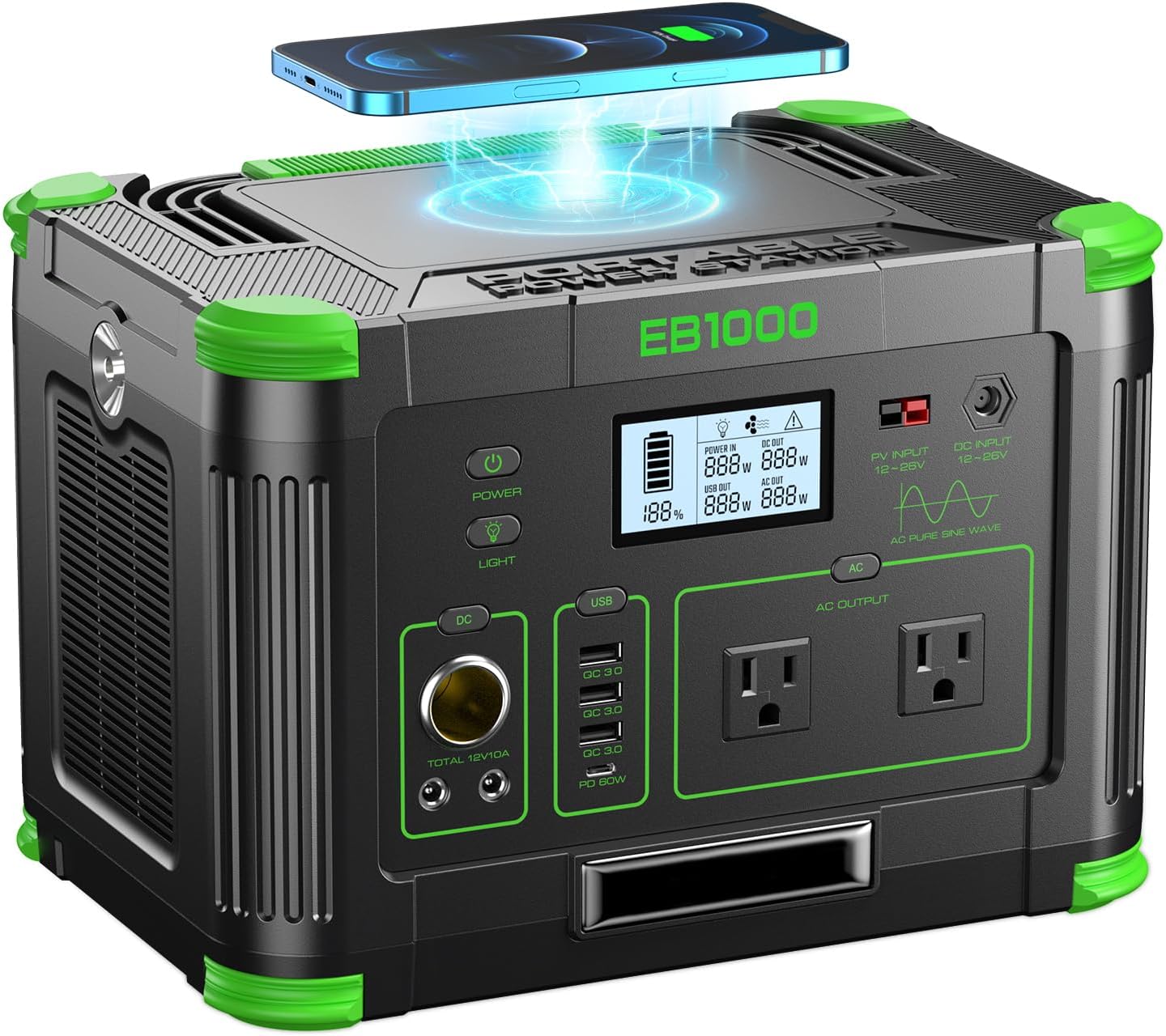
Power your essentials anywhere with a 999Wh pure sine wave power station delivering up to 1000W continuous with 2000W surge. It supports fast charging via USB-C PD 60W and USB-A QC 18W, plus simultaneous output for multiple devices through AC, USB, wireless, and car/DC ports. Recharge using AC, car, or solar with a built-in MPPT controller and dual cooling fans, while the upgraded battery management system protects against surges, short circuits, and overheating.

Universal Fit: Compatible with all Keurig coffee makers: K-Slim, K-Supreme, K-Duo, K-Classic, K-Elite, K-Select, K-Cafe, K-Compact, K-Express, Keurig 2.0 Series (K200s, K300s, K400s, K500s), Keurig 1.0 Series (B40s, B50s, B60s, B70s, B130, B140, B150, B3000SE, K40s, K50s, K60s, K70s, K130, K140, K150, K3000SE, Vue, Rivo). For use with all Keurig water filter handles (not included)

SUITABLE FOR MOST OF BREVILLE MACHINES - Well -designed for all Breville machine models: BES980XL, BES920XL, BES900XL, BES860XL, BES870XL and BES840XL infuser espresso machine, BKC600XL and BKC700XL gourmet single cup brewer
What Can a Coffee Maker Water Filter Remove?
No single small-format in-brewer cartridge removes all water impurities. Performance boundaries depend strictly on the media formulation, contact time, and flow rate across the cartridge.
| Filtration Media / Method | Target Compounds Removed / Reduced | Operational Limitations |
|---|---|---|
| Granular Activated Carbon (GAC) | Free chlorine, chloramines, volatile organic chemicals, and municipal disinfection byproducts. | Cannot remove dissolved minerals (calcium, magnesium), heavy metals, or biological pathogens. |
| Dual-Action Carbon + Ion-Exchange Resin | Chlorine, off-odors, and temporary water hardness (calcium carbonate compounds). | Ion-exchange capacity exhausts quickly in areas with extremely hard water (>180 ppm). |
| External Reverse Osmosis (RO) Systems | Up to 95–99% of total dissolved solids, fluoride, nitrates, lead, and micro-contaminants. | Strips essential flavor-extracting minerals; un-remineralized RO water can cause boiler corrosion and flat-tasting coffee. |
Warning: Never rely on standard reservoir cartridges to treat non-potable or microbiologically compromised water. As outlined by the CDC Drinking Water Guidelines, in-home carbon cartridges are not designed to eliminate bacteria, viruses, or parasites without specialized disinfection systems.
Different Types of Coffee Maker Water Filters: Pros and Cons
Compatibility determines both filtration efficacy and machine safety. Using an incorrect shape or unapproved cartridge size risks water bypassing the media entirely or restricting pump intake flow.
| Filter Type | Core Advantages | Drawbacks & Constraints |
|---|---|---|
| Charcoal Pouch / Pillow Cartridges | Economical, widely accessible, easy to swap into clip-in filter stems (common in Cuisinart, Mr. Coffee). | Minimal water contact time; does not reduce mineral hardness or scale formation. |
| Intake-Stem Resin Filters | Combines chlorine filtration with water-softening resin (common in Keurig tall/short handles). | Limited resin volume requires replacement every 60 days to maintain softening efficacy. |
| Proprietary Threaded/Click Cartridges | Direct-docking seal prevents bypass; integrated micro-metering (e.g., Breville ClaroSwiss, Philips AquaClean). | Higher unit cost; restricted strictly to compatible manufacturer machine brackets. |
| Dedicated Pitcher or Undersink Systems | Higher capacity, multi-stage filtration; pre-conditions all water before it enters the brewer reservoir. | Requires manual refilling or dedicated plumbing lines; counter space footprint. |
Why Is Water Quality Important for Coffee Brewing?
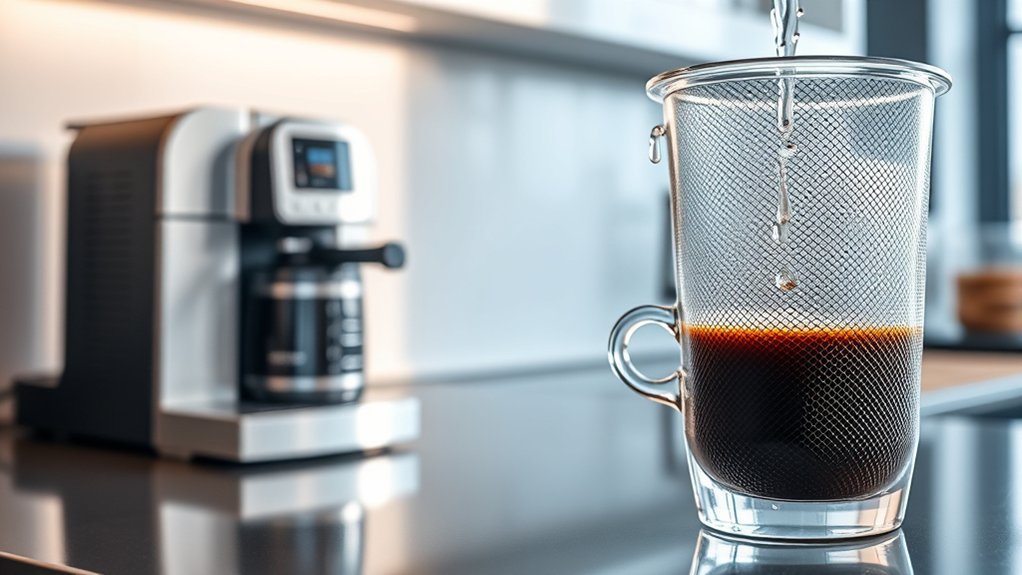
Water comprises roughly 98% to 99% of a standard drip brew and 88% to 90% of an espresso extraction. Its mineral composition directly controls how aromatic coffee solids, volatile acids, and oils dissolve from ground beans during the contact cycle.
Flavor Profile Enhancement
Municipal water supplies frequently contain chlorine or chloramines added for biological safety. When heated, these chemicals bond with organic coffee acids to create medicinal, sour, or metallic flavor taints. Proper carbon filtration strips these disinfectants, allowing natural bean origin flavors to emerge.
However, total mineral removal is counterproductive. According to the Specialty Coffee Association (SCA) Water Standards, optimal extraction requires balanced mineral parameters:
- Total Dissolved Solids (TDS): 75–250 mg/L (Target benchmark: 150 mg/L)
- Calcium Hardness: 50–175 ppm $\text{CaCO}_3$ (1–5 grains per gallon) to bind aromatic flavor compounds.
- Total Alkalinity: 40–75 ppm $\text{CaCO}_3$ to buffer natural brew acidity without dulling brightness.
- pH Target: 6.5 to 7.5 (Neutral range).
Equipment Longevity Assurance
When hard water is heated above 140°F (60°C), dissolved calcium and magnesium carbonates precipitate out of solution, forming hard, crystalline calcite limescale. Scale builds on thermoblocks, boiler walls, and flow meters, causing three major equipment issues:
- Thermal Inefficiency: Limescale acts as an insulator, forcing heating elements to run hotter and longer to reach target brew temperatures.
- Flow Constriction: Narrow fluid passages and three-way solenoid valves become blocked, resulting in low pump pressure and uneven extraction.
- Premature Thermostat Trips: Overheated heating elements trip thermal safety fuses, requiring costly service repairs.
Contamination Prevention Measures
Because coffee maker reservoirs operate at ambient room temperature in warm kitchen environments, exhausted water filters can become breeding grounds for bacteria, mold spores, and algal biofilm. Following routine change intervals prevents exhausted carbon granules from releasing captured matter back into your brewing line.
How Often to Replace Your Coffee Maker Filter?

Replacement timing is determined by water throughput volume, local hardness, and time-in-service. Manufacturers provide specific operating limits to ensure water contact safety and media efficacy.
| Brand & Filter System | Manufacturer Replacement Interval | Hard Water Consideration |
|---|---|---|
| Cuisinart Charcoal Water Filters | Every 60 days or 60 brewing cycles. | Change every 30–45 days if water hardness exceeds 120 ppm. |
| Keurig Side/Rear Reservoir Cartridges | Every 2 months or after 60 tank refills. | Shorten to 6 weeks under continuous household demand. |
| Breville ClaroSwiss Resin Cartridges | Every 90 days or 10.6 gallons (40 Liters). | Set the machine’s software water hardness dial to adjust the reminder prompt automatically. |
| Philips Saeco AquaClean Filters | Every 5,000 cups (approx. 8 filter cycles before descaling). | Requires replacement immediately when the machine icon flashes orange. |
Pro Tip: When inserting a new cartridge, use a waterproof marker to write the installation date directly on the plastic rim or set a recurring 60-day calendar reminder. If your machine features a mechanical month tracker dial on the holder, advance it to the target replacement month immediately.
How to Know When to Change Your Coffee Maker Water Filter
Because chemical exhaustion inside carbon and resin granules is invisible, relying on visual inspection alone is unreliable. Watch for these five clear indicators:
- System Alert Indicators: Digital dashboards, flashing maintenance LEDs, or Keurig “Replace Filter” icons alert you based on runtime cycles or internal flow meters.
- Elapsed Time / Volume Limits: You have reached 60 days of use, 60 reservoir fills, or your cartridge’s stated gallon limit.
- Return of Chlorine Taste or Stale Odor: The coffee tastes sharp, bitter, or carries a municipal tap odor, indicating that the activated carbon has reached chemical saturation.
- Slow Reservoir Drainage: Trapped fine particulate, mineral sludge, or compressed air pockets inside the cartridge impede water flow into the boiler.
- Visible Media Degradation: Any sign of pouch tearing, internal bead leakage, biological discoloration, or persistent surface slime.
How to Replace a Coffee Maker Water Filter
Follow this standardized procedure for installing replacement cartridges without introducing air locks or loose carbon fines into your pump system.
At a Glance
| Time Required | 10–15 minutes (including mandatory pre-soak and rinse cycle) |
| Difficulty | Beginner (No tools required) |
| Tools & Supplies Needed | Model-specific replacement filter cartridge, clean bowl, cold potable tap water |
| Estimated Cost | $2.00 – $6.00 per pouch; $12.00 – $22.00 for specialized resin cartridges |
- Power Down and Remove Reservoir: Turn off the coffee maker and let it cool. Lift the water reservoir off the base and remove the filter holder assembly.
- Discard the Expired Cartridge: Unclip or unscrew the lower filter cage, discard the used cartridge in household waste, and rinse the plastic holder in warm, soapy water.
- Pre-Soak the Replacement Cartridge: Submerge the new filter cartridge in a bowl of cold fresh water for 10 to 15 minutes. This releases trapped air bubbles and prevents airlocks during initial brewing.
- Flush Under Running Water: Hold the soaked cartridge under cold running tap water for 30 to 60 seconds until the runoff is clear and free of loose black carbon dust.
- Seat into the Filter Assembly: Insert the primed filter into the holder assembly in the correct orientation. Snap or twist the holder shut securely without forcing the plastic latches.
- Reinstall and Reset Counter: Press the filter holder firmly back onto the reservoir intake valve. Refill the tank with fresh potable water, reset your machine’s filter tracker or date dial, and run one water-only brew cycle to flush the lines.
Does a Water Filter Replace Descaling?
No. Water filtration and machine descaling serve entirely different maintenance purposes.
A water filter acts as a preventative barrier, treating incoming water to reduce incoming mineral concentrations and chlorine before it hits internal lines. In contrast, descaling is a restorative chemical process. Descaling solutions (using citric, sulfamic, or lactic acids) circulate through heated boilers to dissolve calcified scale deposits that have already adhered to internal metal surfaces.
A fresh water filter prevents new mineral scale from entering the system, but only an acid descaling flush can break down and dissolve limescale already bonded inside your coffee maker.
Even when using high-performance ion-exchange filters (such as the Breville ClaroSwiss or Philips AquaClean), small mineral percentages bypass the media. Follow your machine manufacturer’s descaling schedule—typically every 3 to 6 months—to preserve boiler efficiency.
Troubleshooting Common Water Filter Issues
If you experience unexpected behavior after replacing your cartridge, apply these mechanical solutions:
- Black Charcoal Specks in the Water Tank: Harmless carbon dust fines that escaped during initial packaging. Remove the cartridge, rinse under high-flow cold tap water for 60 seconds, wipe the reservoir clean, and reseat the filter.
- Brewer Pump Making Loud Hum Without Flow (Airlock): Air trapped inside the dry filter media prevents the intake valve from priming. Submerge the cartridge in a bowl of water and gently shake it until no air bubbles emerge from the mesh before reinstalling.
- Filter Holder Floating or Dislodging: The holder is not fully locked onto the intake valve at the reservoir base. Clean scale buildup around the gasket seat and press downward until you hear a distinct click.
- Unusually Slow Brewing Time: If a newly installed filter restricts flow, the mesh pores may be clogged by fine carbon dust or excessive resin swelling. Re-rinse the cartridge or replace defective third-party units that restrict hydraulic flow.
Why You Should Consider a Water Filter Monitoring System
Water quality tracking ensures you do not waste money replacing active cartridges prematurely or run coffee makers with saturated, ineffective media.
- Built-In Machine Software: High-end espresso machines calculate actual water volume pumped through the boiler rather than relying on simple calendar estimates, ensuring maximum filter life.
- Inline Flow Meters (“Aqua Meters”): External digital meters installed on water supply lines measure exact gallon throughput, flashing when the cartridge reaches its certified volumetric limit.
- Total Dissolved Solids (TDS) & Hardness Test Strips: Using a basic chemical test strip or digital TDS meter every few months provides definitive proof of whether your tap water hardness requires shorter cartridge replacement intervals.
Essential Maintenance Tips for Your Coffee Maker and Water Filter
Maximize coffee extraction quality and machine lifespan with these routine care habits:
- Always Pre-Soak and Rinse New Filters: Never install a bone-dry cartridge; soaking for 10 minutes purges micro-air pockets and loose carbon fines.
- Wash the Reservoir Weekly: Empty stale sitting water, remove the filter stem, and wash the reservoir with warm water and mild dish soap to prevent bacterial biofilm build-up.
- Remove the Filter Before Descaling: Always remove your water filter cartridge prior to running descaling acid solutions. Descaling acids will ruin the filter media and absorb chemicals that contaminate future brews.
- Match Filter Formats Accurately: Avoid low-cost generic cartridges that use poor-quality adhesive or loose carbon meshes prone to leaking media into internal plumbing.
- Test Local Water Chemistry: Adjust replacement frequencies if your water supply has heavy hardness (>150 ppm) or seasonal chlorination spikes.
Frequently Asked Questions
Can I use tap water instead of filtered water for coffee brewing?
Yes, provided your municipal tap water is potable and pleasant-tasting. However, if your tap water contains noticeable chlorine odors or high mineral hardness, an in-reservoir filter will significantly enhance coffee sweetness and protect heating elements from limescale accumulation.
What happens if I don’t replace the water filter?
An expired filter becomes saturated and loses its ability to adsorb chlorine and trap minerals. Over time, neglected cartridges can harbor bacterial growth, introduce foul odors, slow water flow, and allow scale to build inside internal heating thermoblocks.
Are there health benefits to using a water filter?
Coffee maker filters primarily improve aesthetic taste, odor, and machine longevity. They should only be considered health-protective if specifically certified under NSF/ANSI Standard 53 for heavy metal (lead, copper) or chemical reduction. They do not purify non-potable water.
Can I clean and reuse my coffee maker water filter?
No. Disposable carbon and resin cartridges cannot be washed or chemically regenerated at home. Rinsing an old cartridge under the tap does not restore the adsorption capacity of internal activated carbon. Always replace expired cartridges with new units.
Do all coffee makers require a water filter?
No. Many manual brewers, basic drip machines, and pour-over setups do not include internal filter holders. If your machine does not feature a cartridge dock, using external pitcher filtration (such as a Brita or ZeroWater) before filling the tank achieves identical results.
Does a water filter mean I can skip descaling?
No. While dual-action resin filters significantly slow the rate of mineral buildup, some mineral hardness inevitably passes through. Descaling is still necessary every 3 to 6 months to remove existing deposits from boilers and internal tubes.
Is reverse-osmosis or distilled water always best for coffee?
No. Distilled and pure reverse osmosis water lack essential minerals (calcium and magnesium) required to extract balanced coffee flavors, leading to flat, sour cups. Furthermore, ultra-pure water is slightly acidic and can leach metals from brass and copper espresso boilers.
How do I choose the right replacement filter?
Identify your coffee maker’s exact model number and consult the owner’s manual. Match the physical cartridge shape (e.g., Keurig side vs. rear reservoir handle, Cuisinart angled pouch, Breville ClaroSwiss) and verify certified reduction claims on the packaging.
Sources
- U.S. Centers for Disease Control and Prevention (CDC) — Operational mechanisms of home water treatment, activated carbon filtration, and microbiological safety limits.
- NSF International — Standards 42 (Aesthetic Effects) and 53 (Health Effects) drinking water treatment unit certification criteria.
- Specialty Coffee Association (SCA) — Certified water chemistry standards, mineral hardness specifications, and ideal extraction parameters.
- Cuisinart Appliance Customer Support — Charcoal water filter replacement cycles, pre-soak procedures, and maintenance protocols.
- Keurig Brewer Support — Side-reservoir and rear-reservoir water filter cartridge guidelines and handle assembly instructions.
- Breville Espresso Machine Technical Documentation — ClaroSwiss ion-exchange resin filtration specifications and programmable water hardness settings.
Conclusion
A coffee maker water filter is an indispensable maintenance component that simultaneously enhances cup clarity and protects your machine’s mechanical internals. By understanding whether your unit uses granular activated carbon for chlorine removal or dual-action resin for scale prevention, you can maintain an optimal 60- to 90-day replacement cycle. Pairing regular filter replacements with periodic machine descaling ensures exceptional coffee flavor extraction and long-term equipment reliability.