Constipation can show up after your baby starts solid foods, but not every grunt, red face, or skipped bowel movement means something is wrong. True constipation is more closely linked to hard, dry or painful stools than to frequency alone. For mild cases, age-appropriate fluids, fiber-rich foods and a few simple comfort measures often help.
Quick Answer
If your baby becomes constipated after starting solids, keep breast milk or formula as the main drink, offer age-appropriate water, and serve foods such as prunes, pears, peas, beans and oatmeal. Hard or painful stools matter more than stool frequency alone. Call your pediatrician if symptoms persist or warning signs appear.
Key Takeaways
- Constipation is more likely when stools are hard, dry, pellet-like or painful to pass. Straining with a soft stool can be normal.
- Breast milk or infant formula should remain your baby’s main drink from 6 to 12 months.
- Babies 6 to 12 months can generally be offered about 4 to 8 ounces of plain water per day in addition to breast milk or formula.
- Prunes, pears, peaches, peas, beans, avocado and whole-grain infant cereals can add fiber and variety.
- Do not routinely give juice, laxatives, enemas, mineral oil or rectal treatments without appropriate pediatric guidance.
- Seek prompt medical advice for vomiting, fever, a markedly swollen abdomen, poor feeding, unusual tiredness, poor growth or unexplained blood in the stool.
At a Glance
| Time Required | A few minutes per meal to adjust foods and fluids; the time until stools improve varies |
| Difficulty | Usually easy for mild diet-related constipation |
| Tools Needed | Age-appropriate foods, baby’s usual milk or formula, and a small cup for water if your baby is around 6 months or older |
| Cost | Usually no special product is needed |
Warning: This information is for general education and does not replace your baby’s medical care. Contact a healthcare professional promptly if constipation occurs with green or yellow-green vomit, repeated vomiting, fever, a markedly swollen or hard abdomen, poor feeding, unusual sleepiness, poor growth, or blood that is not clearly from a small anal fissure.
Common Signs Your Baby May Be Constipated

Once your baby starts solids, bowel movements often change. Stools usually become firmer, more strongly scented and more varied in color. Those changes by themselves do not mean your baby is constipated.
Constipation is more likely when you notice one or more of these signs:
- Hard, dry or pellet-like stools.
- Pain or crying while passing a hard stool.
- Repeated unsuccessful attempts to pass stool.
- A clear decrease in bowel movements combined with hard or painful stools.
- A small amount of bright-red blood coating a very hard stool, which can occur with a small anal fissure.
- Reduced appetite or obvious discomfort that occurs along with difficult bowel movements.
Note: Straining alone does not prove constipation. According to the Rome IV criteria, an otherwise healthy infant under 9 months may strain and cry for at least 10 minutes before passing a soft stool. This pattern, called infant dyschezia, is different from constipation.
With babies, stool consistency and discomfort usually tell you more about constipation than the number of days between bowel movements.

Power your essentials anywhere with a 999Wh pure sine wave power station delivering up to 1000W continuous with 2000W surge. It supports fast charging via USB-C PD 60W and USB-A QC 18W, plus simultaneous output for multiple devices through AC, USB, wireless, and car/DC ports. Recharge using AC, car, or solar with a built-in MPPT controller and dual cooling fans, while the upgraded battery management system protects against surges, short circuits, and overheating.

Clearly Crafted: When it comes to caring for your baby, transparency is everything Thats why we bring you Clearly Crafted Our clear packaging lets you see the organic ingredients in each recipe, in all its vibrant color its goodness you can see

Gentle Ingredients: Naturally and gently relieve occasional baby and toddler constipation without any harsh chemical laxatives; Made with prune juice, organic dandelion, and organic fennel; to help with constipation, regularity, and digestive health*
What Happens When Your Baby Gets Constipated After Starting Solids?
Solid foods change the amount of fiber, water, fat and other nutrients moving through your baby’s digestive tract. That can change both the texture and frequency of bowel movements.
It is normal for stools to become more formed after solids begin. Green vegetables may make stool green, and foods such as beets can temporarily change its color. The American Academy of Pediatrics explains that these changes are expected as babies adjust to a broader diet.
Constipation becomes more likely when stool turns unusually hard, dry or painful to pass. A baby may become fussy, eat less than usual or avoid pushing because a previous hard stool hurt.
A noticeably swollen or hard abdomen, especially with vomiting, fever or poor feeding, should not simply be assumed to be ordinary constipation.
What Causes Baby Constipation When Starting Solids?

Constipation sometimes appears during the move from an all-liquid diet to complementary foods. Common contributors include:
- A sudden diet change: Your baby’s stool can change as solid foods gradually make up more of the diet.
- Too little fiber variety: A diet built mainly around refined cereal or other low-fiber foods may produce firmer stools in some babies.
- Not enough fluid: Breast milk or formula should remain the main source of fluid during the first year, with a modest amount of water added after solids begin.
- Illness or reduced drinking: A baby who drinks less because they feel unwell or uncomfortable may pass harder stool.
- Certain medicines or medical conditions: These are less common causes, but persistent or recurrent constipation deserves medical review.
Do not change or stop a prescribed medicine or supplement simply because you suspect it is affecting your baby’s stool. Ask the prescribing clinician first.
How to Prevent Baby Constipation When Starting Solids
The best approach is to introduce solids gradually while keeping breast milk or infant formula central to your baby’s diet.
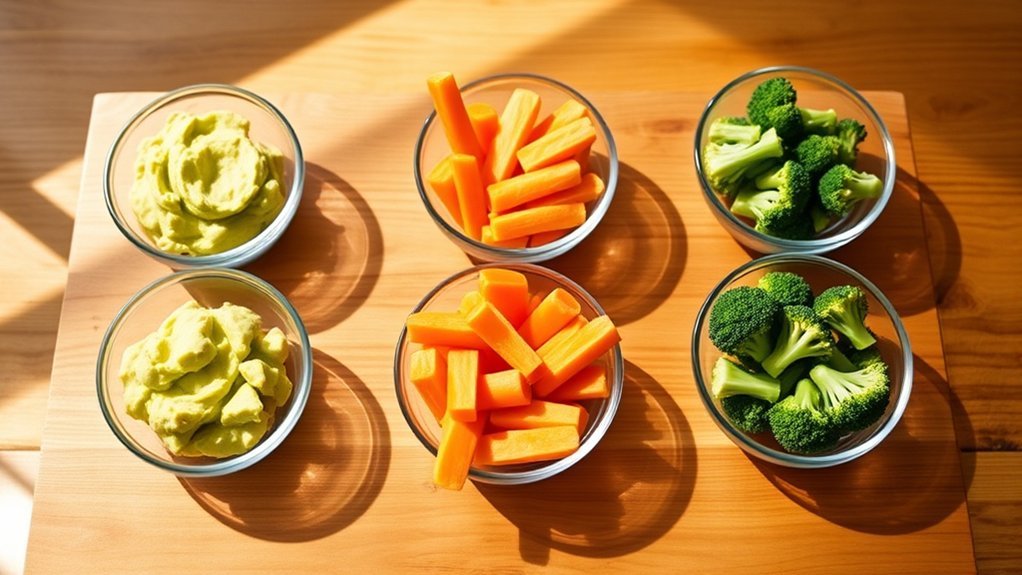
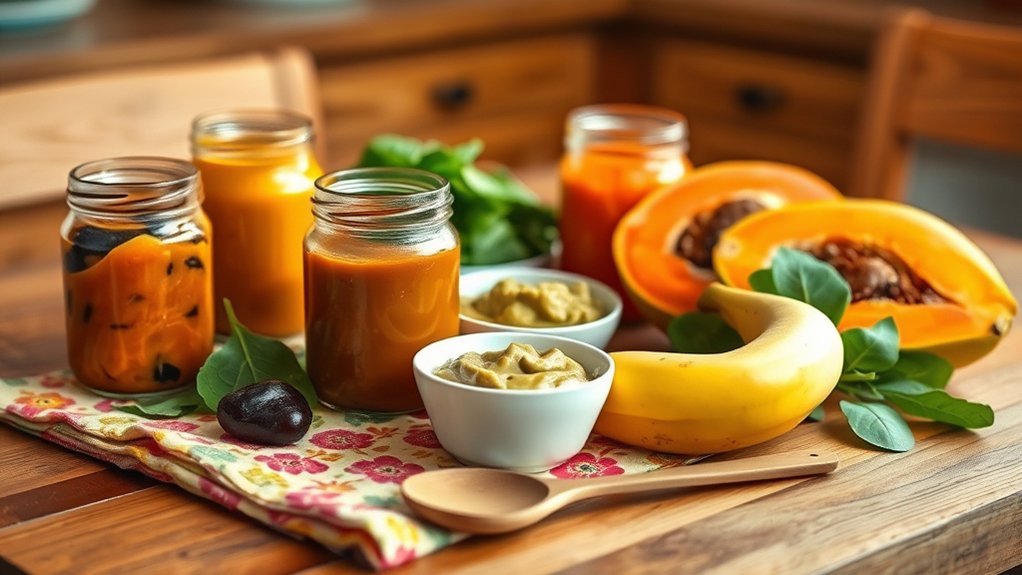
Offer a variety of fruits, vegetables, proteins and iron-rich foods rather than relying on the same cereal or fruit every day. Fiber-containing foods such as pears, prunes, peaches, peas, beans, avocado and whole-grain infant cereals can support softer stools as part of a balanced diet.
If you use infant cereal, the CDC recommends offering a variety of fortified cereals, such as oat, barley and multigrain cereal, instead of relying only on rice cereal.
Whether you use spoon-fed purees, mashed foods, finger foods or a baby-led approach, prepare each food in a texture and shape your baby can safely manage.
Pro Tip: When you add a new solid food, pair it with foods your baby already handles well instead of changing the whole menu at once. This makes it easier to notice whether a particular diet change is affecting stool consistency.
Hydration Strategies for Preventing Baby Constipation
Fluids matter when your baby’s diet starts to contain more solid food. However, babies have different fluid needs from older children, so more water is not automatically better.
Importance of Hydration
From 6 to 12 months, breast milk or iron-fortified infant formula should still provide most of your baby’s nutrition and fluid.
When complementary foods begin, you can also offer plain water from a small cup. Watch your baby’s usual drinking and urine pattern rather than relying on a single wet-diaper number for every infant.
If urine output drops noticeably, your baby’s mouth seems unusually dry, or they are drinking poorly, contact their healthcare professional rather than trying to correct possible dehydration with large amounts of water.
Fluid Intake Recommendations
Current CDC guidance says babies 6 to 12 months can generally be offered about 4 to 8 ounces of water per day, while breast milk or formula remains their main drink.
- Continue normal breast milk or formula feeds.
- Offer a small amount of plain water with meals once your baby is around 6 months and eating complementary foods.
- Do not replace needed breast milk or formula with water.
- Prepare infant formula exactly according to the manufacturer’s directions; do not add extra water in an attempt to treat constipation.
Warning: Excess water can be dangerous for infants. Do not substantially increase water intake or dilute infant formula unless your baby’s healthcare professional specifically directs you to do so.
What About Fruit Juice for Constipation?
Fruit juice should not be used as a routine drink for babies younger than 12 months. Whole or pureed fruit is normally the better choice.
There is one important distinction: the American Academy of Pediatrics’ infant-constipation guidance notes that a small amount of apple or pear juice, and prune juice in older infants, can sometimes be used specifically to loosen stool.
Because the appropriate amount depends on age and the baby’s situation, ask your pediatrician for guidance if ordinary food and fluid changes are not enough. Do not use juice as the baby’s main hydration source.
Best Fiber-Rich Foods for Baby’s Diet
Once your baby is developmentally ready for solids, a varied diet naturally provides fiber along with vitamins and minerals. Prepare each food in a texture your baby can safely swallow.
High-Fiber Fruits Options
Useful fruit choices include:
- Prunes
- Pears
- Plums
- Peaches
- Apricots
- Avocado
For younger babies, these can be mashed or pureed. As feeding skills develop, you can gradually move toward thicker, lumpier or appropriately cut soft foods.
You do not need to automatically ban bananas because your baby becomes constipated. Instead, focus on variety and pay attention to how your own baby’s stools respond to different foods.
Whole Grain Choices
Iron-fortified infant cereals are useful when babies begin complementary feeding. Oat, barley and multigrain infant cereals can provide more variety than using rice cereal at every meal.
Start with a texture your baby can manage and gradually thicken it as eating skills improve. Mix dry infant cereal according to package directions with breast milk, formula or water as appropriate.
Vegetables That Relieve Constipation
Fiber-containing vegetables and legumes can also be useful, including:
- Peas
- Beans
- Sweet potatoes
- Broccoli
- Green beans
- Cooked spinach
Cook firm foods until soft and mash, puree or cut them into an age-appropriate shape. Current CDC guidance includes cooked spinach and beets among foods that may be offered to children from 6 to 12 months, so there is no need for the blanket rule that these vegetables must be avoided for the entire first year.
Whatever food you offer, follow safe preparation practices. The CDC recommends preparing foods in the right size, shape and texture and watching your baby throughout every meal.
How Can You Relieve Baby Constipation?
For mild constipation that begins after solids, start with simple changes:
- Keep normal milk feeds going. Breast milk or formula should remain your baby’s main drink through 12 months.
- Offer appropriate water. If your baby is around 6 months or older and eating solids, offer small amounts of plain water with meals.
- Add fiber-rich foods. Try prunes, pears, peaches, peas, beans, avocado or oatmeal in a texture your baby can safely manage.
- Vary the menu. Avoid letting one low-fiber food dominate most meals.
- Try gentle comfort measures. Slowly moving your baby’s legs in a bicycle motion, bringing the knees gently toward the belly or giving a light tummy massage may make passing stool more comfortable.
- Watch the stool itself. Improvement means stool becomes softer and easier to pass, not necessarily that your baby suddenly poops every day.
If these changes do not help after a few days, if constipation keeps coming back, or if your baby seems to be in significant pain, contact your pediatrician.
What Not to Do for Baby Constipation
Some common home remedies are not appropriate for infants.
- Do not give large amounts of water.
- Do not dilute infant formula beyond the preparation instructions.
- Do not make juice a routine beverage for a baby under 12 months.
- Do not give mineral oil, stimulant laxatives or enemas to an infant unless a healthcare professional specifically directs you to.
- Do not repeatedly insert thermometers, cotton swabs or other objects into the rectum to trigger a bowel movement.
- Do not stop prescribed iron, medicine or formula without discussing the change with your baby’s clinician.
Babies with infant dyschezia generally do not need rectal stimulation or laxatives because their stools are already soft; they are learning to coordinate the muscles needed to pass them.
When Should You Seek Medical Attention for Constipation?
Call your baby’s healthcare professional if constipation does not improve after a few days of reasonable diet and fluid changes, keeps returning, or causes significant pain.
Seek prompt medical advice if your baby has constipation along with:
- Repeated vomiting or green/yellow-green vomit.
- Fever.
- A markedly swollen, firm or painful abdomen.
- Poor feeding or unusual tiredness.
- Poor weight gain or growth.
- Blood in the stool that is not clearly related to a small fissure from a hard stool.
- Very early constipation beginning during the first month of life.
- A history of delayed passage of the first stool after birth or another known medical concern involving the bowel.
The NASPGHAN/ESPGHAN pediatric constipation guideline identifies several of these symptoms as alarm signs that deserve medical assessment.
Note: A breastfed baby older than about a month may sometimes go several days between bowel movements and still be normal if the stool remains soft and the baby is feeding, growing and acting well.
Tips for a Smooth Transition to Solid Foods
The CDC and American Academy of Pediatrics recommend introducing complementary foods at about 6 months, when your baby is developmentally ready. Introducing solids before 4 months is not recommended.
Readiness signs include being able to sit with support, control the head and neck, open the mouth for food and swallow food rather than pushing it back out.
Start with small amounts. The CDC suggests beginning with about 1 or 2 tablespoons of food and increasing variety as your baby develops feeding skills.
You can introduce foods in many different orders. At first, offer one single-ingredient food at a time and wait about 3 to 5 days before another new food when you need to watch for a possible reaction. Potentially allergenic foods can be introduced when other complementary foods are introduced, using an age-appropriate form.
| Food Type | Good Early Options | Fiber-Rich Choices |
|---|---|---|
| Cereal | Iron-fortified oat, barley or multigrain infant cereal | Whole-grain infant cereals |
| Fruits | Mashed or pureed pear, peach, avocado or banana | Prunes, pears, plums, peaches and apricots |
| Vegetables | Soft cooked sweet potato, carrot, peas or green beans | Peas, beans, broccoli and sweet potato |
As your baby progresses, move from smooth foods toward mashed, lumpy and finely chopped textures as their feeding skills allow. Keep meals calm, seat your baby upright and supervise every bite to reduce choking risk.
Frequently Asked Questions
Can Teething Cause Constipation in Babies?
Teething itself is not considered a direct cause of constipation. However, a baby who drinks or eats less because their gums are sore may take in less fluid, which could contribute to harder stools. Focus on normal feeding and hydration and contact your pediatrician if constipation persists.
Are There Any Medications That May Contribute to Constipation?
Yes. Some medicines and supplements can affect bowel habits. If constipation begins after your baby starts a medication or supplement, ask the prescribing clinician whether it could be related. Do not stop prescribed medicine or iron on your own.
How Long Can Constipation Last in Babies?
Mild constipation after a diet change may improve after food and fluid adjustments, but there is no single normal duration. Contact your pediatrician if your baby continues to pass hard or painful stools after a few days of reasonable changes, if the problem keeps returning, or if your baby seems unwell.
Is It Normal for Babies to Have Varying Stool Colors?
Yes. Stool color often changes after solids begin. Green vegetables can turn stool green, while foods such as beets can make it look reddish. Contact your baby’s healthcare professional about white or chalky stool, black tar-like stool after the newborn period, or unexplained blood.
Can Introducing Solids Too Early Lead to Constipation?
A major diet change can affect bowel habits, but constipation is only one reason not to rush complementary feeding. Current guidance recommends starting solids at about 6 months when your baby is developmentally ready and never before 4 months.
Is Straining With a Soft Stool Constipation?
Not necessarily. Young babies often grunt, turn red or strain while learning how to coordinate a bowel movement. If the stool is soft, the pattern may be infant dyschezia rather than constipation. Hard, dry and painful stool is more concerning for constipation.
How Much Water Can a Baby Have After Starting Solids?
For babies 6 to 12 months, CDC guidance says about 4 to 8 ounces of plain water per day can be offered in addition to breast milk or formula. Milk or formula should remain the main drink, and you should not substantially increase water intake to treat constipation without medical guidance.
Can I Give My Baby Juice for Constipation?
Juice is not recommended as a routine drink before 12 months. However, AAP constipation guidance allows small amounts of apple, pear or, in older infants, prune juice as a specific constipation remedy in some situations. Ask your pediatrician about the appropriate amount for your baby’s age if food and normal hydration changes are not helping.
Conclusion
Constipation can happen when your baby starts solids, but hard and painful stools are more useful clues than frequency or straining alone. Keep breast milk or formula as the main drink, offer age-appropriate water, include a variety of fiber-rich foods and prepare everything in a safe texture. If constipation persists, repeatedly returns or comes with concerning symptoms, contact your pediatrician rather than relying on stronger home remedies.
Sources
- CDC — When, What, and How to Introduce Solid Foods — supports current timing, readiness, cereal variety and safe food preparation.
- CDC — Foods and Drinks to Encourage — supports water guidance and age-appropriate foods for babies 6 to 12 months.
- CDC — Choking Hazards — supports safe food texture, shape and supervision guidance.
- American Academy of Pediatrics — Infant Constipation — supports constipation signs, stool-frequency context and the limited therapeutic use of certain fruit juices.
- NASPGHAN/ESPGHAN — Evaluation and Treatment of Functional Constipation in Infants and Children — supports alarm signs and clinical evaluation guidance.
- Rome Foundation — Rome IV Criteria — supports the distinction between infant dyschezia and functional constipation.