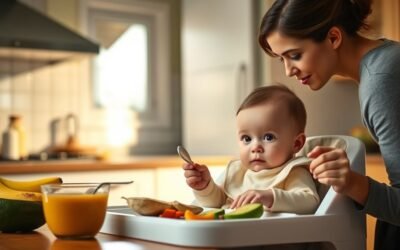


Yes, babies can eat leftovers if you handle them safely. Store leftovers in tightly covered containers right after cooking, and refrigerate within 2 hours. Reheat food until it’s piping hot and never reheat it more than once. Consume leftovers within 2-3 days, but be cautious with rice and purees, which should be eaten within 1 day. Keep an eye out for any signs of foodborne illness in your baby. There’s more to learn about safe feeding practices!
Key Takeaways
- Babies can eat leftovers if they are stored properly and consumed within 2-3 days after cooking, depending on the food type.
- Always reheat leftovers to piping hot temperatures to eliminate harmful bacteria before serving to babies.
- Avoid reheating food more than once to prevent bacterial growth and ensure safety for infants.
- Monitor babies for signs of foodborne illness, such as vomiting or dehydration, after consuming leftovers.
- Serve leftover baby food within 2 hours of cooking and discard any uneaten portions to prevent foodborne illness.
Is It Okay for Babies to Eat Leftovers?

When considering whether it’s okay for babies to eat leftovers, safety is key. You can introduce certain leftover types into your baby’s diet, but be cautious.
Ascertain leftovers are stored properly within 2 hours after cooking and consumed within 2 days when refrigerated. Always reheat food to piping hot temperatures; this eliminates harmful bacteria that could pose risks to your little one.
Avoid reheating food more than once, as this can encourage bacterial growth. Specifically, leftover rice and thinned purees should be eaten within 1 day to maintain safety and quality.
Finally, let reheated food cool to a safe temperature before serving, preventing burns. Implementing safe feeding practices creates a liberated approach to mealtime for both you and your baby.
How to Store Leftovers for Babies
To guarantee your baby’s leftovers remain safe and fresh, store them in tightly covered containers right after cooking. It’s important to cool leftover food quickly and place it in the fridge within 2 hours to prevent bacterial growth. Aim to consume leftovers within 2-3 days for ideal food safety, while leftover rice or thinned purees should ideally be eaten within 1 day.
Here’s a quick reference table to help with your leftover storage:
| Food Type | Storage Time |
|---|---|
| General leftovers | 2-3 days |
| Leftover rice | 1 day |
| Thinned purees | 1 day |
| Cooked meats | 2-3 days |
| Vegetables | 3-4 days |
How to Reheat Leftovers for Infants

Reheating leftovers for infants requires careful attention to temperature and safety to protect your baby’s health. To guarantee the food is safe and enjoyable, follow these best reheating methods:
- Always reheat leftovers to piping hot temperatures to eliminate harmful bacteria.
- Reheat food only once and serve within 2 hours to prevent bacterial growth.
- Cool down the reheated food before serving to avoid burns.
Avoid partial reheating, as this can create a ‘danger zone’ for bacteria growth.
If leftovers are stored properly, consume them within 2 days, with rice or thinned purees ideally used within 1 day.
Recognizing Signs of Foodborne Illness in Babies
Properly reheating leftovers is just one aspect of keeping your baby safe from foodborne illnesses. As a caregiver, you’ll want to recognize the signs of illness symptoms early.
Look out for vomiting, diarrhea, and signs of dehydration, which require immediate medical attention. Infants are particularly vulnerable due to their underdeveloped immune systems.
Be vigilant for serious complications, like hemolytic uremic syndrome (HUS), which may present as decreased urination or extreme fatigue after an E. coli infection. Additionally, monitor for blood in diarrhea or prolonged high fever—these symptoms demand prompt evaluation.
Prioritizing food safety practices when preparing and storing baby food can greatly reduce the risk of foodborne illness. Your awareness can make all the difference in your baby’s health.
How to Serve Leftovers Safely to Your Baby

When serving leftovers to your baby, it’s crucial to prioritize food safety to prevent potential health risks.
Here are some key points to keep in mind for safe serving:
- Serve leftover baby food within 2 hours of cooking.
- Always reheat to a piping hot temperature, ensuring even heating by stirring.
- Discard leftovers not consumed within 2 hours to avoid foodborne illness.
Frequently Asked Questions
Can I Freeze Leftovers for My Baby Later?
Yes, you can freeze leftovers for your baby! Follow freezing guidelines to guarantee quality, and use safe reheating methods like microwaving or stovetop warming. Always check temperatures to keep meals safe and nutritious for your little one.
What Types of Leftovers Are Safest for Babies?
Around 1 in 6 babies experience foodborne illnesses. For safe food storage, stick to baby-friendly meals like cooked vegetables, pureed fruits, and grains. Always refrigerate promptly, and discard leftovers after 2-3 days for safety.
How Do I Know if Leftovers Have Gone Bad?
To check if leftovers have gone bad, use the smell test and conduct a visual inspection. If you notice any off odors or unusual colors, it’s best to discard them for safety.
Are There Specific Allergies to Watch for in Leftovers?
Always watch for wheat, dairy, eggs, peanuts, and soy—common culprits. Signs of allergy symptoms like hives, swelling, or digestive issues can signal trouble. Stay vigilant to guarantee safe snacking for your little one!
Can I Mix Leftovers With Fresh Food for Babies?
Yes, you can mix leftovers with fresh food for babies, but guarantee leftover safety first. Always check for freshness and avoid potential allergens. Combining different food types can enhance nutrition, so get creative with safe combinations!
Conclusion
To sum up, yes, your baby can enjoy leftovers safely with proper precautions. By storing and reheating food correctly, you can minimize the risk of foodborne illness. Coincidentally, many parents find that introducing leftovers not only saves time but also diversifies their baby’s palate. Just keep an eye out for any signs of discomfort after meals. With a little care and attention, leftovers can be a convenient and nutritious option for your little one.