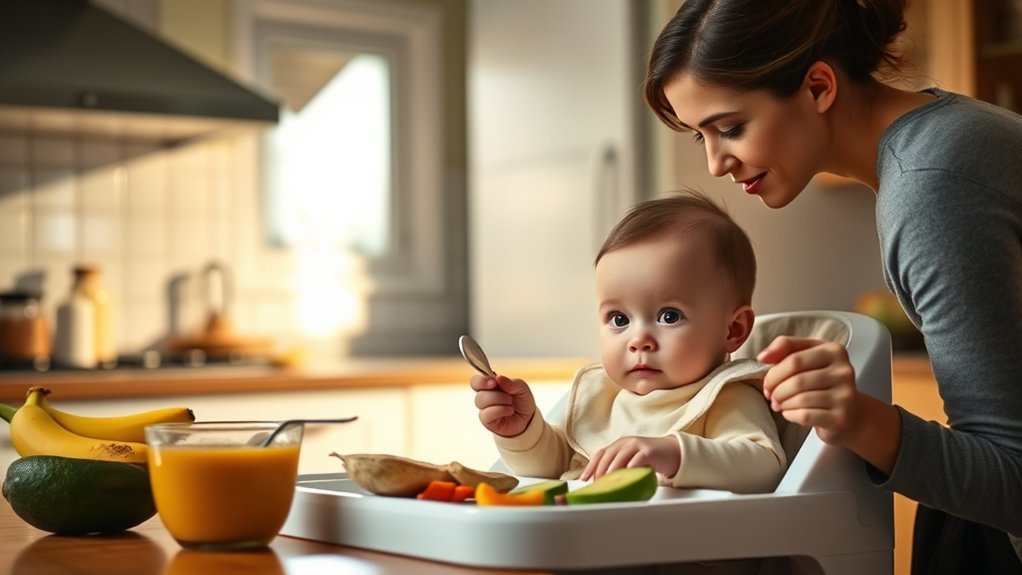
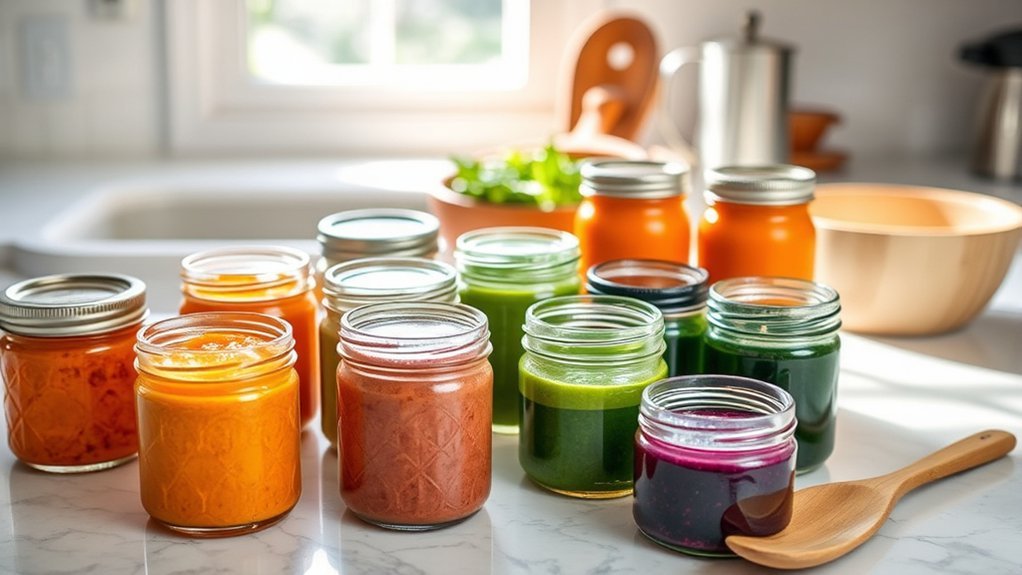
Babies can eat certain leftovers when the food was cooked safely, portioned before feeding, refrigerated promptly, and stored for the correct amount of time. The most important distinction is whether the food is still untouched. Anything that has contacted your baby’s mouth or used spoon should be discarded rather than saved for another meal.
Quick Answer
Yes, babies can eat properly handled leftovers. Refrigerate untouched food within 2 hours, or within 1 hour when temperatures are above 90°F (32°C). Reheat only the portion you need to 165°F (74°C), stir it well, and let it cool before serving. Discard anything your baby has already eaten from.
Key Takeaways
- Save only untouched food that was portioned with a clean utensil before your baby began eating.
- Refrigerate perishable food within 2 hours, or within 1 hour if it has been in temperatures above 90°F (32°C).
- Most homemade baby food should be used within 1 to 2 days; storage limits vary by ingredients.
- Reheat leftovers to 165°F (74°C), stir thoroughly, and cool them to a lukewarm serving temperature.
- Do not reheat food more than once, and never rely on smell or appearance alone to decide whether it is safe.
- Make sure the food is age-appropriate, fully cooked, low in choking risk, and free of ingredients your baby should avoid.
At a Glance
| Time Required | About 5 to 15 minutes to portion, reheat, stir, and cool; refrigerate cooked food within 2 hours |
| Difficulty | Easy, with careful temperature and storage control |
| Tools Needed | Clean shallow containers, labels, refrigerator, clean serving utensils, and a food thermometer |
| Cost | Usually no added cost; reusable containers or a thermometer may cost about $5 to $20 |
Note: This guidance covers solid foods. Breast milk and infant formula have different preparation, storage, and discard rules.
Is It Okay for Babies to Eat Leftovers?

Yes, a baby who is developmentally ready for solid foods can eat suitable leftovers. The food must have been cooked, cooled, stored, and reheated safely. It must also have an appropriate texture for your baby’s feeding skills.
The safest leftovers are portions removed from the main dish with a clean utensil before anyone eats. Once a spoon has gone into your baby’s mouth and back into the food, saliva may introduce bacteria. The U.S. Food and Drug Administration advises discarding food left in the serving dish after feeding rather than refrigerating it again.
Warning: Reheating does not make food safe if it was left at room temperature too long, stored in a warm refrigerator, or contaminated by a used spoon. When the food’s handling history is uncertain, discard it.
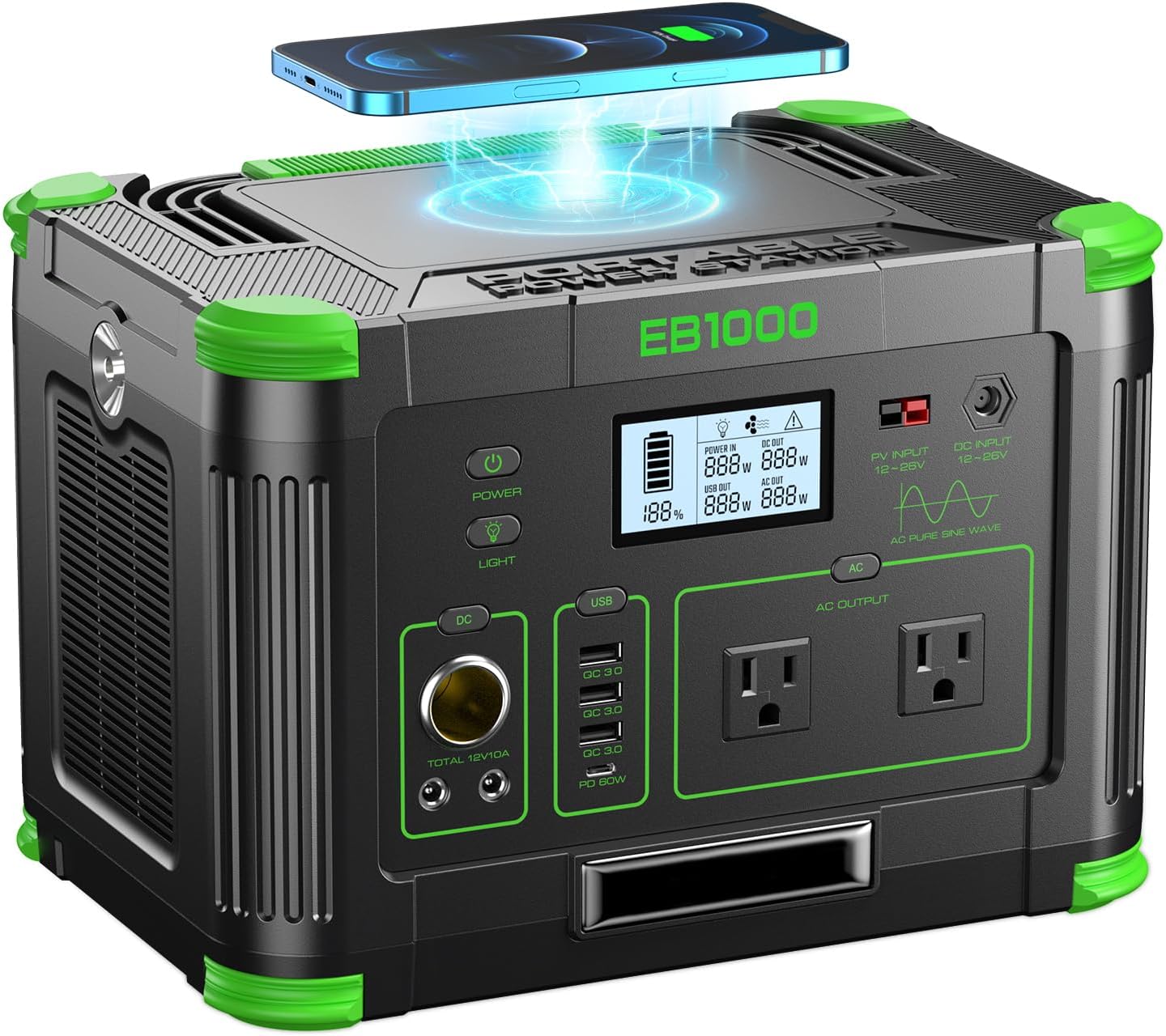
Power your essentials anywhere with a 999Wh pure sine wave power station delivering up to 1000W continuous with 2000W surge. It supports fast charging via USB-C PD 60W and USB-A QC 18W, plus simultaneous output for multiple devices through AC, USB, wireless, and car/DC ports. Recharge using AC, car, or solar with a built-in MPPT controller and dual cooling fans, while the upgraded battery management system protects against surges, short circuits, and overheating.
![VITEVER [16 Pack] 4 oz Small Containers with Lids, Reusable Plastic Jars for Snack and Puree, Salad Dressing Container to Go, Deli Containers, Freezer Baby Food Containers, Dishwasher Safe, BPA Free](https://m.media-amazon.com/images/I/41fnLIEevxL._SL500_.jpg)
BPA-FREE; DISHWASHER SAFE; MICROWAVE SAFE; SEALABLE; STACKABLE; REUSABLE.

Premium Baby Food Storage Containers: The set has 20 food storage containers, 4 oz each. 5 colors, 4 of each color. There are many colors for easy differentiation of use and a large number to meet the daily needs of baby use. A pen can be used to write the name, date or other information on the lid to remind you what is inside the jar. Perfect for storing homemade baby food, solid baby food, fruit and vegetable purees, jams, etc
Which Leftovers Are Suitable for a Baby?
A family meal can be saved for your baby when all of its ingredients are appropriate for the baby’s age and dietary needs. Before storing a portion, check the following:
- The meat, poultry, fish, and eggs are fully cooked.
- Milk, cheese, and juice are pasteurized.
- The food does not contain honey if your baby is younger than 12 months.
- The texture is soft and cut, mashed, shredded, or pureed to reduce choking risk.
- Hard pieces, whole grapes, popcorn, whole nuts, spoonfuls of nut butter, and other choking hazards have been removed or modified.
- The dish does not contain an ingredient your baby is allergic to.
- The portion is not overly salty or sugary.
The Centers for Disease Control and Prevention recommends fully cooked meat and eggs, washed produce, and pasteurized foods for young children because their developing immune systems make foodborne illness more dangerous.
How to Store Leftovers for Babies
Put the baby’s untouched portion into a clean, shallow container and cover it. Refrigerate it as soon as possible and no later than 2 hours after cooking. If the food is exposed to temperatures above 90°F (32°C), such as at a picnic or in a hot car, refrigerate it within 1 hour.
Keep the refrigerator at 40°F (4°C) or below. Label the container with the food and preparation date so you do not have to guess how long it has been stored. Large batches should be divided into small containers so they cool more quickly.
The following limits combine the FDA’s baby-food storage chart with baby-specific rice guidance:
| Food Type | Refrigerator | Freezer |
|---|---|---|
| Homemade baby food | 1 to 2 days | 3 to 4 months |
| Strained fruits and vegetables | 2 to 3 days | 6 to 8 months |
| Strained meats and eggs | 1 day | 1 to 2 months |
| Meat-and-vegetable combinations | 1 to 2 days | 1 to 2 months |
| Cooked rice for a baby | 24 hours after rapid cooling | Freeze promptly in small portions |
| Food from the baby’s bowl or plate after feeding | Do not store | Do not freeze |
General family leftovers may be refrigerated for up to four days under FoodSafety.gov guidance. However, when food has been prepared or pureed specifically for a baby, follow the shorter baby-food limits above.
Pro Tip: Refrigerate the meal in several single-serving containers. You can then reheat one portion without warming and cooling the entire batch repeatedly.
Special Rules for Leftover Rice
Rice needs careful handling because bacterial spores can survive cooking and grow if cooked rice remains warm for too long. Cool rice within 1 hour and refrigerate or freeze it promptly. Rice kept in the refrigerator should be eaten within 24 hours and reheated no more than once.
Do not leave rice in a rice cooker, saucepan, or serving bowl for several hours before refrigerating it. Reheating cannot reliably correct unsafe storage.
How to Freeze and Thaw Baby Leftovers
Freeze untouched food while it is still within its safe refrigerator period. Use small airtight containers or a covered ice-cube tray, then transfer frozen cubes to a labeled freezer container. Include the food name and freezing date.
Thaw frozen baby food in the refrigerator or with a microwave’s defrost setting. Do not thaw it on the counter. Once thawed, use it within 24 hours and do not save portions that have contacted your baby’s spoon or mouth.
Freezing preserves safety when food is handled correctly, but it may change the texture of potatoes, pasta, dairy-based sauces, and some purees.
How to Reheat Leftovers for Infants

Reheat only the portion your baby is likely to eat. Leftovers should reach an internal temperature of 165°F (74°C). A food thermometer provides a more reliable check than appearance, steam, or touch.
Stovetop reheating
- Place the portion in a clean saucepan.
- Add a small amount of water if needed to prevent sticking.
- Heat the food while stirring frequently.
- Check that the center reaches 165°F (74°C).
- Transfer it to a clean serving bowl and let it cool to a lukewarm temperature.
Microwave reheating
- Transfer the food to a microwave-safe dish rather than heating it in a baby-food jar.
- Cover the dish loosely to retain moisture.
- Pause and stir thoroughly, including the center and edges.
- Let the food stand for at least 30 seconds so the heat can spread.
- Confirm that it reached 165°F (74°C), then stir again and allow it to cool before feeding.
Microwaves can create hot spots that may burn a baby’s mouth even when another part of the food feels cool. Always stir and test a small amount before serving. The FDA recommends using the stovetop rather than a microwave for baby-food meats, meat sticks, or eggs because their fat content can cause uneven overheating and splattering.
Warning: Do not use a slow cooker, warming tray, or low-temperature setting to reheat cold leftovers. Food may remain too long in temperatures where bacteria multiply quickly.
How to Serve Leftovers Safely to Your Baby

After reheating, place a small amount in a clean bowl and let it cool. Stir the food and check several areas because the center may be hotter than the edges.
- Sit your baby upright and supervise the entire meal.
- Serve a texture that matches your baby’s chewing and swallowing skills.
- Use a clean spoon and avoid dipping it back into the stored container.
- Offer more from the untouched container only with another clean utensil.
- Discard the food remaining in the serving bowl after the meal.
- Do not return warmed food to the refrigerator for another feeding.
If the food will be taken away from home, keep it at 40°F (4°C) or below in an insulated cooler with ice packs. Discard perishable food that has been unrefrigerated for more than 2 hours, or more than 1 hour in temperatures above 90°F (32°C).
How to Tell When Leftovers Should Be Discarded
Throw food away when any of the following applies:
- It exceeded its recommended refrigerator-storage time.
- It was left out longer than the two-hour or one-hour limit.
- The refrigerator was above 40°F (4°C) for an unsafe period.
- The food contacted your baby’s mouth, used spoon, or partially eaten serving.
- It has already been reheated once.
- You do not know when it was cooked or refrigerated.
- The container is leaking, swollen, damaged, moldy, or has an unusual odor or texture.
Bad smells, mold, or unusual textures are reasons to discard food, but normal appearance does not prove that food is safe. Harmful bacteria may not change how food looks, smells, or tastes.
Recognizing Signs of Foodborne Illness in Babies
Common foodborne-illness symptoms include vomiting, diarrhea, stomach pain, nausea, and fever. Babies and young children can become dehydrated more quickly than healthy adults.
Contact your baby’s pediatrician promptly if you suspect food poisoning. Seek urgent medical help for concerning symptoms such as:
- Little or no urination or noticeably fewer wet diapers
- A dry mouth or crying with few or no tears
- Unusual sleepiness, weakness, or difficulty waking
- Bloody diarrhea
- Repeated vomiting or inability to keep fluids down
- Severe stomach pain
- A high or persistent fever
The CDC’s food-poisoning symptom guidance recommends medical evaluation for severe symptoms, dehydration, frequent vomiting, or bloody diarrhea.
Medical Note: This article provides general food-safety information and does not replace advice from your child’s pediatrician. When an infant appears seriously ill or dehydrated, seek medical care rather than waiting for symptoms to improve.
Food Allergy Symptoms After Eating Leftovers
Leftovers may contain allergens from the original recipe or from cross-contact with another food. Common food allergens include milk, eggs, fish, shellfish, tree nuts, peanuts, wheat, sesame, and soy.
Possible allergic-reaction symptoms include hives, a rash, swelling of the face, lips, or tongue, vomiting, coughing, wheezing, or trouble breathing. Difficulty breathing, throat swelling, fainting, or loss of consciousness may signal anaphylaxis and require emergency treatment. Follow your child’s allergy action plan and call emergency services when severe symptoms occur.
Frequently Asked Questions
Can I freeze leftovers for my baby?
Yes. Freeze untouched food in small, airtight, labeled portions while it is still within its safe refrigerator period. FDA guidance lists homemade baby food at about 3 to 4 months in the freezer. Thaw it in the refrigerator or with a microwave defrost setting rather than on the counter.
What types of leftovers are safest for babies?
Good choices include fully cooked vegetables, soft fruit, beans, grains, eggs, fish, poultry, and meat prepared in an age-appropriate texture. Avoid undercooked animal foods, unpasteurized products, choking hazards, and honey for babies younger than 12 months.
How do I know if leftovers have gone bad?
Discard food that is moldy, leaking, discolored, unusually textured, or smells unpleasant. However, food can contain harmful bacteria without looking or smelling spoiled. Storage time, refrigerator temperature, and handling history are more reliable safety checks.
Are there specific allergies to watch for in leftovers?
Check the complete recipe for milk, eggs, fish, shellfish, tree nuts, peanuts, wheat, sesame, and soy, along with any known personal allergens. Also consider cross-contact from shared cookware, cutting boards, serving utensils, sauces, and toppings.
Can I mix leftovers with fresh food for my baby?
Yes, when both foods are safe, fresh, and appropriate for your baby. Mix only the amount you plan to serve. Adding fresh food does not make an old, contaminated, or improperly stored leftover safe.
Can I save food that my baby did not finish?
Do not save food from the baby’s bowl, plate, or jar after a used spoon has touched it. Saliva can introduce bacteria that may continue growing during refrigeration. Discard the half-eaten portion and store only food that remained untouched.
Can I reheat the same baby food twice?
No. Reheat only the portion you need and do so once. Repeated warming and cooling increases handling and the time food may spend at unsafe temperatures.
How long can baby food sit out?
Refrigerate perishable food within 2 hours. When the surrounding temperature is above 90°F (32°C), refrigerate it within 1 hour. Discard food that exceeds those limits, even when it still looks and smells normal.
Conclusion
Babies can safely eat leftovers when caregivers control contamination, storage time, temperature, and texture. Portion the baby’s food before the meal, refrigerate it promptly, follow the correct food-specific storage limit, reheat it once to 165°F (74°C), and let it cool before serving. When food has contacted your baby’s mouth or its handling history is uncertain, the safest choice is to discard it.
Sources
- U.S. Food and Drug Administration — Once Baby Arrives — baby-food refrigerator and freezer limits, saliva contamination, freezing, and microwave precautions
- FoodSafety.gov — People at Risk of Food Poisoning — two-hour rule, hot-weather exception, shallow containers, refrigerator storage, and 165°F reheating
- FoodSafety.gov — Four Steps to Food Safety — cleaning, separation, cooking, chilling, and safe refrigerator temperatures
- Centers for Disease Control and Prevention — Safer Food Choices for Children Under Five — higher-risk foods and safer preparation choices for young children
- Centers for Disease Control and Prevention — Food Poisoning Symptoms — common symptoms, severe warning signs, and dehydration concerns
- NHS — Storing and Reheating Food for Babies — rice storage, thawing, reheating once, hot spots, and discarding half-eaten portions