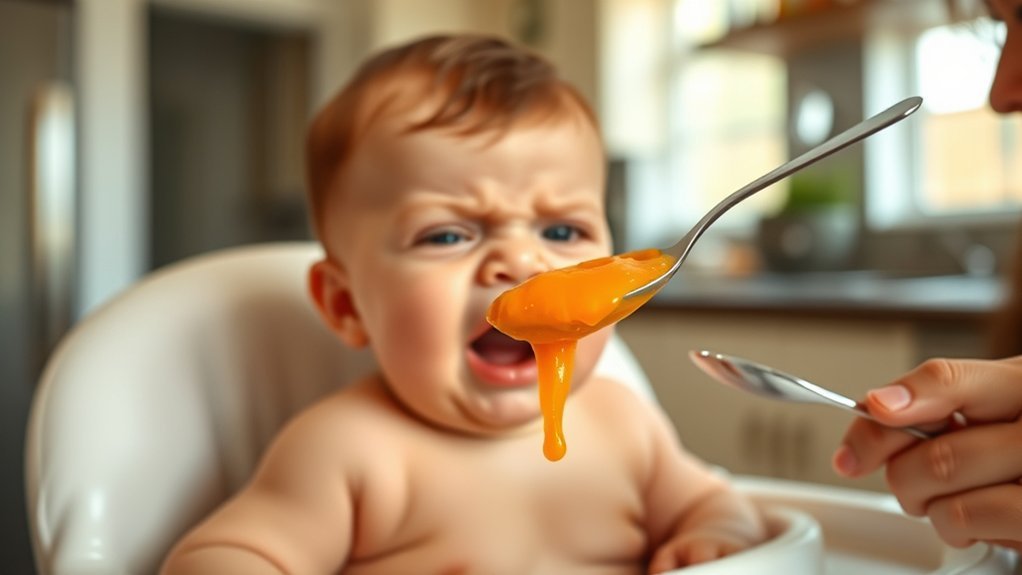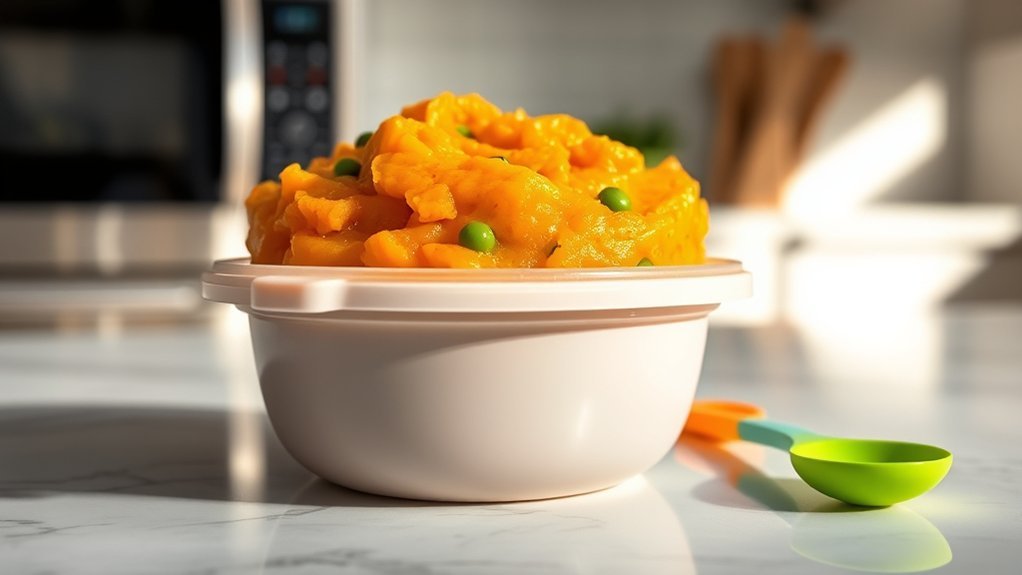
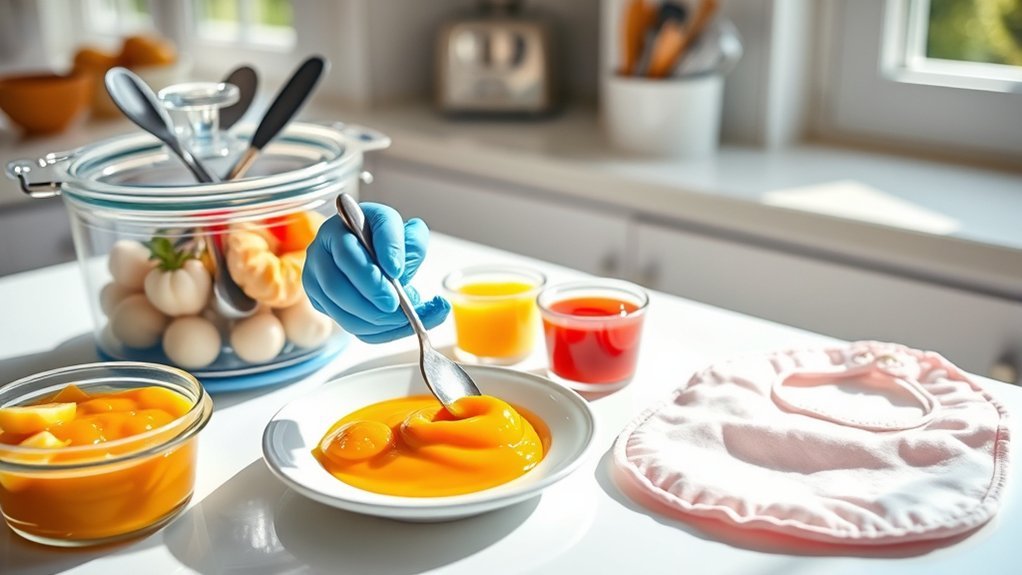
Feeding your baby solid foods safely starts with four basic habits: clean, separate, cook, and chill. Wash your hands, prevent raw foods from contaminating ready-to-eat ingredients, cook meat and eggs to the correct temperature, and refrigerate prepared food promptly. These steps lower the risk of harmful bacteria while keeping mealtimes simple and manageable.
Quick Answer
To avoid bacteria when feeding your baby solids, wash your hands for 20 seconds, clean utensils, rinse produce, keep raw meat separate, cook each ingredient to its safe temperature, refrigerate food within two hours, and discard anything touched by your baby’s spoon or mouth after the meal.
Key Takeaways
- Wash your hands with soap and running water for at least 20 seconds before preparing or serving baby food.
- Use separate boards and utensils for raw meat, poultry, seafood, and ready-to-eat foods.
- Do not use one universal cooking temperature: poultry and leftovers need 165°F, while other foods have different minimums.
- Refrigerate prepared food promptly in shallow, covered containers and keep the refrigerator at or below 40°F.
- Spoon food into a separate bowl and discard whatever remains in that bowl after the baby has eaten from it.
- Call your baby’s healthcare provider promptly for repeated vomiting, bloody stool, unusual sleepiness, or signs of dehydration.
At a Glance
| Time Required | About 5 minutes for cleaning and setup, plus cooking and cooling time |
| Difficulty | Easy |
| Tools Needed | Soap, clean utensils, separate cutting boards, food thermometer, shallow containers, refrigerator thermometer |
| Cost | Usually no added cost if you already have a thermometer and food-safe containers |
Warning: This article provides general food-safety information and is not a substitute for medical advice. Contact your baby’s healthcare provider if your baby becomes ill, and seek emergency care for trouble breathing, a seizure, severe weakness, or difficulty waking.
Why Handwashing Is Essential for Baby Food Safety
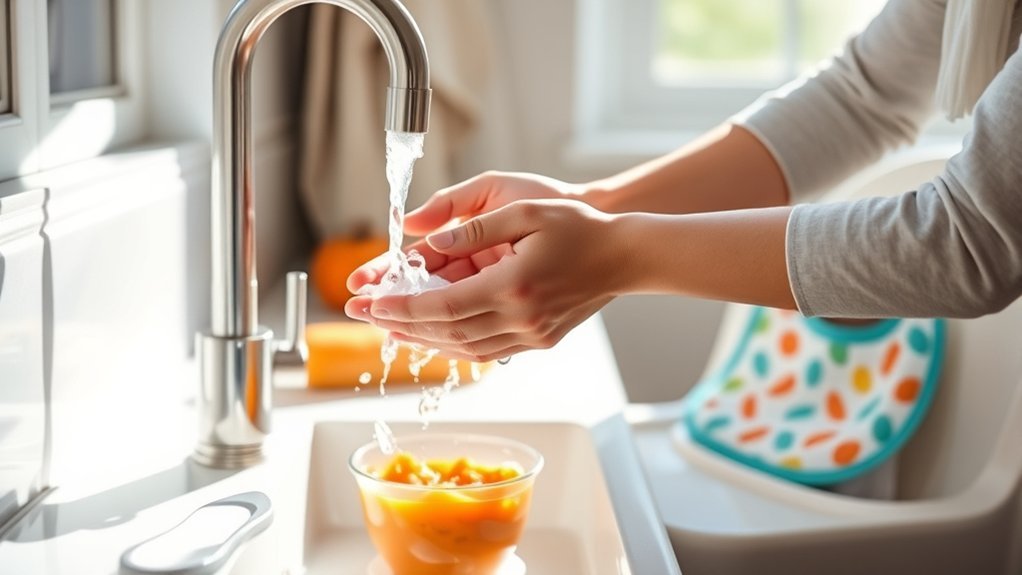
Babies and young children have developing immune systems, which makes foodborne infections more concerning for them than for many healthy adults. Washing your hands removes germs that could otherwise transfer to food, spoons, cups, high-chair trays, or storage containers.
Twenty seconds of proper handwashing is one of the simplest ways to prevent germs from reaching your baby’s food.
The FDA recommends washing with soap and running water for at least 20 seconds before and after handling food. Wash again after:
- Changing a diaper or helping a child use the toilet
- Handling raw meat, poultry, seafood, or eggs
- Touching pets, pet food, garbage, or dirty dishes
- Coughing, sneezing, blowing your nose, or using the bathroom
- Using your phone during food preparation
Scrub your palms, the backs of your hands, between your fingers, around your thumbs, under your fingernails, and around your wrists. Dry with a clean towel or disposable paper towel.
Power your essentials anywhere with a 999Wh pure sine wave power station delivering up to 1000W continuous with 2000W surge. It supports fast charging via USB-C PD 60W and USB-A QC 18W, plus simultaneous output for multiple devices through AC, USB, wireless, and car/DC ports. Recharge using AC, car, or solar with a built-in MPPT controller and dual cooling fans, while the upgraded battery management system protects against surges, short circuits, and overheating.

Fast and Accurate Reading: Kitchen thermometer for cooking features a 1 second readout speed and high accuracy of +/-0.9 degrees Fahrenheit, ensuring you receive the most delicious results every time

Precise Temperature Measurement: The electronic milk thermometer accurate readings for milk and other liquids, making it an essential tool for any kitchen
Steps for Safe Food Preparation and Handling
A practical way to remember baby food hygiene is to follow the federal food-safety sequence: clean, separate, cook, and chill.
1. Clean Hands, Tools, and Produce
Wash cutting boards, knives, bowls, blender parts, food-processor parts, spoons, and countertops with hot, soapy water before use and after they touch raw food. Rinse removable parts well and allow them to air-dry on a clean surface.
Rinse fruits and vegetables thoroughly under clean running water, including produce that will be peeled. Firm produce can be rubbed under the water or scrubbed with a clean produce brush.
Note: Do not wash fruits or vegetables with dish soap, bleach, disinfectant, or household cleaner. FoodSafety.gov recommends rinsing produce under running water without these products.
2. Separate Raw and Ready-to-Eat Foods
Keep raw meat, poultry, seafood, and eggs away from cooked foods, washed produce, infant cereal, yogurt, and other ready-to-eat ingredients. Use one cutting board for raw animal foods and another for produce and cooked foods.
After preparing raw meat or eggs, wash your hands and clean every knife, board, plate, counter, blender attachment, or sink area that may have been exposed before preparing another ingredient.
Store raw meat in a covered container on the lowest refrigerator shelf so juices cannot drip onto baby food or produce.
3. Cook Food Safely
Cook hard fruits and vegetables until they are soft enough to mash easily with a fork. Meat, poultry, fish, and egg dishes must reach the safe temperature for that specific food. Check the thickest part with a clean food thermometer before pureeing or chopping.
4. Chill Food Promptly
Place prepared baby food in clean, shallow containers and refrigerate it promptly. Do not wait for a large batch to cool completely on the counter.
Perishable food should not remain at room temperature for more than two hours, or more than one hour when the surrounding temperature is above 90°F. Keep your refrigerator at or below 40°F and your freezer at 0°F.
Pro Tip: Freeze baby food in small portions so you can thaw only what you need. Label every container with the food and preparation date before it goes into the refrigerator or freezer.
What Temperature Should Baby Food Be Cooked At?
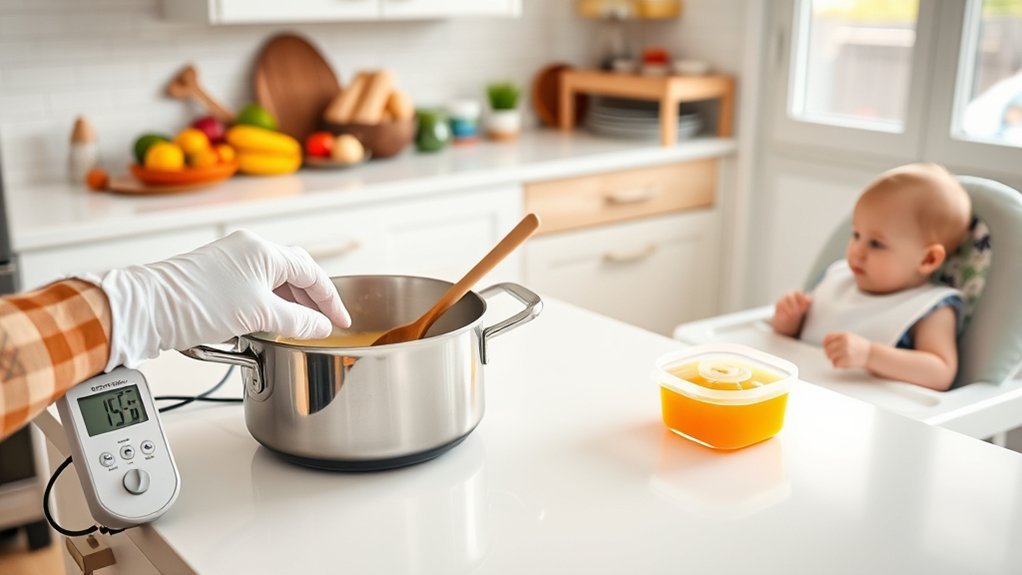
There is no single cooking temperature for every baby food. The correct minimum depends on the ingredient. The following temperatures come from the federal safe minimum internal temperature chart.
Safe Cooking Temperatures
| Food | Minimum Temperature | Important Detail |
|---|---|---|
| Chicken, turkey, and other poultry | 165°F (74°C) | Includes ground poultry |
| Ground beef, pork, lamb, or veal | 160°F (71°C) | Measure in the center |
| Whole cuts of beef, pork, lamb, or veal | 145°F (63°C) | Rest for three minutes before cutting or pureeing |
| Fish | 145°F (63°C) | Flesh should also be opaque and separate easily |
| Egg dishes | 160°F (71°C) | Cook plain eggs until the yolk and white are firm |
| Casseroles and reheated leftovers | 165°F (74°C) | Check several spots after stirring |
| Fruits, vegetables, grains, and legumes | No universal minimum | Cook as needed until soft enough for the baby’s feeding stage |
Remove skin, visible fat, bones, pits, and hard seeds before blending or serving. Prepare the texture for your baby’s development, moving from smooth purees to mashed and soft finger foods as feeding skills improve.
Cooling and Serving Tips
Baby food does not need to be served at body temperature. Many foods can be offered cool or at room temperature if they have been handled safely. When serving warmed food, it should feel comfortably warm—not hot.
- Divide a large batch into shallow containers so it cools faster.
- Refrigerate promptly rather than waiting for the food to reach room temperature.
- Stir heated food thoroughly to distribute heat.
- Let microwaved food stand briefly after heating.
- Test a small amount before feeding your baby.
- Never rely only on the outside of the container to judge the food’s temperature.
How to Reheat Baby Food Safely
Only reheat the portion you plan to serve. Previously cooked refrigerated leftovers should reach 165°F before they are allowed to cool to a comfortable serving temperature.
Using a Microwave
- Transfer the food to a microwave-safe dish.
- Cover it loosely with a microwave-safe lid or wrap and leave a vent for steam.
- Heat in short intervals.
- Stir from the bottom and sides toward the center.
- Check the temperature in several places because microwaves can leave cold spots.
- Let the food stand, stir again, and cool it before feeding.
Do not microwave food in a sealed or airtight container. Steam pressure can build, and the food may heat unevenly.
Using the Stovetop
Place the portion in a small saucepan and heat it over low to medium heat. Stir often, especially with thick purees, until the entire portion reaches the required reheating temperature. Transfer it to a clean bowl and let it cool before serving.
Warning: Do not reheat the same portion repeatedly. Temperature changes and handling create more opportunities for contamination. Reheat once, serve what is needed, and discard the remainder from the serving bowl.
How to Properly Serve and Store Leftovers for Your Baby
Food that remains untouched in the original storage container is different from food that has been in your baby’s bowl. A used spoon can carry saliva and bacteria back into the food.
Safe Serving Guidelines
- Wash your hands before opening a jar, pouch, or storage container.
- Spoon one serving into a clean bowl before feeding.
- Use a clean spoon rather than tasting with the baby’s spoon.
- Keep the original container closed and refrigerated while the baby eats.
- Discard all food left in the serving bowl after the meal.
- Do not return food from the bowl to the storage container.
- Do not save a pouch after the baby has sucked directly from its spout.
The FDA specifically advises caregivers not to feed directly from a baby-food jar and then refrigerate the remaining food. Portioning the food first protects the unused amount from saliva contamination.
Safe Storage Guidelines
Storage time depends on the ingredients. The following limits are based on the FDA’s baby food storage guidance. Follow a commercial product’s label when it gives a shorter limit.
| Baby Food Type | Refrigerator | Freezer |
|---|---|---|
| Strained fruits and vegetables | 2 to 3 days | 6 to 8 months |
| Strained meats and eggs | 1 day | 1 to 2 months |
| Meat-and-vegetable combinations | 1 to 2 days | 1 to 2 months |
| General homemade baby food | 1 to 2 days | 3 to 4 months |
When you are unsure which category applies, use the more conservative limit. Freezing food sooner helps protect quality. A practical household target is to use frozen homemade portions within about three months.
Safe Thawing
Thaw frozen baby food in the refrigerator, in a leak-proof container under cold running water, or in the microwave immediately before reheating. Do not leave frozen baby food on the counter to thaw.
Use refrigerator-thawed food promptly. Do not refreeze a portion that has been fully thawed unless it has been safely cooked again and has not been contaminated during feeding.
Signs of Spoilage
Discard baby food when you notice mold, bubbling, leaking packaging, an off odor, an unusual color, or a major texture change. Also discard jars with chipped glass, damaged lids, rust, or a missing vacuum seal.
However, food can contain harmful germs without looking or smelling spoiled. Storage time, refrigerator temperature, cross-contamination, and time at room temperature are more reliable safety checks than appearance alone.
Foods That Have a Higher Safety Risk for Babies
The CDC advises choosing safer food options for children under five because their immune systems are still developing. Avoid or modify the following foods:
- Honey before 12 months: Do not give honey or foods made with honey to a baby younger than one year because of the risk of infant botulism.
- Raw or undercooked meat and poultry: Cook them to the food-specific safe temperature.
- Raw or runny eggs: Cook eggs until the yolk and white are firm, or use pasteurized eggs in recipes that will not be fully cooked.
- Raw sprouts: Young children should not eat raw or lightly cooked sprouts. Cook sprouts thoroughly.
- Raw milk and unpasteurized dairy: Choose milk products clearly labeled as pasteurized.
- Unpasteurized juice or cider: Choose pasteurized products.
- Unwashed produce: Rinse fruits and vegetables under running water before cutting or serving.
- Food left at room temperature: Discard perishables after two hours, or one hour above 90°F.
The CDC also advises that solid foods generally begin at about six months, when the baby shows developmental readiness. Introducing solids before four months is not recommended. Food must also be prepared in a texture and shape that lowers choking risk.
Preventing Foodborne Illness When Feeding Your Baby
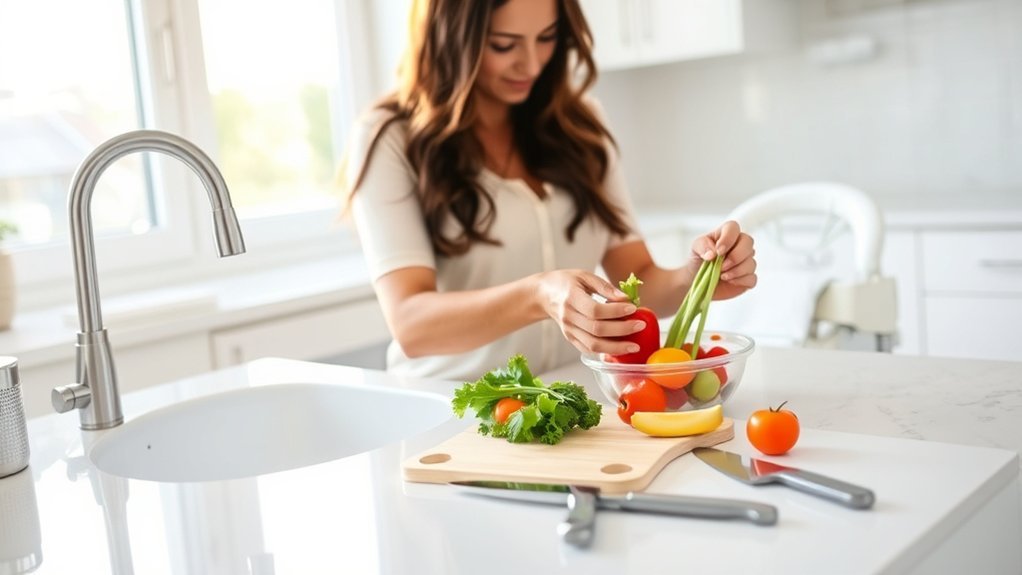
Use this checklist before each feeding:
- Wash your hands for at least 20 seconds.
- Clean the high-chair tray, bowl, cup, and utensils.
- Rinse produce and remove bruised or damaged areas.
- Keep raw ingredients away from cooked and ready-to-eat food.
- Cook meat, fish, poultry, and eggs to the correct temperature.
- Prepare a developmentally appropriate texture and remove bones, pits, seeds, and tough skin.
- Spoon a small serving into a clean bowl.
- Keep unused food refrigerated.
- Discard food left in the serving bowl after the meal.
- Refrigerate untouched leftovers promptly in a dated container.
Keeping Baby Food Safe While Traveling
Carry perishable baby food in an insulated cooler with enough ice or frozen gel packs to keep it at 40°F or below. Keep the cooler closed and out of direct sunlight. Discard perishable food that has been without a cold source for more than two hours, or one hour in temperatures above 90°F.
Pack clean spoons and small serving bowls so you do not need to feed directly from the storage container. Bring safe water for cleaning when clean running water will not be available.
Recognizing Symptoms of Foodborne Illness
Vomiting, diarrhea, stomach discomfort, fever, poor feeding, or unusual tiredness can occur with foodborne illness, but these symptoms can have many causes. Do not try to identify the germ at home.
| Warning Sign | What to Do |
|---|---|
| Blood in the stool or vomit | Contact a healthcare professional promptly. |
| Repeated vomiting or inability to keep fluids down | Call your baby’s healthcare provider because dehydration can develop quickly. |
| Fewer wet diapers, dry mouth, no tears, sunken eyes, or a sunken soft spot | Seek prompt medical advice for possible dehydration. |
| Unusual sleepiness, weakness, poor feeding, or marked irritability | Contact a healthcare professional promptly. |
| Fever or symptoms that are worsening | Ask your baby’s healthcare provider for age-specific guidance. |
| Trouble breathing, seizure, blue or gray coloring, severe weakness, or difficulty waking | Seek emergency medical care immediately. |
MedlinePlus notes that infants and young children can become dehydrated quickly. Do not give anti-diarrheal medicine to a baby unless a healthcare professional specifically recommends it.
Food Allergy or Foodborne Illness?
An immediate reaction such as hives, swelling of the lips or face, wheezing, or trouble breathing may indicate a food allergy rather than bacterial illness. Stop feeding the food and seek emergency help for breathing trouble, severe swelling, or signs of a serious reaction.
For most babies, the CDC says there is no required order for first foods. Offering one new single-ingredient food at a time can make a reaction easier to identify. Discuss peanut introduction with your baby’s clinician if your baby has severe eczema or an egg allergy.
Frequently Asked Questions
What types of foods are safest for my baby to start with?
There is no required first-food order for most babies. At about six months, you can offer soft, developmentally appropriate foods such as mashed vegetables, fruit, meat, beans, eggs, plain yogurt, or fortified infant cereal. Start with small amounts and use single-ingredient foods when you want to identify possible reactions more easily.
How can I tell if fruits and vegetables are fresh?
Choose produce without mold, deep bruises, leaking areas, or a strong off odor. Cut away minor damaged areas and rinse the produce under running water before cutting it. Appearance cannot prove that food is free of harmful germs, so safe washing, refrigeration, and handling are still necessary.
Is it safe to freeze baby food?
Yes. Freeze freshly prepared food promptly in clean, food-safe containers or covered trays. Use small portions, leave room for expansion, and label each portion with the food and date. A conservative household target is to use homemade frozen baby food within about three months.
Can I use leftover baby food for adults?
An adult can eat properly stored baby food that was kept in the original container and was never touched by the baby’s spoon or mouth. Discard food from the baby’s bowl or a pouch the baby drank from because saliva may have contaminated it.
How long can homemade baby food be stored in the fridge?
FDA limits vary by food. Strained meat and egg foods should generally be used within one day, meat-and-vegetable combinations within one to two days, and strained fruit and vegetable foods within two to three days. When unsure, use homemade baby food within one to two days.
Can I feed my baby directly from a jar or storage container?
Only do so when you plan to discard everything left in that container. For storage, spoon one serving into a clean bowl and refrigerate the untouched remainder. Never place a used spoon back into food you intend to save.
Does all baby food need to be heated before serving?
No. Commercial and homemade foods may be served cold or at room temperature when they have been stored and handled safely. Previously cooked leftovers that are reheated should reach 165°F, then be stirred and cooled to a comfortable serving temperature.
Should I sterilize baby food utensils after every meal?
For most healthy babies old enough to eat solids, thorough washing with hot, soapy water or a dishwasher is generally appropriate. Follow the item manufacturer’s directions and any additional instructions from your baby’s healthcare provider, especially if your baby was premature or has a weakened immune system.
Conclusion
You do not need a complicated routine to reduce bacteria when feeding your baby solids. Wash your hands, clean and separate equipment, rinse produce, cook ingredients to the correct temperature, refrigerate food promptly, and keep the baby’s used spoon away from stored food.
Use time and temperature limits even when food looks and smells normal. When your baby develops vomiting, diarrhea, unusual tiredness, poor feeding, or signs of dehydration, contact a healthcare professional rather than assuming it is a minor reaction to a new food.
Sources
- CDC: When, What, and How to Introduce Solid Foods — readiness, first foods, textures, and allergen guidance
- CDC: Safer Food Choices for Children Under 5 — high-risk foods and ingredient-specific temperatures
- FDA: Once Baby Arrives — baby food serving, storage, freezing, and saliva-contamination rules
- FoodSafety.gov: Safe Minimum Internal Temperatures — cooking and reheating temperatures
- FDA: Safe Food Handling — cleaning, separating, produce washing, and refrigeration
- MedlinePlus: Diarrhea in Infants — dehydration symptoms and medical warning signs