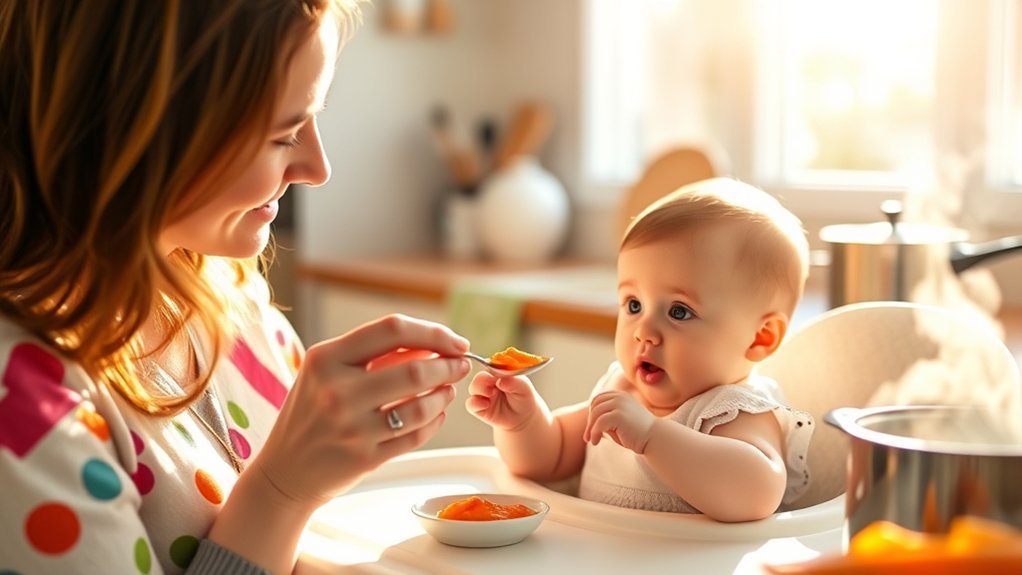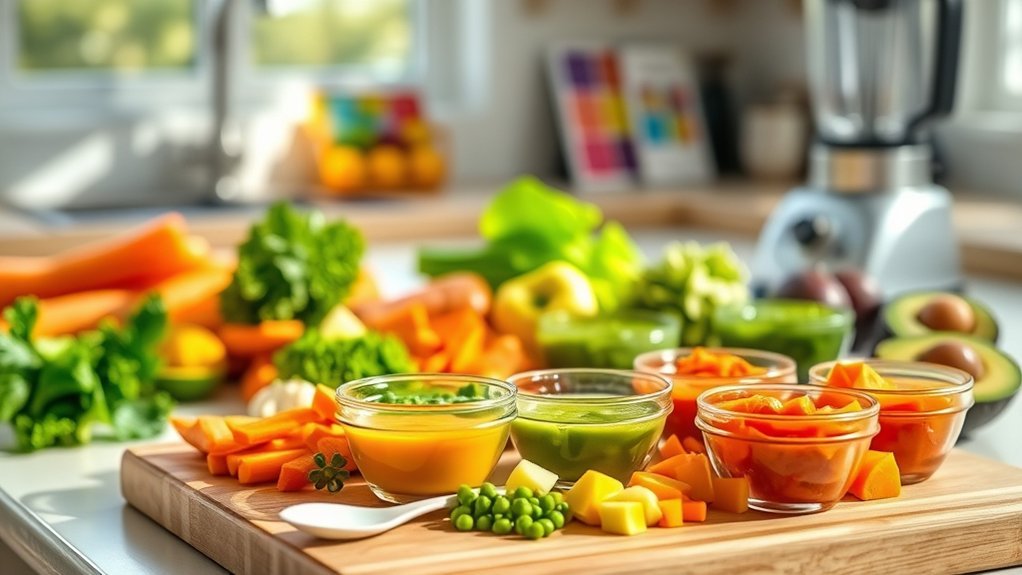
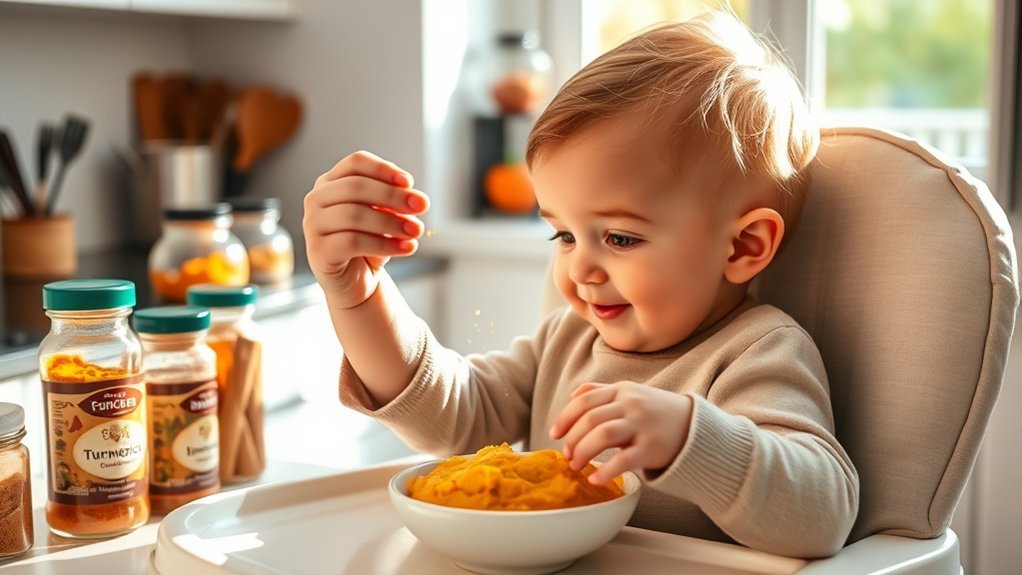
Most babies can begin trying culinary herbs and spices once they are developmentally ready for solid foods, usually at about 6 months. You do not need to wait until 8 to 10 months or until your baby’s first birthday. Start with small amounts, use finely ground seasonings, keep foods low in added salt and sugar, and watch how your baby responds.
Quick Answer
Most babies can have mild culinary spices from around 6 months, once they are ready for solid foods. Start with a tiny amount mixed into familiar food. There is no universal rule that curry, chili, or other stronger flavors must wait until age one, although very hot food may be uncomfortable for a new eater.
Key Takeaways
- Introduce spices when your baby starts complementary foods, generally around 6 months and when developmentally ready.
- Use a small pinch of finely ground cinnamon, cumin, turmeric, ginger, or similar seasonings in soft, familiar foods.
- There is no special medical rule requiring spices to wait until 8 to 10 months or spicy food to wait until age one.
- Avoid whole peppercorns and other small, hard seasonings that can become choking hazards.
- Skip added salt and sugar, and check seasoning blends for sodium, sweeteners, and unfamiliar ingredients.
- If your baby develops breathing difficulty, sudden throat symptoms, or another severe allergic reaction, seek emergency medical care immediately.
At a Glance
| Time Required | About 1–2 minutes to season a prepared serving |
| Difficulty | Easy |
| Tools Needed | Bowl, spoon, and finely ground culinary spice or herb |
| Cost | Very low; only a small pinch is needed per serving |
Note: This article provides general feeding information. Ask your baby’s pediatrician for individualized guidance if your baby was born prematurely, has swallowing or feeding problems, has severe eczema or known food allergies, or has been given a special feeding plan.
When Can Babies Start Having Spices in Their Diet?
Spices can generally be introduced at the same time as other complementary foods. The CDC recommends starting solid foods at about 6 months, while watching for developmental readiness.
Common readiness signs include being able to sit with support, having good head and neck control, bringing objects toward the mouth, and swallowing food rather than consistently pushing it back out.
There is no need to create a separate waiting period for cinnamon, cumin, turmeric, ginger, basil, oregano, or other ordinary culinary seasonings. The American Academy of Pediatrics also encourages exposing babies to different smells and flavors, including a small amount of spice from the beginning of solid feeding.
Spices do not need a special 8-to-10-month waiting period. For most babies, they can become part of meals once complementary feeding begins.
If you are trying a seasoning for the first time, mixing a tiny amount into a food your baby already handles well makes the response easier to observe.

Power your essentials anywhere with a 999Wh pure sine wave power station delivering up to 1000W continuous with 2000W surge. It supports fast charging via USB-C PD 60W and USB-A QC 18W, plus simultaneous output for multiple devices through AC, USB, wireless, and car/DC ports. Recharge using AC, car, or solar with a built-in MPPT controller and dual cooling fans, while the upgraded battery management system protects against surges, short circuits, and overheating.

- Ingredients that are USDA Organic, salt-free, sugar-free, and gluten-free

Our Salt-Free Seasonings are also sugar free, preservative free, msg free, gluten free, vegan, vegetarian, and taste amazing!
Why Add Spices to Baby Food?
The main advantage of spices in baby food is flavor variety. A small pinch can make vegetables, grains, beans, meat, fruit, or yogurt taste different without relying on added salt or sugar.
Because babies eat only tiny quantities of seasoning, spices should not be treated as medicines or major sources of nutrition. Claims that a pinch of cumin will improve digestion or that turmeric will provide a meaningful anti-inflammatory effect are much stronger than the evidence supports for infant feeding.
Expanding Flavor Palate
Early feeding is a chance to expose your baby to many tastes, aromas, and textures. Repeated exposure to different foods can help increase familiarity and acceptance, although no single spice can guarantee that a child will avoid picky eating later.
- Use different herbs and spices to vary familiar foods.
- Keep offering vegetables, grains, proteins, fruits, and other nutrient-rich foods alongside those flavors.
- Do not force a baby to finish a food they reject.
- Try the food again another day; it can take repeated exposure for a new flavor to become familiar.
Encouraging Adventurous Eating
Spices can also help a baby gradually participate in the flavors used in family meals and cultural food traditions.
| Spice | Flavor | Common Culinary Use | Baby-Friendly Pairing |
|---|---|---|---|
| Cinnamon | Warm and slightly sweet | Used in sweet and savory dishes across many cultures | Oatmeal, apple, pear, or plain yogurt |
| Turmeric | Earthy and mildly bitter | Common in South Asian and other cuisines | Lentils, rice, squash, or sweet potato |
| Cumin | Earthy and nutty | Common in Middle Eastern, South Asian, Latin American, and North African cooking | Beans, lentils, carrots, or mashed vegetables |
| Ginger | Warm and zesty | Widely used in Asian and other cuisines | Pear, pumpkin, carrot, or sweet potato |
The goal is not to make every meal heavily seasoned. It is simply to let your baby become familiar with the flavors your family normally enjoys.
How to Introduce Spices to Your Baby Safely
Introducing a spice is simple: choose an age-appropriate food, add a very small amount of finely ground seasoning, mix well, and supervise your baby while eating.
Start With Mild Flavors
Cinnamon, cumin, turmeric, ginger, basil, oregano, thyme, and similar seasonings are practical starting points because you can add flavor without much heat.
For a first exposure, use a tiny pinch mixed throughout the food. You can gradually increase the amount as your baby becomes familiar with the flavor.
Examples include:
- A pinch of cinnamon in oatmeal or unsweetened applesauce.
- A little cumin in mashed beans or vegetables.
- A small amount of turmeric in lentils or soft rice.
- Finely grated or ground ginger mixed into pear or sweet potato.
- Finely chopped basil in soft vegetables or pasta sauce prepared without excess salt.
Gradual Spice Introduction
Introducing one new seasoning at a time can make it easier to tell what caused a reaction if one occurs. However, there is no special medical rule that every spice requires an exact 2- or 3-day waiting period.
The American Academy of Pediatrics recommends introducing new single-ingredient foods gradually and watching for reactions. Once your baby has tolerated an ingredient, you can continue serving it while introducing other foods.
Monitor Baby’s Reactions
Watch your baby during and after meals. A new taste can make a baby grimace, shudder, spit food out, or look surprised. Those expressions alone do not necessarily indicate an allergy.
A mild red patch exactly where spicy, acidic, or strongly flavored food touched the skin can also be a contact irritation rather than a true food allergy, especially in babies with sensitive skin.
Possible allergic symptoms are more concerning when they include widespread hives, swelling, repeated vomiting, or symptoms affecting breathing or swallowing.
Warning: Trouble breathing, wheezing, sudden throat tightness, difficulty swallowing, faintness, or another suspected severe allergic reaction requires immediate emergency care. Call 911 or your local emergency number. If your child has prescribed epinephrine for a known allergy, follow their emergency allergy plan.
How Much Spice Should You Use?
There is no standard teaspoon dose for seasoning baby food. Start with a tiny pinch in an individual serving. The goal is to add a mild aroma and flavor rather than make the food intensely seasoned.
As your baby becomes familiar with the flavor, you can gradually season food more like the rest of the family’s meal while continuing to limit added salt and excessive heat.
Pro Tip: When cooking for the family, prepare the meal with herbs and unsalted spices first. Remove your baby’s portion, then add extra salt or hot sauce to the adult portions afterward.
Use Ground Spices and Safe Textures
Finely ground seasonings can be mixed evenly into mashed, minced, or otherwise developmentally appropriate foods. Do not give a baby whole peppercorns or other small, hard whole seasonings.
The CDC recommends avoiding small, hard foods that are difficult for young children to chew and swallow and preparing food in an age-appropriate texture.
Always seat your baby upright and supervise every meal.
Common Baby-Friendly Spices and Herbs
No food is guaranteed to be allergy-free for every child, but many ordinary culinary herbs and spices can be used in small amounts once a baby starts solids.
| Seasoning | How to Use It |
|---|---|
| Cinnamon | Mix a pinch into oatmeal, apple, pear, squash, or plain yogurt. |
| Turmeric | Add a small amount to lentils, rice, potatoes, or vegetables. |
| Cumin | Mix into beans, lentils, meat, carrots, or mashed vegetables. |
| Ginger | Use a small amount with pear, carrot, pumpkin, or sweet potato. |
| Basil | Finely chop or crumble into vegetables, beans, eggs, or low-sodium sauces. |
| Oregano or Thyme | Use sparingly in vegetables, beans, meat, pasta, or tomato-based foods. |
Fresh herbs should be washed and chopped to a texture appropriate for your baby’s eating skills. Dried herbs and ground spices should be mixed into food rather than offered as loose dry powder.
Spices and Seasonings to Limit or Avoid for Babies
Most ordinary culinary spices do not need to be banned, but preparation and ingredients matter.
- Added salt and salty seasoning mixes: Babies do not need salt added to their meals. The NHS advises against adding salt or sugar to baby food.
- Whole peppercorns and other small, hard seasonings: These can be choking hazards. Use finely ground versions mixed into food instead.
- Very hot chili or cayenne: There is no universal age-one prohibition, but intense heat can make eating uncomfortable. Begin with a very small amount and stop if your baby appears distressed.
- Highly salted spice blends: Check labels on taco seasoning, curry blends, bouillon powders, seasoning packets, and similar products because sodium levels vary widely.
- Sweet seasoning sauces: Avoid using sugary sauces simply to make food more appealing.
- Concentrated essential oils or extracts: Culinary herbs and spices are not the same as concentrated oils. Do not give concentrated products as food or remedies unless your child’s healthcare professional has specifically advised their use.
If a blend contains several ingredients your baby has never eaten before, introducing simpler seasonings first can make any reaction easier to identify.
Identifying Allergic Reactions to Spices
Allergic reactions to foods can range from mild to severe. A spice can cause a reaction in an individual child even though it is not one of the most common food allergens.
Do not assume every red mark or funny face is an allergy. What matters is the pattern and severity of symptoms.
| Reaction | What It May Look Like | What to Do |
|---|---|---|
| Taste response | Grimacing, shuddering, spitting food out | Pause if needed and try the flavor again another day. |
| Contact irritation | Localized redness where food touched the skin | Clean the skin gently and discuss recurring reactions with your pediatrician. |
| Possible food allergy | Widespread hives, swelling, vomiting, or diarrhea after eating | Stop the food and contact your child’s healthcare professional for guidance. |
| Possible anaphylaxis | Trouble breathing, wheezing, throat symptoms, difficulty swallowing, collapse, or severe multi-system reaction | Seek emergency medical care immediately. |
The American Academy of Allergy, Asthma & Immunology notes that food-allergy symptoms can include hives, swelling, vomiting, stomach symptoms, and, in severe cases, anaphylaxis.
Black pepper and several other spices can also participate in pollen-food cross-reactivity in susceptible people, but this does not mean black pepper routinely causes Oral Allergy Syndrome in babies.
Tips for Flavoring Baby Food Without Salt or Sugar
Herbs and spices are useful because they let you create flavorful meals without relying on salt or sugar.
- Add cinnamon to oatmeal, apple, pear, or unsweetened yogurt.
- Season beans or lentils with cumin, turmeric, coriander, or mild garlic.
- Add basil, oregano, or thyme to vegetables, eggs, pasta, or unsalted tomato sauce.
- Use ginger with sweet potato, squash, carrots, or fruit.
- Flavor meat or poultry with unsalted herbs and spices before shredding, mincing, or pureeing it to a safe texture.
- Let your baby taste the family’s normal seasonings while keeping their portion low in added salt.
Remember that breast milk or infant formula remains an important source of nutrition during the first year while complementary foods gradually become a larger part of the diet.
Using Spice Blends and Family Meals
Commercial seasoning blends can make cooking convenient, but read the ingredient list. Some contain large amounts of salt, sugar, or several ingredients your baby has not tried before.
Plain curry powder itself does not have to be avoided until age one. Curry powders are blends, however, and their heat and ingredients vary. Start with a small amount of a mild blend and taste the food yourself before serving it.
The same approach works for chili powder and other blends. A tiny amount that adds flavor is different from a dish made intensely hot with cayenne or hot sauce.
Note: A baby’s tolerance for heat is individual. A spicy flavor is not automatically dangerous, but strong chili can irritate the lips, mouth, or skin and may make the meal unpleasant. Increase heat gradually rather than using the first birthday as an arbitrary cutoff.
Frequently Asked Questions
Can spices cause digestive issues in babies?
Some babies may appear uncomfortable after a new or very hot food, but ordinary culinary spices do not automatically cause digestive problems. Start with a small amount and stop serving a seasoning if it repeatedly seems to cause vomiting, diarrhea, pain, or other concerning symptoms. Discuss persistent symptoms with your pediatrician.
How do I know if a spice is safe?
Use ordinary culinary herbs or spices in small amounts, choose finely ground or finely chopped forms, mix them into developmentally appropriate food, and supervise your baby while eating. Introduce simpler ingredients first if you want to make reactions easier to identify.
Are there any spices that help with teething?
Do not rely on clove, ginger, spice oils, or other seasonings as teething treatments. The FDA and American Academy of Pediatrics recommend safer measures such as gently massaging sore gums with a clean finger or offering a firm rubber teether. Ask your pediatrician before using medicines or remedies for teething pain.
Can spices change the texture of baby food?
A tiny pinch of ground spice usually makes little difference to texture. The more important issue is keeping the overall food soft and developmentally appropriate. Avoid whole peppercorns or other small, hard seasonings that can become choking hazards.
Should I avoid spicy foods altogether for my baby?
No universal rule requires babies to avoid all spicy food until age one. Begin with mild seasoning and increase the heat gradually if your baby enjoys it. Very hot chili can irritate the mouth or skin, so the goal is a comfortable, positive feeding experience rather than testing your baby’s tolerance.
Do I need to wait several days between every new spice?
There is no universal spice-specific waiting period. Introducing one new ingredient at a time can make reactions easier to identify, especially early in complementary feeding. Follow your pediatrician’s specific plan if your baby has severe eczema, known food allergy, or another reason for closer monitoring.
Can babies eat curry powder?
A small amount of mild curry powder can be used once a baby is ready for solids. Because curry powder is a blend rather than one spice, check its ingredients and sodium content. Start with a small amount and avoid making the baby’s serving intensely hot.
Sources
- American Academy of Pediatrics — HealthyChildren.org — flavor variety and introducing a small amount of spice from the beginning of complementary feeding.
- Centers for Disease Control and Prevention — When, What, and How to Introduce Solid Foods — timing, food texture, and safe complementary feeding.
- Centers for Disease Control and Prevention — Choking Hazards — safe preparation, supervision, and avoidance of small, hard foods.
- NHS — Feeding Your Baby From Around 6 Months — complementary feeding and avoiding added salt and sugar.
- American Academy of Allergy, Asthma & Immunology — Food Allergy — food-allergy symptoms and anaphylaxis awareness.
- U.S. Food and Drug Administration — Safely Soothing Teething Pain — evidence-based teething safety guidance.
Conclusion
Spices can be part of your baby’s food from the beginning of complementary feeding, generally at about 6 months when your baby is developmentally ready. There is no need to wait until 8 to 10 months for ordinary seasonings or automatically postpone every stronger flavor until age one.
Start with a small amount of finely ground spice mixed into an age-appropriate food, avoid added salt and unnecessary sugar, keep whole hard seasonings away from babies, and supervise every meal. Most importantly, treat spices as a way to introduce new flavors—not as medicines. If your baby develops symptoms of a serious allergic reaction, seek emergency care immediately.