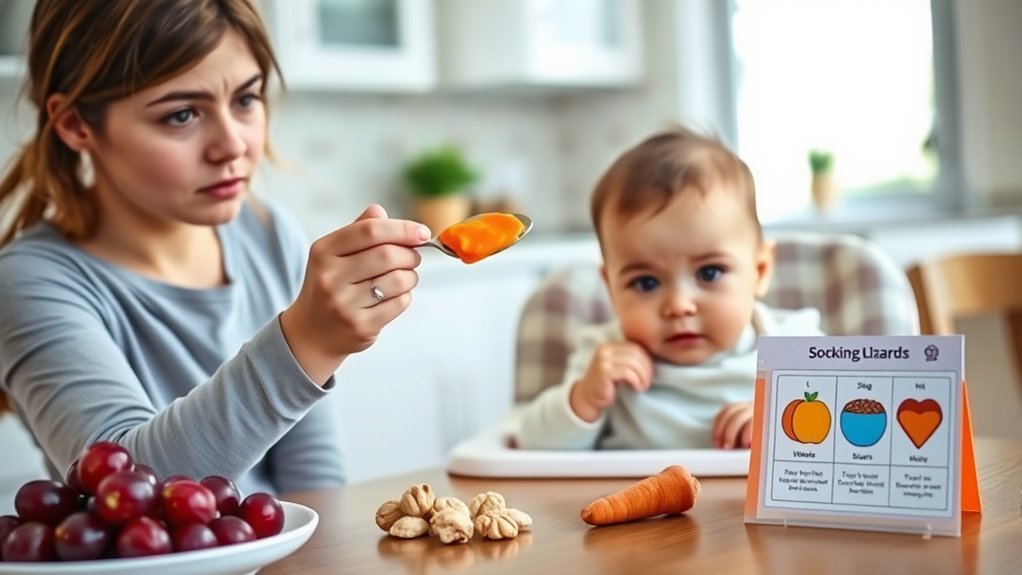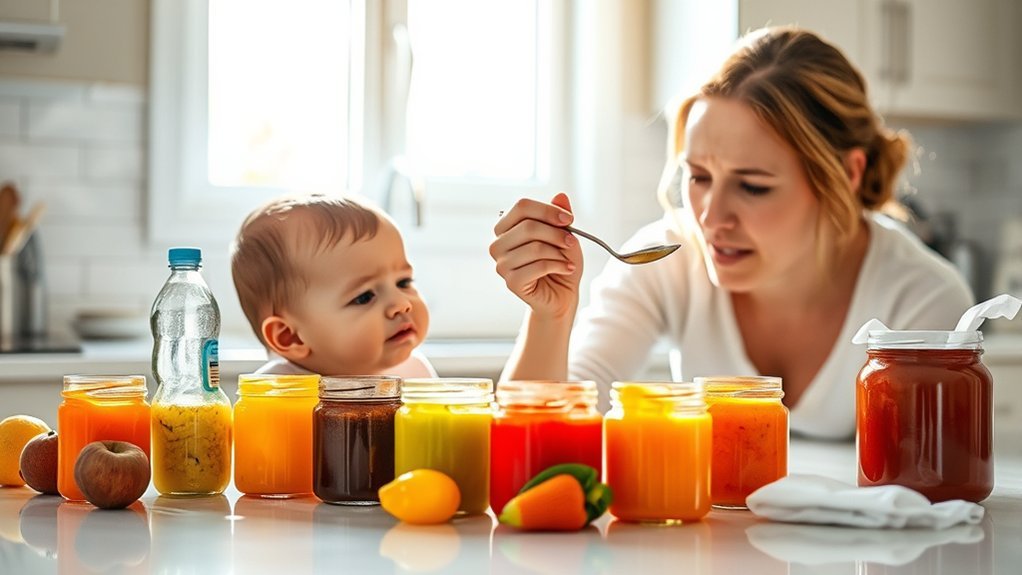
Starting solid foods often changes a baby’s stool color, smell, texture, and frequency. Those normal changes can be mistaken for diarrhea. Baby food can sometimes be connected to diarrhea through a food reaction or contamination, but a sudden infection is a more common cause. The key is to compare the stool with your baby’s normal pattern and watch closely for dehydration or other warning signs.
Quick Answer
Yes. A new food can sometimes trigger loose stools through an allergy, intolerance, or contamination, but most sudden diarrhea in babies is caused by an infection rather than the baby food itself. True diarrhea is a sudden increase in watery stools above your baby’s normal pattern. Because infants dehydrate quickly, call your pediatrician for advice.
Key Takeaways
- One or two looser stools after a new food may be a normal change. Diarrhea is more likely when stools suddenly become much more frequent and watery than usual.
- Viruses are a common cause of sudden diarrhea. Food contamination, medicine side effects, allergies, and intolerances are other possibilities.
- Do not routinely avoid peanut, egg, wheat, or other allergenic foods. Introduce them in safe, age-appropriate forms and ask your pediatrician for guidance if your baby has severe eczema, egg allergy, or a prior reaction.
- Continue breast milk or normally mixed formula. A commercial oral rehydration solution may be helpful for frequent watery stools or reduced urination.
- Seek prompt care for dehydration, blood in the stool, repeated vomiting, breathing trouble, severe diarrhea, fever in a young infant, or a baby who looks very ill.
At a Glance
| Time Required | Monitor every feeding, stool, and wet diaper while symptoms continue; act immediately if warning signs appear. |
| Difficulty | Moderate, because normal infant stools vary and dehydration can develop quickly. |
| Tools Needed | Diaper count, thermometer, feeding and symptom log, and commercial oral rehydration solution if recommended. |
| Cost | Usually low for home monitoring; oral rehydration solution and medical evaluation costs vary. |
Medical Note: This article provides general education and cannot diagnose the cause of diarrhea. Infants can become dehydrated quickly. Contact your baby’s pediatrician for advice about true watery diarrhea, particularly if your baby is young, was born prematurely, or has another medical condition.
Can Baby Food Really Cause Diarrhea?

Baby food can be connected to diarrhea, but the food itself is not always the cause. Starting solids commonly changes stool consistency because your baby is digesting new carbohydrates, fats, proteins, and fibers. A slightly looser stool or a change in color after a new fruit or vegetable does not automatically mean your baby is sick.
True diarrhea is more likely when the stool becomes much more watery and frequent than your baby’s usual stool. Other clues include poor feeding, vomiting, fever, blood or mucus in the stool, unusual sleepiness, or reduced urination.
Possible food-related causes include:
- Food contamination: Germs can enter homemade or commercial food through unsafe water, unwashed hands, dirty utensils, incorrect storage, damaged packaging, or saliva from a used spoon.
- Food allergy: An allergy may cause diarrhea along with hives, swelling, vomiting, coughing, wheezing, or other symptoms.
- Food intolerance: Some babies have trouble digesting a particular ingredient. A pediatrician should evaluate repeated symptoms rather than having caregivers remove major food groups on their own.
- A sudden dietary change: Large portions or several new foods at once can make it difficult to identify which food is associated with a reaction.
Added sugars and high-sodium foods should be limited because they offer poor nutrition for babies. They are not, however, automatic causes of diarrhea in normal portions. Juice and other sugary drinks can worsen active diarrhea because they may draw more water into the intestines.
A new food may change a baby’s stool without causing illness. Look for a sudden change from your baby’s normal pattern rather than judging one diaper by itself.
Normal Stool Changes vs. Diarrhea
Diarrhea can be difficult to recognize in babies because normal infant stools vary. Breastfed babies may pass loose, seedy stools after many feedings, especially during the first two months. Formula-fed stools are often thicker, but frequency also varies.
The American Academy of Pediatrics’ HealthyChildren guidance recommends looking for a sudden increase in both stool looseness and frequency. One or two loose stools can occur with a diet change. Three or more distinctly watery stools, particularly when they are unusual for your baby, are more concerning.
| More Likely a Normal Change | More Concerning for Diarrhea |
|---|---|
| One or two softer stools after a new food | A sudden series of very watery stools |
| A new color after eating green, orange, or red foods | Blood, large amounts of mucus, or black tar-like stool |
| Baby is feeding, urinating, and behaving normally | Poor feeding, repeated vomiting, fever, lethargy, or fewer wet diapers |
| Stool returns to the usual pattern quickly | Watery stools continue, become more frequent, or are accompanied by illness |
Signs of Diarrhea in Babies
The number of stools matters, but consistency, suddenness, feeding, urination, and behavior matter just as much. Track the whole pattern instead of focusing only on stool color.
Increased Stool Frequency
Suspect diarrhea when your baby suddenly passes more stools than usual and the stools are much more watery. The American Academy of Pediatrics describes three to five watery stools in 24 hours as mild diarrhea, six to nine as moderate, and ten or more as severe.
Contact your pediatrician within 24 hours for six or more watery stools. Seek urgent care for ten or more watery stools, suspected dehydration, blood, repeated vomiting, severe pain, or an ill-looking baby.
Watery Stool Consistency
Watery stool soaks into the diaper differently from a soft or loose stool. It may leave a large water ring and contain little solid material. Frequent watery stools create the greatest dehydration risk.
| What You Notice | What to Do |
|---|---|
| One or two loose stools and normal behavior | Continue feeding and monitor the next diapers. |
| Three to five watery stools | Increase breastfeeding or offer formula more often and call if symptoms worsen. |
| Six or more watery stools in 24 hours | Contact your baby’s doctor within 24 hours. |
| Ten or more watery stools, blood, dehydration, or repeated vomiting | Seek medical care now. |
Common Causes of Diarrhea in Babies
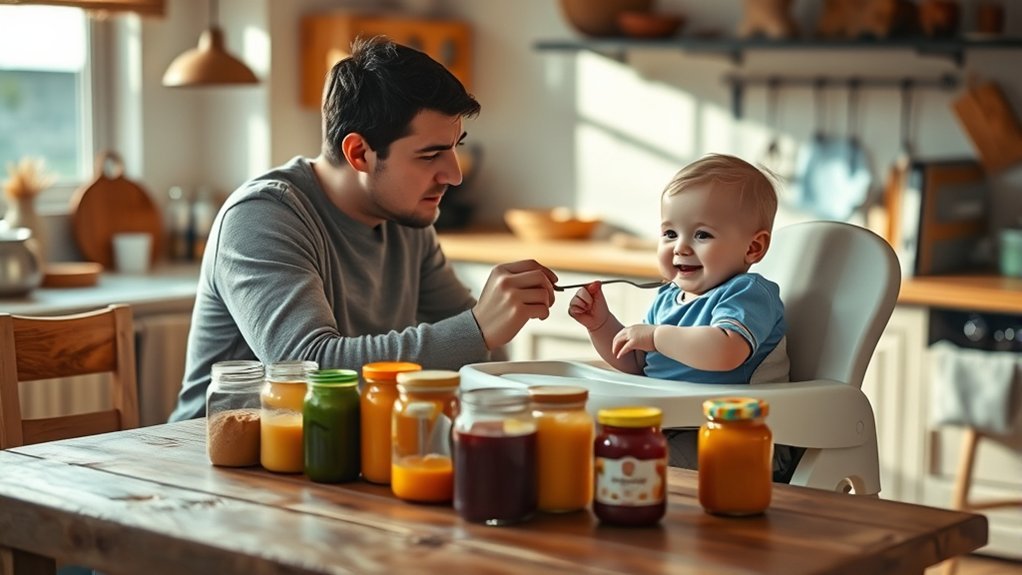
A new food may be the first suspected cause because the timing is easy to notice. However, sudden diarrhea is often caused by a virus that happens to appear during the same period as starting solids.
Common causes include:
- Viral gastroenteritis: Viruses such as rotavirus, norovirus, and adenovirus can cause watery diarrhea, vomiting, and fever.
- Foodborne infection: Contaminated food, water, hands, preparation surfaces, or utensils may spread bacteria or other germs.
- Antibiotics and other medicines: Antibiotics can disturb normal gut bacteria and produce loose stools.
- Food allergy: Cow’s milk, egg, peanut, wheat, soy, sesame, fish, and shellfish are among the foods that may cause allergic reactions.
- Food intolerance or digestive condition: Repeated diarrhea, poor growth, persistent blood or mucus, or symptoms linked to the same ingredient need medical assessment.
- Temporary stool changes: New fruits, vegetables, grains, and proteins can change the stool without causing an illness.
Food Allergy Warning Signs
According to HealthyChildren.org, food allergy symptoms can affect the skin, breathing, digestive system, or circulation. Diarrhea by itself does not prove an allergy.
Warning: Call 911 for trouble breathing, wheezing, sudden coughing or hoarseness, difficulty swallowing, blue or very pale skin, collapse, or rapidly worsening swelling after a food. Stop feeding the suspected food while waiting for emergency help. Use prescribed epinephrine immediately if your child has an allergy action plan that tells you to do so.
Contact your pediatrician promptly for hives, facial swelling, repeated vomiting, blood in the stool, or recurring diarrhea after the same food—even if breathing is normal.
Safe Strategies for Introducing New Baby Foods
Most babies can start complementary foods at about 6 months when they show developmental readiness. Breast milk or infant formula should remain the main source of nutrition through the first year.
The CDC recommends beginning with one single-ingredient food at a time and waiting three to five days before another new food during the early introduction period. This makes reactions easier to identify.
- Start with a small amount. Offer one or two teaspoons when your baby is healthy and awake.
- Use a safe texture. Mash, puree, or soften food to match your baby’s eating skills.
- Offer new foods earlier in the day. This gives you time to observe your baby.
- Write down the food and time. Note stool changes, vomiting, rash, swelling, coughing, or unusual behavior.
- Increase the amount gradually. Continue the food when it is tolerated.
Introducing Allergenic Foods Safely
Do not routinely delay peanut, cooked egg, wheat, dairy products such as plain yogurt, or other allergenic foods. Introduce them in textures that do not create a choking hazard. Whole nuts, spoonfuls of thick nut butter, and hard pieces of food are unsafe for babies.
If your baby has severe eczema, an egg allergy, or a previous immediate reaction, ask your pediatrician or allergist when and how to introduce peanut and other allergens. Do not try a suspected trigger again at home after a significant reaction unless your child’s clinician provides a plan.
Iron-rich foods are also important. Options include iron-fortified infant cereal, meat, beans, lentils, and other age-appropriate foods. If using infant cereal, offer oat, barley, multigrain, and other fortified grains rather than relying only on rice cereal.
How to Monitor Your Baby’s Reactions to New Foods

A simple reaction log is more useful than relying on memory. Record:
- The food and all ingredients.
- The amount your baby ate.
- The time the feeding began.
- Stool frequency and whether stools were soft or truly watery.
- Wet diapers.
- Vomiting, fever, rash, hives, swelling, coughing, wheezing, or poor feeding.
- Medicine use, recent illness, travel, child-care illness, or antibiotic treatment.
If diarrhea follows a new food but your baby is otherwise well, pause that new food and call the pediatrician for advice before offering it again. Continue breast milk, formula, and previously tolerated foods unless your clinician gives different instructions.
Pro Tip: Photograph the ingredient label and the diaper if the stool contains unusual blood, mucus, or color. These records can help your pediatrician assess the timing and possible cause.
Tips for Preventing Diarrhea When Starting Solids
Not every case is preventable, but safe preparation and storage reduce the risk of foodborne illness.
- Wash your hands before preparing or serving food and after changing a diaper.
- Use clean utensils, bowls, preparation surfaces, and safe water.
- Cook meat, eggs, seafood, and firm produce thoroughly enough for safe serving and an age-appropriate texture.
- Keep raw meat and eggs away from ready-to-eat baby food.
- Check jars, tubs, and pouches for leaks, swelling, broken seals, rust, or damaged glass.
- Do not serve recalled food or formula.
- Keep cold food refrigerated and do not leave perishable baby food at room temperature for more than two hours.
- Do not feed directly from a storage jar if you plan to save the rest.
Safe Baby Food Storage
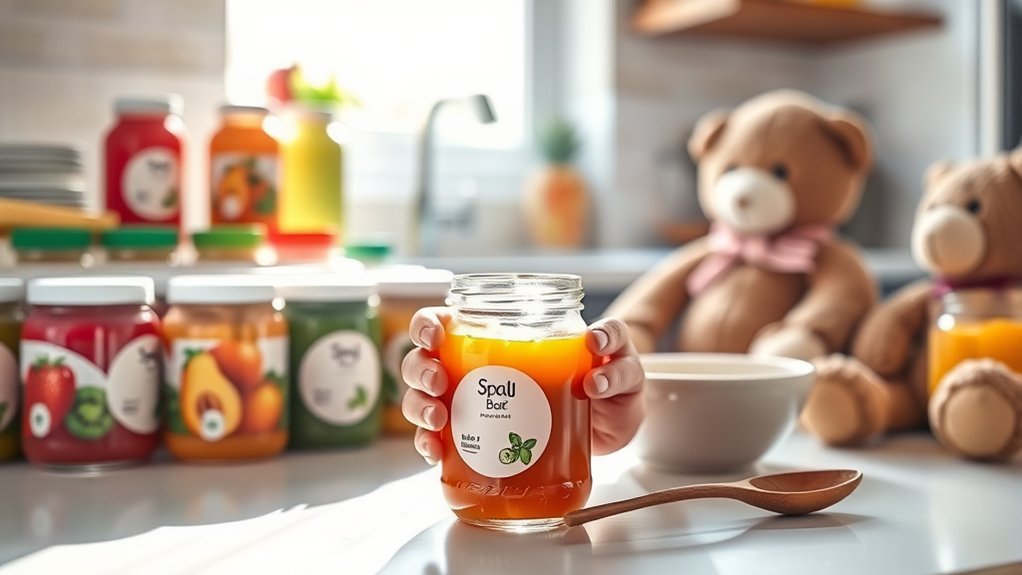
The FDA advises caregivers to place a serving in a separate bowl. A spoon that has been in the baby’s mouth can carry saliva back into the jar and contaminate the remaining food.
Discard food left in the serving bowl. Refrigerate untouched food according to the product label or FDA guidance. FDA storage guidance lists approximately two to three refrigerated days for opened strained fruits and vegetables, one day for strained meats and eggs, and one to two days for homemade baby food or meat-and-vegetable combinations.
Do not rely only on smell or appearance to judge safety. When storage time is uncertain, discard the food.
When to Seek Medical Attention for Your Baby’s Diarrhea
Infants have less fluid reserve than older children and can become dehydrated quickly. Call your pediatrician for advice when an infant develops true watery diarrhea, even when symptoms initially seem mild.
Signs of Dehydration
Seek medical care now if you notice:
- No urine for more than eight hours or a sharp drop in wet diapers.
- Very dark urine.
- A dry tongue or very dry mouth.
- Few or no tears when crying.
- A sunken soft spot on the head.
- Unusual sleepiness, weakness, irritability, or poor responsiveness.
- Inability to keep breast milk, formula, or oral rehydration solution down.
Warning: Seek urgent care for blood in the stool, ten or more watery stools in 24 hours, repeated vomiting, severe or constant abdominal pain, a baby who looks very ill, or any fever of 100.4°F (38°C) or higher in a baby younger than 12 weeks. Do not give fever medicine to a young infant before medical evaluation unless a clinician instructs you to do so.
Blood in Stool
Bright red blood may come from irritation or a small anal fissure, but it can also occur with infection, allergy, or another intestinal problem. Black, tar-like stool may represent digested blood, although iron and some foods can also darken stool.
Do not try to determine the cause at home. Contact a healthcare professional promptly whenever blood appears in a baby’s stool. Seek emergency care if blood occurs with severe pain, repeated vomiting, marked weakness, a swollen abdomen, or an ill appearance.
| Symptom | Recommended Action |
|---|---|
| Blood in the stool | Seek medical care now. |
| Six to nine watery stools in 24 hours | Contact the pediatrician within 24 hours. |
| Ten or more watery stools or suspected dehydration | Seek urgent medical care. |
| Trouble breathing or swallowing after food | Call 911. |
How to Handle Mild Diarrhea at Home
Home care focuses on replacing fluids while continuing nutrition. Follow your pediatrician’s advice, especially for babies younger than 12 months.
- Continue breastfeeding. Offer the breast more often if your baby is willing to feed.
- Continue formula at its normal strength. Offer smaller or more frequent feeds if needed. Do not dilute formula because incorrect mixing can create dangerous electrolyte and nutrition problems.
- Use commercial oral rehydration solution when needed. HealthyChildren guidance recommends ORS for frequent watery diarrhea or suspected dehydration while breast milk or formula continues. For babies, its symptom guidance lists 2 to 4 ounces (60 to 120 mL) after a large watery stool, but individual needs vary.
- Continue tolerated solids. If your baby is hungry and not vomiting, offer familiar age-appropriate foods. Infant cereal and other simple tolerated foods may be easier to manage.
- Pause brand-new foods. Wait until the diarrhea improves before testing another new ingredient so reactions are easier to interpret.
- Protect the skin. Change diapers promptly, rinse gently with water, pat dry, and apply a thick barrier ointment to reduce diaper rash.
Do not use fruit juice, soda, sweetened tea, full-strength sports drinks, or other sugary beverages for infant diarrhea. Do not give over-the-counter anti-diarrheal medicine unless your child’s healthcare professional specifically prescribes it.
ORS should not be the baby’s only source of nutrition for an extended period. Continue breast milk or formula and contact the pediatrician if your baby cannot drink enough, repeatedly vomits, or has fewer wet diapers.
Foods and Drinks to Avoid for Babies
The following foods and drinks should be avoided or limited for safety and nutrition. They do not all cause diarrhea, but some can cause infection or worsen fluid loss.
- Honey before 12 months: Honey may contain spores that cause infant botulism.
- Unpasteurized milk, cheese, yogurt, or juice: These products may contain bacteria that cause severe diarrhea or other illness.
- Fruit or vegetable juice before 12 months: The CDC recommends no juice before 12 months. Juice may also worsen diarrhea.
- Sugary drinks and foods with added sugars: Babies do not need added sugar, and sugary drinks are poor choices during diarrhea.
- Foods high in sodium: Limit processed meats, salty packaged foods, and high-sodium canned products.
- Cow’s milk as a drink before 12 months: Plain yogurt and cheese may be offered earlier, but cow’s milk should not replace breast milk or formula before the first birthday.
- Fish high in mercury: Avoid shark, swordfish, king mackerel, marlin, orange roughy, Gulf of Mexico tilefish, and bigeye tuna.
- Unsafe choking shapes: Avoid whole nuts, hard raw vegetables, whole grapes, thick spoonfuls of nut butter, and other hard, round, sticky, or poorly cut foods.
Do not remove formula, dairy, wheat, egg, or another major food from your baby’s diet for a long period without medical guidance. An unnecessary restricted diet can make adequate nutrition more difficult.
Frequently Asked Questions
Can certain baby food brands cause more digestive issues than others?
A brand name alone does not predict whether a baby will develop diarrhea. Compare ingredient lists, follow age and texture guidance, inspect the package, check current recalls, and store the food correctly. If symptoms repeatedly follow one product, stop serving it, save the label and lot information, and contact your pediatrician.
How long does diarrhea after starting baby food last?
There is no single duration because the cause matters. A brief stool change may settle quickly, while viral diarrhea can leave loose stools for one to two weeks. Call sooner for dehydration, blood, repeated vomiting, fever in a young infant, moderate or severe watery diarrhea, poor feeding, or worsening symptoms.
Which ingredients can trigger diarrhea in babies?
Any contaminated food can cause illness. A food allergy or intolerance may also produce diarrhea, but isolated loose stool does not identify the ingredient. Cow’s milk, soy, egg, wheat, peanut, sesame, fish, and shellfish are among foods that may cause reactions. Repeated symptoms need pediatric evaluation.
Can teething cause diarrhea?
Teething can cause drooling, gum discomfort, chewing, and fussiness, but true diarrhea should not be dismissed as teething. Illness, newly introduced foods, or germs picked up from objects placed in the mouth may occur at the same time. Monitor hydration and contact the pediatrician when diarrhea is significant.
Can incorrect baby food storage cause diarrhea?
Yes. Unsafe storage or saliva contamination can allow harmful germs to grow. Spoon a serving into a separate bowl, refrigerate untouched food promptly, follow the label or FDA storage limits, and discard food left in the feeding bowl. Never save food from a jar after feeding directly from it.
Should I stop solid food when my baby has diarrhea?
Usually, tolerated age-appropriate foods can continue if the baby is hungry and not repeatedly vomiting. Continue breast milk or normally mixed formula. Pause new food introductions until the illness improves so you can identify reactions more clearly. Follow your pediatrician’s instructions if a specific food is suspected.
Should I give water or oral rehydration solution?
Continue breast milk or normally mixed formula. A commercial oral rehydration solution can replace water and electrolytes lost through frequent watery stools, especially when urination decreases. Do not substitute juice, soda, sports drinks, or homemade mixtures. Ask your pediatrician about the right amount for your baby.
When is baby diarrhea an emergency?
Seek urgent help for no urine in more than eight hours, a very dry mouth, no tears, a sunken soft spot, blood in the stool, ten or more watery stools in 24 hours, repeated vomiting, severe pain, marked weakness, or an ill appearance. Call 911 for breathing or swallowing trouble after food.
Conclusion
Baby food can occasionally be involved in diarrhea through contamination, allergy, intolerance, or a sudden dietary change. However, infections are a common cause, and normal stool changes after starting solids are easy to mistake for illness. Compare each diaper with your baby’s usual pattern, continue breast milk or correctly mixed formula, and keep a record of new foods, stools, wet diapers, and other symptoms.
Do not avoid allergenic foods without a medical reason, and do not assume significant diarrhea is simply teething. Promptly contact your pediatrician when watery stools are frequent or your baby is young, and seek urgent care for dehydration, blood, repeated vomiting, severe diarrhea, fever in a young infant, or allergy-related breathing symptoms.
Sources
- American Academy of Pediatrics: Diarrhea Symptom Guidance — identifying diarrhea, dehydration signs, escalation thresholds, feeding, and oral rehydration.
- CDC: When, What, and How to Introduce Solid Foods — timing, single-ingredient foods, allergen introduction, textures, and food preparation.
- FDA: Once Baby Arrives—Food Safety — baby-food storage, saliva contamination, refrigeration, honey, and unpasteurized products.
- CDC: Foods and Drinks to Avoid or Limit — added sugars, sodium, honey, juice, cow’s milk, mercury, and unpasteurized foods.
- American Academy of Pediatrics: Food Allergies in Children — skin, breathing, digestive, and circulation symptoms of food allergy.
- PubMed: Teething and Tooth Eruption in Infants—A Cohort Study — evidence concerning symptoms commonly attributed to teething.