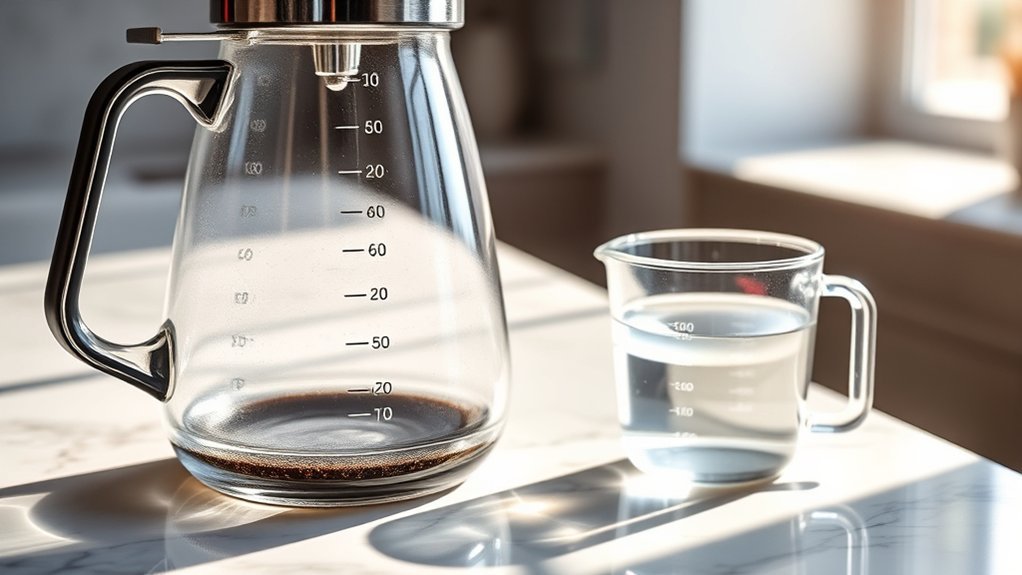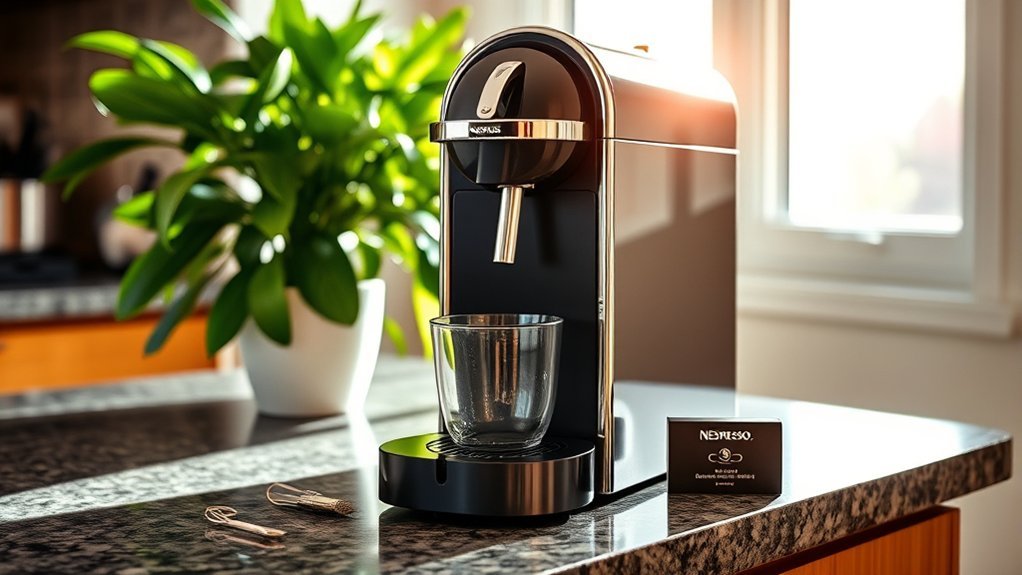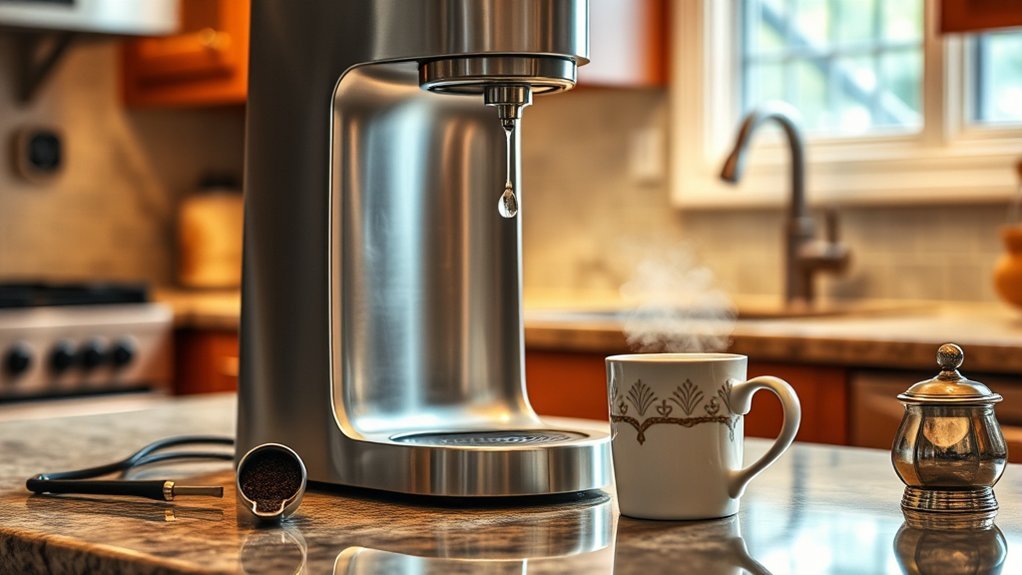
A missing or broken carafe does not automatically mean you can place a mug, pot, or jar under a coffee maker and start brewing. Some single-serve, dual-purpose, and carafe-free machines are designed for direct-to-cup brewing, but many standard drip models rely on the carafe or its lid to open a pause-and-serve valve. Check your exact model before using any substitute.
Quick Answer
You can use a coffee maker without a carafe only when its manufacturer allows brewing into a mug, travel cup, internal tank, or another approved vessel. Do not substitute a random container on a standard drip machine if the carafe normally opens the basket valve, because hot coffee can back up and overflow.
Key Takeaways
- Check the exact model manual first; carafe requirements can differ even between machines from the same brand.
- A missing carafe can leave a pause-and-serve valve closed, allowing the filter basket to fill and overflow.
- Use only a mug, travel cup, thermal vessel, internal tank, or replacement carafe approved for that model and brewing mode.
- Cancel any delayed or automatic brew setting while the required carafe is missing.
- Do not hold, tape, clamp, or wedge an anti-drip valve open, and do not place a random jar or metal pot on a warming plate.
- For an ordinary drip coffee maker, the safest long-term solution is the manufacturer-listed replacement carafe for your exact model.
At a Glance
| Time Required | A few minutes to verify compatibility, plus the coffee maker’s normal brew time; both vary by model and selected volume |
| Difficulty | Easy when the machine is designed for direct-to-cup brewing; not recommended as a workaround on an unsupported drip model |
| Tools Needed | Coffee-maker model number, owner’s manual, and a manufacturer-approved mug, thermal vessel, internal tank, or exact-compatible replacement carafe |
| Cost | No added cost if the machine already supports your cup or vessel; replacement-carafe prices vary by manufacturer and model |
How to Brew Coffee Without a Carafe Safely
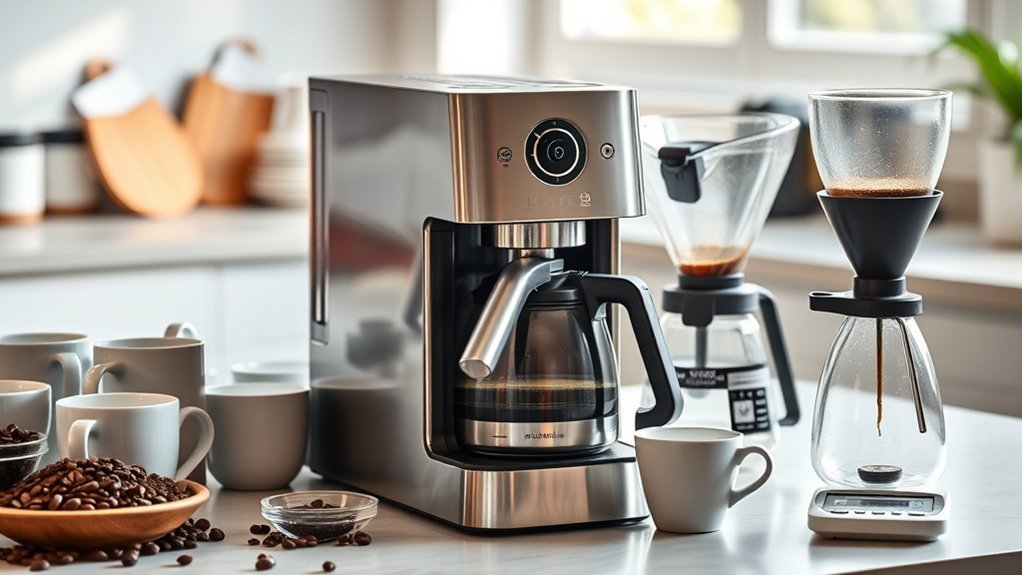
Start by finding the coffee maker’s full model number, usually printed on a rating label underneath, behind, or near the base of the machine. Find the matching manufacturer use-and-care guide. Do not assume that a sturdy mug, metal pot, bowl, pitcher, thermal carafe, or other heat-resistant container is compatible simply because it fits under the brew basket.
- Identify the machine type. A single-serve brewer, adjustable coffee station, dual brewer, or internal-tank dispenser may have a brewing mode that does not use a traditional carafe.
- Check the manual for direct-to-cup instructions. Look for wording such as “brew into a mug,” “travel mug,” “single serve,” “cup rest,” or “internal tank.”
- Cancel automatic or delayed brewing. If the machine has Auto Brew, delayed start, or a programmed morning cycle, turn it off until the correct carafe or approved direct-brew setup is in place. Some drip-machine manuals require an empty carafe to be installed before automatic brewing.
- Inspect the bottom of the filter basket. If a spring-loaded stop valve is normally pushed open by the carafe lid, do not brew without the correct carafe unless the manual explicitly provides another approved method.
- Choose the approved vessel. It must fit below the outlet, sit securely, be suitable for hot beverages, and hold at least the full programmed brew amount.
- Limit the brew volume. Use a single-cup or small-batch setting when the manual permits it. Never program more liquid than the approved vessel can hold.
- Stay beside the machine. Stop the cycle if coffee pools in the basket, leaks around the vessel, misses the opening, or begins approaching the vessel’s rim.
Warning: Do not press, tape, clamp, or wedge a pause-and-serve valve open. On many drip machines, hot water continues entering the filter basket while the valve is closed. A blocked outlet can cause hot coffee and water to overflow and create a burn hazard.
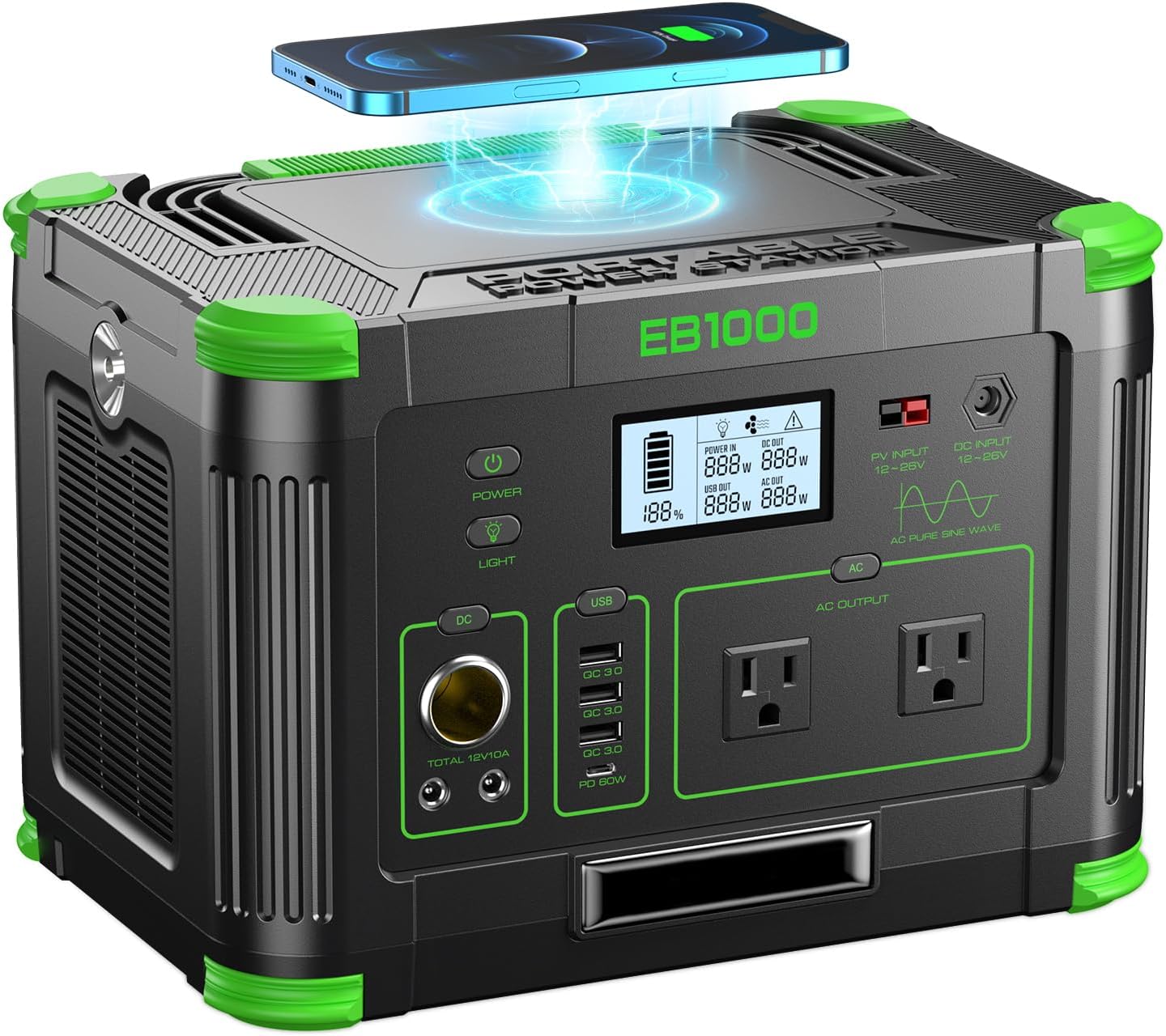
Power your essentials anywhere with a 999Wh pure sine wave power station delivering up to 1000W continuous with 2000W surge. It supports fast charging via USB-C PD 60W and USB-A QC 18W, plus simultaneous output for multiple devices through AC, USB, wireless, and car/DC ports. Recharge using AC, car, or solar with a built-in MPPT controller and dual cooling fans, while the upgraded battery management system protects against surges, short circuits, and overheating.

Hold 64 oz of coffee or other hot beverages
Disable Auto Brew Before Leaving the Carafe Out
A missing carafe is especially risky when a coffee maker has a programmed start time. For example, a Hamilton Beach automatic-drip manual instructs users to make sure an empty carafe is inserted before using Automatic Brew. If your carafe breaks or goes missing, cancel any programmed cycle until you have confirmed an approved carafeless setup.
A local thrift store or resale shop may have a low-cost carafe, but a secondhand carafe is suitable only when its model or part number is listed as compatible with your coffee maker. Reject any vessel with chips, cracks, a loose handle, a damaged lid, or a base that does not sit level.
How Coffee Makers Behave Without a Carafe
Whether a coffee maker can run without a carafe depends on how it was designed. Some machines drip directly into a mug. Others brew into an internal tank and dispense one cup at a time. Traditional automatic drip machines normally send brewed coffee into a glass or thermal carafe below the filter basket.
| Coffee Maker Type | Without a Carafe? | What to Check |
|---|---|---|
| Dedicated single-serve brewer | Usually yes | Approved cup size, maximum brew volume, cup-rest position, and vessel material |
| Dual mug-and-carafe brewer | Depends on the side or mode | Use the single-serve side only as instructed; the carafe side may still require its original or exact-replacement carafe |
| Internal-tank dispenser | Yes, by design | Tank installation, dispensing clearance, cleaning instructions, and programmed volume |
| Standard automatic drip brewer | Usually no unless the manual says otherwise | Whether the carafe lid opens the pause-and-serve valve and whether an exact replacement is required |
Many drip models include a pause-and-serve mechanism. Removing the carafe closes a valve at the bottom of the filter basket so you can pour a cup before brewing finishes. A Hamilton Beach use-and-care manual, for example, says coffee flow from the basket stops when the carafe is removed and warns that the carafe must be returned within 15 seconds because hot water continues entering the basket.
If the carafe lid normally opens the basket valve, a substitute that does not engage that valve can turn a routine brew cycle into an overflow and scalding hazard.
A dual-purpose brewer shows why you must check the exact mode rather than the brand name alone. The Hamilton Beach FlexBrew 49940 manual instructs users to place a cup or travel mug on the single-serve side, but its carafe-side instructions say to use the supplied carafe or its exact replacement. The same manual warns that the carafe must be returned within 20 seconds when Pause & Serve is used.
The correct carafe can also affect alignment, lid clearance, warming-plate contact, and drip control. That is why replacement parts are commonly model-specific. For example, Cuisinart lists individual compatible model numbers for its Coffee Center SS-15CRF replacement carafe rather than presenting it as a universal fit.
Alternative Brewing Containers and When They Are Safe
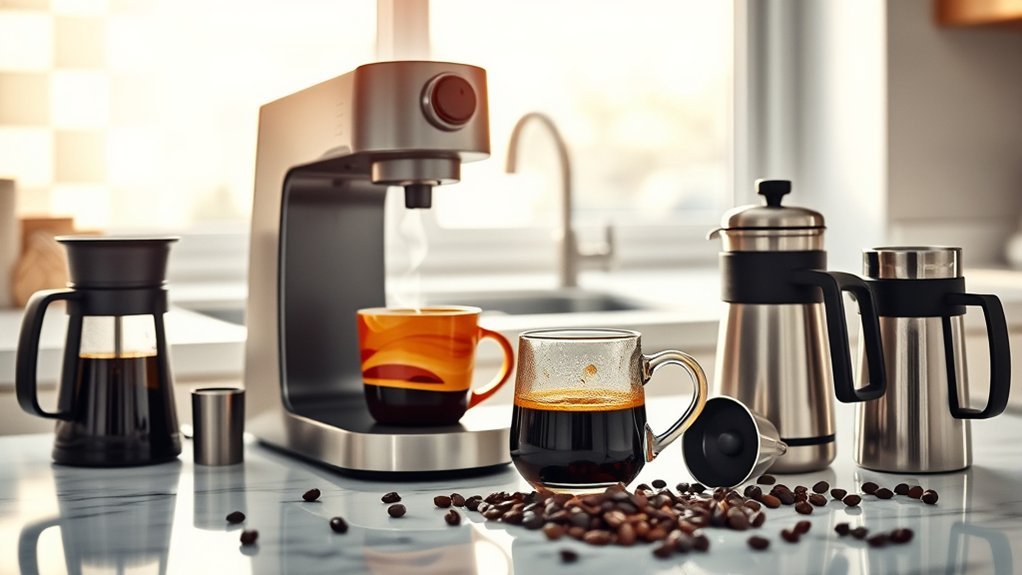
The safest alternative is not simply the most heat-resistant container. It is a vessel the coffee maker was designed to use. Height, opening width, capacity, lid shape, valve contact, stability, and base material can all matter.
Manufacturer-Approved Direct-Brew Options
- Single-serve mug: Some compact brewers are built to drip directly into a mug or travel cup. The BLACK+DECKER CM618, for example, is designed to brew directly into its included 16-ounce thermal mug.
- Adjustable coffee station: Certain models include a cup stand or removable platform that positions a mug at the correct height below the outlet.
- Internal coffee tank: Carafe-free dispensers store brewed coffee inside the machine and release it into a cup on demand.
- Model-approved thermal vessel: Some batch brewers use a specific thermal jug or carafe that matches the outlet, lid, and flow-control geometry.
When the manual specifically permits direct-to-mug brewing, use a clean, food-safe vessel that meets the manufacturer’s size, capacity, and material instructions. Old residue, a damaged interior, poor fit, or an incorrect brew setting can affect the result even when the cup itself is technically heat-safe.
An electric percolator is a different appliance: its pot is part of the brewing chamber, so it does not need a separate drip-machine carafe. Follow the percolator’s own fill, basket, and timing instructions rather than treating its pot as a substitute container for another coffee maker.
Temporary Containers to Avoid
A random metal pot may tolerate hot liquid but still be too low, too wide, unstable, or unsuitable for a warming plate. A bowl can catch splashes and is easy to bump. A pitcher may not open the pause valve. A substitute thermal carafe may be too tall or may fail to align with the outlet.
Do not assume a large mason jar is safe for direct brewing. Sudden temperature changes can stress glass; Ball defines thermal-shock breakage as glass failure caused by rapid temperature differences. A preserving jar also may not be designed for direct contact with an electric coffee-maker warming plate.
Note: “Heat-resistant” does not automatically mean “safe for this coffee maker.” The vessel must also fit securely, engage any required valve, hold the full programmed volume, and be permitted by the manufacturer for that brewing mode.
Essential Tips for Brewing Without the Original Carafe
If your machine is designed for a mug or another approved vessel, these steps help reduce spills and keep the brewer operating as intended.
Choose the Right Brewing Mode
Select the machine’s single-serve, mug, or small-batch setting when available. Do not fill a 12-cup reservoir and expect a travel mug to hold the entire cycle. Follow the manufacturer’s water and coffee limits, keep grounds below any maximum-fill line, and use the grind size recommended for that machine because excessively fine grounds can slow drainage and contribute to overflow.
Pro Tip: If the manual explicitly permits direct-to-cup use, a small water-only test can confirm cup position and capacity before you add coffee. Stay beside the machine throughout the test. Do not perform this test on an ordinary carafe-side brewer whose basket valve remains closed without the carafe.
Use an Approved Temporary Container
Place the approved container on a dry, level surface directly below the outlet. Make sure the opening will catch the stream and the base cannot slide. If the manufacturer permits preheating a thermal vessel, warm it with hot water, empty it completely, and place it back in the approved position before brewing.
Treat the coffee, filter basket, outlet, warming plate, and nearby surfaces as hot during and immediately after the cycle. Do not move the vessel while coffee is flowing. When brewing finishes, follow the model’s shutdown instructions and lift the vessel only by a secure handle or designated gripping surface.
Maintain the Coffee Maker After Use
Rinse the brew basket and reusable filter after each use when the manufacturer’s instructions permit it. Once the machine has cooled, wipe the outlet area, drip tray, and any splashed surfaces. Follow the model manual for descaling rather than applying one vinegar ratio to every machine; cleaning cycles and dilution instructions differ.
Regular cleaning can improve flow and flavor, but it does not make an unsafe substitute container acceptable. Hamilton Beach advises daily coffee-maker users to clean regularly and provides model-specific instructions in its coffee-maker support guidance. The cited automatic-drip manual also recommends monthly internal cleaning for that particular model.
Troubleshooting Problems When Brewing Without a Carafe
- Coffee collects in the filter basket: Turn the machine off and unplug it when you can do so safely. Do not remove the hot basket. Let the appliance, coffee, water, and grounds cool. The missing carafe may not be opening the stop valve.
- The cup overflows: Stop the cycle using the controls if possible, unplug the machine when safe, and wait for hot surfaces to cool. Before another attempt, verify the programmed volume and the manufacturer’s approved vessel capacity.
- Coffee misses the container: The vessel may be too short, too narrow, off-center, or in the wrong cup-rest position. Use the machine’s approved stand or vessel setup.
- The machine will not start: Some models require particular baskets, lids, tanks, or other parts to be correctly installed. Reassemble the approved components and check the troubleshooting section of the manual.
- Coffee tastes weak or bitter: In an approved direct-brew mode, confirm the grounds amount, grind size, water volume, filter type, and cleaning schedule. Poor drainage or an incorrect brewing mode can change extraction.
- Coffee cools quickly: Use an insulated or preheated vessel only when it is approved for the machine. Do not place an unapproved cup, jar, or pot on a warming plate.
- The machine is programmed to start later: Cancel the programmed cycle until the required carafe or approved direct-brew vessel is correctly installed.
Warning: If hot coffee or water overflows, do not reach under the brew basket. The U.S. Consumer Product Safety Commission’s June 2026 Kidisle coffee-maker recall reported at least 27 injuries from unexpectedly released hot liquid or steam, including first- and second-degree burns. Let the machine cool before handling the basket or spilled grounds.
Carafeless Coffee Maker Options to Consider
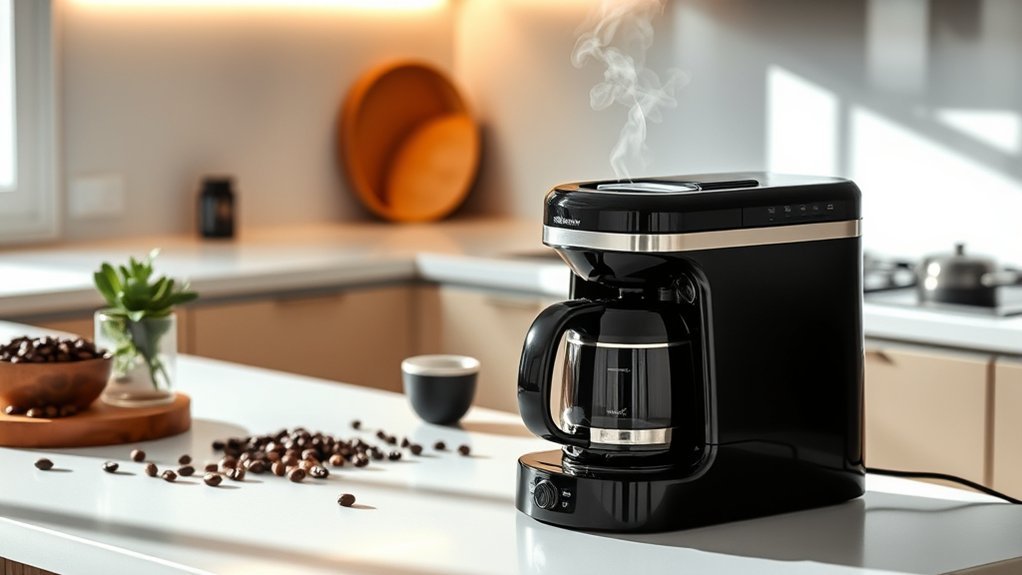
If your carafe is broken and a replacement is difficult to find, an intentionally carafeless design is safer than forcing a standard drip machine to operate without a required part. Brand names alone are not enough: Mr. Coffee, Cuisinart, Ninja, Hamilton Beach, BLACK+DECKER, and other manufacturers sell several machine types, so verify the exact model and brewing mode.
| Design | Best For | What to Verify |
|---|---|---|
| Direct-to-mug single serve | One person or one cup at a time | Maximum cup height, brew volume, approved mug material, cup-rest position, and automatic shutoff |
| Adjustable mug-and-carafe station | Users who want single cups and larger batches | Which side, mode, stand position, and vessel are approved for each brew size |
| Internal-tank dispenser | Households that serve several cups over time | Tank cleaning, keep-warm limits, dispensing clearance, and removable-part installation |
| Thermal-carafe brewer | Batch brewing without continuous warming-plate heating | Exact carafe compatibility, lid position, capacity, part number, and replacement availability |
Prices and inventories change, so compare current manufacturer specifications instead of relying on broad “budget” or “premium” labels. The safest purchase is a machine whose manual clearly shows the same mug, tank, or carafe setup you plan to use.
How to Verify an Exact Replacement Carafe
Write down the complete coffee-maker model number before shopping. On the manufacturer’s parts page, compare the replacement-carafe part number and compatible-model list first. Then confirm capacity, lid design, overall height, base shape, handle clearance, and how the lid meets the filter basket. A carafe with similar dimensions is not necessarily interchangeable if it fails to open the machine’s drip-stop mechanism.
Frequently Asked Questions
Can I use any type of container in a coffee maker?
No. Use the original carafe, an exact compatible replacement, or a mug or vessel the manufacturer approves for that specific model and brewing mode. A container can tolerate hot liquid yet still fail to open the brew-basket valve, sit securely, or hold the programmed volume.
Will using a travel mug affect coffee flavor?
When the coffee maker is designed to brew into a travel mug, use a clean, food-safe mug that meets the manufacturer’s instructions. Residue, poor heat retention, an incorrect brew volume, or the wrong brewing mode can affect taste more than simply replacing a carafe with an approved mug.
Can I brew multiple cups without a carafe?
Only if the coffee maker is designed for an internal tank or another approved batch container. Do not brew a full reservoir into a small mug or keep swapping cups during a continuous cycle unless the manufacturer specifically instructs you to do so.
Can I put a mug under the carafe side of a dual coffee maker?
Not unless the manual specifically permits it. A dual brewer may allow a mug on its single-serve side while still requiring the supplied carafe or an exact replacement on the carafe side. The two sides can use different baskets, outlets, valves, and brew-volume controls.
How do I clean a coffee maker used without a carafe?
Let the machine cool, then wash the approved vessel and removable brew parts according to the manual. Wipe splashes from the outlet, base, and drip tray. Follow the manufacturer’s descaling instructions because cleaning products, cycles, and dilution ratios vary by model.
Are there safety risks when brewing without a carafe?
Yes. Risks include a blocked pause-and-serve valve, filter-basket overflow, an undersized or unstable container, hot splashes, thermal shock in unsuitable glass, contact with a hot warming plate, and an unattended programmed brew starting without the required carafe.
Why does the filter basket fill up when the carafe is missing?
On some drip machines, the carafe lid normally pushes open a spring-loaded valve under the basket. Without the correct carafe and lid in place, brewed coffee cannot drain normally even though the machine may continue sending hot water into the grounds.
Can I hold the pause-and-serve valve open by hand?
No. Your hand would be close to hot coffee and water, while a tool or improvised wedge could slip, damage the mechanism, or cause uncontrolled flow. Use the correct carafe or an approved direct-brew mode instead.
How do I find the correct replacement carafe?
Use the full coffee-maker model number to check the manufacturer’s parts page or manual. Match the listed replacement part number and compatible-model list first, then confirm capacity, lid design, height, base shape, and handle clearance before buying.
Conclusion
You can brew without a traditional carafe when the coffee maker was designed for a mug, travel cup, approved thermal vessel, or internal tank. On a standard drip machine, however, the carafe may be part of the flow-control system rather than just a container. Check the exact manual, cancel unattended Auto Brew while a required carafe is missing, never bypass the stop valve, stay within the approved brew volume, and use the manufacturer-listed replacement whenever the carafe side requires one.
Sources
- Hamilton Beach Coffeemaker Use & Care Manual — explains carafe placement, Auto Pause ‘n Serve operation, automatic-brew setup, filter-basket overflow, and burn warnings.
- Hamilton Beach FlexBrew 49940 Use & Care Manual — shows separate direct-to-cup and carafe-side instructions, mug-volume limits, Pause & Serve guidance, and the requirement for the supplied carafe or its exact replacement.
- BLACK+DECKER CM618 Product Page — verifies a coffee maker specifically designed to brew directly into an included 16-ounce thermal travel mug.
- Cuisinart Coffee Center Replacement Carafe — demonstrates model-specific replacement-carafe compatibility.
- Ball Mason Jars Canning Glossary — defines thermal-shock breakage caused by sudden temperature differences in glass.
- U.S. Consumer Product Safety Commission Coffee-Maker Recall, June 2026 — documents injuries caused by unexpectedly released hot liquid and steam from coffee makers.