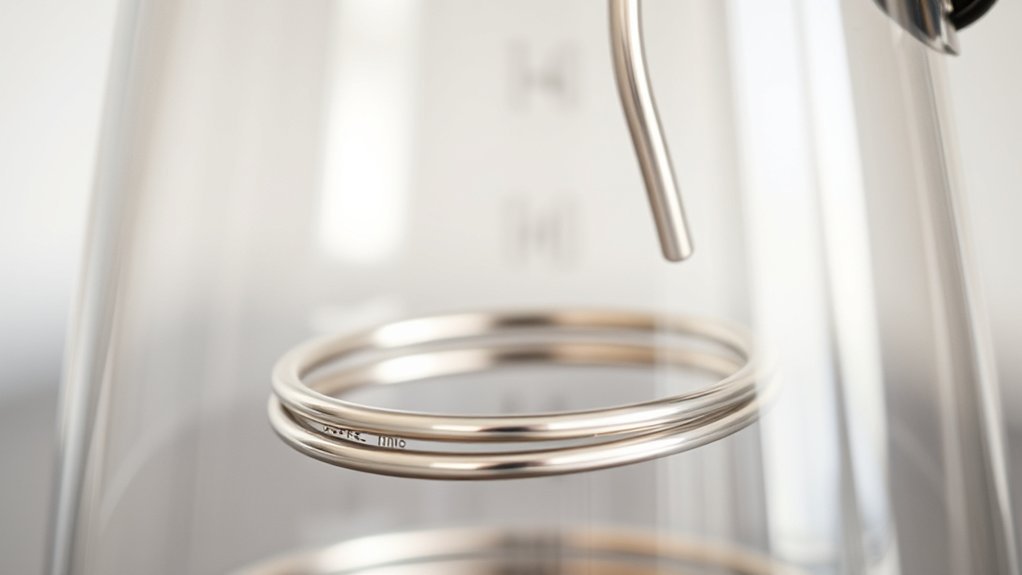
The heating element in your coffee maker converts electrical energy into heat, ensuring water reaches ideal brewing temperatures of 195°F to 205°F. This precision affects the flavor profile of your coffee, as temperature regulation is essential for proper extraction. High-quality heating elements made from effective materials like copper or stainless steel can enhance performance and efficiency. Understanding their function helps you brew better coffee, and there’s more to uncover about their materials and maintenance for longevity.
Key Takeaways
- The heating element in a coffee maker converts electrical energy into heat, ensuring water reaches optimal brewing temperatures of 195°F to 205°F.
- Different types of heating elements include thermoblock, boiler-based, and heating coils, each suited for specific brewing needs.
- Quality heating elements directly influence coffee flavor by maintaining stable temperatures during brewing, preventing undesirable taste fluctuations.
- Common materials for heating elements include aluminum, copper, and stainless steel, impacting thermal conductivity and overall efficiency.
- Regular maintenance, like descaling and cleaning, is essential for optimal heating performance and to prevent issues like inconsistent temperatures.
How Coffee Maker Heating Elements Function
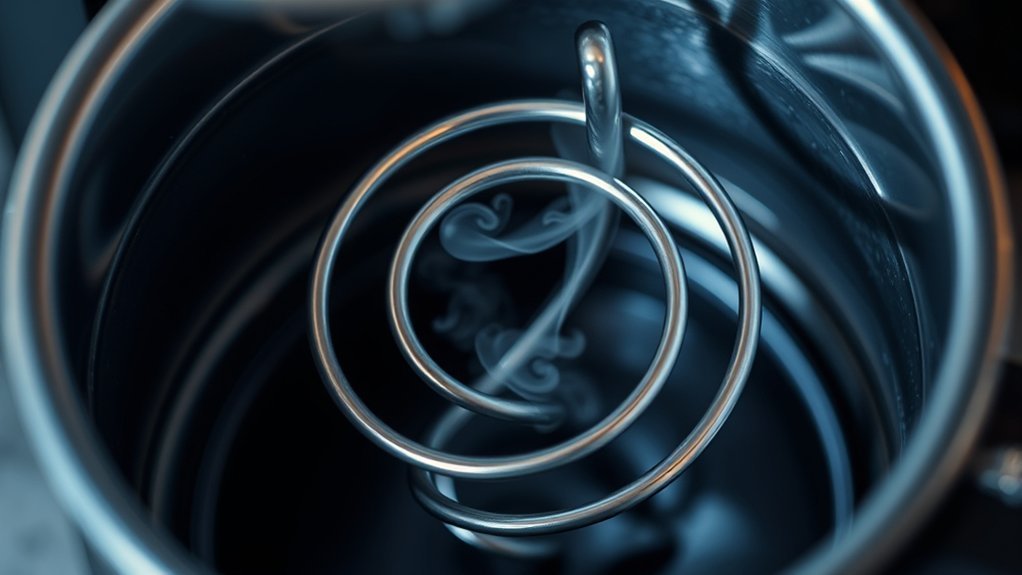
When you brew coffee, the heating element plays an essential role in transforming electrical energy into heat, ensuring your water reaches the perfect brewing temperature of 195°F to 205°F.
Coffee maker heating elements typically utilize materials like aluminum, copper, or stainless steel due to their excellent thermal conductivity. Depending on their design, they can be categorized as thermoblock, boiler-based, or heating coils, each offering distinct benefits for various brewing methods.
Temperature regulation is important; thermostats or thermistors maintain consistent heat throughout the brewing process. Regular maintenance, including descaling and cleaning, is crucial for prolonging the lifespan of these elements and ensuring ideal coffee quality.
Therefore, understanding heating element design enhances your brewing experience.
The Impact of Heating Elements on Coffee Flavor
While you may not realize it, the heating element in your coffee maker greatly influences the flavor profile of your brew. The element regulates water temperature, vital for ideal coffee extraction.
Here’s how it impacts flavor balance:
- Temperature Control: Perfect brewing temperatures (195°F to 205°F) guarantee proper extraction, enhancing flavors.
- Inconsistency Consequences: Faulty elements can cause temperature fluctuations, resulting in weak, bitter, or sour coffee.
- Steam Production: Quality heating elements promote consistent heat, improving steam for creamy froth, elevating taste and aroma.
Best Materials for Coffee Maker Heating Elements
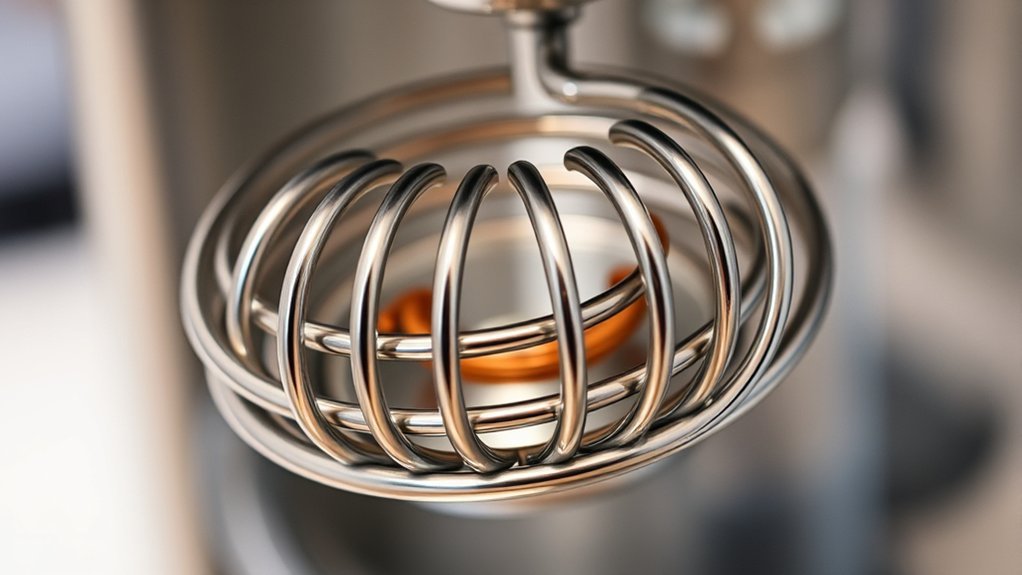
The materials used for coffee maker heating elements directly affect not only the efficiency of heating but also the overall performance of your coffee machine.
Aluminum benefits include its lightweight nature and rapid heating capabilities, allowing for quick brewing.
Aluminum’s lightweight design and quick heating properties make it an excellent choice for efficient brewing.
Copper advantages lie in its excellent thermal conductivity and rust resistance, ensuring consistent heat and best flavor extraction.
Stainless steel stands out for its durability and rust resistance, enhancing the longevity and reliability of your coffee maker.
Finally, nickel-chrome alloys offer strong resistance and effective heating, making them ideal for high-performance models requiring stable temperatures.
Each material plays a significant role in determining how well your coffee maker operates, impacting both efficiency and taste.
How to Troubleshoot Your Coffee Maker Heating Element Issues
If you notice your coffee isn’t reaching the desired temperature or brewing takes longer than usual, it may signal an issue with your coffee maker’s heating element.
To troubleshoot effectively, follow these steps:
- Inspect the Heating Element: Look for visible damage or signs of wear that could impact performance.
- Test the Thermostat and Thermal Cutoff: These components regulate the heating; verify they’re functioning correctly to maintain stable temperatures.
- Perform Regular Heating Element Maintenance: Descale and clean your coffee maker to prevent mineral buildup, which can hinder the heating element’s efficiency.
If your coffee consistently tastes burnt or weak, consider seeking professional assistance for replacement, as improper handling during troubleshooting may lead to further damage or safety hazards.
How to Keep Your Heating Element Running Longer
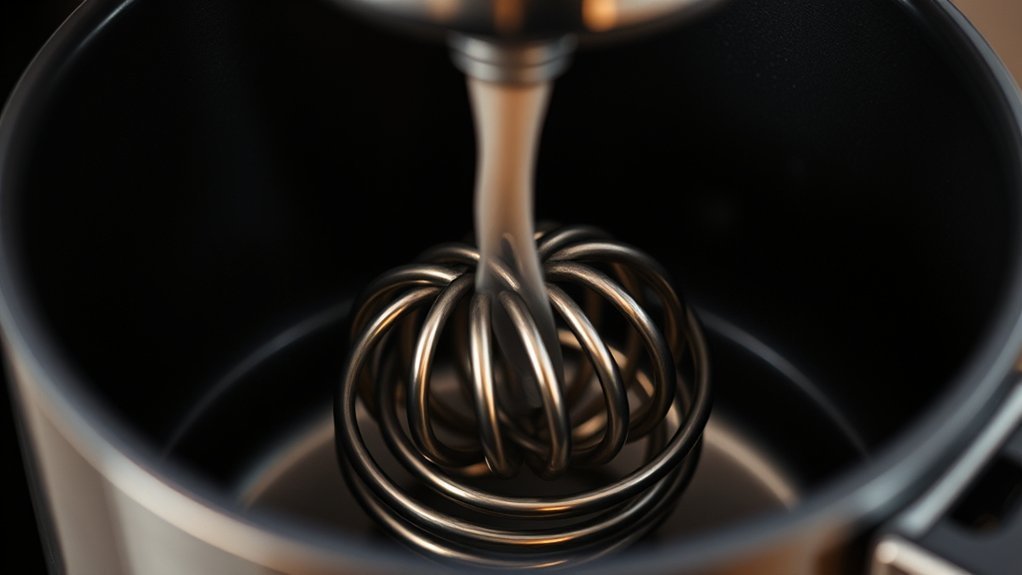
To extend the lifespan of your coffee maker’s heating element, regular maintenance is vital. Implementing effective maintenance tips can greatly enhance its durability.
Start by descaling your coffee maker regularly to prevent mineral buildup, guaranteeing efficient heating. Cleaning the water reservoir and tubing prevents residue that can compromise heating performance.
Using filtered water minimizes impurities that accumulate on the heating element, further improving its efficiency. Additionally, routinely check for wear and tear on the heating element; prompt replacement can avert further damage.
Finally, store your coffee machine in a cool, dry place and maintain proper ventilation during operation to avoid overheating. These longevity strategies will keep your heating element running longer and your coffee brewing smoothly.
When to Replace Your Coffee Maker Heating Element?
Regular maintenance can extend the life of your coffee maker’s heating element, but there comes a time when replacement is necessary.
Watch for these replacement signs indicating heating issues:
- Inconsistent Brewing Temperatures: If your coffee isn’t heating properly, it’s a strong signal that the heating element may be failing.
- Extended Brew Time: If your coffee takes considerably longer to brew than usual, this suggests the element is struggling to maintain the required temperature.
- Visible Damage: Corrosion or breaks on the heating element are clear indicators that it needs replacement for safe operation.
If you notice these issues despite regular maintenance, consult your manufacturer’s guidelines for replacement timelines specific to your coffee maker model.
Why Do Heating Element Materials Matter?
The materials used in heating elements directly influence thermal conductivity, durability, and brewing efficiency in coffee makers.
For instance, copper and aluminum provide rapid heating, essential for ideal brewing temperatures, while nickel-chrome alloys enhance longevity and resist corrosion.
Choosing the right material not only affects how quickly your coffee brews but also impacts the overall flavor extraction from your grounds.
Thermal Conductivity Importance
While you mightn’t think about it, the materials used in heating elements greatly influence the efficiency and effectiveness of coffee brewing. Their thermal conductivity directly impacts energy transfer during the brewing process, leading to better flavor extraction.
Here are three key considerations:
- Material Properties: Copper, with a thermal conductivity of approximately 400 W/(m·K), heats rapidly, while aluminum at 205 W/(m·K) offers decent performance.
- Temperature Stability: Consistent heating guarantees your coffee brews at the ideal temperature of 195°F to 205°F, essential for flavor.
- Long-term Performance: Nickel-chrome alloys resist oxidation, maintaining functionality over time despite high temperatures.
Choosing the right material for heating elements is vital for achieving the best coffee brewing results.
Durability Against Corrosion
When selecting materials for heating elements in coffee makers, durability against corrosion is an essential factor.
Corrosion resistance plays a significant role in the lifespan and performance of these components. Stainless steel and nickel-chrome alloys are commonly used for their superior resistance to rust and degradation, ensuring longevity.
While copper offers rapid heating, it can corrode under high mineral content water unless properly maintained. Aluminum heats quickly but lacks the corrosion resistance of stainless steel, risking premature failure.
To enhance the durability of your heating element, employ maintenance tips like regular descaling and using filtered water.
These practices not only improve corrosion resistance but also extend the overall lifespan of your coffee maker, ensuring consistent performance and flavor extraction.
Impact on Brewing Efficiency
Selecting the right heating element material directly influences brewing efficiency and the overall coffee experience. Key aspects to contemplate include:
- Thermal Conductivity: Materials like copper and aluminum heat rapidly, achieving ideal brewing temperatures of 195°F to 205°F, which is vital for effective flavor extraction.
- Temperature Consistency: High-quality elements maintain stable temperatures, preventing weak or bitter brews from fluctuations, enhancing taste profiles.
- System Type: Thermoblock systems excel in brewing speed for espresso, while boiler systems cater to larger volumes, affecting brewing efficiency overall.
Effective heating elements not only boost heating efficiency but also guarantee that each cup maintains consistent quality day after day.
This makes regular maintenance essential to prevent mineral buildup and sustain performance.
Frequently Asked Questions
Can Heating Elements Be Repaired or Must They Be Replaced?
Heating elements often can’t be repaired due to durability issues. While some repair techniques exist, they’re typically not cost-effective. Replacing the heating element is usually the most reliable and efficient solution for consistent performance.
How Do I Know if My Heating Element Is Faulty?
To determine if your heating element’s faulty, watch for symptoms like inconsistent temperatures or no heat. Use troubleshooting tips such as checking connections and testing voltage to diagnose the issue effectively.
Do Different Coffee Makers Use the Same Heating Element Design?
Different coffee maker brands often use various heating element types, tailored to their specific designs and performance needs. Understanding these differences can help you choose the right model that meets your brewing preferences effectively.
Are There Energy-Efficient Heating Elements Available for Coffee Makers?
Yes, you can find energy-efficient heating elements for coffee makers. Look for models utilizing eco-friendly materials and energy-saving options, which optimize heat transfer and reduce electricity consumption, enhancing your brewing experience while being environmentally conscious.
How Does Water Hardness Affect the Heating Element’s Performance?
Water hardness impacts your heating element’s performance by increasing mineral buildup. This buildup reduces efficiency and can cause overheating, ultimately leading to potential malfunctions. Regular maintenance and monitoring water quality are essential for peak operation.
Conclusion
In conclusion, understanding your coffee maker’s heating element is essential for brewing the perfect cup. A well-maintained heating element not only enhances flavor but also extends your machine’s lifespan. As the saying goes, “A stitch in time saves nine.” By troubleshooting issues early and knowing when to replace the element, you can avoid more significant problems down the line. Investing in quality materials guarantees peak performance, making your daily brew a delightful experience every time.