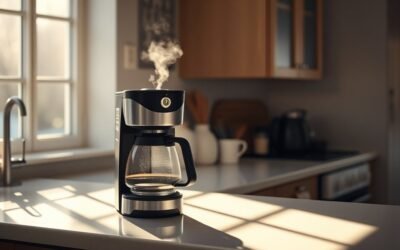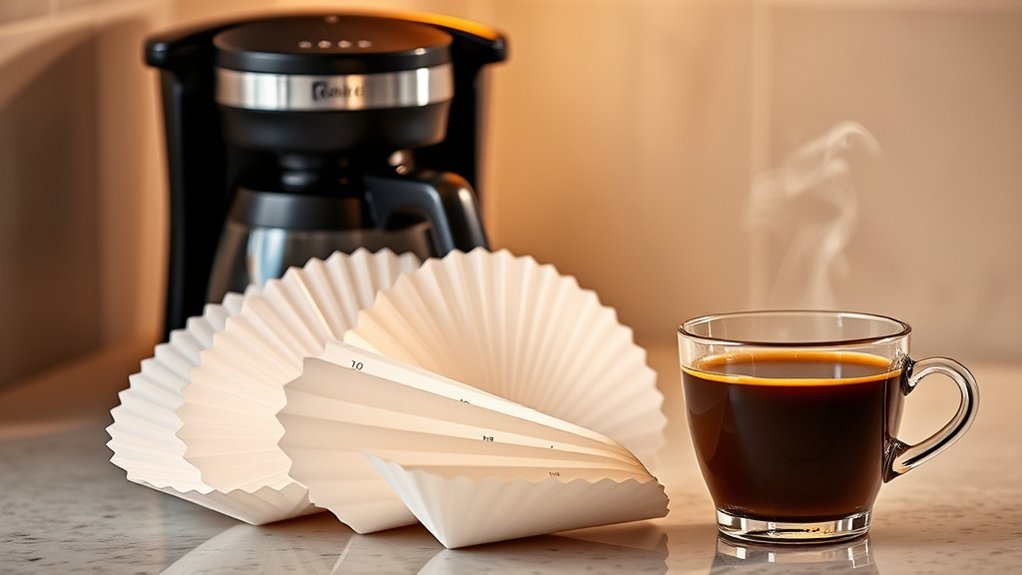
Most 8–10 cup coffee makers with a cone-shaped brew basket use a #4 cone filter. However, capacity alone does not determine the correct filter. Some 8- and 10-cup machines use flat-bottom basket filters, taller model-specific filters, or a reusable filter supplied by the manufacturer. Check the basket shape and your model’s manual before buying.
Quick Answer
Use a #4 paper filter if your 8–10 cup coffee maker has a cone-shaped basket and its manual specifies #4 filters. Do not choose by cup capacity alone. Flat-bottom brewers require basket filters, and some machines use proprietary or reusable filters. Match the filter to the basket’s shape, dimensions, and model instructions.
Key Takeaways
- A #4 cone filter commonly fits 8–12 cup coffee makers that have a compatible cone-shaped basket.
- An 8- or 10-cup rating does not guarantee that the machine uses a cone filter.
- Flat-bottom brew baskets require basket-style filters rather than #4 cone filters.
- The owner’s manual, model number, and shape of the existing basket provide the most reliable answer.
- Paper, metal, and cloth filters can all work well, but they produce different levels of body, oils, and sediment.
At a Glance
| Time Required | About 1–2 minutes to inspect the basket and check the manual |
| Difficulty | Easy |
| Tools Needed | Coffee maker model number, owner’s manual, or the previous filter for comparison |
| Cost | Varies by brand, package size, and whether the filter is disposable or reusable |
What Size Coffee Filter Is Best for an 8–10 Cup Coffee Maker?
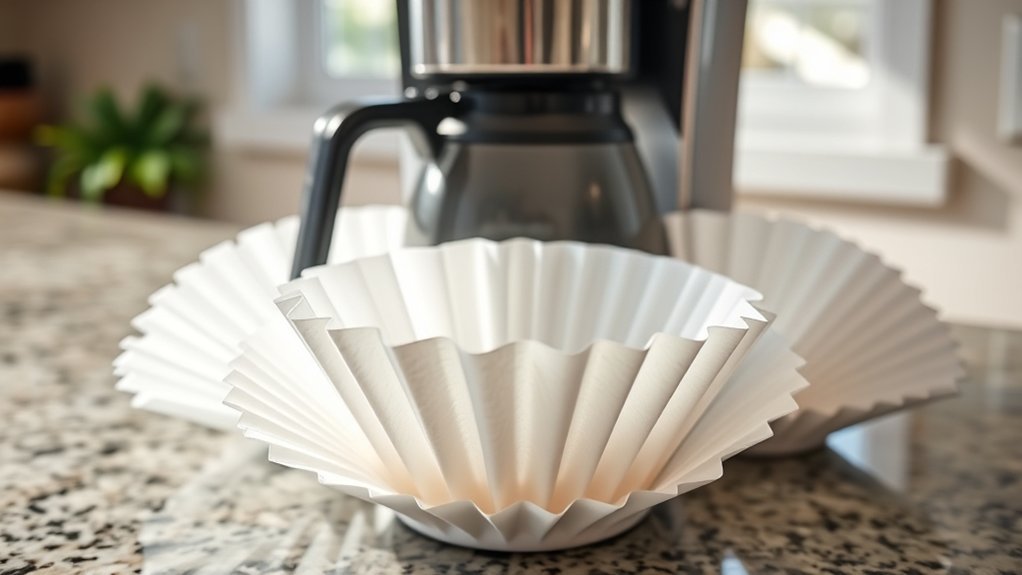
A #4 cone filter is the standard starting point for an 8–10 cup coffee maker with a cone-shaped filter holder. Melitta specifies that its #4 cone filters fit compatible 8–12 cup cone coffeemakers.
The word cone is essential. A machine with a round, flat-bottom brew basket requires a basket-style filter even if the carafe is marked for 8 or 10 cups. For example, some BUNN 10-cup brewers use taller flat-bottom filters designed for their funnels.
Note: Coffee-maker “cups” are usually smaller than ordinary drinking mugs. The capacity marking helps describe the brewer’s output, but it does not identify the filter shape.
Use this quick check:
| Brew-Basket Shape | Likely Filter | What to Confirm |
|---|---|---|
| V-shaped or wedge-shaped cone | Usually a #4 cone filter for an 8–12 cup machine | Look for “#4,” “No. 4,” or “1×4” in the manual |
| Round with a flat bottom | Standard or model-specific basket filter | Check the basket diameter and wall height |
| Removable mesh or gold-tone insert | Manufacturer-supplied reusable filter | Check whether paper filters may replace it or be used with it |
| Unusual, compact, or divided basket | Proprietary filter | Search by the exact coffee maker model number |
Power your essentials anywhere with a 999Wh pure sine wave power station delivering up to 1000W continuous with 2000W surge. It supports fast charging via USB-C PD 60W and USB-A QC 18W, plus simultaneous output for multiple devices through AC, USB, wireless, and car/DC ports. Recharge using AC, car, or solar with a built-in MPPT controller and dual cooling fans, while the upgraded battery management system protects against surges, short circuits, and overheating.

100 white #4 cone coffee filters; fit most 8-12 cup cone coffeemakers

INCLUDES: One (1) 100 Count package of Melitta Cone Coffee Filters #4. Unbleached natural brown disposable coffee filters made in the USA.
How Filter Size Affects Coffee Flavor and Extraction
Filter size affects more than whether the paper fits inside the basket. A properly seated filter supports steady water flow, keeps grounds away from the brewed coffee, and reduces the chance of the paper folding or collapsing.
A filter that is too small may sit below the top of the coffee bed. As water and grounds rise during brewing, grounds can spill over the edge and enter the carafe. A filter that is too large may wrinkle, block part of the outlet, touch the showerhead, or prevent the brew-basket lid from closing correctly.
The filter is only one part of extraction. Drainage also depends on:
- The amount of ground coffee
- The grind size
- The filter paper’s thickness and flow rate
- The coffee maker’s spray pattern
- Whether the filter is folded or seated correctly
- Oil and residue buildup in a reusable filter
Using a #4 filter in a compatible cone basket can support even brewing, but it cannot guarantee balanced flavor by itself. If the coffee drains too slowly, the cause may be an overly fine grind, too many grounds, a doubled paper filter, or a clogged reusable filter.
Choosing the Right Coffee Filter Size for Your Brew
Follow these steps before purchasing filters:
- Turn off and cool the coffee maker. Remove the brew basket so you can inspect its shape.
- Identify the basket. A cone basket narrows toward the bottom. A basket-style holder has a wider, flat base.
- Find the model number. It is often printed on a label on the bottom or rear of the machine.
- Read the manual. Look under “brewing,” “filter,” “replacement parts,” or “before first use.”
- Compare the old filter. Match its shape, height, bottom width, and any printed size number.
- Test the fit while dry. The filter should sit fully inside the basket without folding over the rim or touching the showerhead.
Pro Tip: Take a clear photo of the brew basket and model-number label before shopping. This makes it easier to compare the basket shape and check the manufacturer’s replacement-parts page.
Do not assume the term “basket filter” means any filter placed inside a brew basket. In product descriptions, a basket filter normally means the round, flat-bottom paper style. A cone filter is the tapered style identified by numbers such as #2 or #4.
Comparing Paper, Metal, and Cloth Coffee Filters
Once you know the correct size and shape, choose a material that suits the flavor and cleanup you prefer. Paper, metal, and cloth filters do not normally change the coffee maker’s programmed water temperature. Their main differences involve oils, fine particles, body, clarity, waste, and maintenance.
Paper Filter Advantages
Paper filters trap most fine particles and many coffee oils, producing a cup that is usually clear, bright, and low in sediment. They are convenient because the filter and spent grounds can be removed together after brewing.
Research on coffee diterpenes shows that paper filtration substantially limits the cafestol and kahweol that reach the cup compared with unfiltered brewing methods. Those compounds are associated with the cholesterol-raising effect observed with boiled and other unfiltered coffee. This is a difference between brewing methods, not a promise that drinking paper-filtered coffee will lower an individual’s cholesterol.
Paper filters are available in white, natural brown, bamboo, and other fiber blends. Color alone does not determine quality. The most important factors are correct fit, food-safe construction, intact seams, and an appropriate flow rate.
Pre-rinsing is optional for most automatic brewers unless the filter maker or coffee-maker manual recommends it. Rinsing can remove loose paper dust and warm a manual pour-over brewer, but a properly manufactured filter should not require rinsing merely to be usable.
Metal Filter Benefits
Reusable metal or gold-tone filters let more oils and very fine particles pass into the carafe. This commonly produces a fuller body and more sediment than paper filtration. Mr. Coffee, for example, describes its reusable gold-tone filter as providing a more robust, fuller taste.
A metal filter can reduce recurring paper-filter purchases and waste, but it requires cleaning after every batch. Rinse away loose grounds, wash according to the manufacturer’s instructions, and clear any blocked mesh openings. Oil buildup can slow drainage and give later batches a stale or bitter flavor.
Do not automatically place a paper filter inside a permanent metal filter. In some machines, doubling the filters restricts flow and increases the chance of overflow. Use paper with the permanent filter only when the coffee maker’s instructions specifically allow it.
Cloth Filter Characteristics
Cloth filters offer a middle ground between paper and metal. They can retain more fine sediment than many metal filters while allowing more oils through than paper. The result is often a cup with noticeable body and less grit than a basic mesh filter produces.
Cloth-filter lifespan varies by material, construction, frequency of use, and cleaning. Replace the filter when it develops holes, permanent odors, stubborn discoloration, a noticeably slower flow rate, or signs of mildew.
Wash a cloth filter thoroughly after every use and follow its maker’s storage instructions. Some cloth filters are stored submerged in clean water in the refrigerator, while others are dried completely. The correct method depends on the material and manufacturer.
How to Choose the Best Coffee Filter for Your Brewing Style
Start with compatibility, then consider the cup character and maintenance you prefer.
- Choose paper for a clean cup, minimal sediment, and easy disposal.
- Choose metal for more body, more oils, and a reusable option that is easy to rinse.
- Choose cloth for a reusable filter with a balance of clarity and body, provided you can maintain it carefully.
- Choose the manufacturer’s original filter when the basket has a proprietary shape or unusual dimensions.
For a cone-style 8–10 cup electric drip machine, a #4 cone filter is often correct. For a traditional round basket, use the basket size listed in the manual. A permanent filter sold as compatible with “10-, 12-, and 14-cup” machines is not automatically compatible with every machine in that capacity range; the frame and basket dimensions must still match.
Tips for Using and Caring for Your Coffee Filters
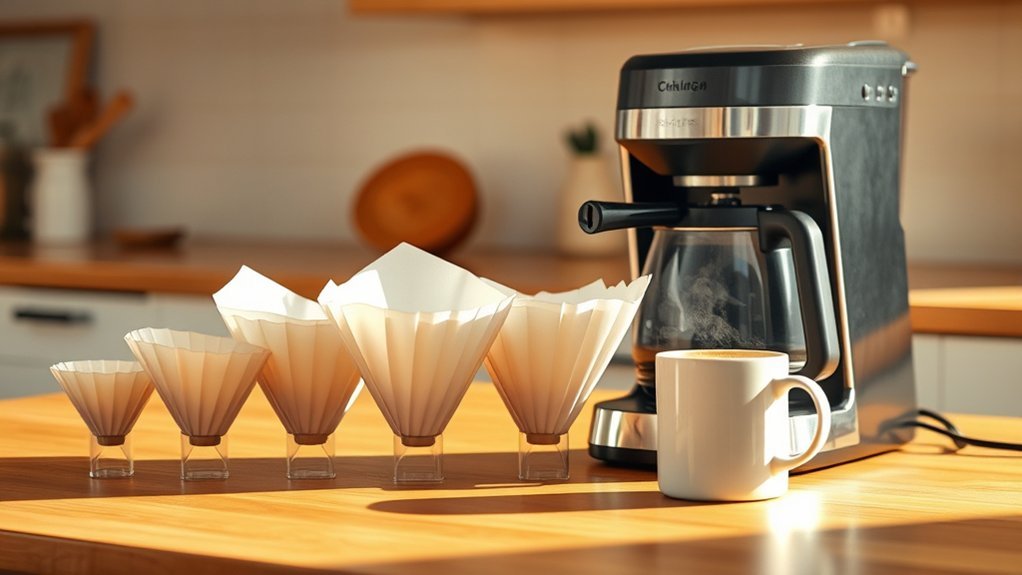
Good filter care protects flavor and helps water pass through the coffee bed at the intended rate. Disposable paper filters should be replaced after each batch. Reusable filters should be emptied and cleaned promptly so oils and grounds do not dry in the mesh or fabric.
Proper Filter Size
A properly fitted paper filter should:
- Sit flat against the sides of the basket
- Stay below the showerhead or water outlet
- Remain inside the basket rim when the lid closes
- Cover the drainage area without bunching
- Provide enough height to contain the wet coffee bed
For a seamed cone filter, fold the crimped bottom and side seams in opposite directions if the manufacturer recommends that method. This helps the filter sit evenly and reduces the chance of the seam pushing it away from the basket wall.
Warning: Do not force an oversized filter under the coffee maker’s lid or showerhead. A folded filter can interfere with water distribution, and a blocked basket can overflow hot water and grounds.
Regular Cleaning Practices
Dispose of a paper filter after each brew. Wipe loose grounds from the basket and wash the removable basket according to the coffee maker’s instructions.
For metal filters:
- Empty the grounds immediately after brewing.
- Rinse both sides of the mesh.
- Wash with mild dish soap if the manufacturer permits it.
- Use a soft brush for blocked mesh openings.
- Allow the filter to dry before storage.
For cloth filters, remove all grounds, rinse thoroughly, and use the cleaning and storage method specified by the filter manufacturer. Never store a damp cloth filter loosely at room temperature, where odor and microbial growth can develop.
Clean the rest of the coffee maker regularly as well. Cuisinart recommends emptying spent grounds and cleaning the machine’s handled parts routinely, while individual manuals may provide a separate descaling schedule.
Avoid These Common Coffee Filter Mistakes
- Buying by carafe capacity alone: Check whether the basket is cone-shaped, flat-bottomed, or proprietary.
- Confusing “4 cup” with “#4”: A four-cup basket filter and a #4 cone filter are different products.
- Forcing a cone filter into a flat basket: Wrinkles and gaps can cause bypass, uneven flow, or grounds in the carafe.
- Using a #2 filter in a #4 holder: The smaller paper may not rise high enough to contain the wet grounds.
- Doubling paper filters: Extra layers can slow drainage and cause overflow.
- Overfilling the filter: Leave enough room for the grounds to expand during brewing.
- Using an excessively fine grind: Fine particles can restrict flow through paper, cloth, or mesh.
- Ignoring reusable-filter residue: Coffee oils and fine grounds can clog the openings and alter flavor.
- Reusing disposable paper filters: Wet paper loses strength and may tear or collapse during another brew.
Frequently Asked Questions About Coffee Filter Sizes and Types
The table below summarizes the most common filter choices for home drip brewers. Always confirm the final choice in the coffee maker’s manual.
| Filter Type | Typical Use | Typical Cup Character | Care |
|---|---|---|---|
| #4 paper cone | Compatible 8–12 cup cone brewers | Clear, lower sediment, lighter body | Discard after one brew |
| Flat-bottom paper basket | Round, flat-bottom drip baskets | Clear, low sediment | Discard after one brew |
| Metal or gold-tone | Compatible reusable-filter baskets | Fuller body, more oils and sediment | Rinse and clean after every use |
| Cloth | Compatible manual or specialty brewers | Balanced body and clarity | Wash and store exactly as directed |
Best Practices for Brewing With Coffee Filters
- Confirm the filter shape and size in the owner’s manual.
- Seat the filter fully inside the basket before adding coffee.
- Use one paper filter unless the manufacturer directs otherwise.
- Distribute the grounds in an even layer without packing them down.
- Use a medium grind as a starting point for automatic drip brewing.
- Reduce the dose or use a coarser grind if the basket drains too slowly.
- Replace torn, misshapen, odorous, or slow-draining reusable filters.
- Clean the basket and carafe after brewing.
- Descale the coffee maker on the schedule in its manual.
If grounds overflow even with the correct filter, do not immediately move to a larger filter. First check the coffee dose, grind size, basket drainage, paper placement, and showerhead position.
Enhancing Your Coffee Experience With the Right Filters
The best filter is one that fits the machine correctly and produces the cup you enjoy. Size establishes safe compatibility; material fine-tunes body, clarity, oils, and cleanup.
| Your Priority | Good Starting Choice | Important Check |
|---|---|---|
| Clean cup with little sediment | Paper filter | Correct cone or basket shape |
| Fuller body and reusable design | Metal filter | Exact basket and frame compatibility |
| Reusable filter with less grit than basic mesh | Cloth filter | Cleaning and storage requirements |
| Lowest compatibility risk | Manufacturer-listed replacement | Exact model number |
Frequently Asked Questions
Can I use a #2 filter in a coffee maker designed for #4 filters?
It is not recommended. A #2 cone filter is smaller and may not be tall enough to contain the grounds and water in a basket designed for #4 paper. This can allow grounds to spill over the edge. Use the size specified by the coffee maker manufacturer.
Does every 8–10 cup coffee maker use a #4 filter?
No. A #4 filter is commonly used in 8–12 cup machines with cone-shaped baskets. An 8- or 10-cup machine with a round, flat-bottom basket needs a basket filter, while some models require a proprietary reusable filter.
Are reusable filters worth the investment for my coffee maker?
They can be worthwhile for frequent coffee drinkers who prefer a fuller-bodied cup and do not mind cleaning the filter after each use. Paper may be a better choice if you prefer minimal sediment and fast cleanup. Compatibility should be confirmed before purchasing either type.
Do coffee-filter brands affect the taste of coffee?
They can. Paper thickness, seams, fiber composition, and flow rate may change how quickly water drains. Material usually makes a larger difference than branding: paper produces a cleaner cup, while metal permits more oils and fine particles to pass through.
How often should I change my coffee filter?
Use a new disposable paper filter for every batch. Clean a reusable metal or cloth filter after every use and replace it when it is damaged, permanently odorous, difficult to clean, or draining much more slowly than it did when new.
Should I rinse a paper coffee filter before brewing?
Rinsing is optional unless the filter or coffee maker manufacturer recommends it. It can remove loose paper dust and preheat a manual brewer, but it is not required for every automatic drip machine. If you rinse inside an electric brewer, make sure the rinse water is removed from the carafe before brewing.
Can I compost used paper coffee filters?
Many ordinary paper filters and their coffee grounds can be composted. Check that the filter does not contain plastic, synthetic reinforcement, or a noncompostable coating, and follow the rules of your local composting program. Commercially compostable products may require an industrial facility.
Conclusion
A #4 cone filter is usually the right choice for an 8–10 cup coffee maker only when the machine has a compatible cone-shaped basket. If the basket is round and flat on the bottom, use the basket filter listed in the manual. Checking the basket shape and exact model number takes less time than returning a package of filters that does not fit.
After confirming compatibility, choose paper for a cleaner cup, metal for more body and reuse, or cloth for a balance of oils and clarity. Correct fit, an appropriate grind, and regular cleaning matter more than marketing terms such as “premium” or “superior.”
Sources
- Melitta #4 Cone Coffee Filter Paper — confirms compatibility with 8–12 cup cone coffeemakers.
- BUNN Speed Brew Elite 10-Cup Coffee Maker — documents a 10-cup brewer that uses taller flat-bottom filters.
- Hamilton Beach FlexBrew Trio Use and Care Guide — provides an official example of a full-carafe brewer using a basket-style paper filter.
- Cuisinart: How to Make Coffee — supports checking the machine manual and explains paper and reusable-filter options.
- PubMed: Coffee Consumption and Serum Lipids — supports the distinction between filtered and unfiltered coffee diterpenes.
- U.S. Environmental Protection Agency: Composting at Home — supports composting compatible coffee grounds and paper filters.