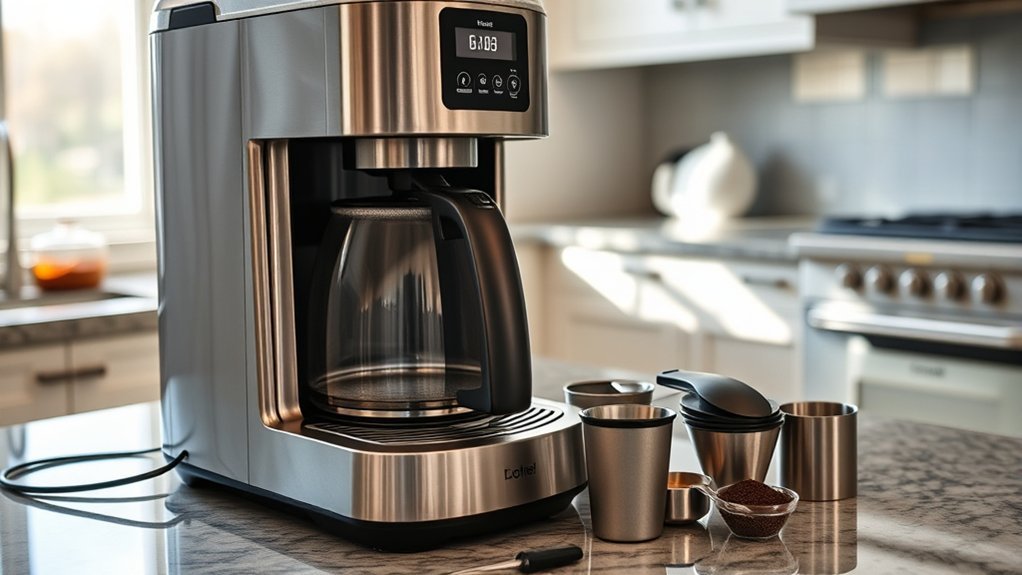
Cone and basket coffee filters create different brew-bed shapes, but neither design is automatically better, faster, or stronger. The right choice starts with the filter holder in your coffee maker. Once the fit is correct, grind size, coffee dose, water distribution, filter material, and brew time determine how the finished coffee tastes.
Quick Answer
Cone and basket coffee filters are shaped for different brew baskets, and that geometry can change extraction and flavor. Neither shape is always faster or better. Use the shape and size required by your brewer, then adjust the grind, coffee dose, and brew time to suit your taste.
Key Takeaways
- A cone filter creates a deeper, narrower coffee bed, while a basket filter creates a wider, flatter bed.
- Research confirms that brew-basket geometry can affect flavor and total dissolved solids, but the result also depends on roast, grind, dose, paper, and brewer design.
- Choose the filter shape and size listed in your coffee maker’s manual or marked on its filter holder.
- Start with a medium grind and adjust one step finer or coarser based on taste and drawdown time.
- Paper, metal, and cloth filters can produce different body and clarity even when their shapes are similar.
Understanding Cone vs. Basket Coffee Filters

A cone filter has sloped sides and a narrow bottom. The coffee grounds settle into a relatively deep bed, and brewed coffee exits through one or more openings near the bottom of the filter holder.
A basket filter has a broad, flat base with pleated sides. It spreads the coffee across a shallower and wider area. Many automatic drip coffee makers use this design, although cone-shaped baskets are also common in automatic machines.
The shape changes how water moves through the coffee bed, but shape is only one part of the system. The number and size of outlet holes, filter-paper thickness, grind distribution, coffee dose, water pattern, and brewing time can all change the flow rate. For that reason, it is not accurate to say that every cone filter drains faster or that every basket filter extracts more slowly.
Filter durability is also not determined by shape. Disposable paper filters are designed for one brew. Reusable metal or cloth filters may last much longer, but their lifespan depends on their material, construction, cleaning, and condition.
Warning: Do not force a cone filter into a flat-bottom basket or bunch a basket filter into a cone holder. A poor fit can fold the paper, create water bypass, allow grounds into the carafe, or cause the basket to overflow.
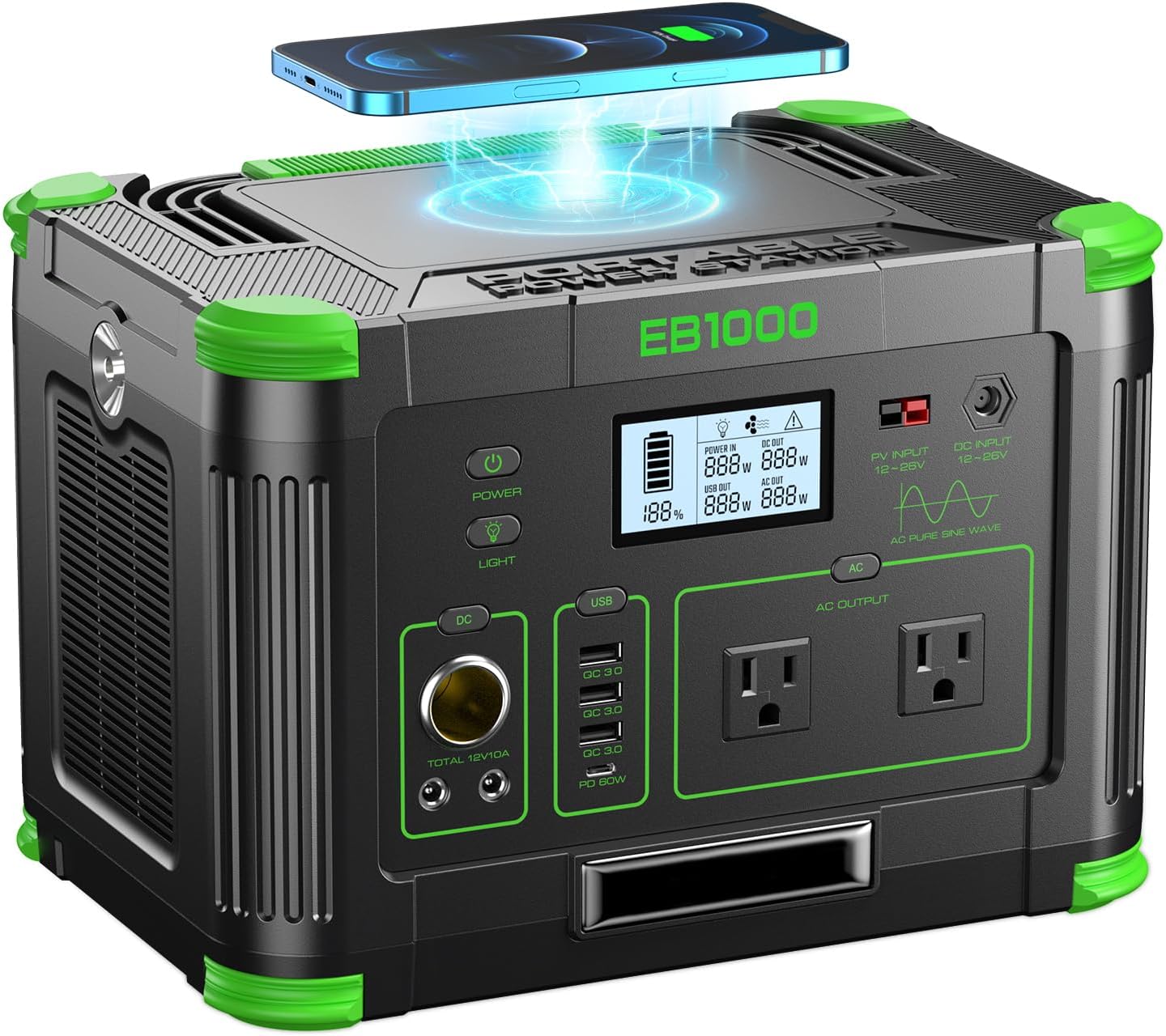
Power your essentials anywhere with a 999Wh pure sine wave power station delivering up to 1000W continuous with 2000W surge. It supports fast charging via USB-C PD 60W and USB-A QC 18W, plus simultaneous output for multiple devices through AC, USB, wireless, and car/DC ports. Recharge using AC, car, or solar with a built-in MPPT controller and dual cooling fans, while the upgraded battery management system protects against surges, short circuits, and overheating.

FLAVOR-ENHANCING MICROFINE PERFORATIONS: Unlock the full, rich flavor of your coffee with Melitta’s signature Microfine Flavor-Enhancing Perforations for a superior brewing experience.

102 white #4 cone coffee filters; fit most 8-12 cup cone coffeemakers
Cone vs. Basket Filters at a Glance
At a Glance
| First Selection Rule | Use the shape and size specified for your coffee maker or dripper. |
| Cone Filter | Creates a deeper, narrower coffee bed. It may emphasize different flavor attributes, depending on the brewer and recipe. |
| Basket Filter | Creates a wider, flatter coffee bed. Good water distribution is important because the grounds cover a broader area. |
| Starting Grind | Start near medium for automatic drip brewing, then adjust according to taste, flow, and the manufacturer’s directions. |
| Brew Capacity | Determined by the specific brewer and filter size—not by cone or basket shape alone. |
How Filter Shape Affects Coffee Flavor
Filter shape can influence coffee flavor because it changes the depth and width of the coffee bed. Those changes affect where water travels, how evenly grounds become saturated, and how soluble compounds move into the finished drink.
A 2019 Journal of Food Science study compared semi-conical and flat-bottom brew baskets along with two roast levels and two grind settings. The researchers found a statistically detectable sensory difference between the basket geometries. The semi-conical brews also had higher total dissolved solids in the initial tests.
However, the study did not show that one basket always creates a particular flavor. Basket geometry by itself significantly affected only a limited number of attributes, while several other differences depended on interactions between geometry, roast, and grind. In practical terms, a cone brewer may highlight citrus, berry, acidity, or intensity in one recipe, while a different coffee or grinder can produce another result.
Basket geometry can create a noticeable flavor difference, but it does not guarantee that every cone brew will be bright or every flat-bottom brew will be sweet.
Flavor Extraction Dynamics
Extraction describes the process of water dissolving flavor compounds from ground coffee. A deeper cone-shaped bed and a wider flat-bottom bed expose water to different paths through the grounds. That difference can change brew strength, extraction uniformity, and sensory balance.
Actual extraction still depends on the whole recipe. A fine grind creates more resistance and exposes more surface area. A coarse grind normally allows water to pass more easily. A larger dose creates a deeper bed, while uneven pouring or an incomplete shower pattern can leave some grounds underused.
This is why flow speed should be observed rather than predicted from shape alone. A cone brewer with dense paper and a fine grind may drain slowly. A basket brewer with a large outlet and coarse grounds may drain quickly.
Brew Strength Variations
Brew strength refers to the concentration of dissolved coffee in the drink. It is often measured as total dissolved solids, or TDS. The 2019 basket-geometry study found higher TDS in the semi-conical brews during its initial comparison, but that result should not be treated as a promise that cone filters always make stronger coffee.
You can make stronger or weaker coffee with either shape by changing the coffee-to-water ratio, grind, or brewing conditions. A practical starting recipe is about 30 grams of coffee for 480 grams of water, which is close to a 1:16 ratio. From there:
- For a stronger cup: Use slightly more coffee before making the grind much finer.
- For a lighter cup: Use slightly less coffee or more water.
- For sour or thin coffee: Try a slightly finer grind or longer contact time.
- For bitter, harsh, or drying coffee: Try a slightly coarser grind or shorter contact time.
Brewing Techniques With Cone Filters

Cone filters concentrate the grounds into a deeper bed. Use these steps to improve consistency:
- Confirm the size: Check the coffee maker’s manual or the markings on the filter holder. Cone filters with similar angles can still differ in height and capacity.
- Fold the seams when directed: Some cone papers have crimped edges that should be folded so the paper sits closely against the holder.
- Rinse the filter when practical: For manual brewing, rinsing with hot water can seat the paper, warm the brewer, and reduce an unwanted paper aroma. Discard the rinse water before adding coffee.
- Start with a medium grind: Use medium-fine only when the brewer drains too quickly or the coffee tastes under-extracted.
- Level the coffee bed: Gently shake the brewer so the grounds form an even surface before brewing.
- Wet the grounds evenly: For pour-over brewing, start with enough water to wet all the coffee, then continue in controlled pours without flooding the filter.
- Watch the drawdown: If water stalls or the paper remains full for an unusually long time, grind coarser or reduce agitation.
Pro Tip: Change only one variable at a time. Keep the coffee dose and water amount fixed while adjusting the grind. This makes it easier to identify what improved or harmed the brew.
Brewing Techniques With Flat-Bottom Basket Filters
A basket filter spreads the grounds across a wider area. Even water coverage is therefore especially important. Follow these practices:
- Use the specified basket size: A filter that is too small may collapse, while one that is too large can fold inward and interfere with water flow.
- Place the filter flat: Open the pleats fully and press the bottom gently into the basket.
- Distribute the grounds evenly: Avoid leaving a mound on one side of the basket.
- Check the showerhead: Mineral buildup or blocked openings can cause uneven wetting and weak extraction in part of the bed.
- Do not overfill the basket: Leave enough space for the coffee to expand as it becomes saturated.
- Use a medium starting grind: Adjust according to the finished flavor and the machine’s total brew time.
Optimal Coffee Grind Size
There is no single micron measurement that works for every flat-bottom or cone brewer. Grinder calibration, particle distribution, dose, roast level, and filter resistance all affect the correct setting.
The UC Davis basket-geometry experiment used median particle sizes of approximately 1,065 microns for its medium grind and 799 microns for its medium-fine grind. Those figures describe the study’s test conditions; they are not universal brewing targets. In that experiment, non-expert panelists did not reliably identify the grind difference when the basket geometry stayed the same.
For home brewing, use taste and flow as your guides:
- Grind finer when the coffee tastes sour, thin, hollow, or weak and the water passes quickly.
- Grind coarser when the coffee tastes bitter, rough, drying, or muddy and the filter drains slowly.
- Reduce the dose if the basket approaches its overflow point even after using an appropriate grind.
- Clean the grinder if large changes in flavor occur without a recipe change.
Brewing Temperature Control
For hot drip coffee, 195°F to 205°F (about 90°C to 96°C) remains a useful starting range. Many quality-focused automatic brewers are designed to control temperature, contact time, and water distribution together. The Specialty Coffee Association’s certified brewer program evaluates these factors as part of overall brewing performance.
Temperature should not be treated as an isolated flavor switch. A controlled drip-coffee study found little sensory effect from the tested brewing temperatures when brew strength and extraction were held constant. In daily use, grind, ratio, contact time, and water distribution may have a more obvious effect than a small temperature change.
Warning: Hot water and freshly brewed coffee can cause burns. Keep the brewer stable, avoid overfilling it, and follow the manufacturer’s handling instructions.
Managing Water Flow Rate
Water flow affects contact time, but a longer brew is not automatically better. Excessively slow flow can increase bitterness or drying flavors, while very fast flow may leave the cup weak or sour.
When a brew runs too slowly:
- Use a slightly coarser grind.
- Reduce stirring, swirling, or other agitation.
- Check whether the filter is folded over an outlet.
- Clean reusable filters and the brewer’s drain openings.
- Reduce the coffee dose if the basket is overloaded.
When a brew runs too quickly:
- Use a slightly finer grind.
- Confirm that the paper fits the holder without gaps.
- Check for tears or a collapsed seam.
- For manual brewing, pour more slowly and keep the coffee bed evenly saturated.
How Coffee Filter Materials Affect Flavor
Shape is not the only filter difference that matters. Paper, metal, and cloth retain different amounts of coffee sediment and oil.
- Paper filters: Usually produce a clean cup with low sediment. Paper captures fine particles and retains much of the coffee material that carries diterpenes such as cafestol. Research on paper-filter brewing has found very low cafestol levels in the finished drink. See the published cafestol-filtration study.
- Metal filters: Allow more fine particles and oils into the cup, often creating fuller body and more sediment. Clean them after every brew because trapped oils can become stale.
- Cloth filters: Can create a balance between paper-like clarity and metal-filter body. They require careful rinsing, cleaning, and storage to prevent stale odors or microbial growth.
White and natural-brown paper filters are not automatically different in performance. For example, Melitta states that its white and natural filter papers have identical properties, with the visible difference coming from the bleaching process. The more important factors are correct fit, paper construction, freshness, and whether the filter introduces an aroma you dislike. See the manufacturer’s filter guidance.
How to Pick the Right Filter for Your Coffee Maker

Use this order of priority when choosing a coffee filter:
- Match the filter holder: Determine whether your brewer uses a cone, flat-bottom basket, disc, capsule, or proprietary design.
- Match the exact size: Check the manual, packaging, filter holder, or manufacturer’s product page.
- Choose the material: Select paper for clarity, metal for more body and less disposable waste, or cloth when you are comfortable with its extra care requirements.
- Consider your cleanup preference: Paper makes grounds easy to remove. Reusable filters reduce paper use but require washing after each brew.
- Adjust flavor with the recipe: Do not buy the wrong filter shape in an attempt to make the coffee stronger or brighter. Change dose and grind instead.
The best filter is first the one that fits safely and correctly. Flavor adjustments come after compatibility.
Capacity also depends on the particular product. Small and large versions exist in both cone and basket formats. Manufacturer guidance is more reliable than a general rule based on filter shape.
Experimenting With Different Filter Types
Experimenting can help you learn whether you prefer more clarity, more body, a heavier texture, or a brighter presentation of acidity. Keep the comparison controlled so you are testing the filter rather than several recipe changes at once.
- Use the same coffee beans and roast date.
- Weigh the same coffee and water for each brew.
- Keep water temperature as consistent as practical.
- Use the same grinder and starting grind setting.
- Taste the coffees after they have cooled to similar temperatures.
- Record sweetness, acidity, bitterness, body, clarity, and aftertaste.
- Adjust the grind separately for each brewer only after the first comparison.
In the UC Davis testing, 25 of 45 panelists correctly identified the different coffee when comparing flat-bottom and semi-conical baskets with the medium grind. That result supports the idea that geometry can be noticeable, but your preferred shape will still depend on your coffee, equipment, and taste.
Note: Compare complete brewers rather than placing a badly fitting filter into the wrong holder. A poor fit introduces bypass and flow problems that can overwhelm the flavor difference you intended to test.
Troubleshooting Common Filter Problems
- Grounds in the carafe: Check for a torn paper, collapsed seam, wrong filter size, or reusable filter damage.
- Basket overflow: Use less coffee, grind coarser, confirm that the outlet is open, and make sure the paper is not blocking the drain.
- Weak or sour coffee: Grind slightly finer, use more coffee, improve water coverage, or extend contact time.
- Bitter or drying coffee: Grind slightly coarser, shorten contact time, reduce agitation, or clean away old coffee oils.
- Uneven coffee bed: Level the grounds before brewing and inspect the machine’s showerhead for blocked openings.
- Paper taste: Rinse the paper with hot water before brewing when the brewer and filter design allow it.
- Reusable filter smells stale: Wash it promptly after each brew and follow the manufacturer’s deep-cleaning instructions.
Frequently Asked Questions
Can I use cone filters in a basket coffee maker?
Use the shape and size specified by the coffee maker manufacturer. A cone paper may bunch, fold, or leave gaps in a flat-bottom basket, causing bypass, overflow, or grounds in the carafe. Do not improvise unless the brewer’s instructions specifically allow another filter style.
Are there reusable options for cone and basket filters?
Yes. Reusable metal and cloth filters are available in both shapes. Confirm that the product is designed for your exact brewer. Metal usually allows more oils and fine sediment into the cup, while cloth requires more careful cleaning and storage.
Do coffee-filter brands affect taste?
They can. Paper thickness, pore structure, seams, fit, and manufacturing method may change drawdown or introduce an aroma. Compare brands with the same coffee recipe, and adjust the grind only after observing how each paper flows.
How often should I change my coffee filter?
Use a new disposable paper filter for every brew. Clean a reusable filter after every use and replace it when it becomes torn, warped, corroded, permanently clogged, or unable to fit securely. Follow the reusable-filter manufacturer’s care instructions rather than using a fixed number of brews.
Can I brew tea using a coffee filter?
Yes. A clean paper filter can hold loose tea leaves and reduce sediment. Use a suitable water temperature and steeping time for the type of tea. Avoid using a reusable coffee filter with stale coffee oils unless it has been cleaned thoroughly.
Which filter shape makes stronger coffee?
Neither shape always makes stronger coffee. A semi-conical basket produced higher TDS in one controlled study, but you can make strong or weak coffee with either design. Coffee dose, water amount, grind, contact time, and brewer performance have a major effect.
What grind should I use for cone and basket filters?
Start near a medium grind for automatic drip coffee. If the brew drains quickly and tastes sour or weak, grind slightly finer. If it drains slowly and tastes bitter or drying, grind slightly coarser. Follow the brewer and grinder manufacturers’ starting recommendations when available.
Are white or natural-brown paper filters better?
Neither color is automatically better. Filter construction, fit, cleanliness, and flow are more important than color alone. Some manufacturers state that their white and natural papers perform identically. Rinse the paper before brewing if you notice an unwanted paper aroma.
Conclusion
Cone and basket coffee filters create different coffee-bed geometries, and research shows that those differences can affect extraction and flavor. However, neither shape guarantees faster flow, greater strength, brighter acidity, or more sweetness.
Start with the filter shape and size required by your coffee maker. Then choose paper, metal, or cloth based on the body, clarity, cleanup, and maintenance you prefer. A consistent coffee-to-water ratio and small grind adjustments will usually improve your brew more reliably than trying to force the wrong filter into your machine.
Sources
- Journal of Food Science: Effect of Basket Geometry on Drip-Brewed Coffee — supports the discussion of sensory differences, TDS, grind, roast, and basket geometry.
- Specialty Coffee Association: Flat vs. Cone — explains the UC Davis triangle tests and study-specific grind measurements.
- Specialty Coffee Association Certified Home Brewer Program — supports the role of temperature, brewing time, extraction, and consistent brewer performance.
- Scientific Reports: Brew Temperature and Drip-Coffee Sensory Profile — supports the nuanced discussion of brewing temperature.
- PubMed: Cafestol Retention During Paper-Filter Brewing — supports the discussion of paper filtration and coffee diterpenes.
- Melitta Filter FAQ — supports filter-size compatibility, correct paper fit, and white-versus-natural paper guidance.